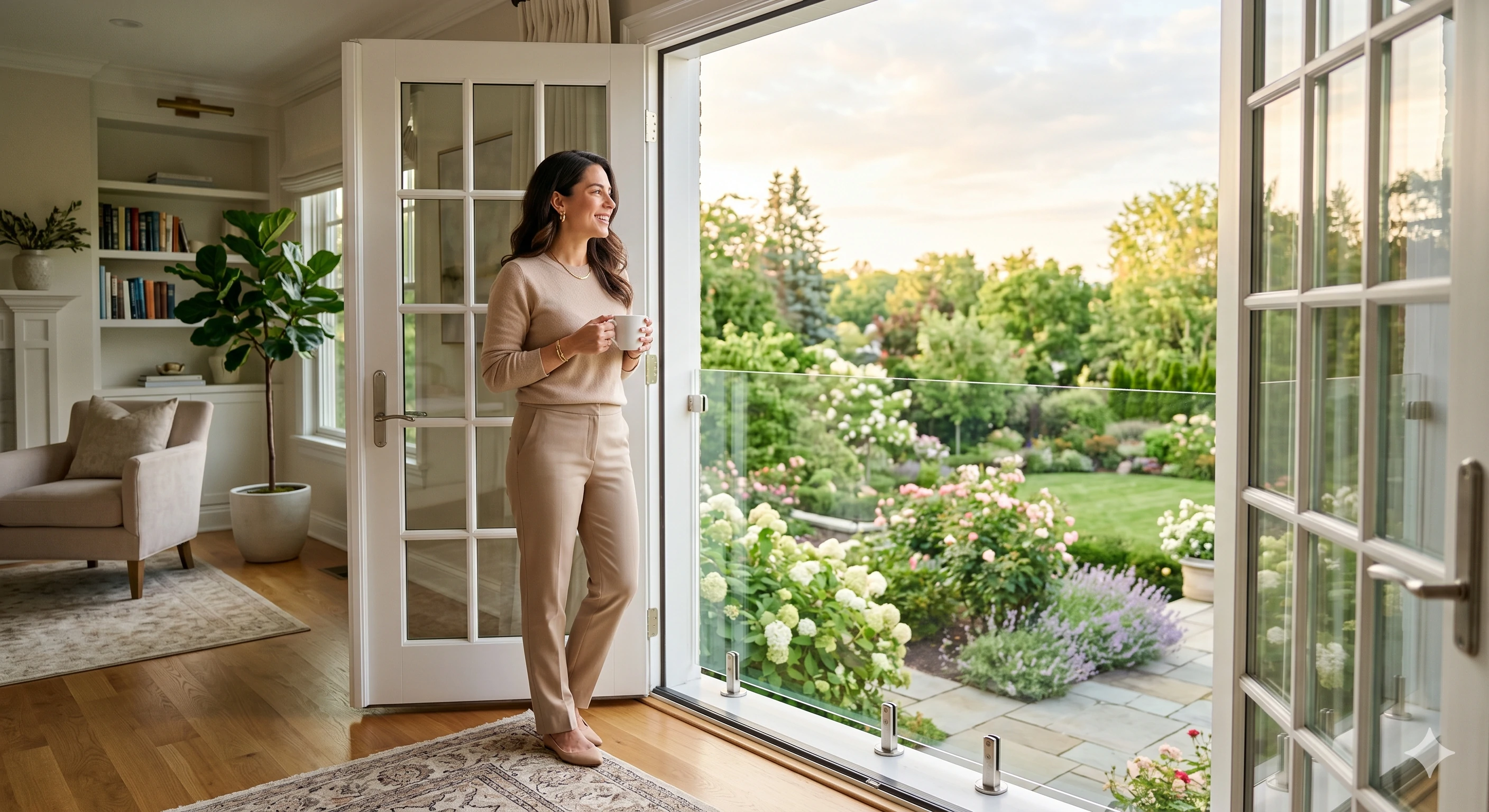
There is nothing quite like throwing open a set of on a warm spring morning. The breeze rolls in, the room fills with light, and for a moment your bedroom feels like it belongs to the sky. Then you take a step forward—and remember you are one careless stumble away from a two-storey drop.
That is the quiet tension at the heart of every . are unambiguous: any inward-opening door at height needs a barrier across it. But the moment most homeowners picture a "barrier," they picture black iron bars, and the dream of an airy, light-washed room collapses into something that feels more like a Victorian jail cell.
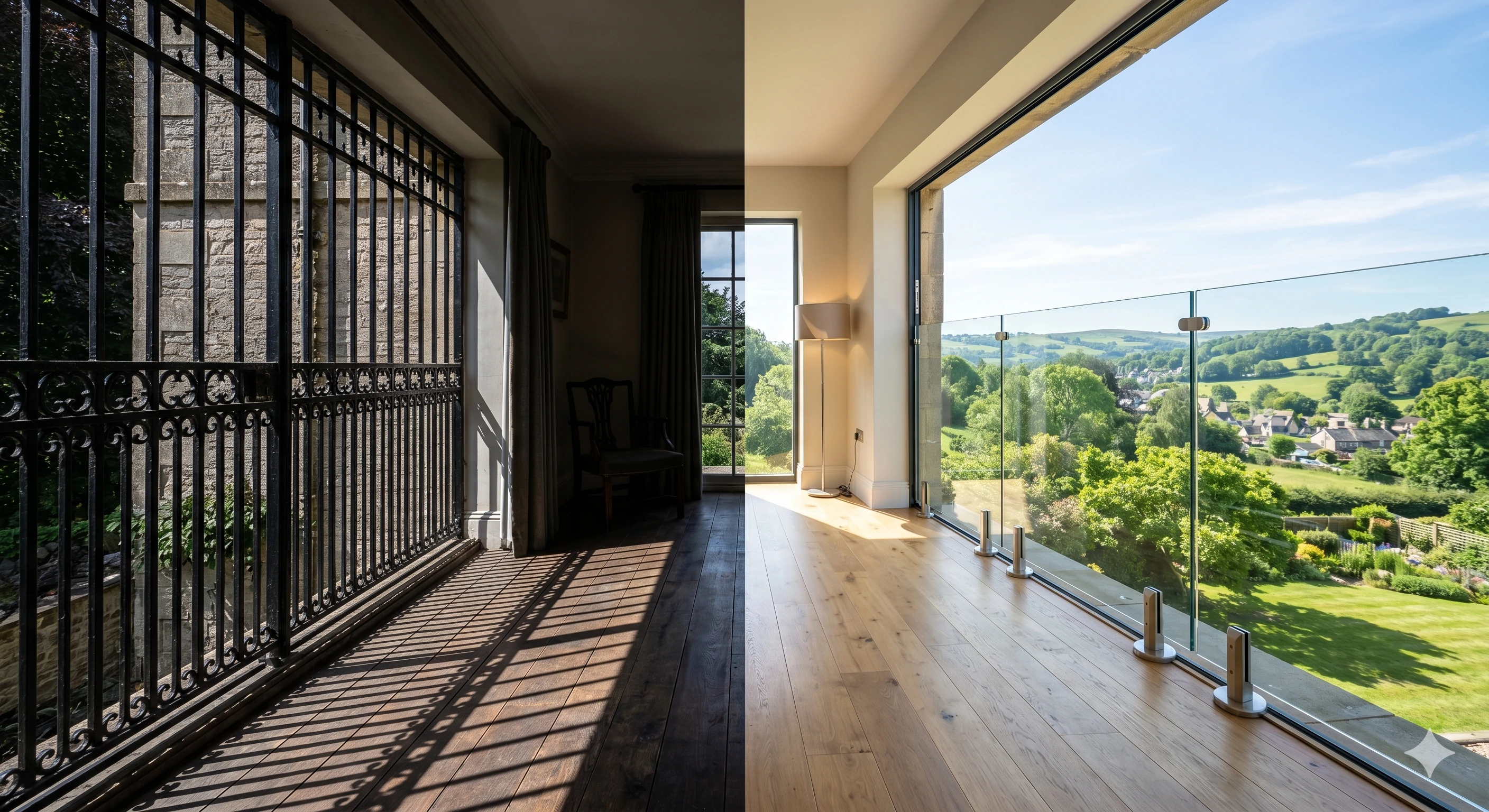
There is a better answer. A frameless glass Juliet balcony, held in place by nothing more than a handful of polished stainless steel standoffs, delivers code-compliant fall protection while being almost entirely invisible from inside the room. No top rail. No side posts. No shadow bars slicing across your view. Just glass, light, and the outdoors.
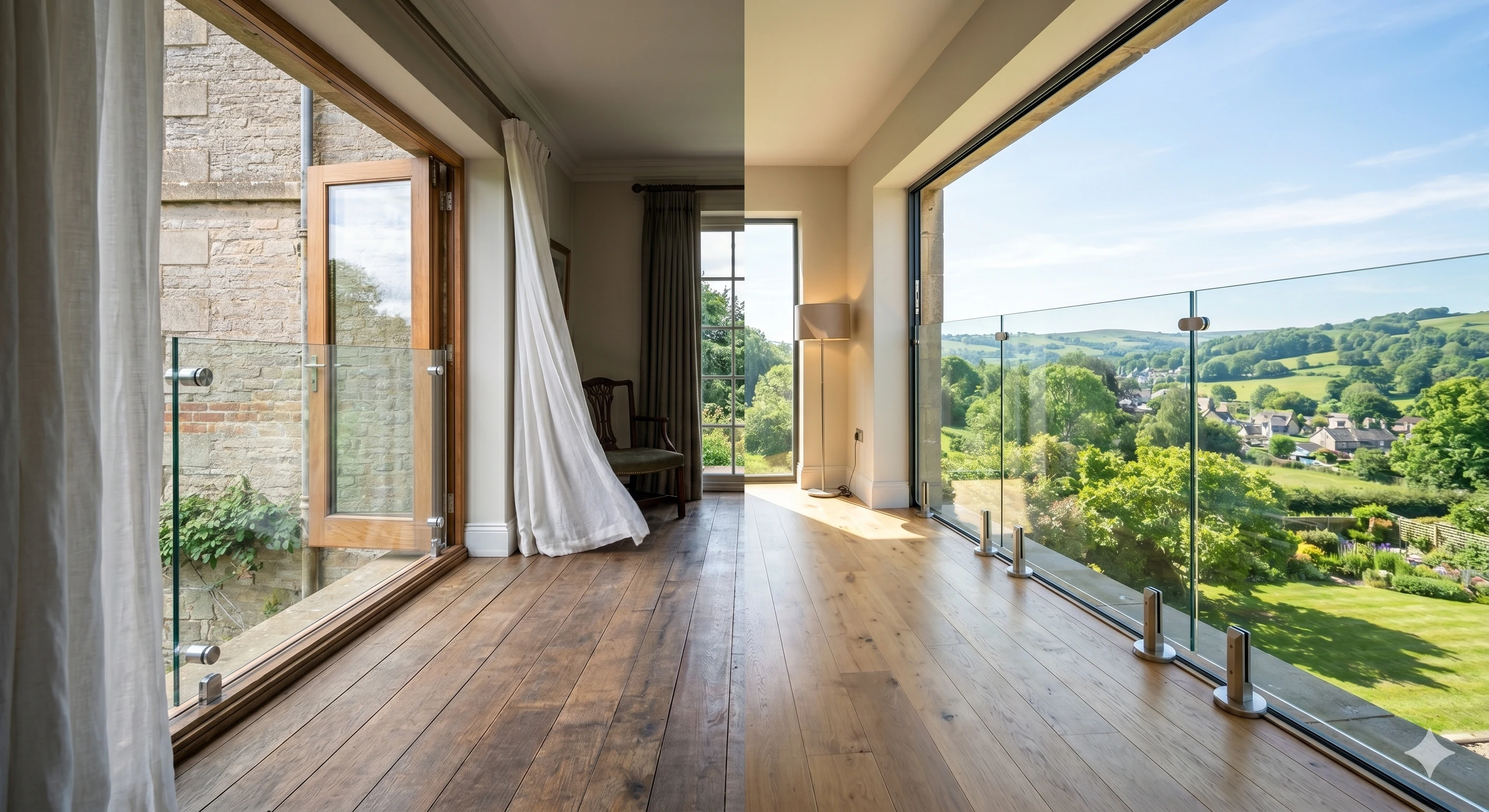
This guide walks through why fail, how standoff hardware actually works, and why a frameless system is worth every penny over the alternatives.
Why Traditional Railings Ruin the Room You Just Renovated
If you have spent real money on tall French doors or a , the last thing you want bolted in front of them is a row of painted metal bars. Yet that is exactly what most off-the-shelf balcony guards give you—and the compromises add up fast.
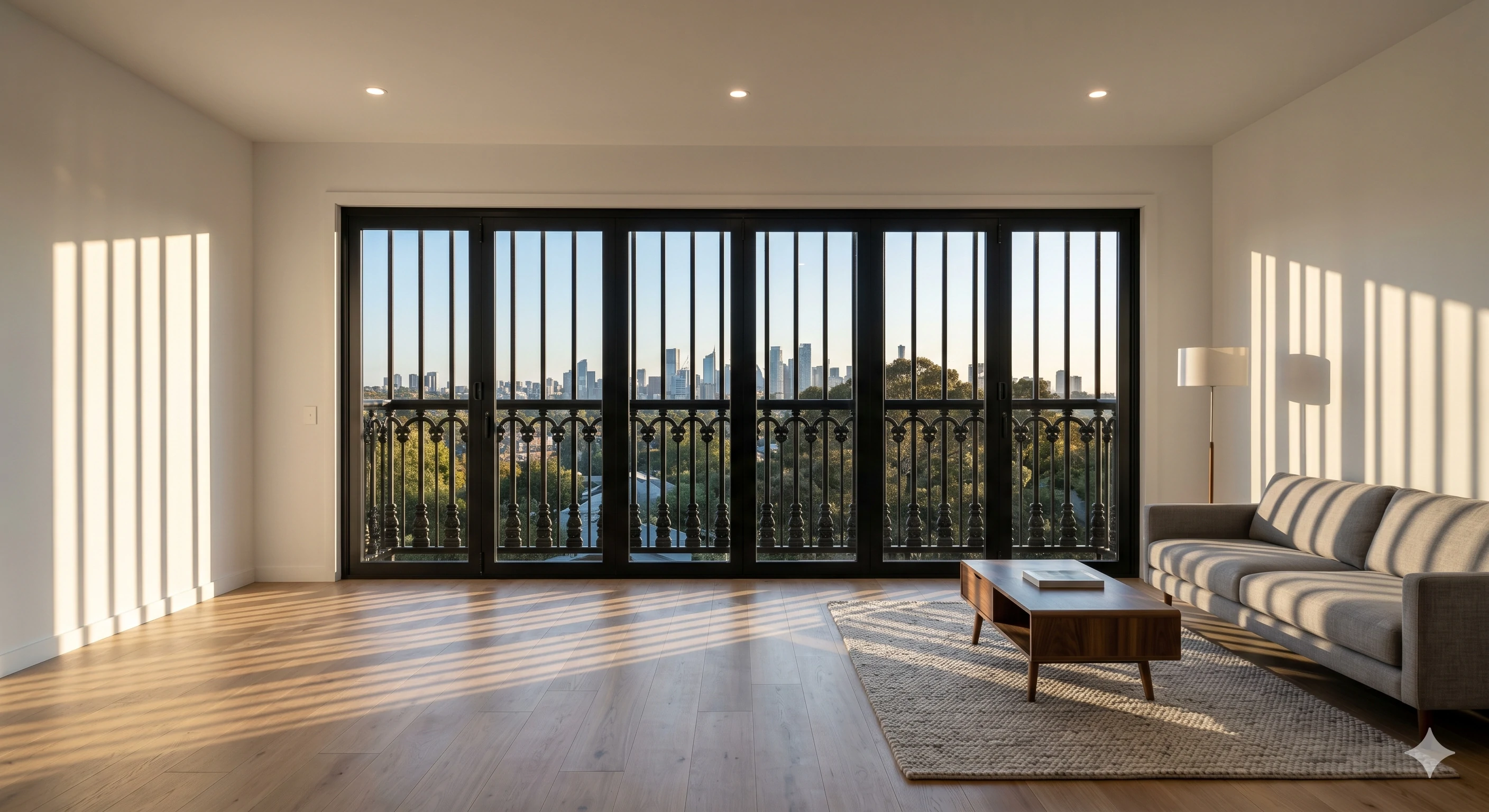
The prison-bar effect. Vertical metal balusters look tidy in a catalog, but installed in front of a window they slice the view into narrow vertical strips. Trees, skylines, and gardens all get chopped into ribbons. Worse, the bars cast hard shadow lines across the floor and walls all day, undoing the bright, open feeling the new doors were supposed to create. You end up looking through your window instead of out of it.
A real hazard for small children and pets. Parents tend to discover this one the hard way. The gaps between traditional balusters are climbing footholds for toddlers, and narrow enough that a small dog or cat can wedge through and get stuck—or worse. Even code-compliant spacing assumes an average adult; it was never designed around a determined three-year-old.
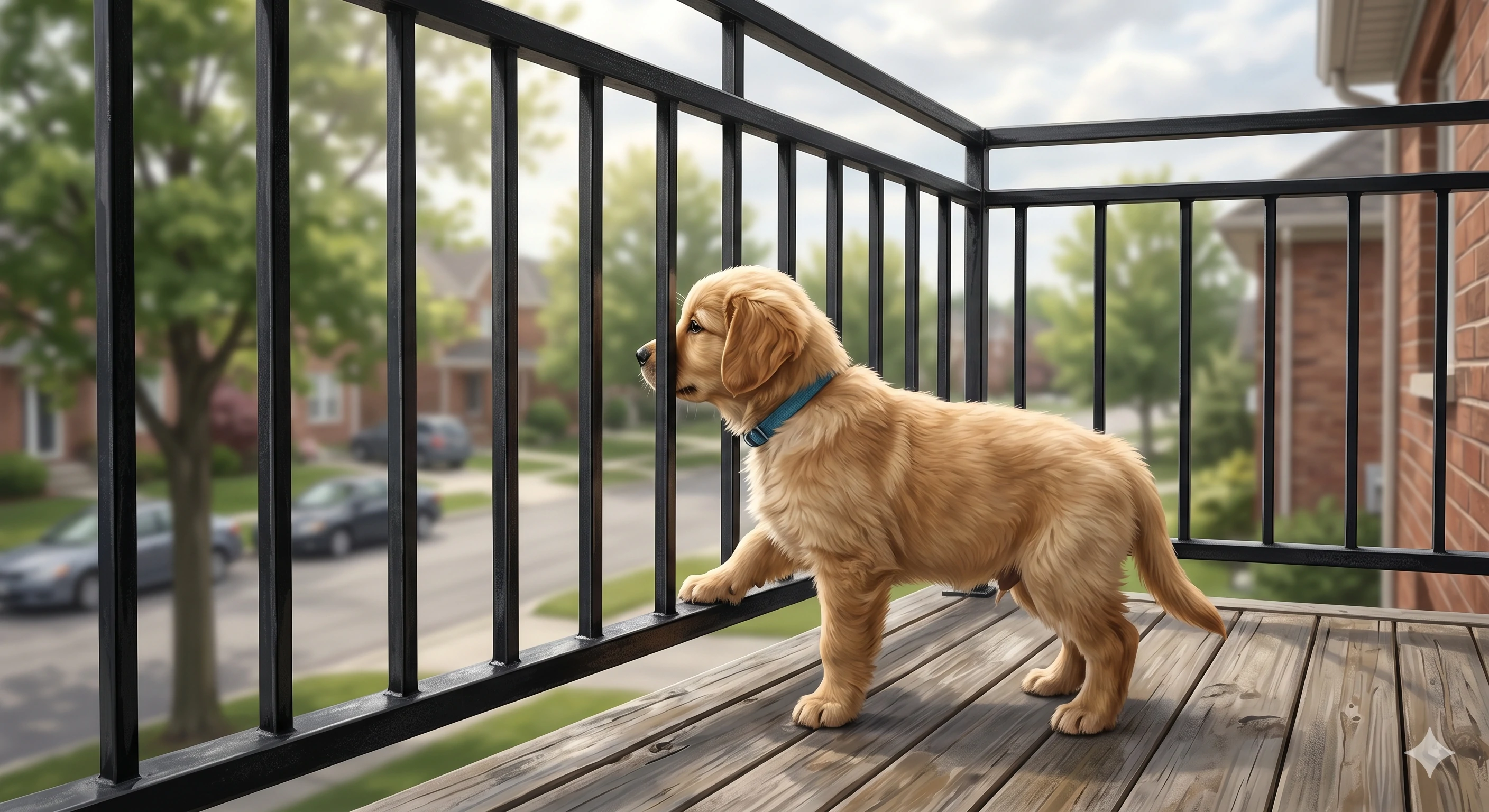
Curb appeal, destroyed from the outside. The view from the street matters too. A bulky, bolted-on wrought iron cage looks clumsy on a sleek modern render, and anachronistic on period brickwork that was not designed for it. The balcony becomes the first thing visitors see, and not in a good way.
The frustration is real: homeowners know exactly what they don't want, but assume the only alternative is to accept it anyway. It isn't.
How Frameless Glass Actually Stays on the Wall
Once people see a in a photo, the next question is always the same: how is it holding on? There is no visible frame, no top rail, no posts at the corners—just a pane of glass that appears to float a few inches off the wall. Surely that can't be safe?
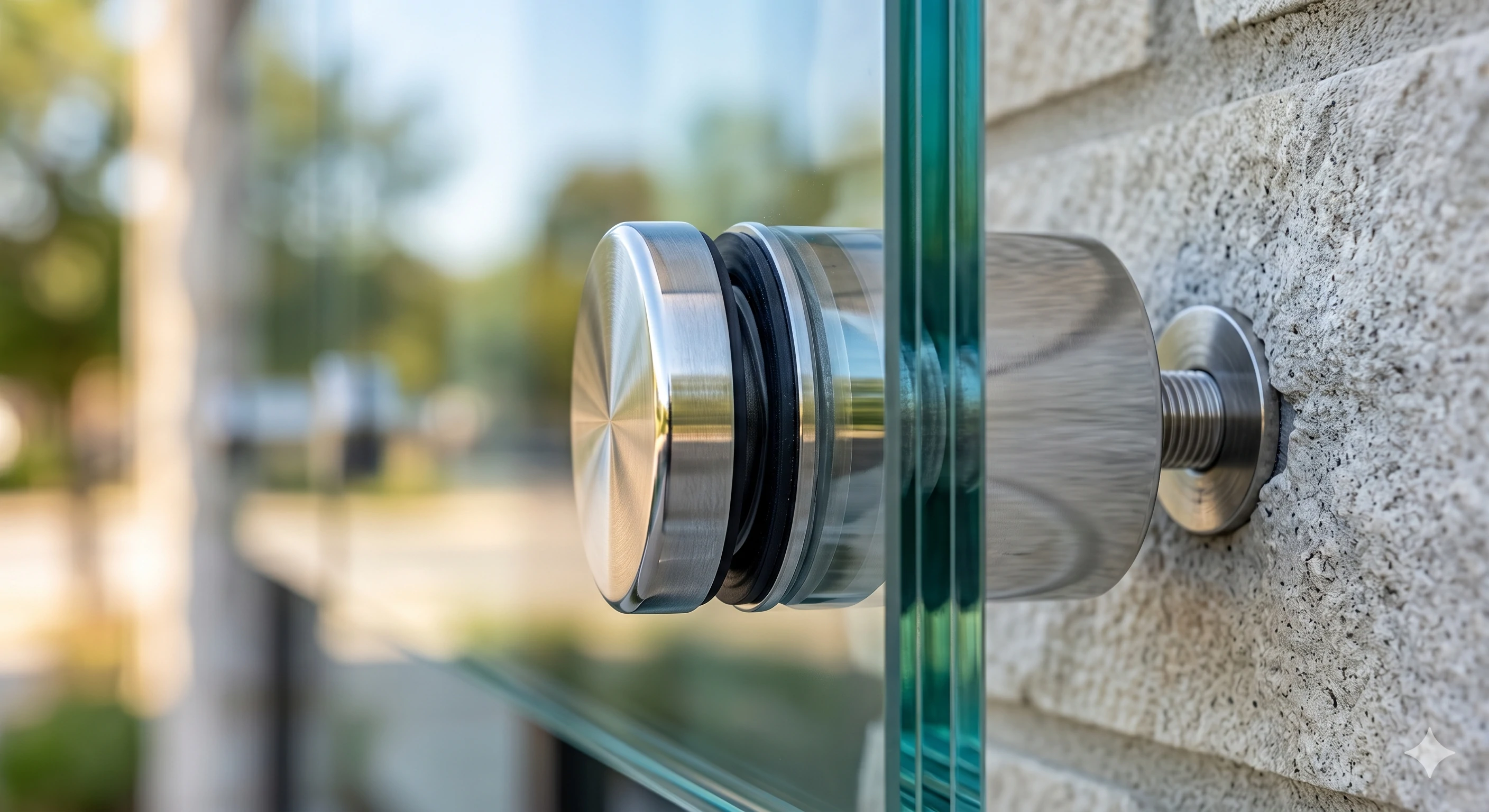
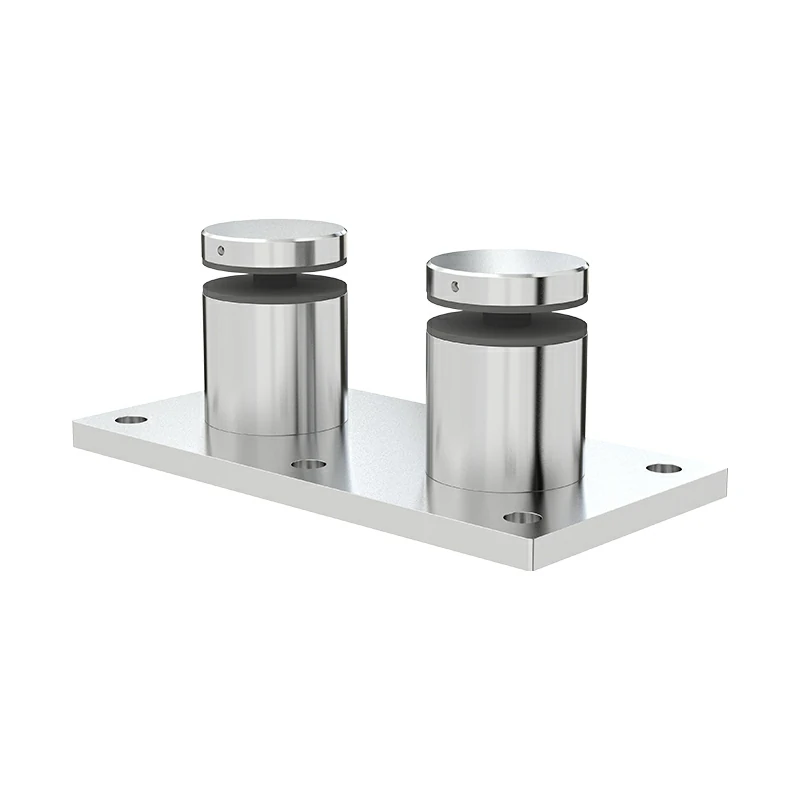
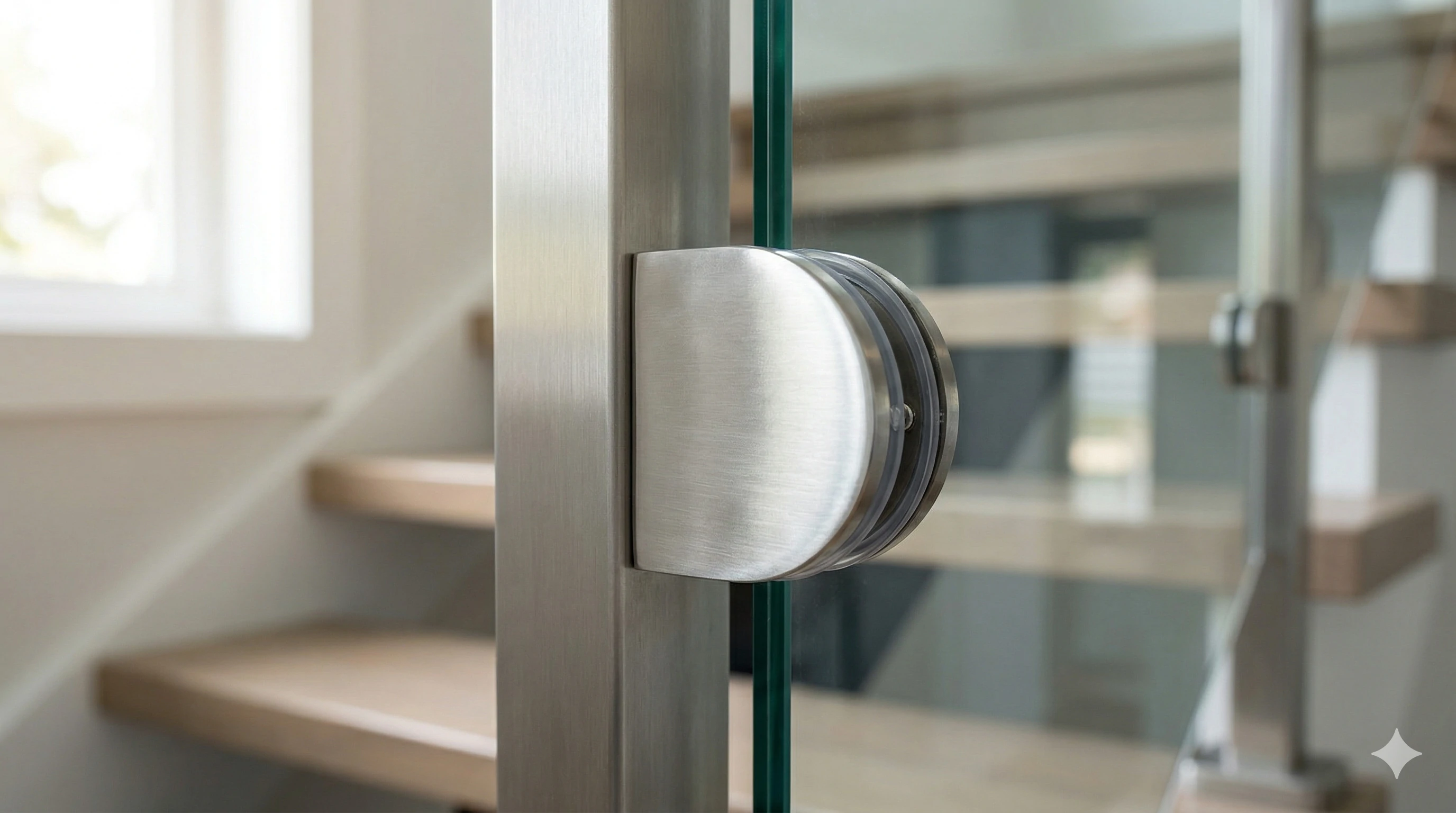
The magic is in the stainless steel standoff, sometimes called a glass button, glass adapter, or side-mounted spigot. Each standoff is a short, cylindrical node of solid stainless steel with a threaded stud on one end and a clamping collar on the other. The stud bolts deep into structural masonry, concrete, or solid timber framing on either side of the door opening. The collar clamps onto a pre-drilled hole in the toughened glass panel. Two standoffs on each side—four in total for a standard opening—is usually all it takes.
Because every standoff transfers load directly into the , the system is genuinely strong. You can lean on it, children can press against it, and it will not flex or rattle. The hardware is engineered to resist loads well in excess of what require.
The glass itself is doing serious work. A proper Juliet balcony uses toughened laminated safety glass—typically two panes of tempered glass bonded around a tough interlayer. If the outer pane ever takes a hard impact, the interlayer holds every fragment in place. The glass may crack, but it will not fall away and it will not leave a gap. There is no way for a child, a pet, or an adult to push through it.
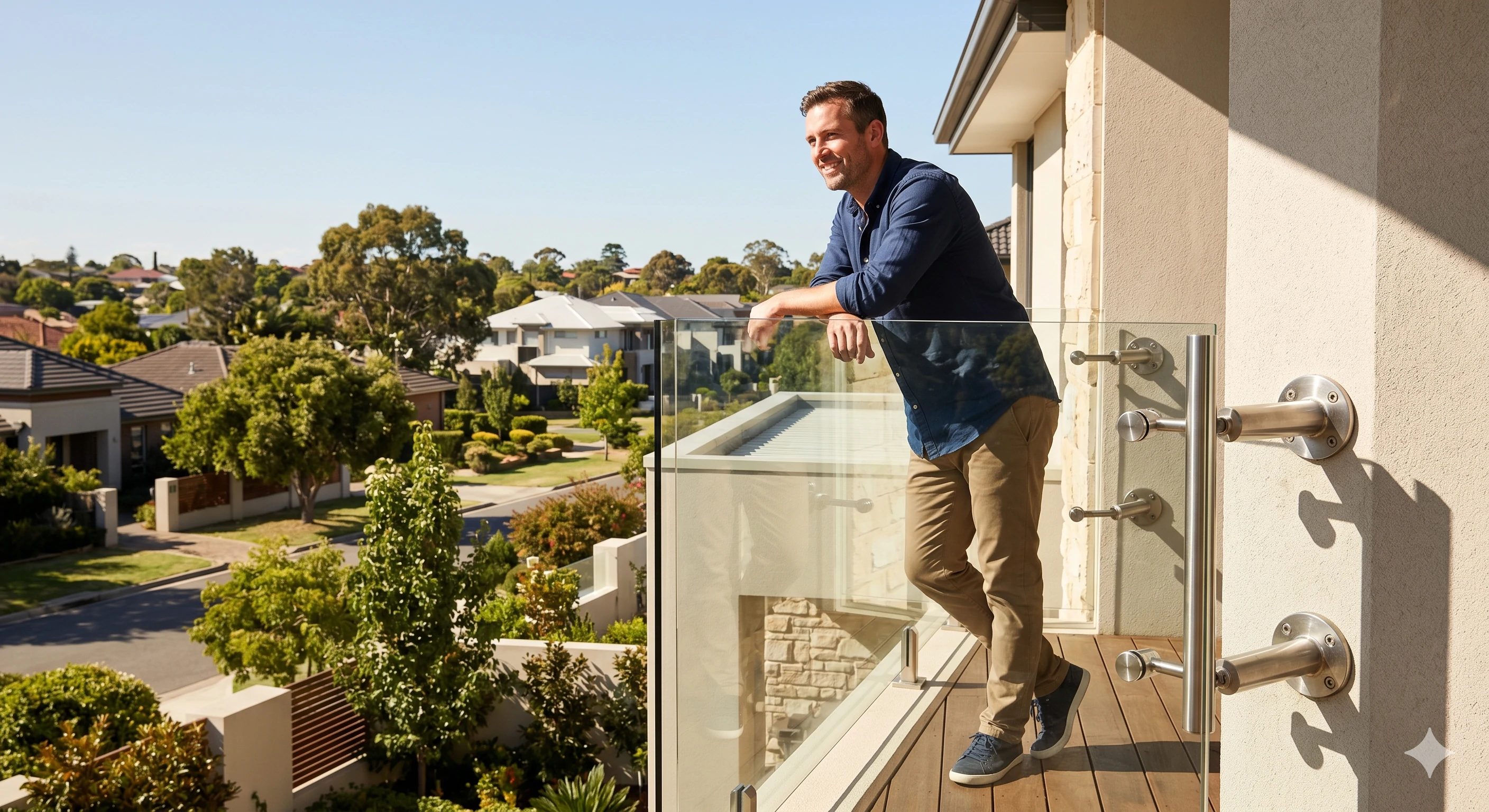
Awkward walls? Not a problem. One of the quiet advantages of the standoff system is how gracefully it adapts to real-world facades. Most houses do not present a flat, obstacle-free wall around a door—there are protruding window sills, drip edges, soil pipes, uneven brick courses, and rendered bands to work around. Standoffs can be specified with longer barrels or metal spacers that push the glass further out from the wall, clearing obstructions cleanly. Instead of fighting the facade, the hardware works around it.
Frameless Standoffs vs. the Alternatives
Stainless steel standoff systems sit at the premium end of the market, and it is fair to ask whether the upgrade is worth it compared to a or a plain metal rail. In almost every case that matters, it is.
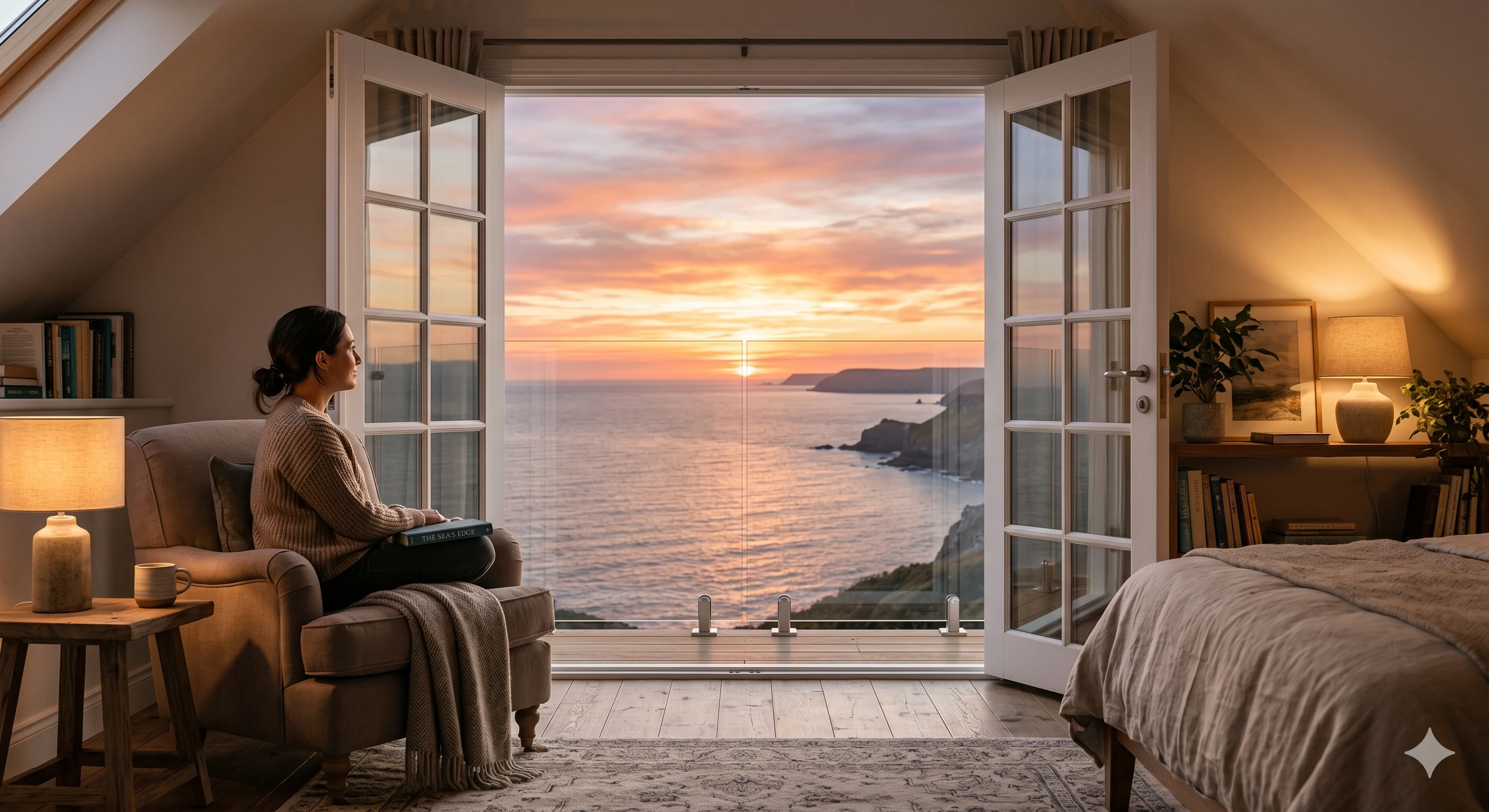
Frameless beats framed glass—especially when you're sitting down. A framed glass Juliet looks clean from across the room, but it has one fatal flaw: the top rail. When you sit on the edge of the bed or in a reading chair, that horizontal bar lands somewhere around eye level and cuts straight across the view you paid so much to uncover. A frameless standoff system has nothing above the glass at all. Stand up, sit down, lie in bed—your sightline is always uninterrupted.
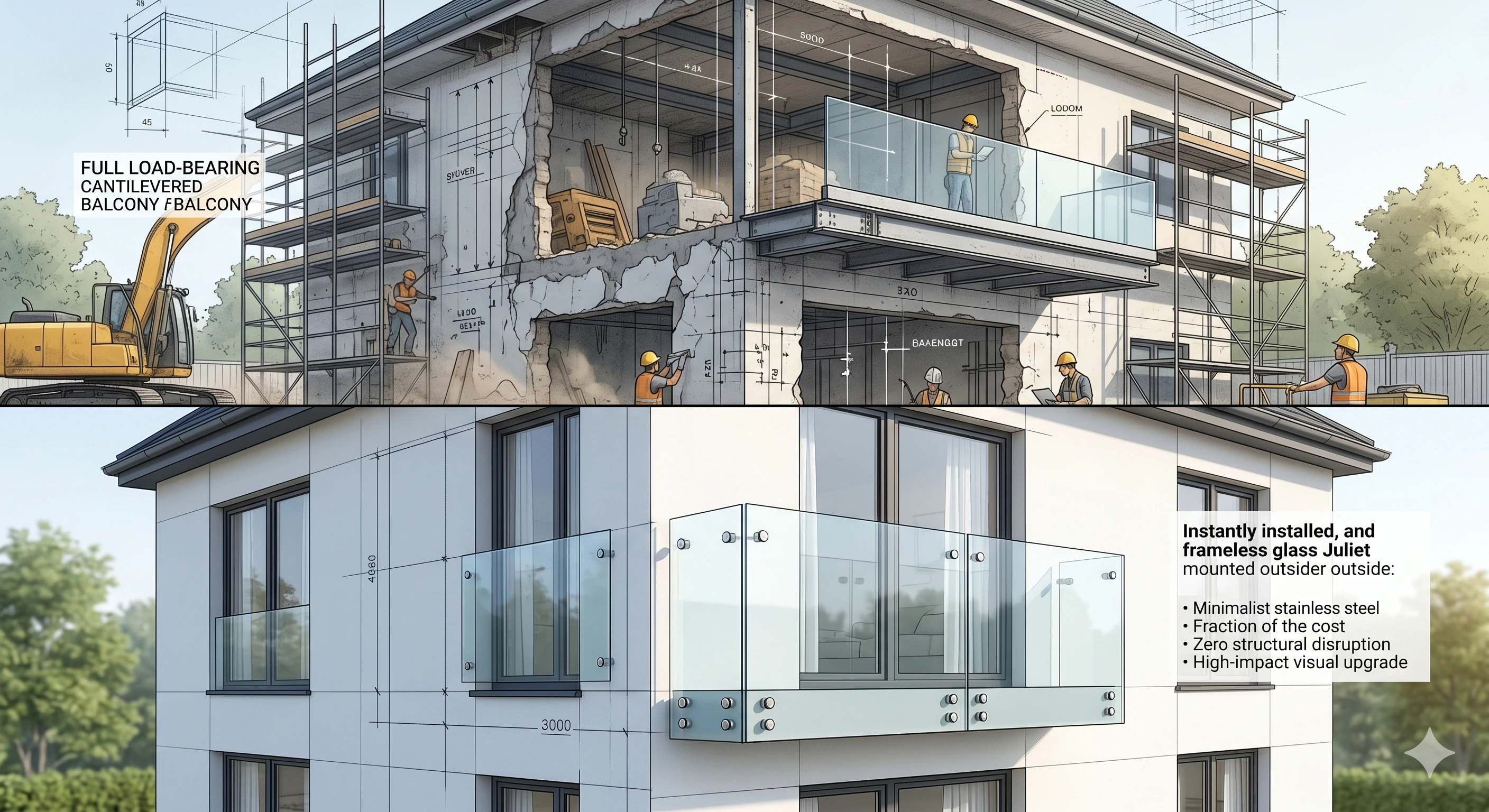
It is dramatically cheaper than building a real balcony. A proper cantilevered or load-bearing balcony means structural engineering, waterproofing, new footings, and often planning permission. A Juliet balcony delivers most of the psychological payoff—the open doors, the inrush of air, the feeling of standing at the edge of the world—for a tiny fraction of the cost and none of the structural disruption. For most upstairs rooms, it is the highest-impact upgrade per pound or dollar spent.
Zero maintenance, for real. Painted wrought iron looks great for the first year or two. Then it chips, rusts at the joints, streaks the wall beneath it, and eventually needs stripping and repainting. Premium 316 marine-grade stainless steel standoffs do none of that. They are specified for coastal environments where salt air destroys lesser metals, and on a normal suburban wall they will keep their polish for decades. Upkeep is whatever you already do when you clean the windows: a wipe with a soft cloth and you are done.
Open the Doors. Keep the View.
A frameless glass Juliet balcony is the rare upgrade that satisfies two usually-opposed demands at once: the , who wants a serious fall barrier, and the homeowner, who wants nothing at all in front of the view. Stainless steel standoffs make that possible by moving every bit of visible hardware out of the sightline and letting the glass do its job quietly.
If you are planning an upstairs remodel, choosing Juliet over wrought iron—and frameless over framed—is one of those decisions you will not regret a single day you live with it.
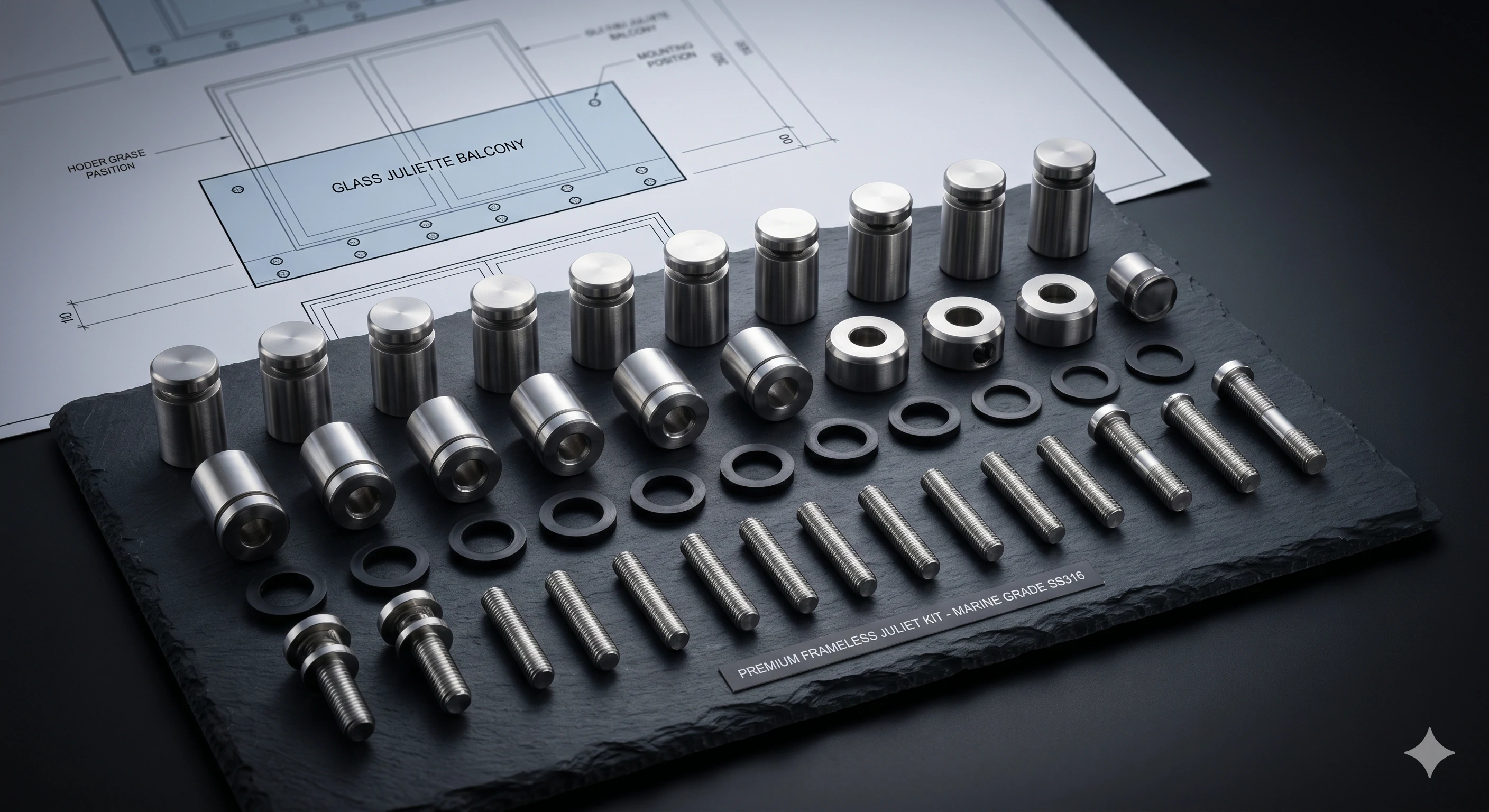
Ready to open your doors to the world without compromising your view? Browse our range of premium stainless steel glass standoffs and complete Juliet balcony kits, or get in touch with our architectural hardware specialists to size the perfect system for your opening.
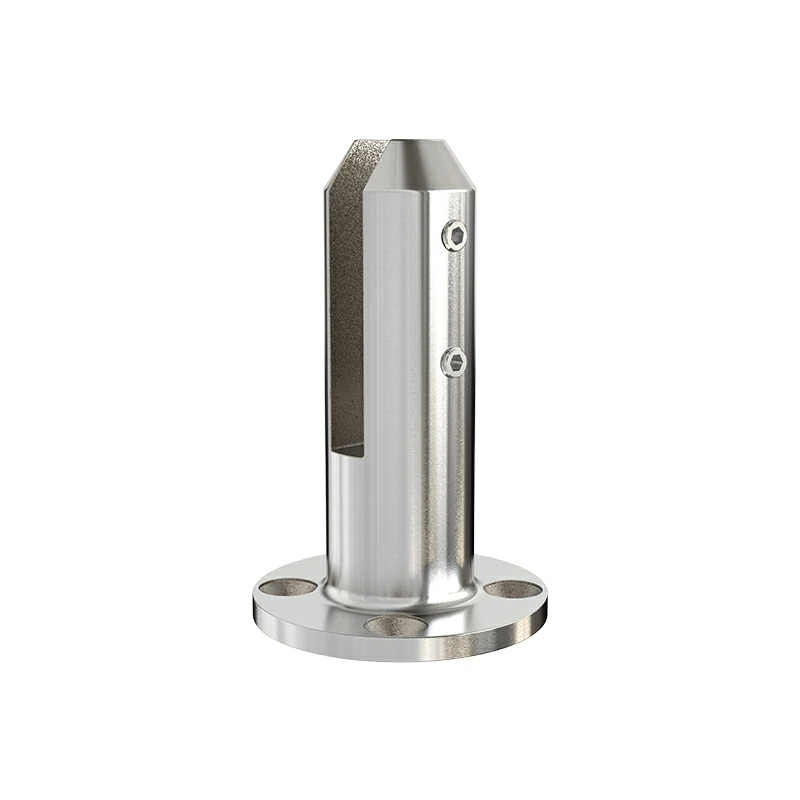
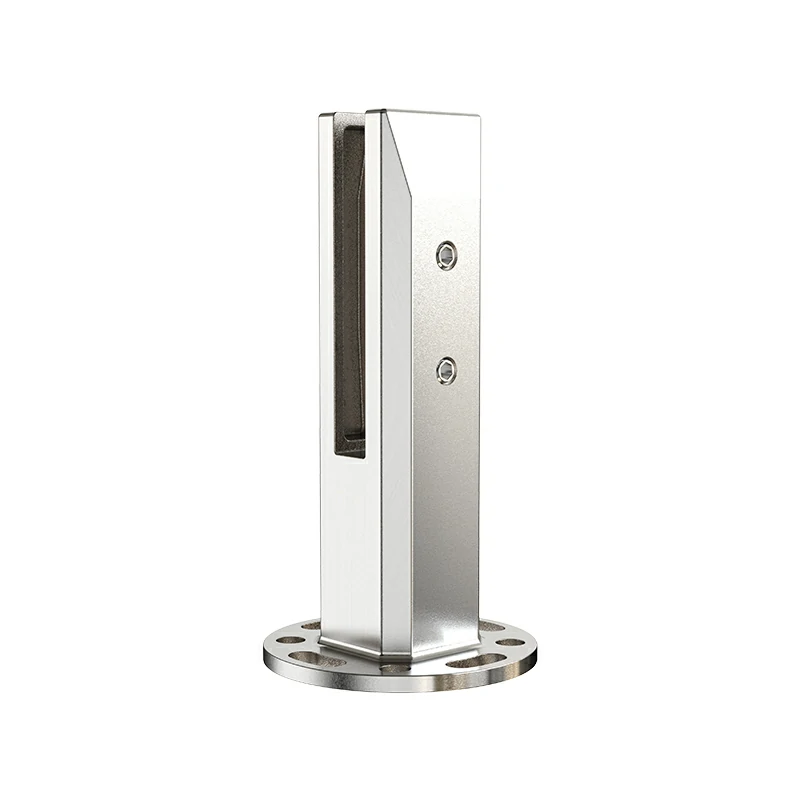
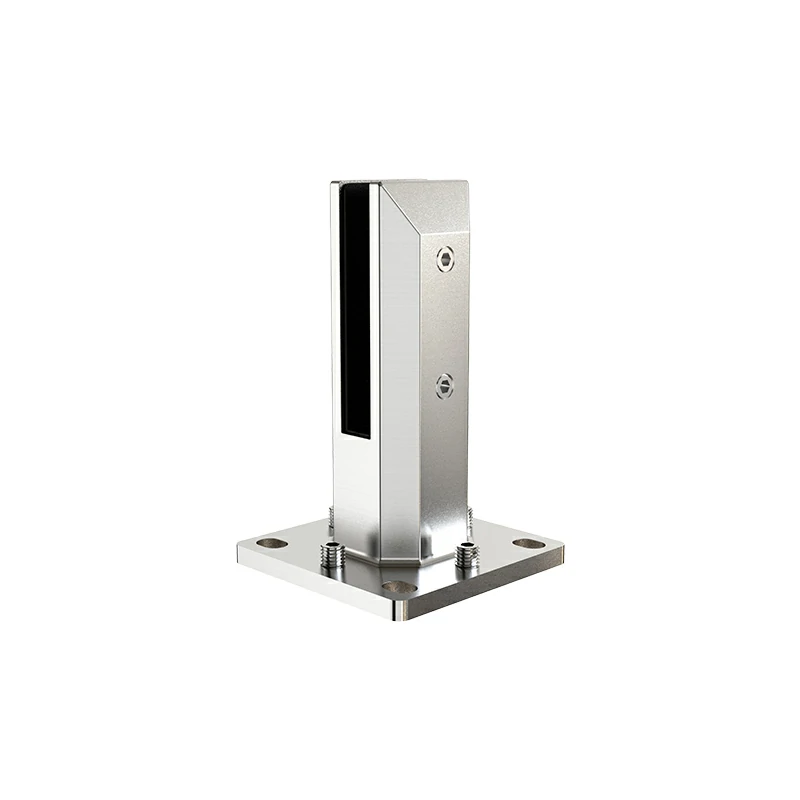
View Glass Spigot
View Glass Standoffs
Footnotes
1. Learn more about the structural design and history of French doors.
2. Overview of best practices and planning steps for home renovations.
3. Understanding the safety regulations and standards outlined in building codes.
4. Discover different guard rail structures and international safety requirements.
5. Information on various window styles including large picture windows.
6. Architectural history and structural specifics of residential balconies.
7. Basic principles of load-bearing wall structures in building construction.
8. Details on the International Residential Code for residential home safety.
9. Explore the properties and applications of modern architectural glass.