At our production lines, we see many clients come to us after experiencing critical failures with supposedly "precise" parts from other suppliers. "Precision" is one of the most overused words in manufacturing today. Every factory claims to have it, but very few actually practice it. When suppliers deliver substandard products with loose tolerances, it causes massive installation headaches and project delays. We know that true exactness is the only way to solve these pain points and ensure your complete satisfaction.
Precision engineering is a specialized manufacturing discipline focusing on designing and producing components with exceptionally low tolerances, often measured in microns. It ensures absolute repeatability and exactness, guaranteeing that every single OEM part performs flawlessly within mission-critical mechanical applications.

Let us explore the core principles of this exactness, separate the marketing jargon from reality, and understand why true precision transforms the reliability of your hardware components.
Accuracy vs. Precision: The Target Analogy?
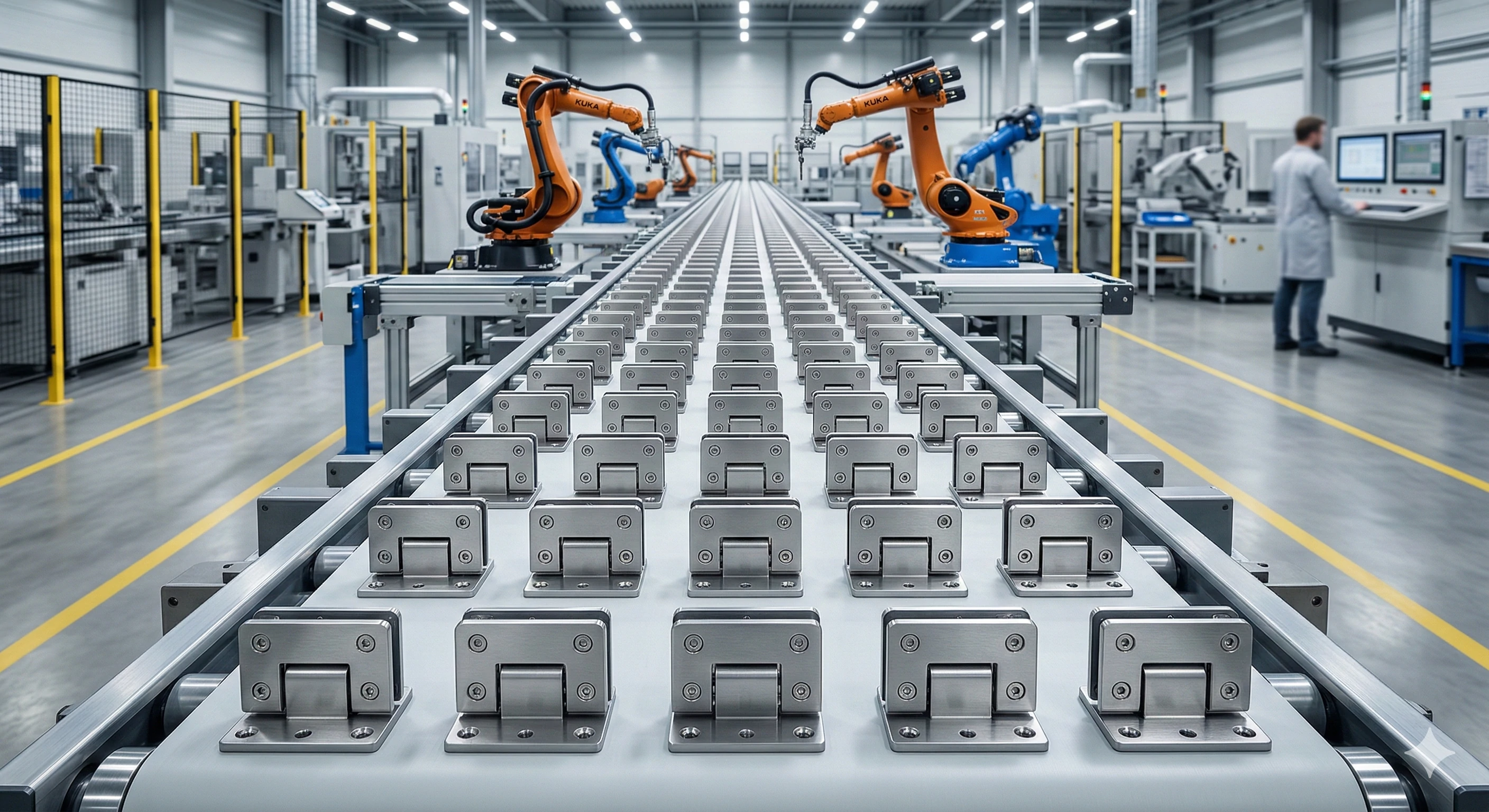
When our engineers review CAD files with new procurement managers, we frequently notice a dangerous confusion between accuracy and precision. Buyers often receive a beautiful, perfect prototype, only to find that the subsequent mass production run is full of defective parts. This inconsistency creates terrible economic losses. Understanding this difference is the first step to securing a reliable supply chain.
Accuracy means hitting the exact target or bullseye once, creating a single perfect prototype. Precision means absolute repeatability, hitting the exact same spot ten thousand times in a row, ensuring every manufactured component is identical and functions consistently without failure.
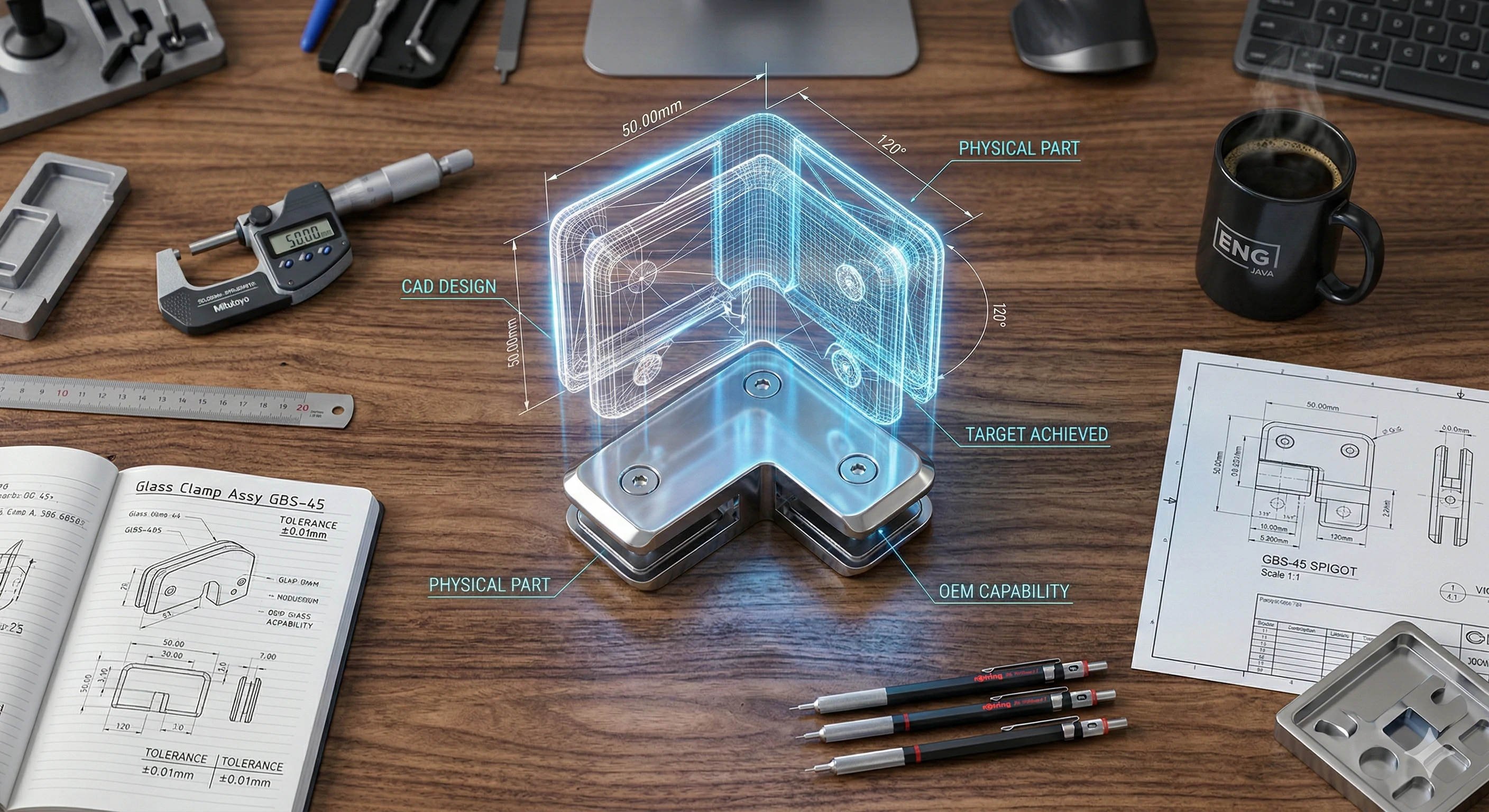
The Dartboard Explanation
The easiest way to understand this crucial concept is the dartboard analogy. This is the universally accepted way to explain . If you throw a dart and hit the bullseye one time, you are accurate. However, if you throw 10,000 darts and hit the exact same spot 10,000 times in a row, even if it is slightly off the center, you are precise. In manufacturing, achieving this absolute repeatability requires extreme control over many complex variables.
Controlling the Variables
Precision engineering demands strict environmental management. We must control variables like room temperature, machine tool wear, and material shrinkage. For example, is a major factor. Metal expands when it gets hot and shrinks when it cools. If a factory machines a part on a hot afternoon and measures it in a cold room the next morning, the physical dimensions will change entirely. This is why proper engineering requires climate-controlled facilities.
| Feature | Accuracy | Precision | Manufacturing Result |
|---|---|---|---|
| Definition | Hitting the exact target once. | Hitting the same spot repeatedly. | Absolute repeatability across batches. |
| Example | Making one perfect prototype. | Making 10,000 identical parts. | Consistent quality control. |
| Requirement | Good initial calibration. | Extreme control over all variables. | Zero structural failures in the field. |
What Are The 3 Pillars of Precision Engineering in Manufacturing?
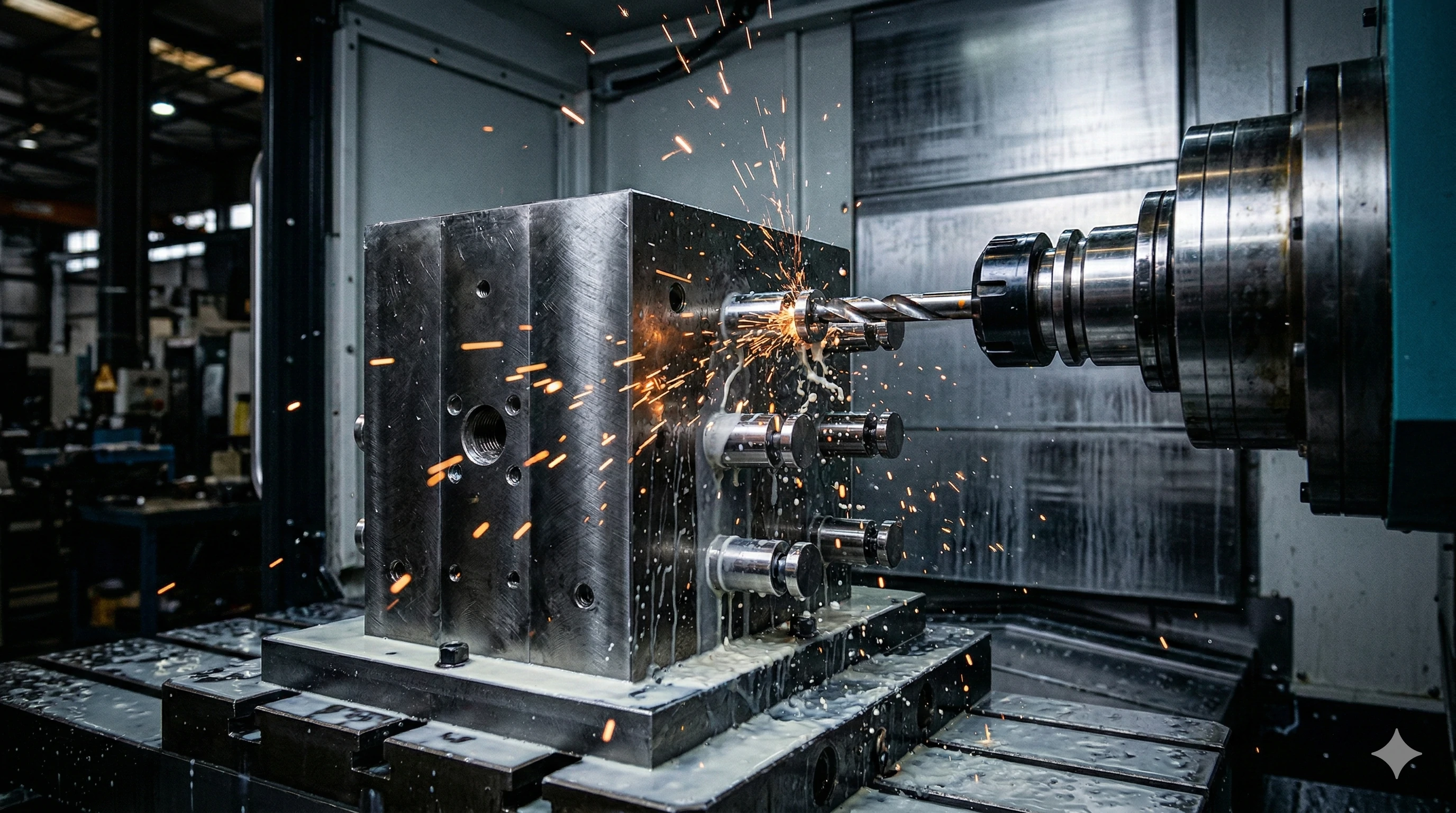
Sourcing reliable glass hardware can be stressful when suppliers lack robust engineering support capabilities. We have built our manufacturing processes on strict, non-negotiable foundations because cutting corners always leads to defective products. When you need durable products and stable performance, relying on outdated methods simply will not work.
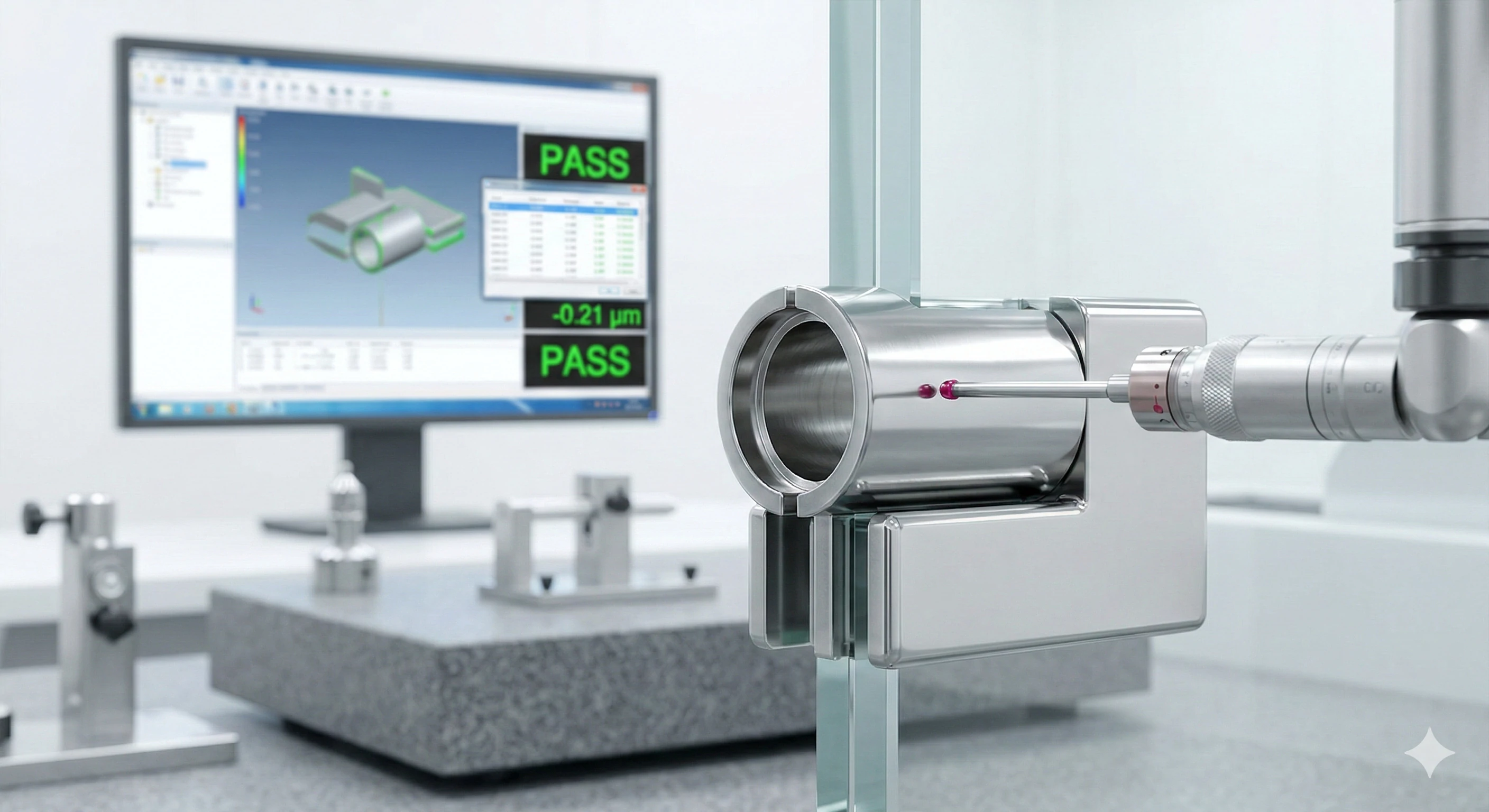
The three pillars of precision engineering include using high-fidelity raw materials, employing advanced subtractive manufacturing like rigid CNC machining centers, and strictly utilizing metrology with coordinate measuring machines to scientifically verify dimensions down to one-thousandth of a millimeter.
Pillar 1: High-Fidelity Raw Materials
You cannot machine a precise part from unstable metal. The process must always start with pure alloys. For example, we use strictly controlled or Duplex 2205. These high-quality materials will not warp under pressure or suffer from internal porosity over time. Good raw materials ensure the final product remains durable.
Pillar 2: Advanced Subtractive Manufacturing
The second pillar is advanced , commonly known as CNC machining. We use highly rigid Horizontal Machining Centers (HMCs). We also utilize customized tombstone fixtures. These advanced tools eliminate human error entirely. They also remove harmful vibration during the metal cutting process, ensuring a perfectly smooth finish.
Pillar 3: The Science of Metrology
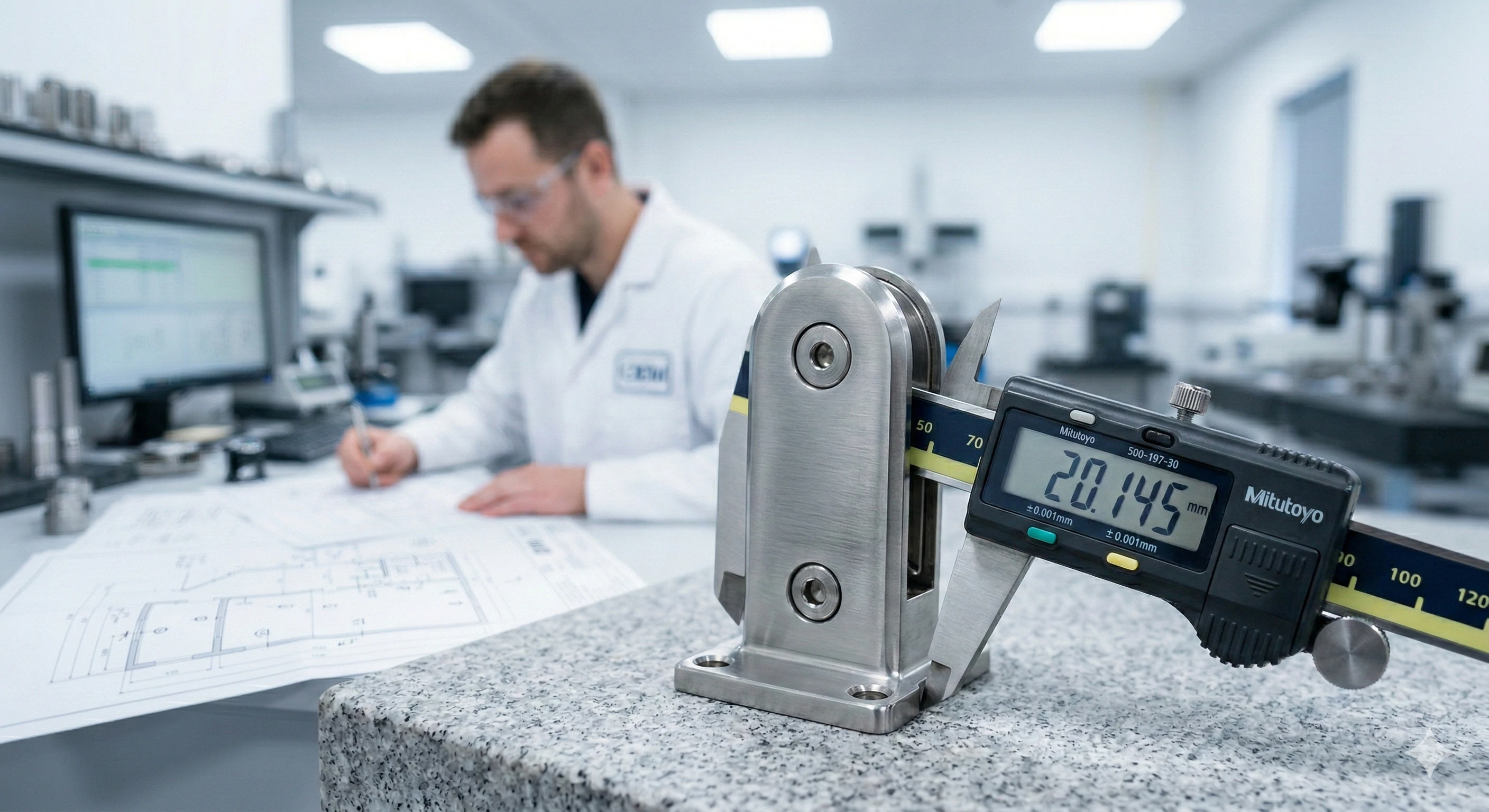
Precision means absolutely nothing if you cannot prove it with data. This brings us to Metrology, which is the science of measurement. Standard manufacturing often relies on human operators and basic tools with wider tolerances, like +/- 0.5mm. True precision engineering relies on computer-controlled automation and microscopic tolerances. This requires environmentally controlled inspection rooms and advanced (CMMs).
| Manufacturing Pillar | Core Technology | Primary Benefit |
|---|---|---|
| Raw Materials | Controlled Stainless Steel 316 / Duplex 2205 | Prevents warping and internal porosity. |
| Subtractive Manufacturing | Rigid HMCs & Tombstone Fixtures | Eliminates vibration and human error. |
| Metrology | Coordinate Measuring Machines (CMMs) | Verifies dimensions to 0.001mm accuracy. |
How Does Precision Engineering Apply to Investment Casting?
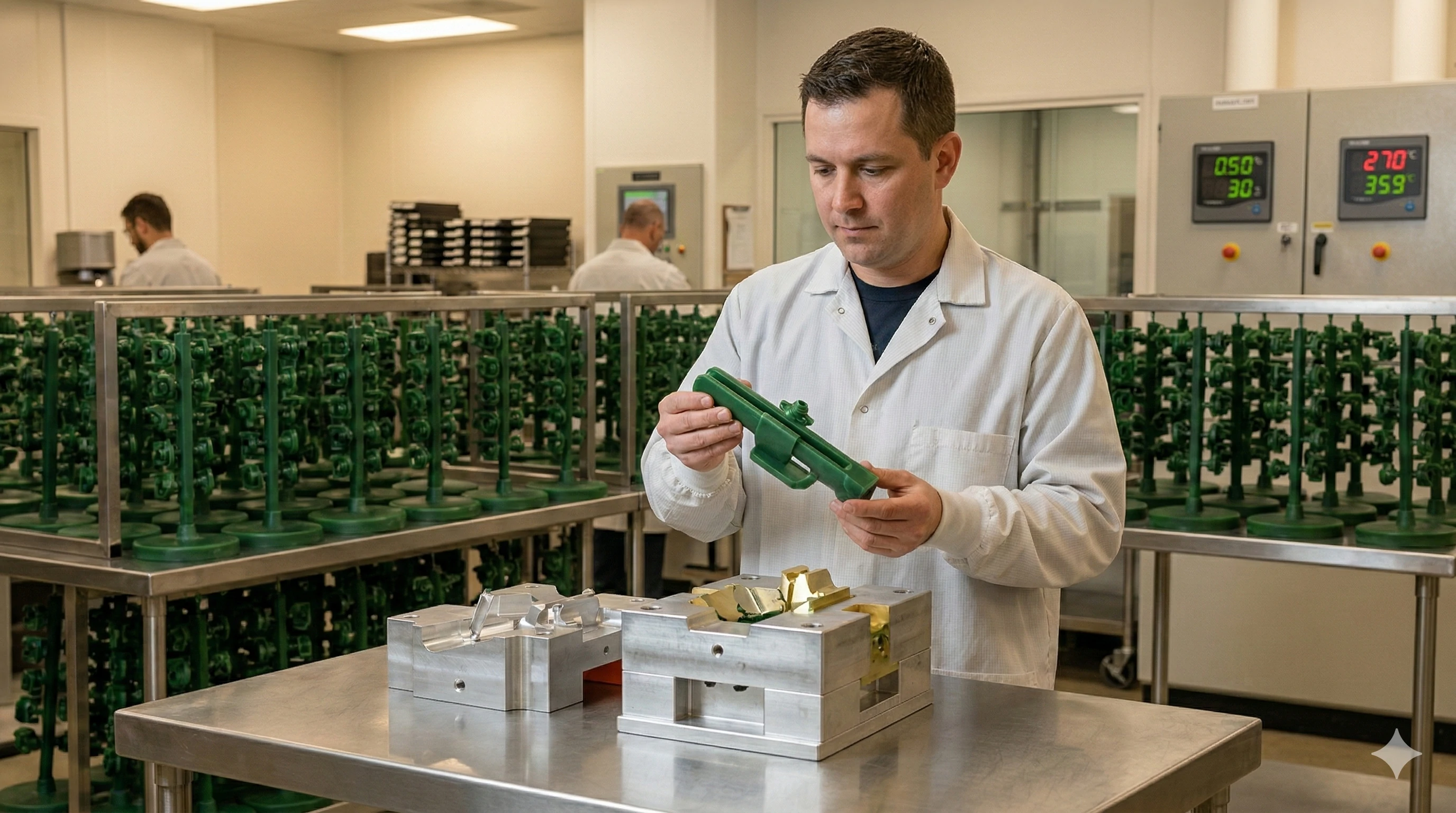
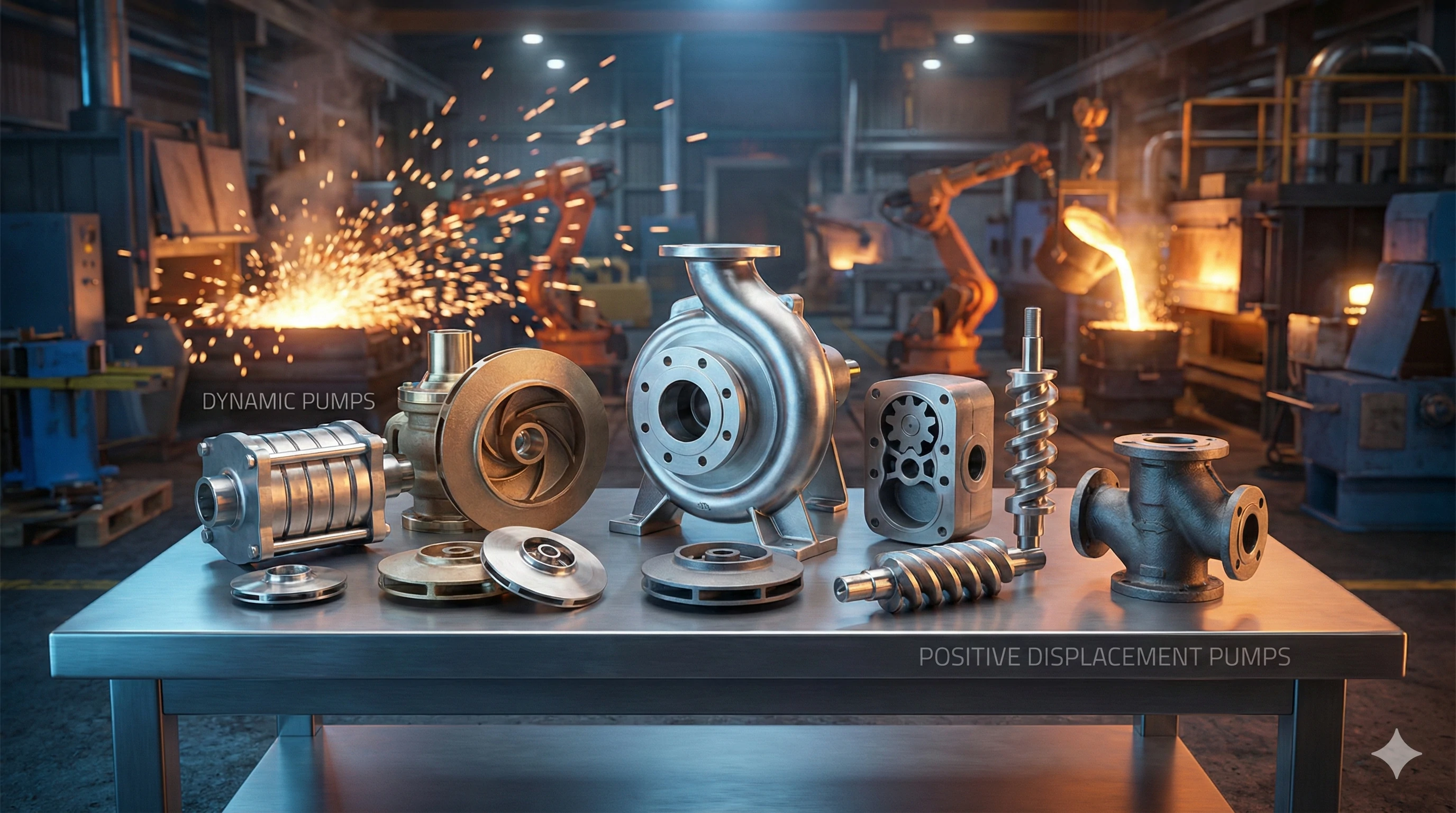
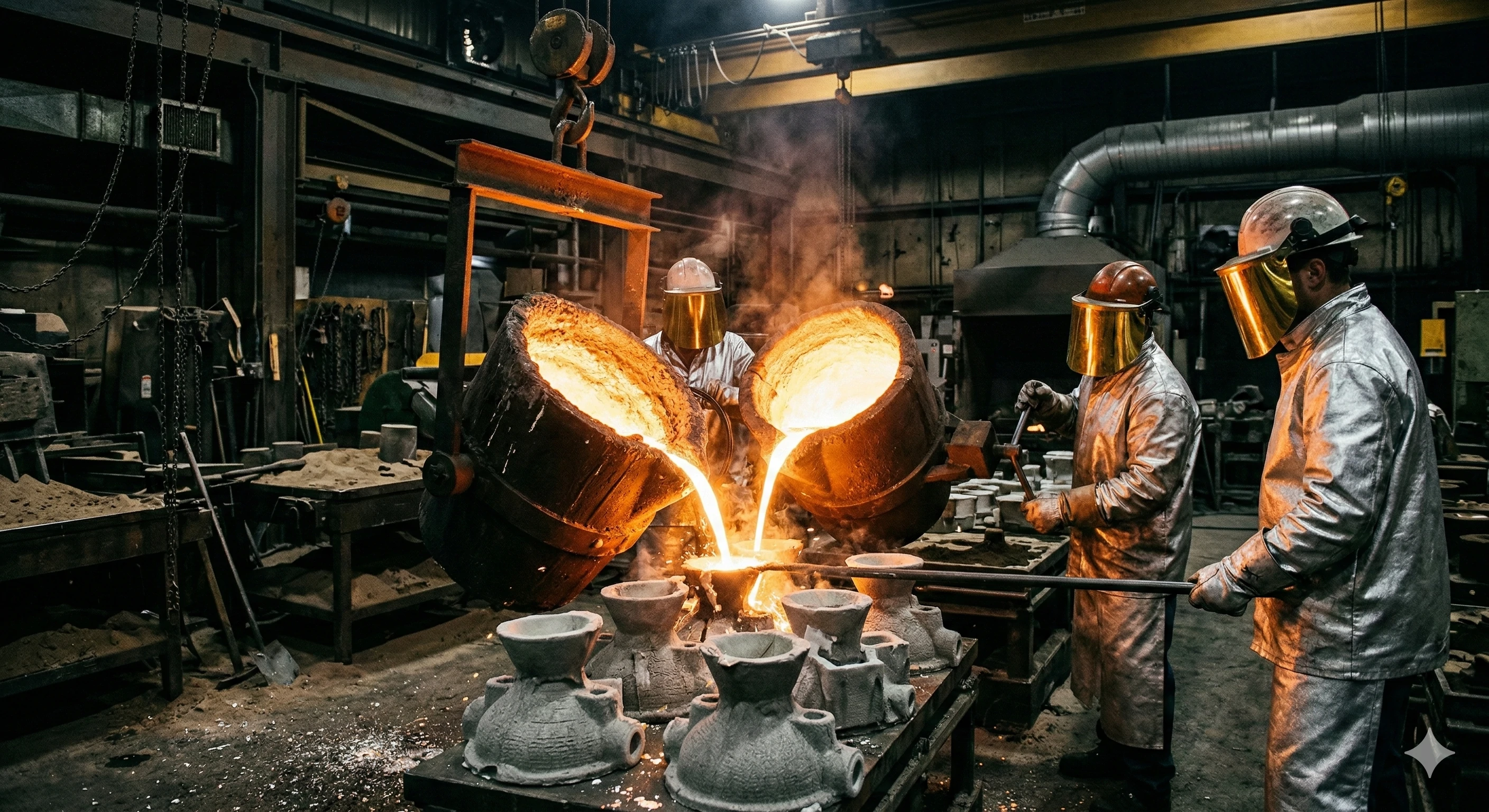
In our foundry, one of the biggest daily challenges we overcome is the physical nature of hot metal. Liquid metal shrinks significantly as it cools down and solidifies. If we do not account for and control this shrinkage perfectly, the part will fail. We know that our clients hate delivery delays, so we must engineer the casting process correctly the first time.
Precision engineering applies to investment casting by calculating exact shrinkage rates when designing aluminum wax-injection molds. By controlling variables like drying room humidity, we achieve near-net-shape castings, requiring only minimal CNC machining to hit final critical tolerances.
Managing Liquid Metal Shrinkage
The is incredibly complex. The precision solution starts long before the metal is poured. We carefully engineer the aluminum wax-injection molds to account for exact, calculated shrinkage rates. We also strictly control the ambient humidity inside the ceramic shell drying room. This environmental control ensures the ceramic molds cure evenly and maintain their exact shape during the extreme heat of the pouring process.
The Near-Net-Shape Advantage
By controlling these microscopic variables, we create a highly predictable manufacturing environment. The result is that the raw casting comes out at a "Near-Net-Shape". This means the raw part is already highly accurate straight out of the mold. Consequently, our CNC machines only have to shave off a tiny fraction of a millimeter to hit the final critical tolerance. This reduces tool wear and speeds up production time.
Understanding Tolerance Bands
What exactly is a "Tolerance" in this context?. Tolerance is simply the in a physical dimension. For example, if a custom glass railing shaft must be 10mm wide with a tolerance of +/- 0.05mm, any part measuring between 9.95mm and 10.05mm is considered a passing, precise part. Keeping the stack-up error low ensures easy installation.
| Casting Variable | Standard Control | Precision Engineering Control |
|---|---|---|
| Mold Design | Basic dimensional scaling. | Engineered for exact alloy shrinkage rates. |
| Drying Room | Unregulated room temperature. | Strict humidity and temperature control. |
| Machining Stage | Heavy metal removal required. | Near-Net-Shape requires minimal shaving. |
Real-World Applications: Why Does Precision Matter?
Visiting installation sites reminds us why we push our factory standards so high. When hardware fails in the field, it is rarely a dramatic break; it is usually a microscopic misalignment. If your current suppliers provide products with poor durability that frequently malfunction, it damages your reputation with end consumers. We engineer our hardware to prevent these exact failures.
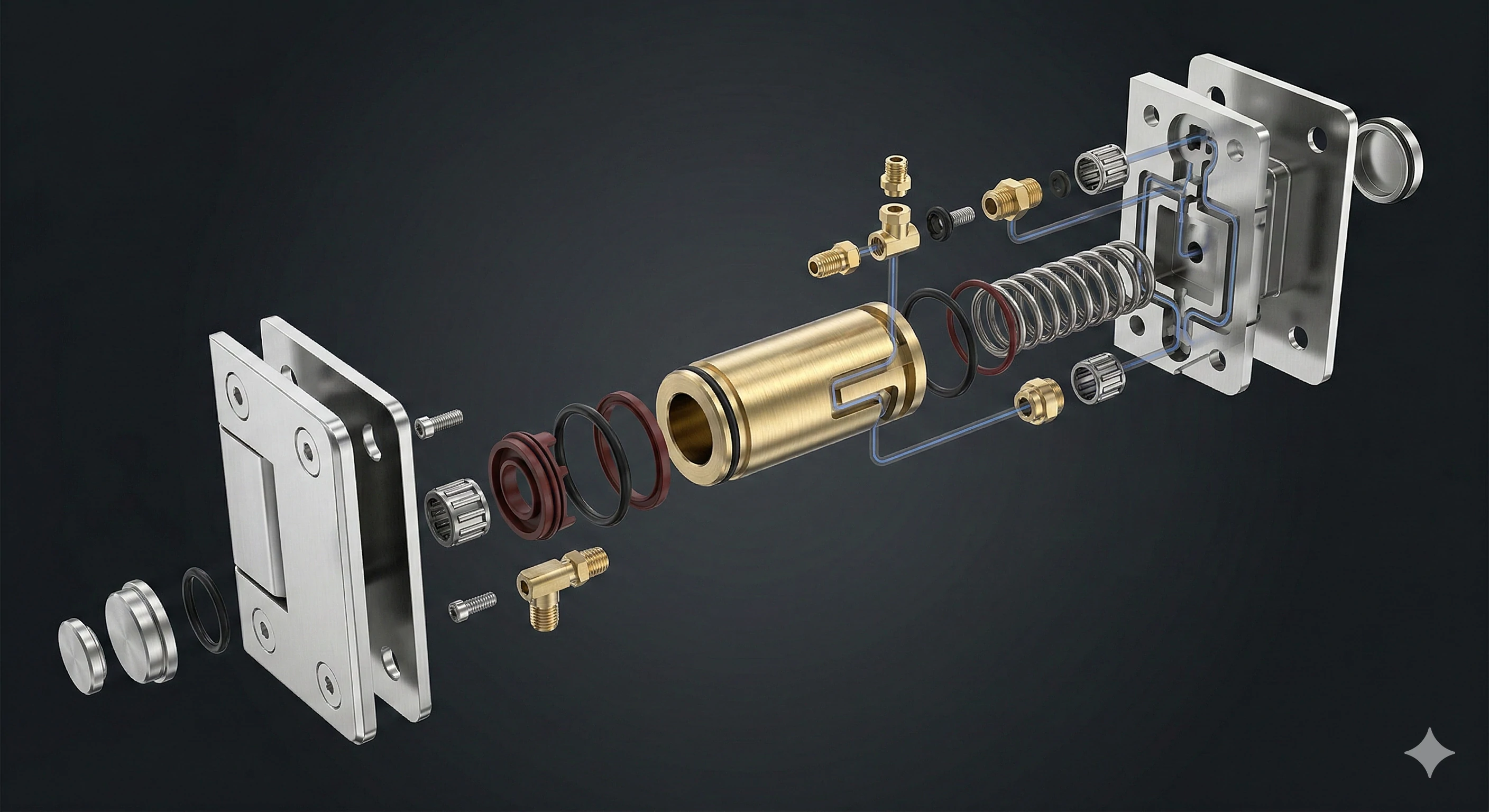
Precision engineering matters because it guarantees flawless operation in critical applications. Whether ensuring a perfect seal in high-pressure fluid control valves or machining perfectly cylindrical internal pistons for heavy architectural glass hinges, exactness prevents leaks, structural failures, and safety hazards.

Fluid Control Systems and Safety
Consider the demands placed on , such as valves and impellers. A high-quality valve body must hold extreme pressure without faltering. If the machined threads or the internal sealing faces are off by just a hair, hazardous chemicals will leak into the environment. True precision engineering is the only way to guarantee a perfect, reliable seal under pressure.
Architectural Hardware Reliability
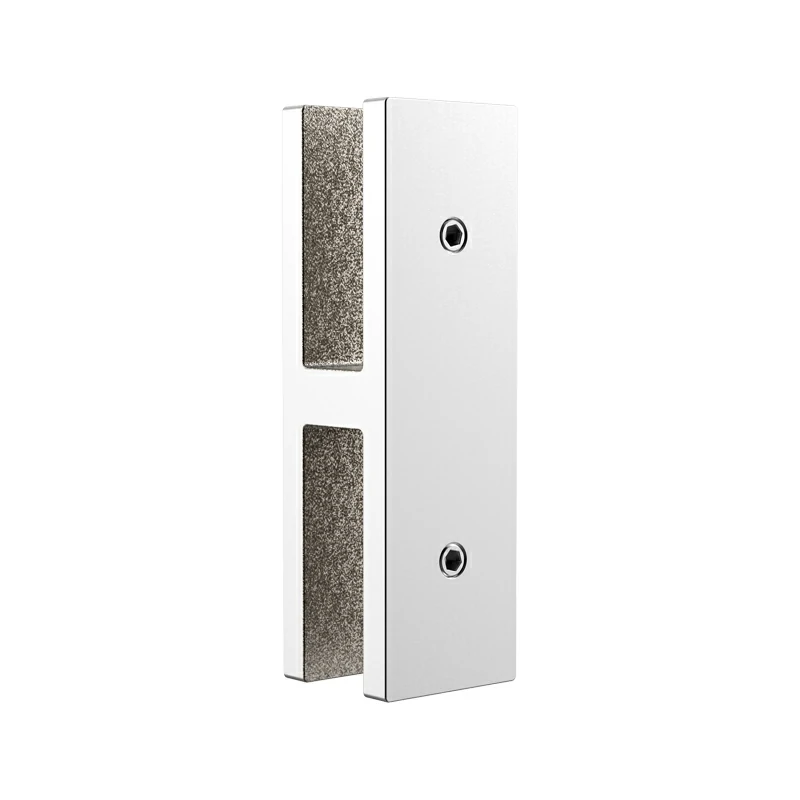
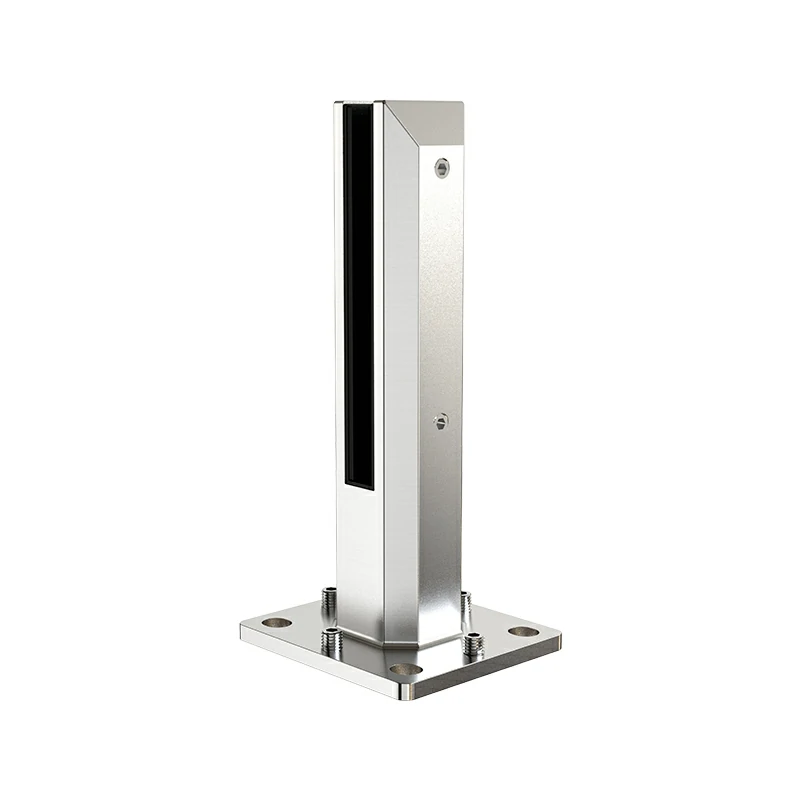
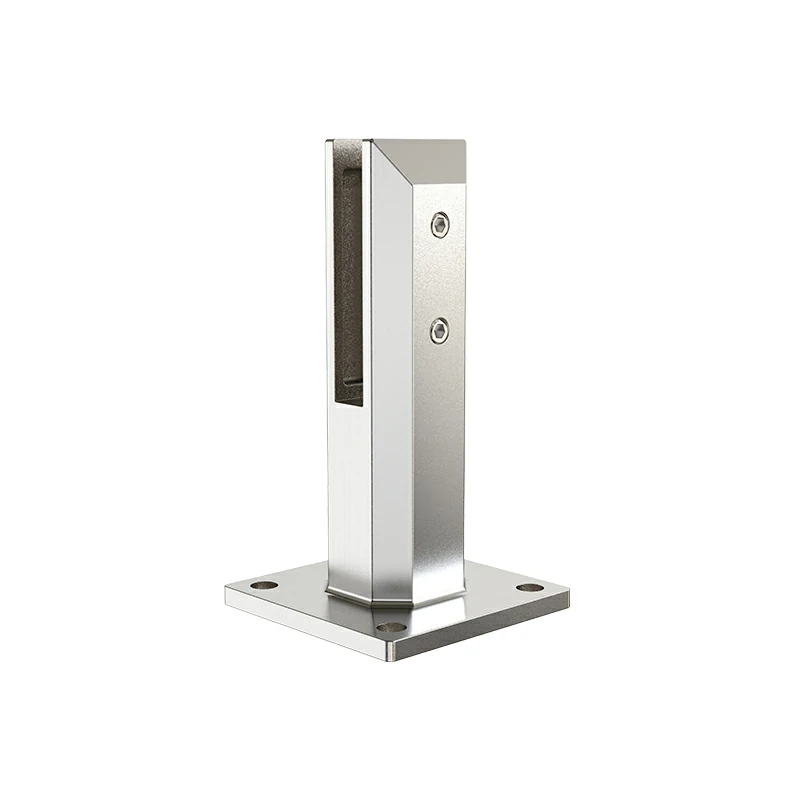
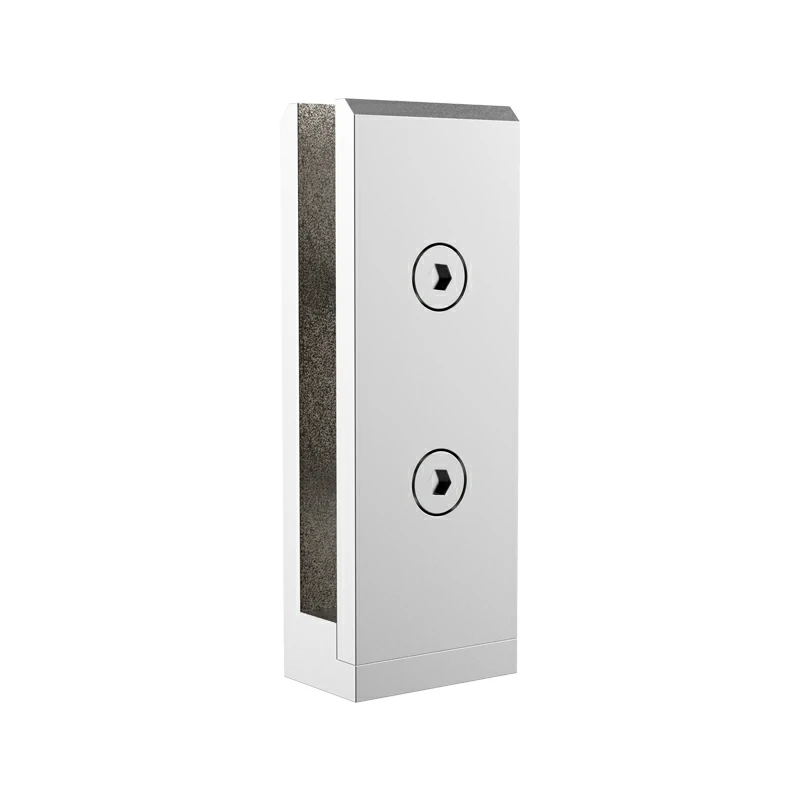
This exactness is equally vital for architectural hardware, such as glass spigots and hinges. A heavy, frameless glass door relies entirely on the internal hydraulics of a stainless steel hinge to close smoothly and safely. If the internal piston inside that hinge is not machined to be perfectly cylindrical, the bypasses the rubber seal. When the oil leaks, the resistance is lost, and the heavy glass door slams shut violently. This creates a massive safety hazard and a terrible user experience. By maintaining microscopic tolerances, we ensure the hardware operates perfectly for years.
What Is The Cost-Benefit of True Precision?
Many buyers we collaborate with express concerns about pricing during the initial quoting phase. The initial thought is often, "Precision engineering sounds expensive". However, we always explain that buying cheap, poorly made products ultimately costs much more. Supplier delivery delays and high defect rates cause severe economic losses for your business.
While precision engineering might seem like an expensive initial investment, the reality is that lacking precision costs significantly more. Correctly engineered OEM components eliminate scrap, prevent massive assembly line delays, avoid expensive rework, and ultimately protect your brand's reputation.
The Hidden Costs of Poor Quality
When procurement managers choose standard manufacturing over precision, they invite hidden costs. Standard manufacturing is fine for simple brackets. However, parts that do not fit together smoothly on the assembly line cause massive delays. The lack of precision is far more expensive in the long run. You end up paying for expedited shipping on replacement parts, wasting hours on manual adjustments, and dealing with angry retail customers who received faulty hardware.
Protecting Your Brand Value
Your brand reputation depends entirely on the reliability of the products you sell. OEM components that are engineered correctly the first time eliminate the need for rework and significantly reduce material scrap. Furthermore, strong engineering support ensures your products stand out in a crowded market. Investing in precision protects your . It builds long-term trust with your contractors and end-users, ensuring repeat business and steady growth.
Conclusion
Precision engineering isn't a single machine; it is a dedicated culture of controlling every microscopic variable from the molten metal stage to the final laser inspection. It requires advanced tools, strict climate control, and a relentless focus on repeatability. Does your next project require guaranteed repeatability and tight tolerances?. We combine advanced investment casting with state-of-the-art CNC machining to deliver true precision. Submit your CAD files for an engineering review today and experience the difference.
Footnotes
1. Overview of quality assurance and consistency in production environments.
2. How temperature fluctuations impact the physical dimensions of materials.
3. Properties and durability of marine-grade stainless steel alloys.
4. Guide to precision machining and subtractive material removal processes.
5. Introduction to CMM technology for accurate dimensional inspection.
6. Details regarding the industrial investment casting and molding procedure.
7. Explanation of engineering tolerances and acceptable geometric variation limits.
8. Core principles of fluid power and pressure control mechanisms.
9. The critical function of hydraulic fluids in mechanical systems.