When we select materials for our production lines, we often face a frustrating dilemma: pure metals can be too soft for demanding hardware, while non-metals lack the structural integrity required for heavy use. This inherent compromise can lead to failing components and unhappy clients. Fortunately, we can bridge this gap by utilizing the that we rely on daily.
The 7 universally recognized metalloid elements are Boron, Silicon, Germanium, Arsenic, Antimony, Tellurium, and Polonium. These unique elements sit exactly on the periodic table's diagonal line, bridging the gap between metals and non-metals by possessing a hybrid of both physical and chemical properties.
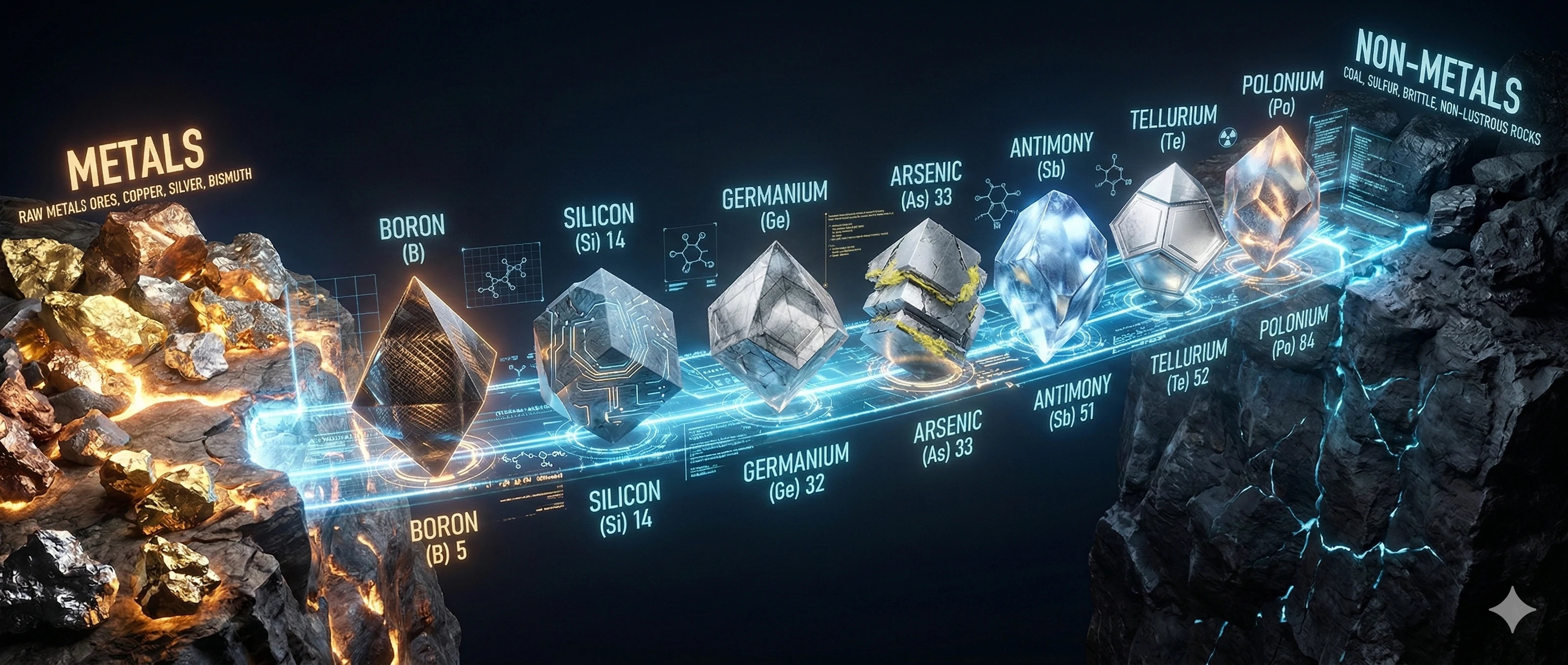
Let's explore these fascinating elements and see exactly how they make and CNC machining possible for our custom hardware projects.
What Is the List of the 7 Metalloid Elements?
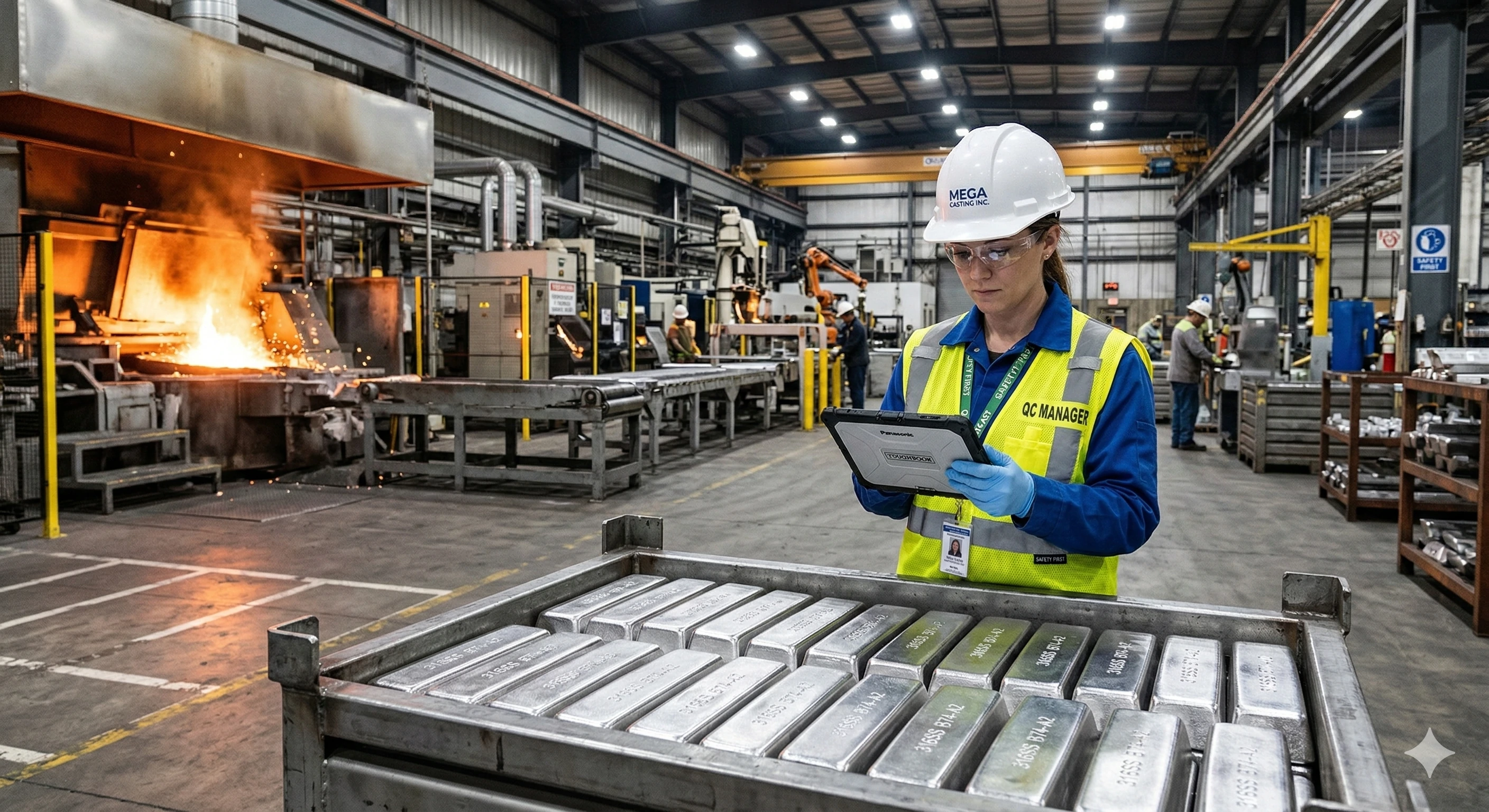
Sourcing the right raw materials is a constant challenge in our foundry. Using an incorrect alloy mixture can lead to disastrous , weakened hardware, and delayed shipments. To prevent this, our engineers meticulously track the specific elements added to our metal batches to ensure peak performance.
The magnificent 7 metalloids include Boron (B), Silicon (Si), Germanium (Ge), Arsenic (As), Antimony (Sb), Tellurium (Te), and Polonium (Po). While some are used to strengthen alloys, others act as critical semiconductors or machinability boosters in advanced industrial applications.
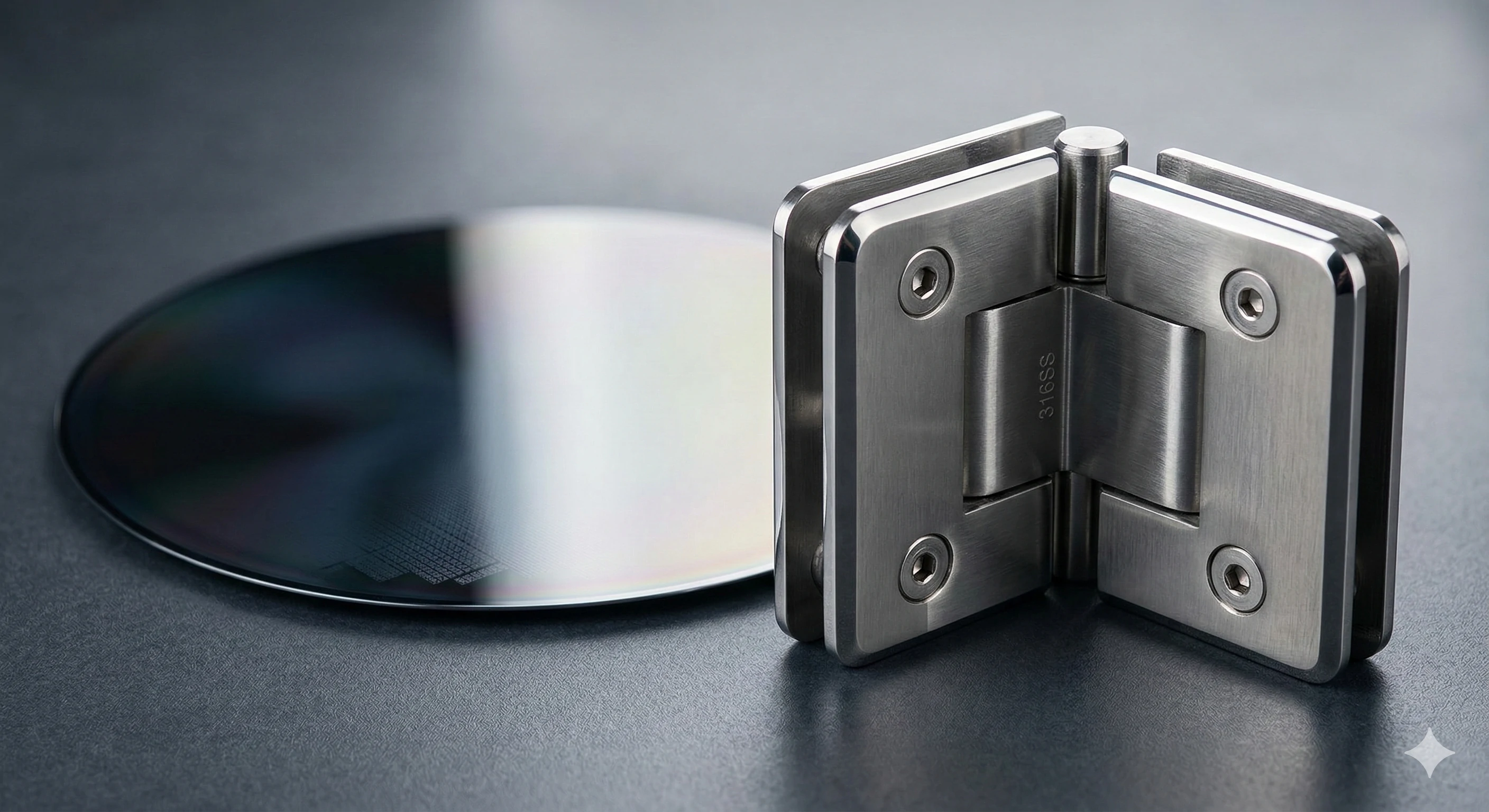
Let's break down this quick, scannable list to satisfy your direct search intent and explain how these elements function.
Primary Metalloids in Industry
Boron is extremely hard, lightweight, and critical for . Silicon is the most famous metalloid, acting as the backbone of electronics and aluminum casting. Germanium is a highly reactive semiconductor used in and solar cells.
| Element | Symbol | Key Industrial Use |
|---|---|---|
| Boron | B | Critical for strengthening alloys |
| Silicon | Si | Backbone of aluminum casting |
| Germanium | Ge | Used in fiber optics and solar cells |
Secondary and Rare Metalloids
Arsenic is infamous as a toxin, but it is actually used industrially to strengthen lead and . Antimony is heavily used to harden lead, such as in car batteries, and also serves as a flame retardant. Tellurium is incredibly valuable on our factory floor because it is added to steel and copper to drastically improve their machinability. Finally, there are Polonium and Astatine. These elements are highly radioactive and incredibly rare. The seventh metalloid is often debated between Polonium, Astatine, or occasionally Tennessine, but they have no commercial metallurgical applications due to their extreme radioactivity. We certainly do not use them in our hardware production facilities!
What Are the Properties of Metalloids?
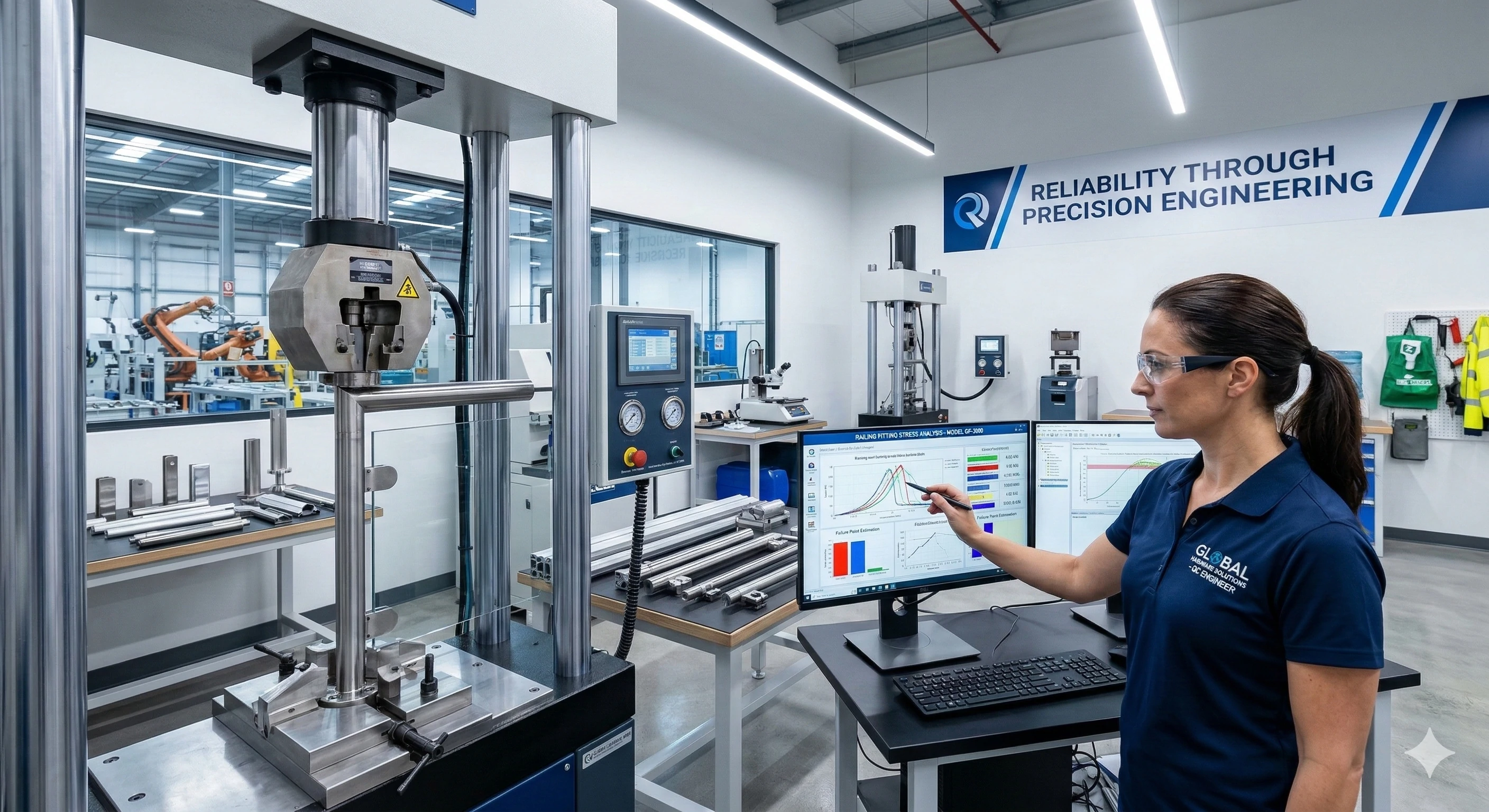
Evaluating material performance under stress keeps our quality control team busy. If a structural component fails in the field because it is too brittle, the whole system collapses. Understanding the dual nature of these materials helps us avoid such catastrophic failures during product development.
Metalloids possess a hybrid of properties, acting as a transitional state between metals and non-metals. They often feature a metallic luster but lack true malleability, meaning they look shiny like a metal but behave in a brittle manner like a non-metal.

Visuals vs. Mechanics
These elements often have a metallic luster, meaning they look like shiny metals, but they lack the malleability of true metals. For example, if you hit a piece of pure silicon with a hammer, it shatters like glass; it does not dent like lead. This visual deception is something our engineers must always account for during product design and testing.
Electrical and Chemical Behavior
Another fascinating property is their . They act as insulators at room temperature but conduct electricity when heated, making them excellent semiconductors.
| Property Type | Characteristic Behavior |
|---|---|
| Visual | Metallic luster (look like shiny metals) |
| Mechanical | Brittle, shatters like glass when struck |
| Electrical | Insulators at room temperature, conductors when heated |
Alloy Formation
This is the crucial industrial trait for our manufacturing processes. Metalloids bond exceptionally well with true metals. When they do, they fundamentally alter the physical properties of the base metal. This chemical synergy makes them the perfect additive for creating specialized, high-performance materials in our foundry.
How Are Silicon and Boron Used in Metal Casting?
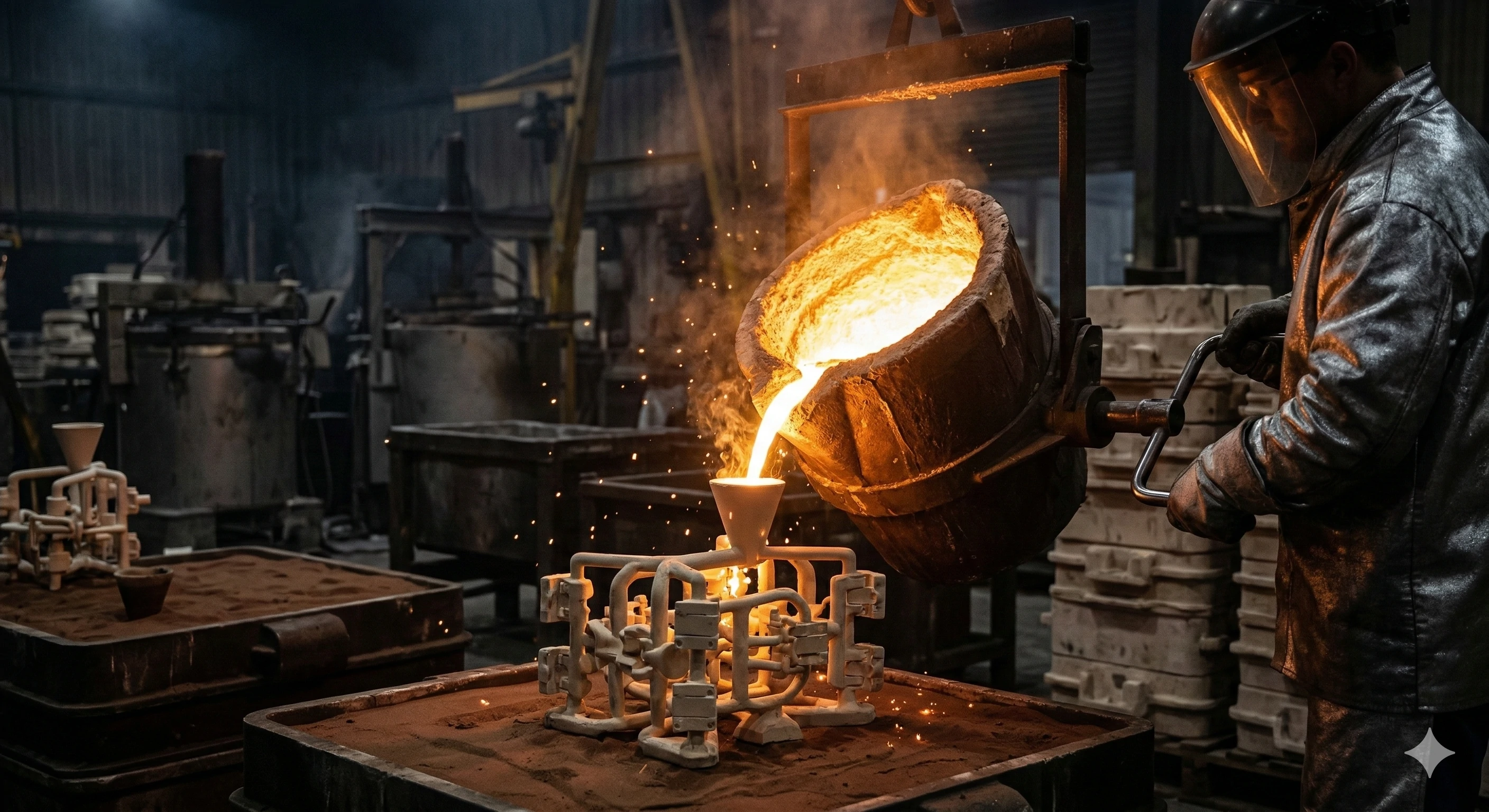
Casting intricate designs often results in incomplete molds and wasted material. When molten metal cools too fast or refuses to flow properly, the resulting scrap costs us significant time and money. We overcome these casting defects by mastering our foundry favorites: Silicon and Boron.
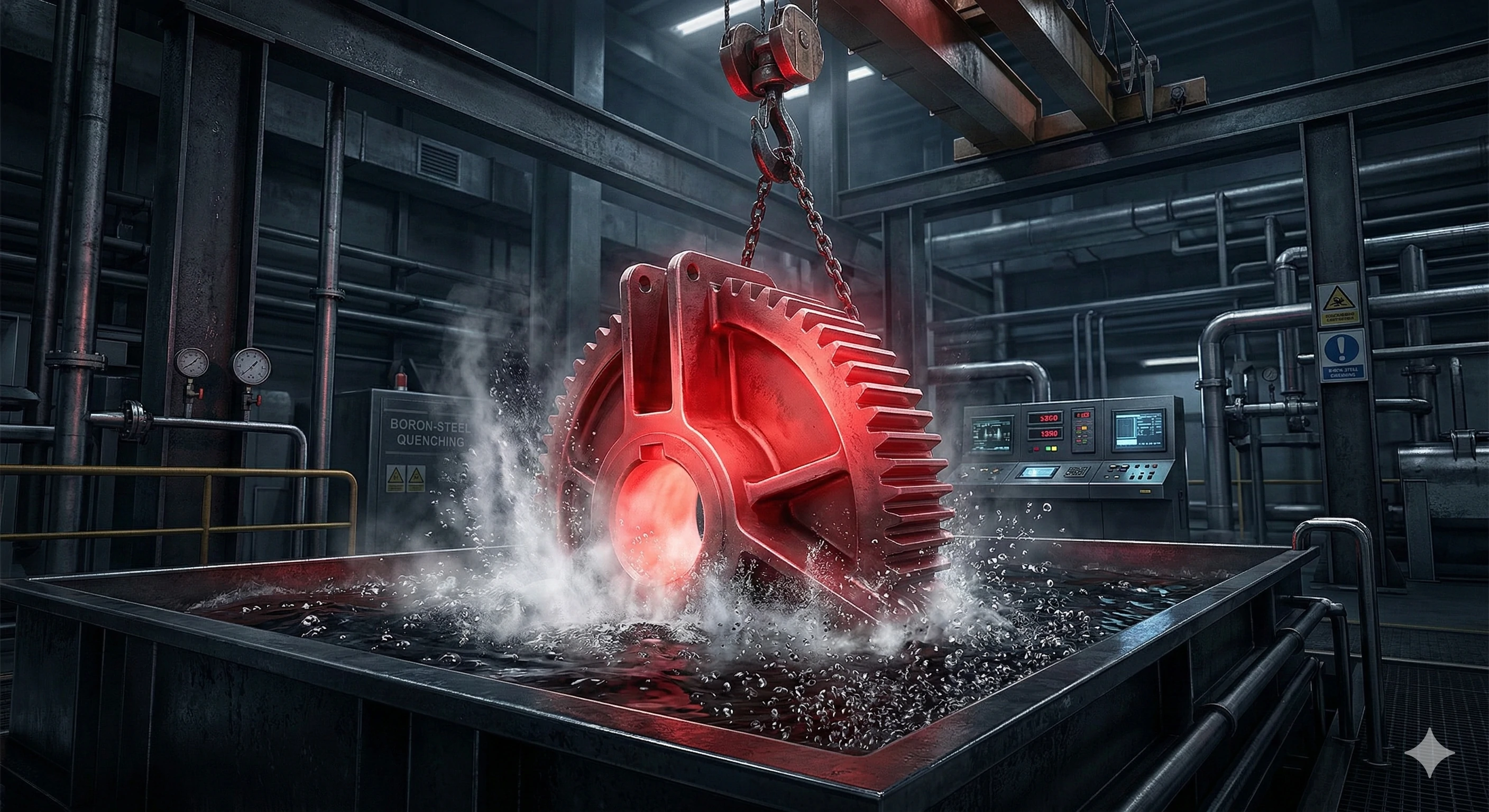
Silicon is added to lower the melting point and increase the fluidity of aluminum, ensuring it fills molds perfectly while reducing shrinkage. Boron is utilized to drastically increase the hardenability of carbon steel during the crucial heat treatment process.
Silicon (Si) - The Fluidity Master
The problem we often face is that pure molten aluminum is sluggish. It does not flow well into the tiny, complex crevices of an . The solution is adding Silicon to create Al-Si alloys like A356. This makes the molten metal highly fluid. It fills the mold perfectly and reduces shrinkage as it cools. We rely on Silicon to cast complex Pump Impellers and Automotive Housings. It makes it possible to cast highly intricate, thin-walled parts without them cracking as they cool in the mold.
Boron (B) - The Hardener
In our application, we manufacture heavy-duty parts for agricultural machinery that need extreme wear resistance. The solution involves adding just a microscopic fraction of a percent of Boron to . This drastically increases its hardenability during heat treatment. Boron Steel is incredibly tough without being overly brittle.
| Foundry Favorite | Main Application | Resulting Benefit |
|---|---|---|
| Silicon (Si) | Added to aluminum (Al-Si alloys) | Increases fluidity, reduces shrinkage |
| Boron (B) | Added to carbon steel | Drastically increases hardenability |
How Do Tellurium and Antimony Boost Machining and Quality?
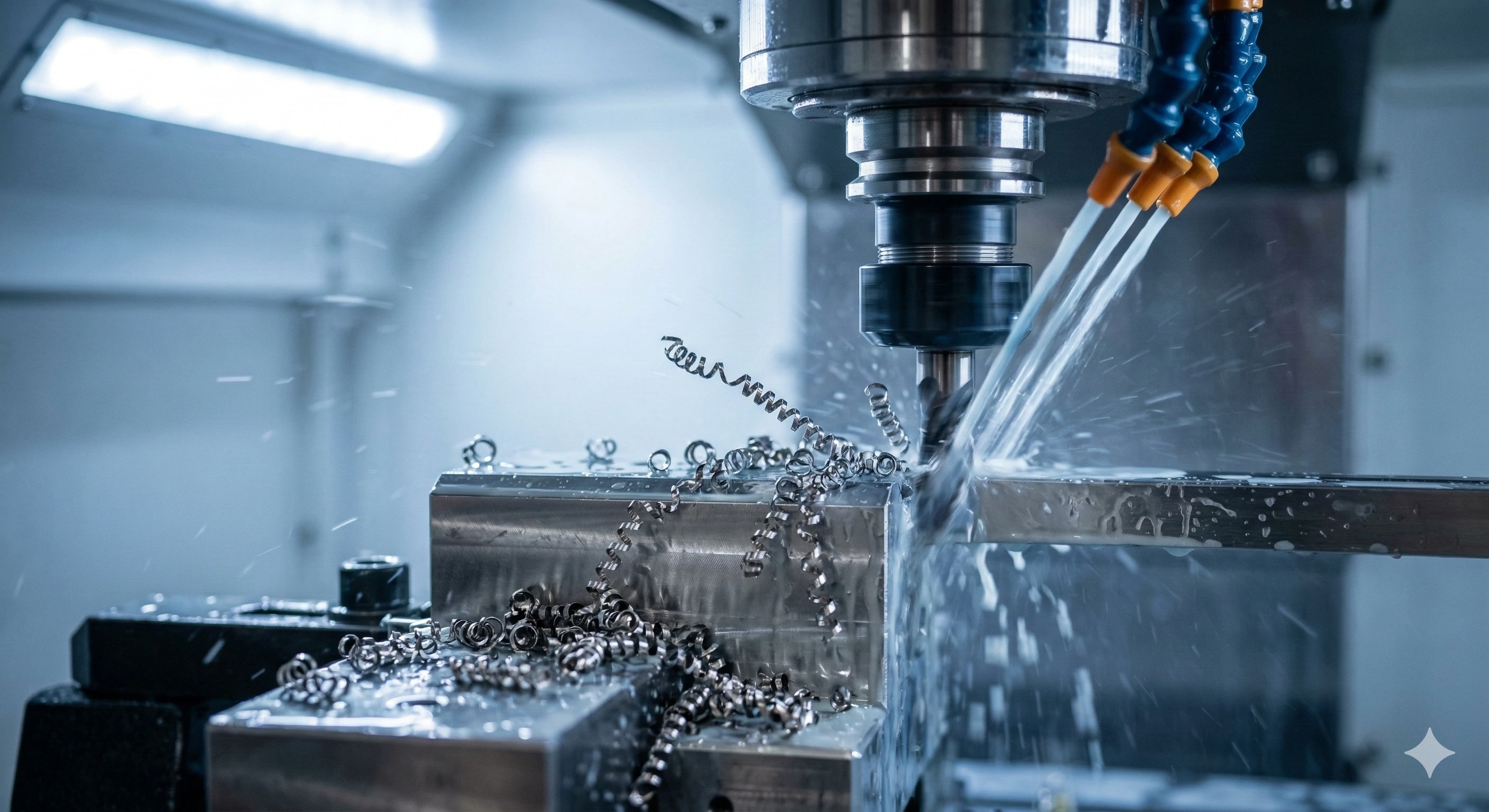
Excessive tool wear during CNC machining can destroy a production budget. Tough alloys often ruin cutting bits, leading to constant machine downtime and skyrocketing costs for our clients. We rely on specific metalloids to optimize our machining centers and strictly control our chemistry.
Tellurium acts as a crucial chip-breaker when added to stainless steel or copper, significantly improving machinability and extending tool life. Meanwhile, Antimony is used to harden naturally soft alloys, creating specialized bearing alloys that reduce friction in heavy machinery.
The Machining Boosters
When added to stainless steel or copper alloys, Tellurium acts as a chip-breaker. It makes the metal much easier to cut on our CNC Machining Centers, increasing tool life and lowering the cost of the final part for our OEM clients. Antimony is used to harden alloys that are naturally too soft. We often see it used in specialized bearing alloys, like Babbitt metal, to reduce friction in heavy machinery.
Controlling the Chemistry: Spectral Analysis
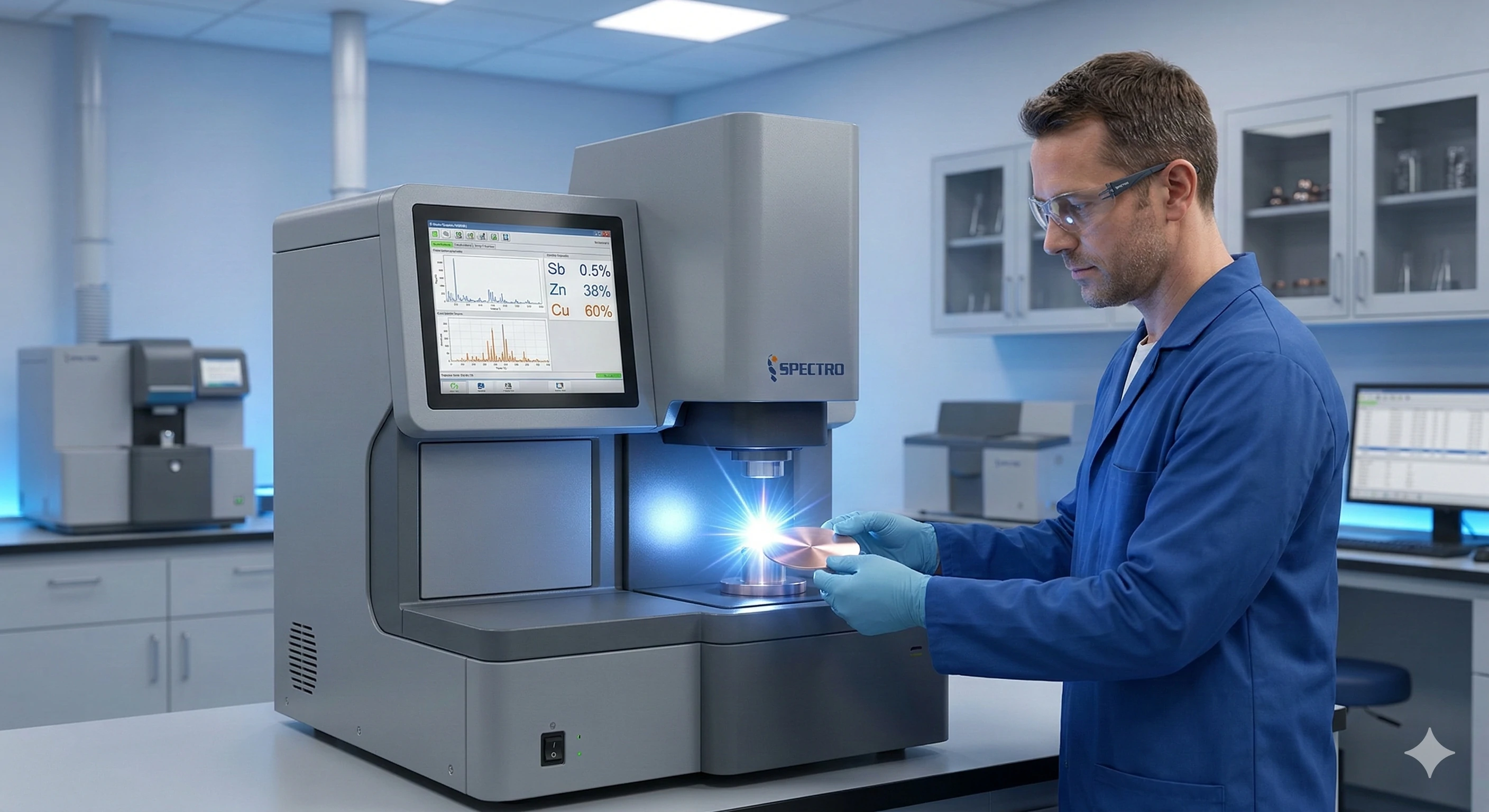
While intentionally adding Silicon or Boron is great, accidental contamination of certain metalloids can be disastrous. Too much Arsenic or Antimony can ruin a batch of stainless steel, making it brittle and prone to cracking. Before we pour any molten metal into an investment casting mold, we use an (OES). This laser tests the exact chemical composition of the liquid metal, ensuring the metalloids are perfectly balanced to your required alloy grade, such as exact 316 Stainless Steel. We refuse to leave our product quality to chance.
Conclusion
Finding the perfect balance of strength and precision can feel impossible when dealing with raw materials. Failing to control the alloy mix means delivering substandard products to you. That is why we respect the science behind every pour and meticulously test our elements.
Metalloids are the chemical catalysts of the modern world, providing the essential strength, fluidity, and machinability required to cast high-performance industrial hardware. By meticulously controlling these elements, we guarantee the perfect alloy composition for your most demanding engineering projects.
Summary of the Elements
Metalloids bridge the gap between metals and non-metals. While they power our computer chips, they also provide the strength, fluidity, and machinability required to cast high-performance industrial hardware. Without superstars like Silicon and Boron, modern foundries could not create high-performance metal castings.
Frequently Asked Questions
Is Carbon a metalloid? No, Carbon is classified as a solid non-metal. However, it is the most important element in metallurgy, as adding carbon to iron is what creates steel.
Are metalloids metals or non-metals? Neither and both. They exist in a transitional state. They share physical characteristics with metals, like appearing shiny, and chemical characteristics with non-metals, like acting as insulators until heated or doped.
Does your next OEM project require a highly specific alloy composition? From high-silicon aluminum to specialized stainless steels, our foundry controls the chemistry to guarantee performance. Contact our engineering team for a casting consultation.
Footnotes
1. Explore the foundational science and engineering principles behind metallurgy and material extraction.
2. Learn about the modern processes and techniques used in industrial metal casting.
3. Understand common casting defects and how proper material selection prevents them.
4. Discover how combining elements creates alloys with superior mechanical properties.
5. Read about the role of semiconducting materials in optical fiber technology.
6. Review the composition and industrial applications of various copper alloys.
7. Delve into the science of electrical conductivity and resistivity in materials.
8. Detailed guide on the precision and steps involved in investment casting.
9. Learn how carbon steel is formulated and hardened for heavy-duty applications.