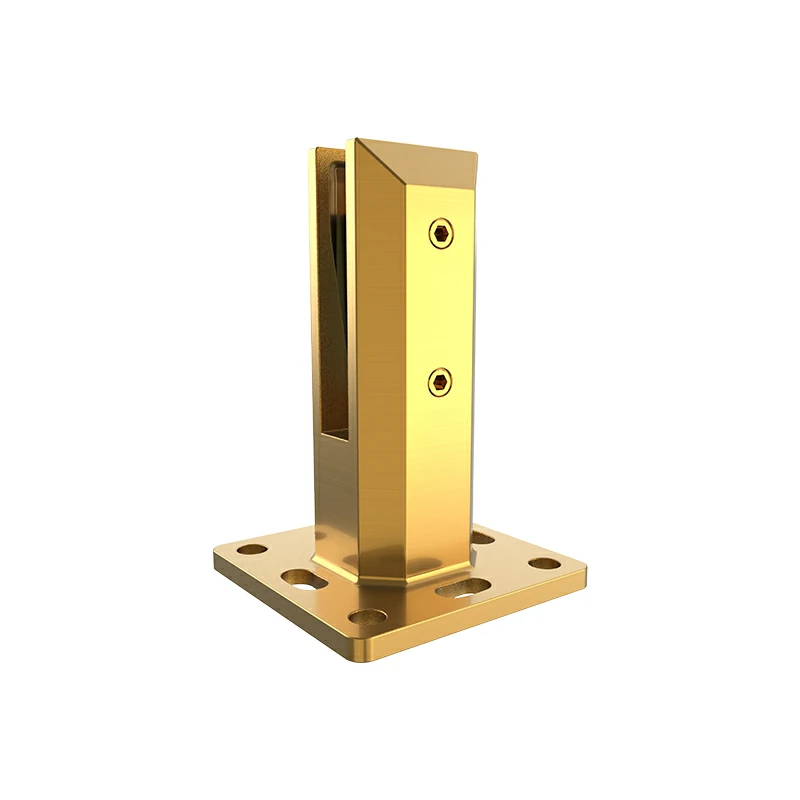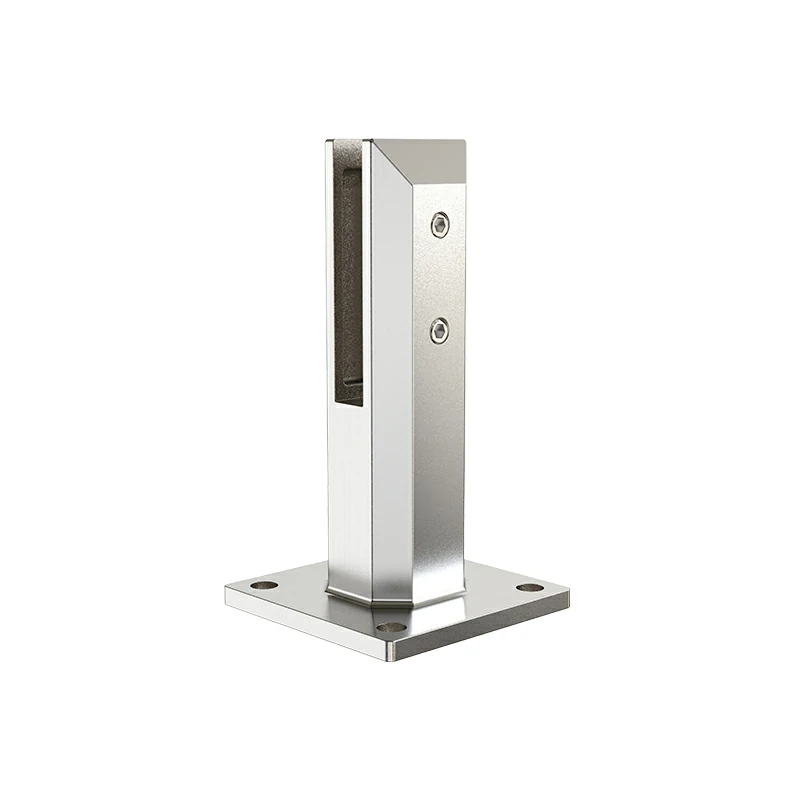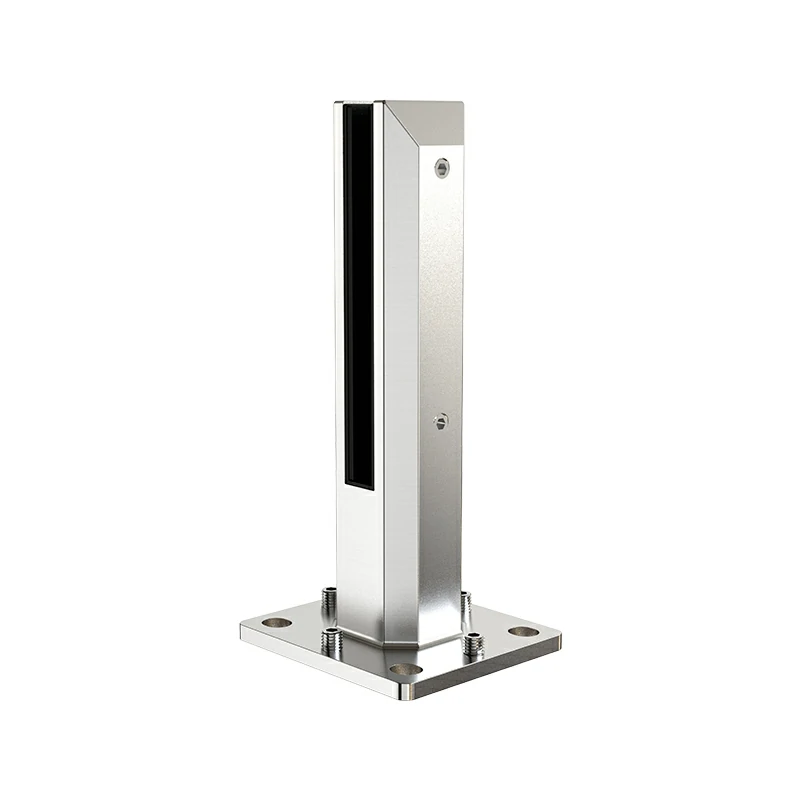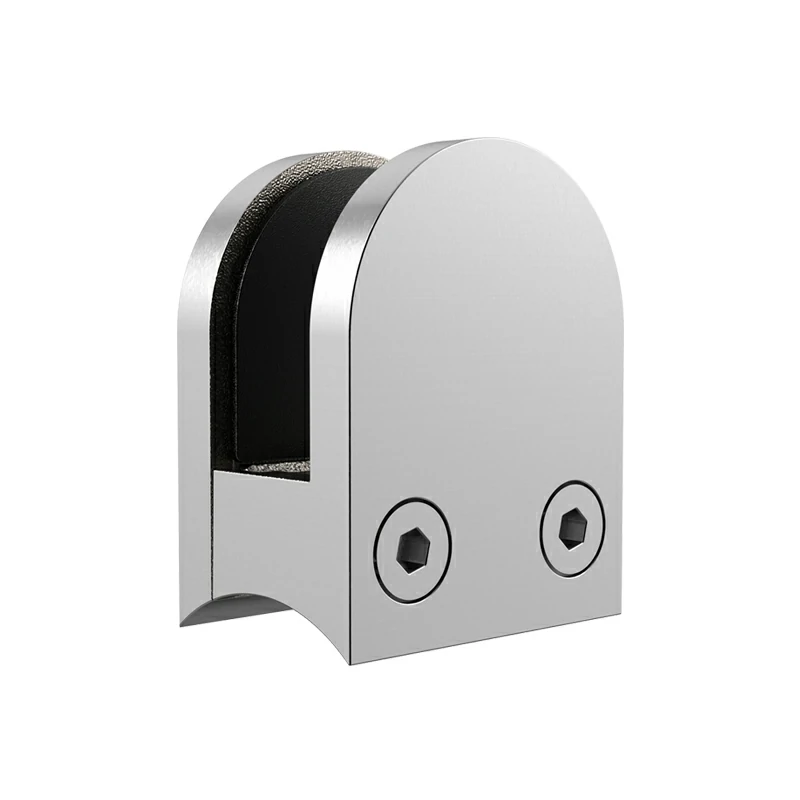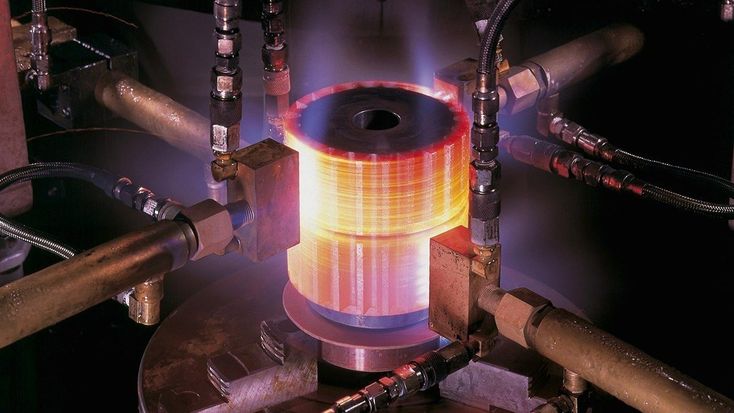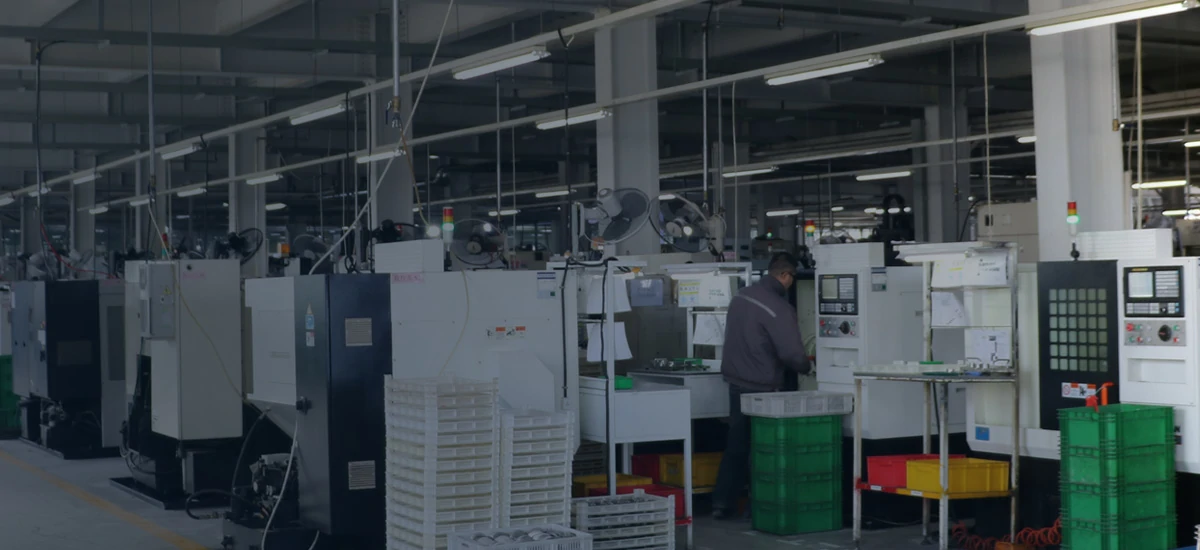
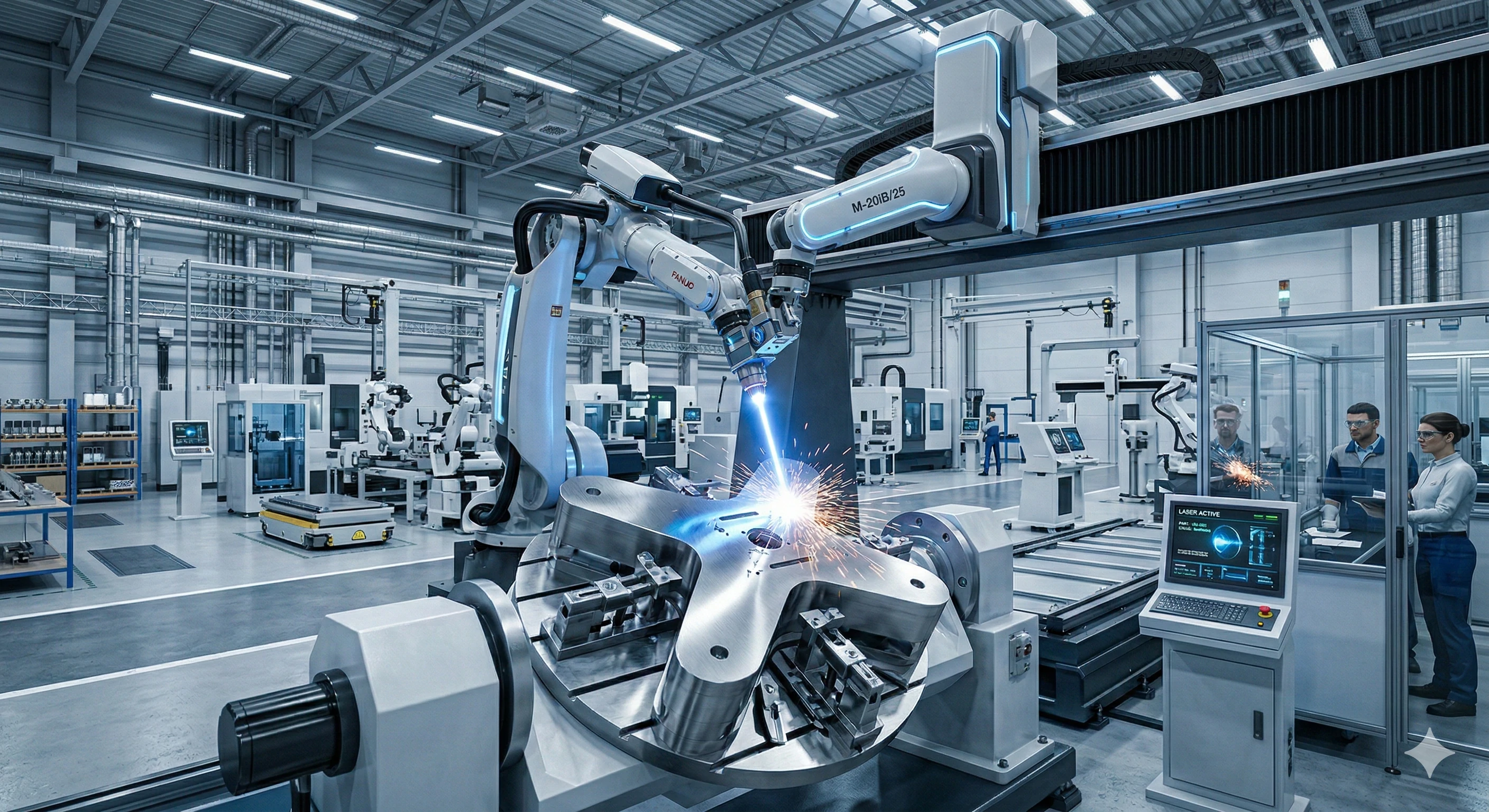
We understand the frustration of trying to cut, join, or mark metal using outdated methods that rely on heavy friction, intense gas heat, or toxic chemicals. If your production line suffers from warped materials or dull finishes, it costs you valuable time and money. When we produce our glass hardware, we replace these old, inefficient techniques with concentrated light.
The four main types of laser processing in metal manufacturing are laser cutting, laser welding, laser marking, and laser cleaning. These methods use focused photon beams to precisely melt, vaporize, or alter metal surfaces for high-quality architectural and industrial components.
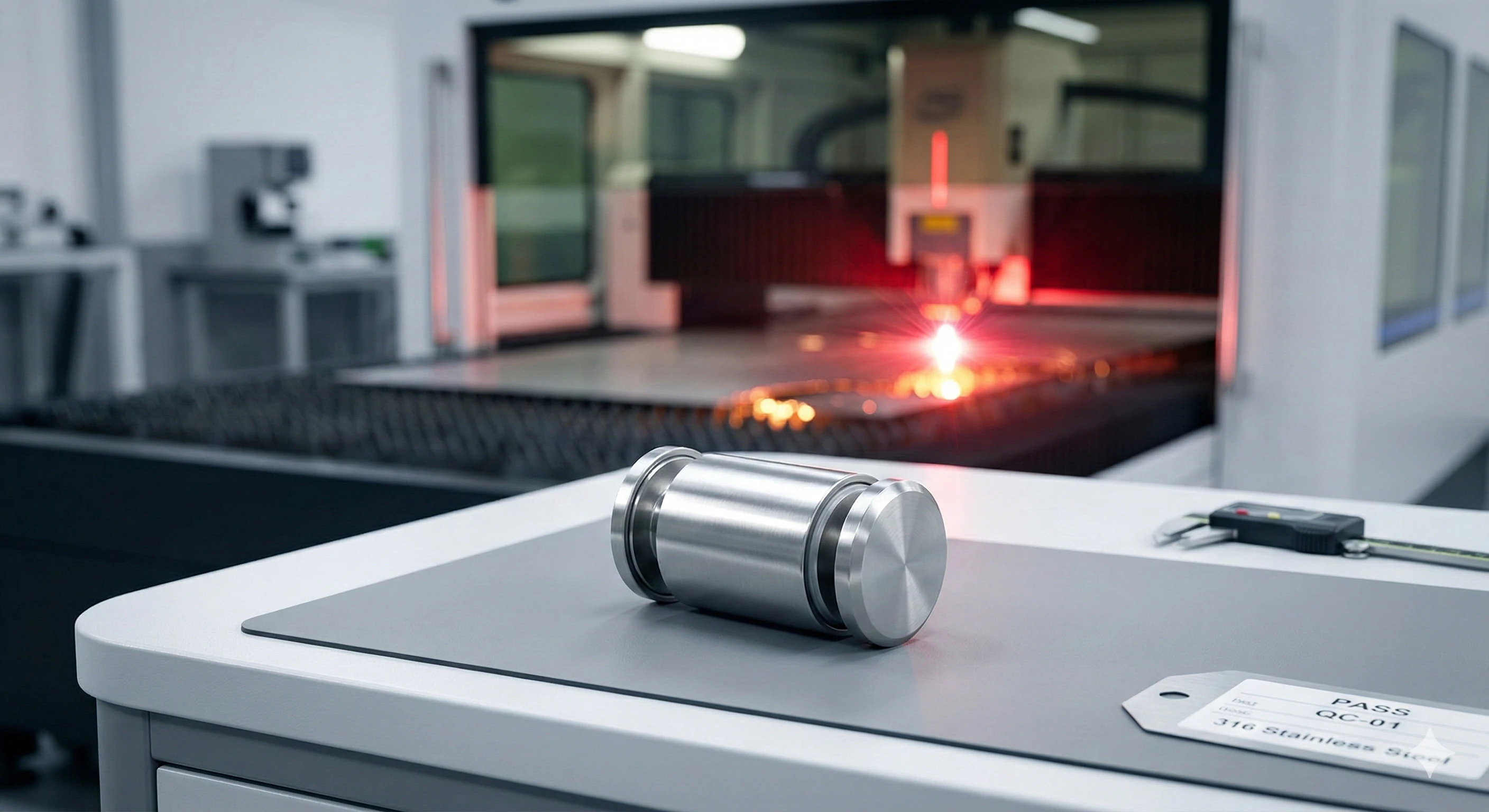
Let us explore how these four primary categories of laser processing elevate the quality of and solve common fabrication challenges.
How Does Laser Cutting Act as the High-Tech Scalpel for Metal?
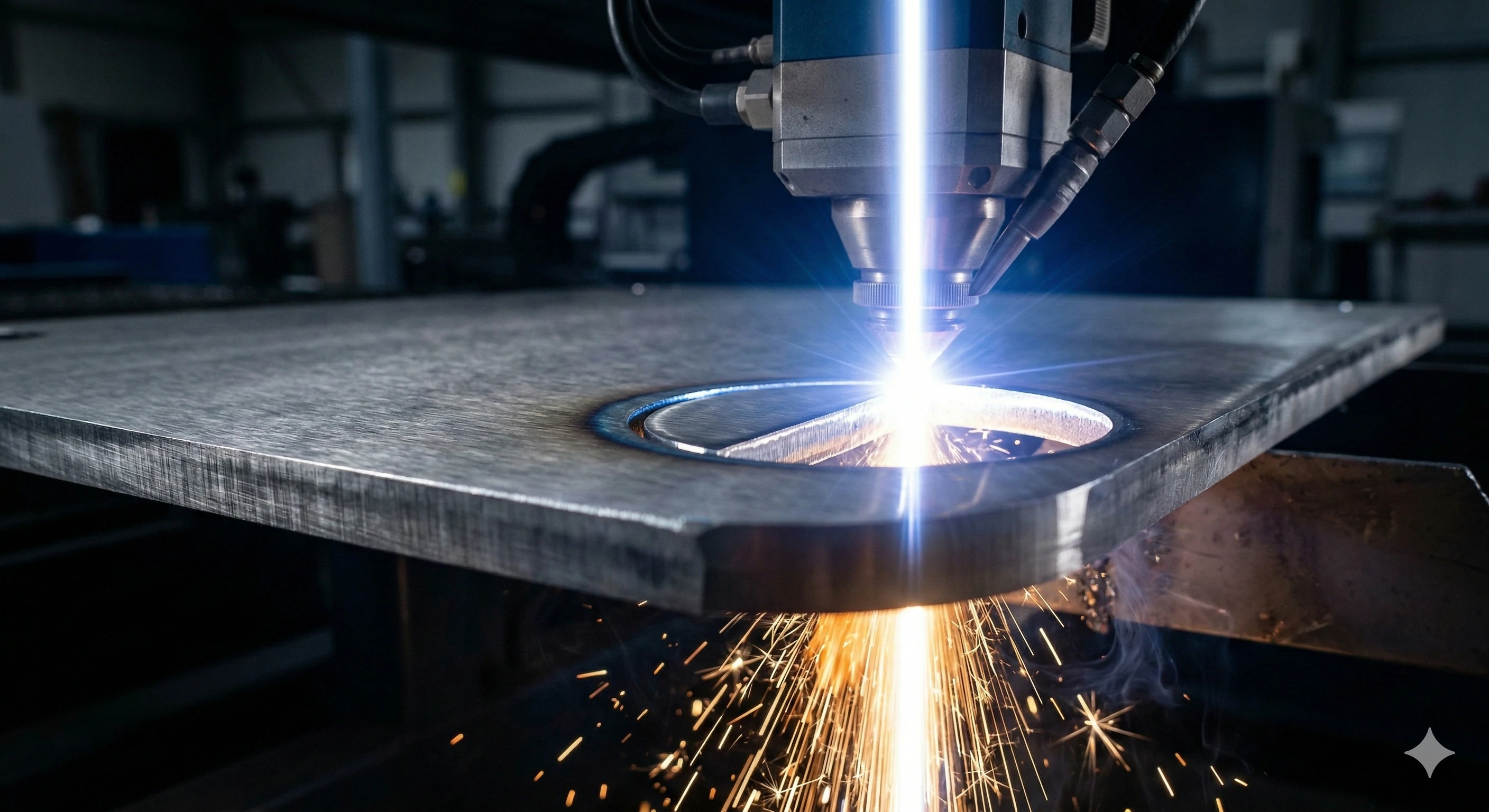
Seeing warped edges on a heavy stainless steel plate can ruin an entire production schedule. Traditional cutting methods often struggle with tight tolerances, leading to wasted material and rejected parts. In our factory, we use to ensure every glass railing base plate we produce meets exact specifications.
Laser cutting uses a high-power beam to melt metal while high-pressure assist gases like nitrogen or oxygen blow away the molten material. This process leaves a perfectly clean edge with zero physical contact, eliminating tool wear and ensuring incredible precision.
The Mechanics of Precision Cutting
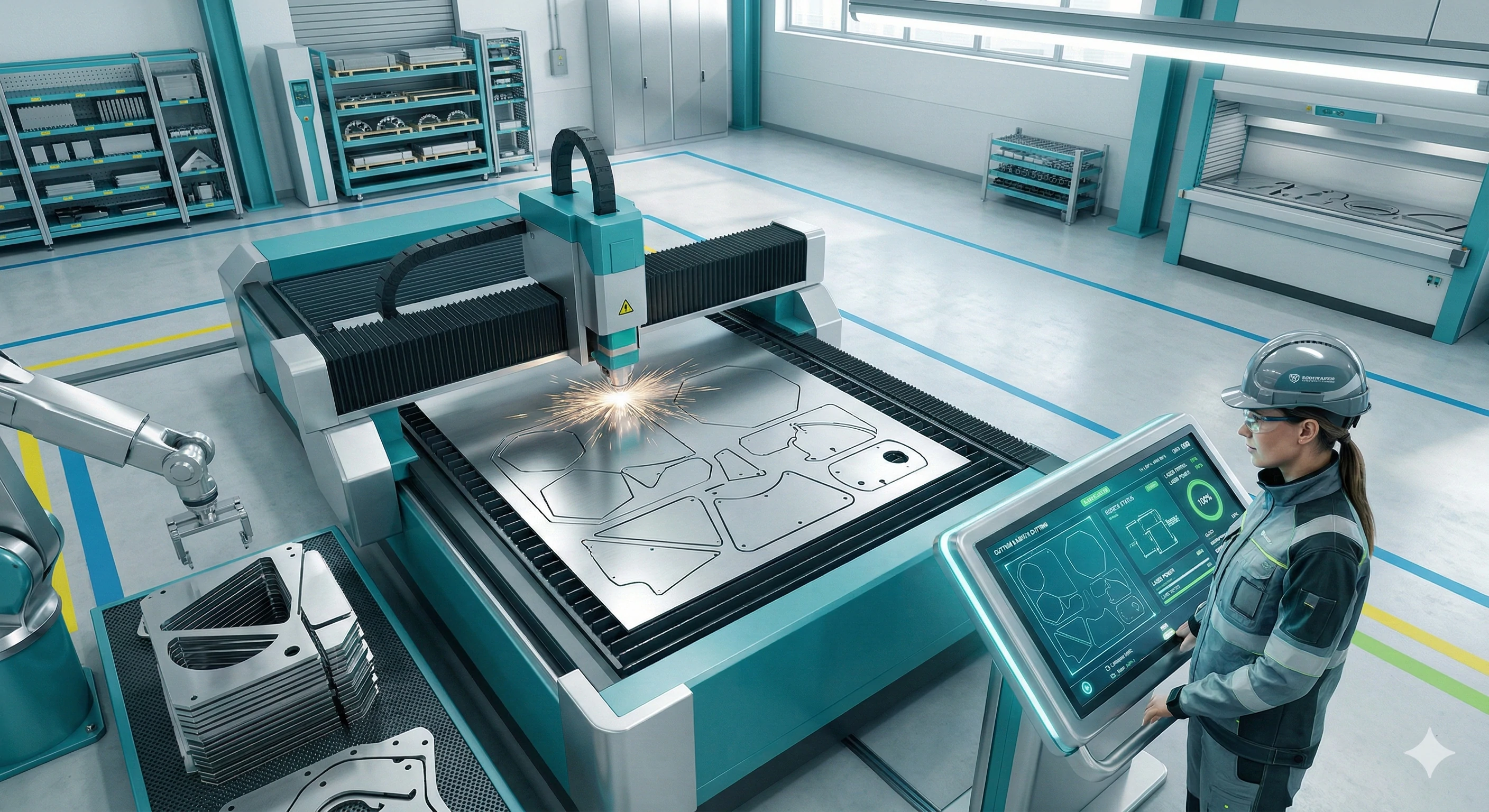
When we fabricate hardware, precision is our top priority. The cutting process begins when a high-power laser beam is focused onto the surface of the metal. This beam rapidly heats the material until it melts. Immediately, a high-pressure assist gas is directed at the exact same spot. We typically use nitrogen or oxygen for this task. The gas literally blows the molten material away, leaving behind a perfectly clean edge. This is how we achieve the flawless finish required for architectural hardware.
We also apply this technology beyond flat sheets. Tube laser cutting is essential for creating custom balustrade posts. The laser can cut complex geometries into round or square tubing with perfect accuracy.
Cost and Quality Benefits
The advantages of this method are substantial. Unlike stamping, laser cutting has zero tooling costs. You do not need to build an expensive physical die for every new design. Furthermore, there is zero physical contact between the machine and the metal. This means there is no tool wear to worry about. Finally, the process offers incredibly tight tolerances compared to older methods like plasma or waterjet cutting.
| Feature | Laser Cutting | Plasma Cutting | Stamping |
|---|---|---|---|
| Tooling Costs | Zero | Low | Very High |
| Tool Wear | Zero physical contact | Low | High |
| Tolerance | Incredibly tight | Moderate | Tight |
Why is Laser Welding the Secret to a Seamless Bond?
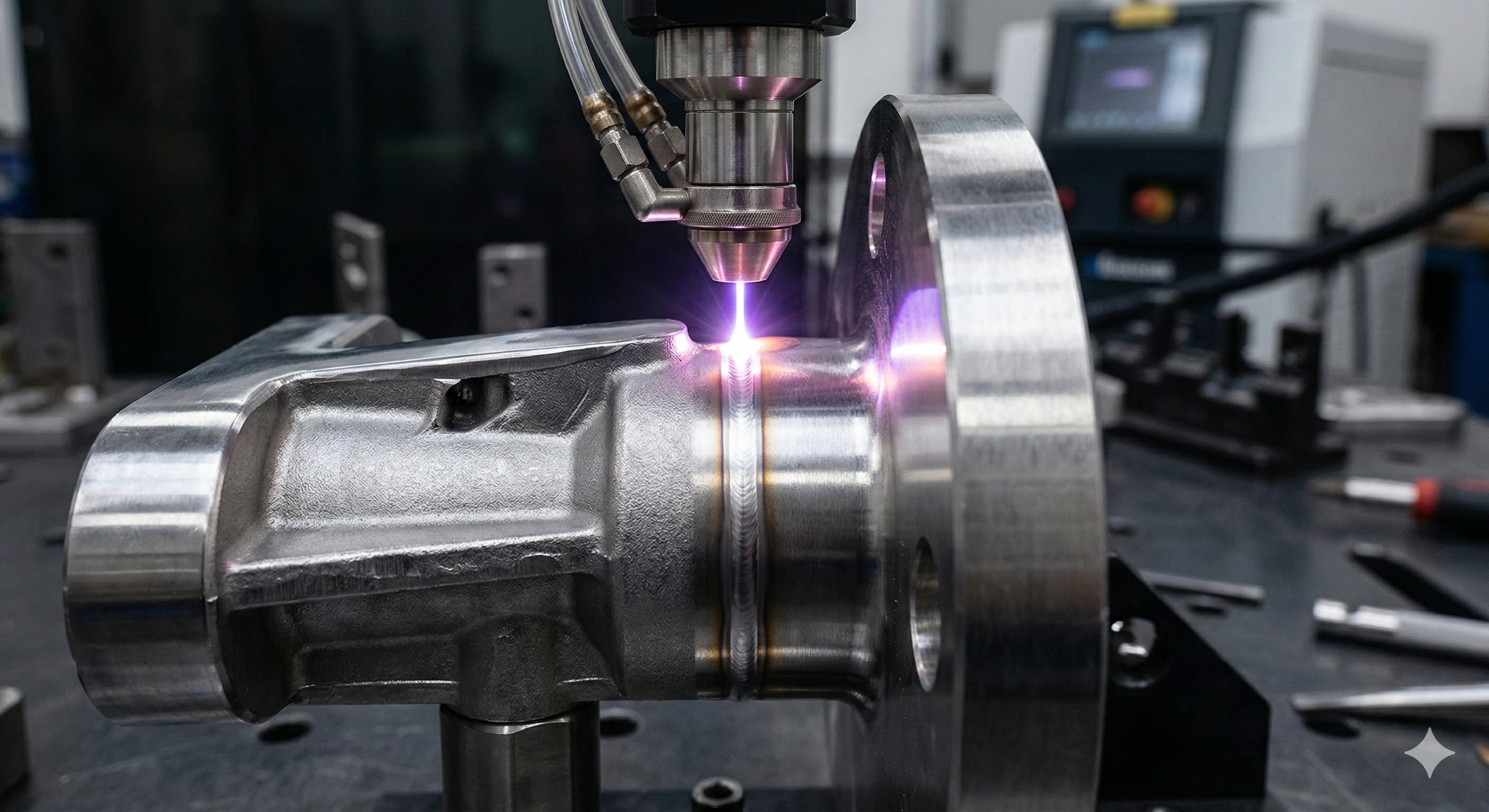
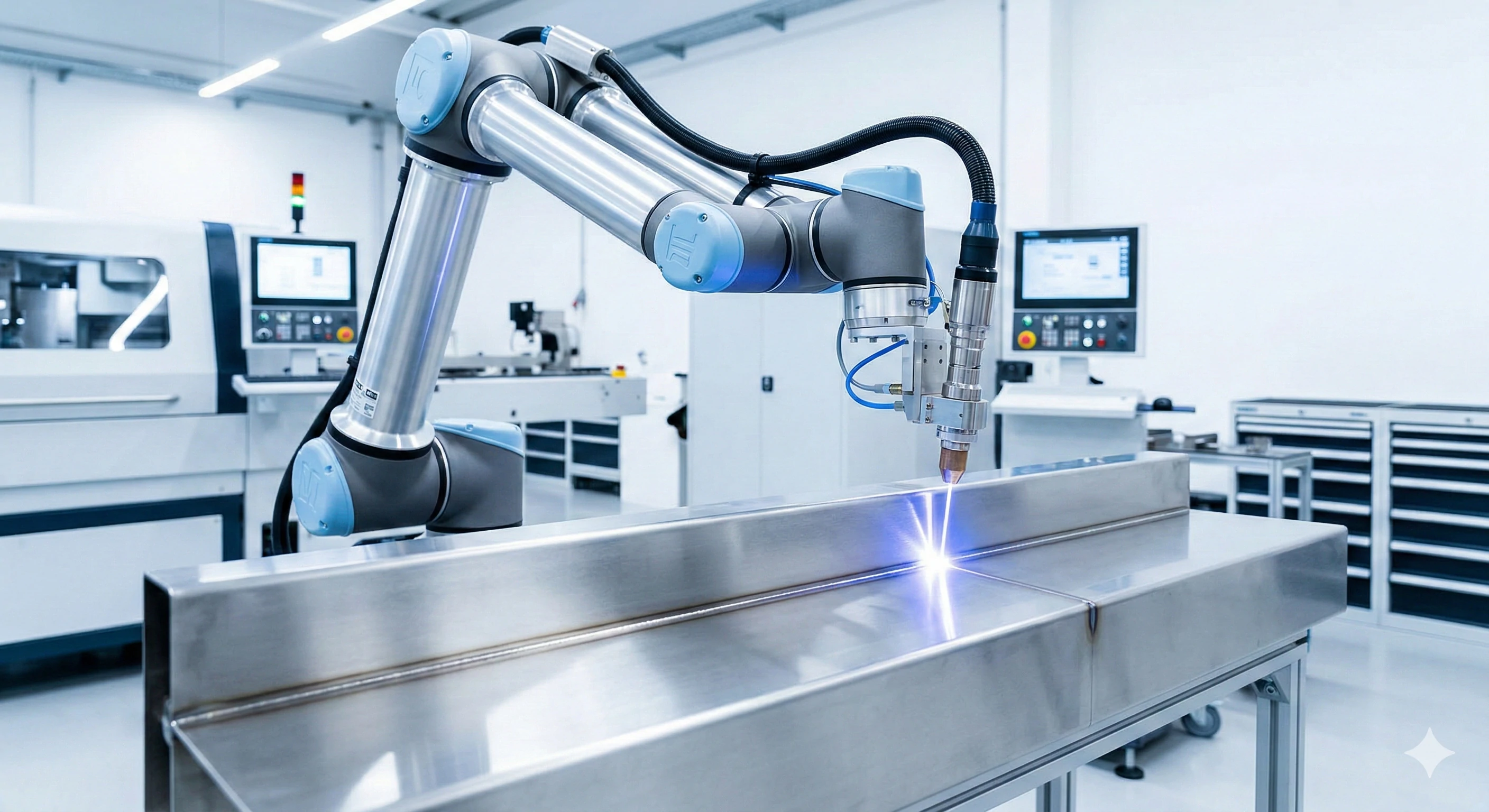
You might have experienced the headache of dealing with a massive Heat Affected Zone (HAZ) from traditional . This excessive heat can warp thin stainless steel and cause ugly discoloration that ruins the product's appearance. When we assemble our stainless steel spigots, we rely on a much more advanced solution to maintain structural integrity and an aesthetic polish.
Laser welding seamlessly fuses two metal edges together, with or without filler wire, by using highly localized heat. This deeply penetrating yet incredibly fast method creates a narrow keyhole effect, resulting in zero distortion and exceptionally high tensile strength.
Overcoming the Heat Affected Zone
Heat management is critical in metal fabrication. Traditional TIG welding generates a massive . This zone is the area of base metal that has had its microstructure and properties altered by welding heat. For thin stainless steel, a large HAZ can cause severe warping and ugly discoloration. Laser welding solves this problem. The heat is highly localized. This means the surrounding metal stays cool, resulting in zero distortion.
We use this to our advantage every day. For example, our application involves welding a cast stainless steel spigot to a mounting flange seamlessly. The localized heat ensures the part maintains its structural integrity and aesthetic polish.
Achieving Maximum Tensile Strength
Many people wonder if laser welding is stronger than traditional MIG or TIG welding. When done correctly, a laser weld is just as strong, if not stronger. The laser creates a "keyhole" effect. This effect allows for very deep penetration with a very narrow weld seam. The final result is high combined with minimal thermal distortion.
| Welding Method | Heat Affected Zone (HAZ) | Distortion Risk | Penetration Depth |
|---|---|---|---|
| Laser Welding | Very Small | Zero Distortion | Deep (Keyhole effect) |
| TIG Welding | Massive | High (Warps thin steel) | Moderate |
| MIG Welding | Large | Moderate | Moderate |
What Makes Laser Marking and Engraving a Permanent Signature?
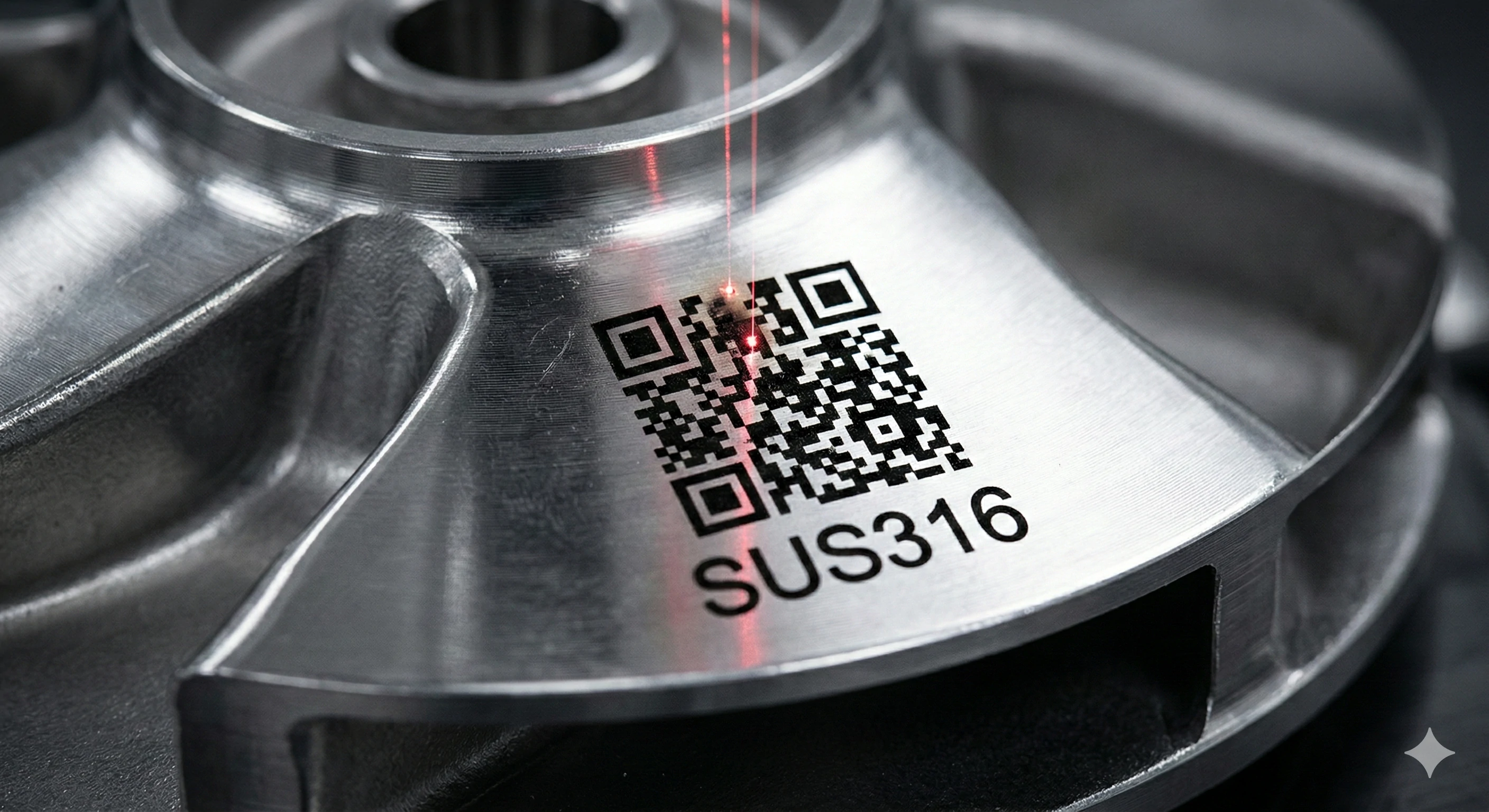
Losing track of parts in a complex supply chain is a nightmare for any procurement manager. Without permanent identification, you risk compliance failures and maintenance errors. When our engineers finalize valve bodies and pump impellers, we ensure strict supply chain traceability. This is crucial for industrial B2B clients who rely on accurate data.
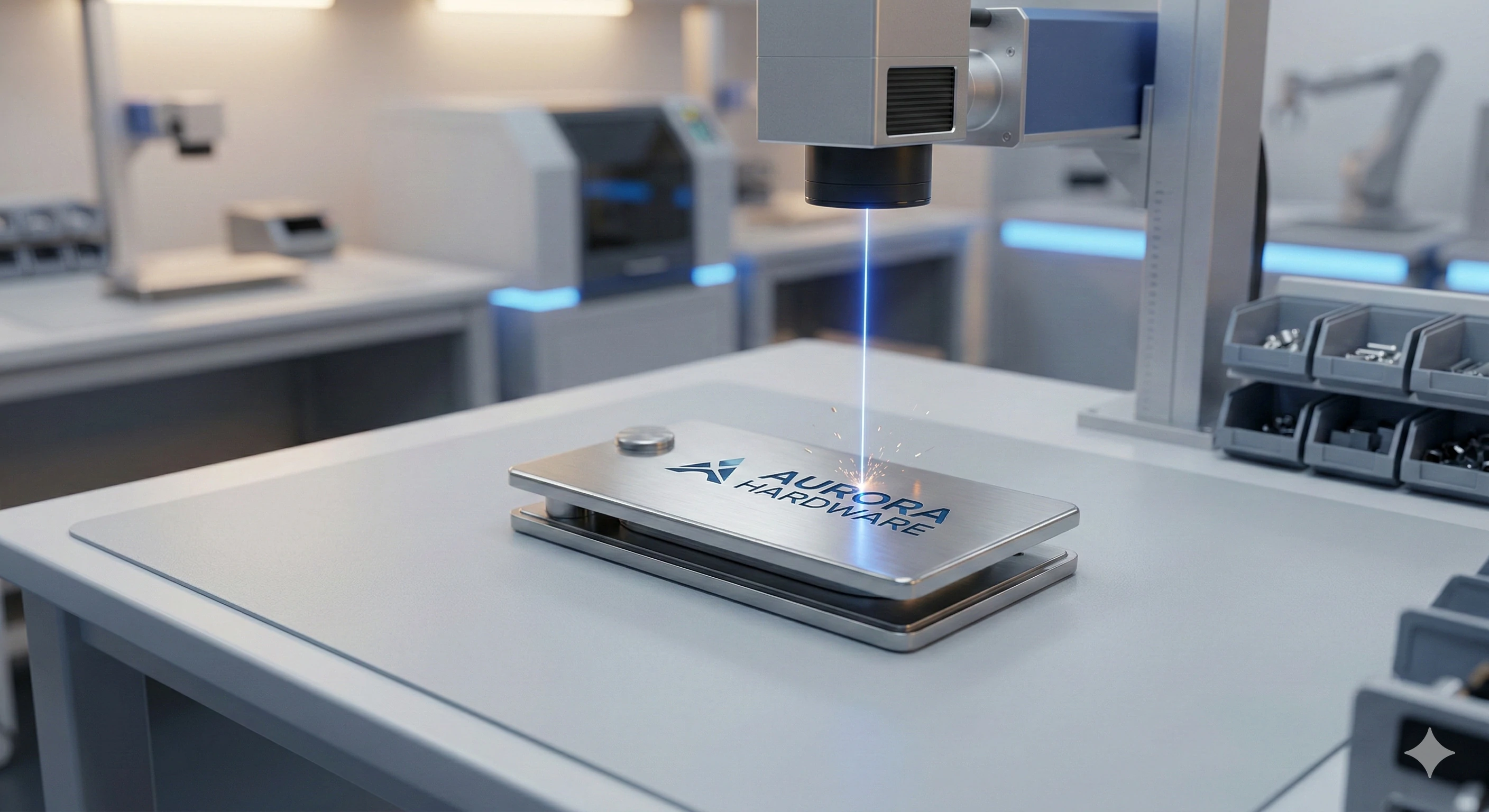
Laser marking and engraving use a lower-power pulsed laser to permanently alter the metal surface. Marking changes the metal's color through annealing without breaking the surface, while engraving vaporizes a shallow layer to create a physically recessed mark.
Marking vs. Engraving: What is the Difference?
While they sound similar, marking and serve different purposes. The process involves using a lower-power pulsed laser to alter the surface of the metal. Laser marking changes the color of the metal through a process called . This happens without breaking the surface. It is the perfect solution for medical or sanitary food valves where a smooth surface is mandatory to prevent bacterial growth.
Engraving is slightly more aggressive. It vaporizes a shallow layer of metal to create a physically recessed mark. You can feel an engraved mark with your fingernail. Both methods are far superior to temporary labels.
Ensuring Supply Chain Traceability
Traceability is a massive requirement for engineers and procurement managers. We use laser technology for etching alloy grades, such as SUS316, along with heat numbers and OEM logos onto valve bodies and pump impellers. This guarantees strict supply chain traceability.
Does laser marking on stainless steel fade over time? No, it does not. Unlike ink or paint, laser annealing permanently alters the molecular structure of the steel's surface. It will withstand harsh weather, UV light, and chemical cleaning without fading. Lasers also replace toxic chemicals used in chemical etching, which appeals to modern, eco-conscious buyers.
| Identification Method | Permanence | Breaks Surface | Environmental Impact |
|---|---|---|---|
| Laser Marking (Annealing) | Permanent | No | Clean (No chemicals) |
| Laser Engraving | Permanent | Yes (Recessed) | Clean |
| Ink / Paint | Fades over time | No | Uses solvents |
Can Laser Cleaning Provide an Eco-Friendly Polish?
Dealing with toxic acid baths, known as pickling, poses significant environmental and safety hazards for any production facility. These harsh chemicals are expensive to dispose of and dangerous to handle. In our pursuit of cleaner manufacturing, we prep our raw investment castings using advanced, environmentally friendly technology.
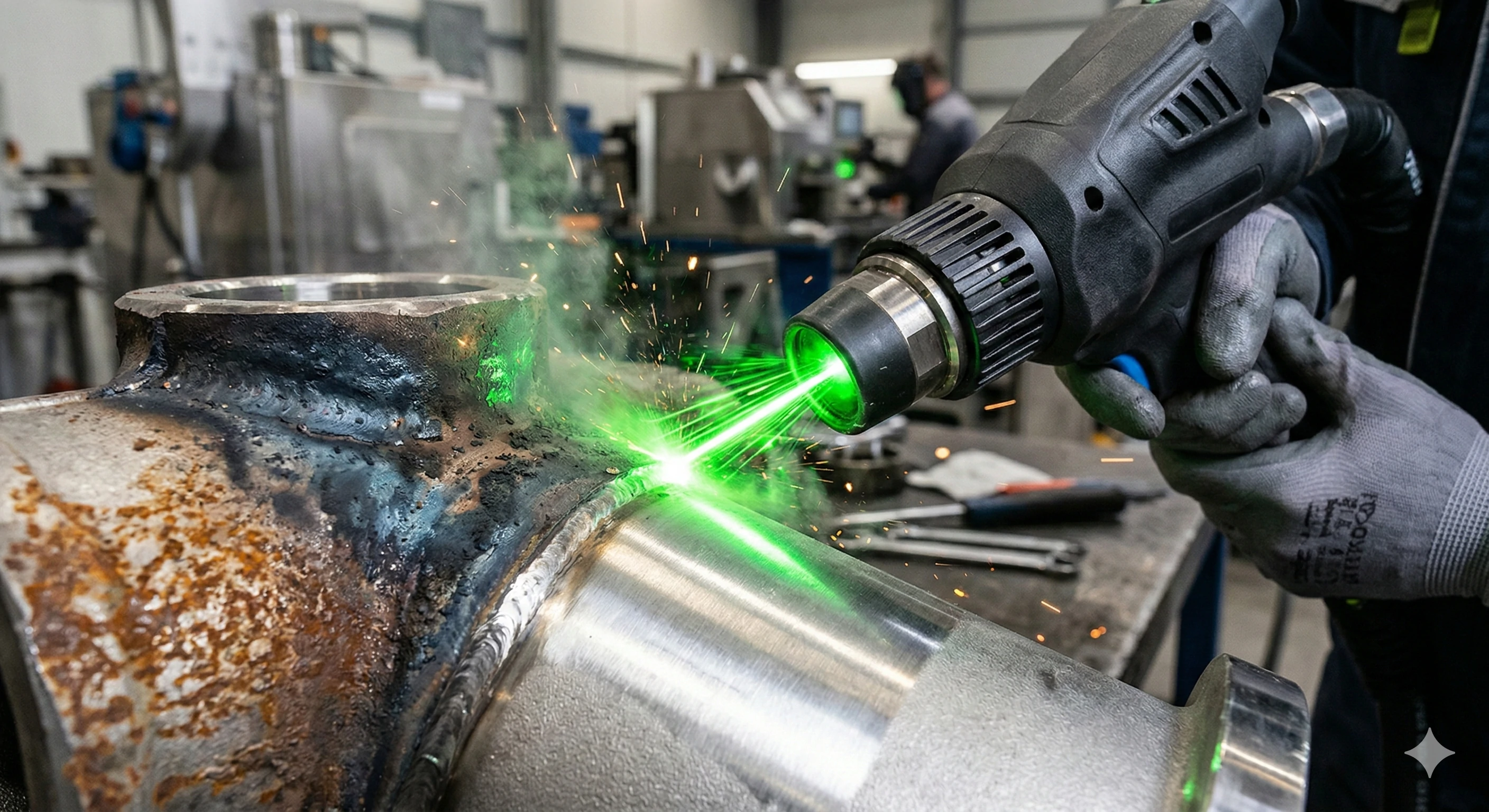
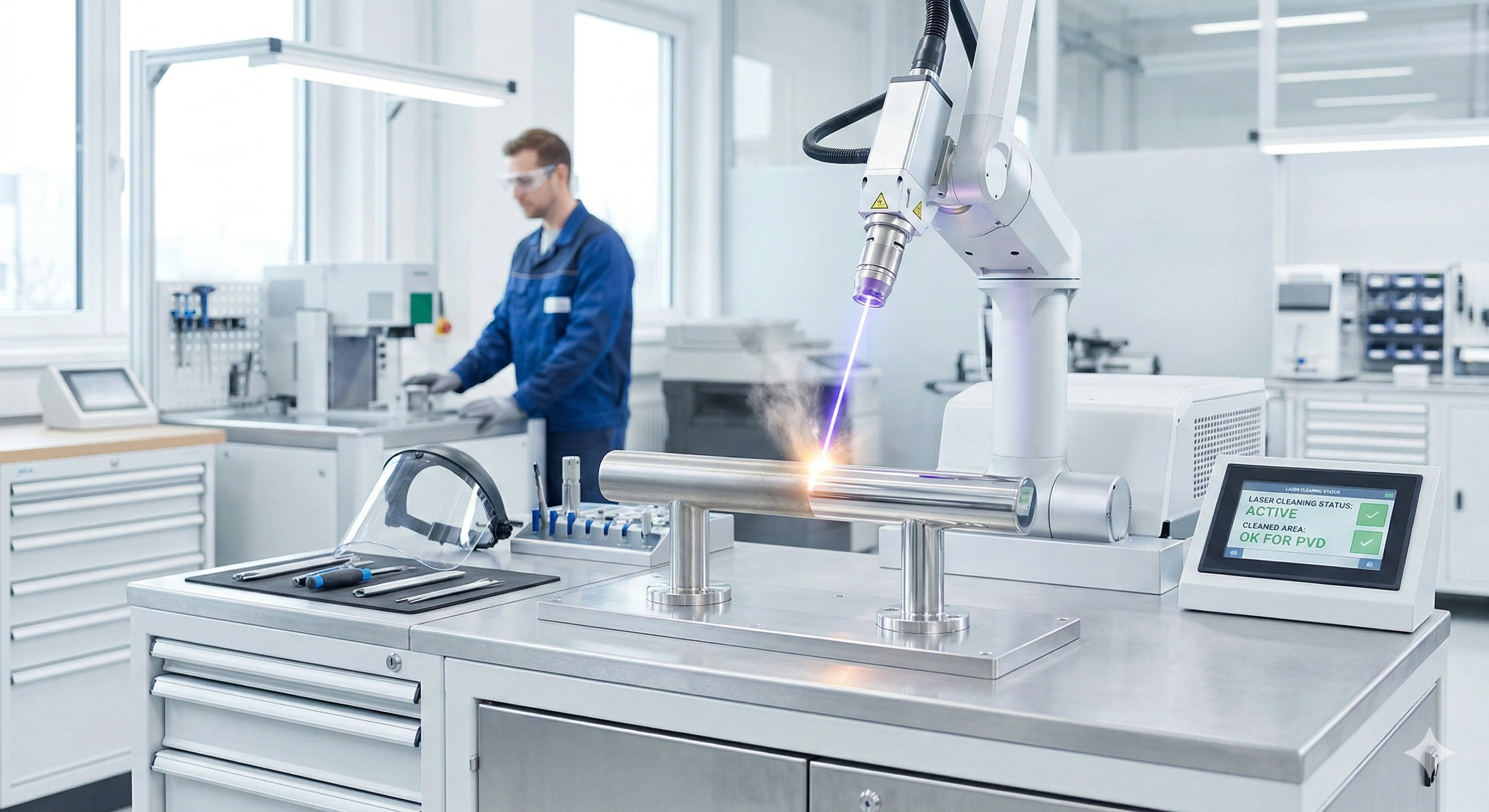
Laser cleaning sends rapid pulses of laser light at a metal surface to vaporize dirt, rust, or oxide layers. The unwanted material absorbs the energy and disappears, leaving the highly reflective base metal completely untouched and perfectly clean without toxic chemicals.
The Science of Vaporizing Rust
Laser cleaning showcases advanced, environmentally friendly technology in action. The process involves sending rapid pulses of laser light directly at a metal surface. The dirt, rust, or oxide layer on top absorbs this intense energy. As it absorbs the energy, the contaminant rapidly heats up and vaporizes.
The brilliance of this technology lies in its selectivity. The reflective base metal beneath the rust does not absorb the laser energy in the same way. Therefore, the base metal remains completely untouched. There is no scratching, gouging, or physical wear on the actual component.
A Modern Alternative to Acid Pickling
We frequently apply this technology after welding. It is excellent for removing the dark heat tint, also known as weld scale, left behind after welding stainless steel.
More importantly, it is a game-changer for surface preparation. We use it for cleaning raw to prep them for PVD coating. In the past, this required using harsh, toxic acid baths, a process called pickling. By replacing toxic chemicals with lasers, we focus on cleanliness and safety. This eco-friendly approach strongly appeals to modern, eco-conscious buyers.
| Cleaning Method | Removes Weld Scale | Base Metal Damage | Environmental Safety |
|---|---|---|---|
| Laser Cleaning | Yes | Untouched base metal | High (Eco-Friendly) |
| Acid Pickling | Yes | Can etch surface | Low (Toxic acids) |
| Abrasive Blasting | Yes | Can alter dimensions | Moderate (Creates dust) |
Why is Laser Processing the Perfect Partner for Investment Casting?
Finding a single supplier who can handle both complex 3D shapes and precise final assembly is often a frustrating search. Sourcing different components from multiple factories leads to shipping delays and mismatched quality. When we build a custom hydraulic glass hinge, we combine traditional casting methods with modern laser technology to deliver perfect results.
Laser processing perfectly complements investment casting by handling 2D sheet metal and final assembly, while casting creates complex, solid 3D shapes. This powerful synergy allows for the seamless production of turnkey, retail-ready products from a single, unified factory.
The Complete Manufacturing Package
The B2B pitch is simple: combining these two methods offers the complete package. Casting is perfect for creating complex, solid 3D shapes. You can pour molten metal into a mold to create intricate geometries that would be impossible to machine. However, laser processing is perfect for 2D sheet metal and final assembly.
Consider the synergy in a real-world scenario. A client needs a custom hydraulic glass hinge. We cast the complex hinge body first. Then, we laser cut the flat mounting plates. Next, we laser weld those plates to the body. Finally, we laser mark the client's logo on the front. The result is a turnkey, retail-ready product from a single factory.
Fiber Lasers vs. CO2 Lasers
When discussing this technology, it is important to understand the tools. Industrial Fiber Lasers and CO2 Lasers use a highly focused beam of photons. But what is the difference between Fiber Lasers and CO2 Lasers?
have a shorter wavelength. This shorter wavelength is readily absorbed by metals like stainless steel, aluminum, and brass. This makes them the absolute best choice for metalworking. On the other hand, have a longer wavelength that reflects off metal. They are perfect for cutting non-metals like wood, acrylic, and plastic. For our heavy-duty stainless steel products, fiber technology is the clear winner.
| Laser Type | Wavelength | Material Compatibility | Best Application |
|---|---|---|---|
| Fiber Laser | Shorter | Readily absorbed by metal | Metalworking (Stainless, Aluminum) |
| CO2 Laser | Longer | Reflects off metal | Non-metals (Wood, Acrylic) |
Conclusion
From slicing through thick steel plates to vaporizing microscopic rust, laser processing offers unmatched speed and precision. By integrating laser cutting, welding, marking, and cleaning with traditional investment casting, we eliminate standard manufacturing bottlenecks and deliver superior quality components.
Looking for a manufacturing partner who combines traditional casting with advanced laser fabrication? We offer end-to-end OEM production for architectural and industrial hardware. Send us your designs for a comprehensive quote.
Footnotes
1. Learn more about the role of Original Equipment Manufacturers (OEMs).
2. Discover how laser cutting acts as a high-precision tool in manufacturing.
3. Read about the mechanics and uses of Gas Tungsten Arc Welding (TIG).
4. Understand the structural effects of heat on metal properties.
5. Explore the concept of ultimate tensile strength in industrial materials.
6. Discover the process of utilizing lasers for material engraving.
7. Learn how heat treatment processes like annealing alter metal properties.
8. Detailed guide to the intricacies of the investment casting process.
9. Overview of fiber laser technology and its industrial applications.