Table of Contents
What Are Pumps and Valves?

Pumps and valves are two of the most fundamental components in any fluid handling system. While they serve different purposes, they work together to form the backbone of nearly every industrial process that involves the .
Pumps are mechanical devices that transfer fluids from one location to another by converting mechanical energy into hydraulic energy. They generate the force needed to move water through a municipal treatment plant, push crude oil through a pipeline, or circulate coolant inside a power station.
Valves are flow-control devices that regulate, direct, and isolate fluid within a piping system. They determine how much fluid passes through, in which direction it flows, and whether the line is open or sealed. Without valves, there would be no way to safely start, stop, or throttle the processes that pumps set in motion.
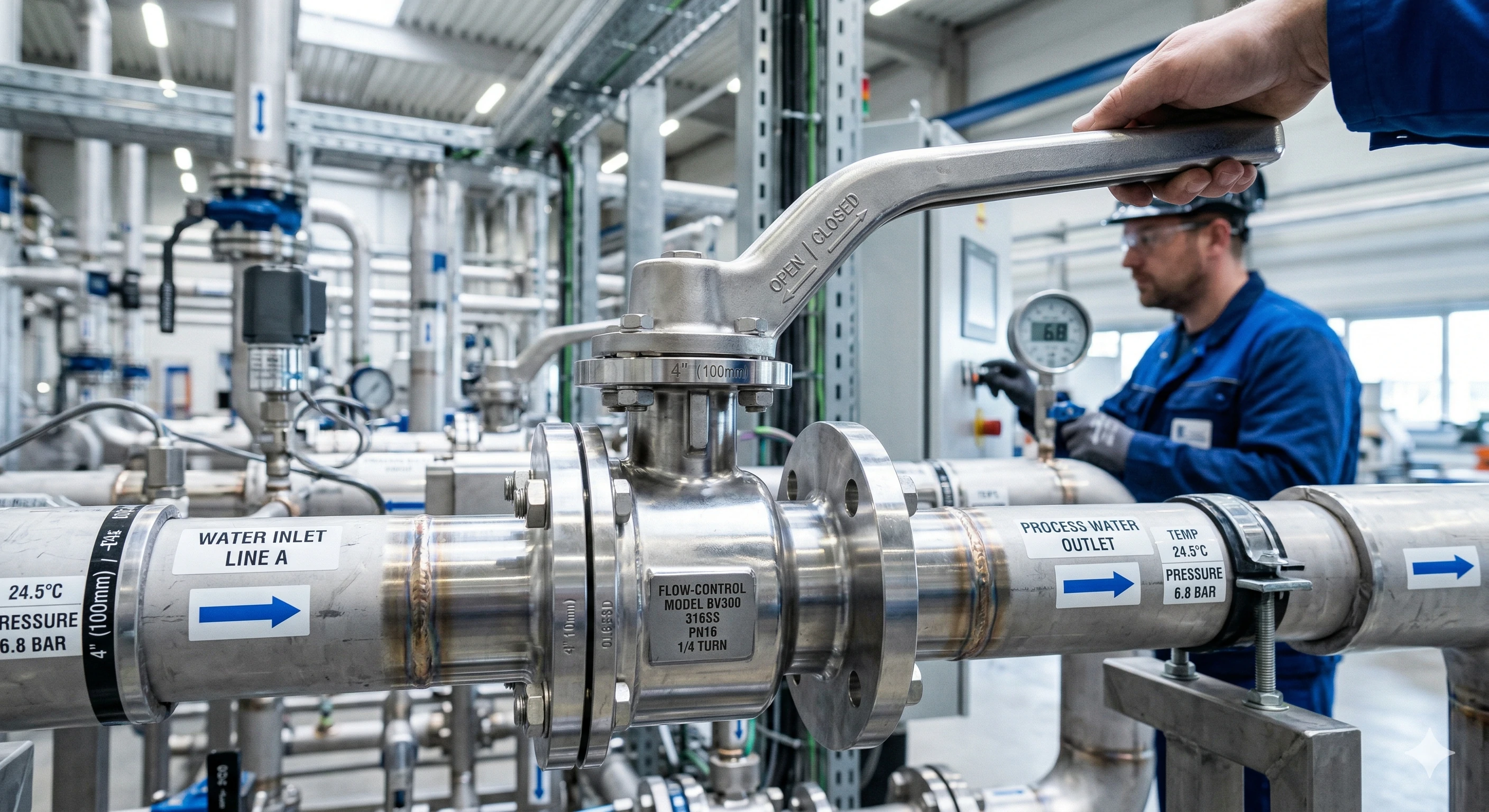
Together, these components support more than 70% of global fluid handling infrastructure. Over 180 million industrial pumps and more than 240 million industrial valves are installed worldwide, serving that stretch beyond 3.6 million kilometers.
industrial fluid handling basics
Types of Industrial Pumps
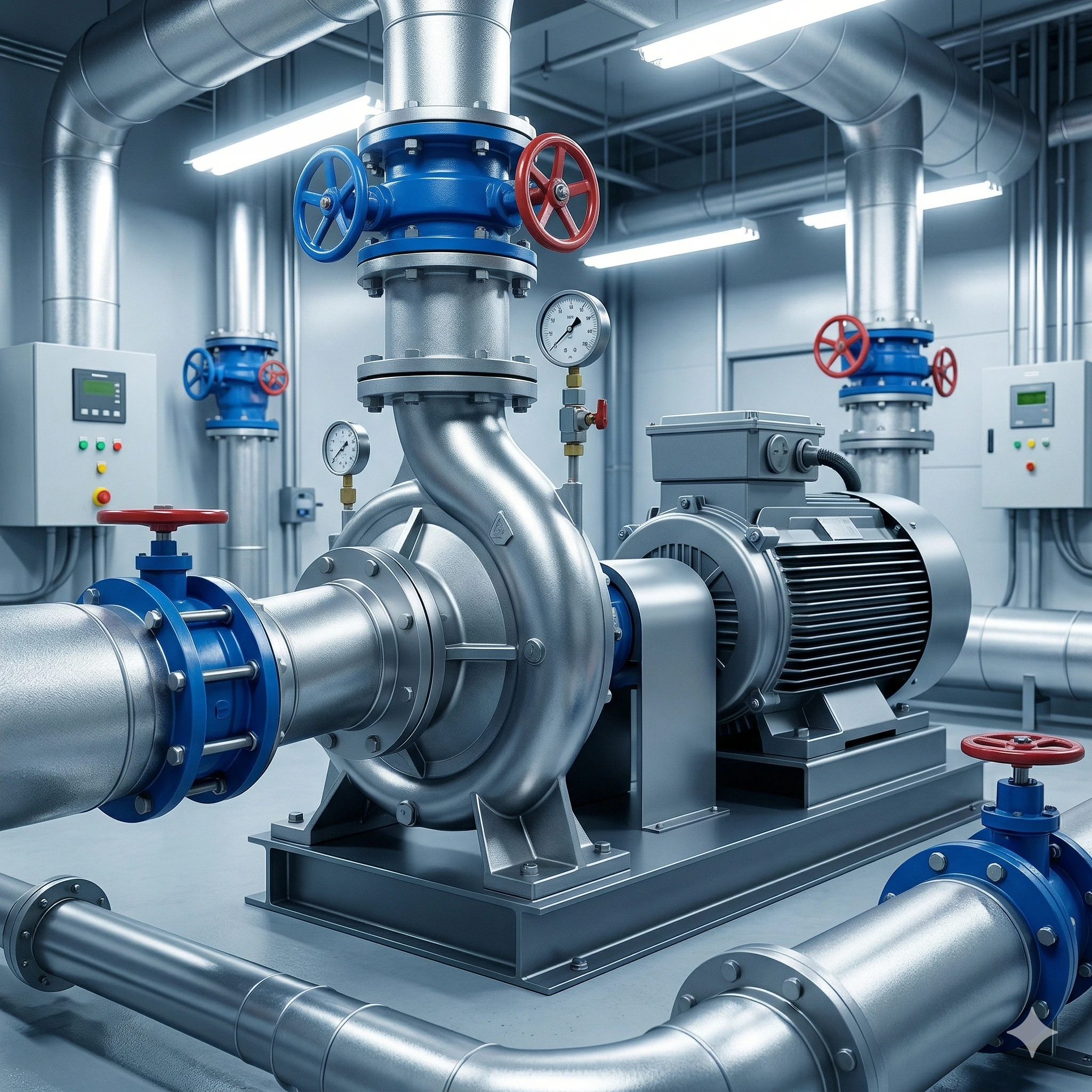
Pumps fall into two broad families, each suited to different operating conditions and .
Centrifugal Pumps
Centrifugal pumps use a rotating impeller to impart velocity to the fluid, then convert that velocity into pressure. They are the workhorses of industrial fluid handling, accounting for roughly 62–67% of all pump installations globally. Their simple design, low maintenance needs, and ability to handle high flow rates make them ideal for continuous-duty applications such as water supply, HVAC systems, and large-scale industrial processes.
Single-stage centrifugal pumps contain one impeller and are suitable for applications where the required head is up to about 40–50 meters. The vast majority of operating centrifugal pumps are single-stage.
Multistage centrifugal pumps contain two or more impellers in series and are used where higher pressures are needed — for example, boiler feedwater systems that must deliver heads exceeding 105 meters.
Positive Displacement Pumps
Positive displacement pumps trap a fixed volume of fluid and force it through the discharge pipe. They excel at handling viscous fluids, providing precise dosing, and maintaining consistent flow rates regardless of pressure changes. This family includes several sub-types.
Reciprocating pumps (piston and plunger designs) move fluid by the back-and-forth motion of a piston inside a cylinder. They are common in high-pressure applications such as hydraulic systems and oil field injection.
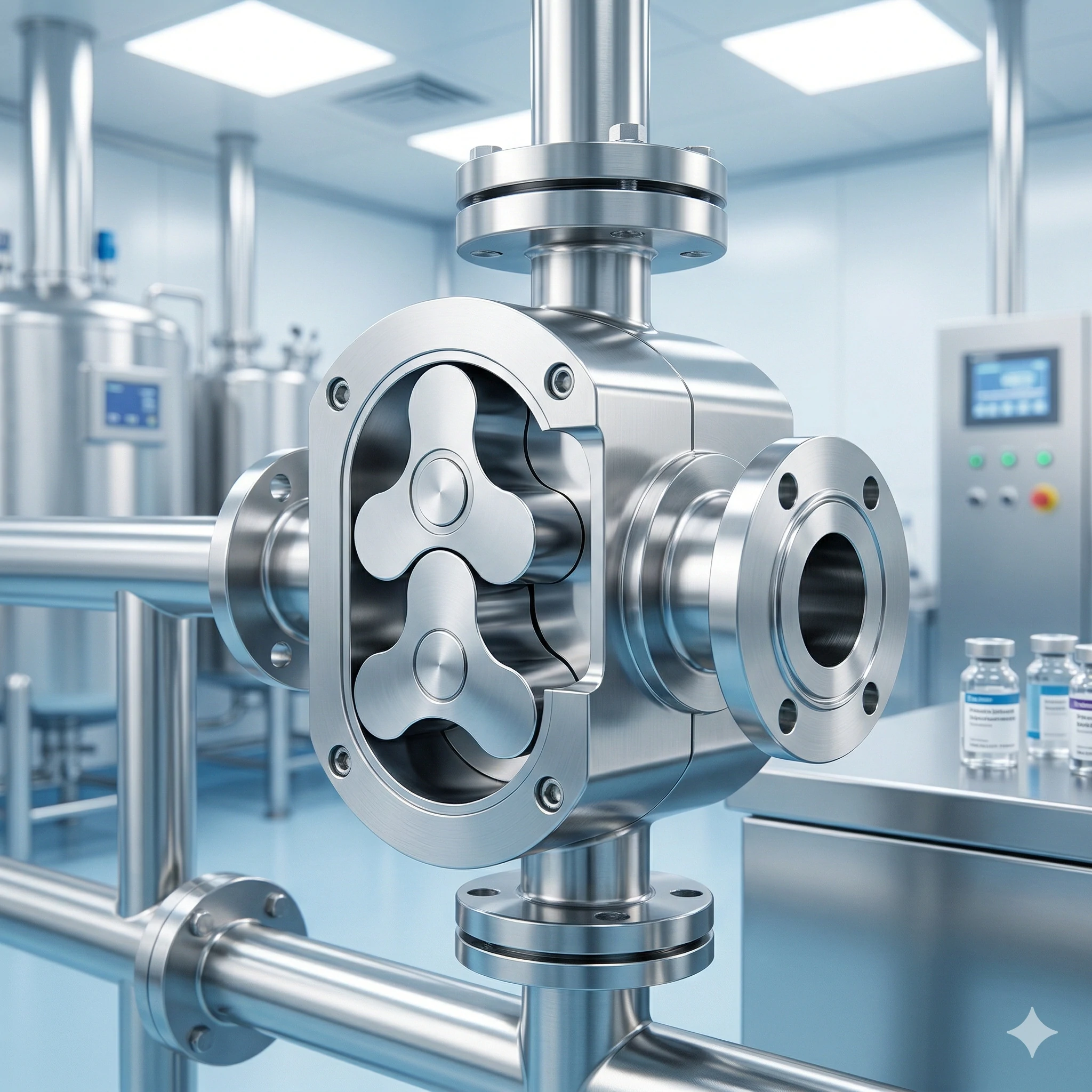
Rotary pumps (gear, lobe, screw, and peristaltic designs) use rotating elements to move fluid. Rotary lobe pumps and twin screw pumps are especially popular in food, beverage, and pharmaceutical processing because they handle delicate products with minimal shear.
Diaphragm pumps, including air-operated double-diaphragm (AODD) models, use a flexible membrane to displace fluid. They are self-priming, run dry without damage, and handle abrasive or chemically aggressive media — making them a go-to choice for chemical transfer and wastewater applications.
Other Pump Types
Jet pumps use the momentum of a motive fluid (water, steam, or compressed air) to entrain and move a secondary fluid. Air jet vacuum pumps, for instance, are used when no steam is available to create vacuum conditions.
High-pressure piston pumps are engineered for processes like homogenization in dairy production, where pressures can exceed 400 bar.
Types of Industrial Valves
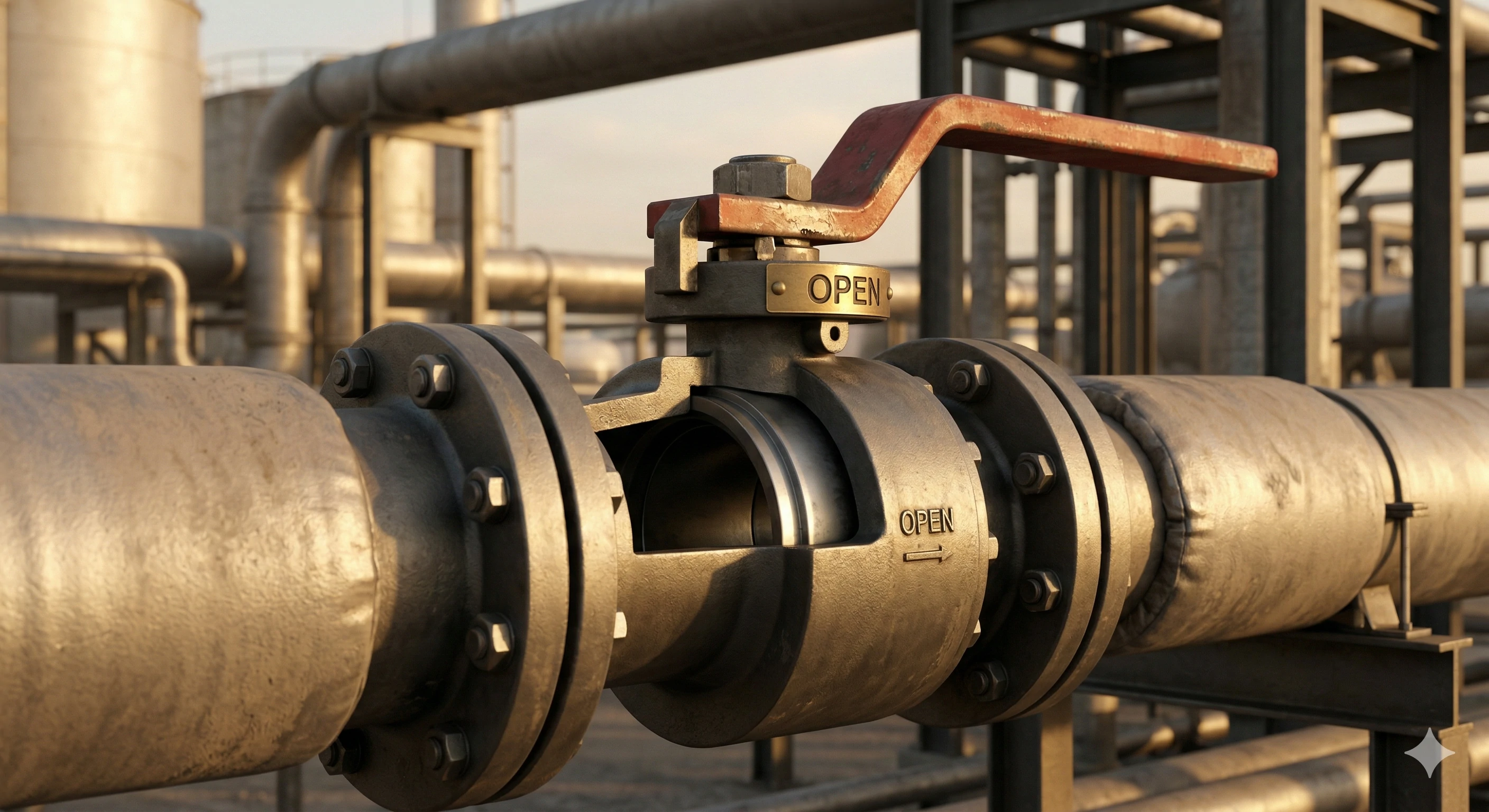
Valves can be grouped by their primary function: on/off isolation, , or backflow prevention. Understanding these categories helps you match the right valve to the right job.
Isolation (On/Off) Valves
These valves are designed to fully open or fully close a flow path with minimal restriction when open.
Ball valves use a rotating sphere with a bore through its center. A 90-degree turn of the handle moves the valve from fully open to fully closed, providing a bubble-tight seal. Full-bore versions create virtually no pressure drop, making them excellent for general-purpose isolation across fluid, gas, and vapor services. They are among the most widely used industrial valves.
Gate valves feature a wedge-shaped disc that slides perpendicular to the flow. When fully open, the gate retracts entirely out of the fluid path, delivering minimal pressure loss — similar to raising a drawbridge. Gate valves are best for pipeline isolation where the valve stays either fully open or fully closed. Using them partially open for throttling can damage the disc over time.
Plug valves operate like ball valves but use a cylindrical or tapered plug with a through-hole instead of a sphere. Their crevice-free internal design makes them popular in refineries and chemical plants where media can get trapped in valve cavities. They are also easy to automate.
Butterfly valves control flow with a flat or slightly concave disc mounted on a central stem. A quarter-turn moves the disc from blocking the flow to sitting parallel with it. Butterfly valves are lightweight, compact, and far more cost-effective than ball or gate valves in large pipe sizes (above 12 inches), making them a standard choice for water distribution and large-diameter industrial piping.
Throttling and Regulation Valves
These valves offer precise, adjustable control over flow rate, pressure, or temperature.
Globe valves use a disc that moves linearly against a seat ring to regulate flow. Their design provides superior throttling accuracy, which is why they are favored in applications like cooling water systems and fuel oil lines. The trade-off is a higher pressure drop compared to ball or gate valves.
Needle valves are a specialized form of globe valve with a tapered, needle-shaped plunger. They deliver extremely fine flow adjustment, making them essential for instrumentation lines, hydraulic systems, and any application requiring precise metering.
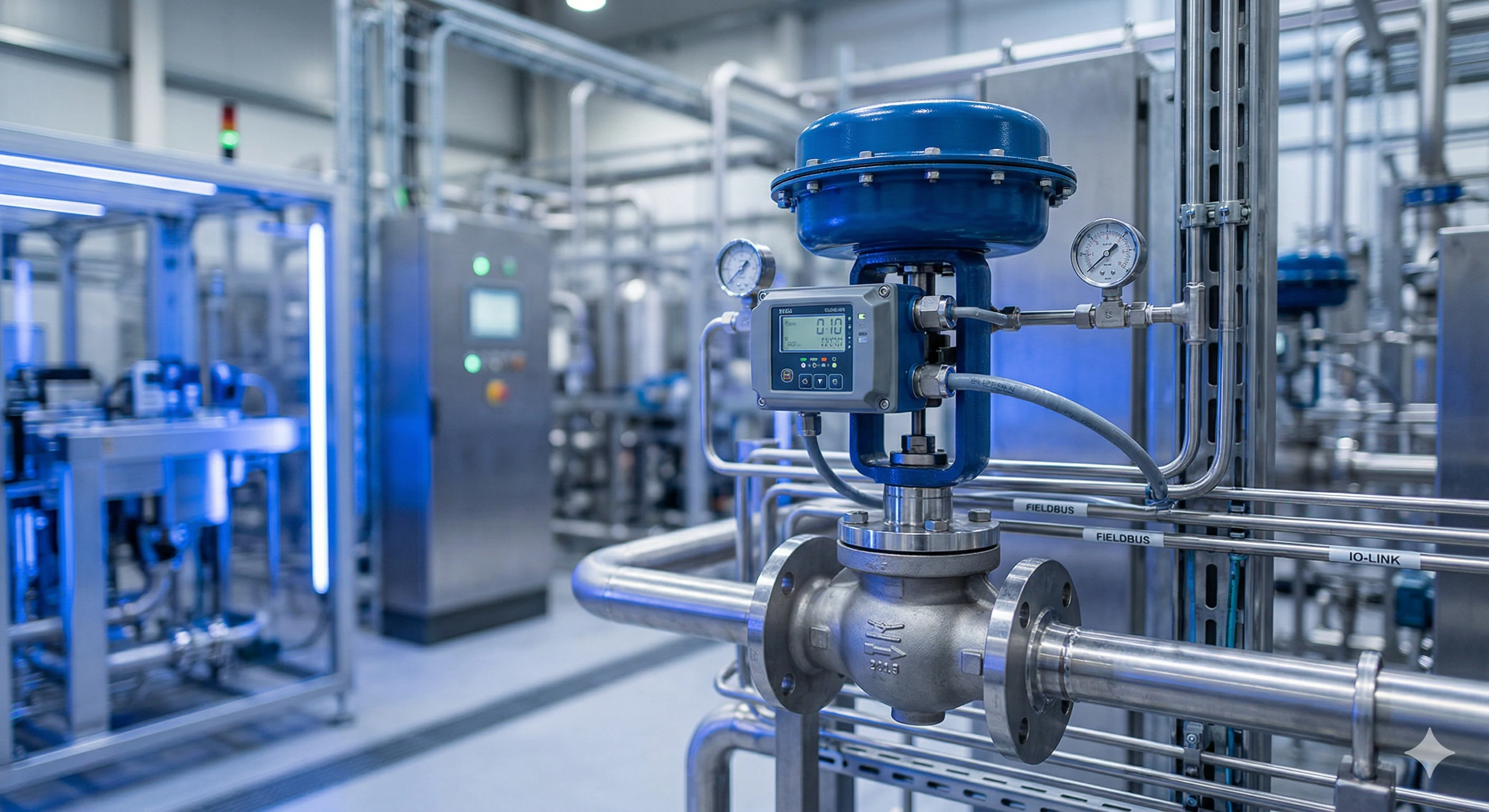
Control valves integrate an actuator and positioner to automatically regulate flow, pressure, or temperature based on signals from a process control system. Found in virtually every automated processing facility, they are the critical link between instrumentation and physical process control.
Backflow Prevention Valves
Check valves prevent reverse flow — and the damage it can cause to pumps and piping systems. They operate without any external power or human intervention; the fluid's own momentum opens the valve, and reverse pressure or gravity closes it.
Common check valve designs include swing check (a flap that swings open with forward flow), lift check (a piston or ball lifted off its seat), dual disc (two half-moon discs that spring shut), and diaphragm check valves. Selecting the correct type depends on the system's pressure, temperature, orientation, and flow characteristics. Installation errors — particularly mounting a check valve backward — are a frequent and costly mistake. Always verify the flow-direction arrow cast into the valve body.
Pressure Relief and Safety Valves
Pressure relief valves automatically open when system pressure exceeds a set point, protecting equipment from overpressure damage. They are mandatory safety devices on pressure vessels, boilers, and compressed gas systems.
Specialty Valves
Pinch valves use a flexible elastomeric tube that is squeezed shut by air pressure or mechanical force. Because the media only contacts the tube, pinch valves are ideal for slurries, abrasive materials, and corrosive chemicals — common in cement, wastewater, and food processing.
Angle-seated valves are pneumatically actuated piston valves mounted at an angle to the flow path. They open almost instantaneously, making them among the fastest-responding valves available, with very low pressure drops.
Float valves control liquid levels in tanks by using a buoyant float connected to a valve mechanism. They are found in agricultural irrigation, industrial holding tanks, and — on a smaller scale — in the back of every household toilet.
Pump and Valve Selection: How to Choose the Right Components

Choosing the wrong pump or valve leads to reduced flow, , premature wear, and potential system failures. A structured selection process prevents these problems.
Key Factors for Pump Selection
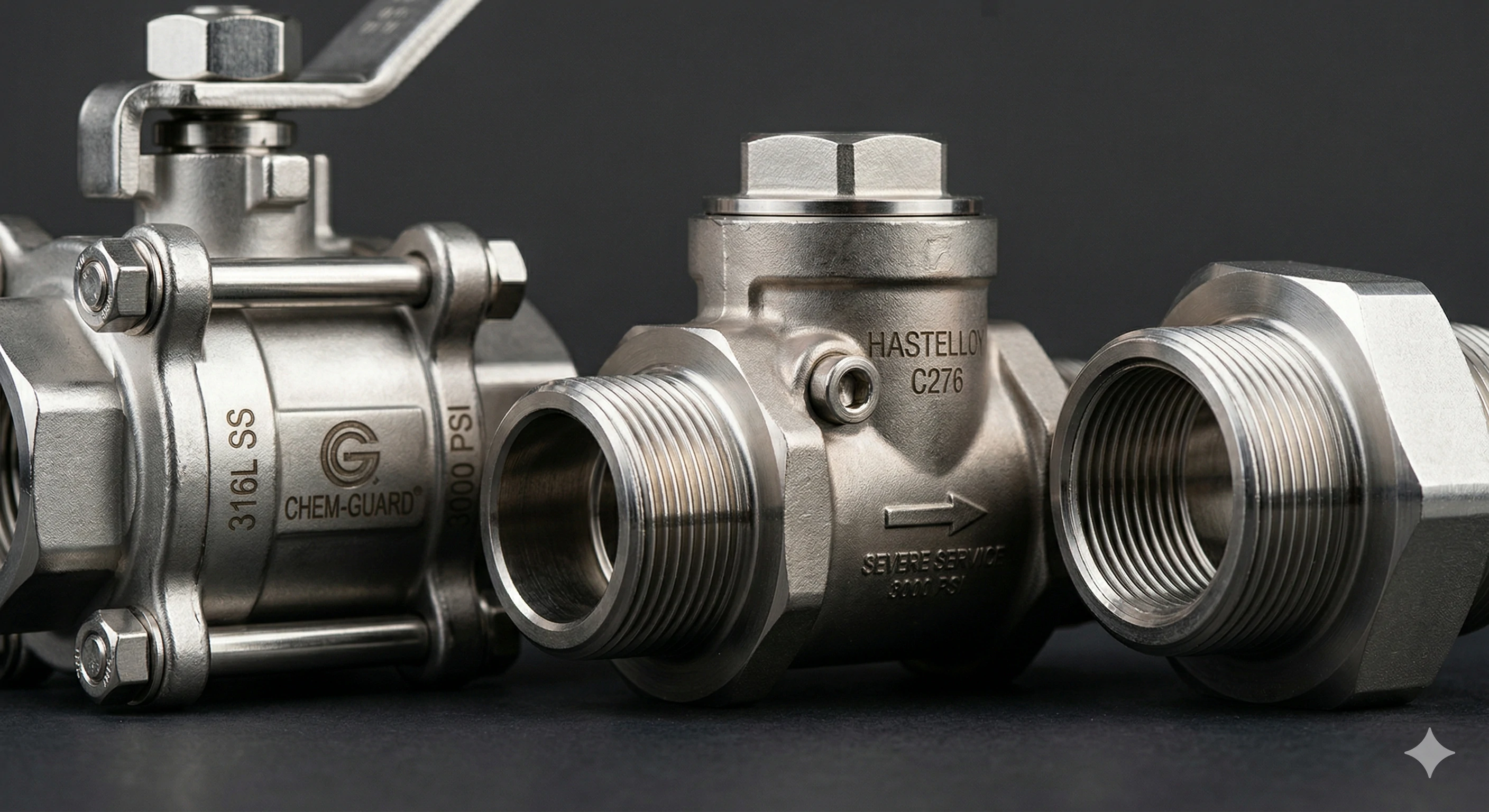
Fluid properties come first. Viscosity determines whether a centrifugal or positive displacement pump is more appropriate. Corrosive fluids require compatible metallurgy (316L stainless steel, Hastelloy, or engineered plastics). Fluids with solids or abrasives demand hardened wetted surfaces or designs that tolerate particulate matter without clogging.
Flow rate and head (pressure) define the pump's operating point. A centrifugal pump's performance is captured on its characteristic curve — the relationship between flow rate and total dynamic head. The goal is to select a pump whose best efficiency point (BEP) aligns with your required operating conditions.
System curve analysis maps the total resistance of your piping system against flow rate. The intersection of the system curve and the pump curve determines the actual operating point.
Hydraulic Institute pump selection guidelines
Key Factors for Valve Selection
Function: Determine whether you need on/off isolation, throttling, backflow prevention, or pressure relief. This immediately narrows your options.
Fluid compatibility: Corrosive media demand stainless steel, exotic alloys, or lined valve bodies. Abrasive slurries may require pinch or knife-gate designs.
Pressure and temperature ratings: Every valve has published pressure-temperature limits. Exceeding them risks seal failure and leaks.
Flow coefficient (Cv): This standardized metric quantifies a valve's flow capacity. Matching the Cv to your desired flow rate and allowable pressure drop ensures the valve is neither oversized (poor control) nor undersized (excessive restriction).
End connections: Flanged, threaded, welded, or sanitary tri-clamp connections must match your piping system.
Actuation method: Manual handles suffice for infrequently operated valves. Pneumatic, electric, or hydraulic actuators enable remote or automated control.
Material Selection Guide
| Material | Best For | Limitations |
|---|---|---|
| 304 Stainless Steel | General-purpose, mild corrosives | Limited in chloride-rich environments |
| 316L Stainless Steel | Food, pharma, moderate corrosives | Higher cost than 304 |
| Hastelloy / Monel | Severe chemical environments | Premium pricing |
| Cast Iron | Water, general industrial | Not suitable for corrosives |
| Brass | Low-pressure water, HVAC | Not for acidic or high-temp media |
| PTFE / PVDF (plastics) | Highly corrosive chemicals | Lower pressure and temperature limits |
Hygienic Pumps and Valves for Food, Beverage, and Pharma
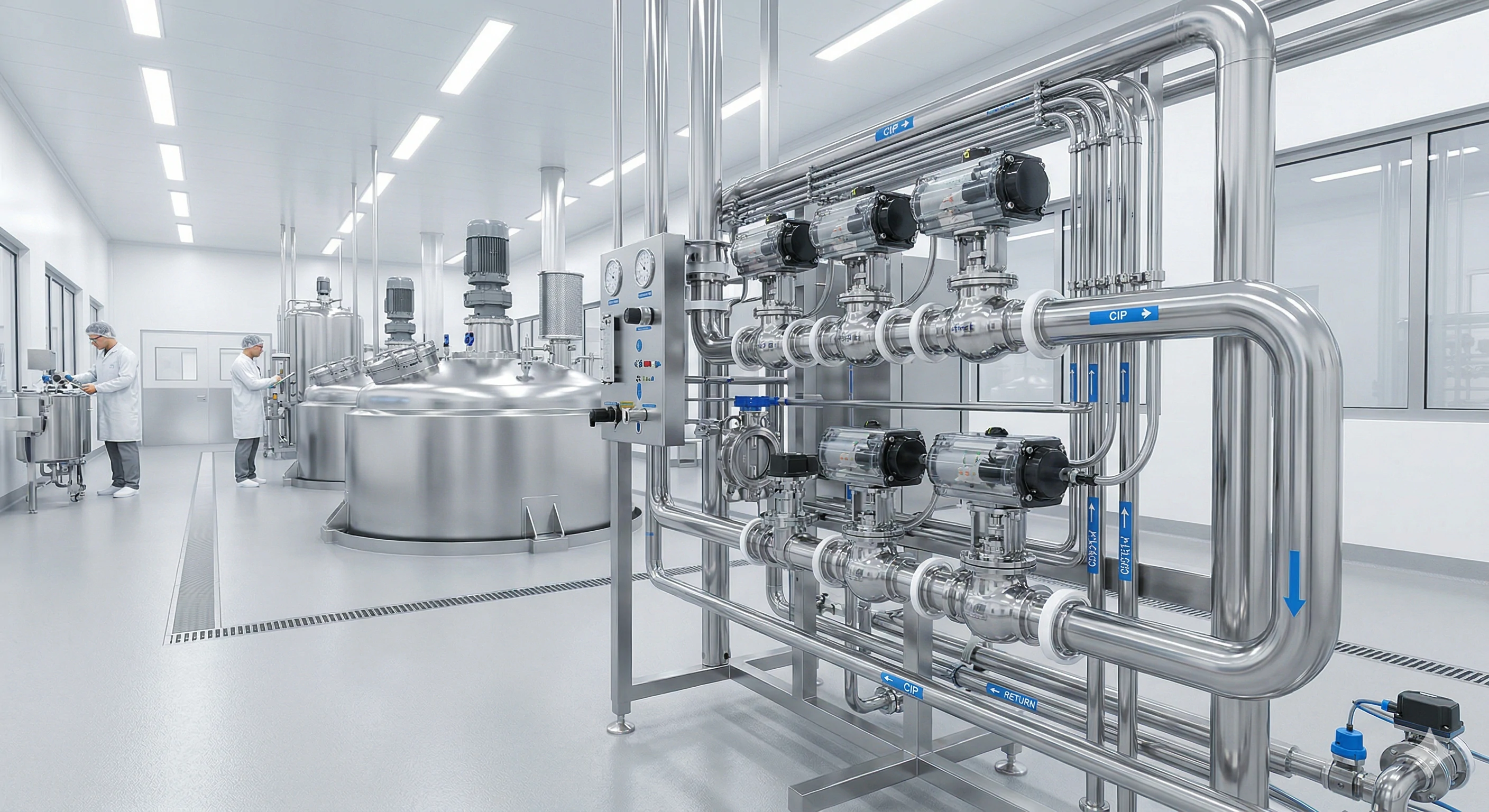
In industries where product purity is non-negotiable — dairy processing, beverage bottling, pharmaceutical manufacturing, and biotechnology — standard industrial valves and pumps are not acceptable. Hygienic (or sanitary) designs are engineered from the ground up to .
What Makes a Valve or Pump "Hygienic"?
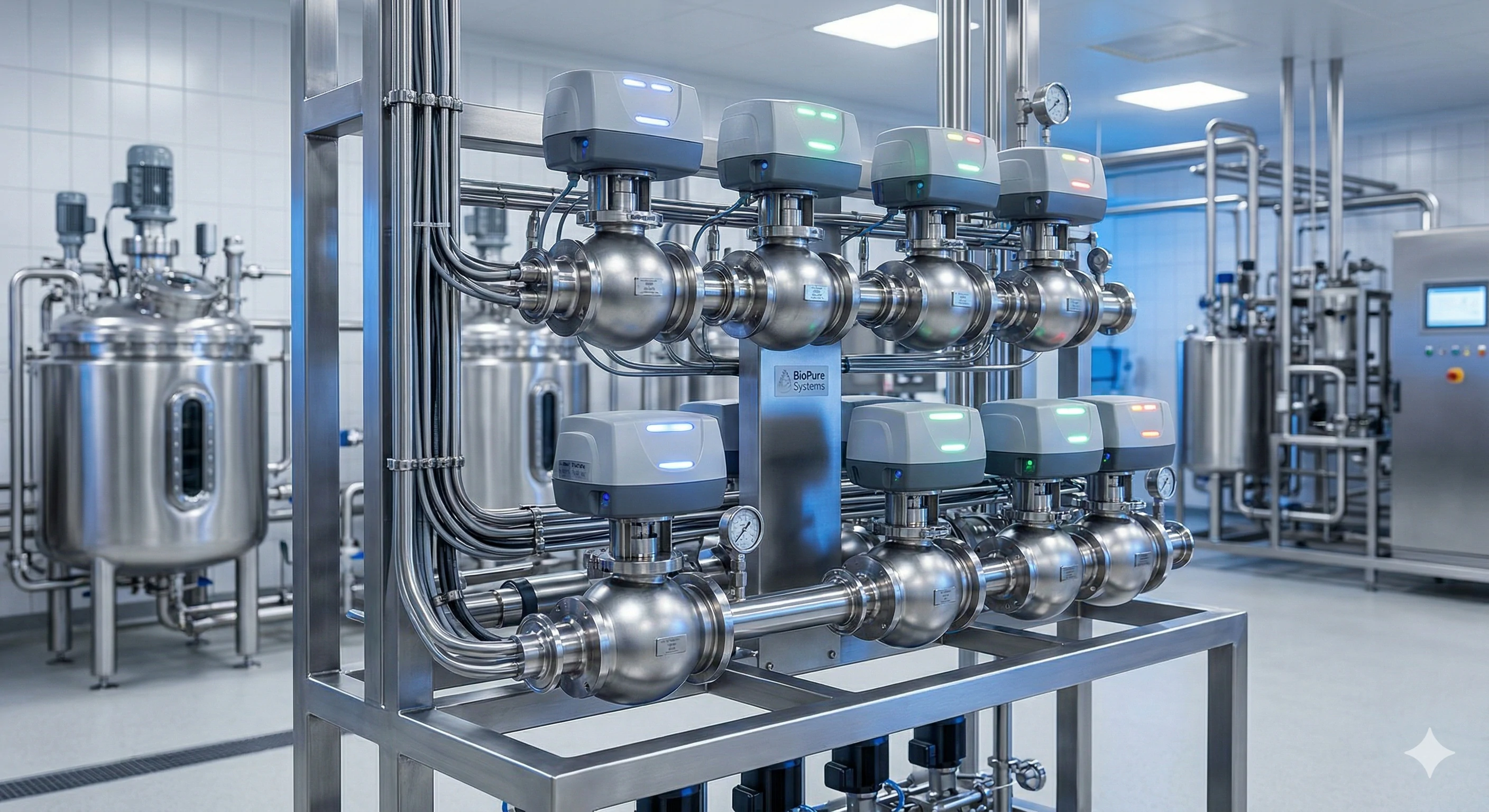
Hygienic components share several defining characteristics. All product-contact surfaces are mirror-polished stainless steel (typically 316L) with surface roughness values of 0.8 µm Ra or finer, leaving no crevices where bacteria can harbor. The geometry eliminates dead legs — sections of pipe or valve cavity where fluid can stagnate and microbial growth can occur. Every component is designed for Clean-in-Place (CIP) and, in aseptic applications, Steam-in-Place (SIP) procedures, meaning the equipment can be thoroughly sanitized without disassembly.
Connections are typically tri-clamp fittings rather than threaded joints, allowing fast, tool-free assembly and inspection. Seal materials (EPDM, FKM, PTFE) are certified for food contact per FDA 21 CFR and EU Regulation (EC) No. 1935/2004.
Hygienic Pump Types
Centrifugal hygienic pumps handle high flow rates of low-viscosity liquids like milk, juice, and CIP solutions. GEA's Hilge series and Alfa Laval's LKH range are industry benchmarks.
Rotary lobe pumps gently move viscous and shear-sensitive products — yogurt, cream, sauces — without damaging their texture or incorporating air.
Twin screw pumps (such as the GEA Hilge NOVATWIN+) provide pulsation-free flow for viscous media at varying pressures, combining the gentle handling of a lobe pump with the efficiency of a centrifugal design.
Peristaltic (hose) pumps eliminate any contact between the pump mechanism and the product, making them suitable for sterile or highly aggressive media.
Hygienic Valve Types
Single-seat valves are the fundamental building block of hygienic piping systems. They provide reliable shut-off with a single plug and seat, and are available in standard, long-stroke, and tangential configurations for different cleaning requirements.
Double-seat mixproof valves (covered in depth in the next section) allow two incompatible fluids to flow through the same valve body without any risk of cross-contamination.
Diaphragm valves use a flexible membrane to seal the flow path, keeping the actuator mechanism completely isolated from the product. They are essential in aseptic and ultra-pure applications in pharmaceutical and biotech manufacturing.
Butterfly valves (sanitary versions) offer compact, high-performance shut-off for stainless steel piping systems. Hygienic butterfly valves, such as the GEA T-smart series, feature polished disc and body surfaces and CIP-compatible seals.
Sampling valves allow operators to draw liquid samples from a pressurized process line for quality testing without breaking sterility.
The global hygienic pumps and valves market was valued at approximately $2.33 billion in 2025, with forecasts projecting growth to $3.16 billion by 2030 at a CAGR of around 6.4%, driven by expanding pharmaceutical production and tightening food safety regulations.
Mixproof Valves and the Tuchenhagen Legacy
Mixproof valve technology is one of the most significant innovations in . Understanding its origins and mechanics is essential for anyone working in dairy, beverage, or pharmaceutical processing.
The Origin of the Mixproof Valve
In 1967, Otto Tuchenhagen — founder of a small engineering business in Büchen, Germany, originally focused on dairy technology — invented the mixproof valve. This breakthrough solved a critical problem: how to safely manage the intersection of two pipelines carrying incompatible fluids (for example, product in one line and cleaning solution in another) without any risk of cross-contamination.
GEA acquired the Tuchenhagen valve technology line and continues to manufacture the VARIVENT® series at the original Büchen facility. The VARIVENT® system has become the benchmark for worldwide.
How Mixproof Valves Work
A mixproof valve uses two independently sealed valve discs with an open leakage chamber between them. In the closed position, each disc creates a separate barrier between the two pipelines. If either seal were to fail, any leakage drains safely to atmosphere through a visible outlet — it never crosses into the other pipeline.
This design enables seat lifting, where each valve disc can be individually lifted during CIP cycles to allow cleaning solution to flush the seat area, even while the other pipeline is still carrying product. The VARIVENT® Type R models achieve leakage-free switching through radially arranged seals that engage before the disc moves, ensuring zero product intermixing at any point during the switching sequence.
Key VARIVENT® Configurations
Type D and Type B use axial sealing and are suited to standard mixproof applications.
Type R features radial seal geometry for completely leakage-free switching — the gold standard for sensitive products.
Type L is a pigable mixproof valve, designed for pipeline systems that use cleaning pigs to recover product residue from pipe walls.
Type T_R are mixproof tank bottom valves, optimized for the connection between tanks and pipe manifolds.
24/7 PMO Valve holds FDA Memorandum authorization for use in Pasteurized Milk Ordinance–regulated dairy systems in the United States. It was the first mixproof valve to achieve this regulatory milestone, revolutionizing U.S. dairy plant design when it was approved in 2007.
GEA Valve Automation: T.VIS® Control Tops
Modern VARIVENT® valves are paired with T.VIS® control and sensing units, which provide automated open/close position recognition, process diagnostics, and integration with plant control systems. The T.VIS® A-15 model features a high-precision path measuring system for accurate valve position feedback on any valve in the VARIVENT® range.
Specialized Pump Valves: Air, Membrane, and Breast Pump Valves
Not all pump valves belong in heavy industry. Several serve everyday and niche applications.
Air Pump Valves
Air pump valves control airflow in pneumatic systems and inflatable products. In industrial settings, air release valves vent trapped air from pressurized pipelines, improving flow efficiency and protecting pumps from air-lock conditions. Best practice is to install air release valves at high points in the pipeline and at intervals of roughly every 2,000 feet along horizontal pipe runs.
In air-operated double-diaphragm (AODD) pumps, the air valve is the heart of the pump. It directs compressed air alternately to each diaphragm, creating the reciprocating action that moves fluid. Advances in air valve technology — including spool, poppet, and piloted designs — have improved the efficiency and reliability of AODD pumps in chemical processing and wastewater treatment.
Membrane (Diaphragm) Pump Valves
Membrane pumps use flexible diaphragms to displace fluid, and the valves within these pumps are typically check-type mechanisms (flap, ball, or duckbill) that ensure one-directional flow. The membrane itself acts as both the pumping element and a barrier between the fluid and the drive mechanism, making these pumps inherently leak-free and suitable for hazardous or sterile media.
Breast Pump Valves
For nursing parents, the small silicone valves inside a breast pump are critical components. These one-way duckbill or flap valves prevent expressed milk from flowing back into the pump mechanism. Over time, these valves stretch, lose elasticity, and develop micro-tears that reduce suction efficiency. Most manufacturers recommend replacing breast pump valves every one to three months, or sooner if you notice a decline in pump output. Always verify that replacement valves are compatible with your specific pump model.
Industry Applications
Pumps and valves are not confined to a single sector. Their versatility spans nearly every industry that handles fluids.
Oil and Gas
From upstream exploration to downstream refining, pumps and valves are mission-critical. High-pressure reciprocating pumps inject fluids during drilling operations, while large centrifugal pumps transport crude through pipelines. Ball valves, gate valves, and wellhead valves must withstand extreme pressures, corrosive hydrocarbons, and remote operating environments. The oil and gas end-use segment is expected to grow at a CAGR of approximately 5.4% through 2033.
Water and Wastewater Treatment
Water and wastewater is the largest single end-use sector for pumps, representing roughly 24.6% of global pump demand. Municipal treatment plants rely on centrifugal pumps for raw water intake, process transfer, and treated water distribution. Check valves prevent backflow contamination, while butterfly valves manage flow through large-diameter distribution mains. Rising concerns over water scarcity and pollution are driving infrastructure investment worldwide.
Food, Beverage, and Dairy
Hygienic centrifugal and positive displacement pumps move milk, juice, beer, and sauces through processing lines, while sanitary valves — including mixproof, single-seat, and butterfly types — manage product routing and CIP sequences. Regulatory standards (FDA, 3-A Sanitary Standards, EHEDG) dictate equipment design in this sector.
Pharmaceutical and Biotechnology
Aseptic processing, precise dosing, and contamination-free fluid handling are non-negotiable. Diaphragm valves, aseptic control valves (like GEA's Aseptomag® line), and peristaltic pumps dominate. Bioprocessing and vaccine production require validated, CIP/SIP-capable equipment with full traceability.
Chemical Processing
Aggressive chemicals, high temperatures, and corrosive environments demand pumps and valves built from exotic alloys (Hastelloy, Monel, titanium) or lined with PTFE. Magnetic-drive sealless pumps eliminate leak points for hazardous media. Plug valves and lined ball valves are common in refinery and chemical plant piping.
Power Generation
Boiler feedwater systems rely on multistage centrifugal pumps and high-integrity check valves. Safety and pressure relief valves protect steam drums and turbines. The transition to LNG and hydrogen-fueled power introduces new demands for cryogenic pumps and hydrogen-compatible valve materials.
HVAC and Building Services
Circulator pumps maintain water flow in heating and cooling loops, while butterfly and balancing valves regulate distribution across zones. Energy-efficient, variable-speed pump drives are becoming standard in new commercial building systems.
Smart Technology and the Future of Pumps and Valves
The pumps and valves industry is undergoing a digital transformation, driven by and the Internet of Things (IoT).
Predictive Maintenance and Condition Monitoring
Smart sensors embedded in pumps and valves continuously measure vibration, temperature, pressure, flow rate, and seal condition. Machine-learning algorithms analyze this data to predict impending failures before they cause unplanned downtime. Grundfos, for example, reports that its iSOLUTIONS platform monitors 180,000 connected pumps transmitting real-time data to the cloud, reducing unplanned downtime by 25–30%.
Digital Twins
A digital twin is a virtual model of a physical pump or valve system, updated with live operational data. Engineers can simulate different operating scenarios, optimize energy consumption, and test maintenance strategies without touching the actual equipment.
Smart Valves and Actuators
Modern valve actuators incorporate position feedback, diagnostic sensors, and communication protocols (HART, Profibus, IO-Link) that integrate directly with plant control systems. GEA's T.VIS® control tops exemplify this trend, providing automatic position recognition and process diagnostics on every VARIVENT® valve unit.
Energy Efficiency
Variable frequency drives (VFDs) adjust pump motor speed to match actual demand, eliminating the energy waste of running at full speed with throttled valves. In water utilities and HVAC systems, VFD-equipped pumps can reduce energy consumption by 30–50%.
GEA has also advocated reducing standard system pressure from the conventional 6 bar to 4 bar in hygienic processing plants. Lower-pressure valve actuators consume significantly less compressed air, offering measurable savings in compressor energy costs and carbon emissions.
Maintenance and Troubleshooting
Even the best-selected pump and valve system requires proactive maintenance to deliver long, reliable service.
Pump Maintenance Essentials
Alignment: Misalignment between the pump and motor is the leading cause of premature bearing and seal failure. Laser alignment tools ensure precision.
Seal inspection: Mechanical seals should be inspected regularly for leakage. Worn seals increase energy consumption and risk contamination in hygienic applications.
Impeller condition: Erosion, cavitation damage, or buildup on impeller vanes reduces efficiency and can cause vibration.
Lubrication: Follow the manufacturer's schedule for bearing lubrication. Over-greasing is as damaging as under-greasing.
Valve Maintenance Essentials
Seat and seal inspection: The sealing surfaces of valve seats and discs are wear items. In hygienic valves, GEA's metal-to-metal sealing philosophy extends seal life, but regular inspection remains essential.
Actuator function: Test pneumatic and electric actuators periodically to verify full stroke travel, response time, and fail-safe behavior.
Check valve verification: Confirm that check valves seat properly by observing for backflow or listening for valve chatter during pump shutdown. A chattering check valve often indicates incorrect sizing or a broken spring.
Stem packing: Gate and globe valve stem packing should be tightened or replaced if external leakage appears around the valve stem.
Common Troubleshooting Scenarios
| Symptom | Possible Cause | Solution |
|---|---|---|
| Pump losing prime | Air leak in suction line; clogged foot valve | Inspect suction piping; clean or replace foot valve |
| Excessive vibration | Misalignment; impeller imbalance; cavitation | Realign; balance or replace impeller; check NPSH |
| Valve won't seal | Worn seat/disc; debris on sealing surface | Lap or replace seats; flush line |
| Check valve chattering | Valve oversized; low flow velocity | Resize valve; install spring-assisted design |
| Control valve hunting | Positioner out of calibration; oversized valve | Recalibrate; consider smaller trim |
Pumps and Valves Market Overview
The global pumps and valves market is a massive, diversified sector that reflects the health of industrial activity worldwide.
The overall market was valued at approximately $149.7 billion in 2025 and is forecast to reach over $206 billion by 2034, growing at a compound annual growth rate of roughly 3.6%. Within this, the pump segment alone is estimated at $70.8 billion in 2026, projected to reach $91.5 billion by 2031 at a 5.25% CAGR.
Asia-Pacific is the dominant and fastest-growing region, accounting for over 53% of pump market revenue in 2025, fueled by desalination mega-projects in the Middle East, infrastructure buildouts in India and China, and industrial expansion across Southeast Asia.
North America commands roughly 25% of the pumps and valves service market, driven by the oil and gas sector, chemical processing, and municipal water infrastructure.
Key growth drivers include rising global water scarcity, tightening environmental regulations, the energy transition (LNG, hydrogen), and the integration of smart, connected technologies into pump and valve systems.
Leading global players include Flowserve, Sulzer, KSB, Grundfos, Xylem, EBARA, GEA Group, Alfa Laval, SPX FLOW, and Emerson (with its extensive valve portfolio). Chinese manufacturers such as Leo Group and CNP are gaining market share in standardized product lines through aggressive pricing strategies.
Grand View Research pump market report
FAQ
What is the difference between a pump and a valve?
A pump moves fluid from one point to another by adding energy to the flow. A valve controls that flow — starting, stopping, throttling, or directing it within a piping system. Pumps generate motion; valves manage it.
What are the most common types of valves used with pumps?
The most common are ball valves (for on/off isolation), check valves (to prevent backflow and protect the pump), butterfly valves (for large-diameter shut-off), and globe valves (for throttling and precise flow control).
What is a mixproof valve?
A mixproof valve is a double-seat valve design that allows two incompatible fluids (such as product and cleaning solution) to flow through the same valve without any risk of cross-contamination. It uses two independently sealed discs with a drainable leakage chamber between them. GEA's VARIVENT® series, based on the original Otto Tuchenhagen invention, is the industry standard.
What are hygienic valves, and where are they used?
Hygienic (or sanitary) valves are designed with mirror-polished, crevice-free surfaces and food-grade materials (316L stainless steel, FDA-compliant elastomers) to prevent bacterial growth and product contamination. They are used in food, beverage, dairy, pharmaceutical, and biotech processing.
How often should breast pump valves be replaced?
Most manufacturers recommend replacing breast pump duckbill or membrane valves every one to three months, depending on usage frequency. A noticeable drop in suction strength is typically the first sign that replacement is needed.
What is the Cv (flow coefficient) of a valve, and why does it matter?
The Cv value quantifies how much water (in US gallons per minute) will pass through a valve at a one-psi pressure drop when the valve is fully open. It is the primary metric for correctly sizing a valve to deliver the desired flow rate without excessive pressure loss or poor controllability.
What is Clean-in-Place (CIP)?
CIP is a method of cleaning the interior surfaces of piping, vessels, and process equipment without disassembling them. Cleaning solutions (acids, caustics) are circulated through the system at controlled temperatures and flow rates. CIP-compatible valve design is a fundamental requirement in food and pharmaceutical manufacturing.
How do smart pumps reduce energy costs?
Smart pumps use variable frequency drives (VFDs) to automatically adjust motor speed to match real-time demand, rather than running at full speed and throttling excess flow with valves. This can reduce pump energy consumption by 30–50%. Embedded sensors and cloud-connected analytics further optimize performance by detecting inefficiencies and predicting maintenance needs.
What valve material should I choose for corrosive chemicals?
For mildly corrosive media, 316L stainless steel is the standard. For aggressive chemicals like hydrochloric acid, sulfuric acid, or chlorine, consider Hastelloy, Monel, titanium, or PTFE-lined valve bodies. Always consult a chemical compatibility chart and the valve manufacturer's guidelines before making a selection.
What industries use the most pumps and valves?
Water and wastewater treatment is the single largest end-use sector (about 25% of pump demand), followed by oil and gas, chemical processing, power generation, food and beverage, pharmaceuticals, and HVAC/building services.
Conclusion
Pumps and valves are not glamorous components — but they are indispensable. Every glass of clean water, every carton of milk, every liter of fuel, and every life-saving pharmaceutical product depends on these systems working reliably, efficiently, and safely.
Whether you are selecting a centrifugal pump for a municipal water plant, specifying mixproof valves for a dairy processing line, or replacing the duckbill valve on a breast pump, the principles remain the same: understand your fluid, match the equipment to the application, and maintain it proactively.
The industry is evolving rapidly. Smart sensors, predictive analytics, and energy-efficient designs are transforming how pumps and valves are monitored and managed. Staying current with these technologies is no longer optional — it is a competitive necessity.
Ready to optimize your fluid handling system? Start by auditing your existing pump and valve inventory, identify components operating outside their design parameters, and explore how smart monitoring can extend equipment life while cutting energy costs.
Footnotes
1. Explore the physical principles behind the movement and control of fluids.
2. Learn more about the scale and operation of global pipeline infrastructure.
3. Read about the properties and behaviors of different types of fluids.
4. Discover how flow control valves regulate system pressure and fluid movement.
5. Understand strategies for improving energy efficiency in industrial systems.
6. Learn how contamination prevention ensures product safety and regulatory compliance.
7. Review the principles of sanitary engineering in processing environments.
8. Gain deeper insight into the mechanics and applications of industrial valves.
9. See how various piping and valve applications serve distinct industrial needs.