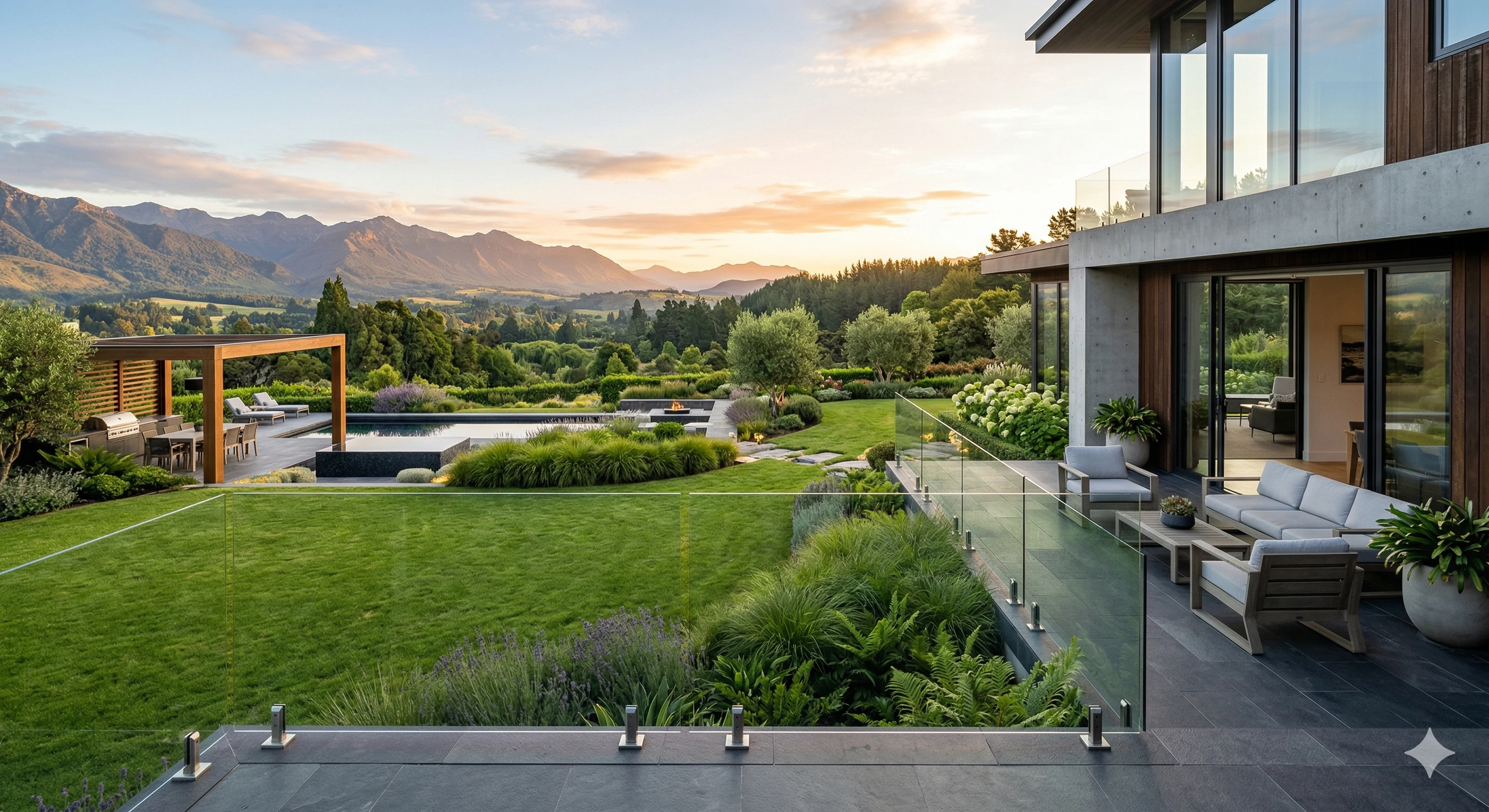
A beautifully landscaped garden is a work of art. You've thought carefully about the sightlines, the way the morning light hits the patio, the soft transition from lawn to flowerbed. And then reality knocks: you need a , a barrier to keep the dog out of the vegetable beds, or a windbreak for the patio. Suddenly the canvas you spent years perfecting is interrupted by posts, pickets, and shadows.
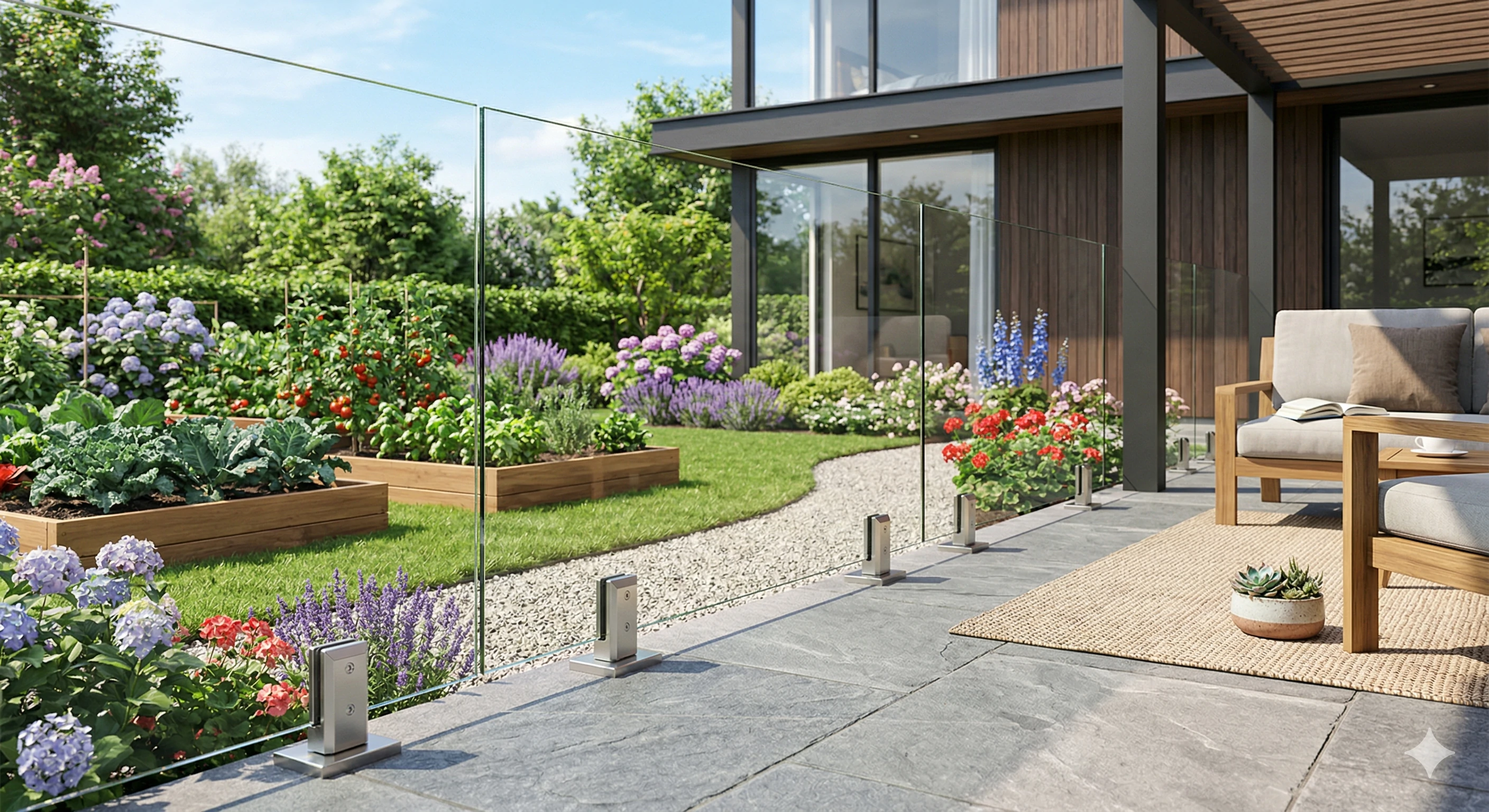
The frustrating truth is that most outdoor barriers are designed to be seen, not to disappear. But there's a better way. Frameless glass railings, anchored by minimalist spigots, act as an "invisible forcefield" for the modern garden — giving you the safety and zoning you need without taking a single thing away from the view.
The Problem With Traditional Fencing
If you've ever stood in your backyard and felt that something was off after installing a new fence, you're not imagining it. Traditional fencing materials work against good landscape design in three specific ways.
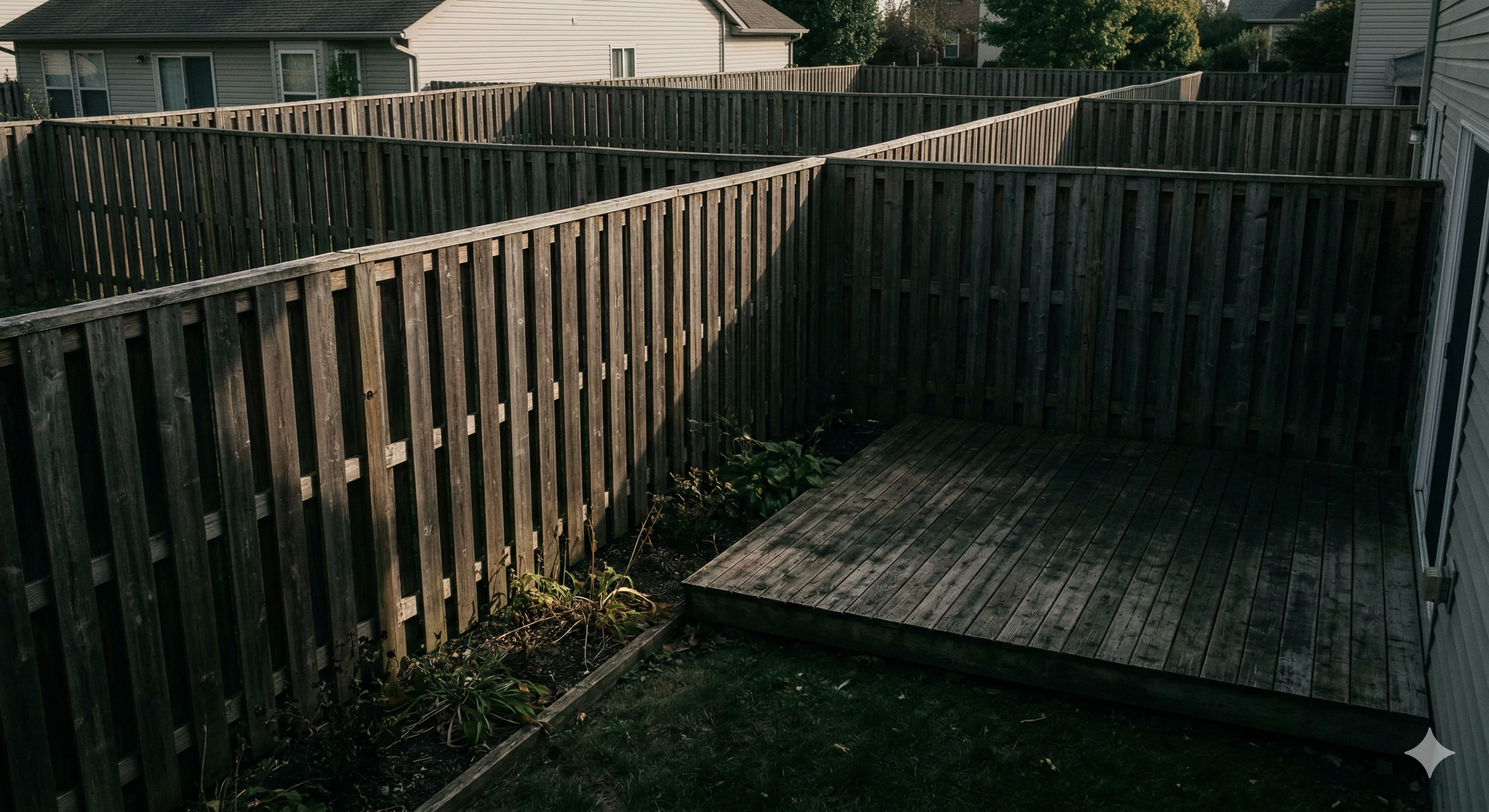
The visual chopping effect. A solid wood or thick metal fence doesn't just mark a boundary — it slices the yard into smaller, disconnected rooms. A property that felt generous and open suddenly feels cramped, because your eye stops at every panel instead of traveling across the whole space. Small yards suffer the most: a six-foot cedar fence around a modest garden can make the entire space feel like a box.
The safety-versus-beauty dilemma. Pool codes, curious toddlers, and escape-artist dogs all demand real, physical barriers. But the typical solutions — black aluminum pool fencing, mesh enclosures, chain link — turn a backyard retreat into something that looks more like a holding pen. You end up choosing between compliance and the garden you actually wanted.
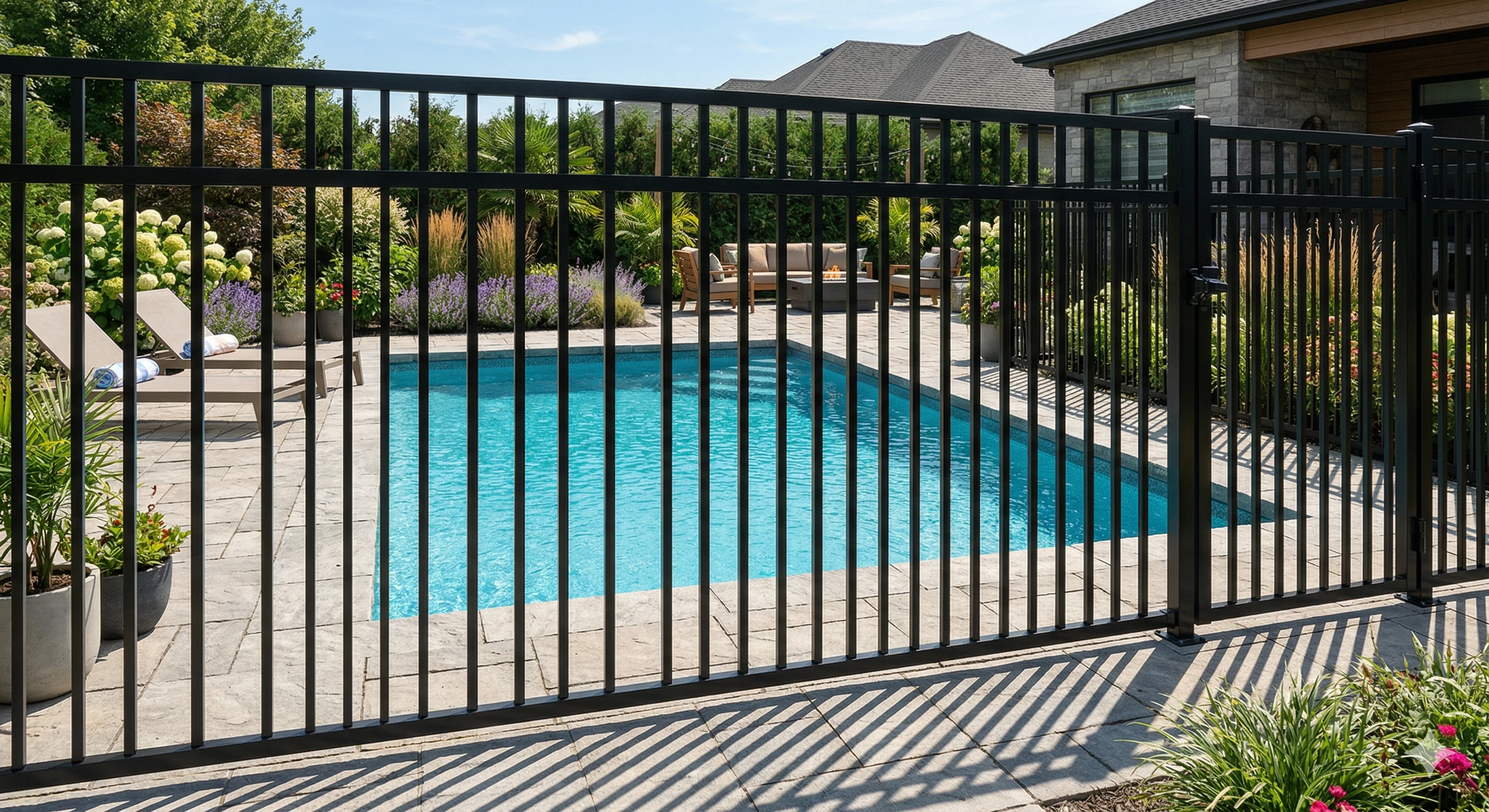
Sunlight blockage. Solid barriers cast long, moving shadows across beds and patios throughout the day. Sun-loving perennials get leggy. Vegetables underperform. The patio you built for afternoon coffee is in shade by 3 p.m. The fence didn't just affect the view — it changed the microclimate of your entire yard.
How Frameless Glass Actually Works Outdoors
Once you see glass as a , the obvious question is: how does it stay up in a garden? It's not bolted to a wall. It's not framed by posts. So what's holding it?
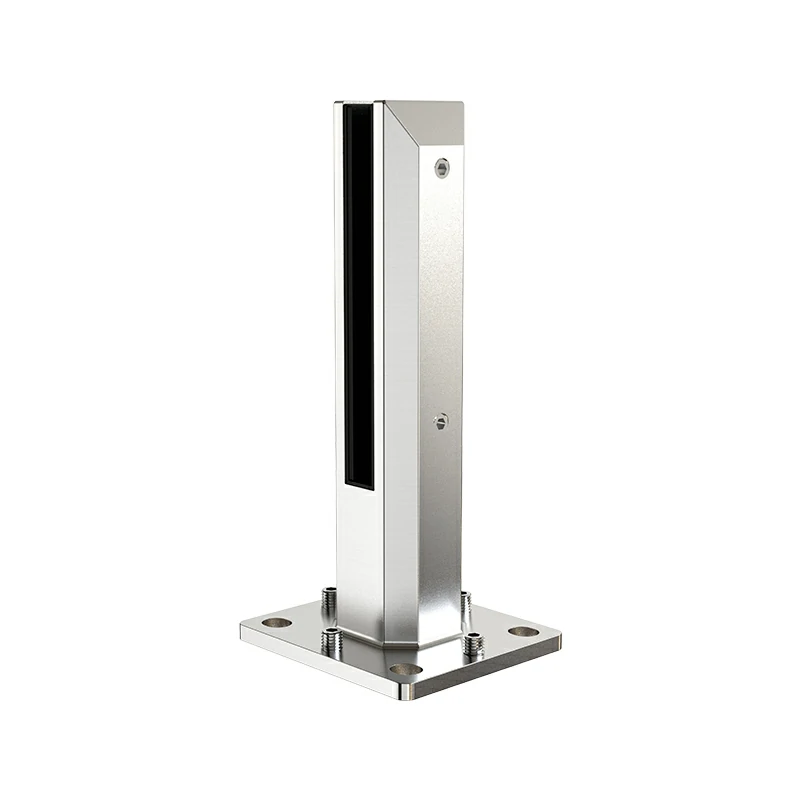
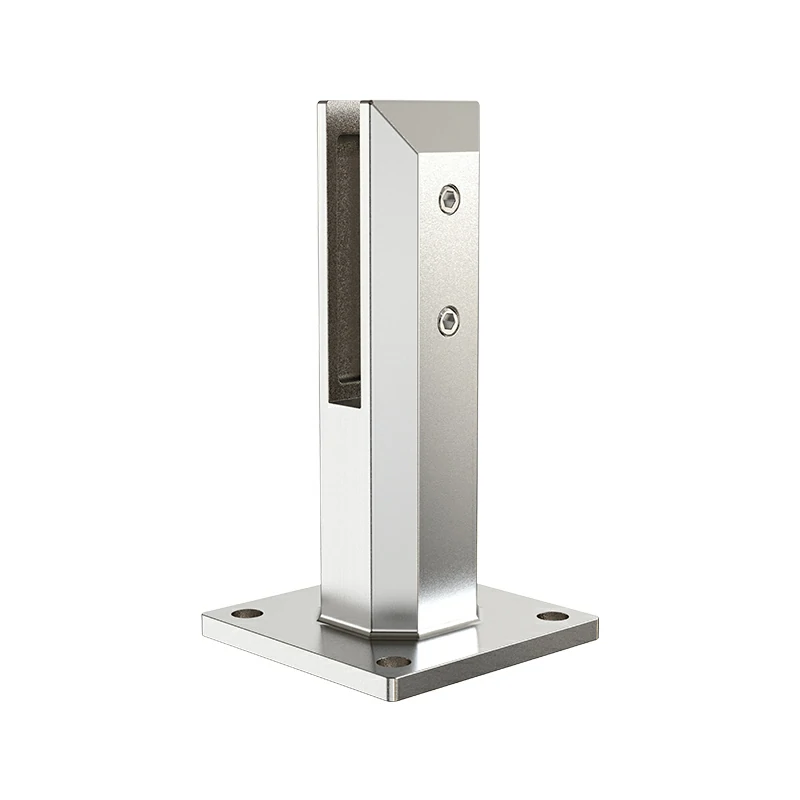
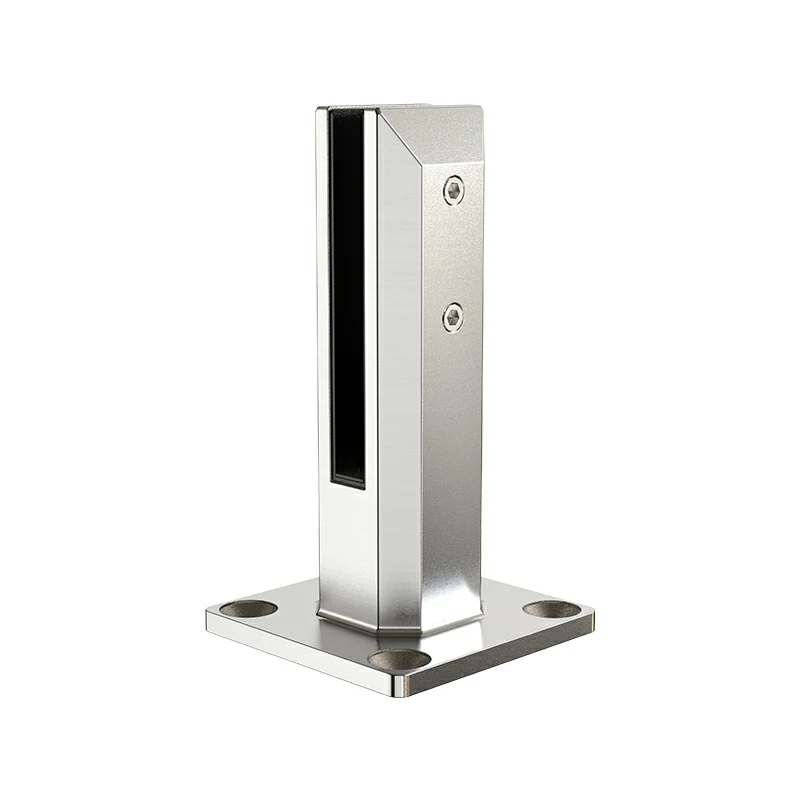
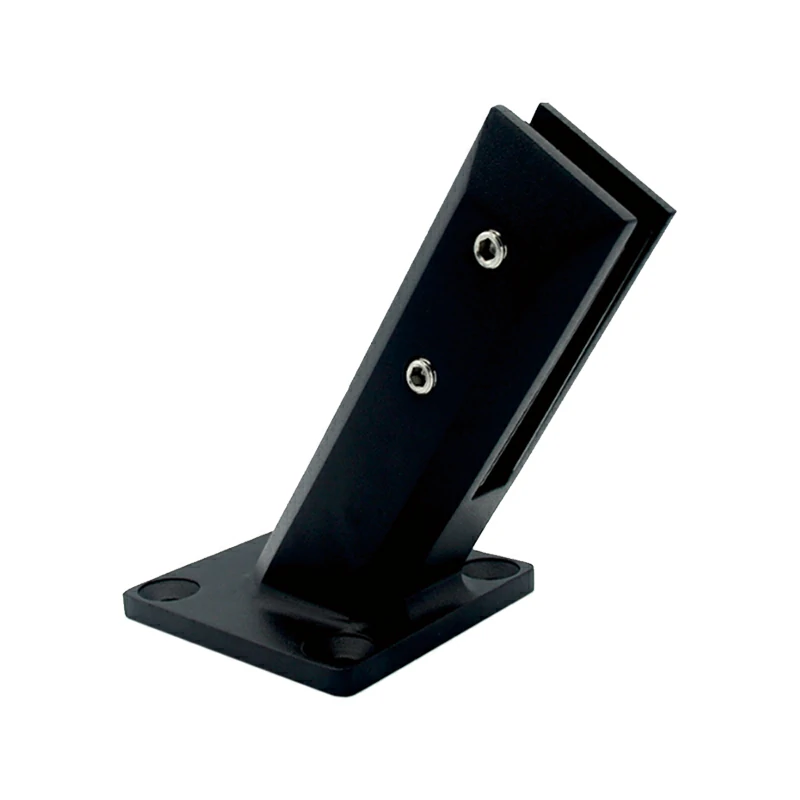
The answer is the glass spigot — a compact, heavy-duty stainless steel base clamp that grips the bottom edge of a and anchors it to the ground. Two or three spigots per panel is typically all you need. There are no top rails, no vertical posts, no frames. From a few feet away, all you see is the glass itself, and beyond it, your garden.
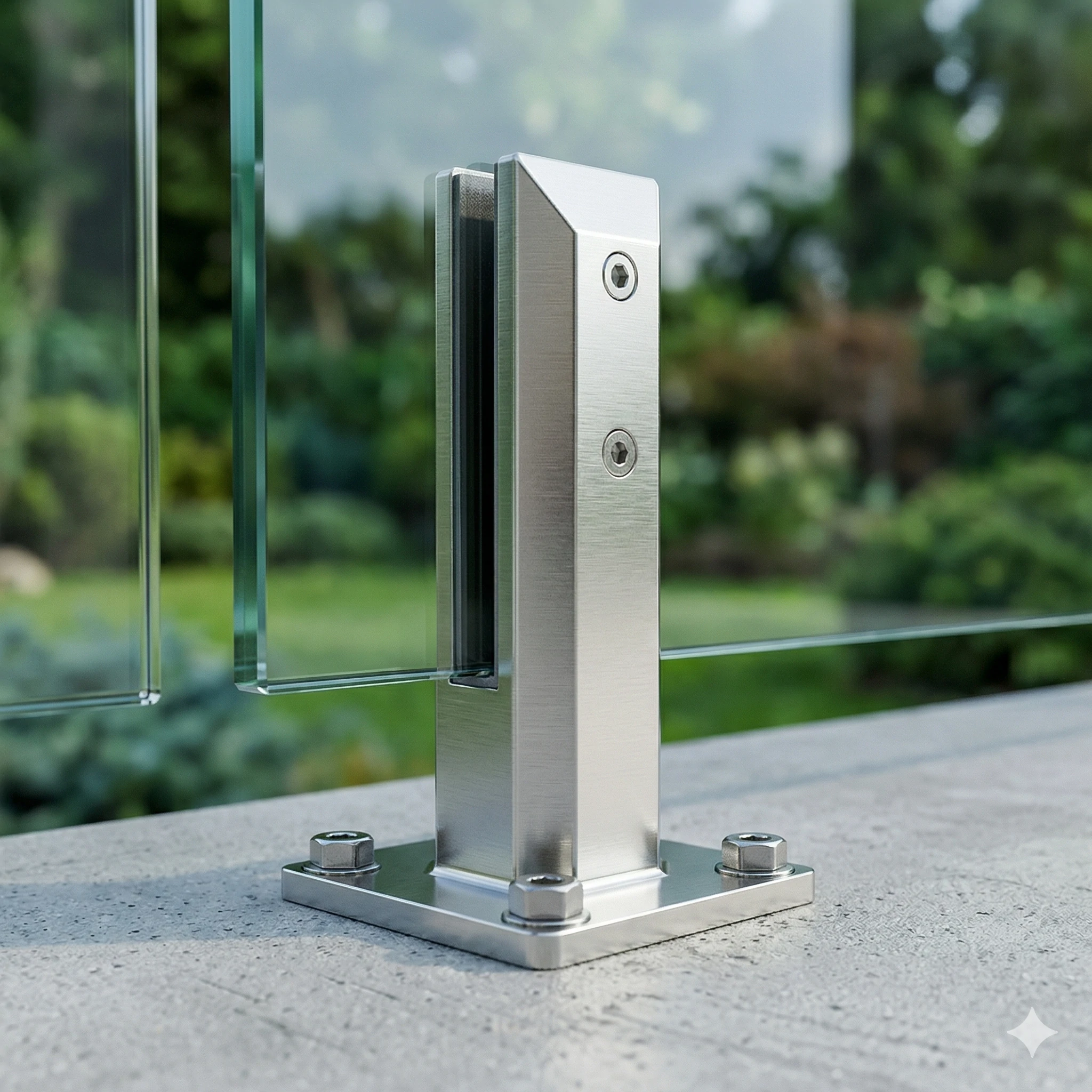
Spigots come in two main installation styles, and the right one depends on what you're mounting to:
-
Surface-mounted spigots bolt down onto a finished hard surface — a wooden deck, a concrete patio, a stone landing. Installation is straightforward: mark, drill, anchor, level, drop in the glass.
-
In-ground (core-drilled) spigots are set into a sleeve cast or drilled into the substrate below pavers, lawn edging, or earth. The base of the spigot disappears entirely, so the glass appears to rise straight out of the ground.
The visual payoff is immediate. Because the glass is transparent and the hardware is minimal, your eye reads the yard as one instead of a series of walled rooms. The pool area flows into the lawn. The dining patio flows into the planted border. The boundary is doing its job — keeping the toddler away from the water, keeping the wind off the herb garden — without announcing itself.
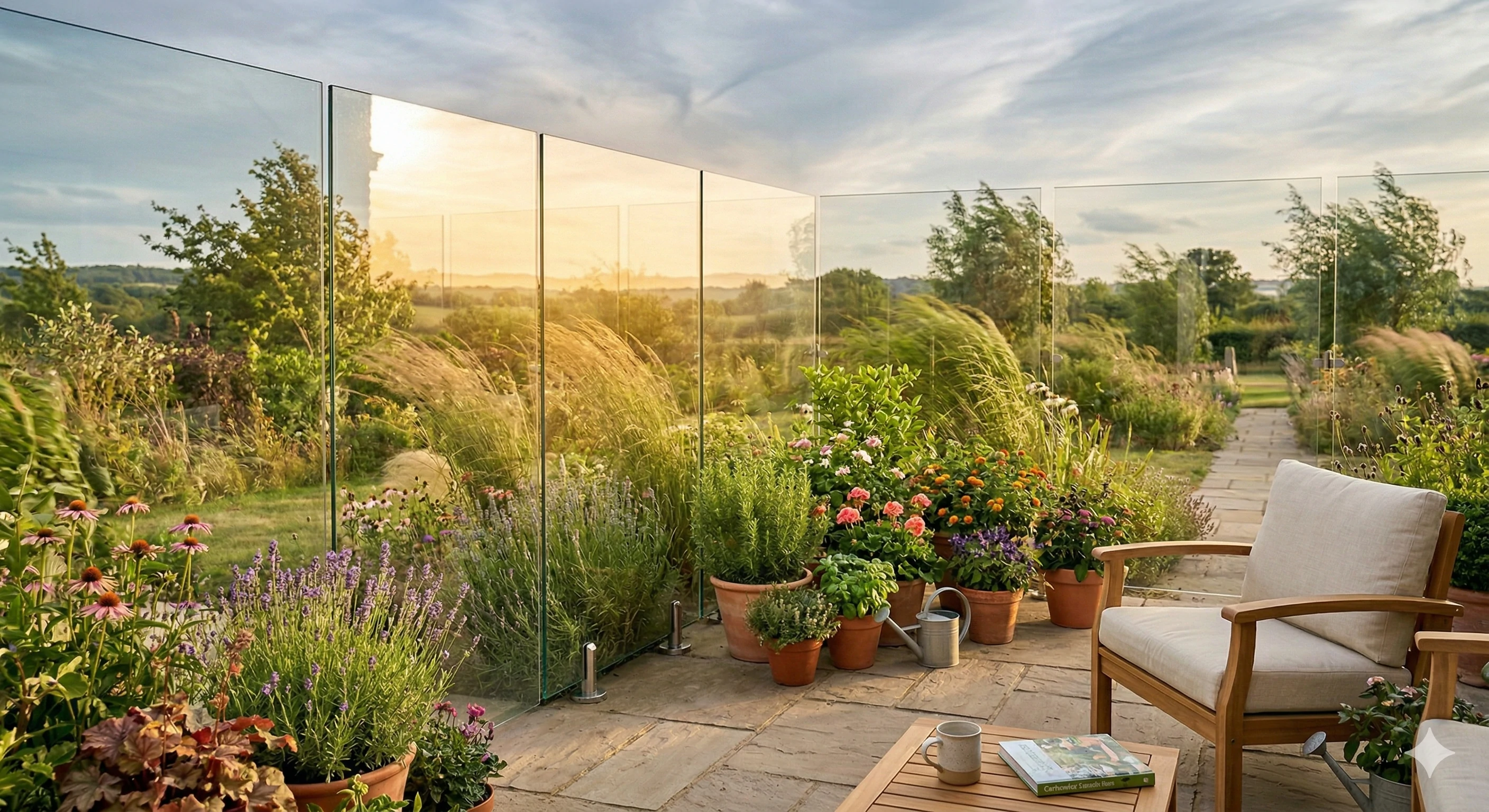
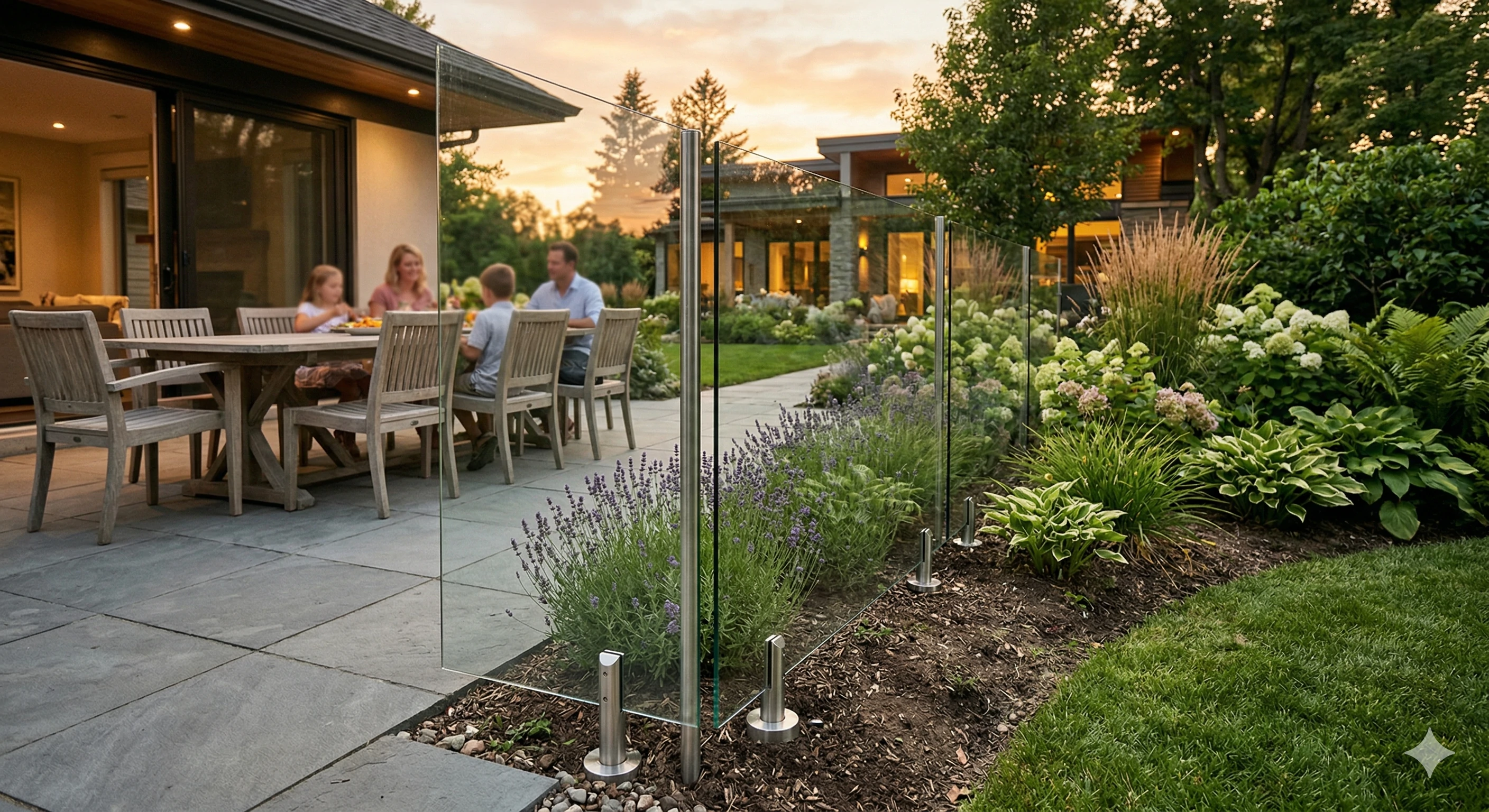
There's a functional bonus that surprises a lot of homeowners: glass creates . Unlike a solid fence, a glass panel blocks harsh wind while letting essentially all the sunlight through. That makes the leeward side warmer, calmer, and noticeably kinder to delicate plants. Patios stay usable on breezy evenings. Tender perennials that struggled in the open suddenly thrive. It's the closest thing to a you can get without a roof.
Aesthetics aside, the practical case for a gets stronger the longer you own the house.
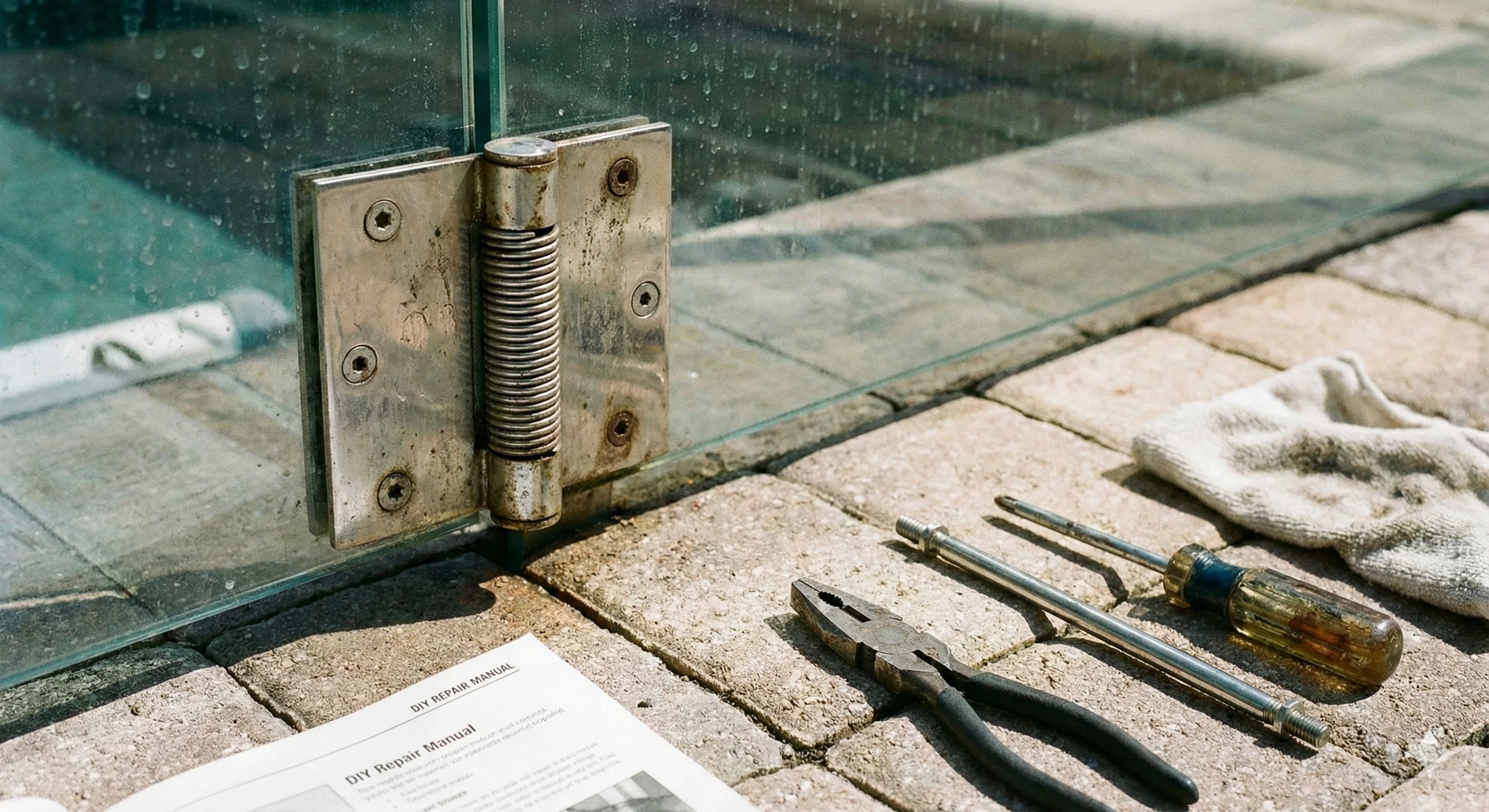
Weather resistance and maintenance. Wood rots. Iron rusts. Both demand regular sanding, sealing, staining, or repainting — and even with that work, they have a finite lifespan in a wet climate. Tempered glass is essentially inert: it doesn't warp, swell, fade, or corrode. The hardware matters just as much. Premium spigots are made from 2205 duplex stainless steel or 316 marine-grade stainless steel, both engineered specifically to resist the kind of constant moisture exposure you get from soil, sprinklers, pool splash, and salt air. No painting, no rust streaks bleeding down your patio, no annual maintenance ritual.
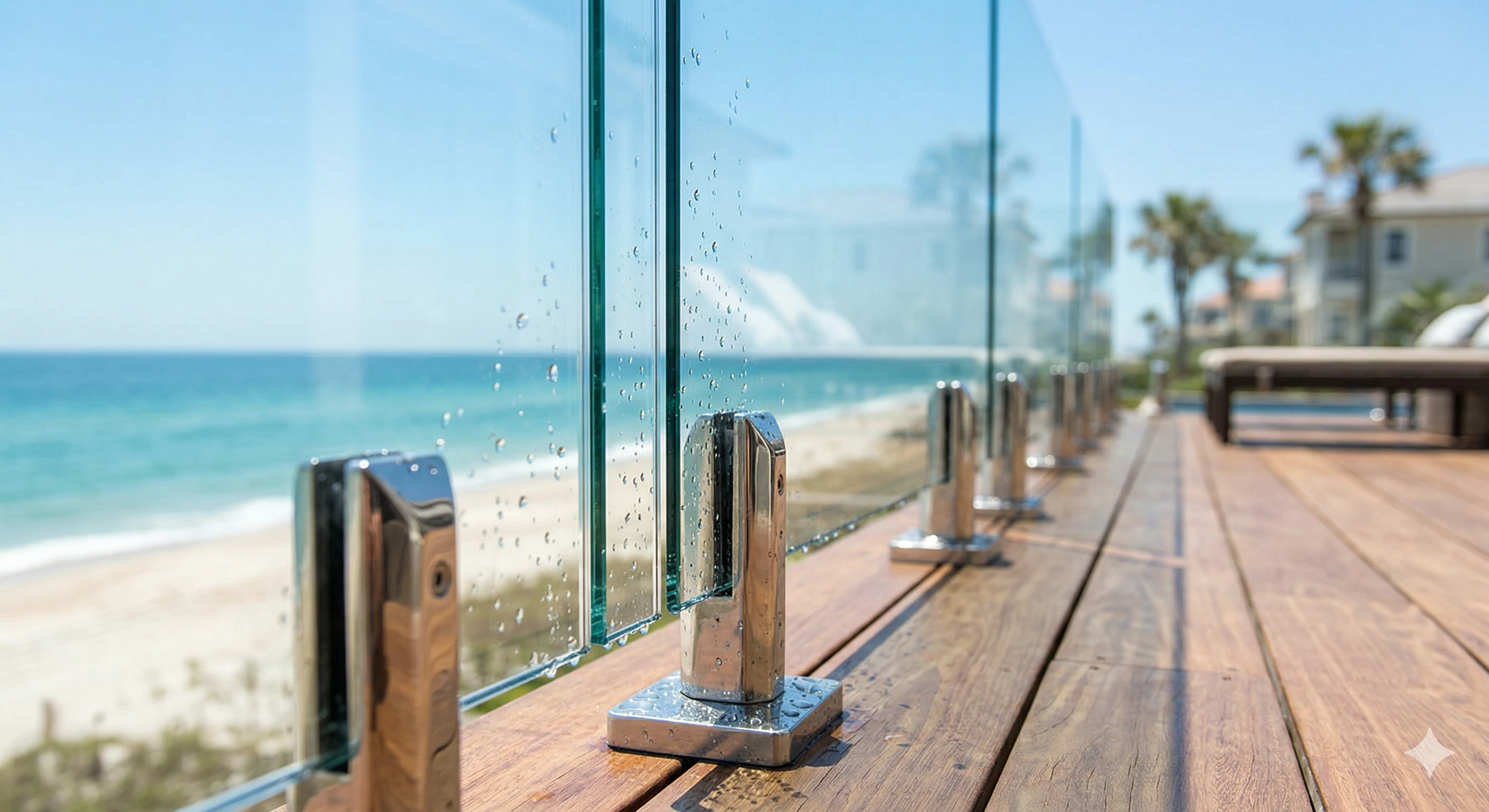
It's worth being picky here. Cheaper spigots made from lower-grade can pit and stain within a couple of seasons, especially near pools or coastlines. The hardware is the part that's actually exposed to the elements, so spending a little more on the metal is where the long-term value lives.
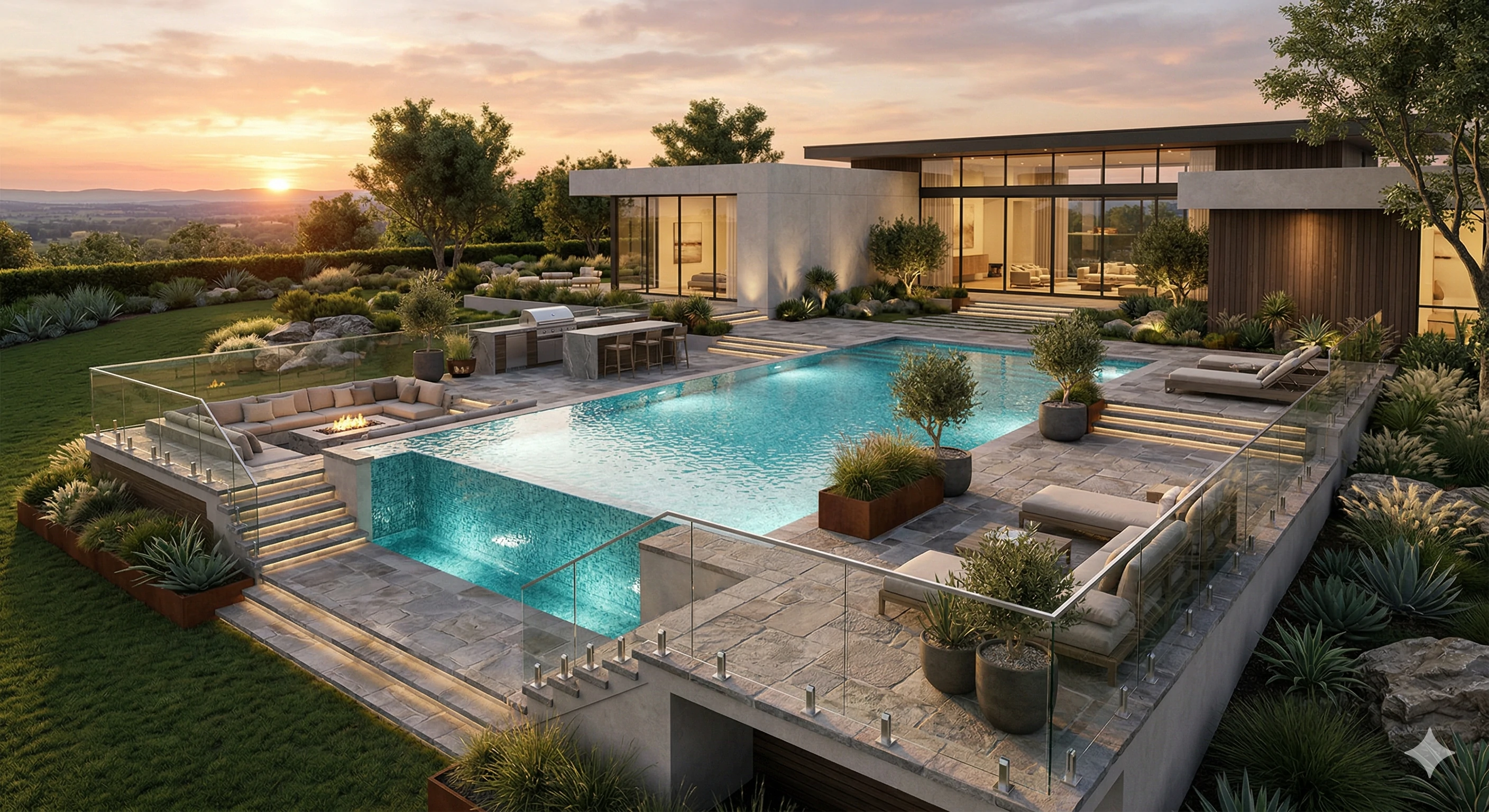
Design versatility. A frameless glass and stainless system doesn't fight any landscaping style. The clear glass takes on the colors around it, and the brushed metal of the spigots reads as a quiet accent against polished concrete, rustic stone pavers, ipe decking, or a manicured lawn. There's no "fence style" to coordinate with the rest of the yard, because there's barely a fence to look at.
Long-term property value. A frameless glass railing is the kind of feature that buyers notice the moment they walk into a backyard. It signals architectural intent. It reads as premium. And unlike a wood fence — which is a depreciating expense from the day it's installed — a properly engineered glass system is treated as a finished architectural element that contributes to the home's overall appeal and resale value.
Letting the Garden Be the Star
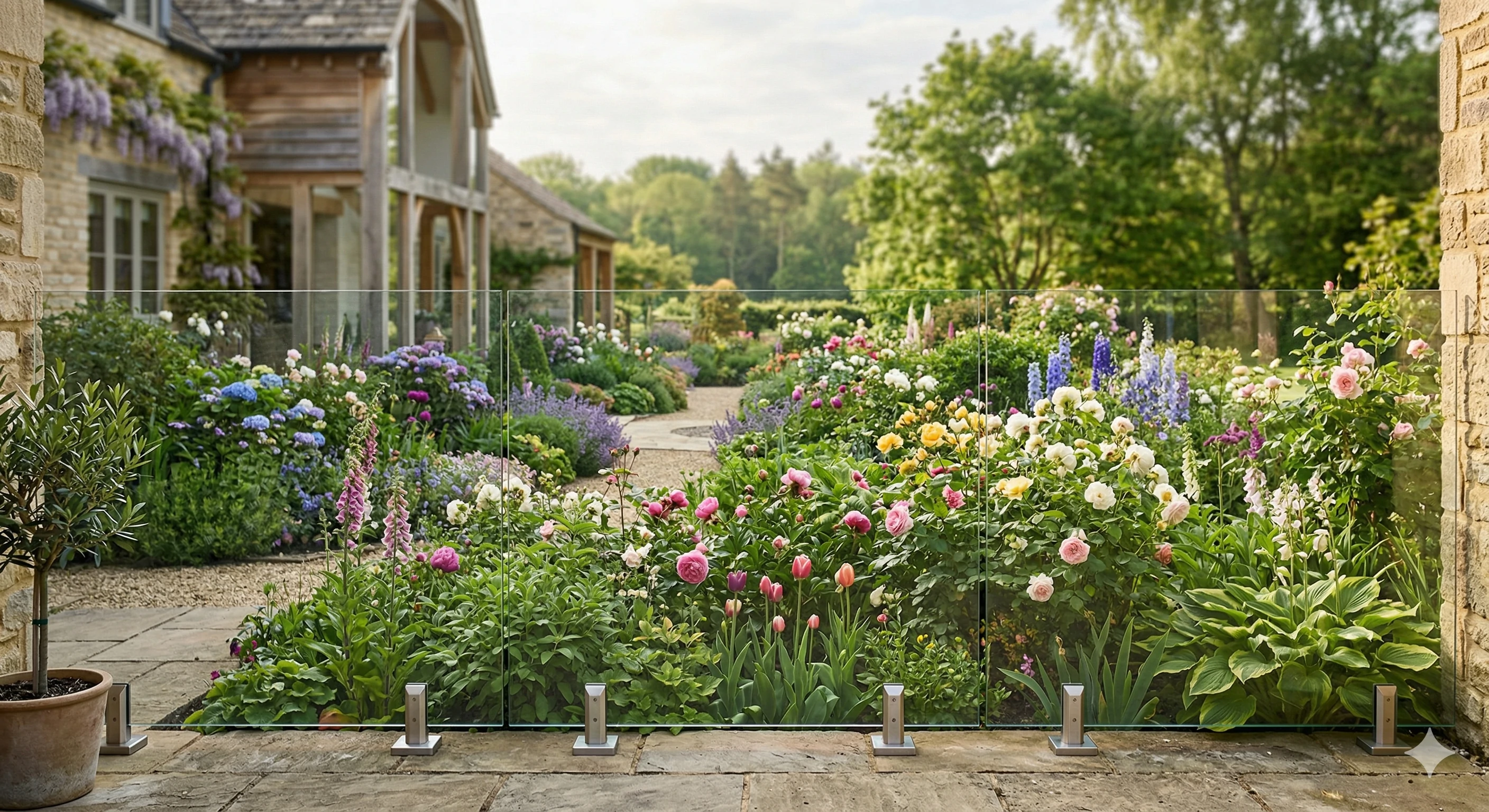
The point of a good landscape isn't the fence around it. It's the garden itself — the planting, the light, the . Frameless glass railings and stainless steel spigots exist to give you the safety and zoning your yard actually requires, while stepping out of the way visually. The barrier is there. You just don't have to look at it.
Ready to divide your garden without blocking the view? Browse our collection of premium, weather-proof glass spigots, or get in touch with our landscaping hardware team for a custom project quote.
Footnotes
1. Explore safety standards and typical configurations for residential pool fencing.
2. Discover the metallurgical properties that make stainless steel highly rust-resistant.
3. Learn about foundational hardscaping materials used in landscape architecture.
4. Understand the thermal processes utilized to create durable safety glass.
5. Read about open plan design concepts used to optimize spatial flow.
6. See how localized climatic variations can significantly affect plant growth.
7. Learn how trapped solar radiation effectively warms enclosed or shielded spaces.
8. Overview of the structural applications and benefits of architectural glass.
9. Review the specifications, performance limits, and common uses for SAE 304.