A swimming pool is the crown jewel of your backyard — a place where summer memories are made, where the kids spend every waking hour, and where a cold drink at sunset feels like a five-star holiday. But owning a pool comes with a responsibility that no homeowner can afford to ignore: safety.
Every year, local councils , and for good reason. A compliant fence isn't optional — it's the law, and more importantly, it's the difference between a carefree afternoon and a preventable tragedy. The problem? Most pool fences look like they belong around a construction site. Thick metal posts, vertical bars, rusting bolts — they slice your backyard in half and turn a luxury feature into something that feels fenced off rather than fenced in.
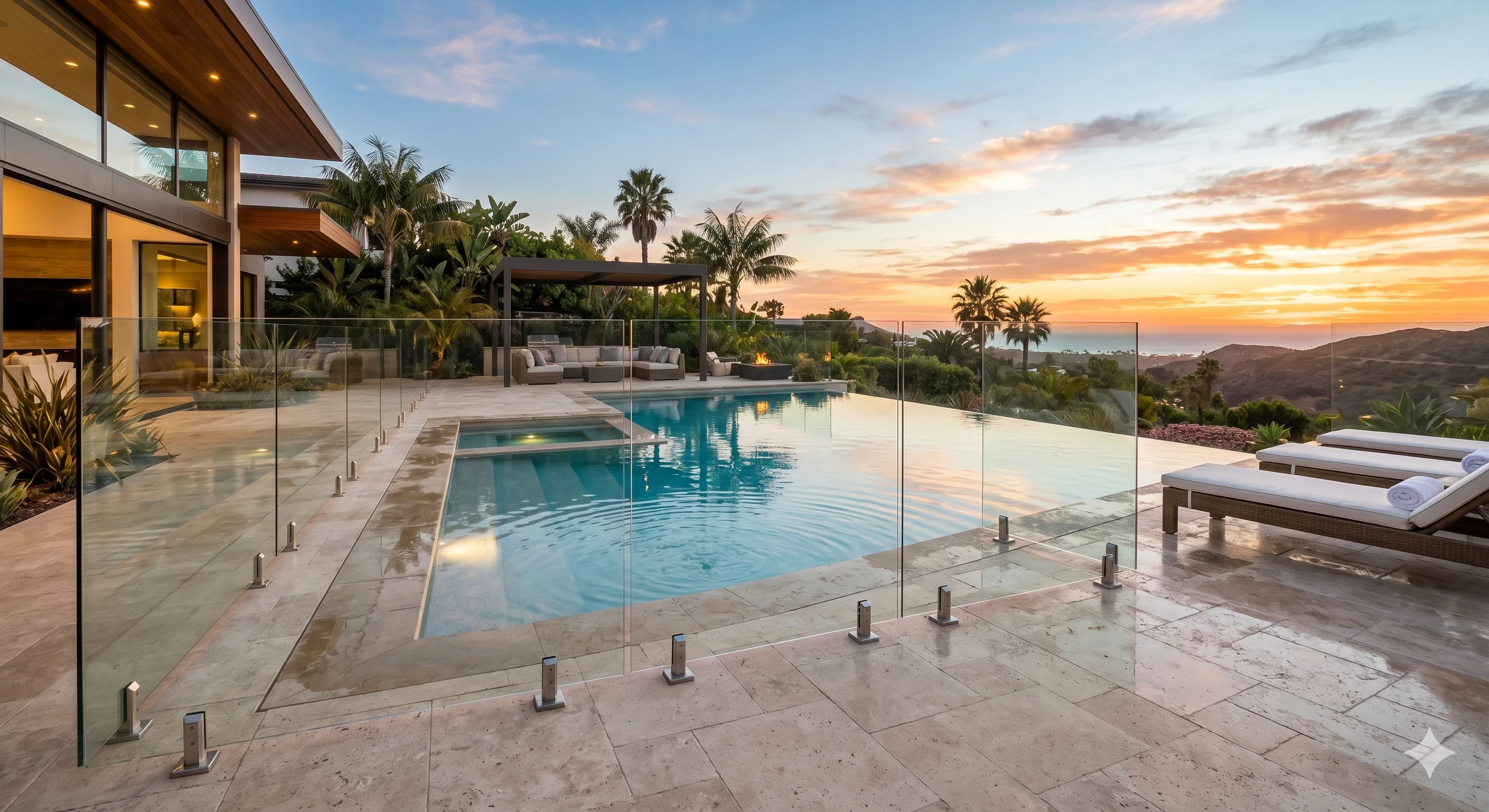
There is a better way. Frameless glass pool fencing, anchored by precision-engineered glass spigots, delivers a barrier that is virtually invisible, ruthlessly strong, and fully compliant with the strictest safety codes. No top rails. No vertical posts. Just clean, uninterrupted panels of standing between your family and the water — without blocking a single inch of the view.
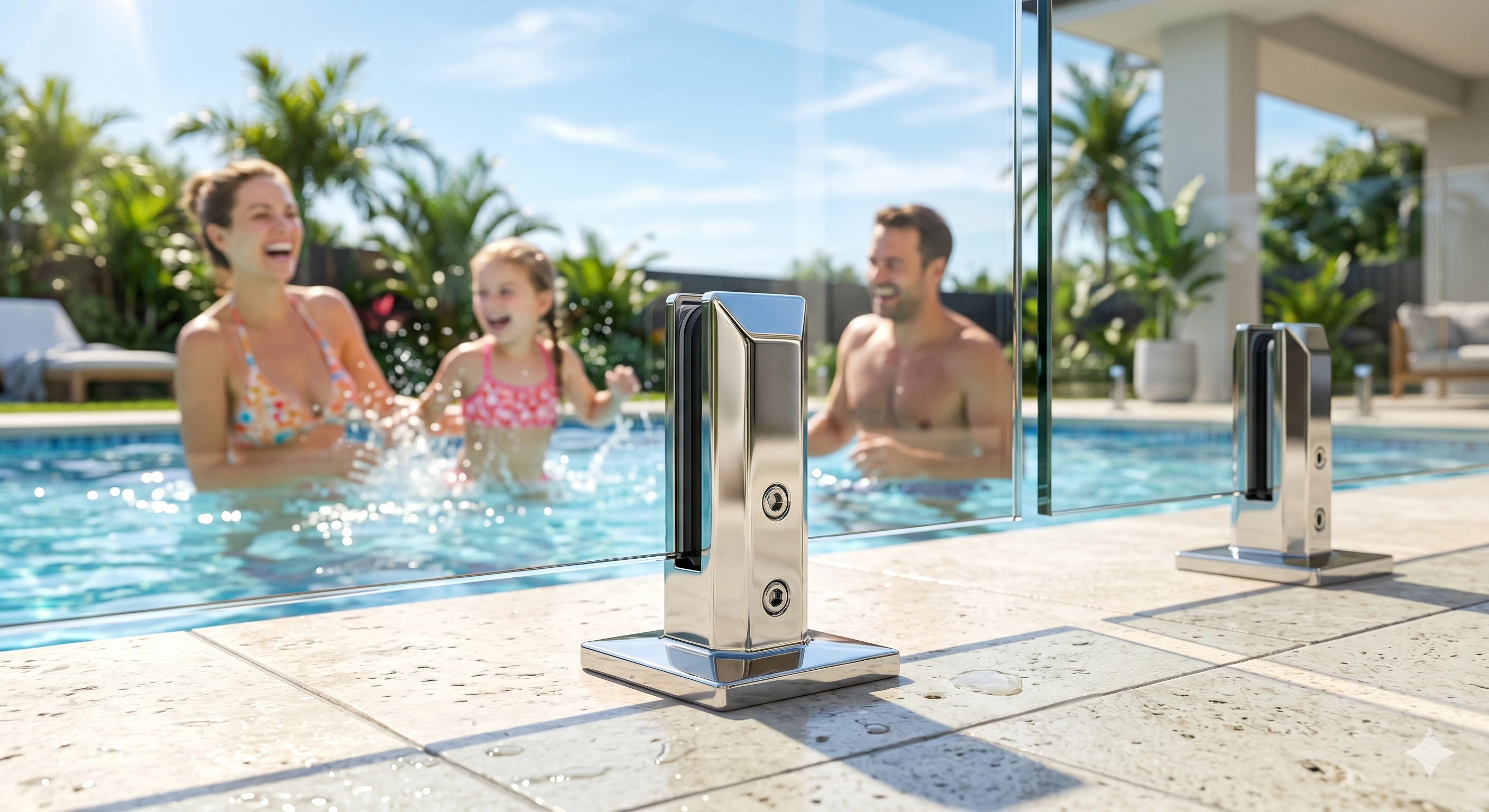
This guide walks you through exactly how it works, why the hardware matters more than most people realise, and what to look for so you invest once and never look back.
Why Traditional Pool Fences Fail You
Before you can appreciate what frameless glass does right, it helps to understand what conventional fencing gets wrong. If you've ever stood on your patio and squinted through a grid of metal bars to check on the kids, you already know the frustration. But the problems go deeper than aesthetics.
The Dangerous Blind Spot
Traditional pool fences are built from thick vertical bars spaced at regular intervals, supported by chunky corner posts. From a distance — say, from the outdoor dining table or the kitchen window — those bars stack visually and create blind spots. You can hear splashing, but you can't clearly see who's in the water, where they are, or whether their head is above the surface.
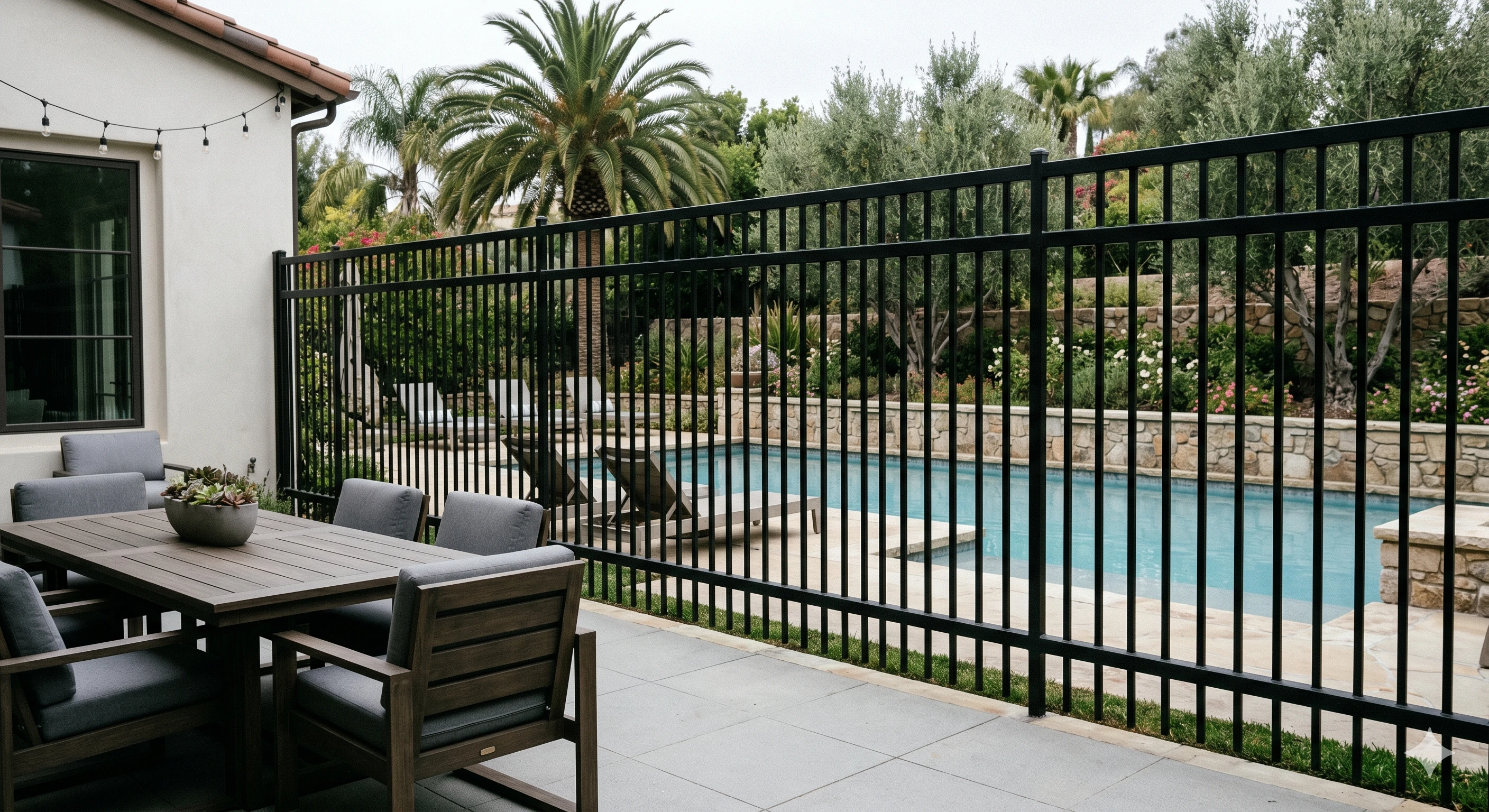
For parents of young children, this is more than an inconvenience. It's a genuine safety concern. The entire point of a pool barrier is to keep unsupervised access out, but once the gate is open and the family is swimming, you need unobstructed sightlines. A fence that blocks your view while you're supervising is working against you.
The "Cage" Aesthetic
There's a psychological effect that comes with heavy fencing. A grid of metal bars doesn't just block the view of the water — it visually shrinks the entire backyard. The pool area feels separated from the rest of the landscape, enclosed and institutional, like a public facility rather than a private retreat.
If you've invested in quality landscaping, a modern pool design, or premium outdoor furniture, a bulky metal or timber fence undercuts all of it. The backyard feels like two disconnected zones: the nice part and the caged-off part. For homeowners who've spent tens of thousands of dollars on their outdoor space, that visual compromise is hard to stomach.
The Dirt and Grime Trap
Here's a frustration that rarely makes it into the brochure but hits hard in daily life: traditional fences trap everything. Leaves, mulch, insects, and standing water collect at the base of vertical posts and along bottom rails. After rain, mud pools along the fence line and hardens into a crust that's tedious to scrub away.
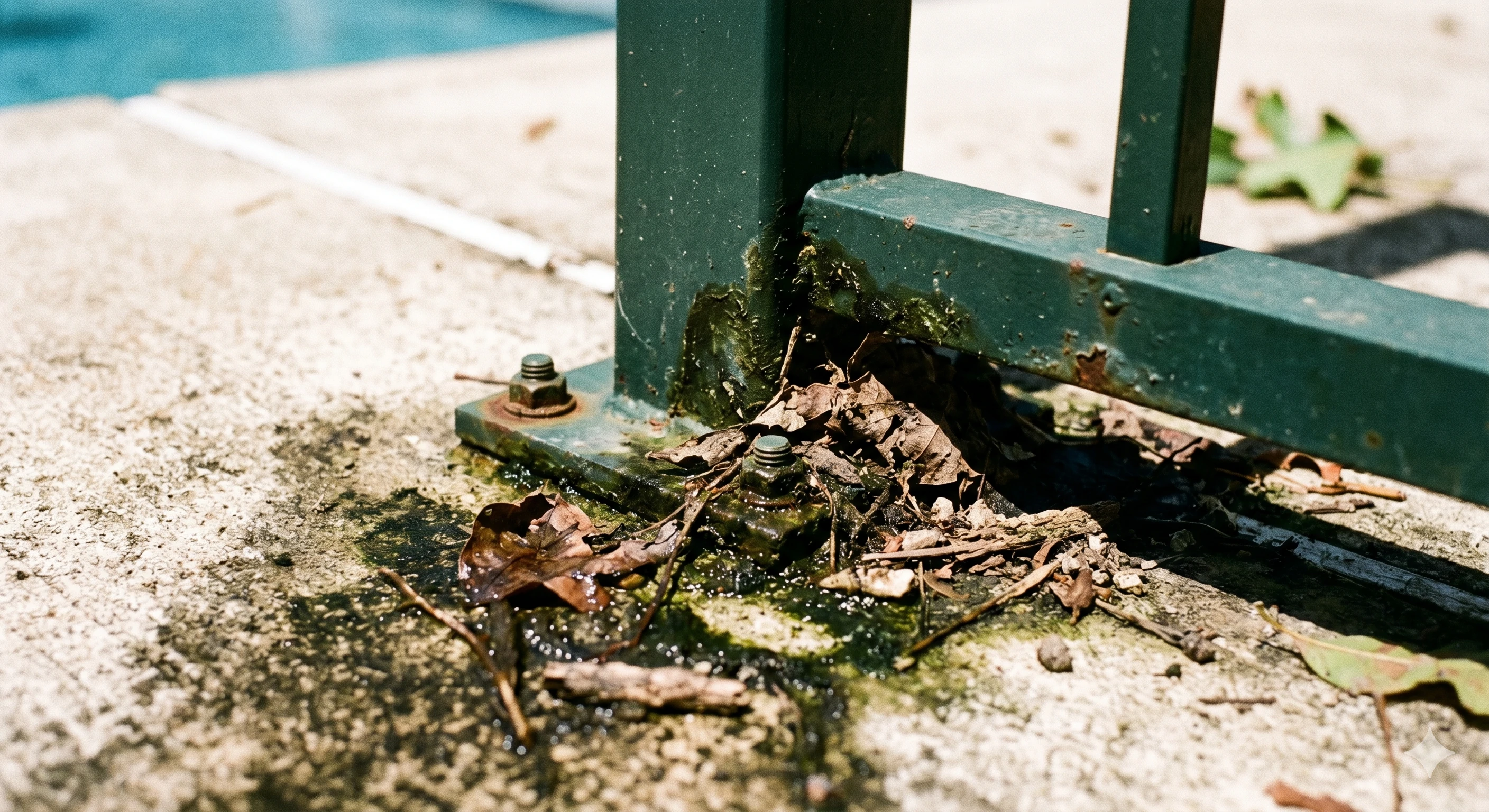
Over time, this buildup becomes a breeding ground for mould and algae, especially in the warm, humid microclimates that surround most pools. Cleaning around dozens of posts and rails turns a quick deck wash into a hands-and-knees scrubbing job — and it never stays clean for long.
How Frameless Glass Fencing Actually Works
If you've seen frameless glass pool fencing in person — at a resort, a display home, or a neighbour's place — your first reaction was probably something like: "How is that glass just standing there?"
It's a fair question. Thick panels of glass with no visible frame, no top rail, and no posts look like they're defying physics. The answer lies in a small but critical piece of hardware that most people never notice: the glass spigot.
The "Invisible Shield" Mechanics
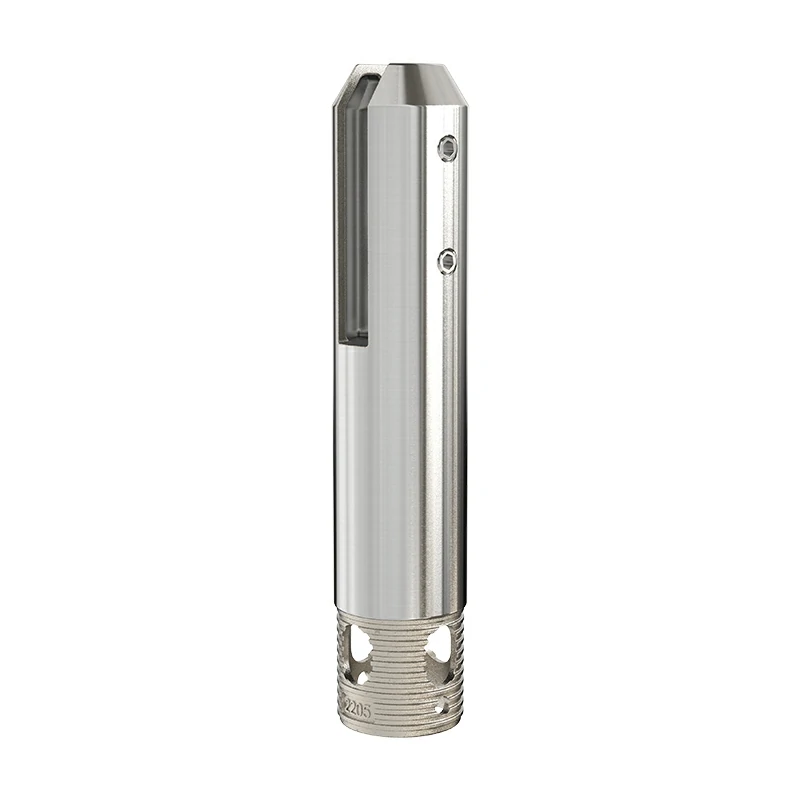
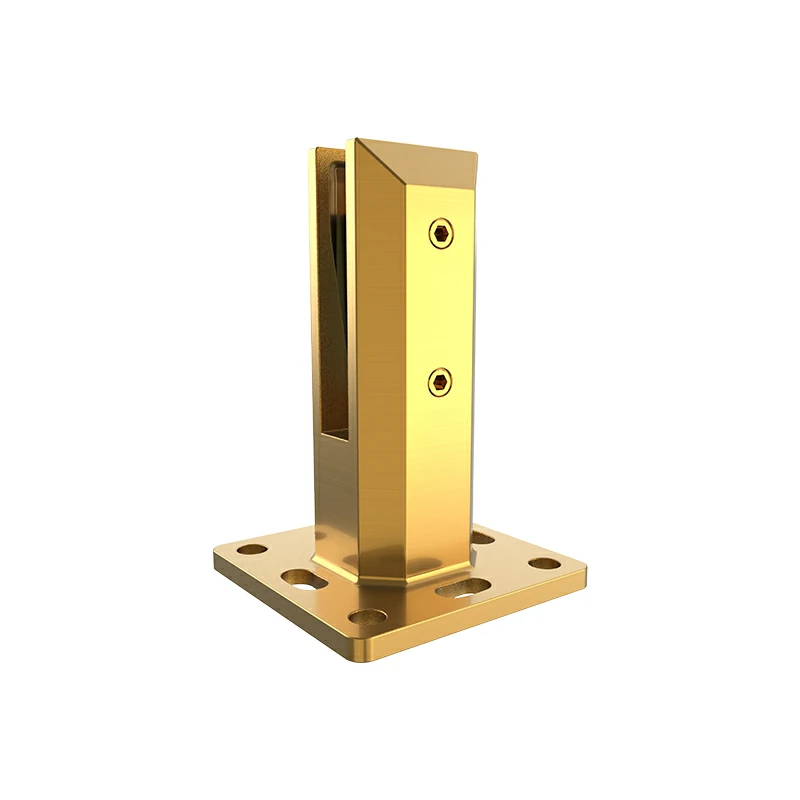
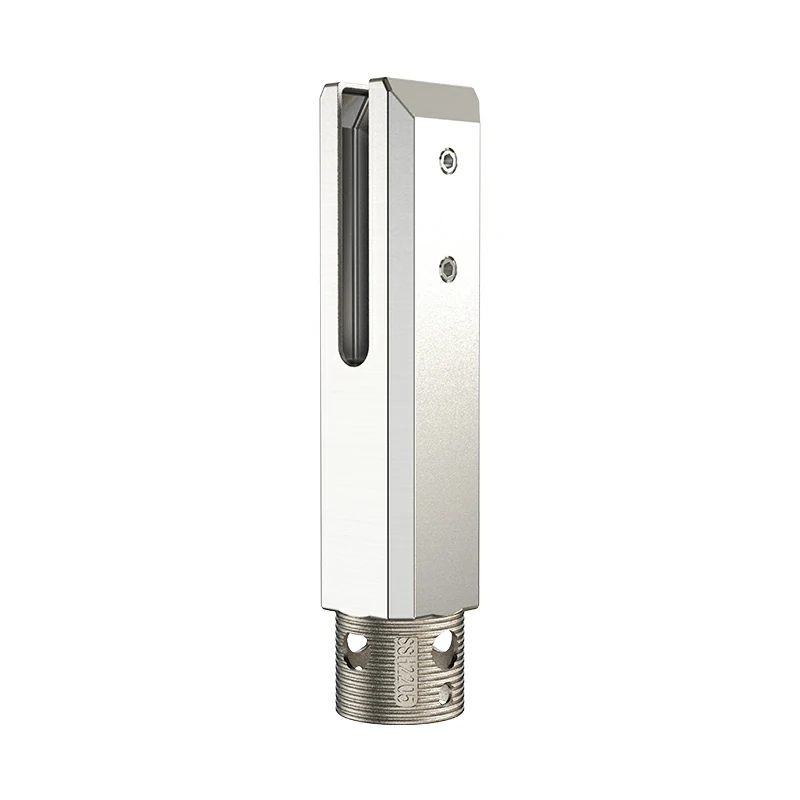
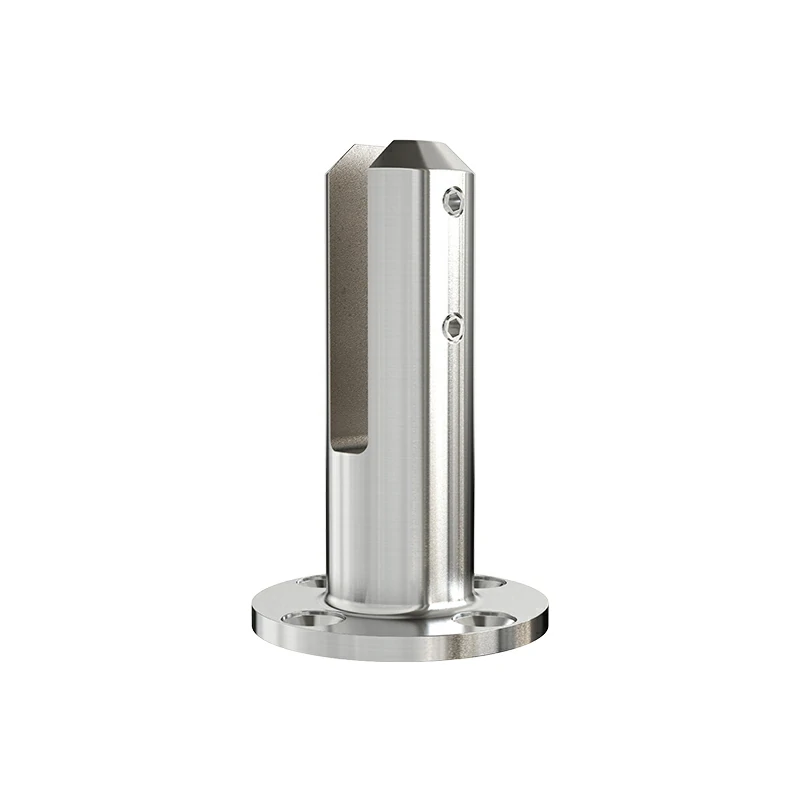
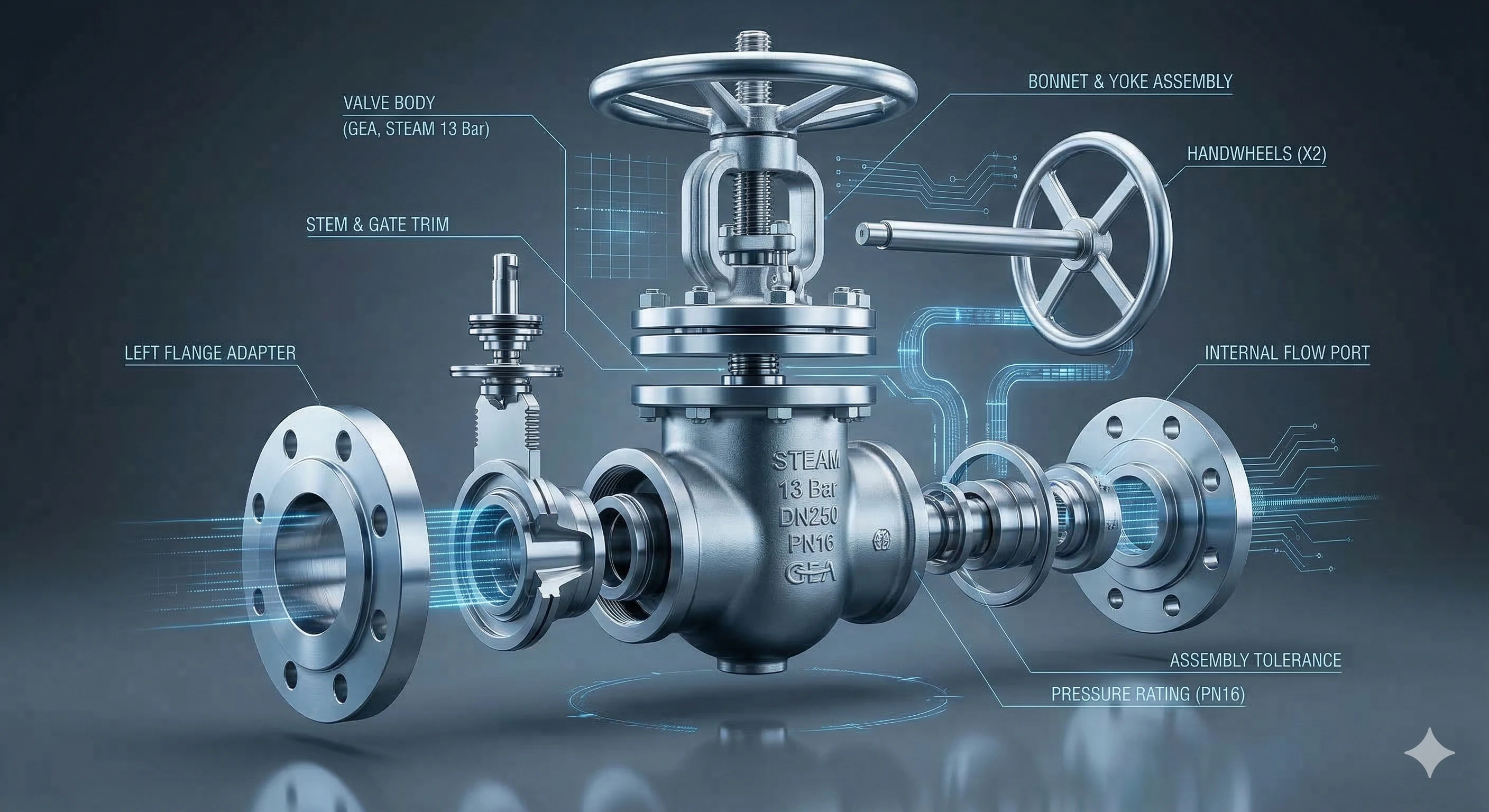
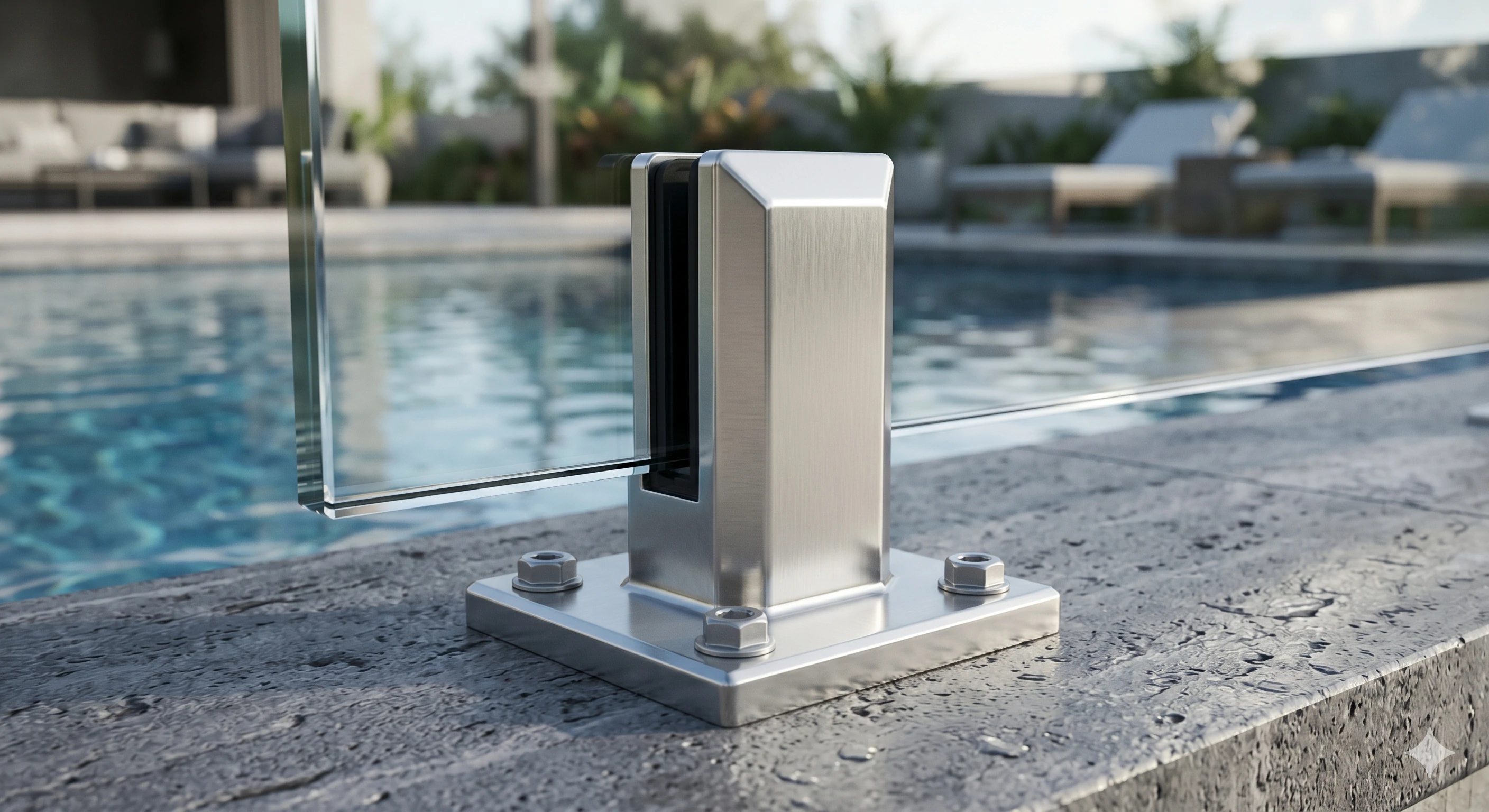
A glass spigot is a precision-machined clamp, typically made from , that grips the base of each glass panel and anchors it firmly to the ground. Depending on the installation surface, spigots are either core-drilled directly into a concrete deck or surface-mounted on top of it using heavy-duty base plates.
Each spigot clamps the glass at a specific torque, distributing the load evenly across the panel's lower edge. When multiple spigots support a single panel, the result is a structure that can withstand significant , impact force, and the constant lean-and-push pressure that children inevitably apply.
The glass itself does the rest. Frameless pool fencing uses toughened (tempered) safety glass, typically 10mm or 12mm thick. This glass is engineered to be several times stronger than standard float glass, and in the unlikely event of breakage, it shatters into small, blunt granules rather than dangerous shards.
Together, the spigots and the tempered glass create a barrier that is structurally rigid, visually transparent, and entirely self-supporting — no top rails, no vertical posts, no frame of any kind.
Strict Anti-Climb Compliance
One of the most common concerns homeowners raise is climbability. Traditional fences with horizontal rails or widely spaced bars can offer footholds for adventurous toddlers. It's a compliance risk and a safety hazard.
Frameless glass eliminates this problem entirely. A flat, smooth, continuous surface offers nothing to grip. There are no rails to step on, no posts to shimmy up, and no gaps between panels wide enough for small fingers or toes. When panels are installed correctly with spigots set at the proper spacing, the fence presents a seamless wall of glass that meets or exceeds the anti-climb provisions of strict pool safety standards such as and equivalent codes in other regions.
For homeowners navigating the inspection process, this is a significant advantage. Frameless glass fencing, properly installed, tends to pass compliance checks without the remediation headaches that often come with traditional barriers.
The "Wash-Under" Gap Advantage
Here's a detail that sounds minor but makes a remarkable difference in daily life: spigots elevate the glass panels slightly off the deck surface, leaving a small gap at the base.
That gap is engineered to be too narrow for a child to pass through (well within code requirements), but wide enough for water, wind, and debris to flow freely underneath. When you hose down the pool deck, water runs straight under the glass and off the edge — no pooling, no trapped leaves, no grime buildup at the fence line.
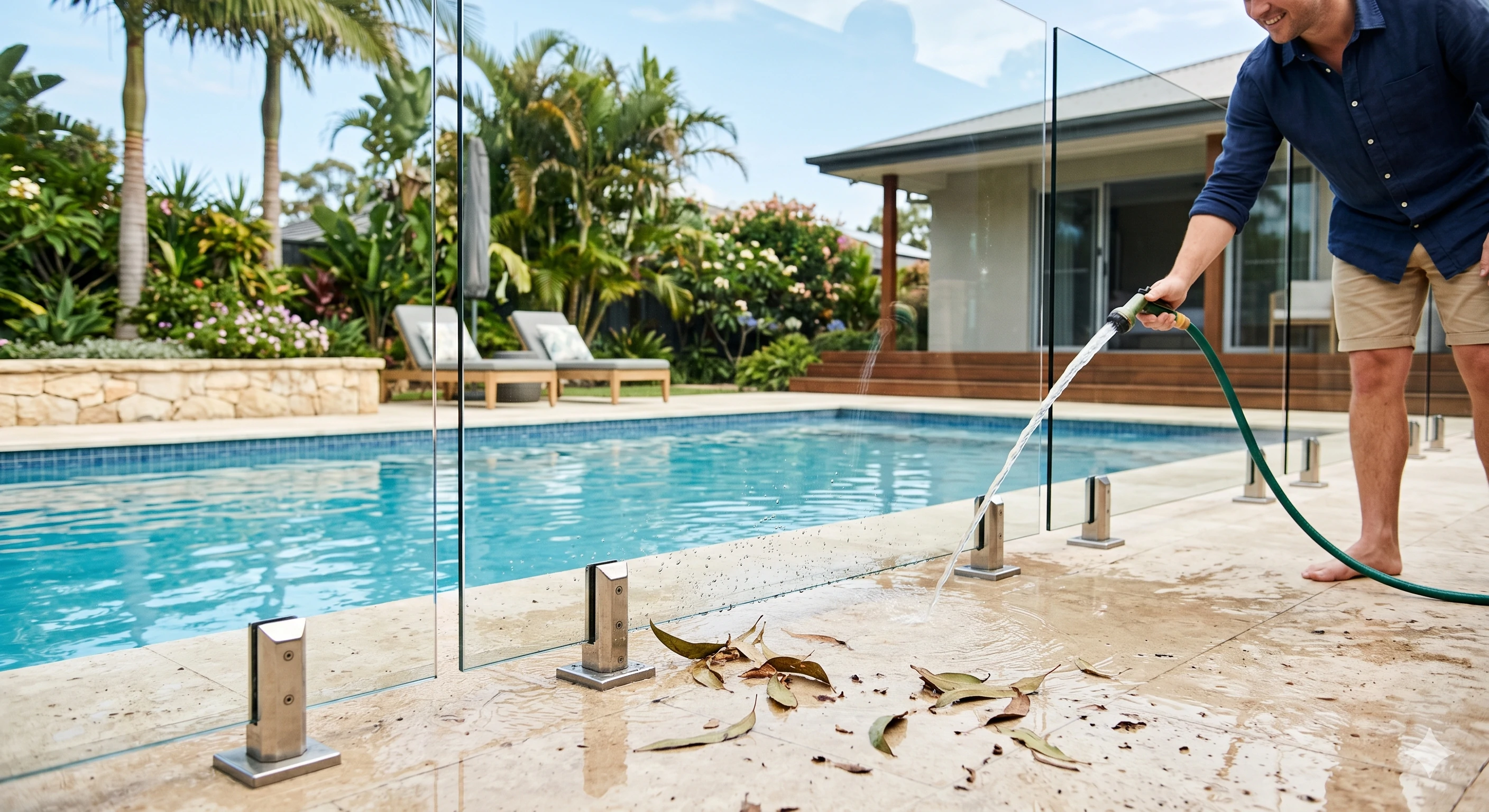
Compare that to a traditional fence with posts sunk into the deck or a continuous channel embedded in the concrete, and the maintenance difference is dramatic. The area around a frameless glass fence stays cleaner with less effort, and the deck surface remains intact and unobstructed.
Choosing the Right Hardware: Where Most Buyers Go Wrong
If you've reached this point, you're likely sold on the concept of frameless glass. The next decision — and it's the one that separates a fence that lasts a decade from one that lasts a lifetime — is the hardware.
Not all spigots are created equal. The material they're made from, the way they're designed, and the features they include (or lack) will determine how your fence performs in the harsh chemical environment that surrounds every swimming pool.
The Saltwater Survival Guide: 2205 Duplex vs. 316 Stainless Steel
Pool environments are quietly brutal on metal. Chlorinated water evaporates from the pool surface and settles on every nearby surface as a fine, corrosive mist. — now the most popular sanitisation method — make this problem significantly worse by producing airborne chloride particles that attack stainless steel at a molecular level.
Here's where material choice becomes critical:
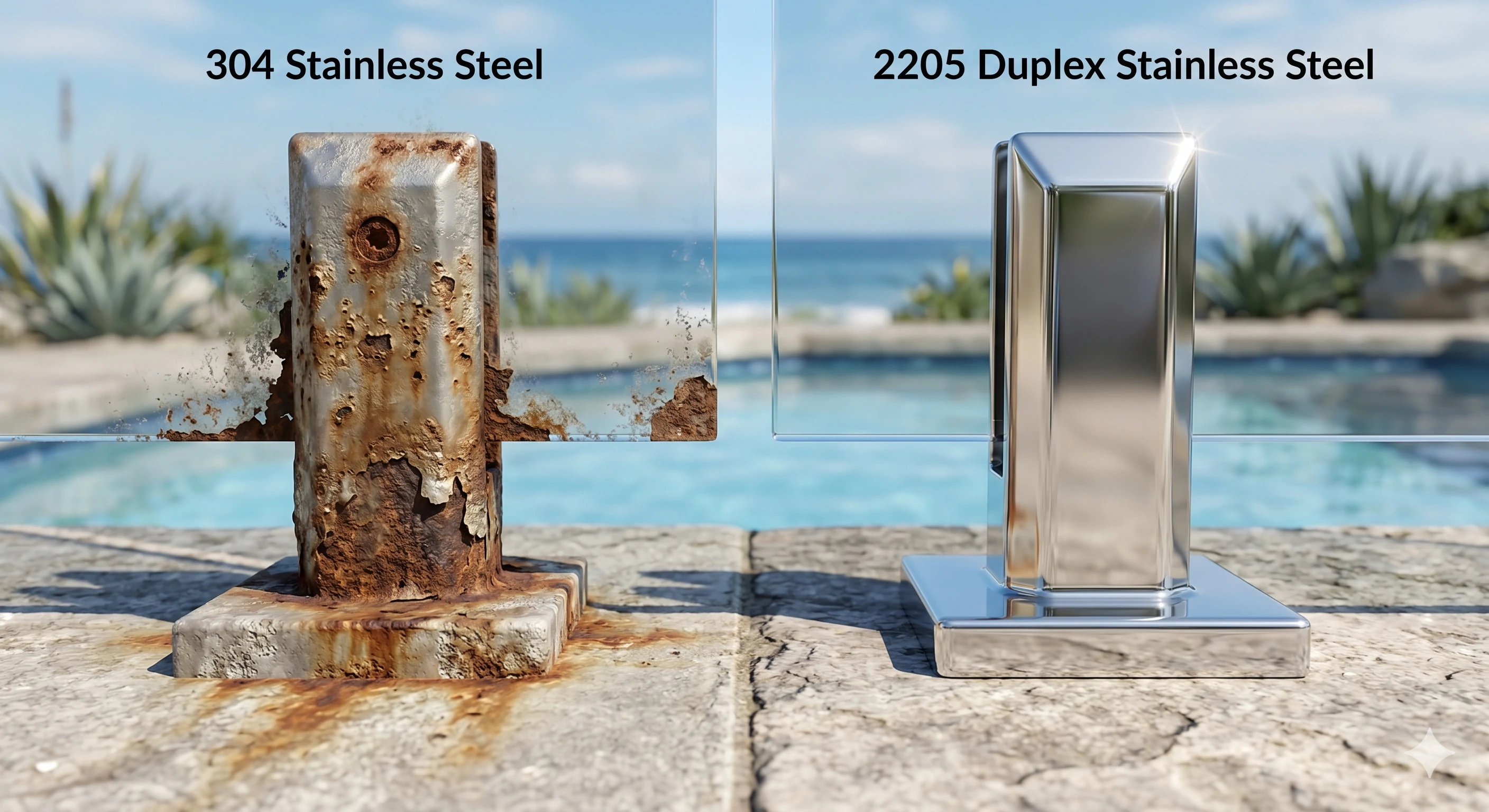
304 Stainless Steel is the most common grade used in general hardware. Near a pool, it will begin to show surface corrosion (tea staining) within months. It is not suitable for pool fencing hardware under any circumstances.
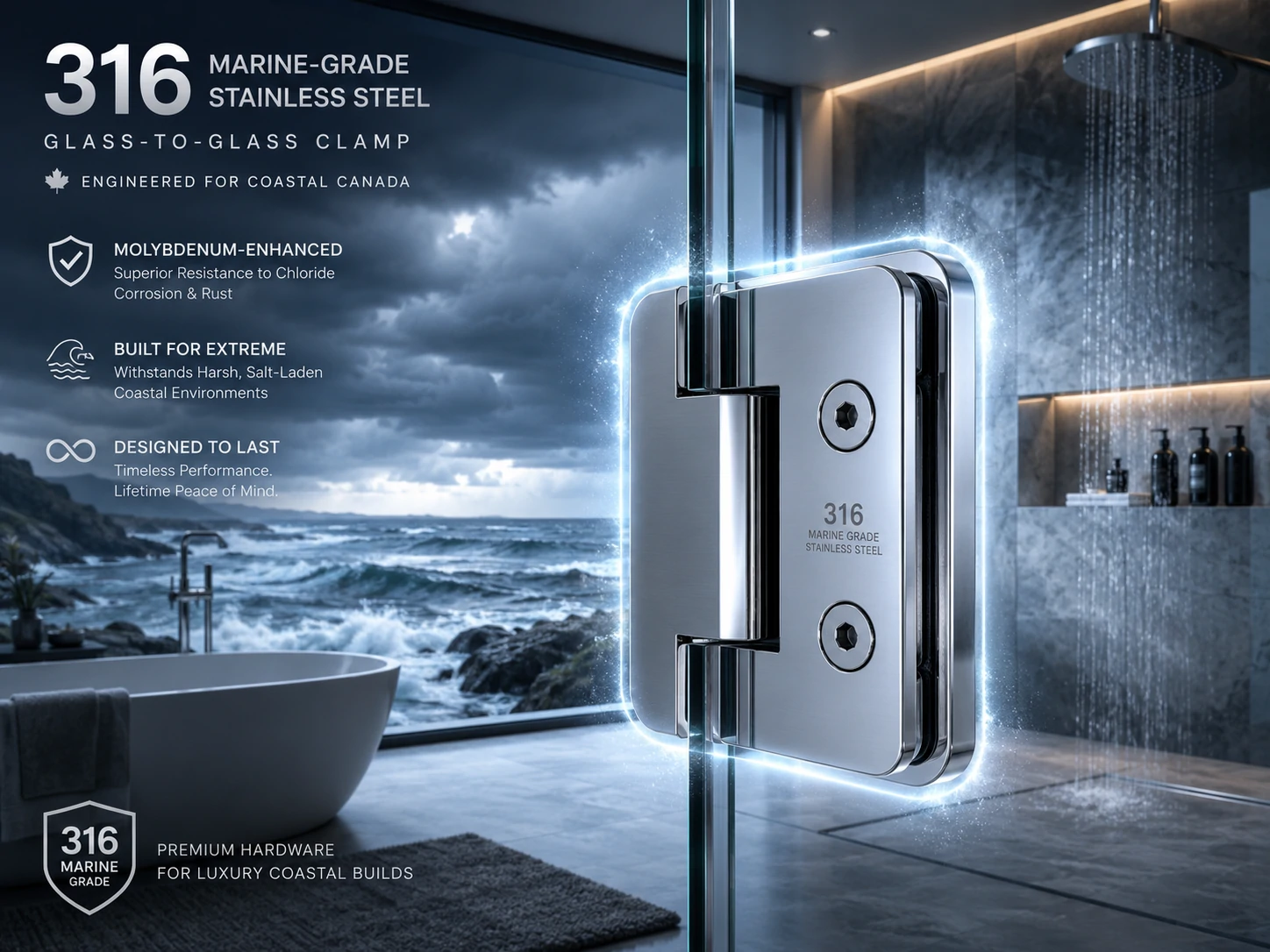
316 Stainless Steel (often marketed as "marine grade") is a step up. It contains molybdenum, which improves chloride resistance. For freshwater pools in mild climates, 316 can perform adequately for several years. However, in coastal areas or near saltwater pools, 316 will eventually tea-stain, pit, and degrade. Many homeowners who chose 316 spigots discover unsightly brown streaks within two to three years — and by that point, the damage is structural, not just cosmetic.
2205 Duplex Stainless Steel is the standard that serious pool hardware manufacturers build to. It combines the strength of ferritic steel with the corrosion resistance of austenitic steel, resulting in a material that offers roughly twice the chloride resistance of 316. In practical terms, 2205 Duplex spigots will not tea-stain, will not pit, and will not degrade — even in direct, continuous exposure to saltwater pool vapour and coastal salt air.
The upfront cost difference between 316 and 2205 Duplex spigots is modest when measured against the total cost of a pool fencing project. The long-term cost difference is enormous: 2205 Duplex hardware will still look factory-new when 316 hardware is being ripped out and replaced.
If you are building near the coast, using a saltwater chlorinator, or simply want hardware you never have to think about again, 2205 Duplex is not a premium upgrade — it is the baseline.
Spigots vs. U-Channels: A Practical Comparison
When shopping for frameless glass fencing hardware, you'll encounter two main mounting systems: individual spigots and continuous U-channels (sometimes called base shoes or base tracks).
A U-channel is a long aluminium or stainless steel track that runs along the base of the fence line. The glass panel sits inside the channel and is secured with a setting compound. It creates a clean, linear look at deck level.
However, U-channels come with practical drawbacks that become apparent over time. The channel itself is a trough — and troughs collect things. Splashed pool water sits inside the track and evaporates slowly, leaving and chemical residue behind. Leaves, insects, and fine grit wash into the channel and are nearly impossible to flush out without dismantling sections of the fence. In warm, humid conditions, this trapped moisture becomes a breeding ground for that hides inside the track where you can't see it — until you can smell it.
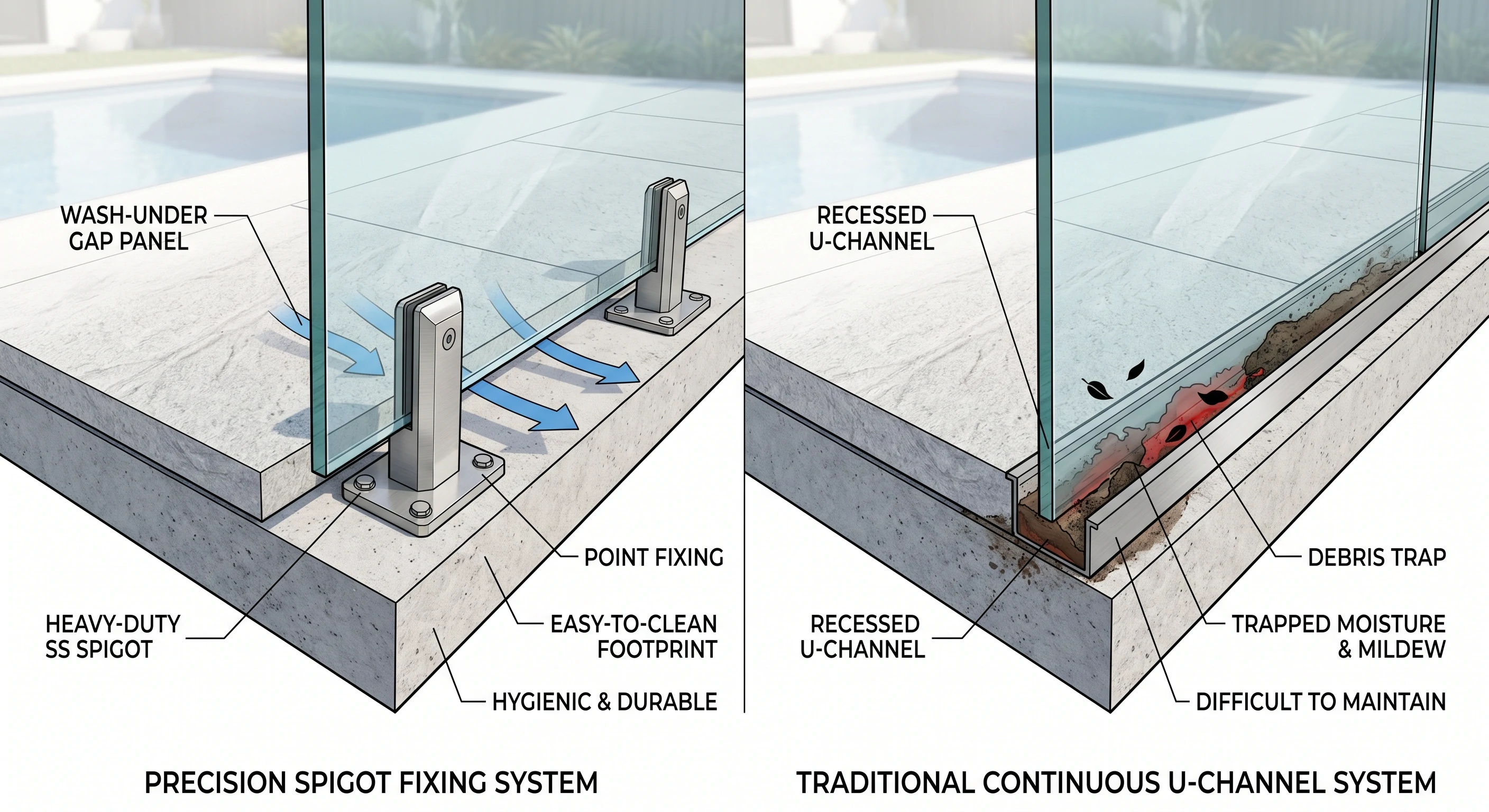
Spigots, by contrast, are individual point-fixings. Each one occupies a small footprint on the deck surface, and the space between spigots is completely open. There is nowhere for water to pool, nowhere for debris to collect, and nothing to trap moisture against the glass or the deck. Cleaning around spigots is as simple as hosing the deck — the water flows freely past them and away.
From a maintenance perspective, spigots also offer a significant advantage if a glass panel ever needs to be replaced. With a U-channel system, removing a panel often means cutting away the setting compound and potentially disturbing adjacent panels. With spigots, a single panel can be unbolted and swapped out without affecting the rest of the fence.
The Earthing and Bonding Solution
Here's a topic that catches many homeowners — and even some contractors — off guard: electrical bonding.
Most local electrical codes require that any metal structure within a certain distance of a swimming pool be electrically bonded (connected to the pool's ). This is a critical safety measure designed to prevent electric shock in the event of a fault. Stainless steel spigots, being metal hardware installed at the pool's edge, fall squarely within this requirement.
In a traditional installation, bonding each spigot means running copper conductors from each fixing point back to the pool's bonding bus bar. This can involve cutting channels into finished concrete, running conduit beneath pavers, and coordinating between the fencing installer and a . It adds time, cost, and complexity — and if it's done incorrectly or overlooked entirely, it's a compliance failure that can halt a pool inspection.
The best spigot manufacturers have solved this problem at the design stage. Look for spigots that incorporate built-in earthing lugs or bonding points — a small threaded connection point integrated into the spigot body where a bonding conductor can be attached directly, without additional brackets or adapters. Some designs go further, offering insulated base plates that electrically isolate the spigot from the deck surface, simplifying the bonding pathway and reducing the amount of conductor required.
These are the kinds of engineering details that don't appear in glossy marketing photos but save hours of labour, hundreds of dollars in electrical work, and the stress of a failed compliance inspection.
The Bottom Line
A frameless glass pool fence is the only barrier that gives you everything at once: peace of mind that your children and pets are protected, full compliance with the strictest safety codes, and an uninterrupted view of your pool and landscape that makes your backyard feel like a private resort.
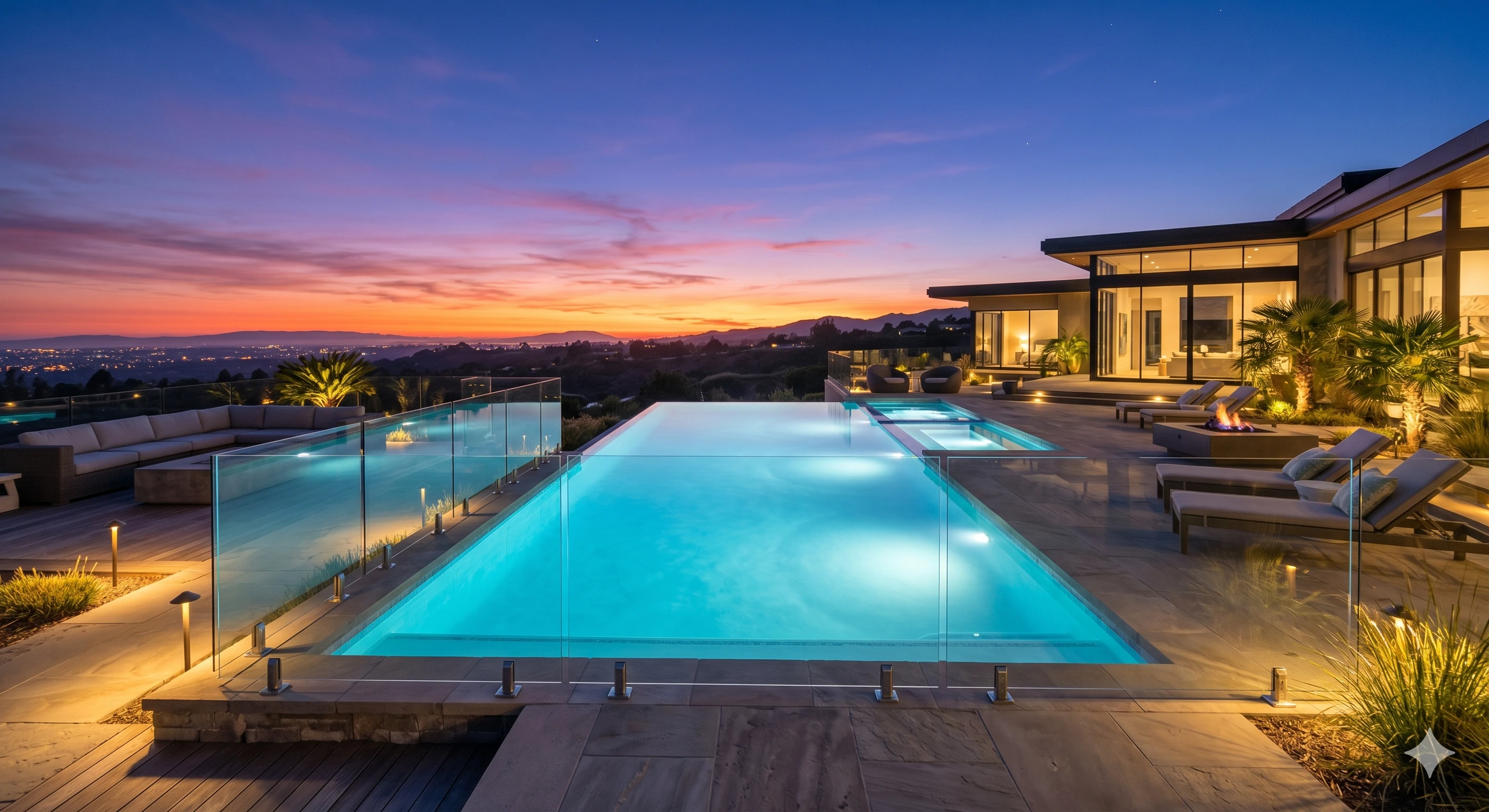
But the glass is only as good as the hardware holding it up. The spigots are the foundation of the entire system — they determine whether your fence stands strong for decades or starts showing corrosion in a couple of years. Choosing 2205 Duplex stainless steel, opting for individual spigots over U-channels, and selecting designs with integrated bonding solutions isn't over-engineering. It's building it right the first time.

Ready to secure your pool without sacrificing your view? Browse our collection of marine-grade 2205 Duplex pool fence spigots, or contact our hardware specialists for a compliance-ready project quote today.
Footnotes
1. Understand how pool fence regulations enhance overall backyard safety.
2. Read about the manufacturing process and durability of tempered glass.
3. Explore the properties that make stainless steel suitable for outdoor hardware.
4. Learn how wind loads affect architectural and structural integrity.
5. Review Australian safety laws regarding swimming pool barriers.
6. Discover how saltwater chlorination works and its effects on metals.
7. Learn about the training and qualifications required for electricians.
8. Learn about the formation and impact of mineral deposits.
9. Understand the conditions that promote mould growth in damp environments.