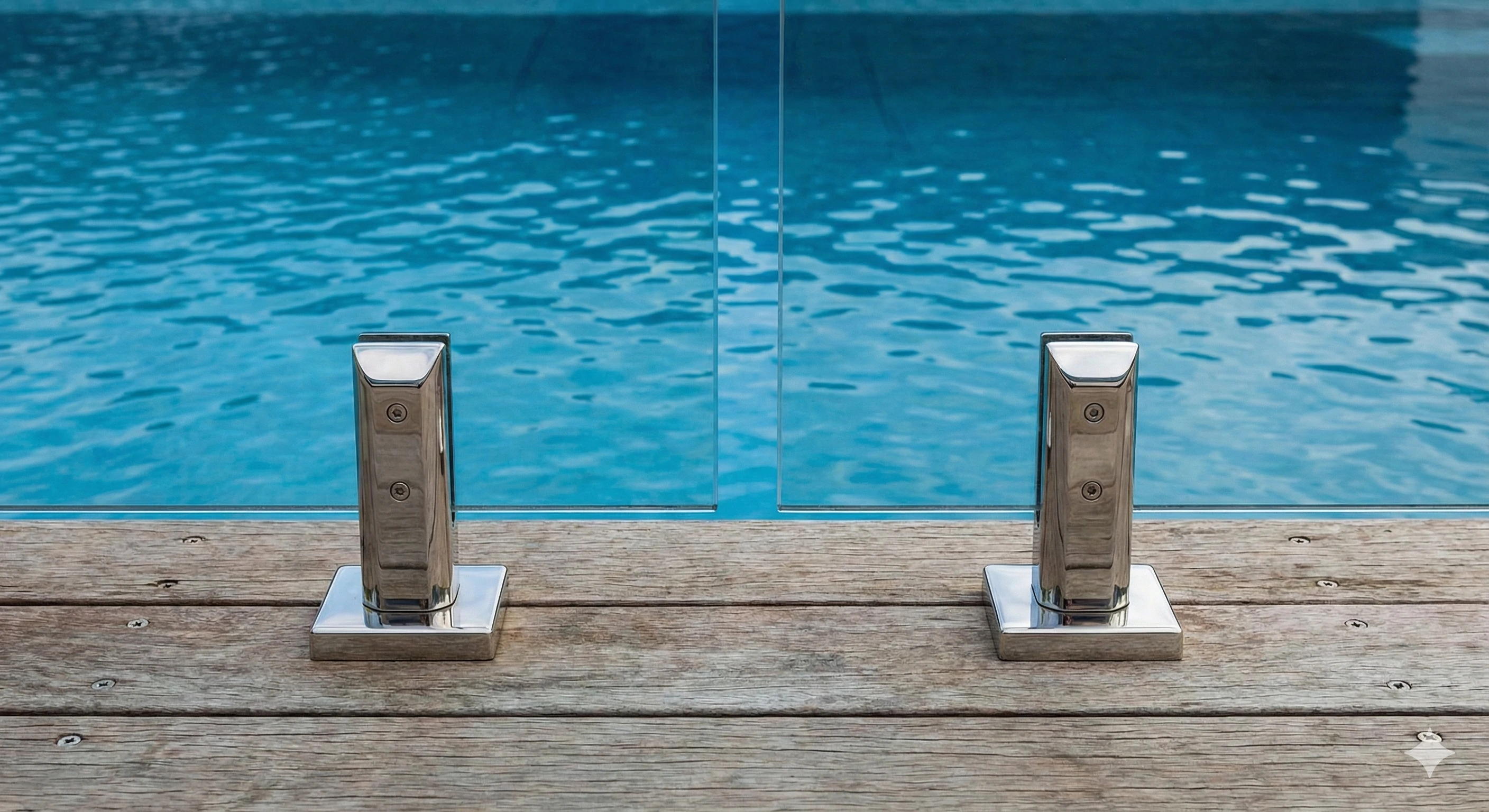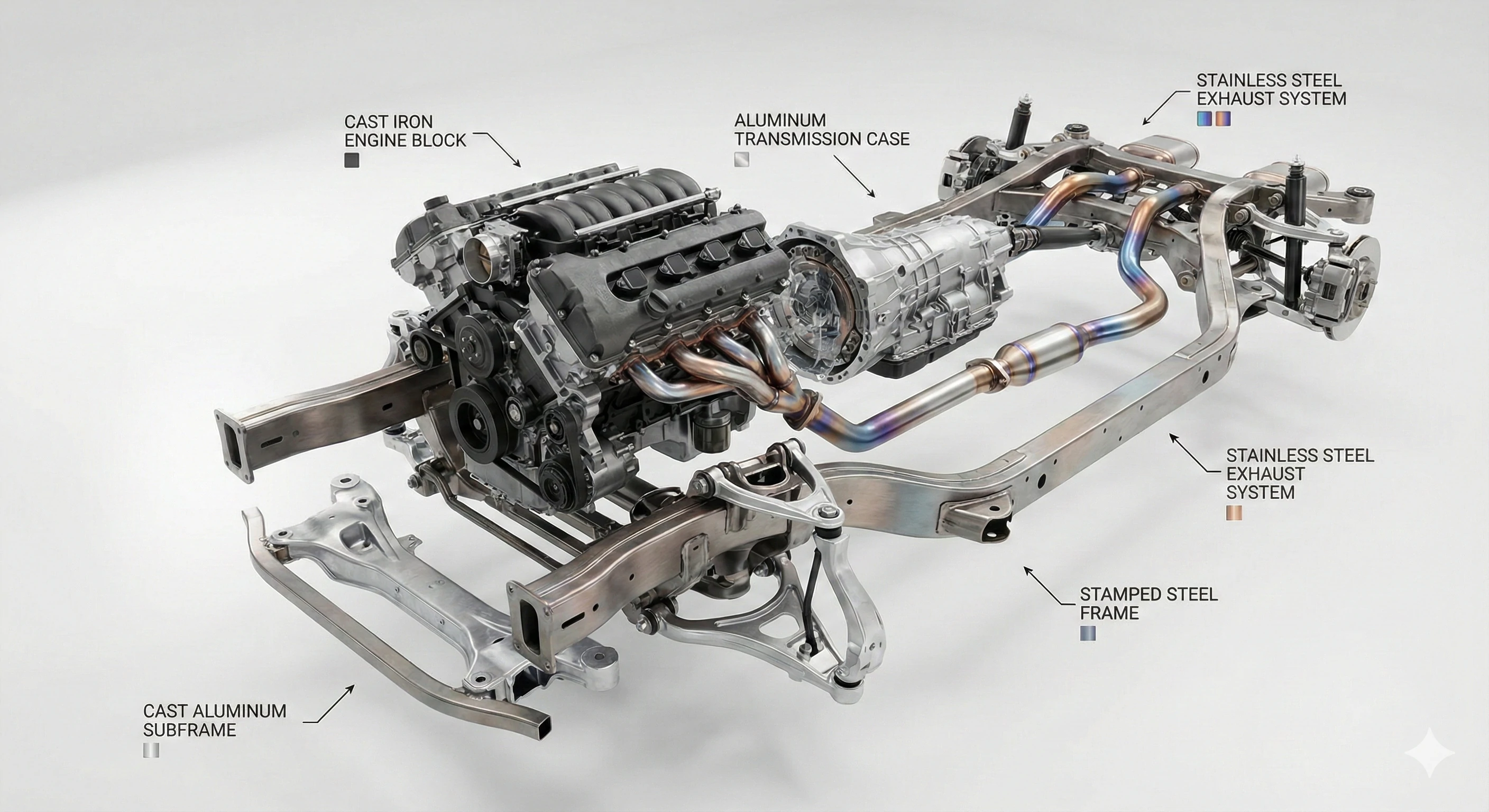
If you’ve ever shopped for hardware, architectural fittings, or , you’ve likely seen the terms “clamp” and “clip” used interchangeably. They both hold objects together, but clamps and clips are not the same. Each has a distinct design, strength rating, installation method, and intended use.
Confusing them can lead to weak connections, safety hazards, or costly installation mistakes—especially in , shower hardware, fluid control, and applications.

In this detailed guide, we break down the core differences between clamps and clips, their unique features, common types, and practical use cases. By the end, you’ll know exactly which hardware to choose for your project.
Table of Contents
Clamps vs. Clips: Core Definitions
To start, let’s clarify the basic meaning of each term.
What Is a Clamp?
A clamp is a heavy-duty, load-bearing fastener designed to apply adjustable, high-pressure compression to secure thick, heavy, or rigid materials. It uses screws, bolts, or levers to generate force, creating a tight, permanent hold. Clamps are engineered for structural strength, weight capacity, and stability.
What Is a Clip?

A clip is a light-duty, spring-loaded or friction-based fastener designed for quick, temporary or light permanent holding. It relies on spring tension, friction, or snap-fit design—no screws or bolts required. Clips are meant for thin, lightweight materials and low-load applications.
Key Differences Between Clamps and Clips
The divide between clamps and clips goes far beyond size. Here are the most critical distinctions:
1. Strength & Load Capacity
-
Clamps: High load capacity (50–500+ lbs). Built for structural support.
-
Clips: Low load capacity (5–50 lbs). Only for light holding.
2. Design & Operation
-
Clamps: Use screws, bolts, or levers to adjust compression. Require tools for installation.
-
Clips: Use spring tension or friction. Snap-on/snap-off by hand; no tools needed.
3. Materials
-
Clamps: Solid metal (304/316 stainless steel, zinc alloy, cast iron). Thick, rigid construction.
-
Clips: Thin metal (spring steel, aluminum) or plastic. Flexible, lightweight.
4. Installation & Removal
-
Clamps: Permanent or semi-permanent. Tools required for adjustment/removal.
-
Clips: Quick, temporary. Hand-installed and removed in seconds.
5. Typical Applications
-
Clamps: Glass railings, shower doors, industrial piping, heavy machinery, structural framing.
-
Clips: Light trim, cable management, paper/photo holders, thin glass shelves, temporary fasteners.
6. Adjustability
-
Clamps: Fully adjustable. Tighten/loosen screws for precise pressure.
-
Clips: Fixed tension. No adjustment possible; designed for specific thicknesses.
What Are Clamps? Types, Features & Uses
Clamps are the workhorses of heavy-duty fastening. They’re built to handle stress, weight, and long-term use. Below are the most common types and their applications.
1. Glass Clamps (Architectural Hardware)
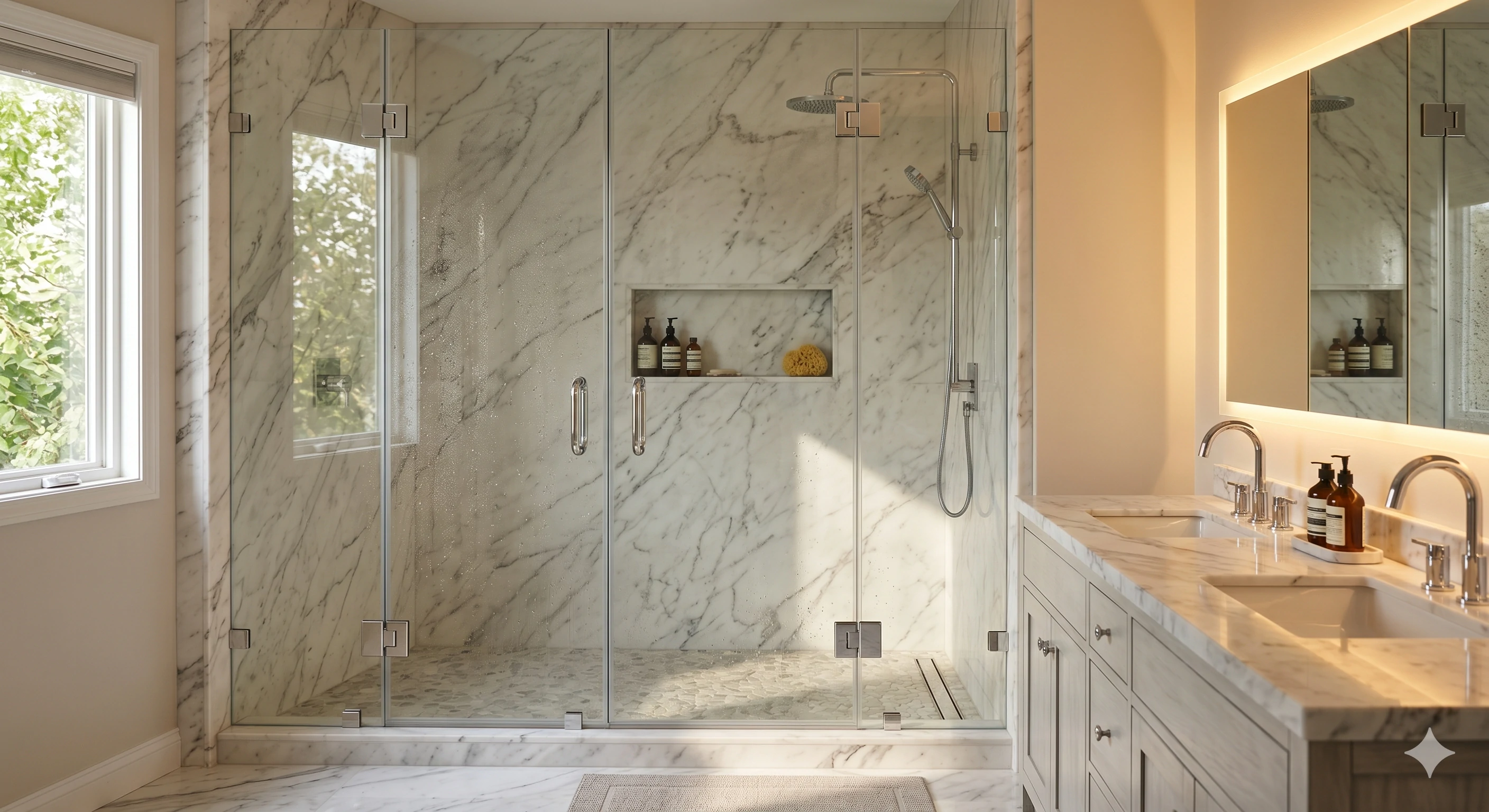
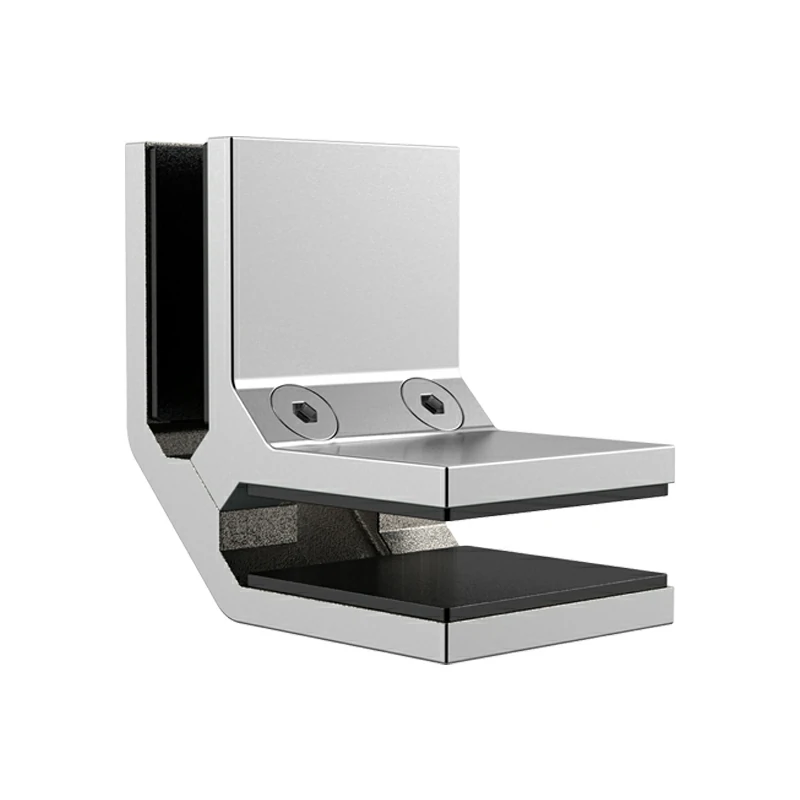
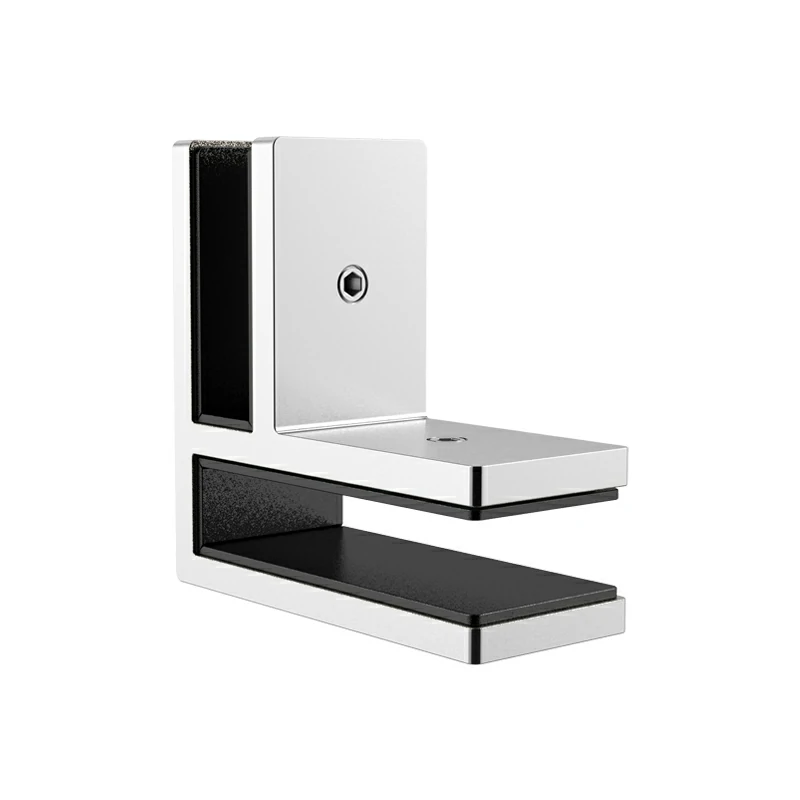
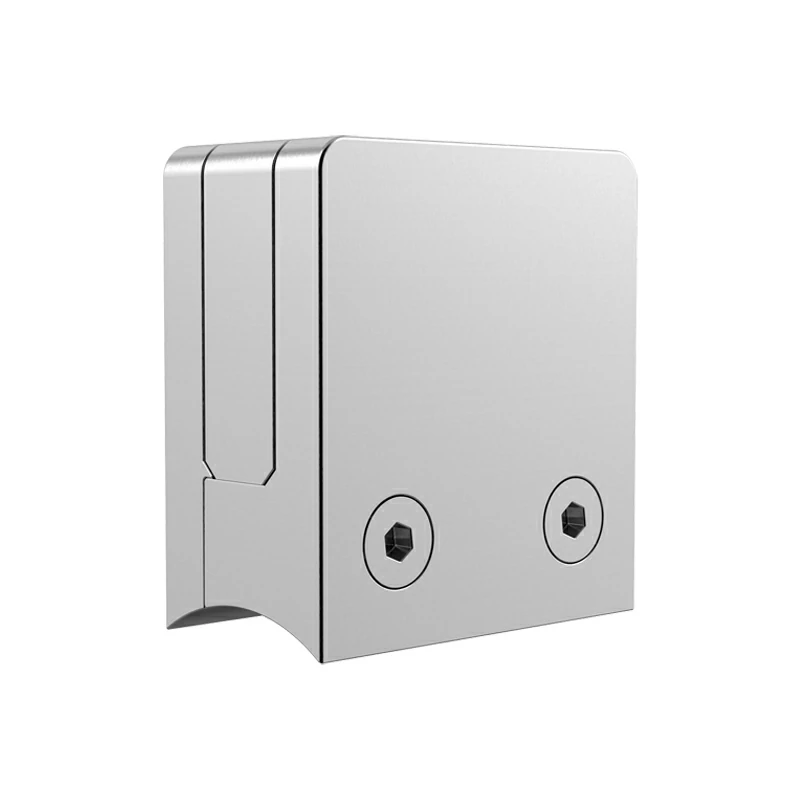
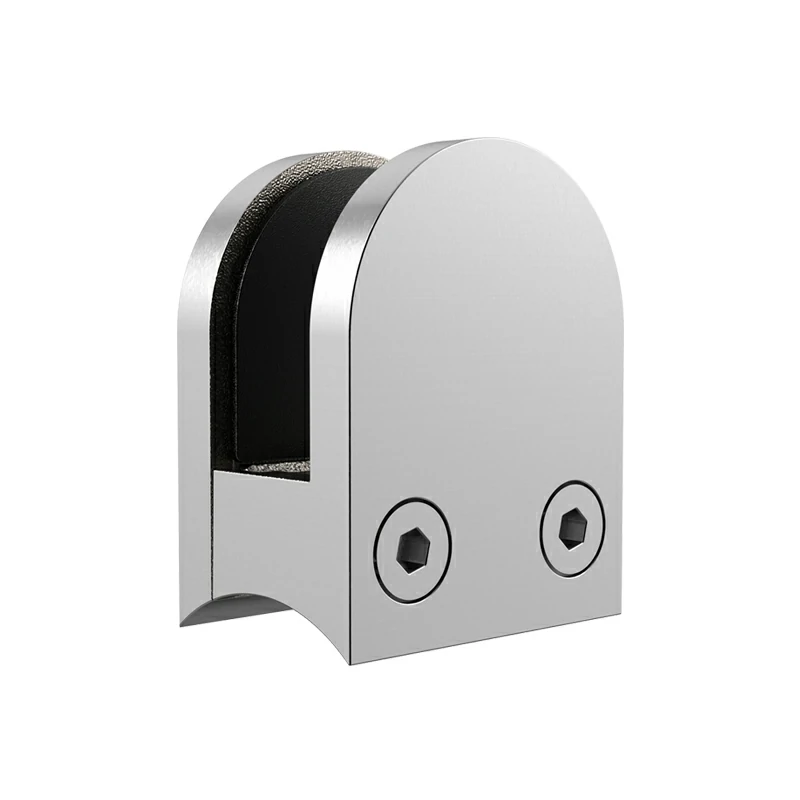
Heavy-duty glass clamps (also called spigots or edge clamps) secure thick for railings, balconies, and shower doors.
-
Design: Solid stainless steel jaws with . Adjustable screws for tight compression.
-
Capacity: 100–300 lbs per clamp.
-
Use: Frameless glass railings, shower enclosures, rooftop balustrades.
2. Hose Clamps (Fluid Control)
Hose clamps seal hoses to pipes or fittings in plumbing, automotive, and industrial systems.
-
Design: Band-style metal strip with a .
-
Capacity: 50–200 lbs of clamping force.
-
Use: Water pipes, fuel lines, HVAC hoses.
3. Pipe Clamps (Industrial)
Pipe clamps secure heavy pipes to walls, floors, or structural supports.
-
Design: U-shaped or saddle-style metal with bolts.
-
Capacity: 200–500+ lbs.
-
Use: Industrial plumbing, gas lines, mechanical systems.
4. Bar Clamps (Woodworking/Construction)
Bar clamps hold large workpieces together during assembly.
-
Design: Long metal bar with adjustable screw heads.
-
Capacity: 100–400 lbs.
-
Use: Furniture assembly, cabinetry, construction framing.
Key Features of Clamps
-
Solid, rigid construction
-
Adjustable compression via screws/bolts
-
High tensile strength
-
Corrosion-resistant materials (stainless steel for outdoor/wet areas)
-
Engineered for long-term structural use
What Are Clips? Types, Features & Uses
Clips are lightweight, convenient fasteners for non-structural, low-load tasks. They prioritize speed and ease of use over strength. Below are common types and applications.
1. Glass Clips (Light-Duty Shelves)
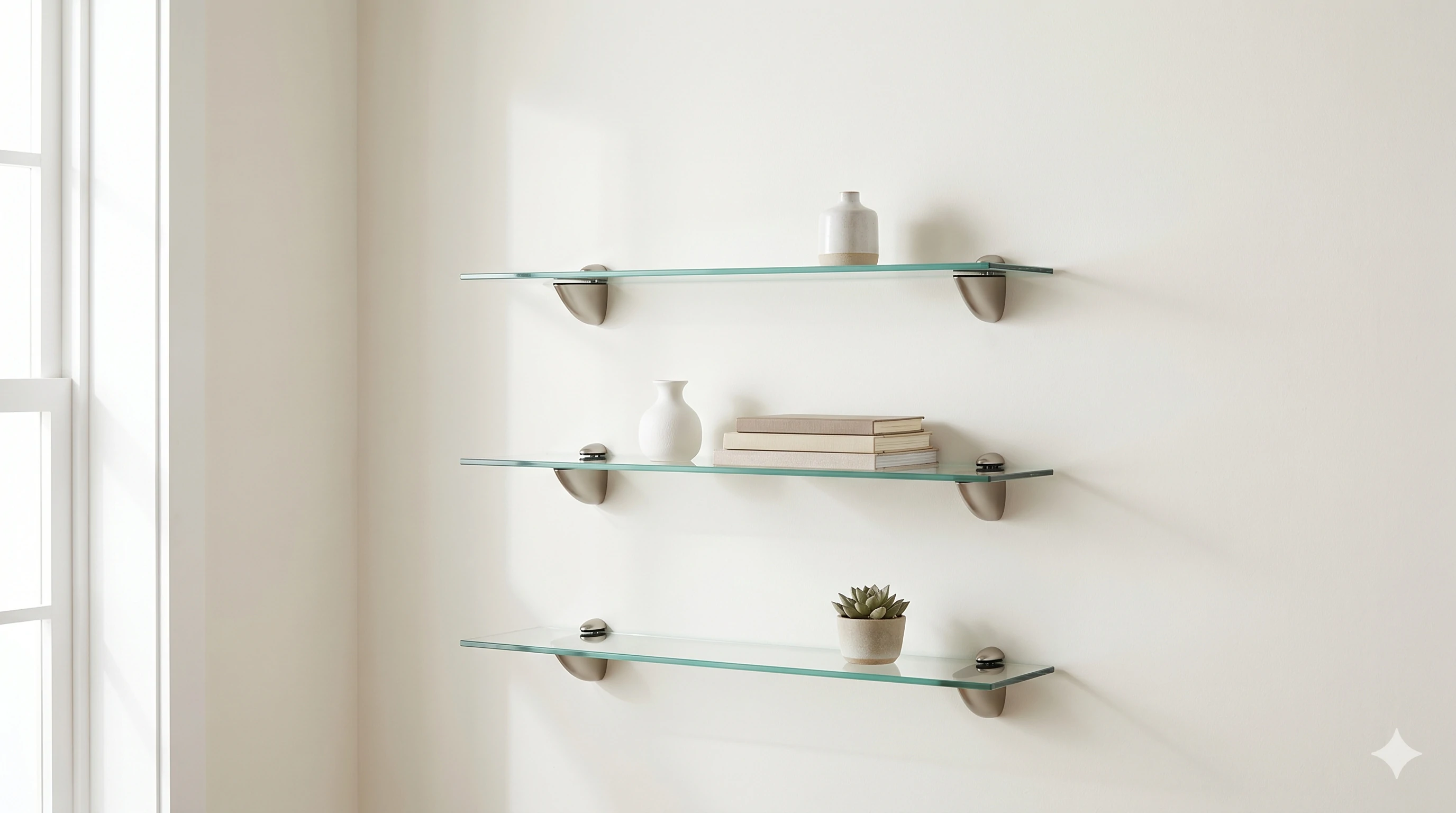
Glass clips (also called pelican clips or shelf clips) hold thin glass panels for or small partitions.
-
Design: Thin metal or plastic jaws with spring tension.
-
Capacity: 10–30 lbs per clip.
-
Use: Bathroom glass shelves, small display cases, interior partitions.
2. Hose Clips (Light-Duty Piping)
Hose clips (also called Jubilee clips in some regions) are light-duty versions of hose clamps.
-
Design: Thin band.
-
Capacity: 5–20 lbs of tension.
-
Use: Small garden hoses, low-pressure tubing, vacuum lines.
3. Spring Clips (General Purpose)
Spring clips are small, U-shaped metal fasteners for holding thin materials.
-
Design: Flexible spring steel.
-
Capacity: 5–15 lbs.
-
Use: , trim molding, paper/photo holders.
4. Retaining Clips (Mechanical)
Retaining clips ( ) secure small components to shafts or holes.
-
Design: Thin metal rings with spring tension.
-
Capacity: 10–40 lbs.
-
Use: Small machinery, appliances, automotive parts.
Key Features of Clips
-
Thin, flexible construction
-
Spring-loaded or friction-based tension
-
No tools required for installation/removal
-
Lightweight materials (spring steel, plastic)
-
Designed for temporary or light permanent use
Common Misconceptions: Are Hose Clips and Hose Clamps the Same?
One of the most frequent questions is whether hose clips and hose clamps are identical. The short answer: No—they differ in strength, design, and use.
Hose Clamps
-
Heavy-duty
-
Screw-driven band
-
50–200 lbs clamping force
-
Permanent seal for high-pressure hoses (plumbing, automotive)
Hose Clips
-
Light-duty
-
Spring-loaded band
-
5–20 lbs tension
-
Temporary or light seal for low-pressure hoses (garden, vacuum)
In short: All hose clamps are fasteners, but not all fasteners are clamps. Hose clips are light-duty alternatives to hose clamps.
Clamps vs. Clips: How to Choose the Right Hardware
Choosing between clamps and clips depends on three key factors: load requirement, material thickness, and application type.
Choose a Clamp If:
-
You need structural support (glass railings, heavy piping)
-
The material is thick or heavy (10mm+ glass, industrial hoses)
-
You require a permanent, leak-proof or slip-proof hold
-
The application is outdoor, wet, or high-stress
Choose a Clip If:
-
You need light-duty holding (shelves, trim, cables)
-
The material is thin or lightweight (6–8mm glass, small hoses)
-
You want quick, tool-free installation/removal
-
The application is indoor, low-stress, or temporary
Frequently Asked Questions (FAQ)
Q: What is the main difference between a clip and a clamp?
A: Clamps are heavy-duty, screw-adjustable, load-bearing fasteners for permanent structural use. Clips are light-duty, spring/friction-based fasteners for quick, temporary or light permanent holding.
Q: What are the three types of clamps?
A: The most common categories are architectural glass clamps, fluid control hose clamps, and industrial pipe clamps.
Q: Are glass clips strong enough for shower doors?
A: No. Shower doors require heavy-duty glass clamps (spigots) rated for 100+ lbs. Clips only support light shelves, not structural glass.
Q: What is a Jubilee clip?
A: A Jubilee clip is a type of light-duty hose clip (spring steel band) used for low-pressure hoses. It is not a heavy-duty hose clamp.
Q: Can clips be used outdoors?
A: Only premium stainless steel clips resist rust. Plastic or cheap steel clips degrade quickly in UV/rain. Clamps are always preferred for outdoor structural use.
Conclusion
The difference between clamps and clips boils down to strength, design, and purpose. Clamps are heavy-duty, adjustable, and built for structural safety and permanent holds. Clips are light-duty, spring-loaded, and designed for quick, low-load applications.
Confusing the two risks weak connections, safety hazards, or premature failure. Always match the hardware to your project’s load, material, and environment.
Ready to find the right fastener for your project? Browse our heavy-duty glass clamps, spigots, and structural hardware—engineered for safety, durability, and precision. Contact our team today for expert advice on your architectural or industrial hardware needs.
Footnotes
Comprehensive overview of industrial fasteners and their various mechanical applications.
Detailed safety standards and definitions regarding guardrails and protective barriers.
Technical reference on systems of pipes used to convey fluids in industrial contexts.
Guide to the manufacturing process and structural properties of toughened safety glass.
Explanation of EPDM rubber properties and its common sealing applications.
Review of different mechanisms used to turn screws and apply torque.
Description of floating shelves and their architectural implementation.
Information on the resilient characteristics and applications of spring steel.
Best practices and methods for organizing electrical and optical cables.
Mechanical engineering guide to circlips and retaining rings.