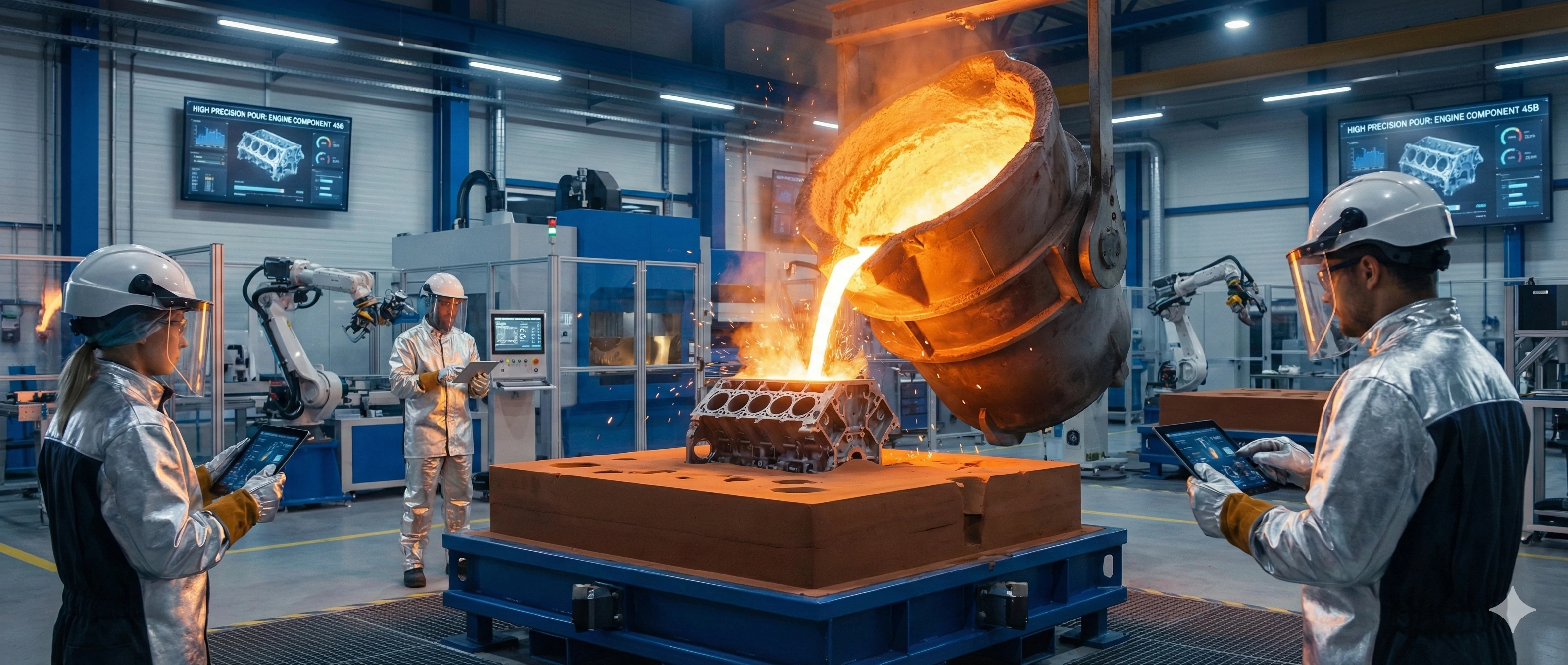
In our daily operations on the foundry floor, we constantly see the challenges engineers face when designing complex vehicle parts. Heavy, inefficient components lead to poor fuel economy and reduced performance. We solve this by pouring into precision molds, creating the very foundation of modern vehicles.
Automotive casting is the manufacturing process where molten metal is poured or injected into a mold to form vehicle components. It accounts for approximately 15-20% of a modern car’s total weight and is the single largest market for foundries globally.
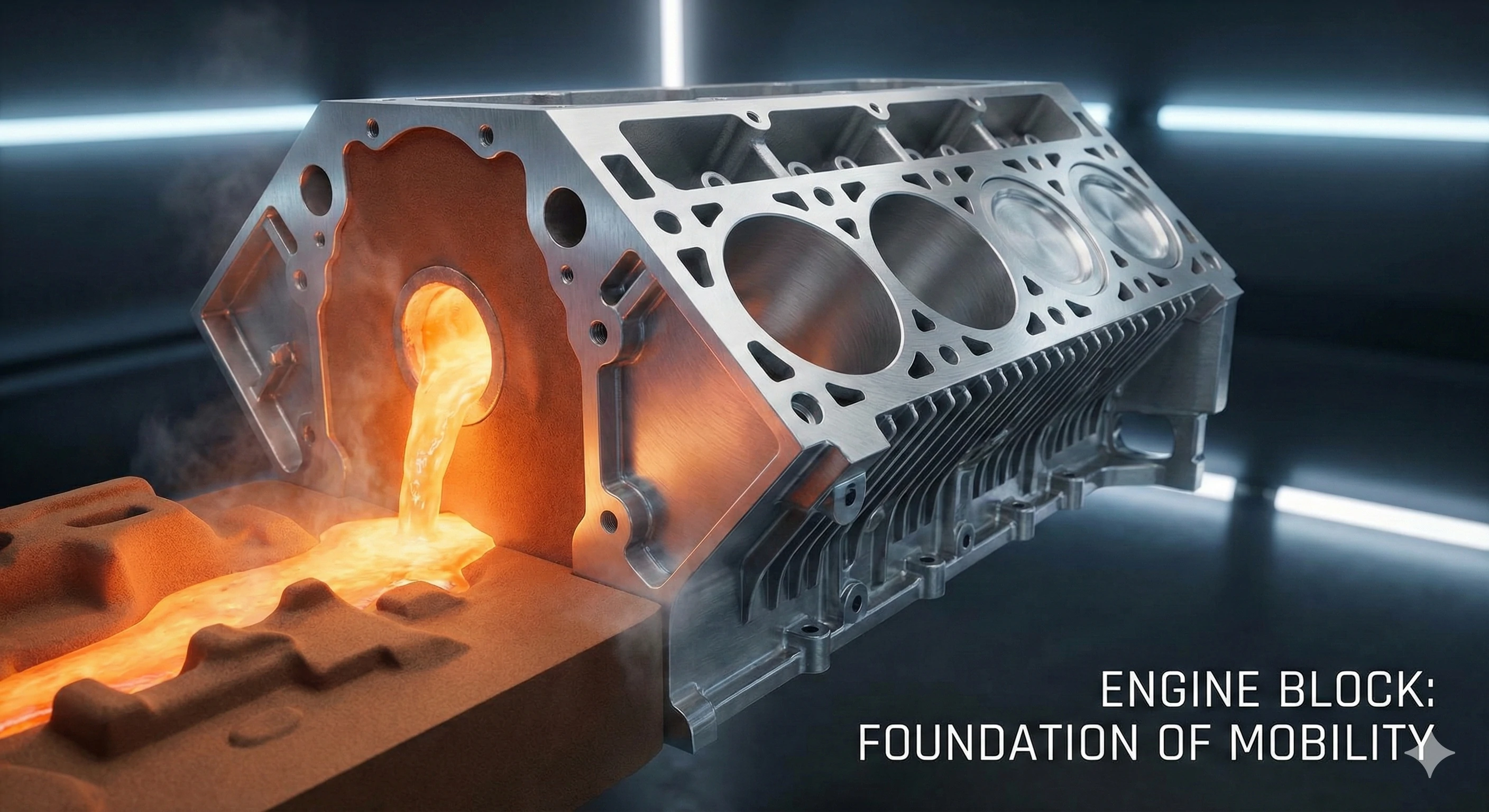
Let us explore why cars are cast instead of machined, and how the industry is shifting from heavy iron to lightweight aluminum and precision .
Why Cast Cars? (The Economic & Engineering Logic)
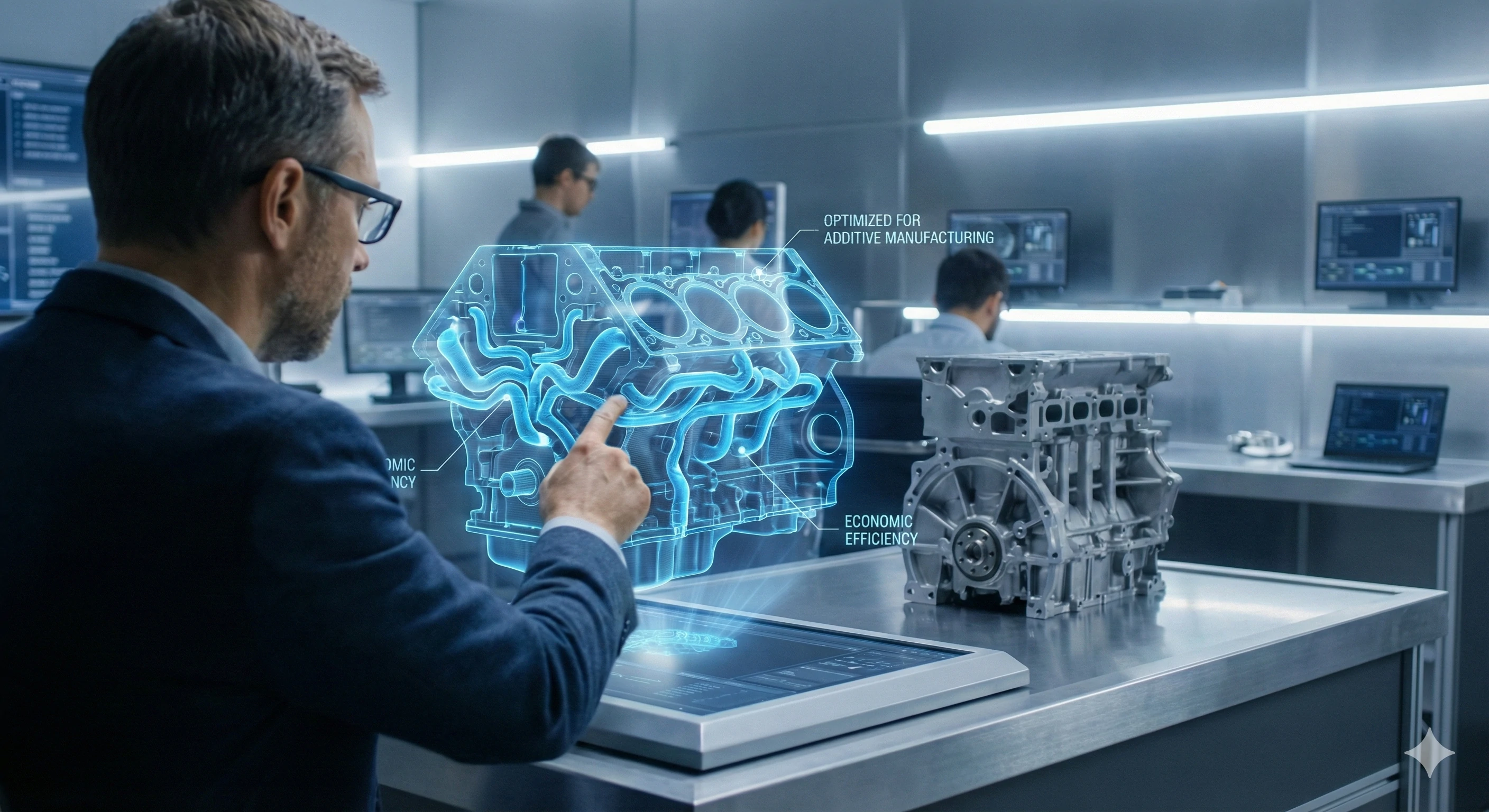
When our engineering team reviews blueprints for new engine blocks or transmission housings, the geometric complexity is often staggering. Trying to cut these intricate internal channels from solid metal blocks would waste immense time and material, driving up production costs dramatically. By casting these components, we eliminate that waste and provide a highly economical solution for .
Cars use cast components because the process economically produces geometrically complex parts like engine blocks with internal 3D channels that cannot be drilled. Additionally, casting enables mass production of identical parts while providing natural vibration damping for a smoother ride.
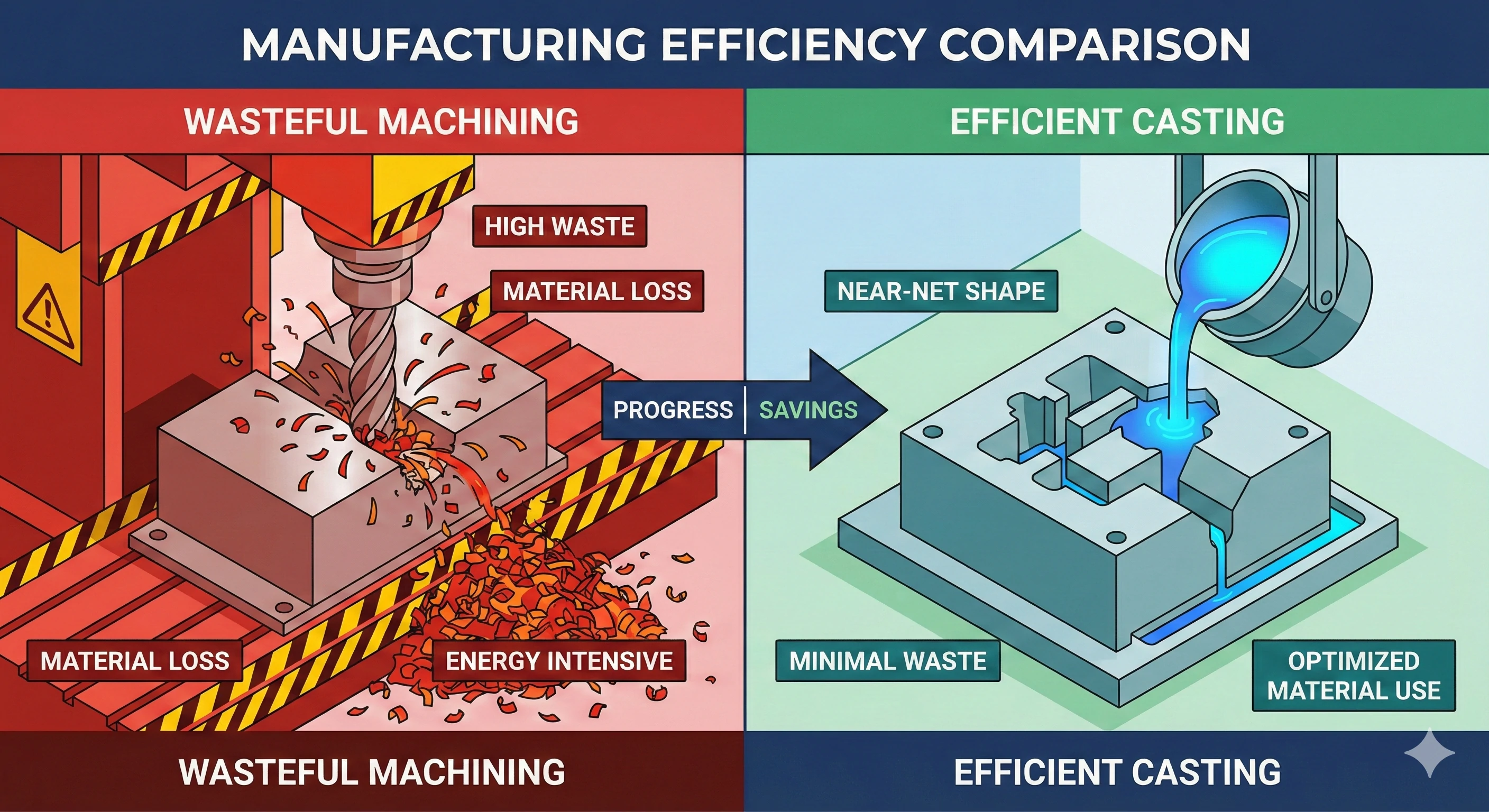
When we look at the engineering requirements of modern vehicles, the logic behind casting becomes very clear. Geometric complexity is the primary reason we use this method. For example, an engine block or has highly intricate internal channels. These channels are necessary to hold oil and coolant. They twist and turn in complex three-dimensional space. You simply cannot drill these complex pathways using traditional tools. They must be cast directly into the metal.
The Need for Mass Production
Mass production is another major factor driving the automotive industry. Car manufacturers often need to make 100,000 identical engine blocks per month. Casting is the only way to achieve this incredible volume economically. If you try to machine an engine block from a solid block of metal, it would waste 80% of the material. Furthermore, machining would take days to finish just one piece. In contrast, casting the same part takes only minutes. The casting process wastes almost nothing, making it highly efficient.
Creating a Smoother Ride
Finally, we must consider the comfort of the driver. Engines create intense vibrations during operation. Cast metals naturally absorb the vibration of the engine. Cast iron is especially good at this damping effect. This natural absorption makes the ride much smoother for the passengers inside the vehicle.
| Feature | Casting Method | Machining Method |
|---|---|---|
| Material Waste | Almost zero waste | Wastes 80% of material |
| Production Speed | Takes minutes per part | Takes days per part |
| Shape Complexity | High 3D complexity | Limited by drill access |
| Volume Capability | 100,000 parts/month | Low volume only |
The "Big Three" Automotive Casting Methods?
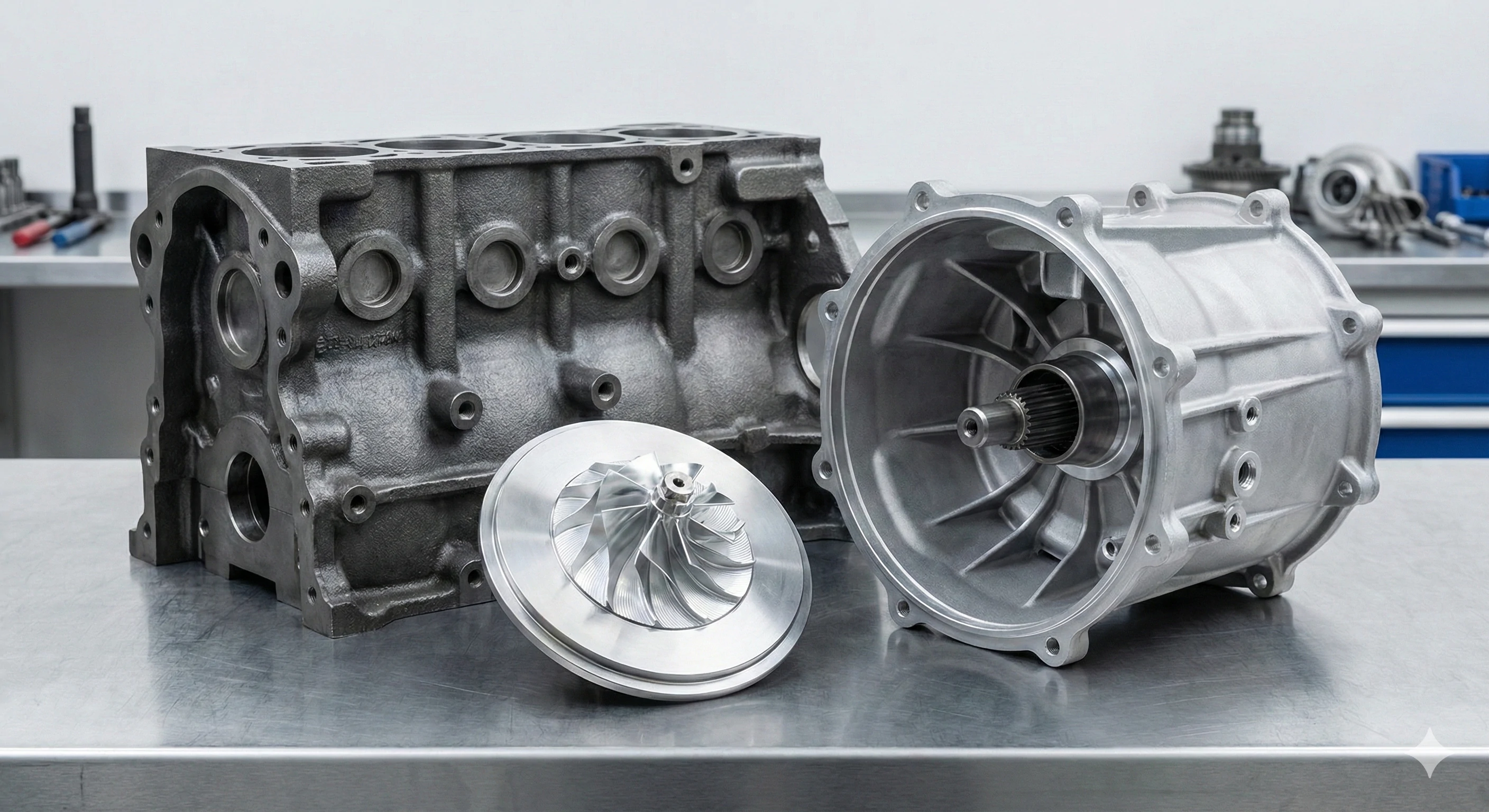
Clients frequently approach our facility unsure of which casting technique best suits their specific vehicle components. Selecting the wrong method can lead to parts that fail under high heat or add unnecessary weight to the vehicle. We carefully evaluate each project to match it with the ideal casting process, ensuring optimal performance, durability, and cost-efficiency.
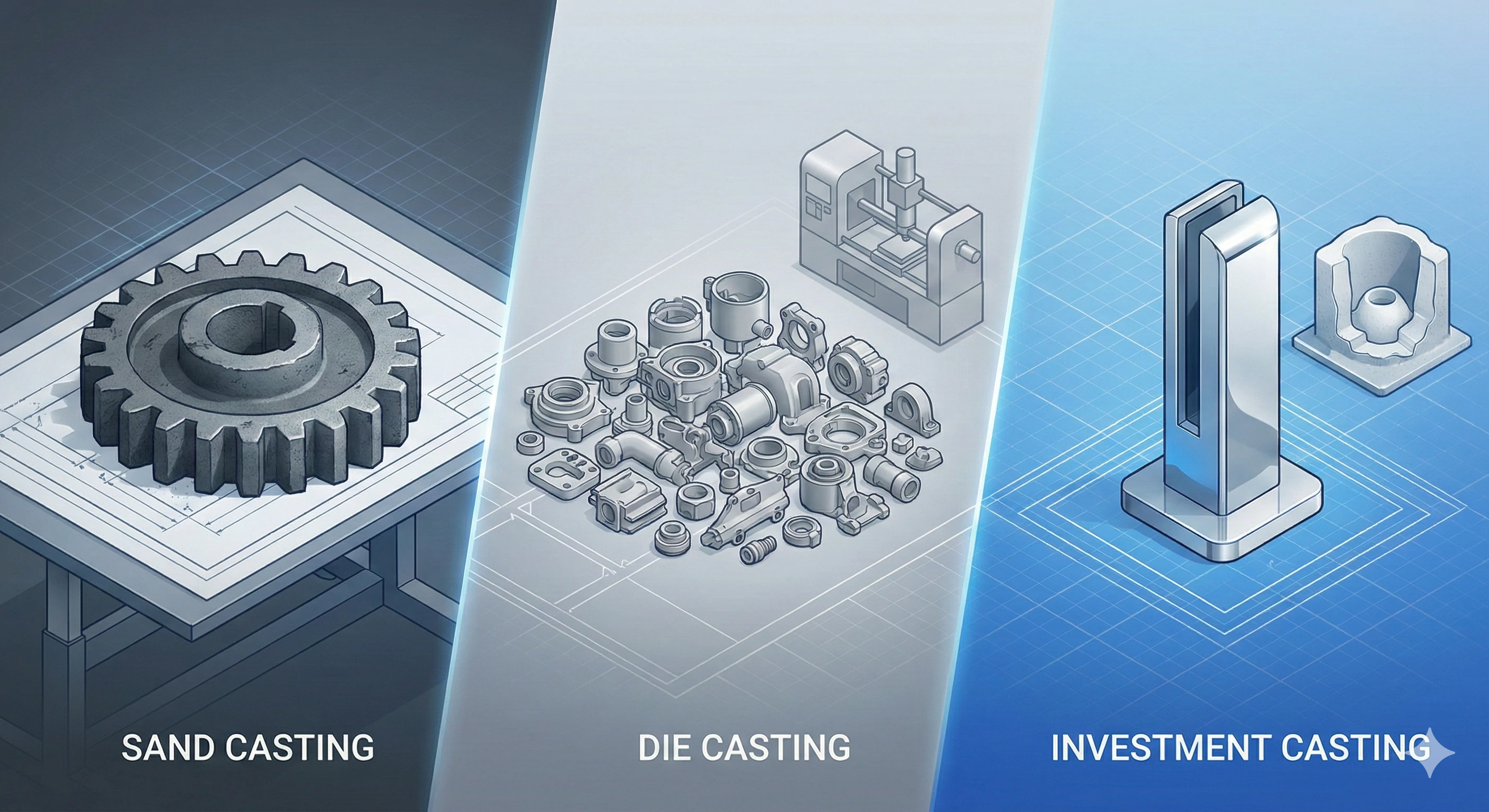
The big three automotive casting methods are die casting, sand casting, and investment casting. Die casting handles high-volume aluminum parts, sand casting creates heavy iron engine blocks, and investment casting produces precision steel components that withstand extreme heat.
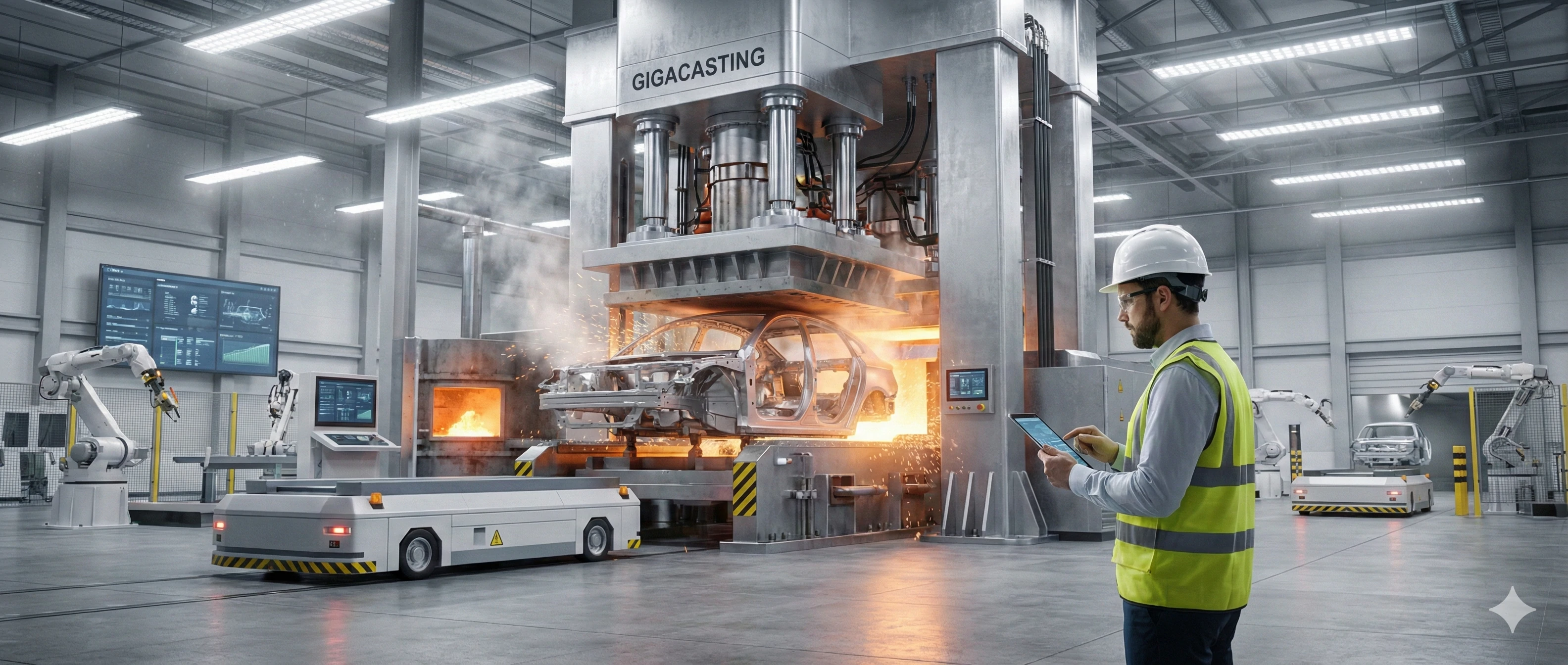
Understanding the different casting methods is vital for any automotive project. There are three main processes used in the industry today. We call them the "Big Three." Each method has a specific purpose and uses different metals.
Die Casting: The Volume King
Die casting is known as the volume king of the industry. It accounts for 60% of all auto castings. This process mainly uses lightweight metals like . We typically see die casting used for transmission cases, brackets, and instrument panels. A massive trend in this space is "Gigacasting". Popularized by Tesla, Gigacasting uses massive machines to cast the entire rear frame of a car in one shot. This replaces over 70 welded stamped parts, significantly reducing weight and assembly time.
Sand Casting: The Heavy Lifter
Sand casting is the traditional heavy lifter. It primarily uses heavy metals like grey iron and ductile iron. This method is famous for creating large engine blocks, cylinder heads, and brake rotors. However, this method is currently declining as car engines get smaller and lighter.
Investment Casting: The Precision Specialist
Investment casting is the precision specialist. This is our specific niche. It uses high-strength metals like stainless steel, carbon steel, and . We use this method to produce turbocharger wheels, exhaust manifolds, EGR valves, and fuel system housings. The main reason for using investment casting is that it produces smooth surfaces for airflow in exhaust systems. More importantly, it handles extreme heat that would simply melt aluminum die-cast molds.
| Casting Method | Common Metals Used | Primary Automotive Applications | Current Industry Trend |
|---|---|---|---|
| Die Casting | Aluminum, Magnesium, Zinc | Transmission cases, brackets | Moving towards "Gigacasting" |
| Sand Casting | Grey Iron, Ductile Iron | Engine blocks, brake rotors | Declining due to smaller engines |
| Investment Casting | Stainless Steel, Inconel | Turbocharger wheels, exhaust | Growing with turbocharger use |
The "Lightweighting" Revolution (Weight Reduction)?
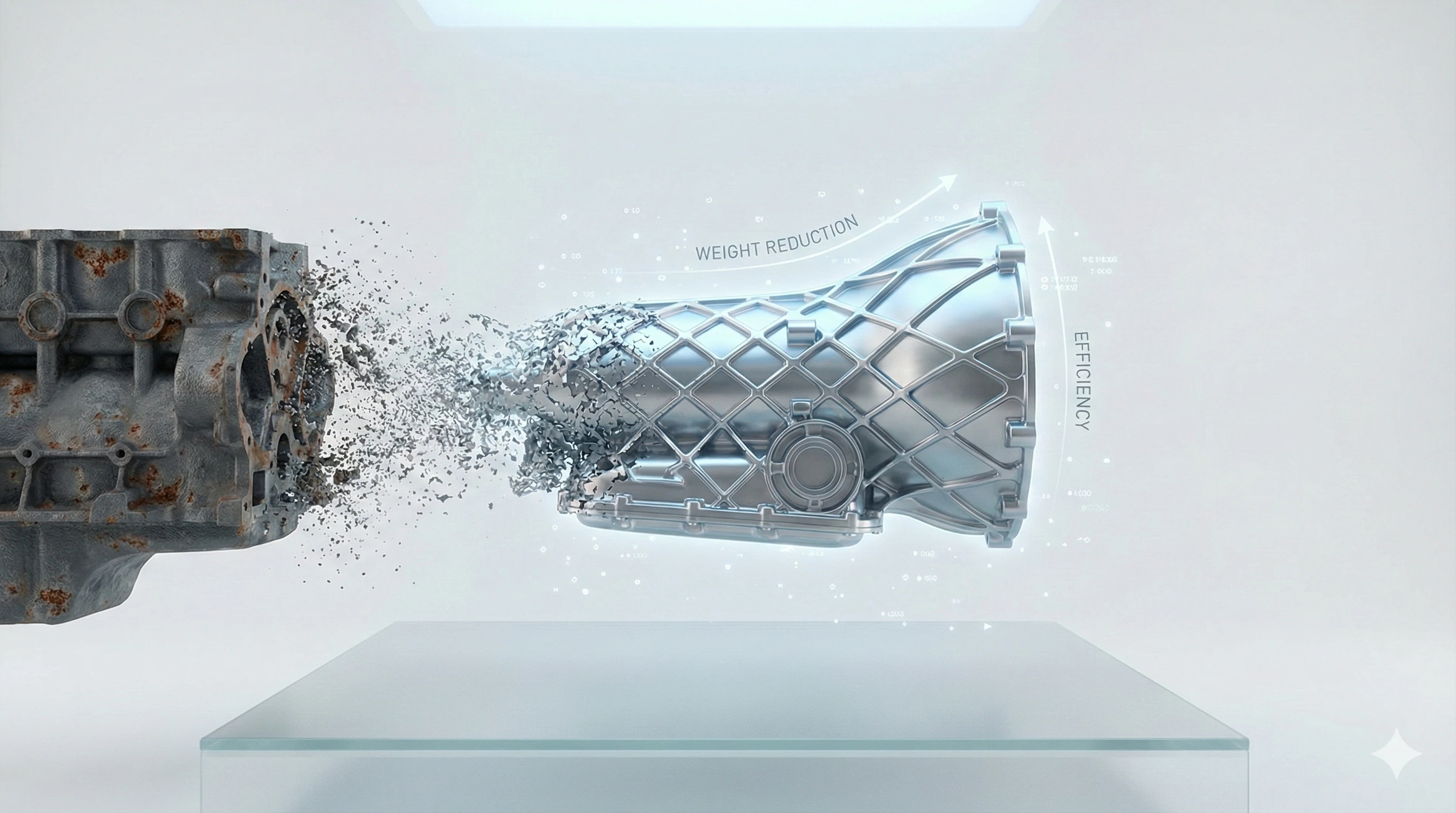
In our experience developing next-generation vehicle components, excessive weight remains the biggest enemy of efficiency. Heavier cars burn more gas in and severely restrict the range of electric vehicles. By transitioning to advanced lightweighting casting techniques, we help automotive engineers shed crucial kilograms, boosting overall performance and meeting strict environmental standards.
The lightweighting revolution is the number one driver in the auto industry today. The goal is to reduce weight by replacing heavy cast iron parts with aluminum die casting and thin-walled stainless steel investment castings to improve efficiency.
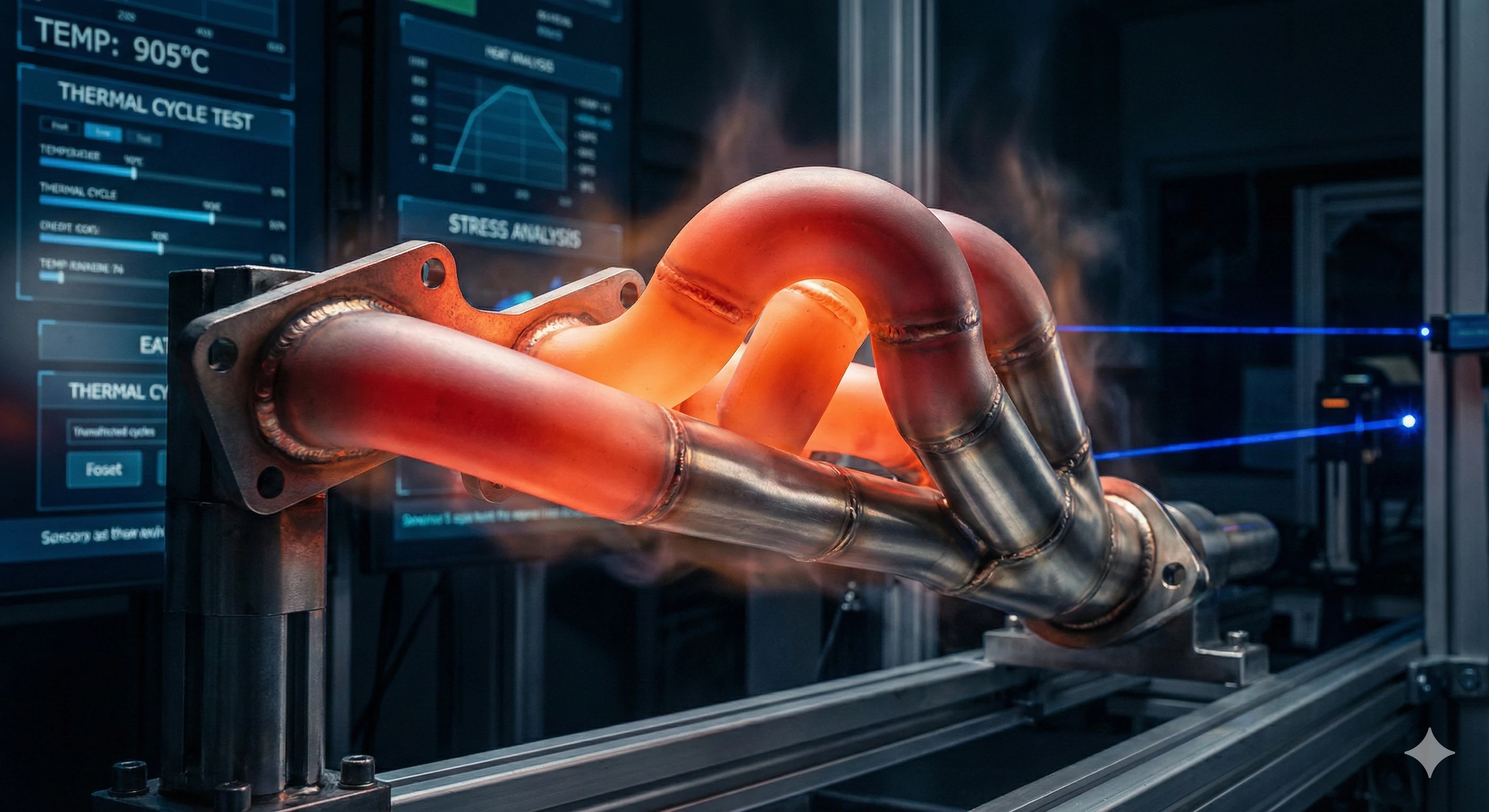
The automotive industry is going through a massive transformation. This transformation is driven by the need to reduce vehicle weight. Lightweighting is the number one driver in the auto industry today. The core problem is simple. Heavier cars burn more gas in internal combustion engines. For electric vehicles, heavy weight means less driving range.
The Casting Solution for Weight Reduction
The casting industry has developed a strong solution to this weight problem. The strategy involves a major shift in materials. First, we are replacing heavy cast iron parts with aluminum die casting. Aluminum is much lighter than iron but still offers great strength. Second, we are replacing thick-walled iron manifolds with thin-walled stainless steel investment castings.
The Value of Precision Engineering
This is where our value becomes clear. Investment casting allows us to create parts with extremely thin walls, often just 2-3mm thick. Even with such thin walls, these parts remain incredibly strong. This precision engineering saves precious kilograms in the engine bay. Furthermore, as engines get smaller due to downsizing, they all get turbochargers. Turbos get very hot, reaching temperatures of 900°C. Only investment casting handles that heat safely. By using these advanced methods, we are moving the industry away from "Heavy and Cheap" iron toward "Light, Strong, and Precise" aluminum and stainless steel.
| Material Type | Weight Characteristic | Heat Resistance | Common Application |
|---|---|---|---|
| Cast Iron | Very Heavy | High | Old engine blocks |
| Aluminum | Lightweight | Low | Motor housings |
| Stainless Steel | Strong (Thin-walled) | Very High (900°C) | Turbos, Exhaust |
Automotive Casting in the EV Era (Electric Vehicles)?
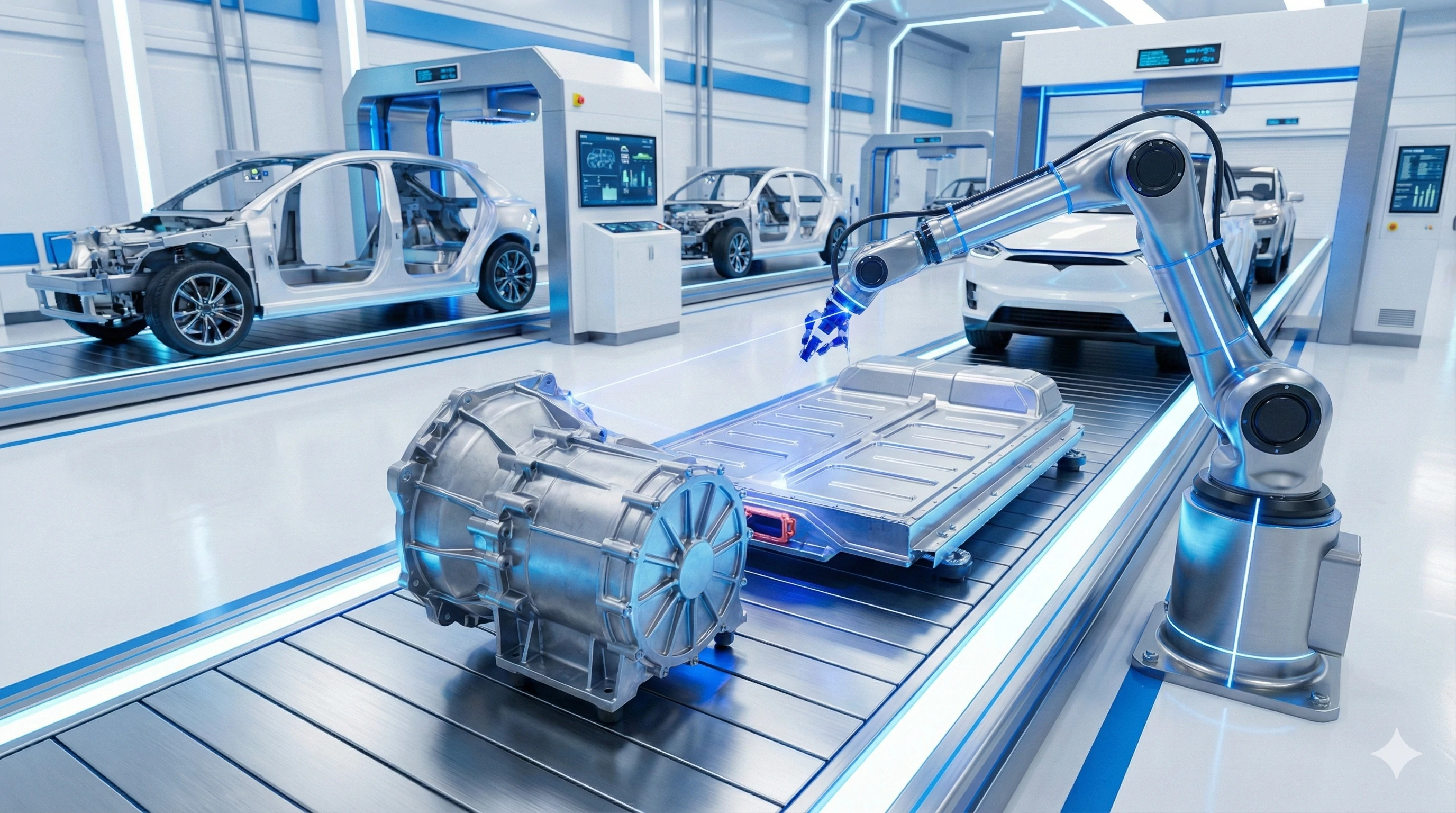
As we adapt our production lines for the electric vehicle boom, we see traditional casting demands shifting dramatically. The elimination of heavy engine blocks leaves many suppliers scrambling to adjust, while EV manufacturers struggle to source specialized thermal and structural components. We focus on creating precision parts for the unique challenges of electric mobility, ensuring batteries stay cool and motors remain protected.
In the EV era, automotive casting is shifting away from traditional engine blocks toward new electric components. The new opportunity lies in producing large aluminum motor housings, structural battery trays, and complex investment cast connectors for thermal management systems.
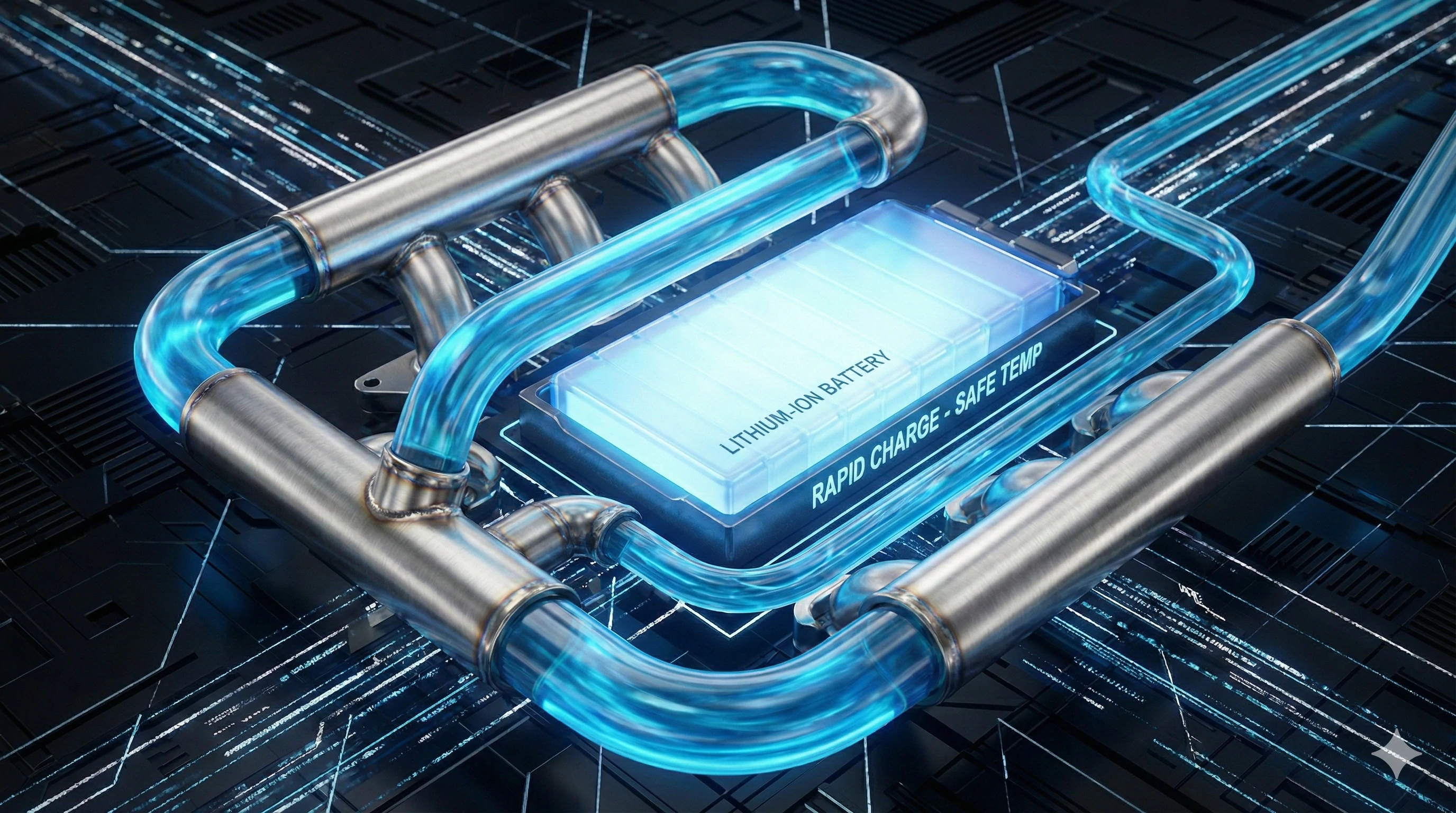
The rise of Electric Vehicles (EVs) is changing everything about how cars are built. The biggest shift is the removal of the traditional internal combustion engine. EVs do not have engine blocks. This is a major disruption because engine blocks were the biggest market for sand casting.
New Opportunities in Electric Mobility
However, the future of mobility brings exciting new opportunities for the casting industry. While we lose the engine block, we gain several new essential components. First, EVs require motor housings. These are typically large aluminum castings that protect the electric motor. Second, EVs need battery trays. These are critical designed to protect the sensitive battery cells from damage during a crash.
Thermal Management Innovations
Finally, we see a huge demand in cooling systems. Electric vehicle batteries get very hot during rapid charging and heavy acceleration. They require advanced thermal management systems to operate safely. We produce complex investment cast connectors for these systems. These connectors must be perfectly precise to prevent any fluid leaks. This focus on efficiency and safety is what drives the future of mobility forward.
Quality Standards: IATF 16949 & PPAP?
Navigating automotive supply chains is incredibly risky for companies that partner with uncertified foundries. Substandard parts can lead to catastrophic failures, costly recalls, and a complete loss of consumer trust. We strictly adhere to rigorous global quality frameworks, providing our clients with the documentation and stable processes needed to guarantee safety and reliability.
Quality standards like IATF 16949 and PPAP are rigorous rules you must follow to supply a car company. IATF 16949 is the global quality management system, and PPAP proves your casting process is completely stable.
When you build components for cars, quality is not optional. It is a strict requirement. You cannot supply a car company unless you follow very strict quality rules. These rules act as a vital B2B trust signal. They prove to the buyer that the supplier is capable and reliable. Mentioning these standards proves you are a professional tier supplier.
Understanding IATF 16949
The most important standard is . This is the recognized global quality management system specifically designed for the automotive industry. It focuses on continuous improvement, defect prevention, and the reduction of variation and waste in the supply chain. Every certified factory must pass rigorous audits to maintain this status.
The Role of PPAP
The second critical requirement is PPAP, which stands for . PPAP is a rigorous paperwork process. Its main purpose is to prove that your casting process is completely stable and repeatable. It ensures that the supplier understands all customer engineering design records and specifications.
Frequently Asked Questions
What is the difference between casting and forging in automotive?
Casting melts the metal into a liquid to create complex shapes like engine blocks. Forging hammers hot, solid metal to create simple, high-strength shapes like crankshafts and connecting rods.
Why are engine blocks cast instead of machined?
This is due to cost and complexity. Machining an engine block from a solid block of metal would waste 80% of the material and take days. Casting it takes minutes and wastes almost nothing.
What is "Gigacasting"?
Popularized by Tesla, Gigacasting uses massive Die Casting machines to cast the entire front or rear frame of a car in a single piece. It replaces over 70 welded stamped parts, reducing weight and assembly time significantly.
Conclusion
Automotive casting is rapidly evolving. The industry is moving away from "Heavy and Cheap" materials like iron toward "Light, Strong, and Precise" metals like aluminum and stainless steel. Developing a high-performance engine or EV component? We specialize in Precision Investment Casting that meets strict automotive weight and heat requirements. Contact us for a PPAP-ready quote.
Footnotes
1. Overview of liquid metals and their properties in industrial manufacturing environments.
2. Properties and applications of stainless steel in modern engineering and manufacturing.
3. How mass production revolutionizes manufacturing economics and output scales globally.
4. The mechanical function and complexity of transmission housings in modern vehicles.
5. Introduction to non-ferrous metals and their critical lightweight structural advantages.
6. Learn about Inconel and its exceptional performance resistance to extreme heat.
7. The mechanical operation and fuel dependency of traditional internal combustion engines.
8. General principles of the casting process for protective structural component applications.
9. Official global quality management system standard dedicated to the automotive industry.