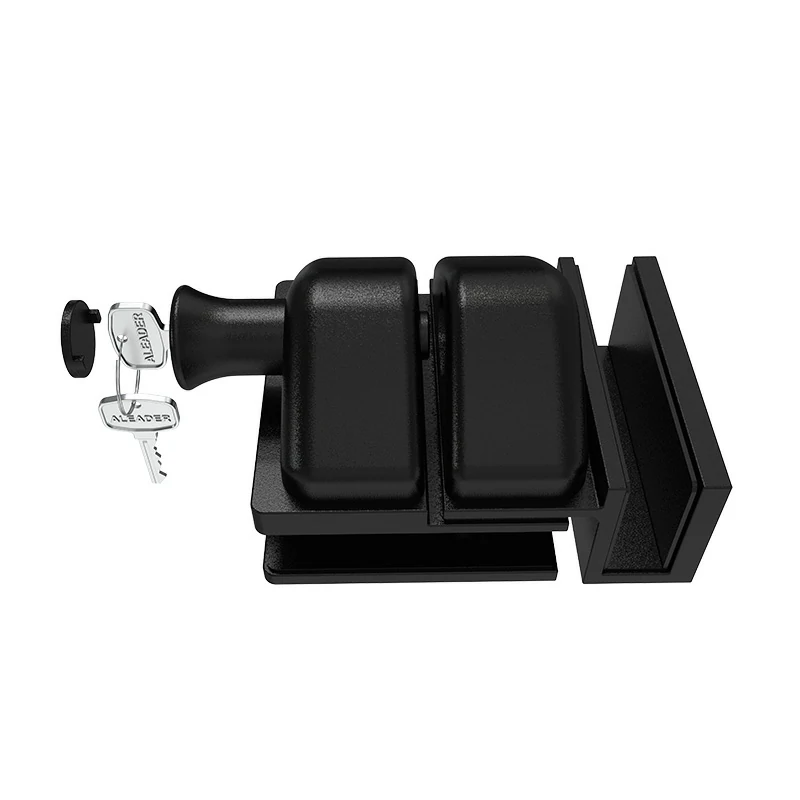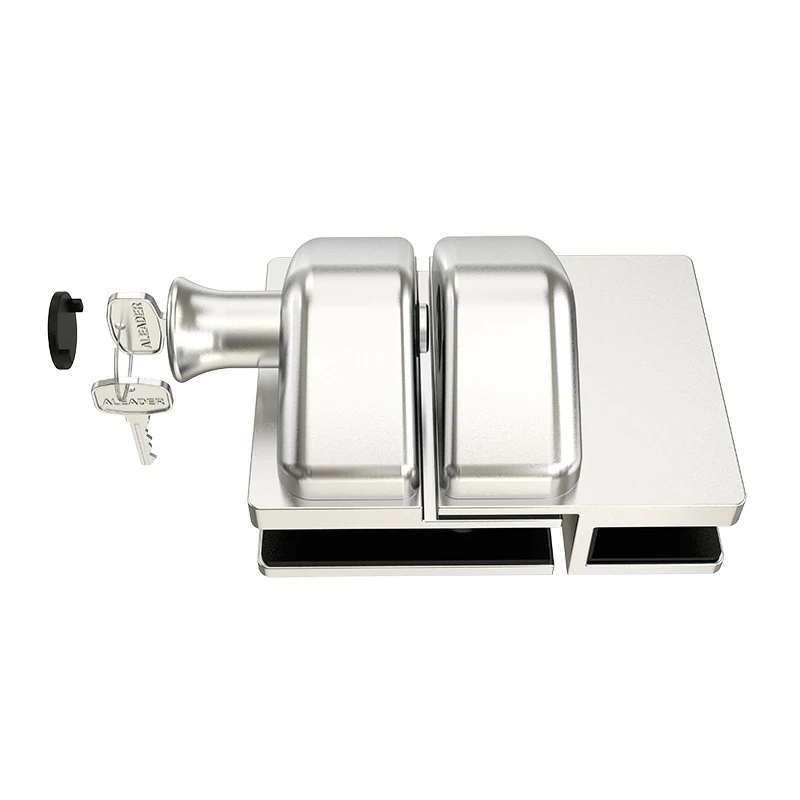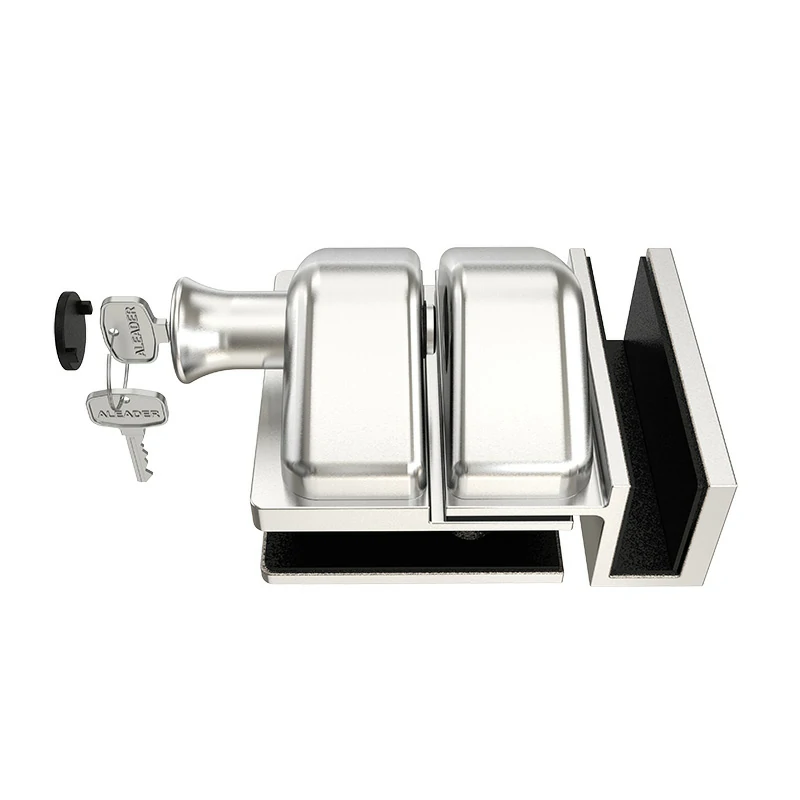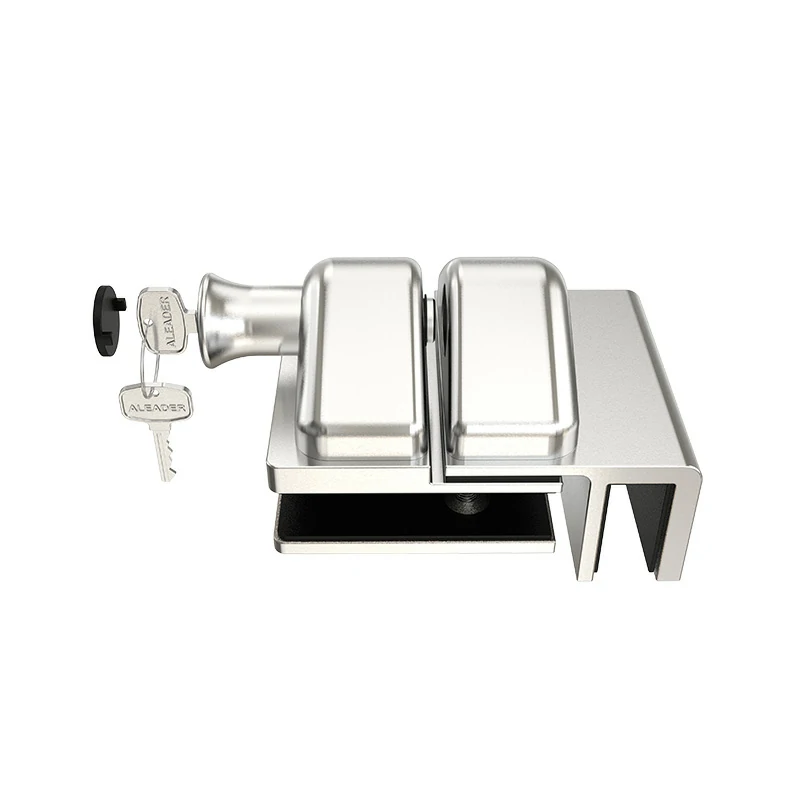
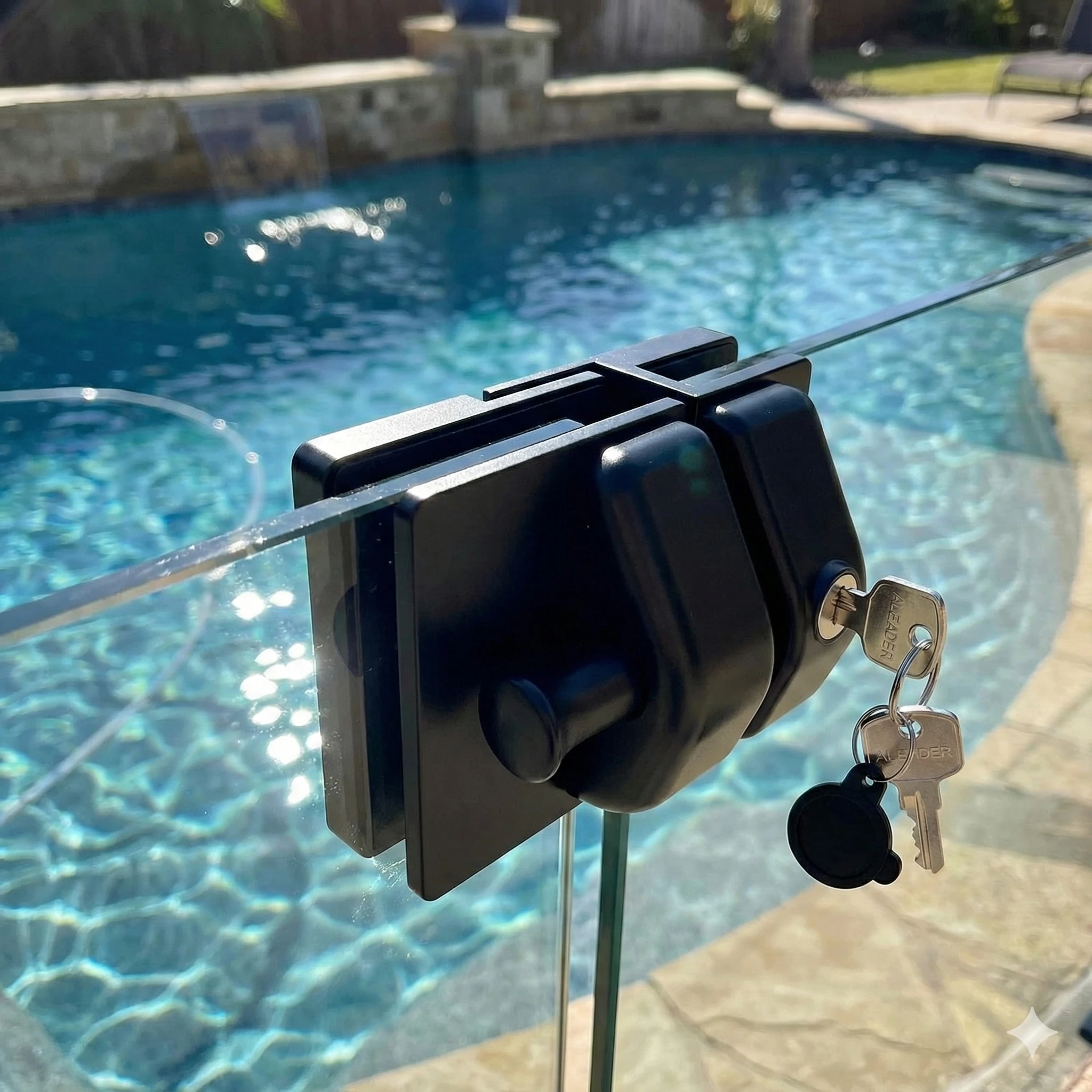
At its most basic level, a door latch is a mechanical component that connects two surfaces—most commonly a door and its frame—to keep the door closed. From bedroom doors to outdoor gates, latches quietly perform a simple but essential function: preventing unwanted movement.
However, one common misunderstanding is treating “latches” and “locks” as if they are the same thing. In practice, they serve very different roles.
Latch vs. Lock: What's the Difference?
Latch:
A latch’s job is to keep a door or gate in the closed position. It prevents swinging caused by wind, gravity, or accidental contact, but it does not necessarily restrict access.
Lock:
A lock is designed to prevent unauthorized entry. It requires a key, code, or specific action to open and is focused on security rather than simple closure.
A useful way to think about it is this:
A latch answers, “Is the door closed?”
A lock answers, “Is the door secured?”
While many traditional doors use simple latch mechanisms, this article focuses on one of the most safety-critical applications today: magnetic pool gate latches for frameless glass fencing. In modern pool safety design, these systems are widely regarded as the most reliable option available.
How Does a Door Latch Work? (The Mechanics)
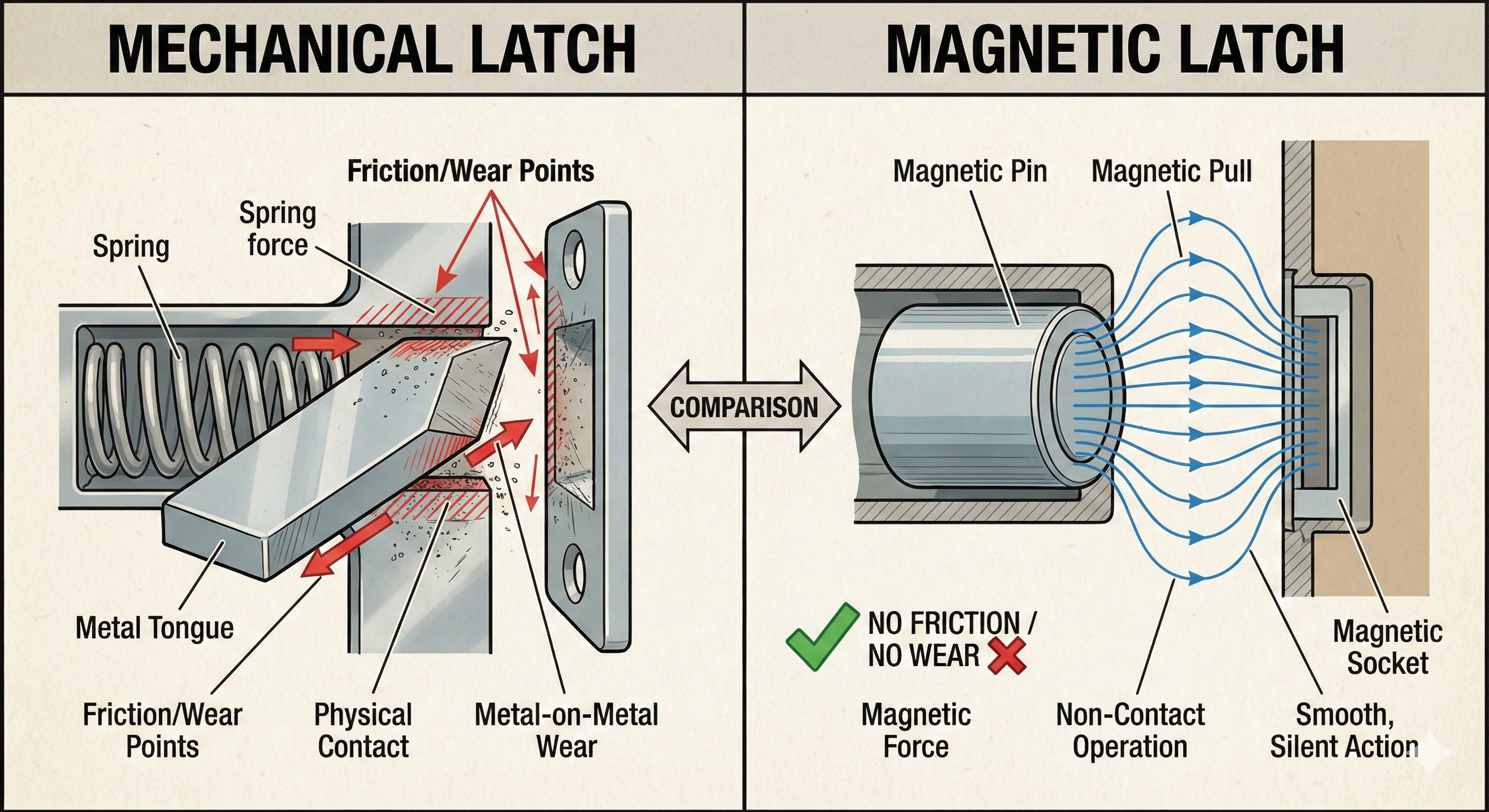
Understanding how different latch mechanisms work explains why some are suitable for safety-critical environments—and others are not.
Traditional Mechanical Latches
Most interior doors rely on spring-loaded latches. Inside the mechanism, a metal bolt retracts when the handle is turned and extends into a strike plate when released. The spring provides constant pressure to keep the bolt engaged.
The Problem with Mechanical Latches
Mechanical systems depend on moving parts, and moving parts create friction. Over time, springs fatigue, metal surfaces wear down, and corrosion sets in. Eventually, this leads to inconsistent performance or complete failure.
In a residential interior door, this may be a minor inconvenience. On a pool gate, it can be catastrophic.
A gate that fails to latch because it closed too slowly is not just faulty—it is dangerous.
The Modern Solution: Magnetic Latches
Magnetic latches eliminate most of the failure points found in traditional designs. Instead of relying on springs and friction, they use magnetic attraction to achieve engagement.
Inside the latch body is a high-strength permanent magnet. When the gate swings into alignment, the magnet draws a metal pin into place with consistent force. There are no springs to weaken, no friction surfaces to wear out, and no delicate internal components to jam.
The result is reliability. Whether the gate closes gently or slams shut, the latch engages the same way every time.
For pool gates—where every single closure must result in a secure latch—this consistency can quite literally save lives.
Common Types of Latches (And Where to Use Them)
Before focusing further on pool safety latches, it helps to understand the broader latch landscape.
Tubular Latch:
Commonly found on bedroom and bathroom doors. Simple, inexpensive, and not designed for security.
Deadbolt:
A security-focused mechanism that must be manually engaged. Deadbolts are strong but unsuitable for applications requiring automatic closure.
Cam Latch:
Frequently used on cabinets, mailboxes, and electrical enclosures. A rotating cam engages behind a fixed surface.
Glass Gate Latches:
Designed specifically for frameless glass installations. These latches clamp onto the glass without drilling, preserving structural integrity and aesthetics—an essential requirement for modern glass pool fencing.
Deep Dive: Glass Pool Gate Latches (Top Pull vs. Side Pull)

Not all glass gate latches meet pool safety requirements. In fact, design choice here directly affects compliance.
Design:
Compact, discreet, and mounted at standard hand height, with the release mechanism located near the latch body.
Use Case:
Suitable for decorative glass doors, garden gates, or internal partitions where child safety regulations do not apply.
Limitation:
Because the release is easily reachable by children, side pull latches are not compliant for swimming pool barriers.
Top Pull Latch (The Safety Standard)
Design:
A vertical rod system with the release handle positioned at the top—typically 1500 mm or higher above ground level.
Use Case:
This is the required solution for most swimming pool fences. It keeps the release mechanism out of reach of young children while remaining convenient for adults.
The Safety Advantage:
Instead of making gates excessively tall, the latch itself provides the necessary child-resistant height. This allows standard-height glass gates to comply with safety codes.
Compliance:
Top pull latches are engineered to meet standards such as US CPSC guidelines and Australian Standard AS1926, both of which require high-mounted release mechanisms.
Mounting Styles: Glass-to-Glass vs. Glass-to-Wall
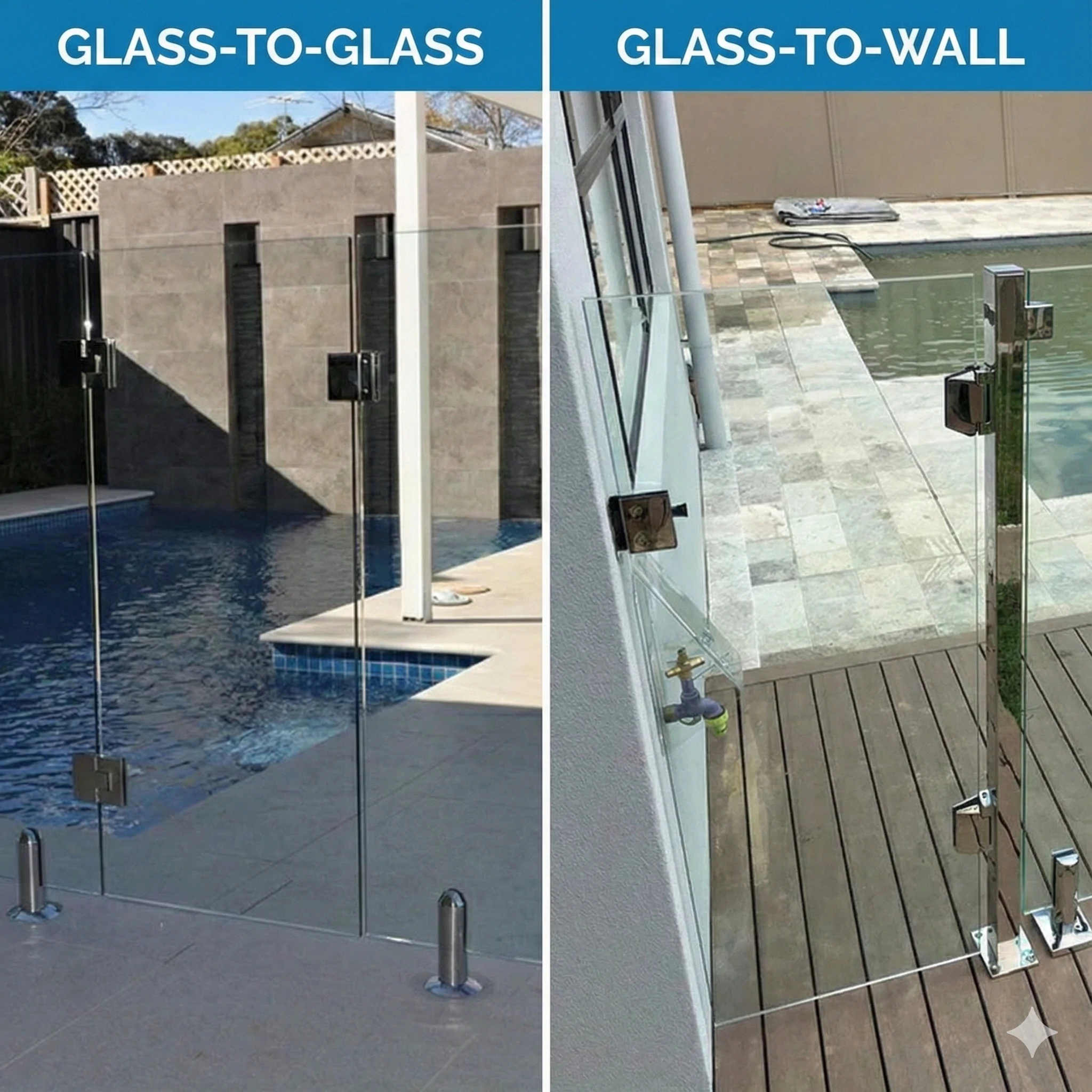
Correct latch selection depends entirely on your gate layout.
Glass-to-Glass Mounting
Used when a hinged glass gate closes against a fixed glass panel. One component mounts on the moving panel, while the receiver mounts on the fixed panel. Proper alignment allows the magnetic mechanism to engage when the gate closes.
Glass-to-Wall (or Post) Mounting
Used when the gate closes against a solid surface such as a wall or metal post. In this case, a wall-mounted striker plate replaces the glass receiver.
Critical Advice:
Measure first. Ordering the wrong mounting configuration is a common and avoidable mistake. When in doubt, photos and supplier consultation can save both time and cost.
Why "Self-Latching" is Non-Negotiable for Pools
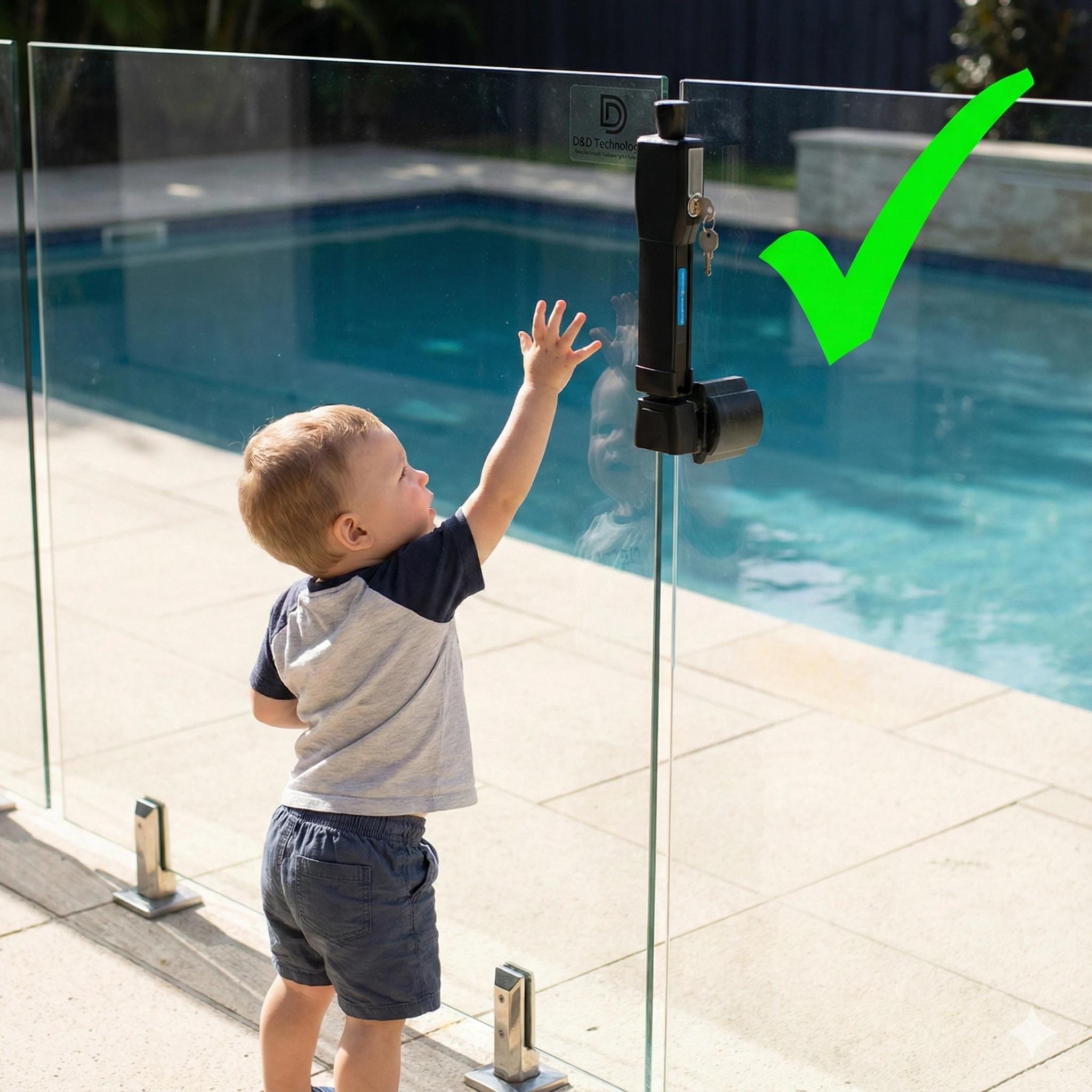
In pool safety, self-latching is not optional—it is mandated.
The Code Requirements
Regulations such as US CPSC guidelines require pool gates to automatically close and latch from any open position.
What “Self-Latching” Really Means
The gate must close and latch on its own whether it is released from 10 degrees open or 90 degrees open. Safety cannot depend on someone remembering to shut the gate properly.
The Life-Saving Reason
Drowning incidents happen quickly. In many documented cases, access occurred through a gate that was left unlatched for only a short time.
Magnetic self-latching systems eliminate human error. Even if a gate is released carelessly, it will close and secure itself.
The Dangerous Alternatives
Manual bolts, padlocks, or spring-dependent latches do not belong on pool gates. They rely on deliberate action and perfect conditions—both of which fail in real life.
A magnetic latch that engages regardless of closing speed is the only mechanism proven to deliver consistent protection.
Ensuring Compliance and Longevity
Even the best latch requires proper installation.
Installation:
Precise alignment is essential. Professional installation is strongly recommended for code compliance.
Maintenance:
Magnetic latches require minimal upkeep, but periodic checks ensure alignment has not shifted due to ground or fence movement.
Testing:
Regularly test the gate from multiple opening angles. It should close and latch completely every time without excessive force.
Conclusion
A latch keeps a door closed.
A lock restricts access.
A magnetic self-latching system protects lives.
When pool safety is involved, there is no room for compromise. Magnetic top pull latches combine reliability, code compliance, and long-term durability in a single solution. They remove friction, reduce failure, and eliminate human error.
If you are building or upgrading a pool fence, choose a system designed not just to function—but to protect.
Frequently Asked Questions
Can I put a lock on a magnetic latch?
Yes. Most premium magnetic pool latches include an integrated key lock, providing optional security without compromising automatic latching.
What is the difference between a latch and a catch?
A latch requires deliberate action to release, while a catch offers only light resistance. Catches are not suitable for safety barriers.
Why is my magnetic latch not catching?
Misalignment is the most common cause. Fence movement over time can shift positioning. Adjust the striker or receiver—most systems allow fine adjustment within a few millimeters.