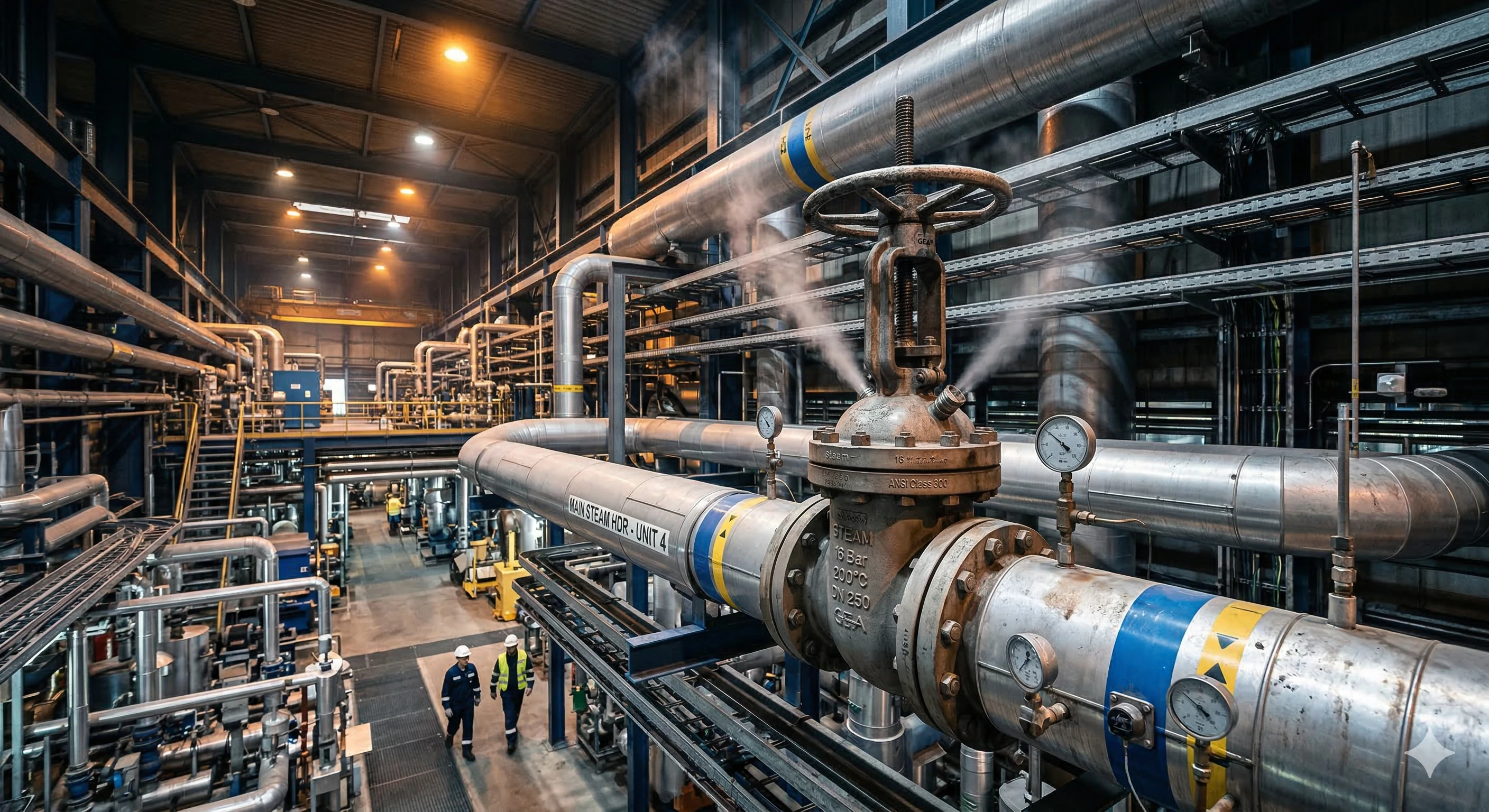
constantly face immense pressure, extreme temperatures, and corrosive fluids. If the connection points in these systems fail, it can lead to catastrophic blowouts, halted production, and severe safety hazards. At our foundry, we focus heavily on engineering robust metal components that securely house internal mechanics to prevent these exact disasters. We understand that sourcing reliable parts is critical for overall system safety.
Valve fittings are complex metal components, including valve bodies and bonnets, that house the internal mechanics of a valve and connect it securely to the pipeline. They control fluid flow while withstanding boiling steam, corrosive chemicals, and thousands of PSI of pressure without leaking.
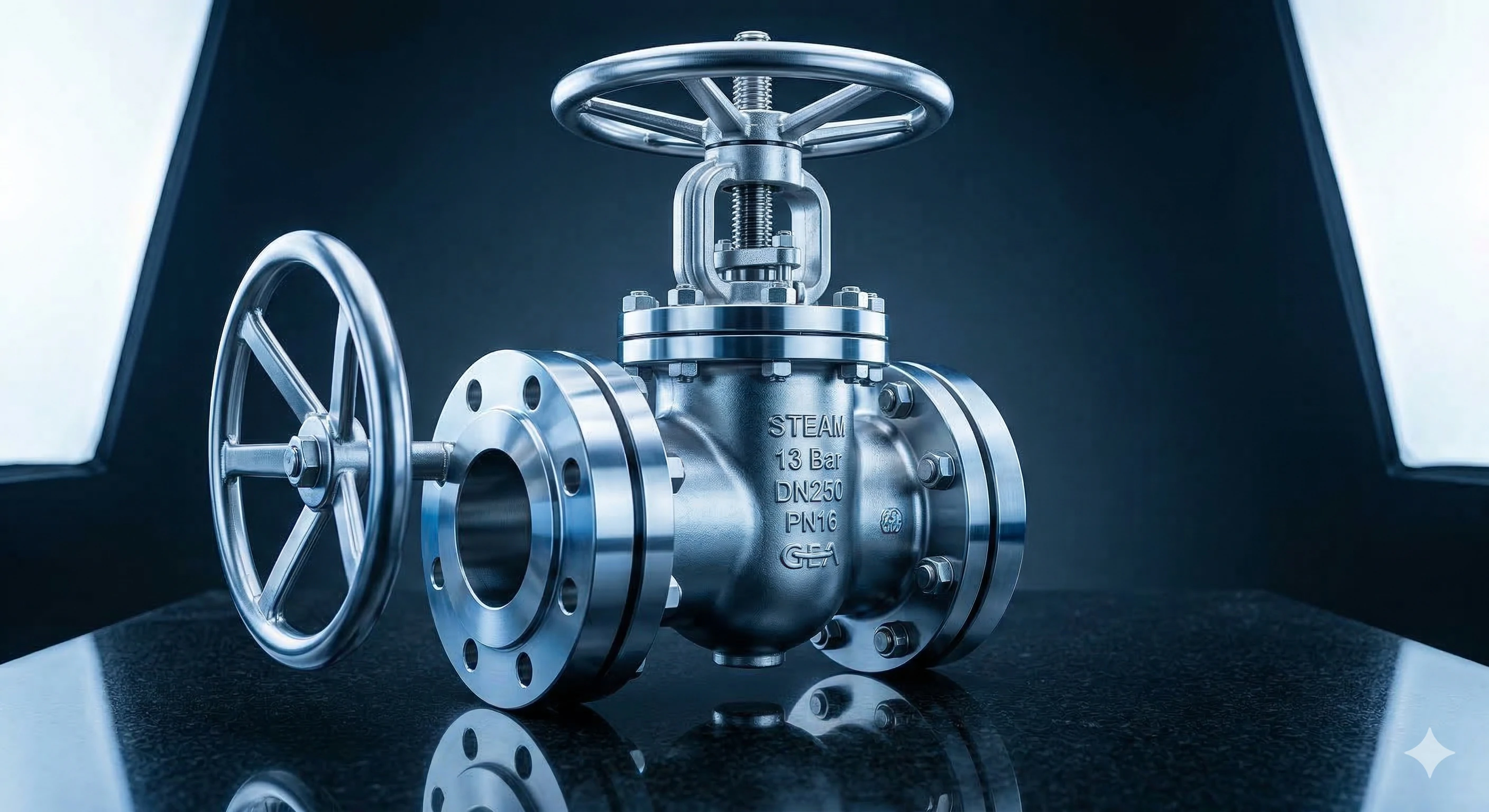
Let us explore the main types of these essential components, the specific metal alloys required to survive harsh environments, and the strict precision manufacturing processes we follow to guarantee a reliable, 100% leak-proof seal.
What Is The Anatomy Of Valve Fittings?
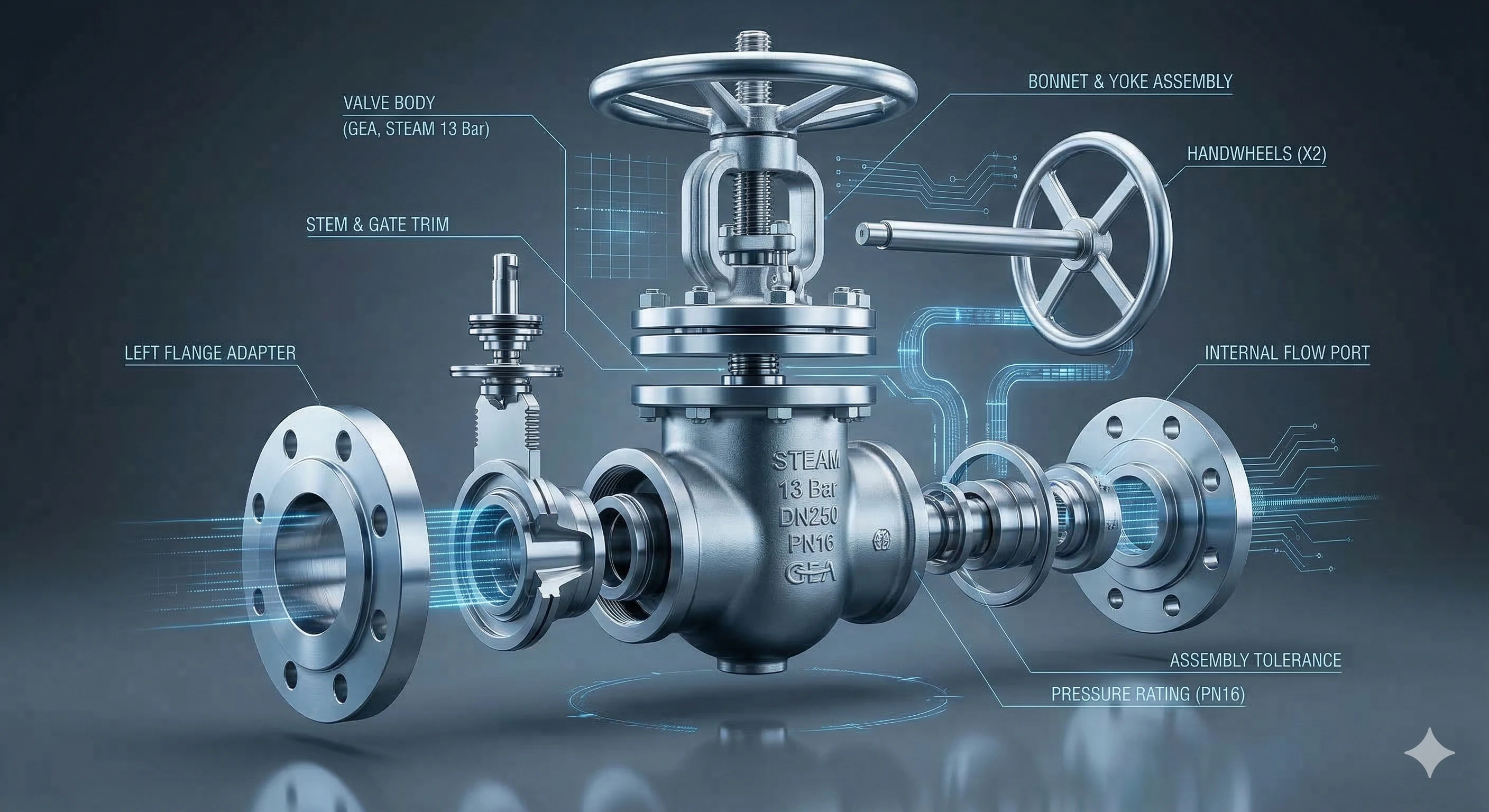
Sourcing industrial parts can become confusing when technical terminology overlaps. If buyers misunderstand the specific components they need, it often results in incorrect orders, long project delays, and compromised system integrity. When our engineers review technical drawings from our overseas clients, we always break down the entire assembly into clear, distinct parts to ensure perfect compatibility and smooth OEM production.
The anatomy of valve fittings consists of four main parts: the valve body which contains the pressure, the bonnet which covers the top, the flanges for pipeline connection, and the internal stem and trim that physically regulate the fluid flow.
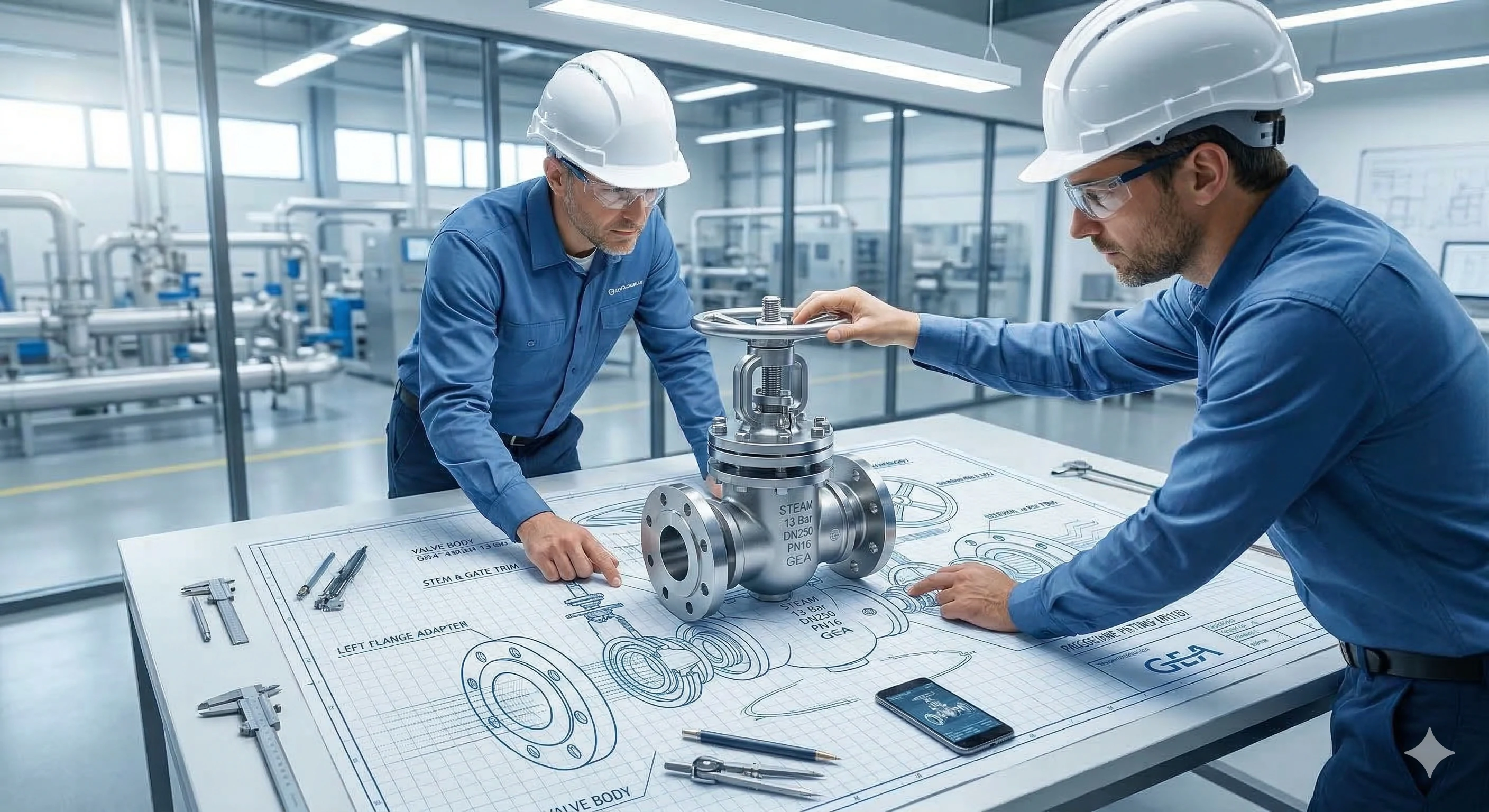
Understanding the anatomy of these parts is the first step in successful procurement. We break down the OEM parts we cast for our clients into four main categories.
The Shell and The Cover
The first critical component is the Valve Body. This acts as the main shell and the primary pressure-containing boundary of the valve. It safely houses the fluid and all the internal moving parts, such as a ball or a gate. The body must be incredibly strong to handle sudden pressure spikes.
The second component is the Bonnet. This acts as the top closure of the valve body. It provides a crucial access point. It allows engineers to safely open the valve for . When bolted down tightly, the bonnet maintains a high-pressure seal.
Connections and Internal Mechanics
The third essential group includes the Flanges and End Connections. These are the specific ends of the valve body that we design to mate securely with your pipeline. Common styles include , threaded ends, or sanitary tri-clamps depending on the industry.
Finally, we have the Stem and Trim. These are the internal machined shafts and gates that physically block or regulate the fluid flow. We manufacture these moving parts to exact tolerances. If the stem does not fit perfectly, the fluid will leak.
| Component Name | Primary Function | Location in Assembly |
|---|---|---|
| Valve Body | Contains pressure and houses fluid | Main outer shell |
| Bonnet | Allows maintenance access and seals the top | Bolted to the top of the body |
| Flanges | Connects the valve body to the pipeline | Mating ends of the body |
| Stem & Trim | Physically blocks or regulates fluid | Internal moving mechanics |
What Are The Common Valve Types That Require Custom Fittings?
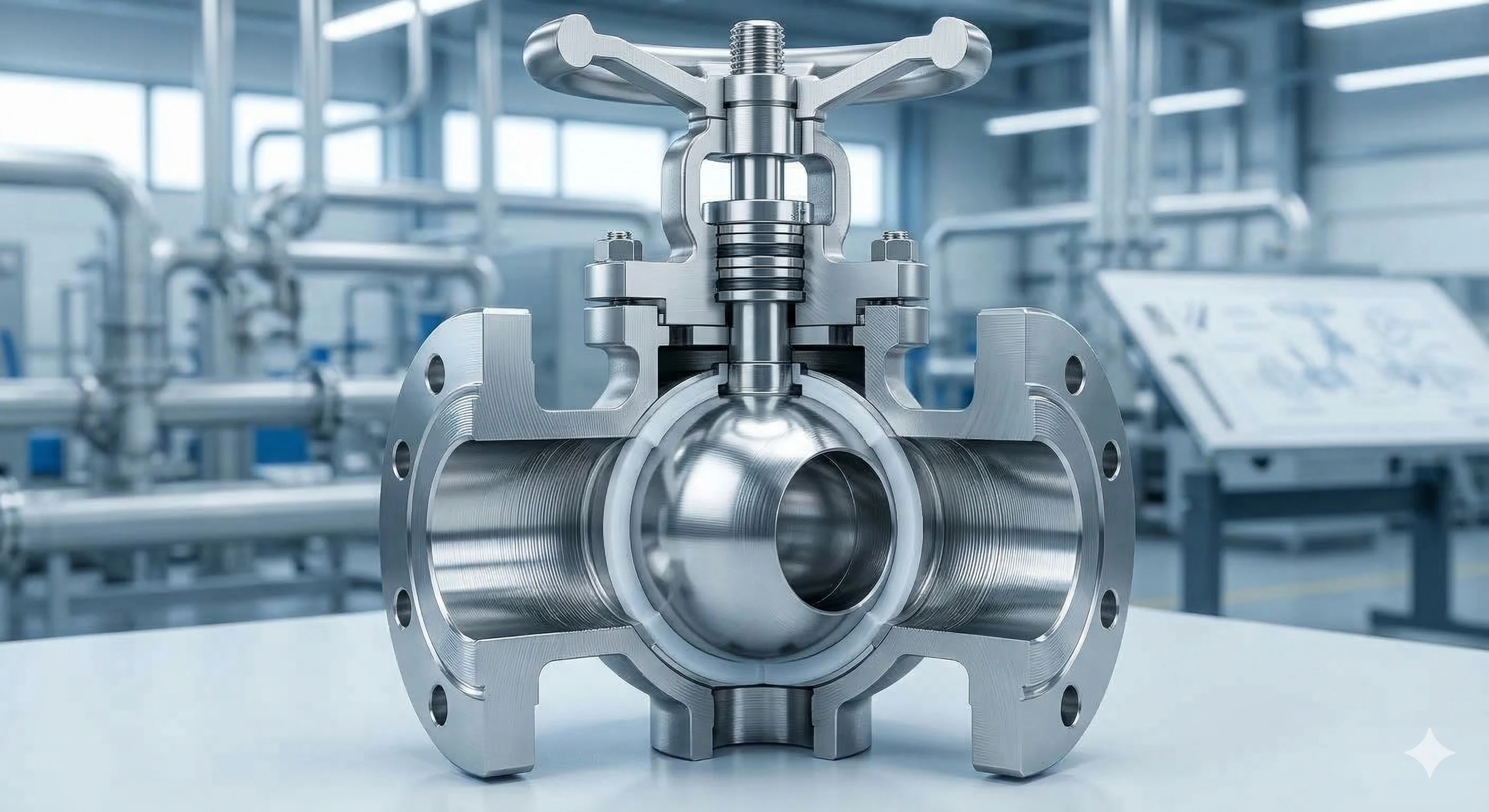
Not all fluid control systems operate the same way or handle the same materials. Using generic or poorly matched connections for specialized fluid systems often results in fluid turbulence, severe pressure drops, or internal mechanical jamming. On our production lines, we routinely customize internal component geometries to match the exact physical requirements of different flow mechanisms.
Common valve types requiring custom fittings include ball valves needing spherical machining, gate valves requiring straight vertical channels, and check valves demanding incredibly smooth internal walls. Customizing these shapes prevents turbulence, ensures tight seals, and guarantees smooth mechanical operation.
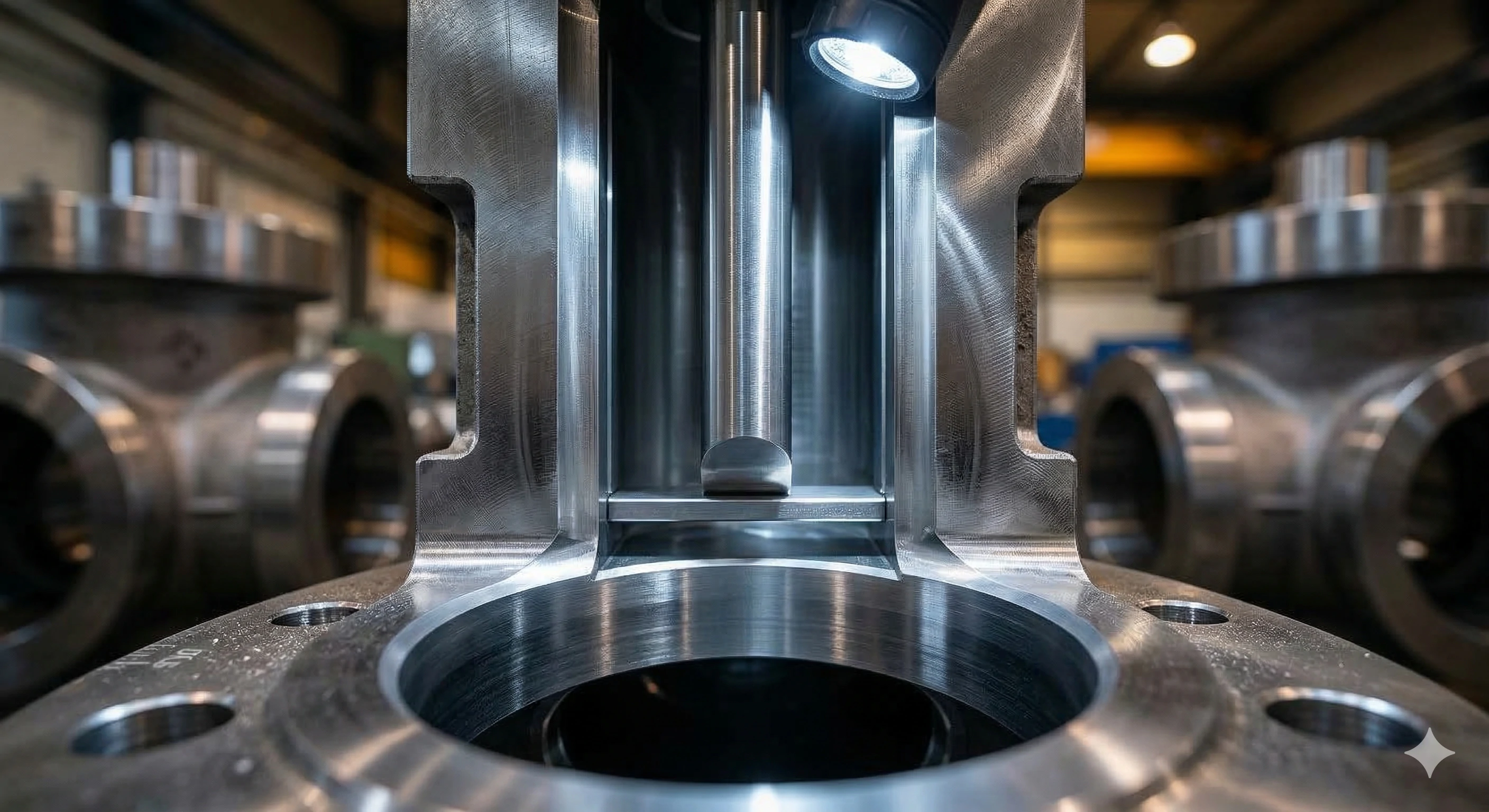
Different valve designs require vastly different internal shapes. We provide strong collaborative development to ensure the internal geometry of every fitting matches its intended mechanical purpose.
Ball and Gate Mechanisms
Ball valves are extremely common in industrial fluid control. These specific valves require perfectly spherical internal machining. This perfect roundness ensures the internal metal ball seals completely and tightly against the . If the machining is uneven, fluid will slip past the seal.
Gate valves operate differently and require a completely different internal structure. These valves require deep, vertical internal channels. We must cast these channels perfectly straight so the solid metal gate can slide down easily without jamming.
Non-Return Systems
Check valves are also known as non-return valves. They rely entirely on gravity and the natural fluid pressure to operate. Because they do not have an external handle or motor, they require incredibly smooth internal wall finishes. This smoothness is essential to prevent fluid turbulence and avoid unwanted inside the system.
| Valve Type | Key Internal Requirement | Primary Purpose |
|---|---|---|
| Ball Valves | Perfectly spherical internal machining | Complete seal against Teflon seats |
| Gate Valves | Deep, perfectly straight vertical channels | Allows gate to slide without jamming |
| Check Valves | Incredibly smooth internal wall finishes | Prevents turbulence and pressure drops |
What Is The Manufacturing Challenge Regarding Porosity And Pressure?
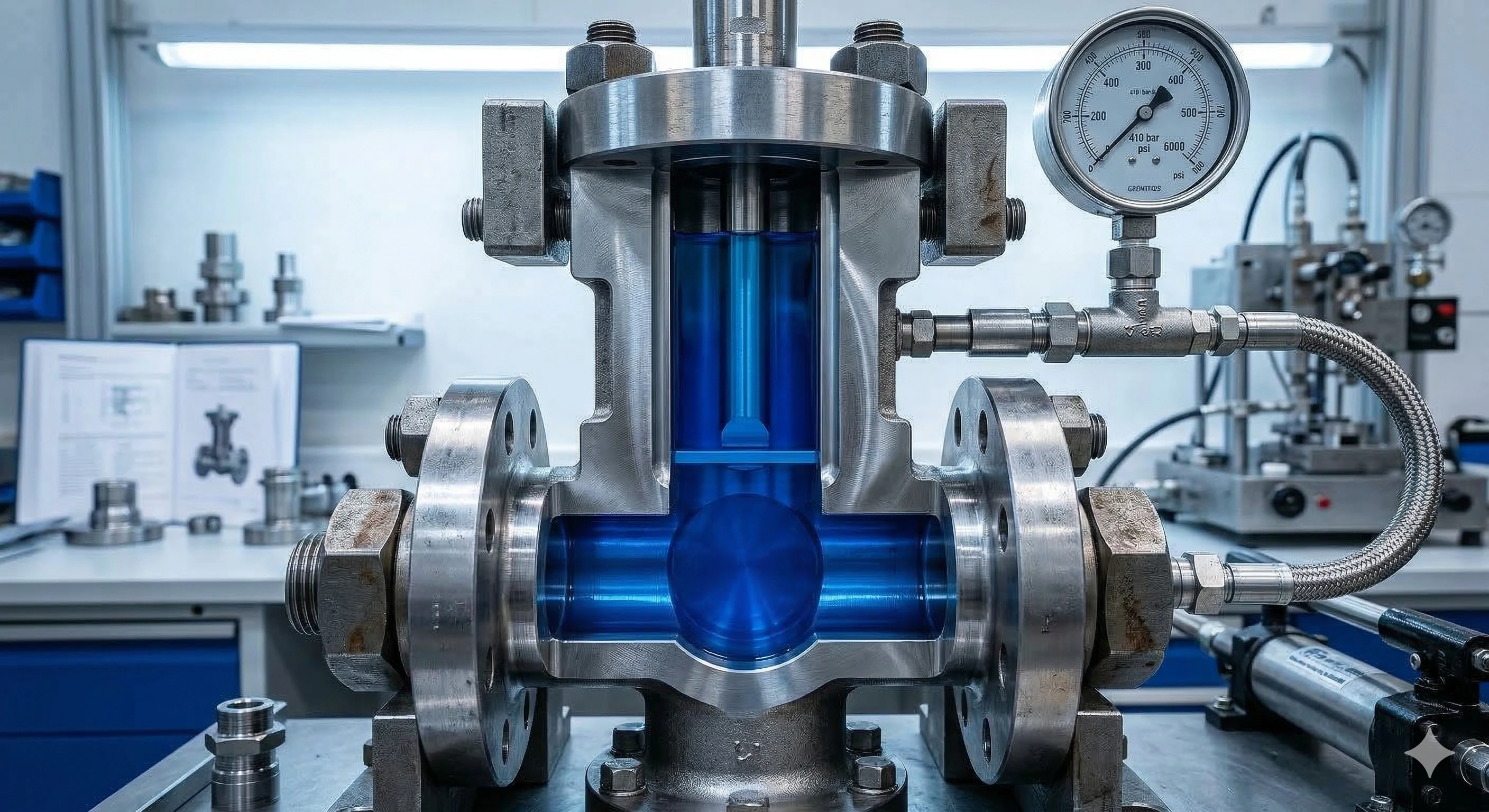
Microscopic defects inside solid metal are often invisible to the naked eye but remain incredibly dangerous under stress. Traditional manufacturing methods often trap air bubbles, creating internal weak spots that allow high-pressure fluids to force their way through solid steel. We eliminate this serious risk entirely by utilizing advanced casting techniques that pack the metal densely from the start.
The main manufacturing challenge is porosity, which involves microscopic air bubbles trapped inside the metal walls during traditional sand casting. We solve this by using lost-wax investment casting, which densely packs the metal and completely eliminates internal weak spots.
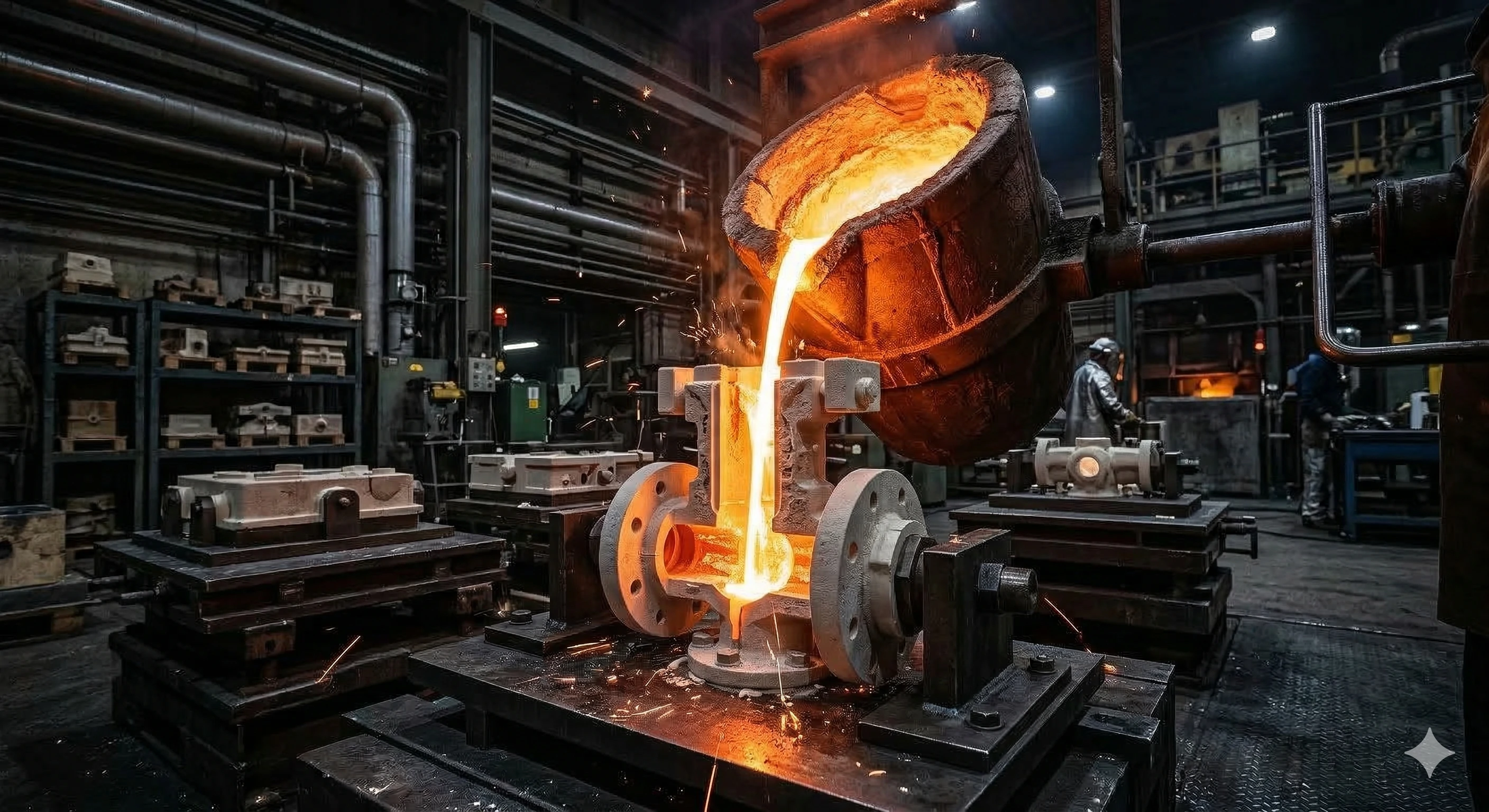
Creating a reliable pressure vessel requires more than just pouring melted metal into a mold. It requires strict quality control to ensure the internal structure of the metal is flawless.
The Danger of Sand Casting
Many older foundries still use traditional sand casting. However, traditional sand-cast valve bodies often suffer from a critical flaw known as "porosity". Porosity occurs when microscopic air bubbles become permanently trapped inside the solid metal walls during the cooling process. When high-pressure water or steam hits these hidden weak spots, it forces its way straight through the solid steel. This dangerous failure is known as a "weeping" leak.
The Investment Casting Solution
To protect our clients from these failures, we utilize the method to manufacture our valve fittings. This advanced process packs the molten metal incredibly densely. By controlling the cooling environment, this method completely eliminates internal porosity.
Furthermore, we verify our work before shipping. Before leaving our facility, our CNC-machined valve bodies undergo strict . We securely seal the ends of the valve and pump it full of water. We apply pressures significantly higher than its normal operating rating. This guarantees the metal walls will never sweat or rupture in the field.
| Casting Method | Internal Structure Quality | Leak Risk Level |
|---|---|---|
| Traditional Sand Casting | Often suffers from internal porosity | High risk of weeping leaks |
| Forging | Highly dense grain structure | Very low risk, but limited to small parts |
| Investment Casting | Densely packs metal, eliminates porosity | Zero risk of porosity leaks |
What Is The Best Material Selection For Surviving The Flow?
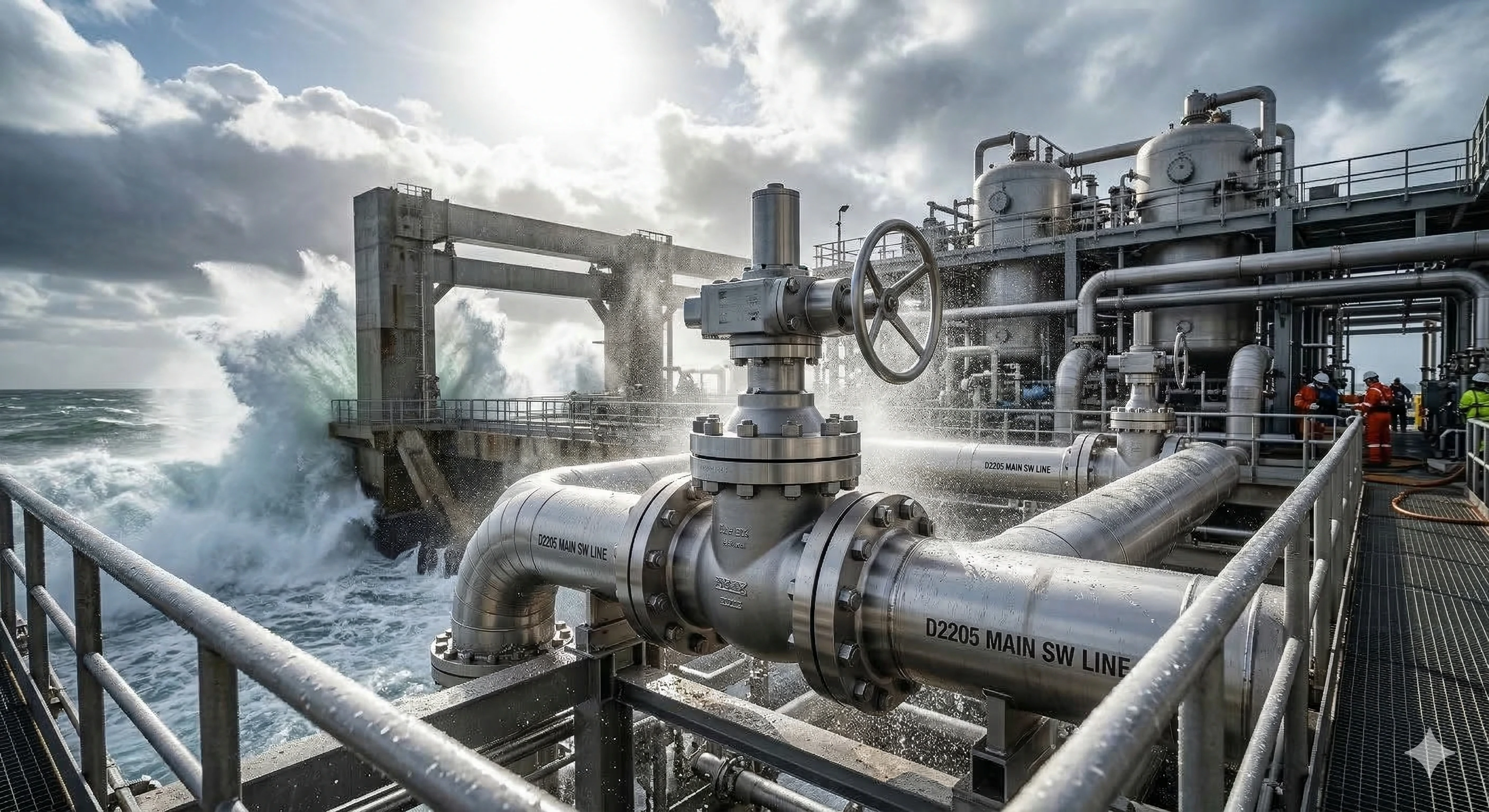
Industrial fluids can destroy ordinary metals in a matter of weeks. Specifying the wrong alloy for a highly corrosive environment or a high-temperature steam line inevitably leads to rapid degradation, costly maintenance, and dangerous structural failures. Our metallurgy team meticulously selects and tests premium metal grades to ensure every component survives its specific operational environment for years.
The best materials depend on the application: Carbon Steel is ideal for high-temperature steam, Stainless Steel 316 resists chloride corrosion for food-grade systems, and Duplex 2205 provides ultimate protection against severe saltwater corrosion in harsh offshore environments.
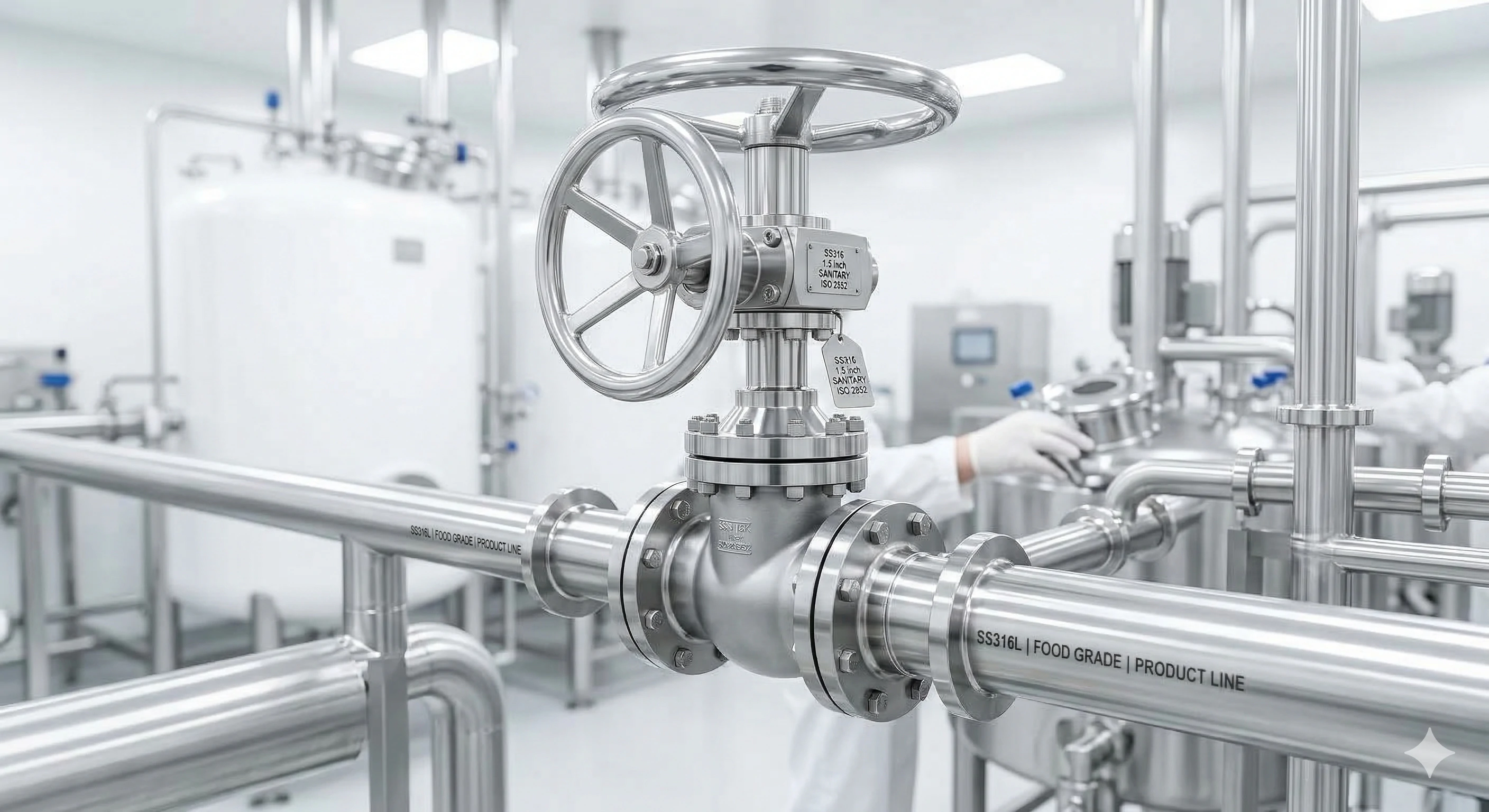
Connecting back to proper metallurgy is vital for product durability. We guide our buyers to select the exact right alloy to prevent premature corrosion and system failure.
Standard and Sanitary Alloys
For many standard industrial applications, Carbon Steel (WCB) is the industry standard. It is exceptionally strong and is perfectly suited for handling high-temperature steam and non-corrosive oil and gas lines. However, it rusts easily if exposed to harsh chemicals.
For more demanding environments, we use or 316L. This specific alloy contains Molybdenum, which helps it strongly resist chloride corrosion. This high resistance makes it absolutely mandatory for clean environments like food-grade sanitary valves and municipal wastewater treatment plants.
Heavyweight Offshore Solutions
Sometimes, standard stainless steel is not enough. For the most extreme environments, Duplex 2205 is the ultimate heavyweight choice. This advanced alloy offers incredible strength and superior corrosion resistance. Engineers primarily use it for valve fittings in offshore . It is specifically designed to resist severe saltwater corrosion and dangerous stress cracking over long periods.
| Material Grade | Best Application Environment | Key Advantage |
|---|---|---|
| Carbon Steel (WCB) | High-temperature steam, oil, and gas | Industry standard strength |
| Stainless Steel 316 | Food-grade systems, municipal wastewater | Resists chloride corrosion |
| Duplex 2205 | Offshore desalination plants | Resists severe saltwater corrosion |
Why Is CNC Machining The Final Seal?
A perfectly cast metal body is entirely useless if it cannot connect securely to the larger piping system. Rough mating surfaces or poorly cut connection threads will inevitably cause gaskets to blow out or joints to fail under immense pressure. We rely on micron-level CNC machining centers to cut perfectly pitched threads and precise flange faces, guaranteeing a flawless final seal for every product.
CNC machining is the final seal because it creates the absolute precision needed for connection points. We use advanced turning centers to cut perfect threads and mill flange faces to an exact surface roughness, ensuring gaskets seal flawlessly.
While casting creates the strong main body, machining creates the delicate connections. We combine both processes in-house to maintain strict quality control from start to finish.
The Near-Net-Shape Advantage
Investment casting provides a massive "Near-Net-Shape" advantage. This means our raw metal castings come out of the ceramic mold looking almost completely finished. However, the critical connection points still require absolute precision that only computer-guided tools can provide.
Threading and Flange Facing
To connect the valve to a pipe, we must create threads. We use advanced to carefully cut perfectly pitched internal and external threads (such as NPT or BSP standards). This ensures the valve fitting mates seamlessly with the adjoining pipe.
For larger valves, we use bolted flanges instead of threads. The flat mating surface of a flange must be CNC-milled to an exact surface roughness, known as the "Ra" value. This is a delicate balance. If the milled surface is too rough, the rubber gasket won't seal properly. Conversely, if the surface is too smooth, the high internal pressure will simply blow the gasket right out of the joint. Proper CNC machining ensures the texture is perfectly balanced.
Conclusion
Valve fittings are highly engineered pressure vessels. Ensuring they do not leak or corrode in the field requires a complete mastery of industrial metallurgy, precise investment casting, and micron-level CNC machining. Are you an OEM valve manufacturer looking for a reliable foundry partner? We cast and machine high-pressure valve bodies, bonnets, and stems in Stainless Steel and Duplex alloys. Send us your 3D CAD files for a comprehensive manufacturing quote.
Frequently Asked Questions About Valve Fittings?
What is the difference between a pipe fitting and a valve fitting? A pipe fitting, like an elbow or a tee, simply changes the direction or the diameter of the pipeline. In contrast, a valve fitting is a much more complex component, like a cast valve body. It contains internal mechanical moving parts specifically designed to stop, start, or carefully throttle the flow of the fluid.
Why are some valve fittings cast and others forged? Forging is an excellent manufacturing method for very small, simple valve bodies because the heavy pounding creates a highly dense grain structure in the metal. However, for larger valves or valves with complex internal fluid channels, like a globe valve, investment casting is better. It is the only cost-effective way to create intricate internal geometry while still maintaining extreme structural strength.
Footnotes
1. Overview of piping system engineering and industrial fluid transport infrastructure.
2. Explanation of preventative maintenance procedures for industrial equipment and systems.
3. Technical guide to flange types and their mechanical pipe connections.
4. Details on PTFE material properties and heavy-duty industrial applications.
5. Understanding fluid dynamics and pressure loss within industrial piping systems.
6. Comprehensive guide to the lost-wax precision manufacturing and casting process.
7. Standard pressure testing procedures required for pipelines and pressure vessels.
8. Specifications and corrosion resistance properties of marine-grade stainless steel.
9. Overview of industrial mechanical processes used to remove salt from water.