
Whether you are securing a commercial facility, upgrading residential doors, or sourcing architectural hardware for specialized projects, choosing the right hinge is critical. Standard hinges simply pivot; but when you need a door, gate, or panel to , spring hinges are the undisputed solution.

This comprehensive guide covers everything from the basic mechanics of a spring-loaded hinge to industrial applications and heavy-duty options. We will explore exactly how these self-closing mechanisms work and why they might be the perfect fit for your next project.
Table of Contents
What is a Spring Hinge?
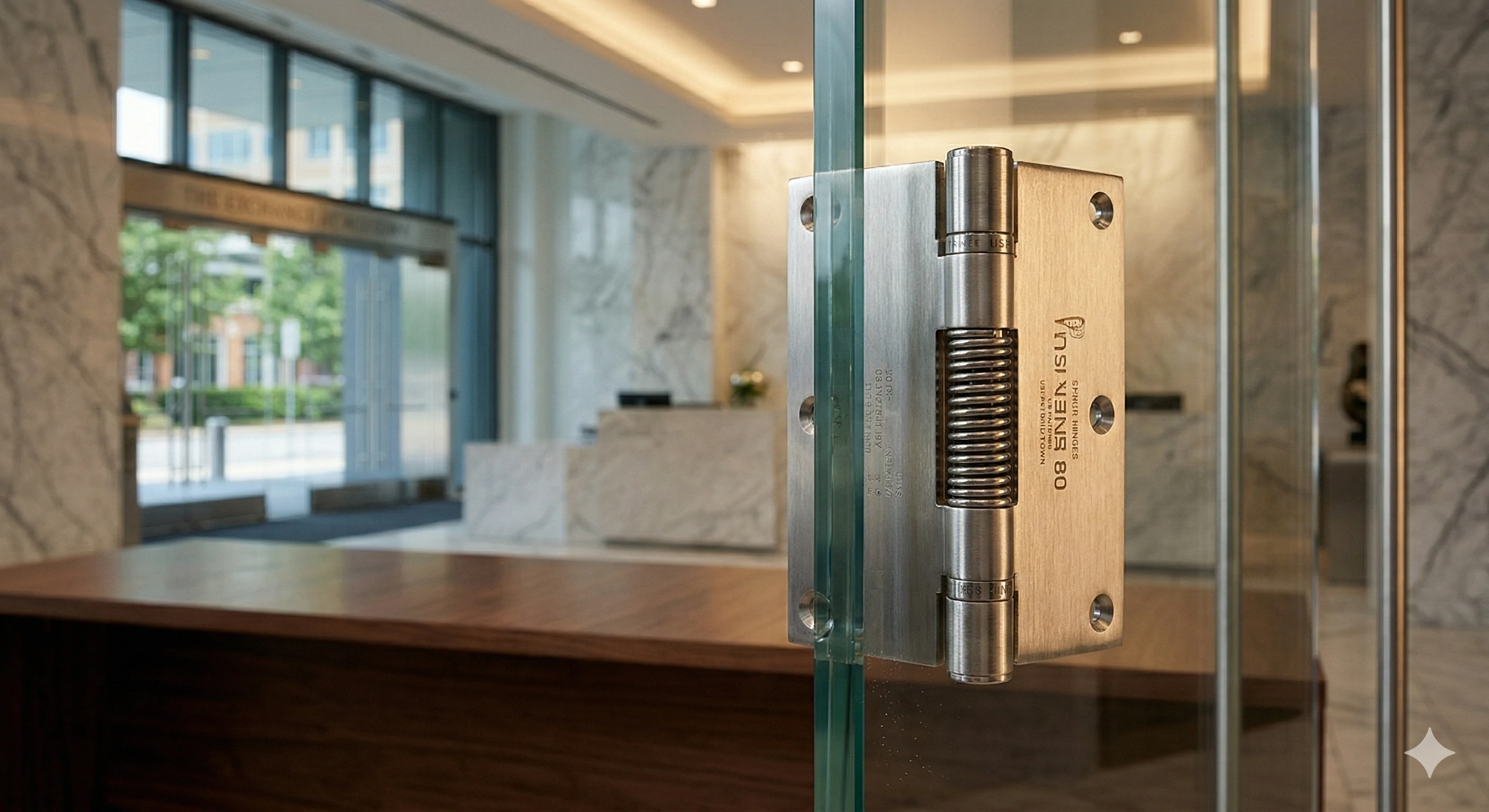
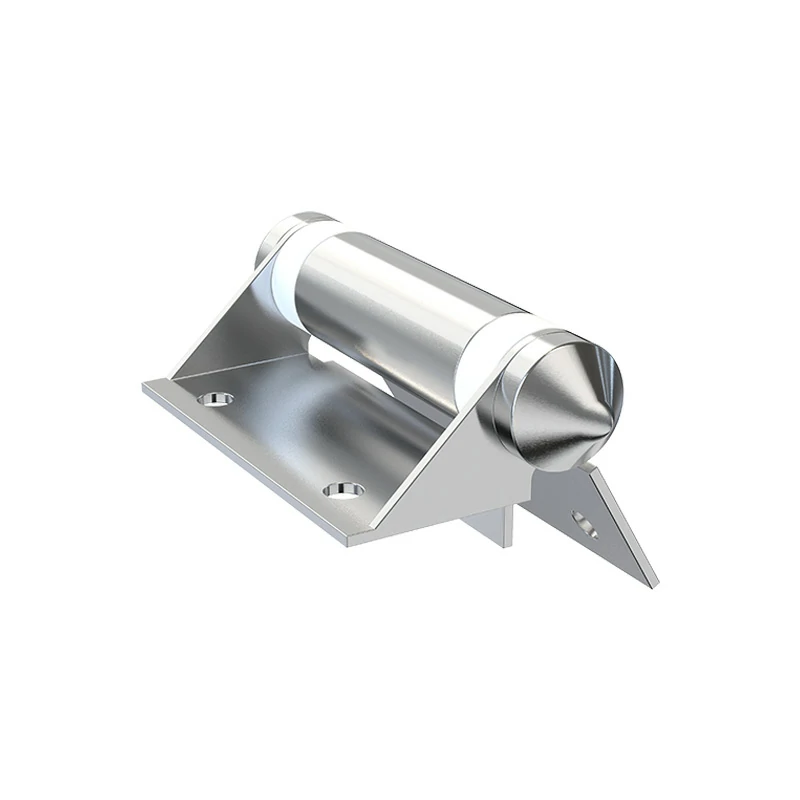
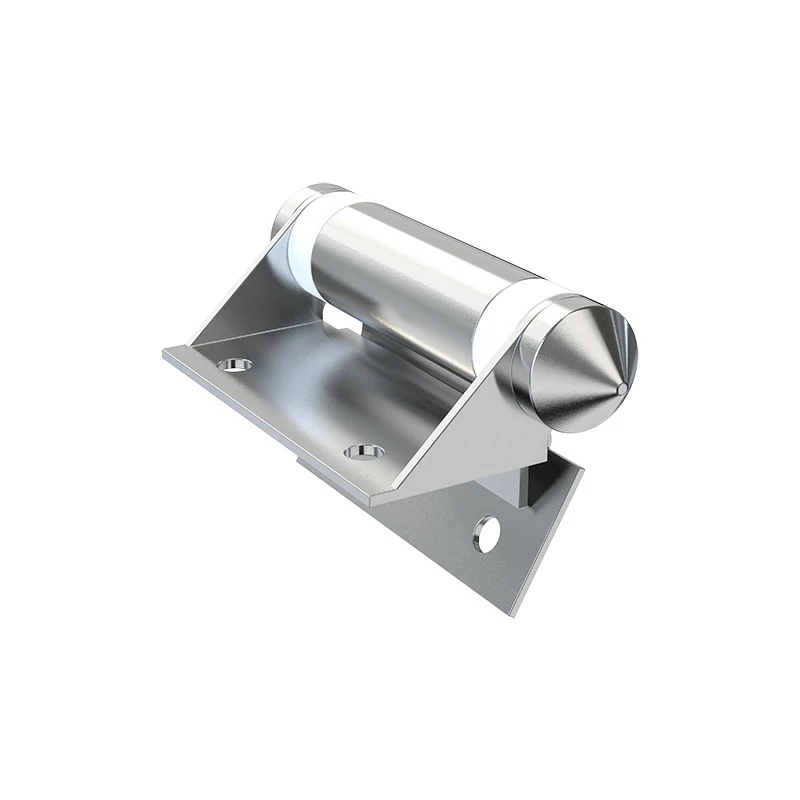
A spring hinge (often called a self-closing hinge or spring-loaded hinge) is a specialized piece of hardware equipped with a built-in spring mechanism. This internal spring exerts force to automatically close a door or gate after it has been opened.
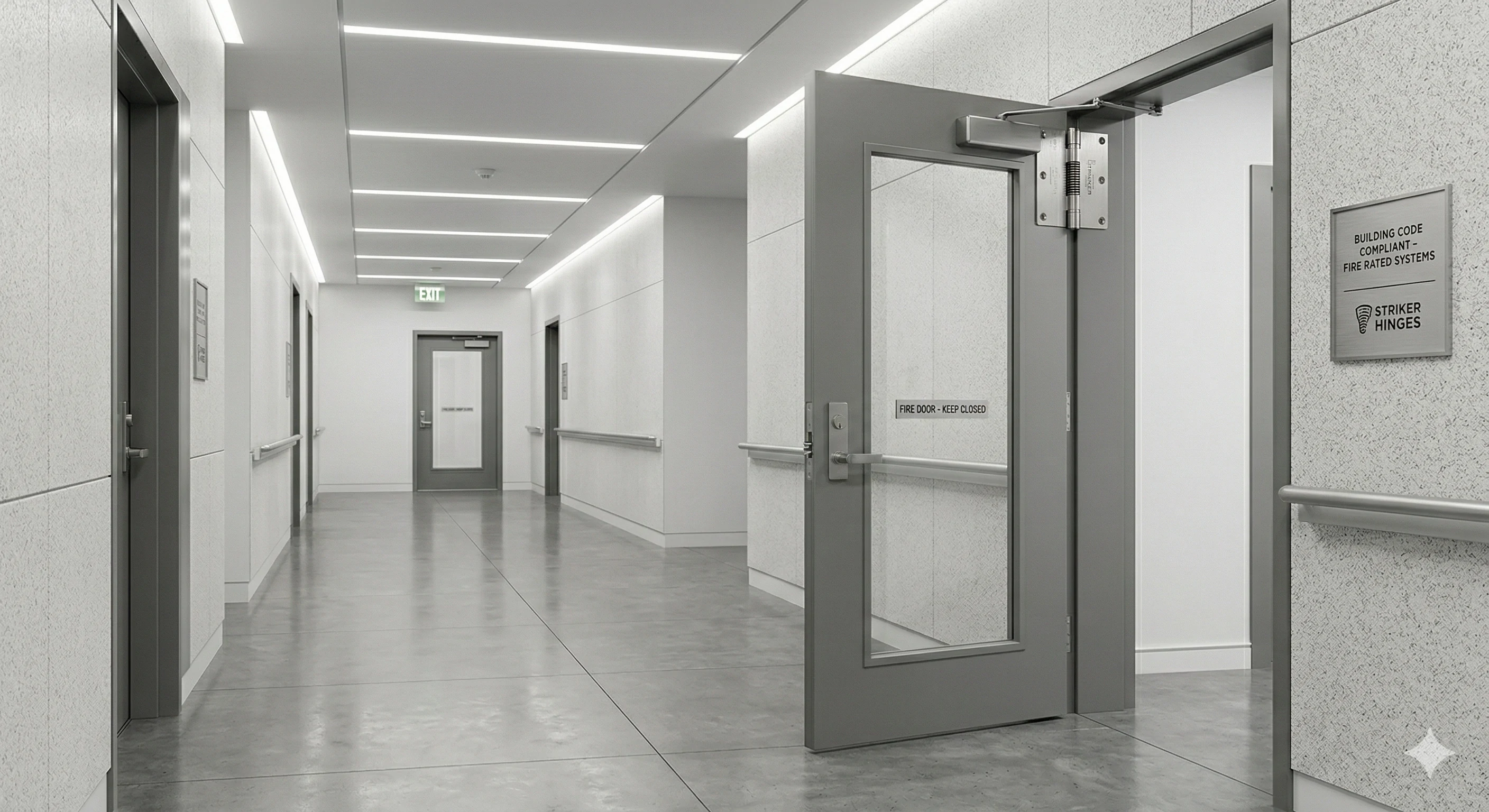
These hinges eliminate the need for external, bulky door closers. They offer a sleek, streamlined aesthetic while ensuring doors remain securely shut. This is vital for , energy efficiency, and general security.
How Do Spring-Loaded Hinges Work?
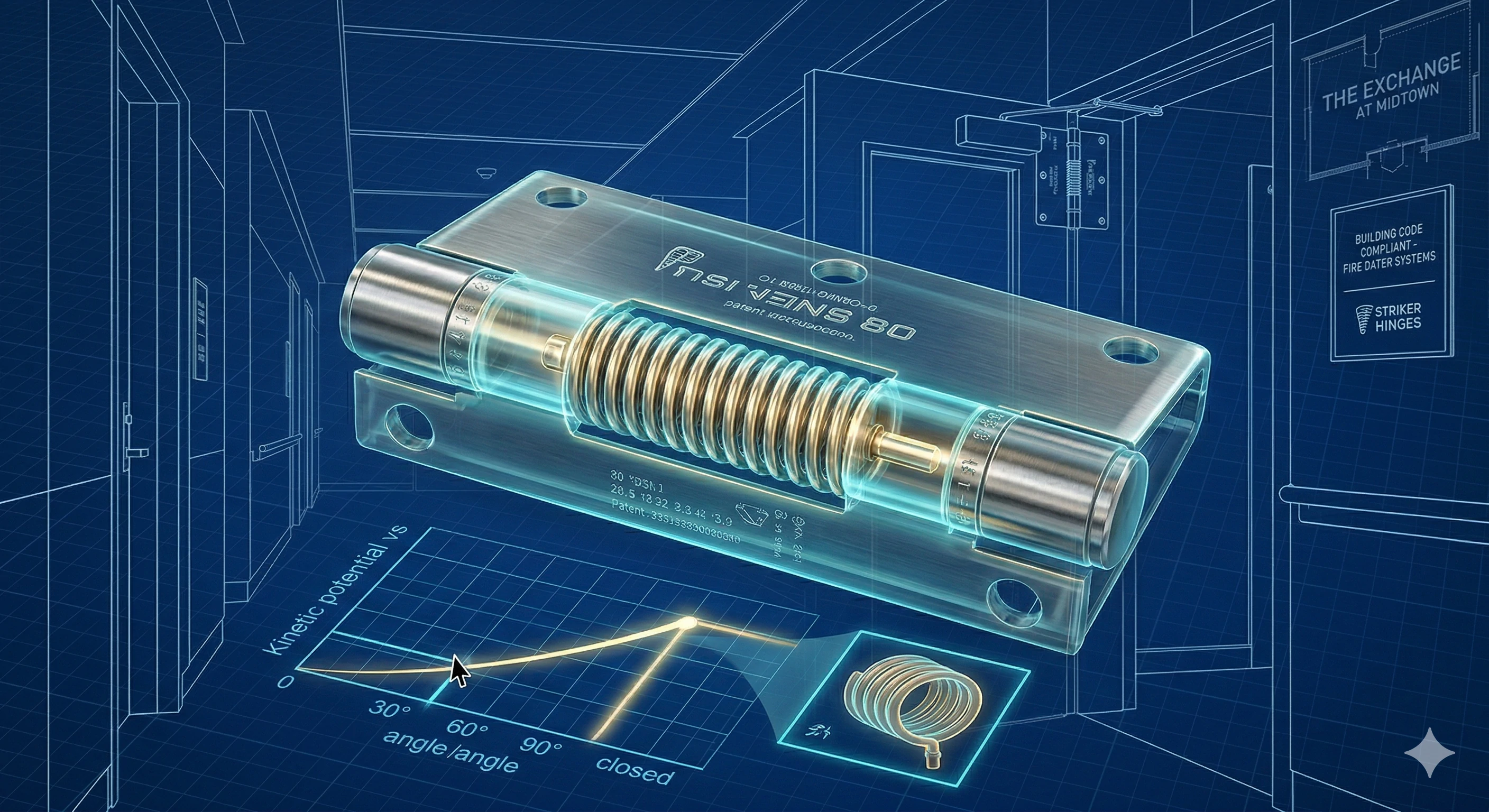
The mechanics are elegantly simple but highly engineered. Inside the barrel (the cylindrical part of the hinge), a is housed.
When you open the door, the movement creates tension in the spring. Once you release the door, the spring unwinds, releasing that to pull the door back to its closed position. Most modern spring hinges feature adjustable tension, allowing you to control exactly how fast and forcefully the door closes.
Types of Spring Hinges

The world of self-closing hardware is vast. Selecting the right type depends entirely on the weight of the door, the material, and the specific application.
1. Single Action Spring Hinges
Single action hinges are the most common type found in . They allow the door to swing in only one direction (either inward or outward) and automatically close it. They are ideal for entry doors, fire doors, and garage-to-house access doors.
2. Double Action Spring Hinges
Also known as "saloon door hinges" or "cafe door hinges," these allow a door to —a full 180 degrees. Once pushed open from either side, the springs return the door to the center closed position. You will frequently see these in restaurant kitchens or busy commercial corridors.
3. Gate Spring Hinges
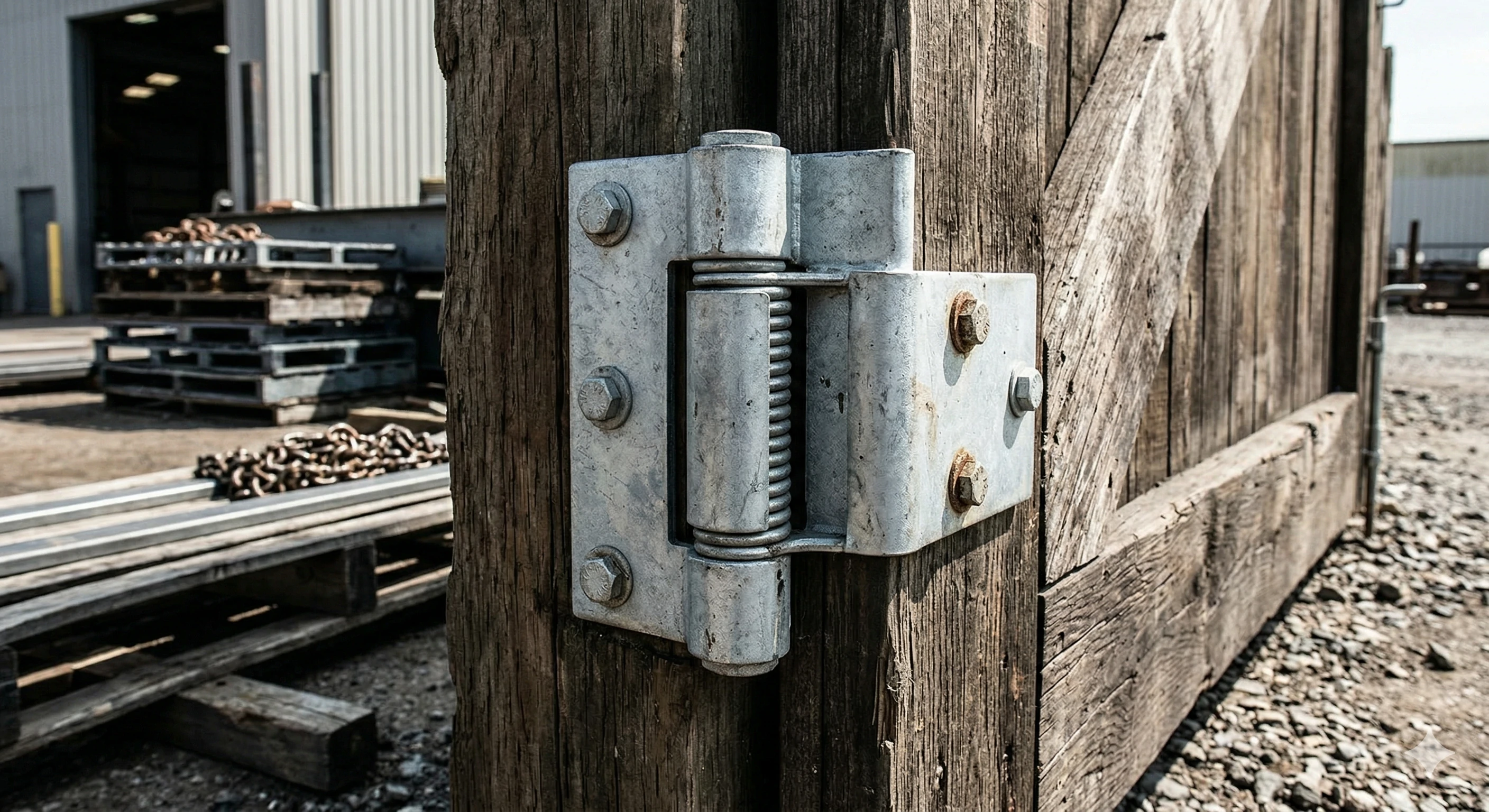
Outdoor gates require specific hardware to withstand the elements. Gate spring hinges are typically manufactured from weather-resistant materials like or heavy-duty polymer. They are designed to reliably close pool gates, garden fences, and heavy timber gates, ensuring security perimeters remain intact.
local pool safety compliance and gate hardware standards
4. Torsion Spring Hinges
Instead of a coil spring inside the barrel, torsion hinges rely on a spring that twists to store mechanical energy. These are highly versatile and often found in custom machinery, heavy lids, and specialized industrial equipment where precise torque is required.
5. Specialty Architectural and Glass Hinges
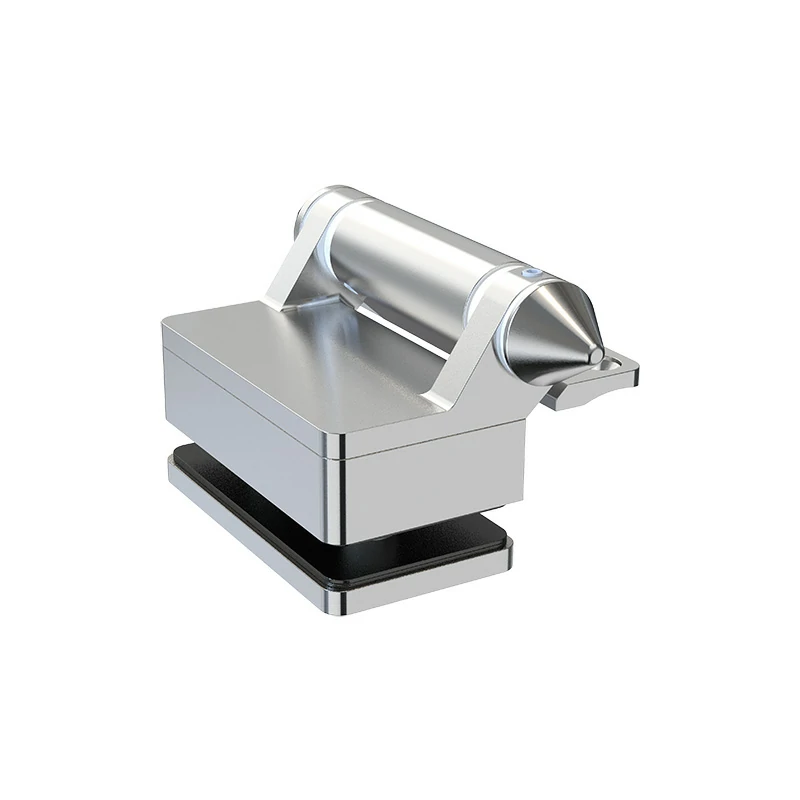
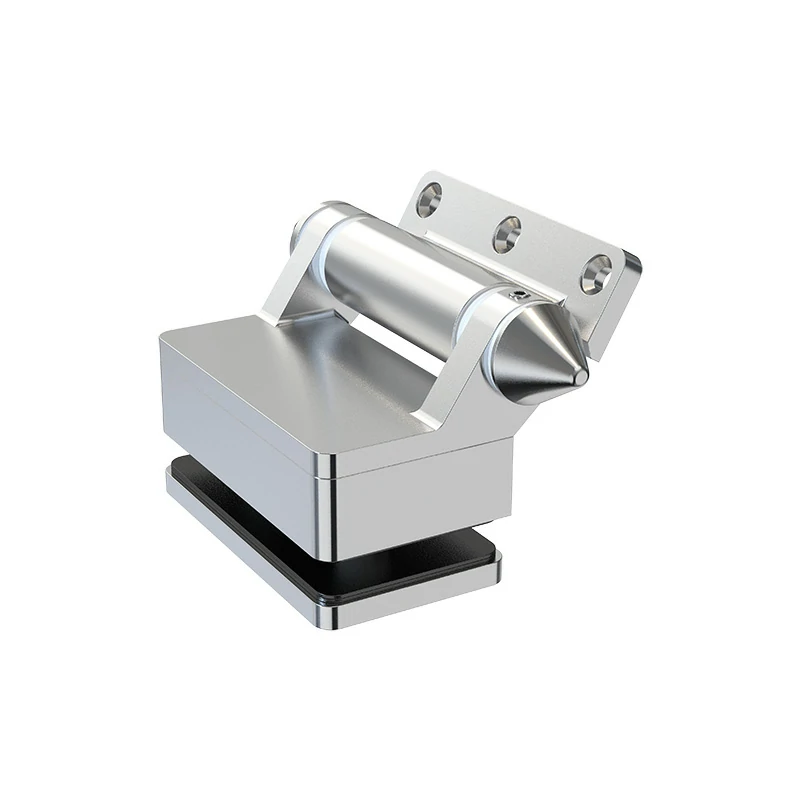
For high-end residential or commercial spaces utilizing frameless glass doors, standard hinges will not work. Specialized spring hinges are manufactured specifically for . These are often precision-cast from solid brass or stainless steel, designed to securely grip heavy glass panels in shower enclosures or office partitions while providing a smooth, self-closing action. Similar robust, self-closing mechanisms are engineered into premium glass spigots used for frameless railing and fencing.
Spring Hinges vs. Regular Hinges: What's the Difference?
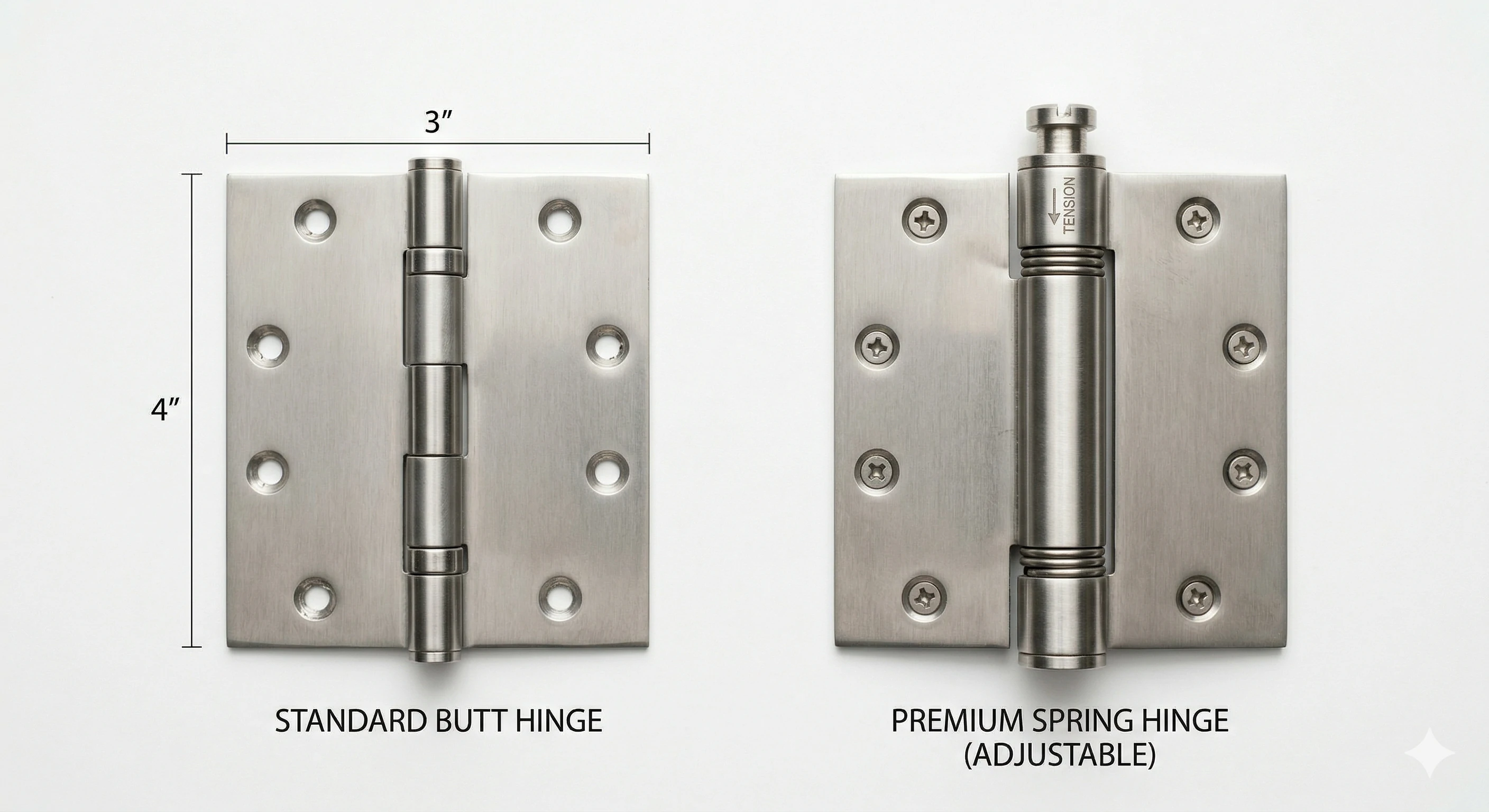
Understanding the distinction is crucial for proper hardware specification.

Note: You may occasionally see the term "spring hinge" used in the eyewear industry to describe flexible temples on glasses. However, in construction and hardware, the distinction strictly lies in self-closing functionality.
| Feature | Regular Hinges (e.g., Butt, Concealed) | Spring Hinges |
|---|---|---|
| Primary Function | Provide a . | Provide pivot and automatically close the door. |
| Internal Mechanism | Simple pin connecting two leaves. | Pin surrounded by a tensioned steel spring. |
| Tension Adjustment | None. Moves freely based on manual force. | Adjustable via a hex key and tension pin. |
| Best Used For | Interior bedroom doors, standard cabinets. | Fire doors, exterior gates, safety enclosures. |
| Visual Profile | Very slim barrel. | Slightly thicker barrel to accommodate the spring. |
Are Spring-Loaded Hinges Worth It?
If automatic closing is a priority, spring hinges are undeniably the better choice. They are absolutely worth the slightly higher initial investment for several reasons:
-
Safety and Compliance: Many building codes require self-closing doors between attached garages and living spaces, or on commercial fire-rated doors. Spring hinges are the most cost-effective way to meet these codes.
-
Energy Efficiency: By ensuring doors leading to the exterior or unconditioned spaces always close behind you, spring hinges prevent HVAC loss, lowering energy bills.
-
Security: For exterior gates and restricted access areas, self-closing hardware guarantees the entryway is never accidentally left open.
-
Aesthetics: They provide the functionality of a pneumatic overhead door closer without the bulky, industrial appearance.
Heavy Duty and Industrial Spring Hinges
Not all spring hinges are destined for residential bedroom doors. Heavy duty spring loaded hinges and industrial spring hinges are engineered for extreme environments.
These hinges are utilized in the . When dealing with custom machinery parts, heavy access panels, or robust industrial ovens, standard hardware will fail. Heavy-duty variants are often produced via advanced casting processes to ensure maximum load-bearing capacity and fatigue resistance. They utilize thicker gauge metal, reinforced tension pins, and industrial-grade lubricants to perform flawlessly under high stress and continuous operation.
custom hardware casting solutions
Installation and Adjustment Tips
Installing a spring hinge is similar to a standard butt hinge, with the crucial added step of setting the tension.
-
Install with Door Closed: Always mount the hinges with the door in the closed position.
-
Location Matters: If you are using two spring hinges and one regular hinge, place the spring hinges at the top and middle positions. The top hinge bears the most weight and torque.
-
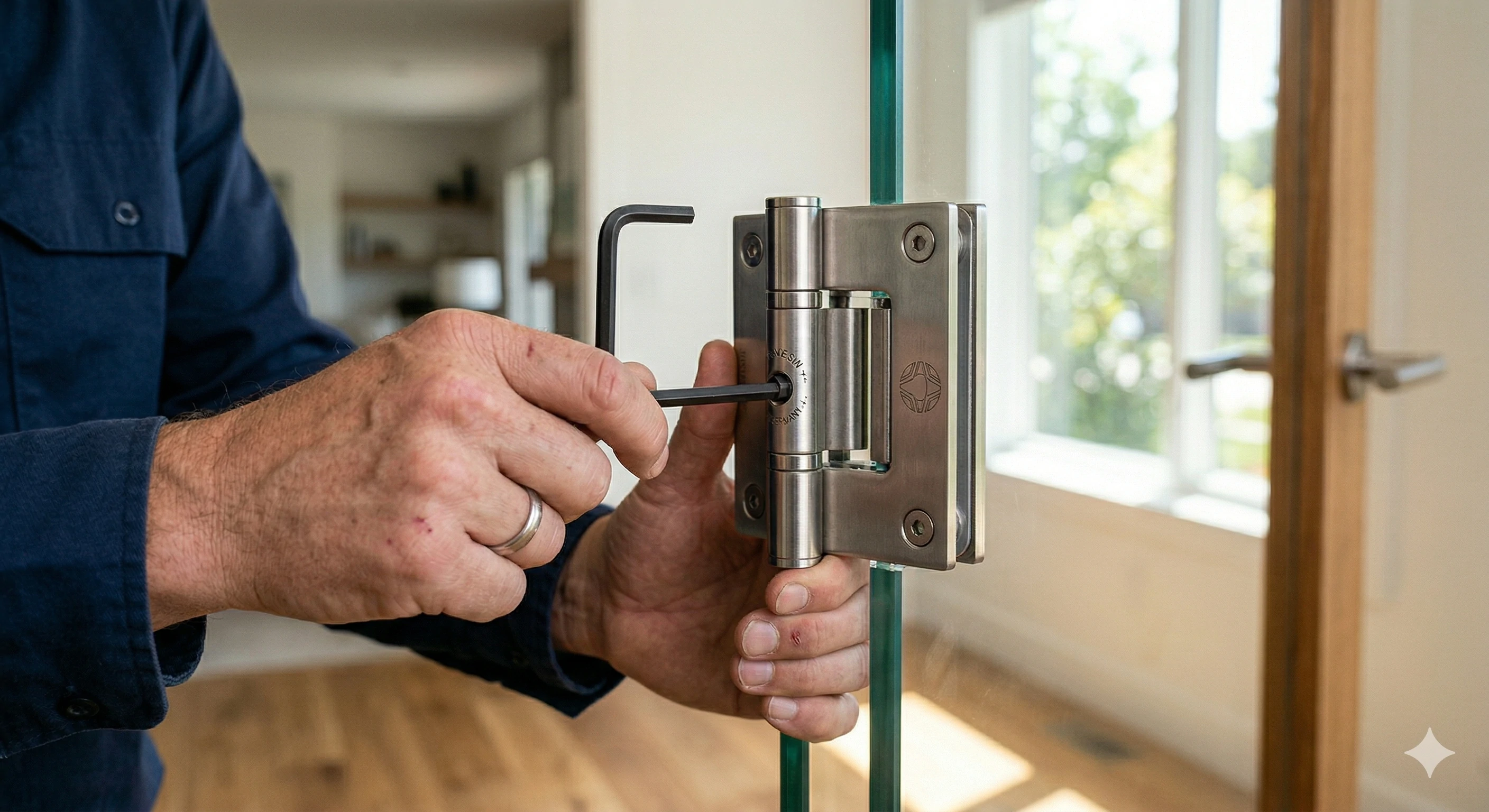
Adjusting Tension: Once installed, insert the provided hex wrench into the top of the hinge barrel. Turn it to expose a new hole, and insert the locking pin.
-
Test and Refine: Open the door and let it close. If it slams, reduce the tension. If it doesn't latch, increase the tension by one hole. Never over-tighten, as this can break the internal spring.
Frequently Asked Questions (FAQ)
What are the three types of hinges?
While there are dozens of sub-categories, the three main architectural categories of hinges are butt hinges (visible when the door is closed, and where most spring hinges fall), concealed hinges (hidden when closed, popular in cabinetry), and continuous hinges (also known as piano hinges, running the entire length of the door).
How many spring hinges do I need per door?
This depends on the weight and size of the door. As a general rule:
-
Doors up to 50 lbs: Use 1 spring hinge and 2 regular hinges.
-
Doors up to 85 lbs: Use 2 spring hinges and 1 regular hinge.
-
Doors up to 115 lbs: Use 3 spring hinges.
Can I use spring hinges on an exterior door?
Yes, but ensure you select heavy-duty spring loaded hinges made from weather-resistant materials, especially if they are exposed directly to the elements.
How do I fix a spring hinge that won't close?
Usually, it just requires a tension adjustment. Use a hex key to increase the spring tension by moving the locking pin one slot over. If the tension is maxed out and the door still won't close, the internal spring may have snapped, and the hinge must be replaced.
Conclusion
From ensuring your residential fire doors are up to code to outfitting heavy-duty industrial machinery, spring hinges are incredibly versatile and vital components of modern construction and manufacturing. By understanding the types available—from simple single-action hinges to robust gate and specialty architectural hinges—you can ensure your next project is secure, efficient, and perfectly functional.
Ready to upgrade your hardware? Browse our extensive catalog of heavy-duty and specialty hardware to find the perfect fit for your specific requirements.
Footnotes
1. Explains the mechanics and standards for automatic door closing mechanisms.
2. Overview of fire door regulations and safety compliance standards.
3. Detailed information on the physics and design of coil springs.
4. Defines kinetic energy and its application in mechanical systems.
5. Information on building standards for commercial and residential properties.
6. Comprehensive guide on various hinge mechanisms and movement capabilities.
7. Properties of marine-grade and weather-resistant stainless steel.
8. Specifications and uses of architectural glass in modern construction.
9. Principles of rotational dynamics and fixed pivot points.