You’re browsing Pinterest for deck ideas or reviewing drawings for a new balcony, and suddenly the terminology starts piling up—handrail, guardrail, balustrade, banister. They sound related, but are they interchangeable? And more importantly, does it actually matter which term you use?
The short answer is this: “railing” is a broad, general term, while a balustrade refers to a specific type of railing system made up of vertical supports (balusters) and a top rail. In simple terms, every balustrade is a railing, but not every railing qualifies as a balustrade.
In this guide, we’ll break down where these terms come from, how they’re used in modern construction, and what the practical differences are—especially when it comes to glass systems. If you’re planning a frameless glass deck, a balcony guard, or a modern staircase, this will help you choose the right solution with confidence.
What is a Railing? (Function Comes First)
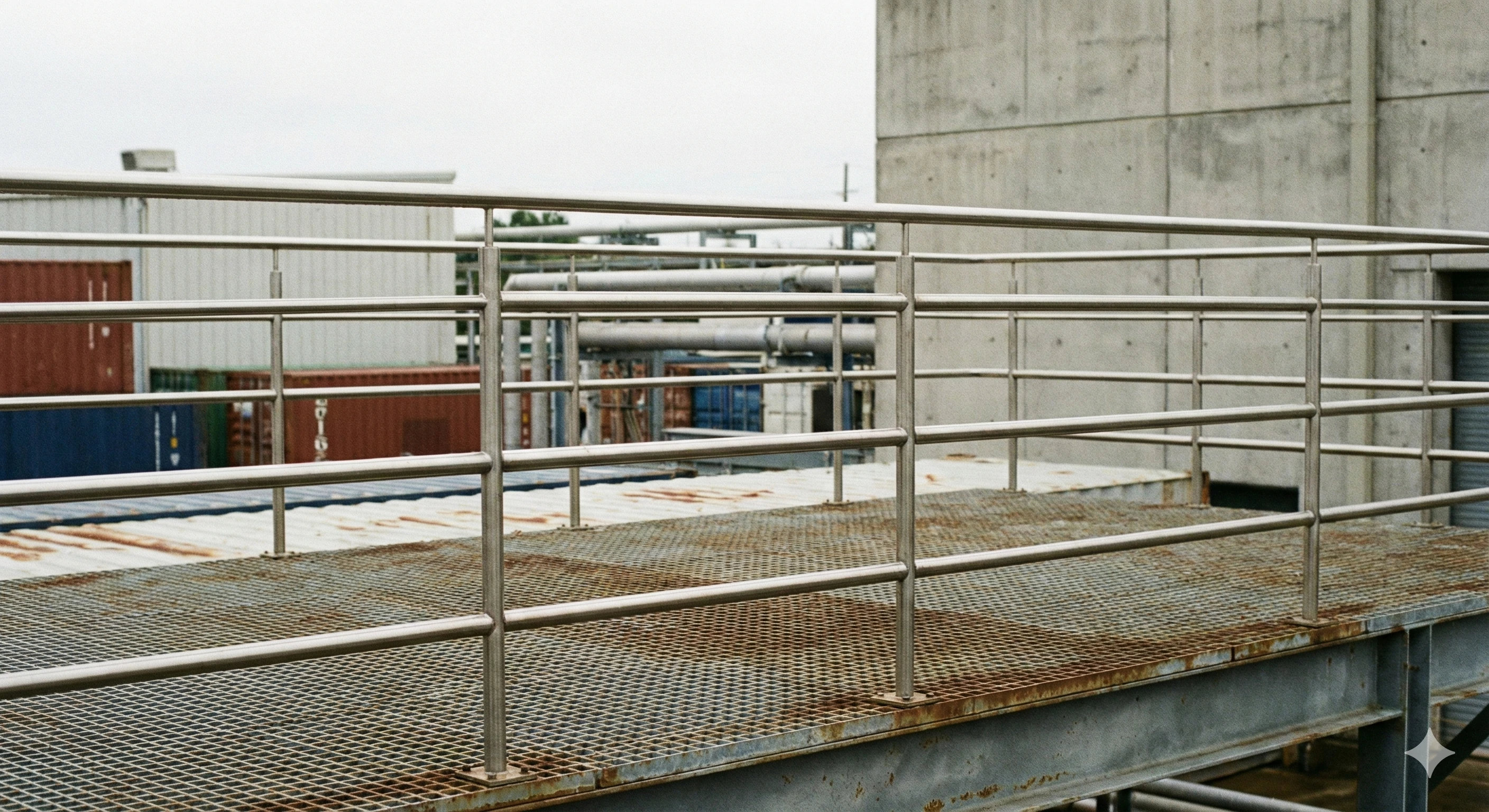
A railing is the most general term for any barrier designed to prevent falls or provide physical support. It’s the word most architects, contractors, and homeowners default to when talking about protective structures along stairs, balconies, decks, ramps, or walkways.
At its core, a railing is functional. The typical setup is simple: a horizontal rail supported by posts at regular intervals. There’s usually little emphasis on decoration—its job is to meet safety requirements and do so reliably. That’s why you’ll see railings everywhere, from factories and commercial buildings to minimalist residential projects.
Within this broad category, there are two important subtypes worth understanding:
Handrail
A handrail is specifically designed to be grasped by hand. Building codes define handrails very precisely, including diameter and shape. In most cases, the diameter must fall between 1.25 and 2 inches so the average hand can comfortably wrap around it.
Handrails are commonly mounted on stair walls or installed on top of glass panels. Their primary function isn’t fall prevention, but user support and balance—especially on stairs.
Guardrail
A guardrail is the code-defined barrier that prevents people from falling off an elevated surface. If you’re on a second-floor balcony, rooftop deck, or mezzanine, the protective edge system is technically a guardrail.
Building codes regulate guardrails strictly. Height is usually around 42 inches for commercial projects and 36 to 42 inches for residential ones, depending on jurisdiction. Spacing rules also apply—typically no more than 4 inches between vertical elements to prevent children from slipping through.
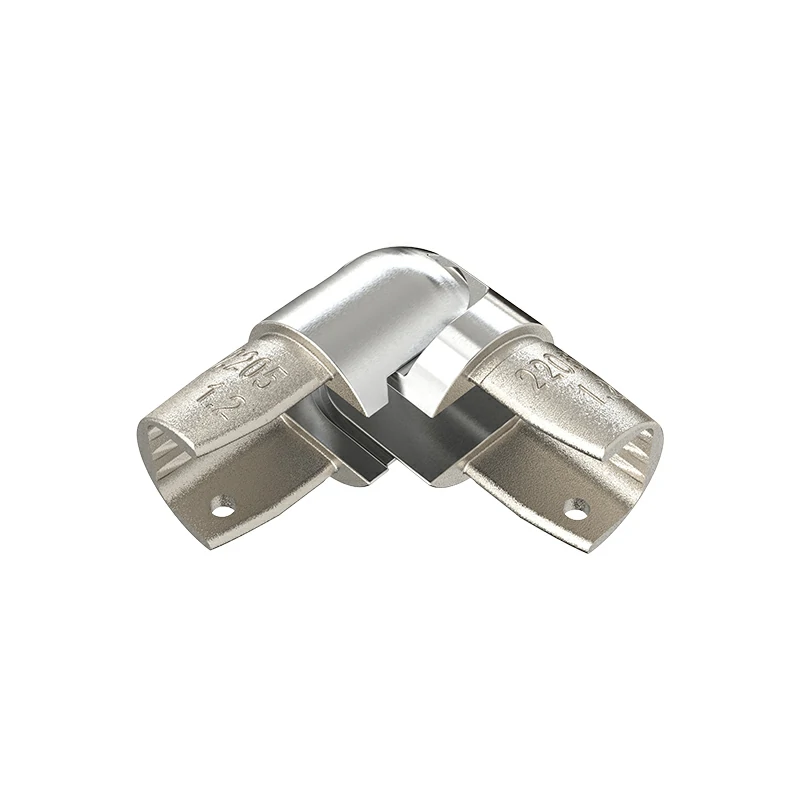
Common railing systems include wood posts with horizontal rails, stainless steel cable railings, pipe-style railings, and glass panels mounted between metal posts. In all cases, the focus is safety and compliance first, aesthetics second.
What is a Balustrade? (An Architectural Definition)

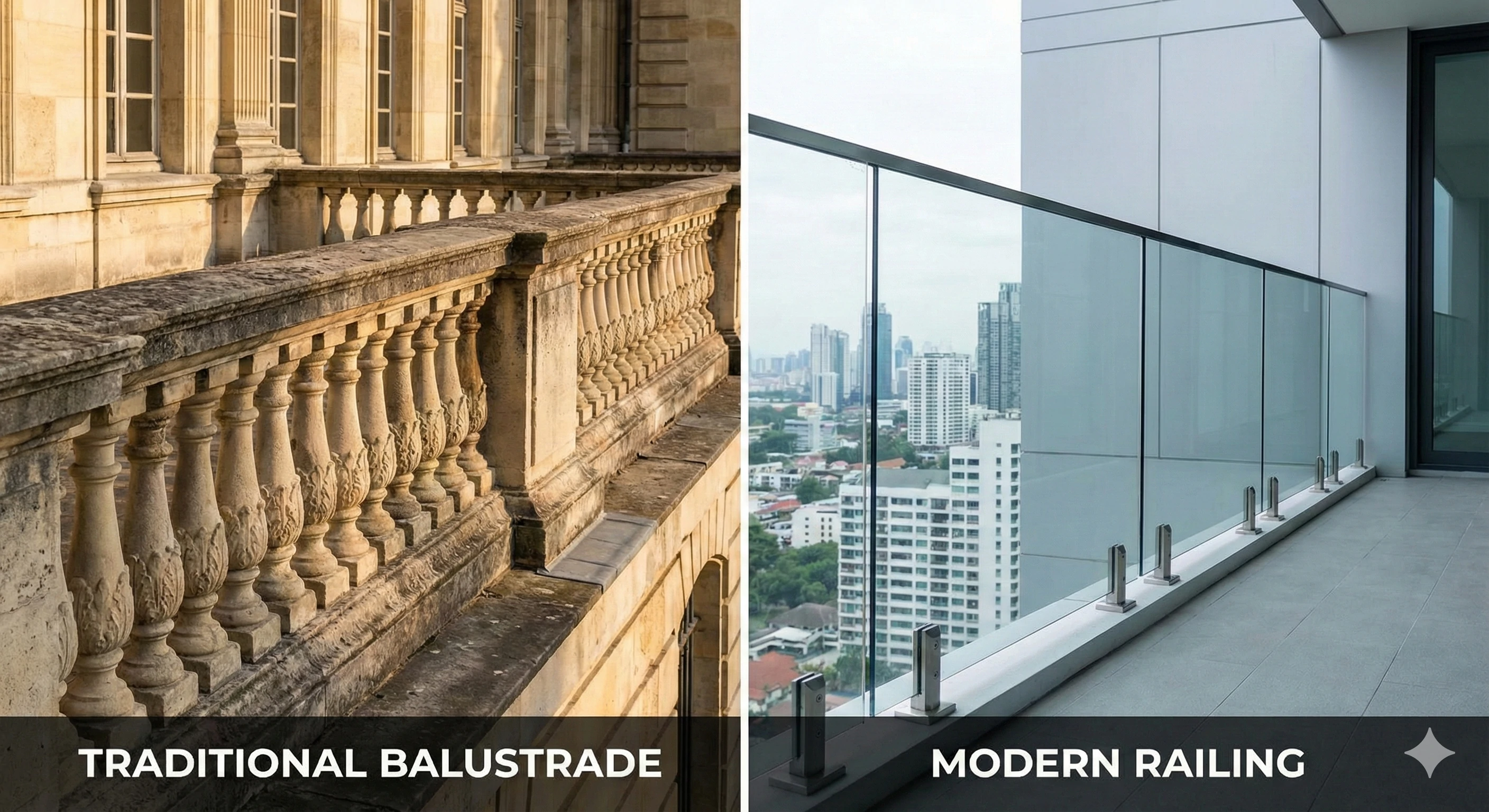
A balustrade is a more precise—and more architectural—term. Traditionally, it refers to a complete system made up of a row of vertical posts (balusters) topped by a horizontal rail, sometimes called a cap rail or coping.
The word originates from the Italian balaustro, inspired by the shape of a pomegranate flower. Historically, balustrades were decorative features seen in Renaissance terraces, palace staircases, and formal gardens. Think carved stone railings with repeating columns—that’s the classic image.
In modern construction, particularly in the glass and metal hardware industry, the meaning has evolved. Today, when professionals refer to a glass balustrade, they’re usually talking about the entire safety assembly:
the glass panels acting as infill,
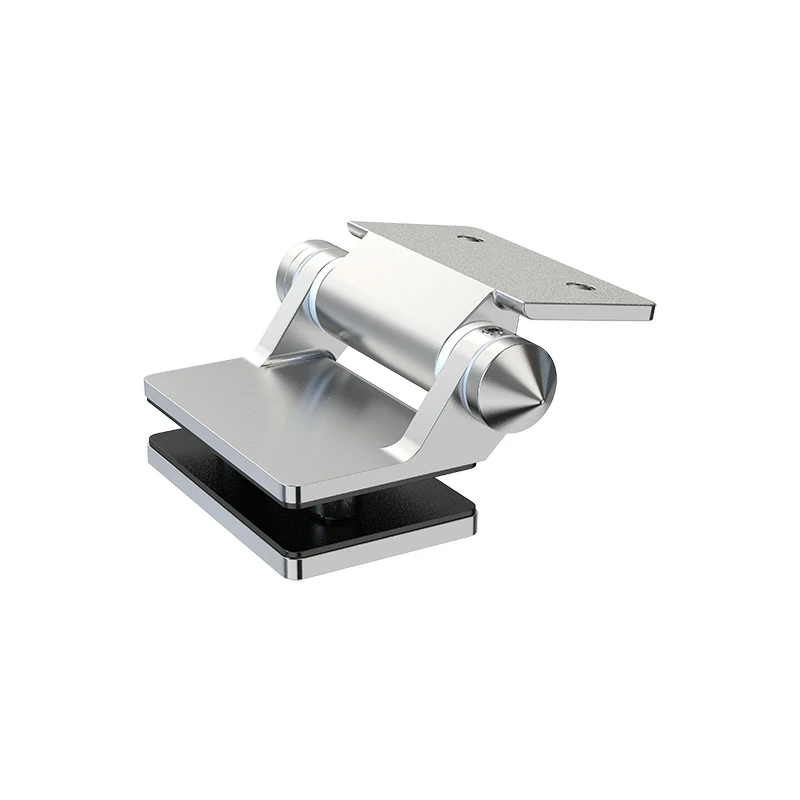
the spigots or standoffs anchoring them to the structure, and
the optional top rail that finishes the system.
There’s also a perception element here. Compared to “railing,” the word “balustrade” sounds more refined and design-focused. On higher-end residential or commercial projects, using the term signals that the barrier is part of the architectural concept—not just a code requirement.
The Third Player: What is a "Banister"?
“Banister” is where things often get confusing.
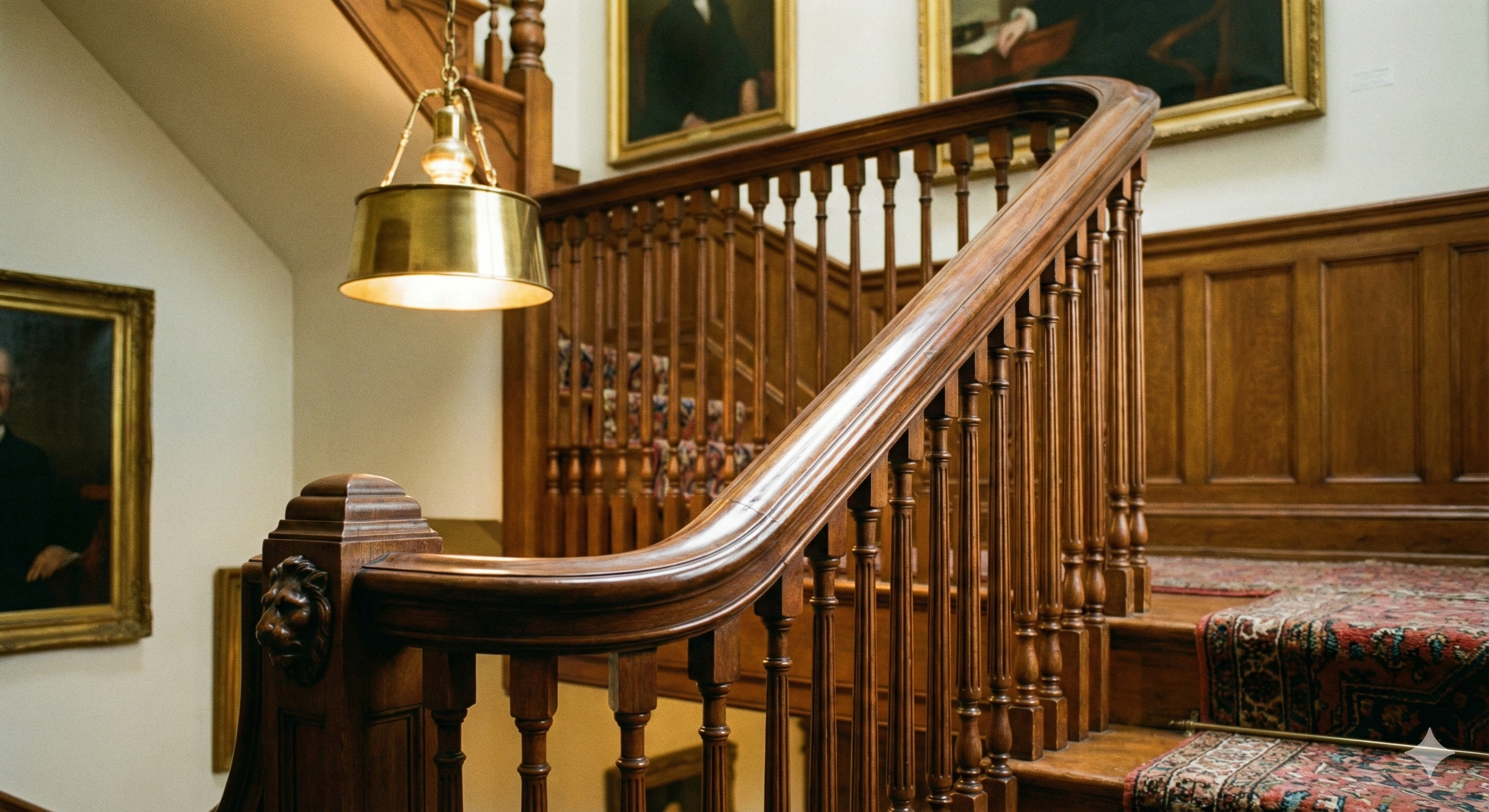
In everyday language, a banister usually refers to the railing on a staircase—especially the smooth handrail people remember sliding down as kids. Technically, the term can describe either the handrail alone or the entire stair railing system, including balusters.
That said, in professional construction and architectural contexts, “banister” is rarely used. It’s a colloquial, residential term. You won’t see it in building codes, technical drawings, or commercial specifications, and it’s almost never applied to exterior decks or balconies.
For practical purposes, think of “banister” as conversational language. When ordering materials or discussing a project with a contractor, it’s better to stick with handrail, guardrail, or balustrade.
In the World of Glass: How These Terms Are Used Today
Now let’s translate all of this into the context that matters most—modern glass railing systems.
Glass Balustrade
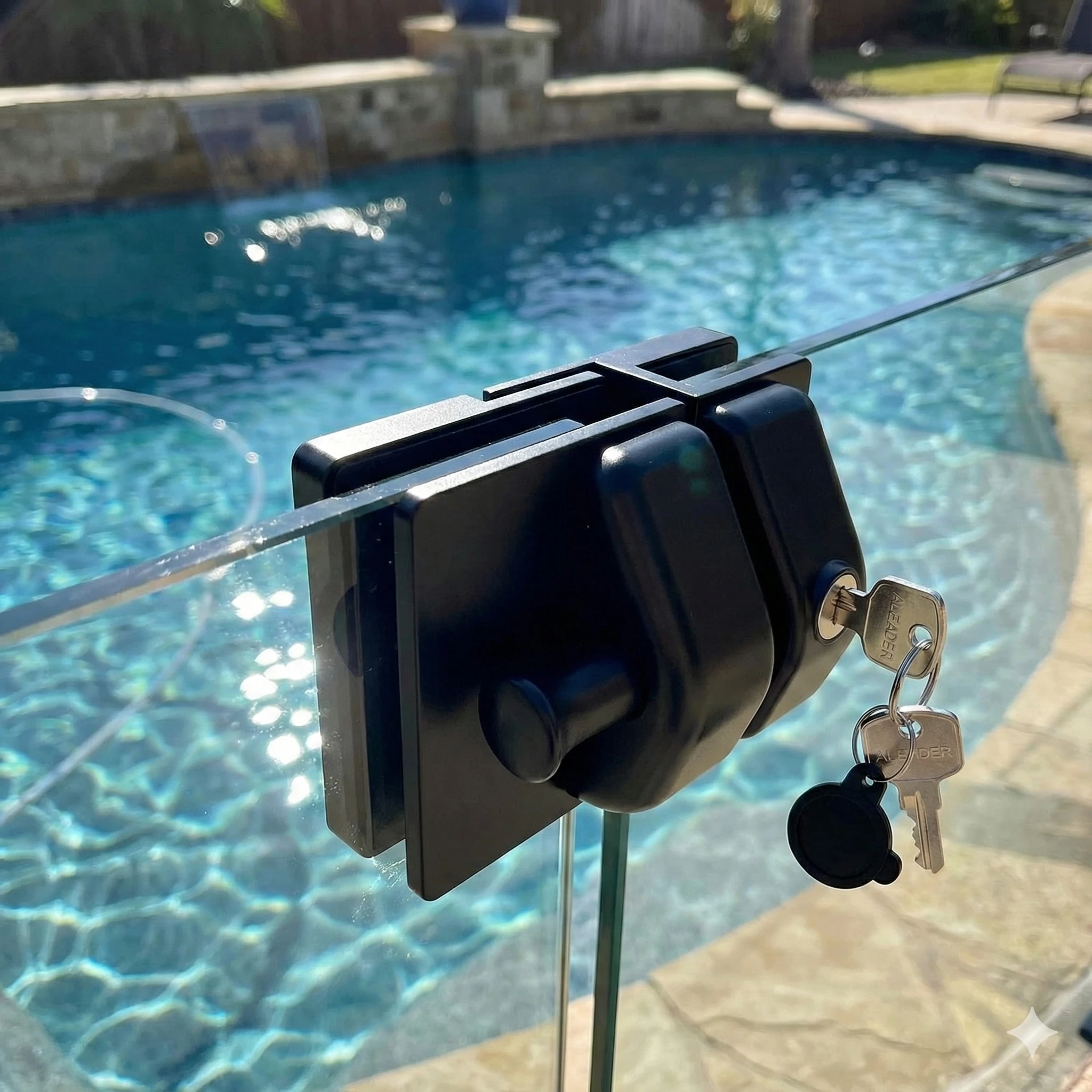
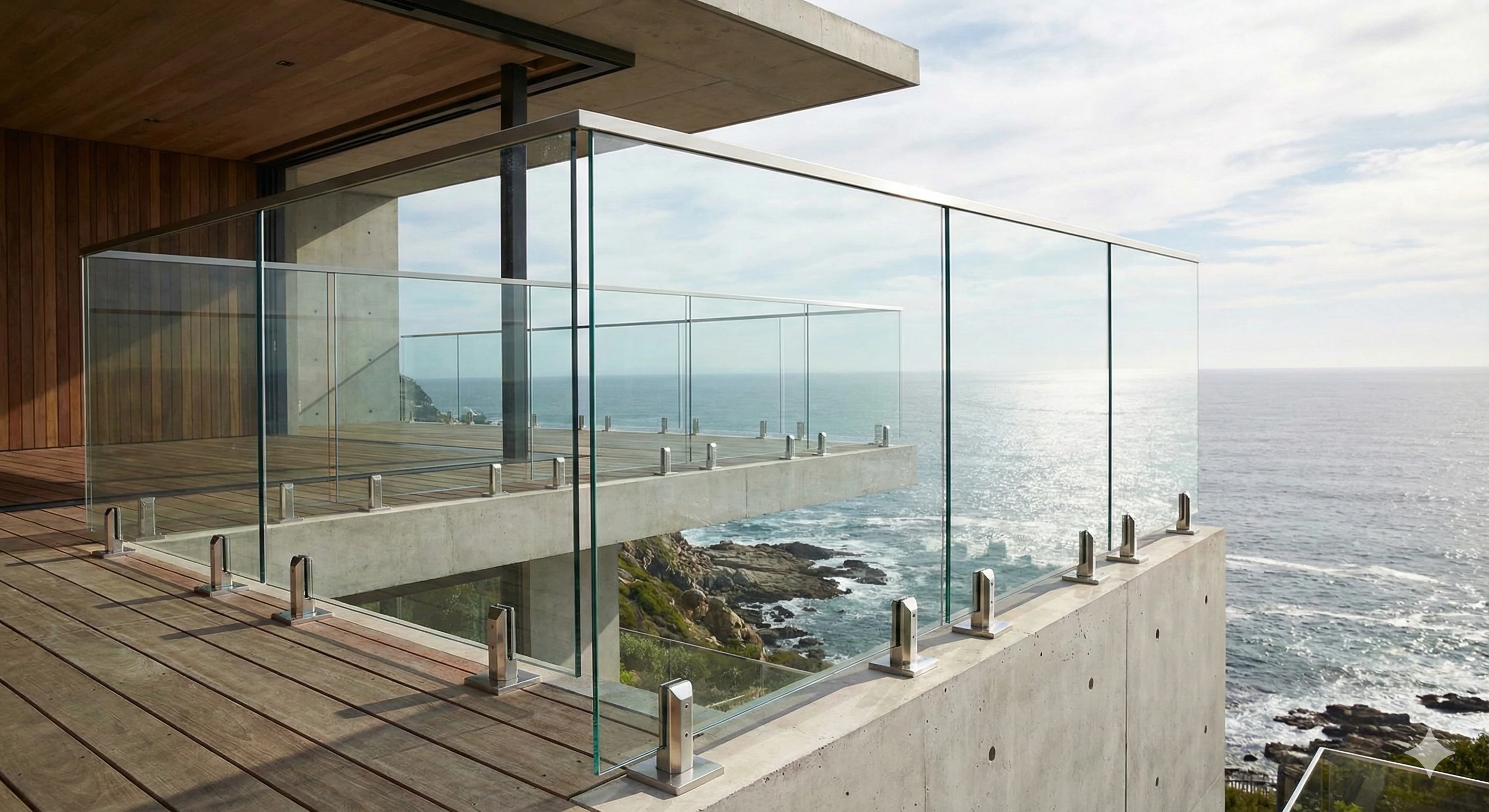
In professional use, a glass balustrade typically refers to a frameless system. Tempered or laminated glass panels form the barrier and are anchored directly to the floor or slab using spigots or standoffs.
Here, the glass itself replaces traditional balusters, creating a clean, uninterrupted view. The hardware takes on the structural role, even though it’s far more minimal than classic vertical posts. This type of system is common in luxury homes, rooftop decks, pool surrounds, and balconies where transparency and aesthetics are priorities.
Glass Railing
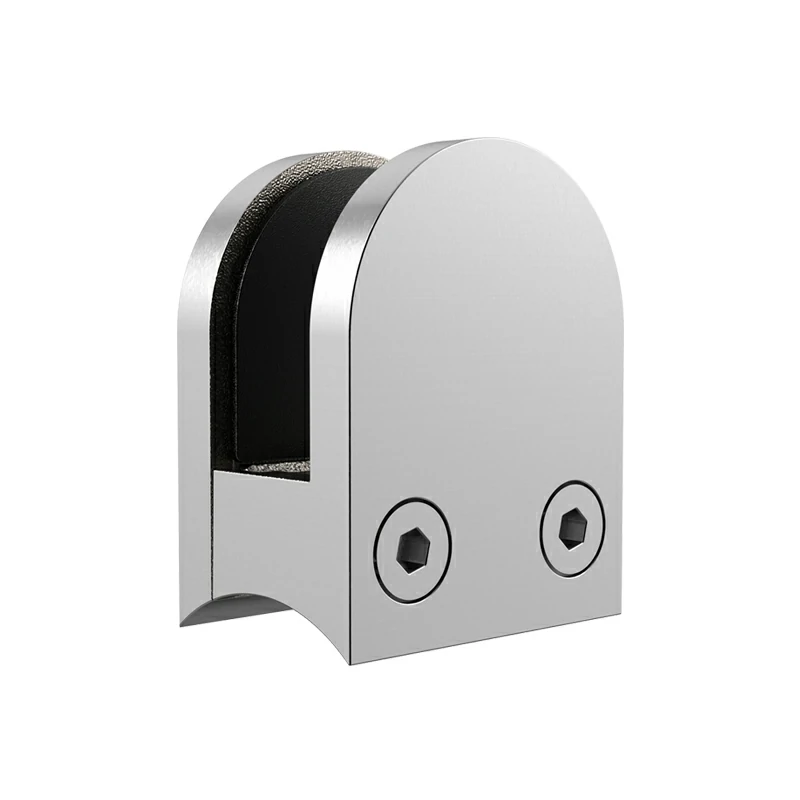
The term glass railing is often used for post-and-clamp systems. In these setups, vertical metal posts are installed first, and the glass panels are secured between them using clamps or brackets.
While the posts slightly interrupt the view, this approach offers strong structural performance and installation flexibility. It’s especially useful where core-drilling isn’t possible or where the surface conditions are less predictable. For many projects, this system balances durability, cost, and visual appeal very effectively.
Handrail or Cap Rail
Regardless of the system type, many glass installations include a handrail or cap rail on top of the glass. In many jurisdictions, this is required for code compliance, ensuring graspability and providing a secondary line of protection.
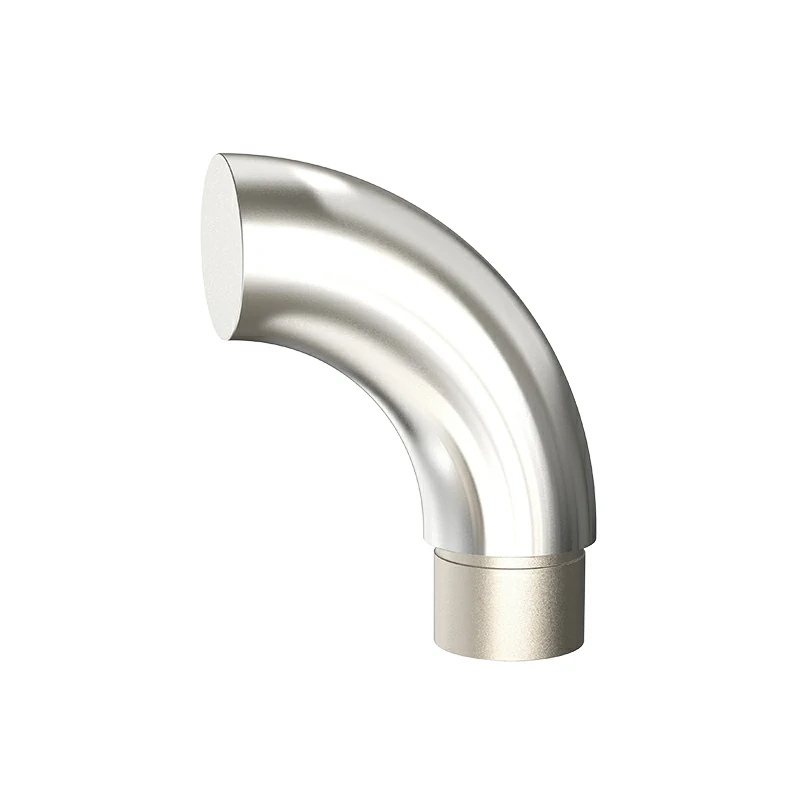
In the glass hardware industry, these are often called slotted tubes or cap rails. They slide over the top edge of the glass and are available in aluminum, stainless steel, or wood-clad options. Beyond safety, a cap rail also gives the system a clean, finished appearance.
Which One Is Right for Your Project?
The terminology matters less than understanding what your project actually needs. Here’s how it typically breaks down.
Interior Stairs
Most staircases require both a handrail and a protective barrier. Codes usually mandate a graspable handrail mounted 34–38 inches above the stair nosing, along with fall protection.
A glass balustrade paired with a mounted handrail is a common solution. Frameless glass with spigot mounts and a wood or metal cap rail keeps the staircase open and modern while meeting all safety requirements.
Exterior Decks and Balconies
Here, you’re dealing with a guardrail system. Height requirements are strict, and wind loads and structural forces come into play.
If preserving the view is critical, a frameless glass balustrade with spigots or standoffs is the preferred option. For projects where installation conditions are more complex—or where maximum rigidity is desired—a post-mounted glass railing can be a more practical choice.
For Pool Surrounds
Pool fencing comes with its own set of safety rules, especially for child protection. Smooth, unclimbable surfaces are key.
Frameless glass balustrades work exceptionally well here. With no horizontal elements and minimal hardware, they meet safety requirements while keeping sightlines completely open across the pool area.
Final Thoughts
Whether you call it a railing, a balustrade, or even a fence, the purpose is the same: to keep people safe without compromising the design of the space.
A railing is the broad, everyday term. A balustrade refers to the complete architectural system working together as one. A handrail is the part designed specifically for grip and support.
When it’s time to move from terminology to installation, focus on three things: local building codes, the look you want to achieve, and the structural realities of your site. Choose the glass hardware system that satisfies all three, and the naming will take care of itself.
Designing a modern balcony or upgrading your staircase? Whether you call it a railing or a balustrade, the right hardware makes all the difference.
Frequently Asked Questions
Is a balustrade the same as a handrail?
No. A balustrade is the full fall-protection system, while a handrail is only the graspable element. A handrail alone doesn’t prevent falls.
What is a baluster?
A baluster is an individual vertical support in a traditional railing system. In modern glass applications, spigots or standoffs serve a similar structural role.
Do I need a top rail on a glass balustrade?
That depends on local code and application. Many commercial and high-risk residential projects require one. Even when it’s optional, many people choose to add a cap rail for safety and a more finished look.