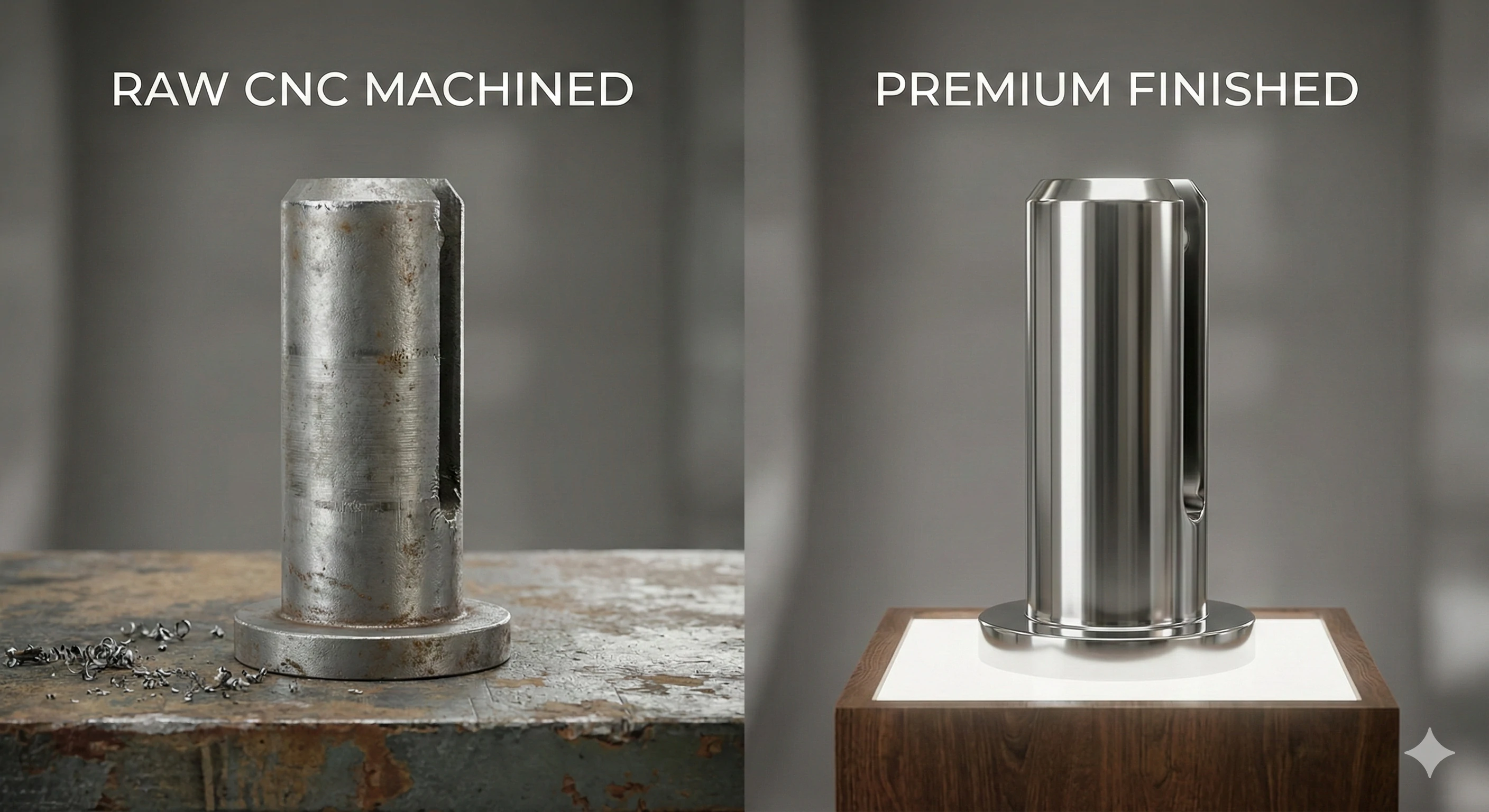
When parts come out of our CNC machines or , they are just raw functional pieces of metal. We know from decades of production that a raw metal casting is only half-finished. These raw parts are rarely ready for the real world. Buyers often wonder why we spend extra time and money dipping parts in acid, baking them in a vacuum, or polishing them with . If these crucial steps are skipped, the hardware will quickly fail in the field, causing costly delays and project ruins.
The main purpose of surface treatments and finishes is to protect the metal from environmental corrosion, enhance its aesthetic appeal for buyers, increase mechanical wear resistance, and control surface friction. These critical manufacturing steps dictate the lifespan, performance, and overall market value of the hardware.
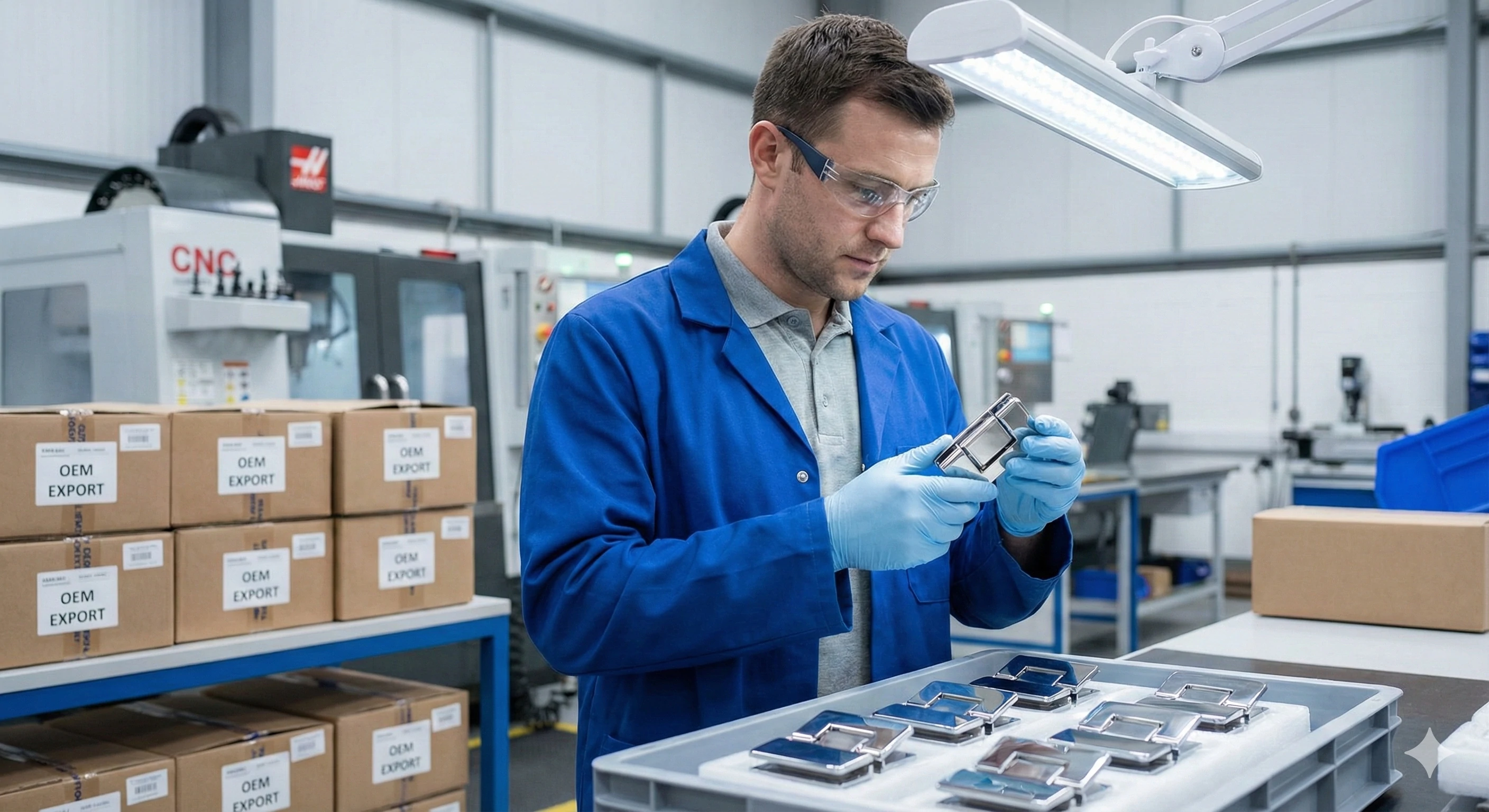
Let us explore these four critical purposes in detail to understand why they are the most important part of the production cycle. This guide breaks them down step by step.
Why Is Protection Against Corrosion the Most Critical Surface Treatment Purpose?
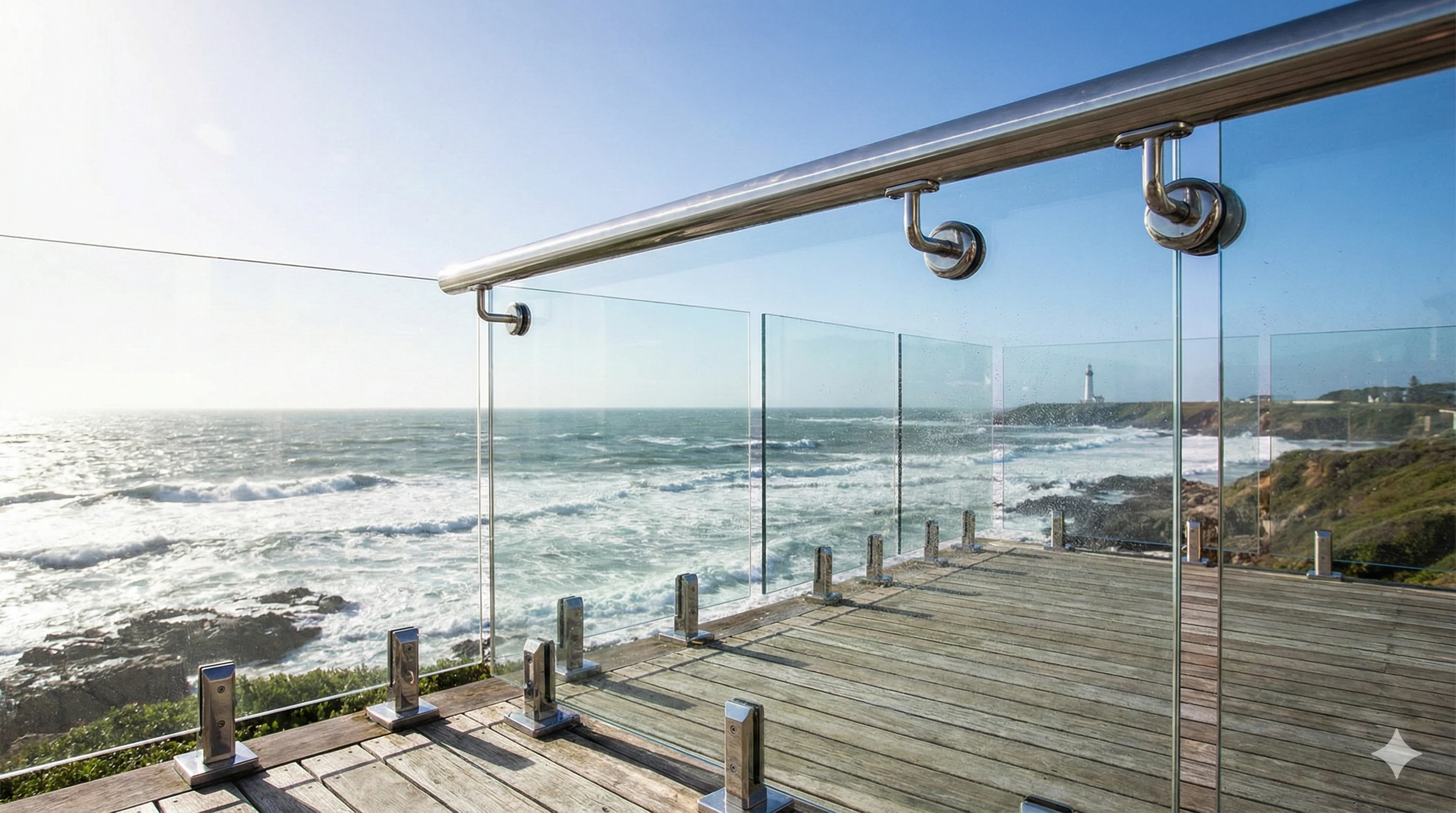
At our factory, we understand that moisture, salt, and chemicals constantly attack metal, causing oxidation and rust. When we produce hardware for marine or exterior use, we know it will face harsh outdoor environments. If we do not apply a proper shield, the metal will degrade rapidly. This threatens the structural integrity of the project, frustrates distributors, and destroys brand reputation in the competitive market.
Protection against corrosion is the most critical surface treatment purpose because it creates a microscopic shield that prevents moisture and chemicals from oxidizing the metal. Processes like passivation and electroplating ensure industrial and architectural hardware survives harsh outdoor environments without rusting.
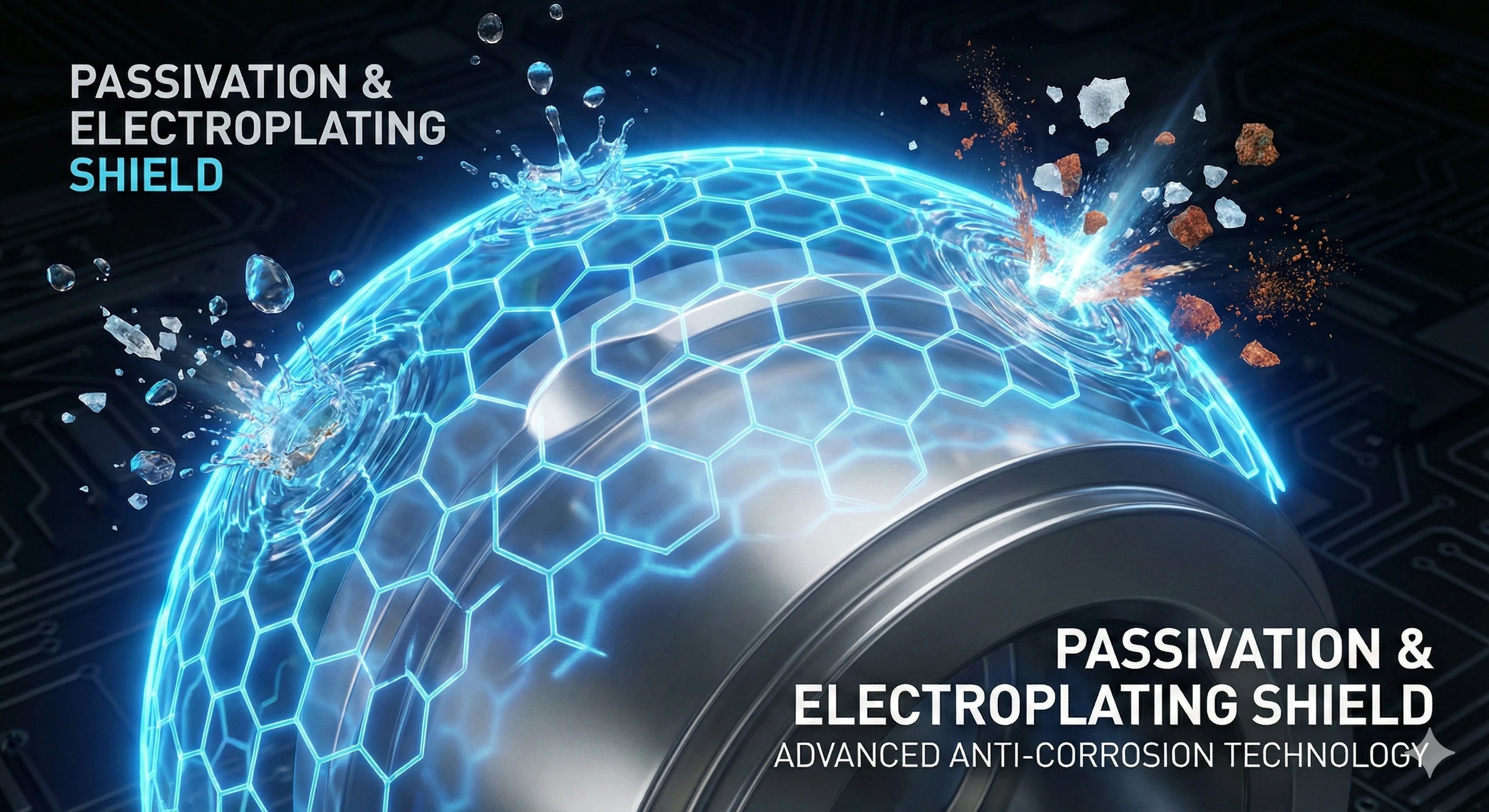
The Science Behind the Shield
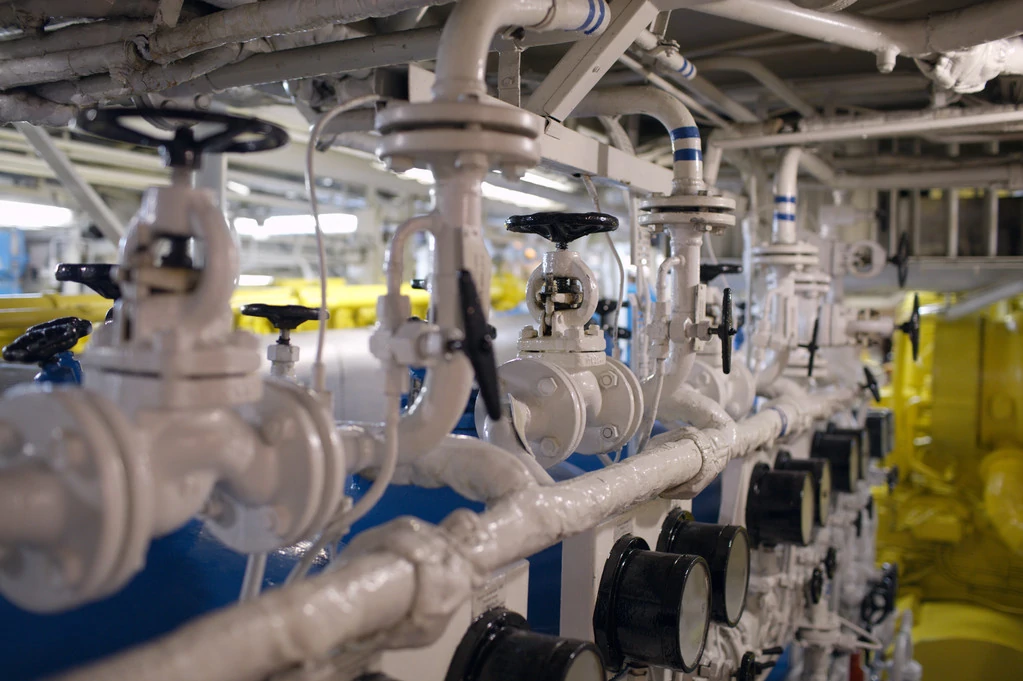
This is the most critical function for industrial and architectural hardware. To build this protective shield, we rely heavily on . This process involves dipping stainless steel in nitric or citric acid to remove free iron and build a microscopic Chromium-Oxide shield. Without this essential chemical step, even 316 Marine Grade steel can rust when exposed to the elements. It is a non-negotiable step for long-term outdoor stability.
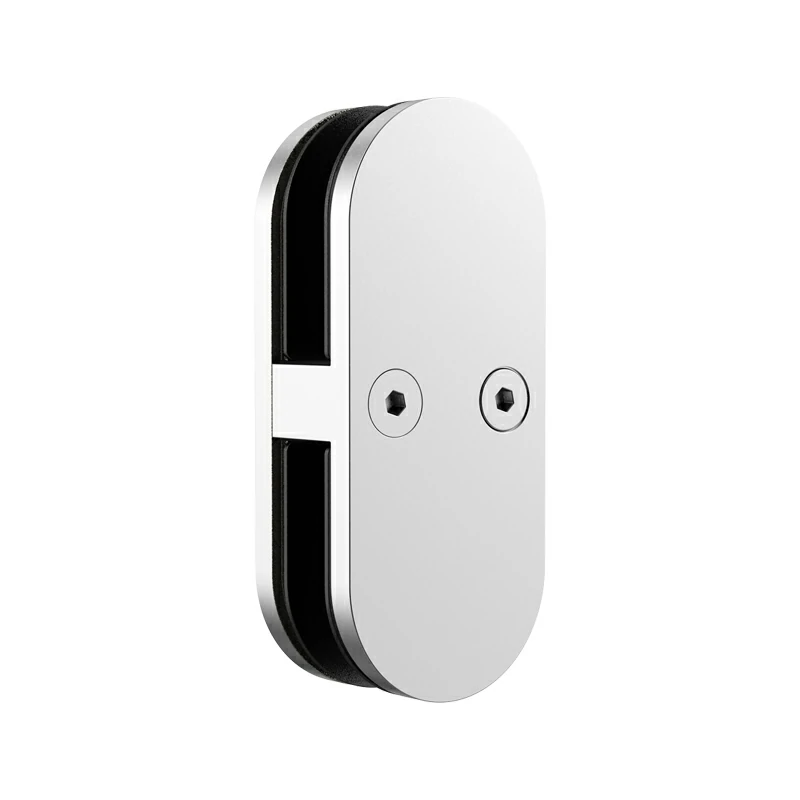
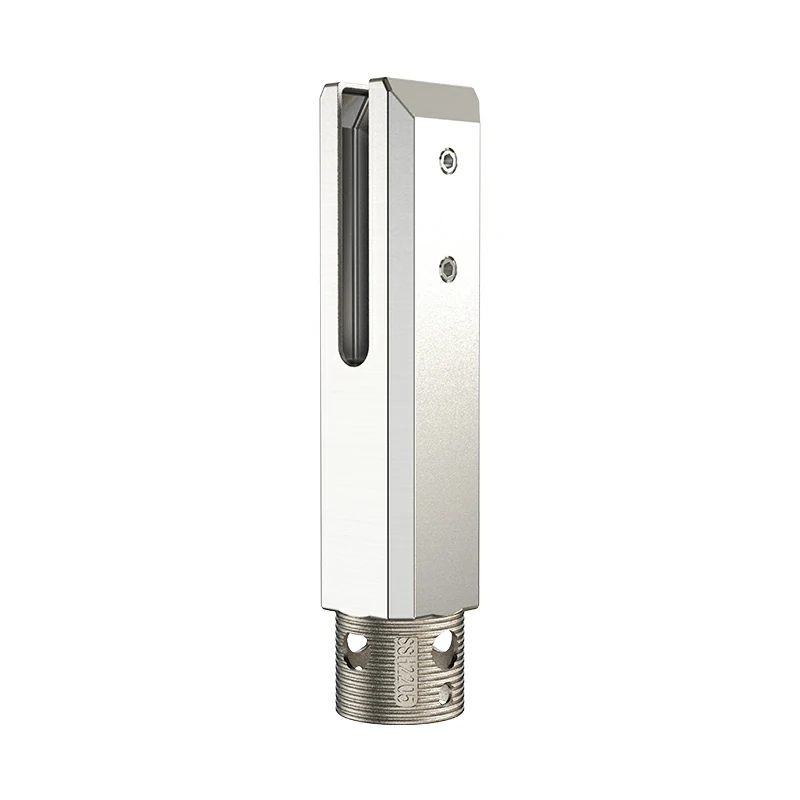
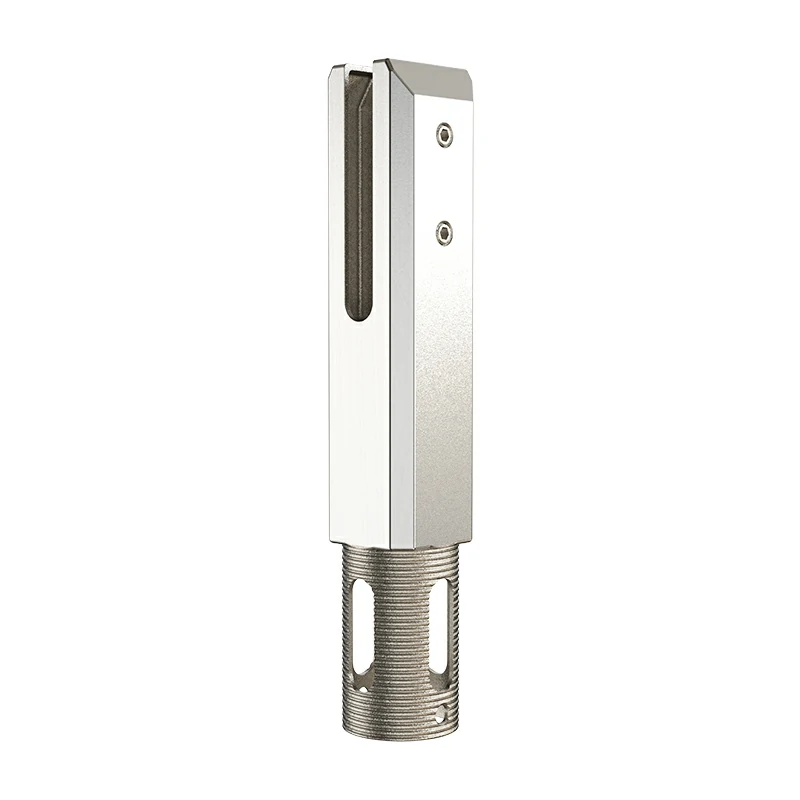
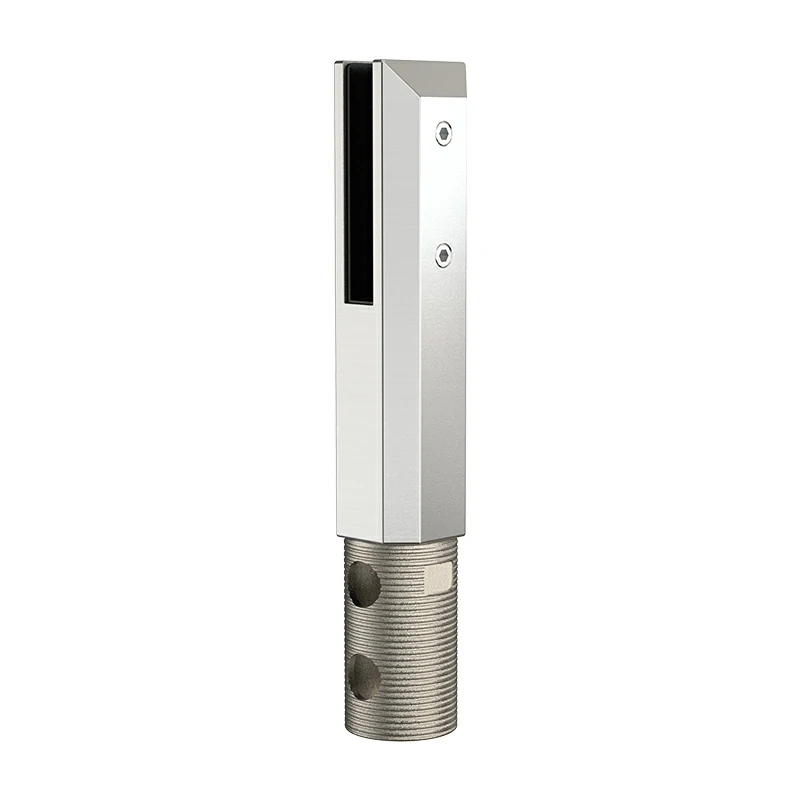
Another highly effective treatment is , specifically using zinc or chrome. This method works by adding a sacrificial layer of non-corrosive metal over carbon steel. Procurement managers demand strict quality control, and these chemical processes guarantee durable products that survive the toughest conditions. We explicitly link the treatment to the product to ensure reliability. For example, every Glass Spigot and Pump Impeller we cast undergoes strict passivation to survive outdoor and underwater environments. By doing this, we eliminate the pain point of substandard product delivery.
| Treatment Method | Primary Function | Ideal Application | Material |
|---|---|---|---|
| Passivation | Removes free iron to build a Chromium-Oxide shield. | Glass Spigots, Pump Impellers. | Stainless Steel |
| Electroplating | Adds a sacrificial non-corrosive layer. | Indoor structural brackets. | Carbon Steel |
| Hot-Dip Galvanizing | Coats steel with a thick layer of zinc. | Heavy industrial construction. | Raw Steel |
How Do Surface Finishes Enhance Aesthetics and Drive Sales?
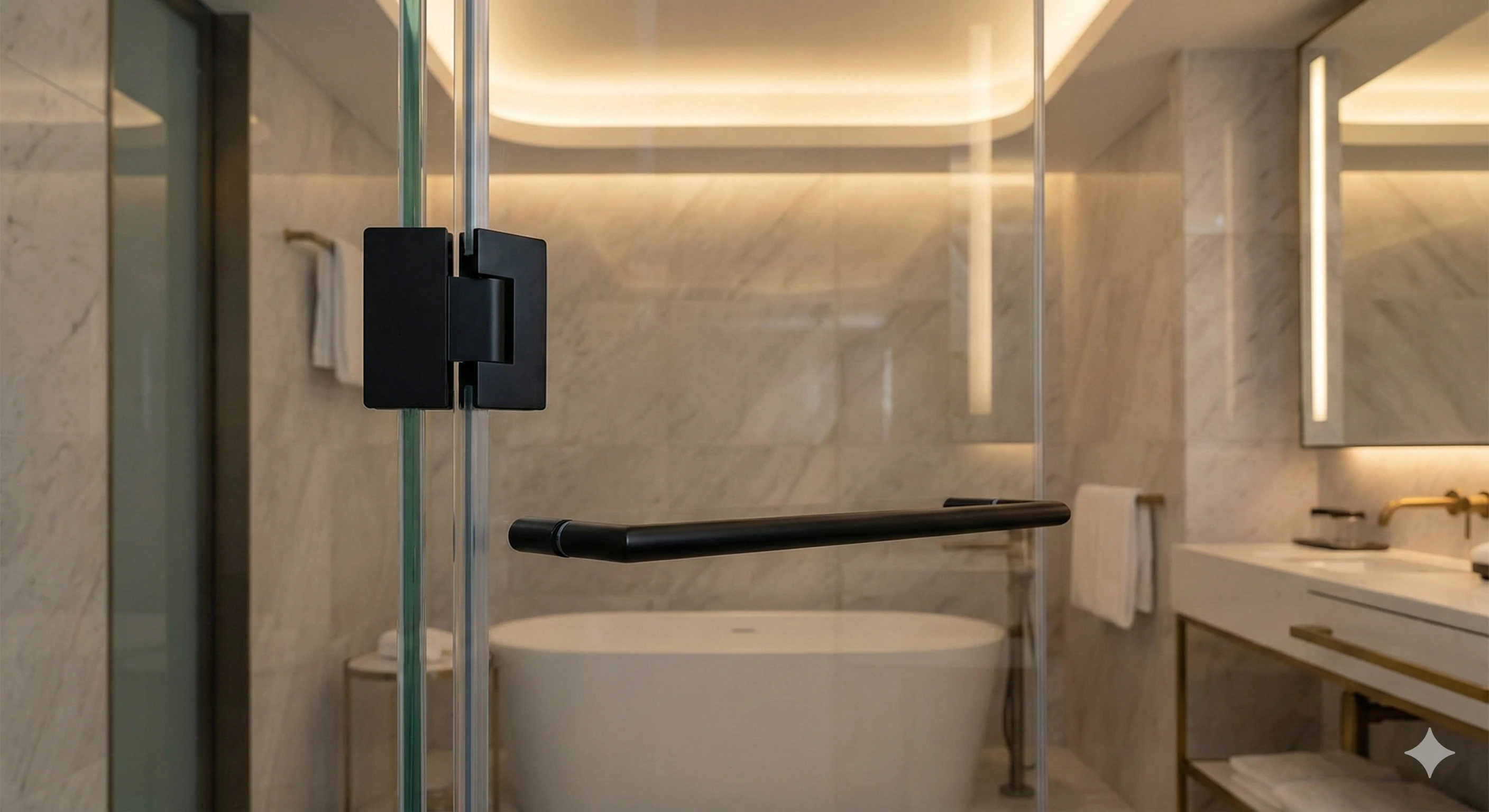
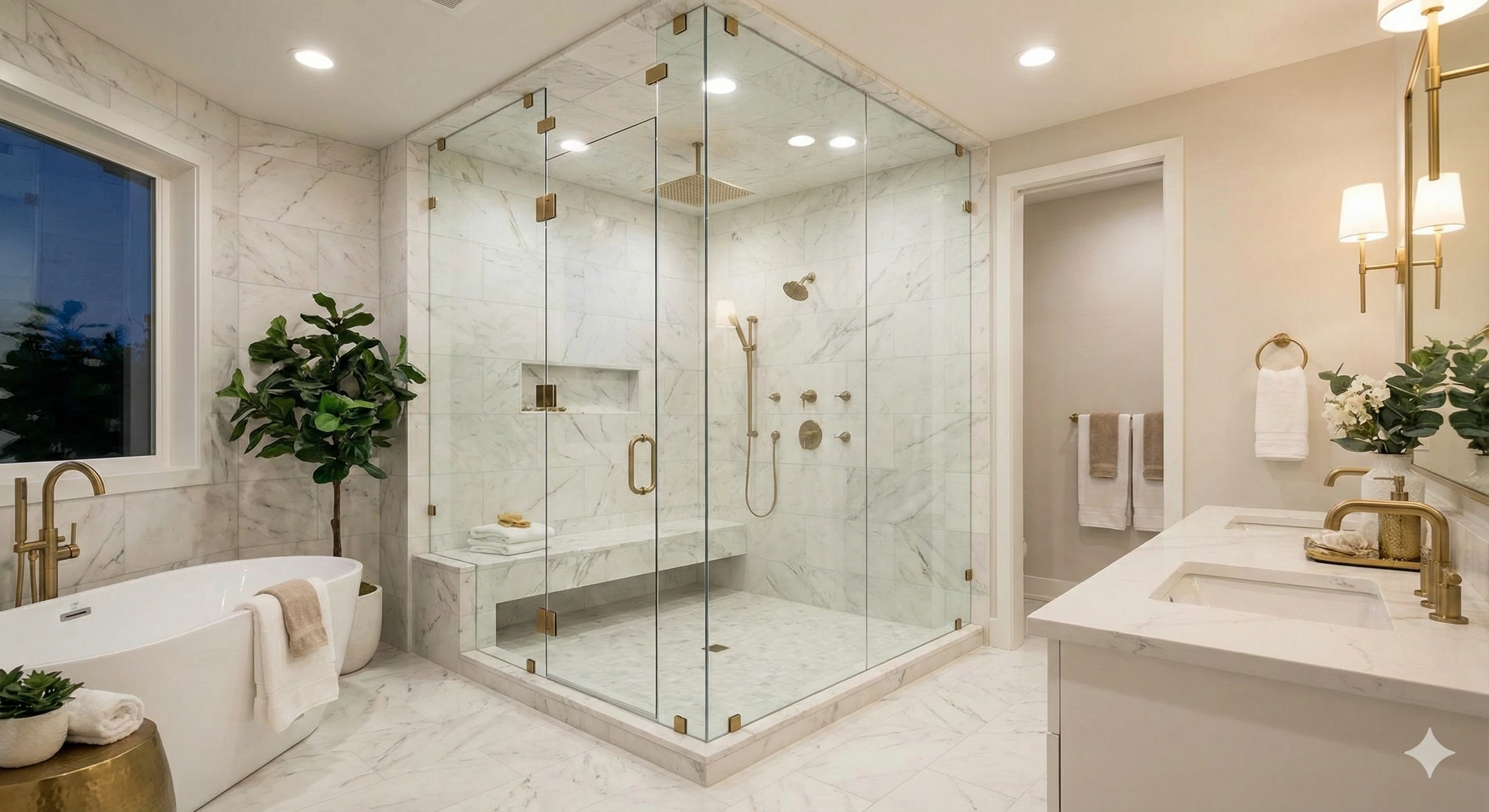
When we inspect our completed shower hardware, we know that ugly, dull, or scratched parts look cheap and immediately damage your brand's reputation. Buyers want luxury, perfection, and consistent quality. If the surface looks bad, the customer will reject it, leading to massive financial losses and delayed timelines. We must apply flawless finishes to help our distributors win the high-end market.
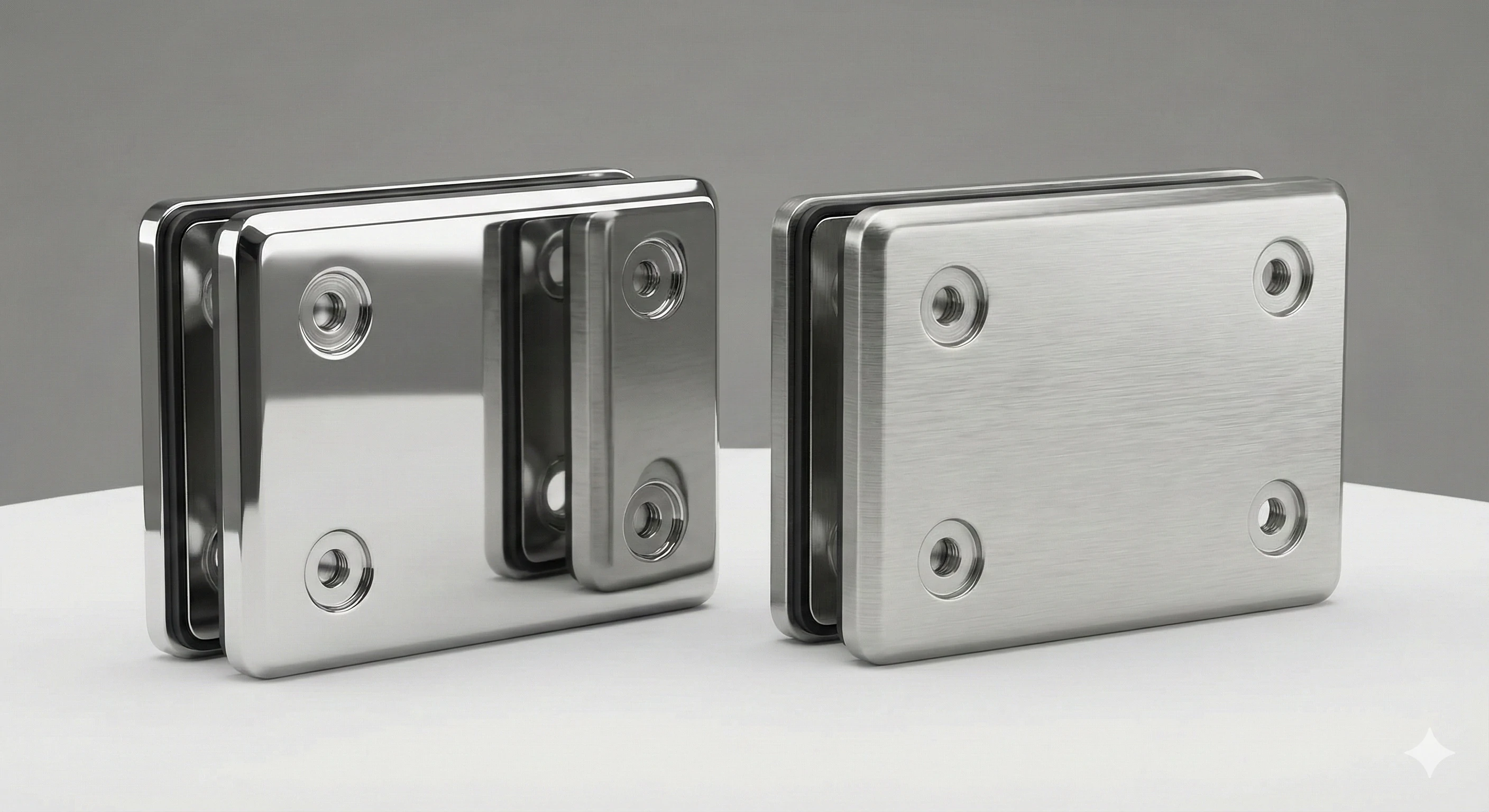
Surface finishes enhance aesthetics by removing microscopic scratches and adding brilliant, uniform colors or reflective properties. Finishing methods like mirror polishing, satin brushing, and physical vapor deposition create a visually appealing, luxury surface that significantly increases the market value of the hardware.
Choosing the Right Visual Impact
The aesthetic finish is the ultimate sales pitch for your brand. We utilize several techniques to achieve visual perfection. First, there is Mirror Polishing, which involves buffing out all microscopic scratches to create a highly reflective, luxury surface. For clients wanting a more understated look, we use a . This creates a uniform, directional grain that hides fingerprints, which is extremely popular for modern interiors.
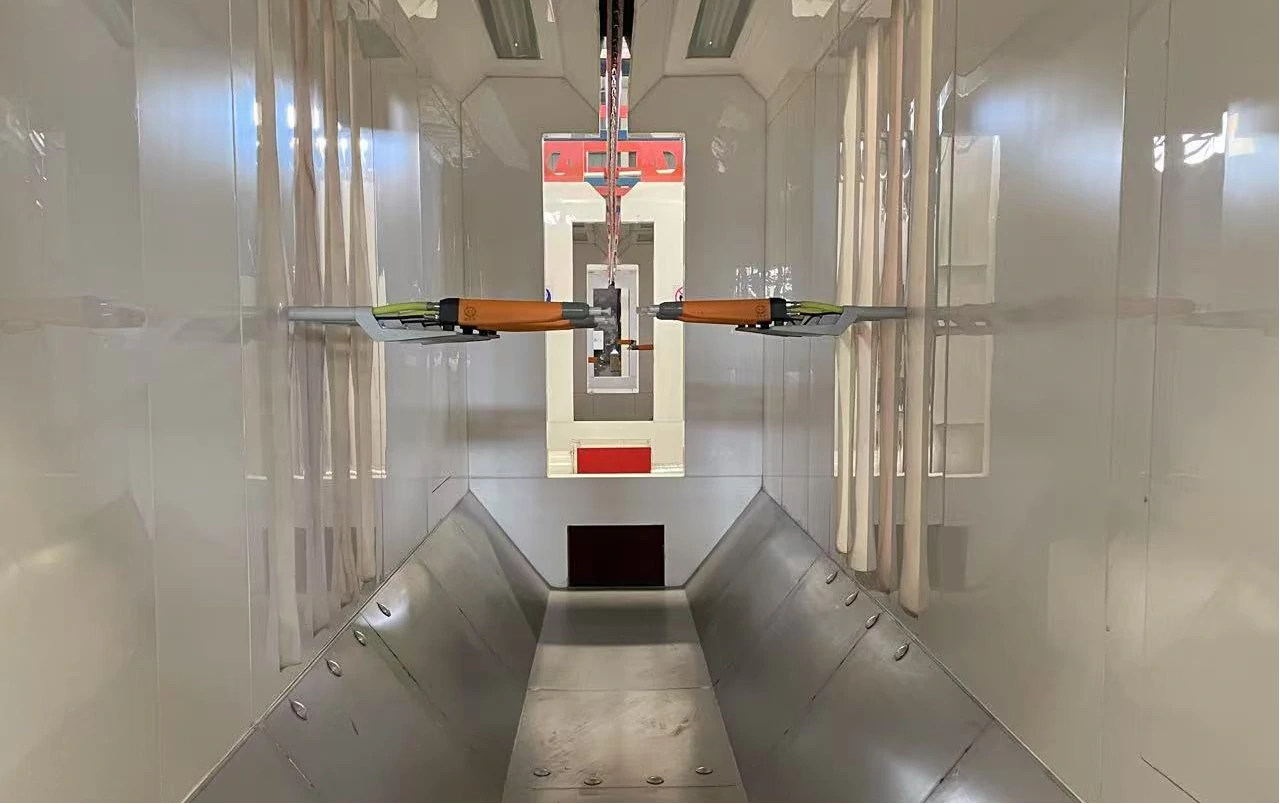
For premium colors, we apply (PVD Coating). This advanced process allows us to add brilliant colors like Matte Black, Brass, or Rose Gold to the metal. Our Shower Hinges rely on flawless polishing and PVD coating to meet the strict aesthetic demands of luxury hotels. Procurement managers often need products that can be OEM branded with customized packaging, and a beautiful PVD finish allows distributors to sell at a premium price. If a supplier delivers poorly finished parts, it causes severe economic losses for the importer.
| Finish Type | Visual Characteristic | Key Benefit | Common Product |
|---|---|---|---|
| Mirror Polishing | Highly reflective, shiny. | Removes all microscopic scratches. | Luxury fixtures |
| Satin/Brushed | Directional grain. | Hides fingerprints well. | Modern interiors |
| PVD Coating | Brilliant custom colors. | Extreme durability and aesthetic appeal. | Shower Hinges |
Why Is Increasing Wear Resistance Essential for Mechanical Parts?
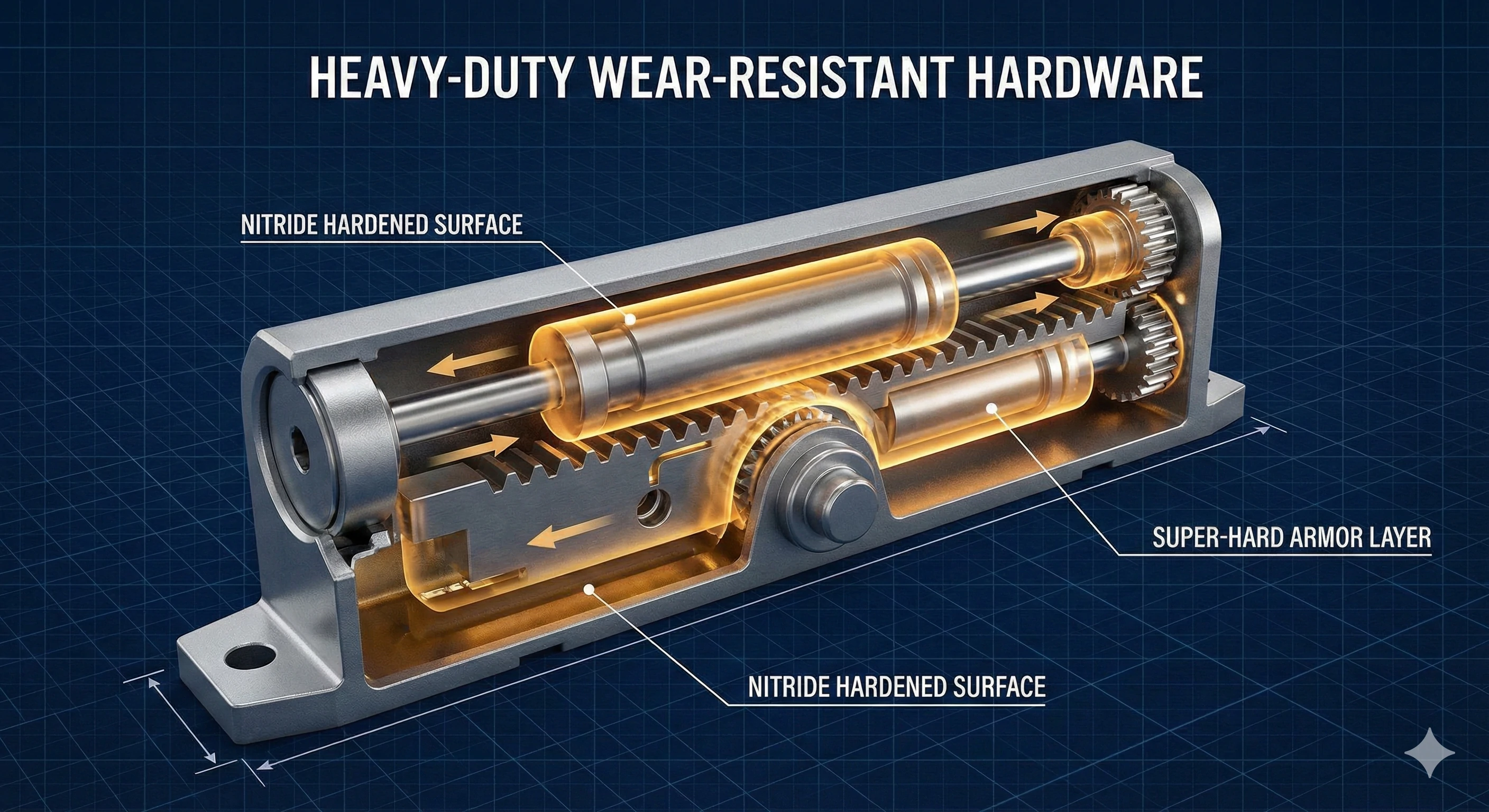
When our engineers test our hydraulic door hardware, we see how moving parts constantly rub against each other. This aggressive movement causes friction, severe scratching, and eventual mechanical failure known as galling. If we leave the metal skin soft, the parts will fail prematurely under heavy commercial use. We must build robust armor for these mechanical components to ensure safety.
Increasing wear resistance is essential because it prevents moving parts from scratching and failing due to friction. Surface treatments like hard chrome plating and nitriding infuse the steel surface with protective elements, making the outer skin incredibly hard while keeping the core tough.

Preventing Mechanical Failure with Metal Armor
Building armor for mechanical parts is critical for long-term survival. To prevent scratching and galling, we utilize . This specific treatment adds a super-hard layer to hydraulic shafts to prevent scratching under heavy loads. Another excellent method includes Nitriding and Carburizing. These are highly controlled heat treatments that infuse nitrogen or carbon into the surface of the steel.
These treatments make the skin incredibly hard while keeping the core tough and resilient to impact. In our daily operations, we see exactly why this matters. The internal pistons of our Hydraulic Door Closers require hardened surfaces to withstand thousands of opening and closing cycles without wearing down. Our clients face pain points when suppliers do not provide repair parts, or when products break too early. Proper hardening ensures stable performance, saving dealers massive amounts of money on replacements and warranty claims.
| Hardening Process | Mechanism | Core Benefit | Best For |
|---|---|---|---|
| Hard Chrome Plating | Adds a super-hard outer layer. | Prevents deep scratching. | Hydraulic shafts. |
| Nitriding | Infuses nitrogen via heat. | Hard skin, tough core. | Internal pistons. |
| Carburizing | Infuses carbon via heat. | High wear resistance. | Heavy load gears. |
How Do Surface Treatments Alter Friction and Fluid Dynamics?
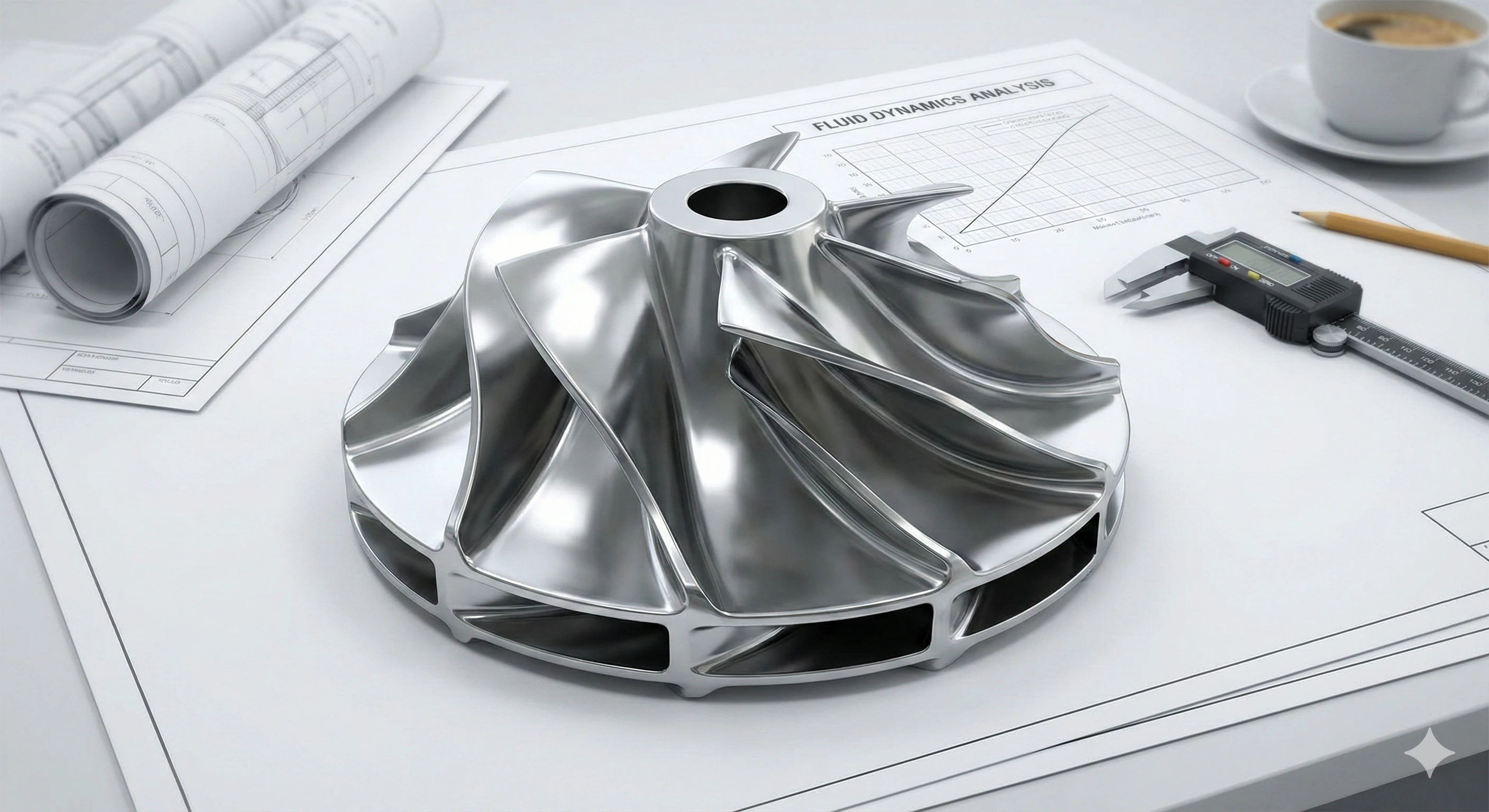
During the design phase of our investment castings, we focus heavily on friction and fluid movement. Rough surfaces naturally create drag. In a pump, this wastes electricity, and on a handrail, it feels terrible to the touch. We must actively smooth out these microscopic inconsistencies to guarantee top performance, energy efficiency, and a comfortable user experience.
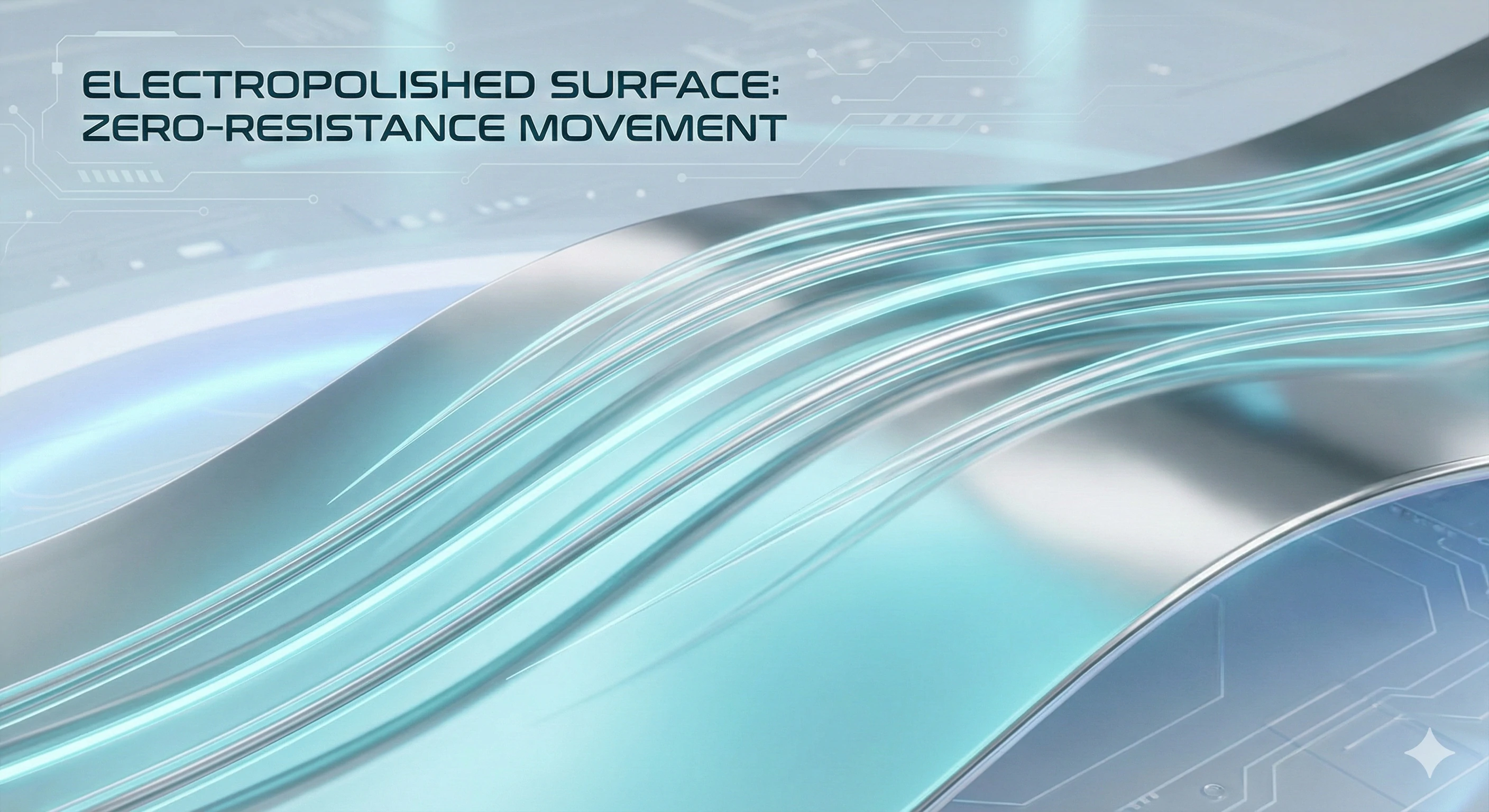
Surface treatments alter friction and fluid dynamics by smoothing out microscopic peaks and valleys on the metal. Electropolishing creates a highly refined surface that reduces drag, allowing water to flow over pump vanes with less turbulence and significantly increasing overall efficiency.
Optimizing Performance Through Smooth Surfaces
Altering friction is a highly technical engineering purpose. To achieve optimal performance, we utilize . This advanced chemical process removes microscopic peaks and valleys on the metal surface. Why does it matter so much? For an Investment Cast Impeller, a smoother surface means better fluid dynamics.
When the surface is refined, water flows over the vanes with less turbulence, increasing the overall efficiency of the pump. Professional procurement managers require their suppliers to have strong engineering support capabilities. By altering friction and fluid dynamics, we deliver customized product features that outperform standard competitors. We collaborate closely with clients on design and development to solve these complex flow problems. Smooth surfaces ensure that moving liquids or sliding components encounter zero resistance.
| Treatment for Friction | Process Action | Resulting Benefit | Example Application |
|---|---|---|---|
| Electropolishing | Removes peaks and valleys. | Better fluid dynamics. | Cast Impeller. |
| Teflon Coating | Adds a non-stick layer. | Extreme friction reduction. | Sliding brackets. |
| Fine Sandblasting | Creates a matte, uniform texture. | Consistent grip levels. | Handrail sections. |
What Is the Hidden Cost of Skipping Essential Surface Treatments?
We constantly warn our B2B partners about the severe dangers of the cheap trap. Many low-cost factories skip the final Passivation step to save a few cents during production. The product looks fine in the box, but fails miserably in the real world. This ruins your brand reputation, breaks customer trust, and causes massive economic losses on job sites.
The hidden cost of skipping essential surface treatments is rapid product failure and severe damage to your brand reputation. Hardware without proper chemical finishing will quickly develop rust and mechanical issues in the field, proving that you are paying for treatments that guarantee longevity.
Avoiding the Cheap Trap and Securing Longevity
The result of the cheap trap is disastrous. The hardware develops " " (brown rust spots) within 3 months of being installed near the ocean. The lesson here is critical: you are not just paying for metal; you are paying for the chemical treatments that guarantee its longevity. Without these processes, the hardware simply will not survive.
Frequently Asked Questions
Does stainless steel actually need surface treatment?
Yes! "Stainless" does not mean "Stain-proof". After , the surface is contaminated with microscopic iron particles from the tools. If the steel is not chemically Passivated to remove these particles, it will quickly develop rust spots.
How long does a PVD finish last compared to powder coating?
PVD (Physical Vapor Deposition) is vastly superior to powder coating or wet paint. It bonds at the molecular level, creating a finish that is incredibly scratch-resistant and will not peel or chip over time. It is the gold standard for high-wear items like door handles.
What is the best surface finish for a marine environment?
A Mirror Polish (Ra < 0.2) combined with Passivation. A mirror polish leaves no microscopic crevices for salt and moisture to hide in, making it much more corrosion-resistant than a brushed or satin finish.
Conclusion
Form and function are entirely useless if the surface fails. Surface treatments protect the metal from the aggressive environment, while finishes make the metal attractive to the end buyer. Don't risk your brand's reputation on untreated hardware. We provide comprehensive in-house Polishing, Passivation, and PVD Coating for all our OEM castings. Contact us for a finished sample today.
Footnotes
1. Learn about the precision and applications of the investment casting process in manufacturing.
2. Understand how abrasive belts are used for finishing and polishing metal surfaces effectively.
3. Discover the chemical processes behind passivation and how it prevents metal corrosion.
4. Read about electroplating techniques used to add sacrificial non-corrosive layers to raw metals.
5. Explore the aesthetic and practical benefits of brushed metal finishes in modern architectural design.
6. Detailed explanation of physical vapor deposition and its durability benefits for luxury hardware.
7. Find out how hard chrome plating increases wear resistance for high-friction mechanical components.
8. Learn how electropolishing removes microscopic surface peaks to dramatically improve fluid dynamics.
9. Understand pitting corrosion and how it leads to cosmetic rust issues on stainless steel.
10. Overview of machining processes and why they necessitate post-production surface cleaning and passivation.