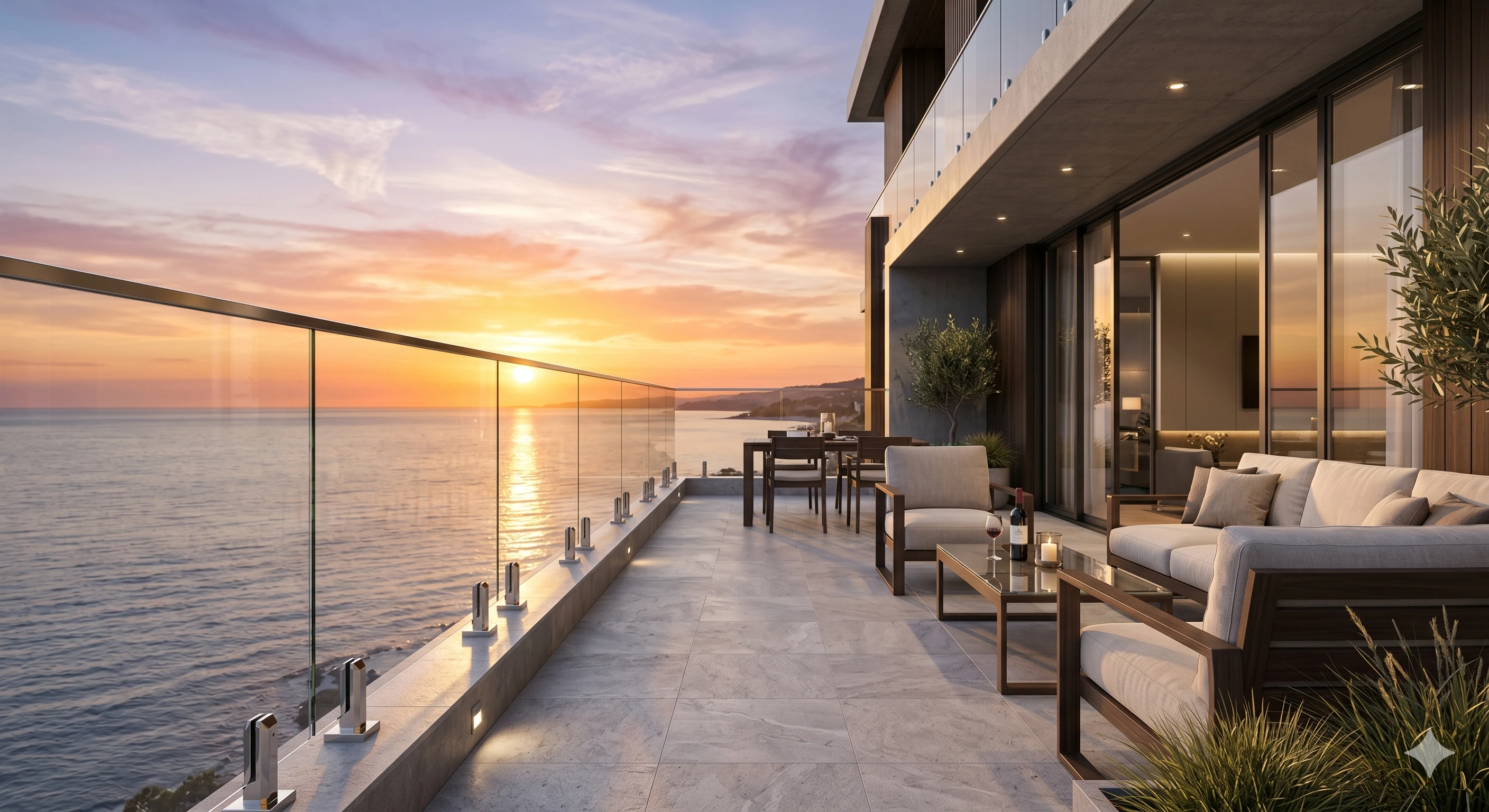
Glass balustrades deliver unbeatable modern aesthetics, unobstructed views, and open-space elegance for balconies, staircases, rooftops, and pool areas. However, one critical issue plagues many installations: glass panel slippage. Over time, panels can shift, slide down, or even detach from their fixings-creating major safety hazards, property damage risks, and costly repairs. Slippage is never a minor issue; it signals a failing system that demands immediate attention.
In this comprehensive guide, we explore the root causes of glass balustrade slippage, the risks it poses, and the most effective, code-compliant solutions to prevent or fix it. Whether you're a homeowner, architect, or contractor, this guide equips you with expert insights to keep glass balustrades stable, secure, and safe for years.
Table of Contents
Why Glass Balustrades Slip: The Root Causes
Glass slippage is rarely accidental-it stems from avoidable mistakes in material selection, hardware choice, installation, or environmental exposure. Understanding these causes is the first step to solving the problem.
1. Inadequate Friction & Poor Gasket Quality
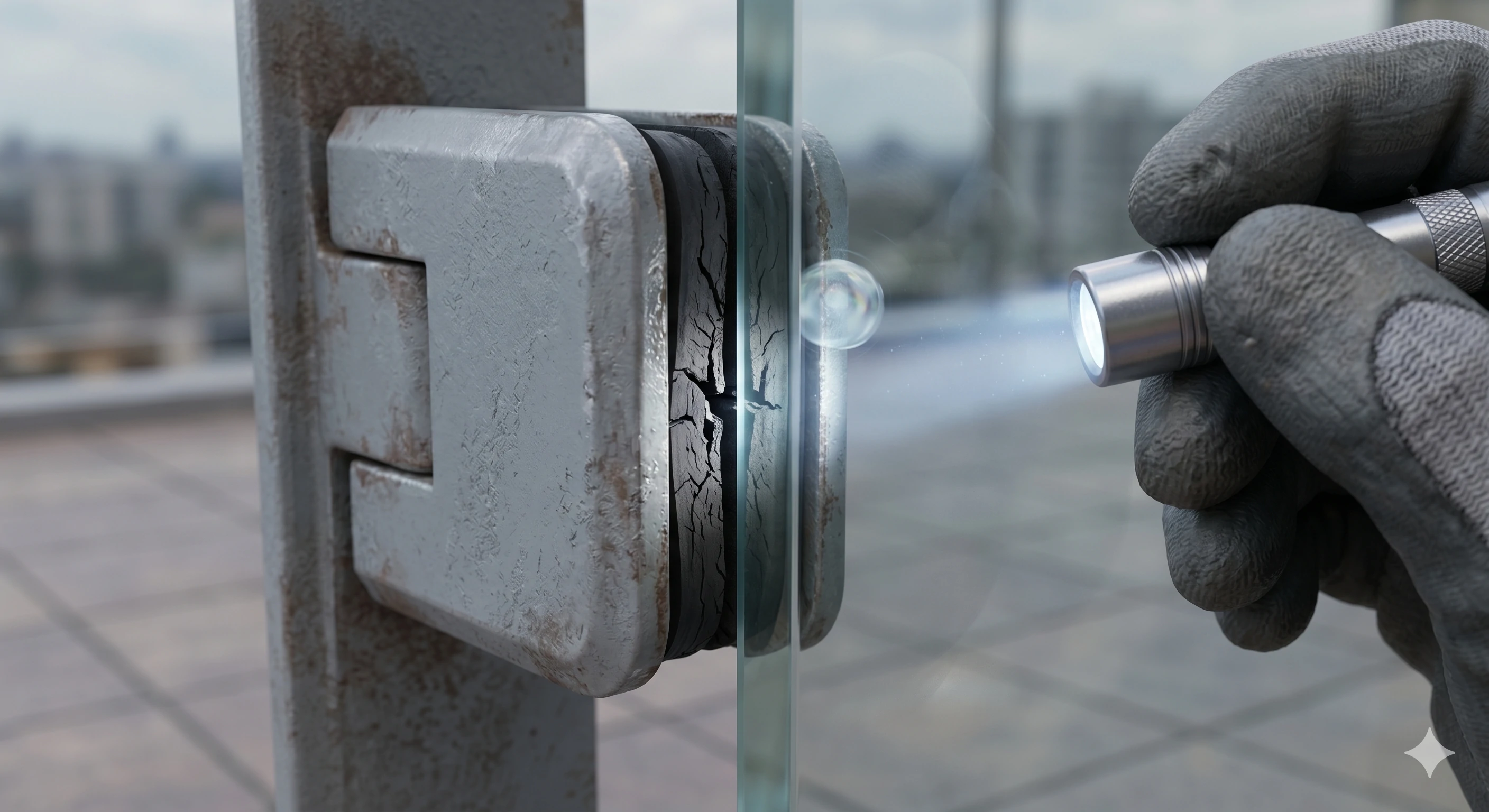
Most frameless or semi-frameless balustrades rely on to grip glass. Low-quality, thin, or degraded gaskets lose elasticity over time. They harden, crack, or compress permanently, reducing friction between metal and glass. Without a tight grip, glass slides under gravity or vibration.
2. Incorrect Hardware Selection
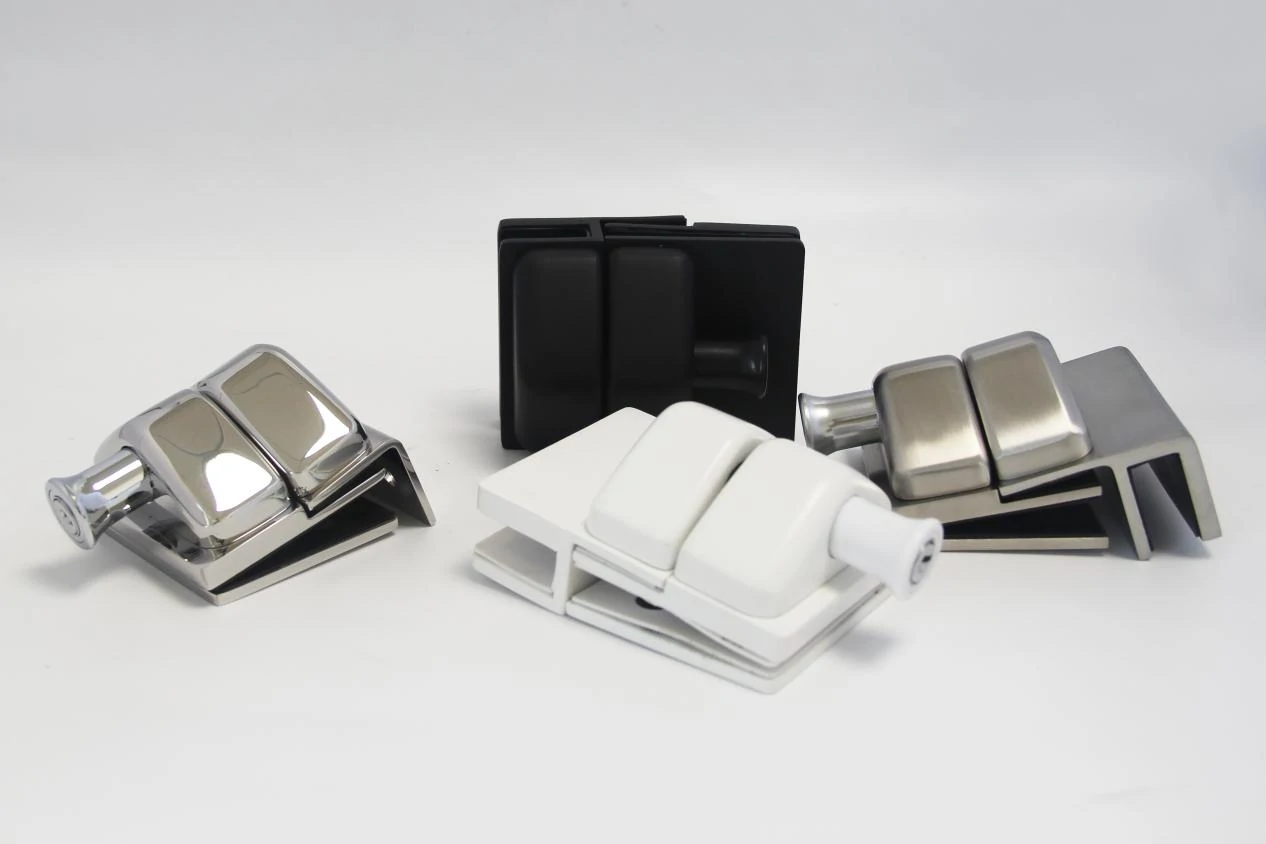
Using generic, non-specialized clamps, spigots, or standoffs is a top mistake. Cheap, thin metal hardware bends under load. Under-torqued screws or mismatched clamp sizes fail to distribute pressure evenly. Budget hardware often lacks load ratings for glass balustrades.
3. Improper Installation
Even premium hardware fails with bad installation. Common errors include uneven tightening of clamp screws, misaligned fixings that create bending stress, excessive gaps between glass and hardware, and failure to anchor bases to solid substrates (e.g., drywall instead of concrete/studs).
4. Environmental Factors
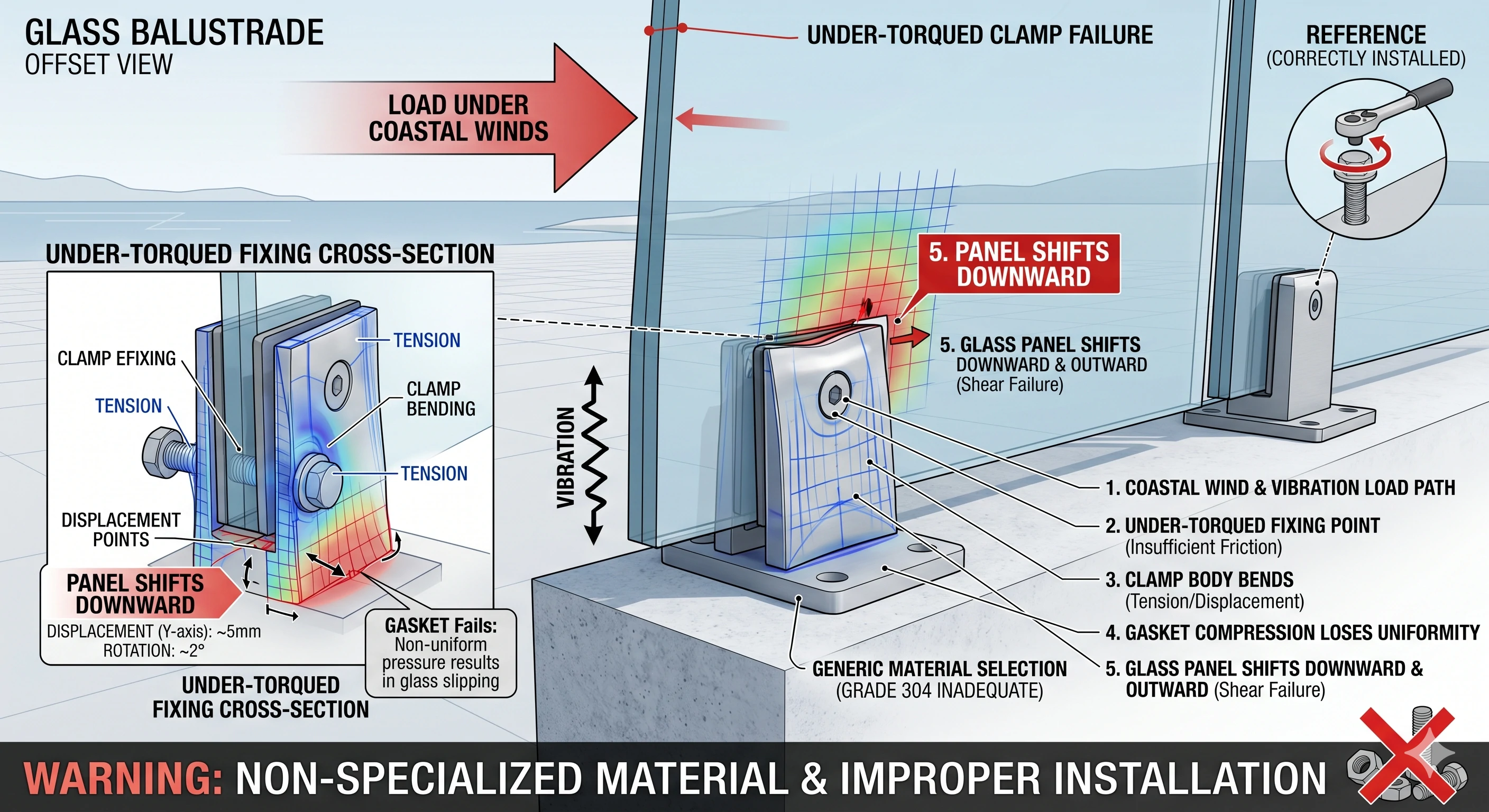
Outdoor installations face extra stress. UV rays degrade rubber gaskets. Rain and humidity cause metal corrosion, loosening clamps. /contraction shifts glass panels. Wind vibration weakens grip over time.
5. Inadequate Glass Thickness or Type
Thin glass (6-8mm) flexes more under load, increasing slippage risk. Non-laminated glass lacks structural rigidity. Using is prone to cracking and shifting.
Slippage is not just an aesthetic issue-it poses severe safety and financial risks.
1. Catastrophic Glass Failure
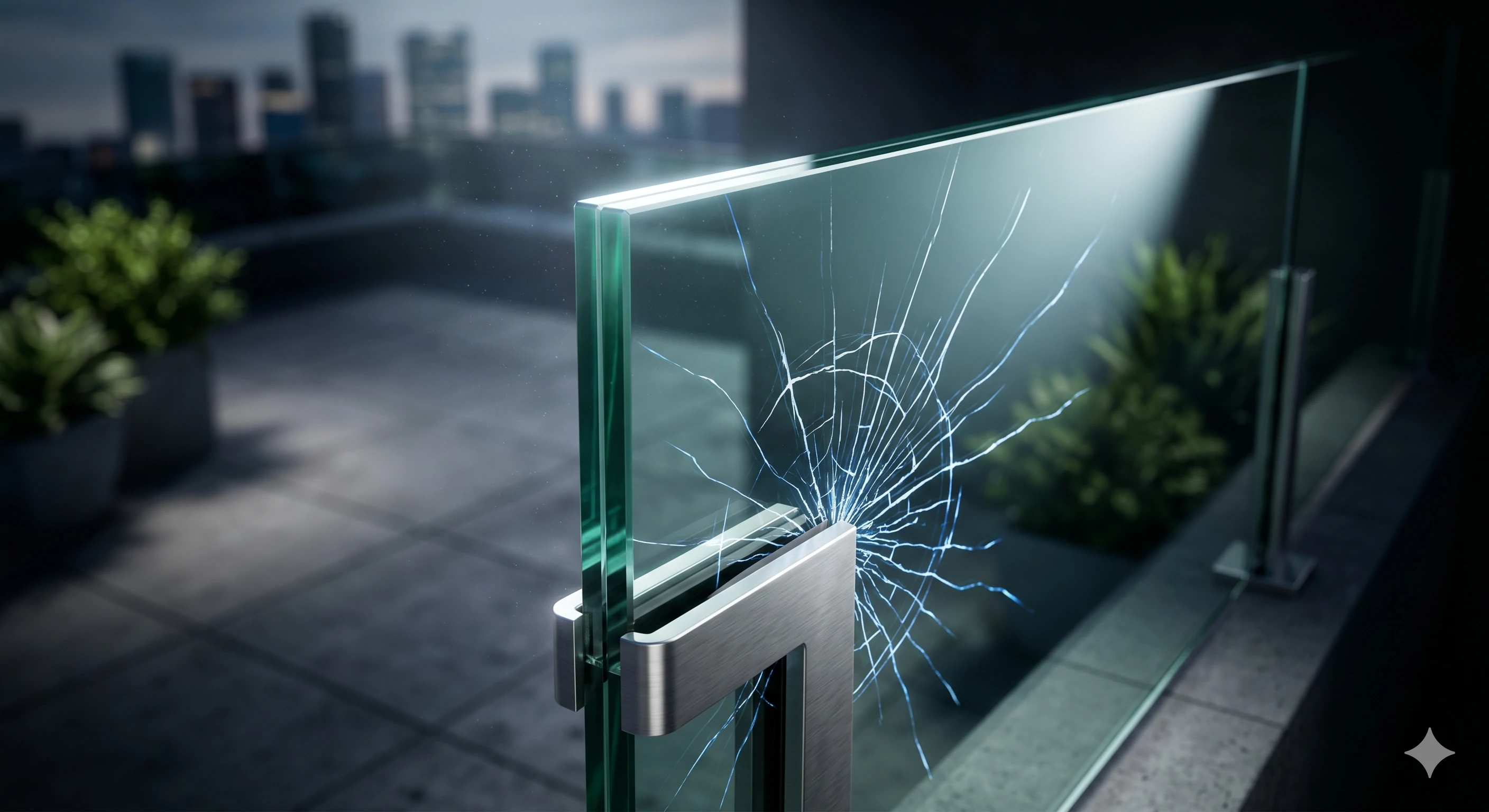
Shifting glass creates uneven stress. Cracks spread, leading to sudden shattering. Falling tempered glass can cause serious injury.
2. Severe Injury Risk
Loose panels may detach entirely. Falls from height are life-threatening. Slipping glass can strike people below.
3. Property Damage
Falling glass damages flooring, furniture, and landscaping. Broken glass is costly to replace. Liability claims may arise from injuries.
4. Building Code Violations
Most regions ( , UK Part K, Australian Standards) require balustrades to withstand 200-lb concentrated loads. Slipping balustrades fail inspections and risk fines or forced removal.
Proven Solutions to Prevent Glass Slippage
Stopping slippage requires addressing root causes. Below are the most effective, industry-standard solutions.
1. Upgrade to Premium EPDM Rubber Gaskets
Replace low-quality gaskets with high-density, UV-stabilized EPDM rubber gaskets. These gaskets:
-
Resist UV degradation, heat, and moisture
-
Maintain elasticity for decades
-
Provide non-slip friction
-
Cushion glass from metal contact
-
Fit tightly without gaps
2. Install Pin-Fit Standoffs or Through-Bolt Hardware
For high-risk areas (balconies, staircases), replace friction clamps with pin-fit standoffs or through-bolt spigots. A hardened steel pin passes through drilled glass holes, creating a mechanical lock. This eliminates slippage entirely.
3. Use Heavy-Duty, Load-Rated Hardware
Invest in solid or . These materials:
-
Resist corrosion in coastal/outdoor areas
-
Have high tensile strength
-
Feature precision-machined jaws
-
Are load-rated for glass balustrades
-
Won't bend or warp
4. Apply Anti-Slip Glass Coatings or Treatments
For extra grip, add textured anti-slip coatings or acid-etched surfaces. These micro-rough textures increase friction with gaskets. They preserve transparency while boosting safety.
5. Adjust Hardware Spacing & Torque
Follow max 600mm spacing for clamps/standoffs. Tighten screws evenly in a crisscross pattern. Use a to meet manufacturer specs (typically 8-12 Nm).
Choosing the Right Hardware for Anti-Slip Security
Not all hardware is equal. Select components engineered for glass balustrades.
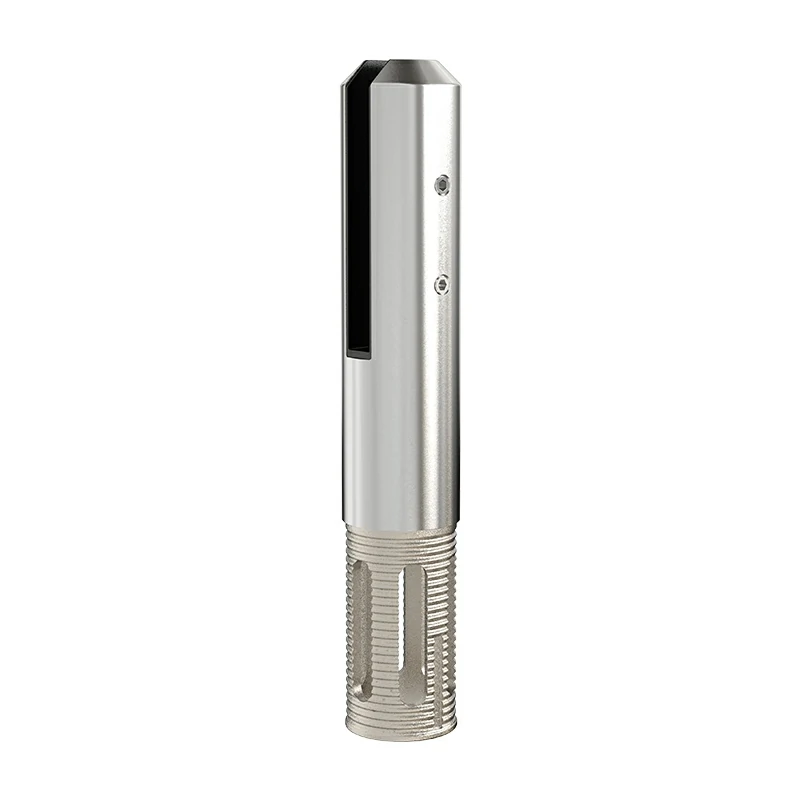
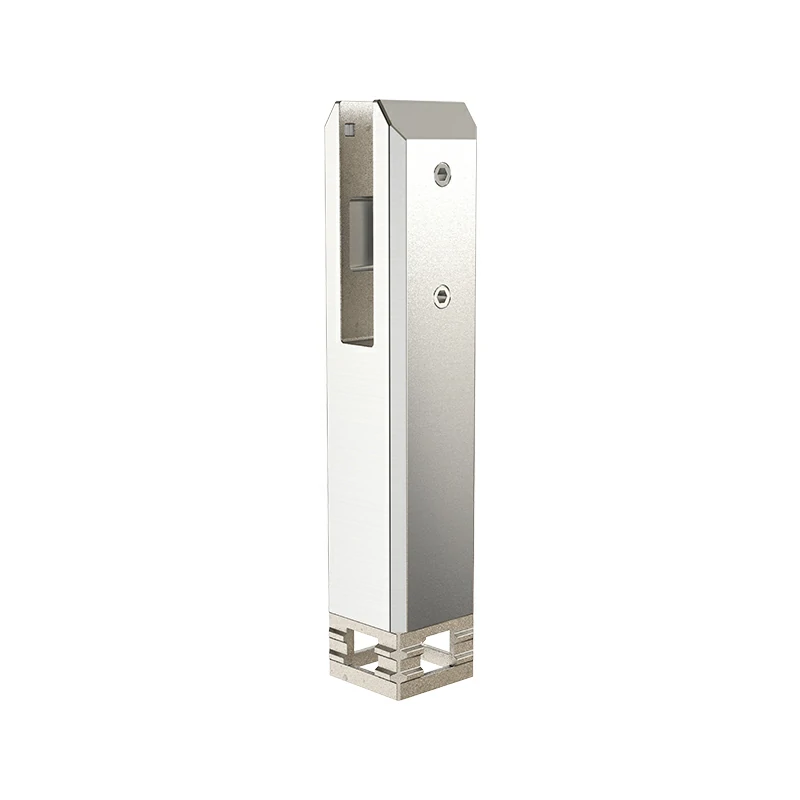
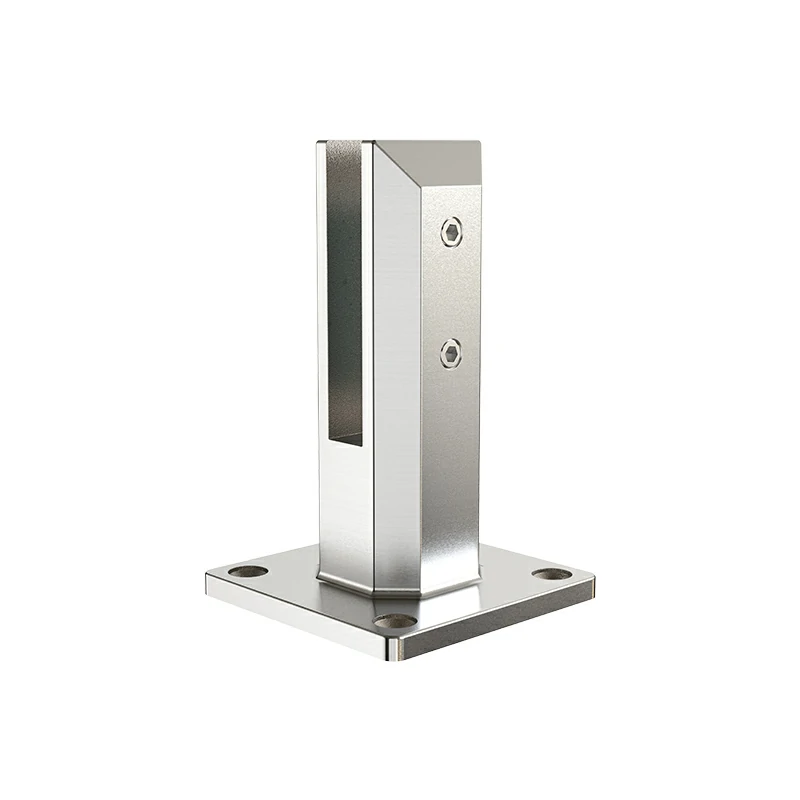
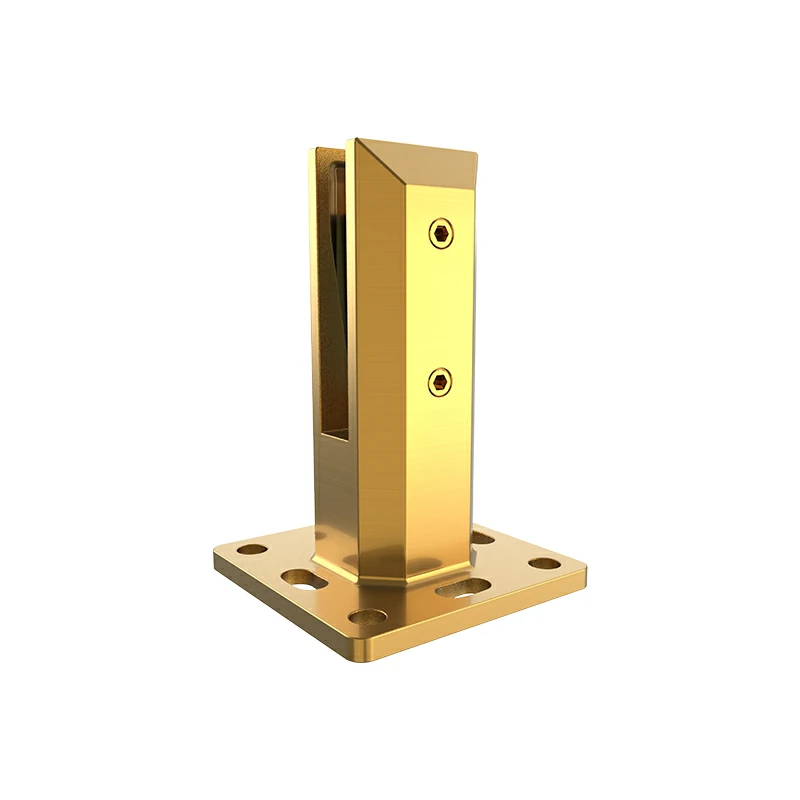
1. Glass Spigots (Base-Mounted Clamps)
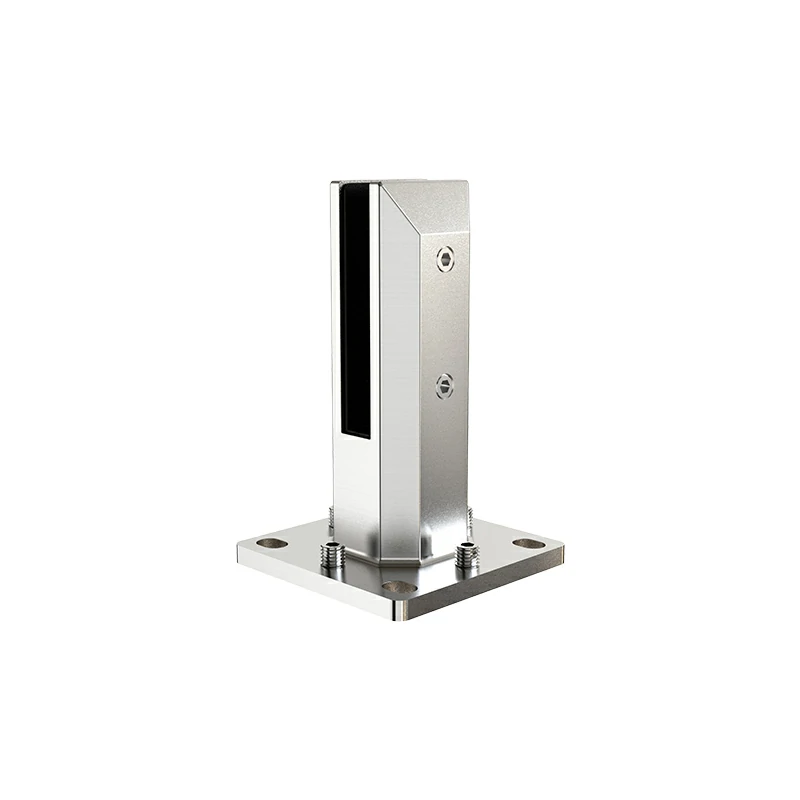
Ideal for frameless balustrades. Heavy-duty spigots have wide bases, thick jaws, and EPDM gaskets. Some offer pin-fit options.
2. Adjustable Pelican Clamps
Perfect for retrofit. Wide, curved jaws fit glass 6-20mm. Rubber-lined interiors prevent slipping.
3. Pin-Fit Standoffs
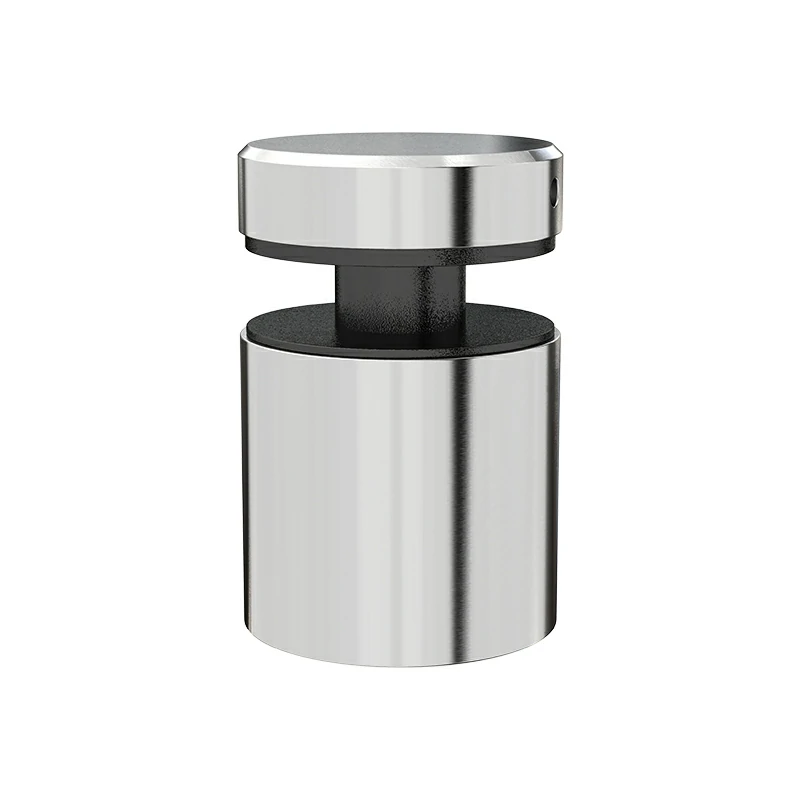
The ultimate anti-slip solution. Stainless pins through glass holes create a permanent mechanical hold.
4. Continuous Base Channels
For full frameless systems. Aluminum or stainless channels with rubber inserts cradle glass evenly.
Installation Best Practices to Eliminate Slippage
Proper installation is critical. Follow these steps:
1. Prepare a Solid Substrate
Anchor bases to concrete, steel, or wooden studs. Never use drywall alone.
2. Use Only Premium Gaskets
Line all metal-glass contact points with EPDM gaskets.
3. Align & Level Precisely
Misalignment causes stress. Use a spirit level.
4. Tighten Evenly & Gradually
Crisscross pattern with torque wrench.
5. Allow for Thermal Movement
Leave 3-5mm gaps between panels.
6. Seal Outdoor Installations
Use to prevent water intrusion.
Maintenance Tips to Keep Balustrades Secure
Regular checks prevent slippage:
-
Inspect Quarterly: Check for loose screws, cracked gaskets, or shifted panels.
-
Clean Annually: Remove dirt/debris that reduces friction.
-
Replace Gaskets Every 5-7 Years: Even premium gaskets degrade.
-
Retorque Screws Bi-Annually: Vibration loosens them.
-
Check for Corrosion: Address rust promptly.
Frequently Asked Questions (FAQ)
Q: Can I fix slipping glass without replacing hardware?
A: Yes. Tighten screws evenly, replace gaskets, and clean glass. Severe cases need upgraded hardware.
Q: Do I need to drill holes in glass to stop slipping?
A: For high-risk areas, pin-fit standoffs are most reliable. Friction clamps work for low-risk areas with premium gaskets.
Q: What glass thickness is best to prevent slipping?
A: 12-15mm for residential; 17.5-21.5mm for commercial/outdoor.
Q: How long do EPDM gaskets last outdoors?
A: 5-10 years with UV-stabilized EPDM.
Q: Are frameless balustrades more prone to slipping?
A: Yes. They rely solely on friction. Semi-framed with posts is more stable.
Conclusion
Glass balustrade slippage is preventable. The solution lies in premium hardware, quality gaskets, precise installation, and regular maintenance. By choosing load-rated stainless steel components, using UV-stabilized EPDM gaskets, and following industry best practices, you eliminate slippage risks and ensure long-term safety.
Don't let a preventable hazard ruin your modern space. Invest in the right hardware and professional installation.
Ready to upgrade your balustrade hardware? Contact our team for expert advice on heavy-duty, anti-slip glass clamps, spigots, and standoffs engineered for safety and durability.
Footnotes
Learn about the properties and industrial applications of EPDM rubber.
Understand how materials expand and contract with temperature changes.
Explains the properties and manufacturing process of standard annealed glass.
Overview of the International Building Code regulations for building safety.
Detailed guide on the corrosion resistance of 316 marine-grade stainless steel.
Technical breakdown of duplex stainless steel characteristics and strengths.
How torque wrenches ensure precise tightening for mechanical fasteners.
Exploration of silicone polymers and their use as architectural sealants.
Guide to the safety benefits and strength of toughened glass.
Comprehensive overview of laminated safety glass structure and uses.