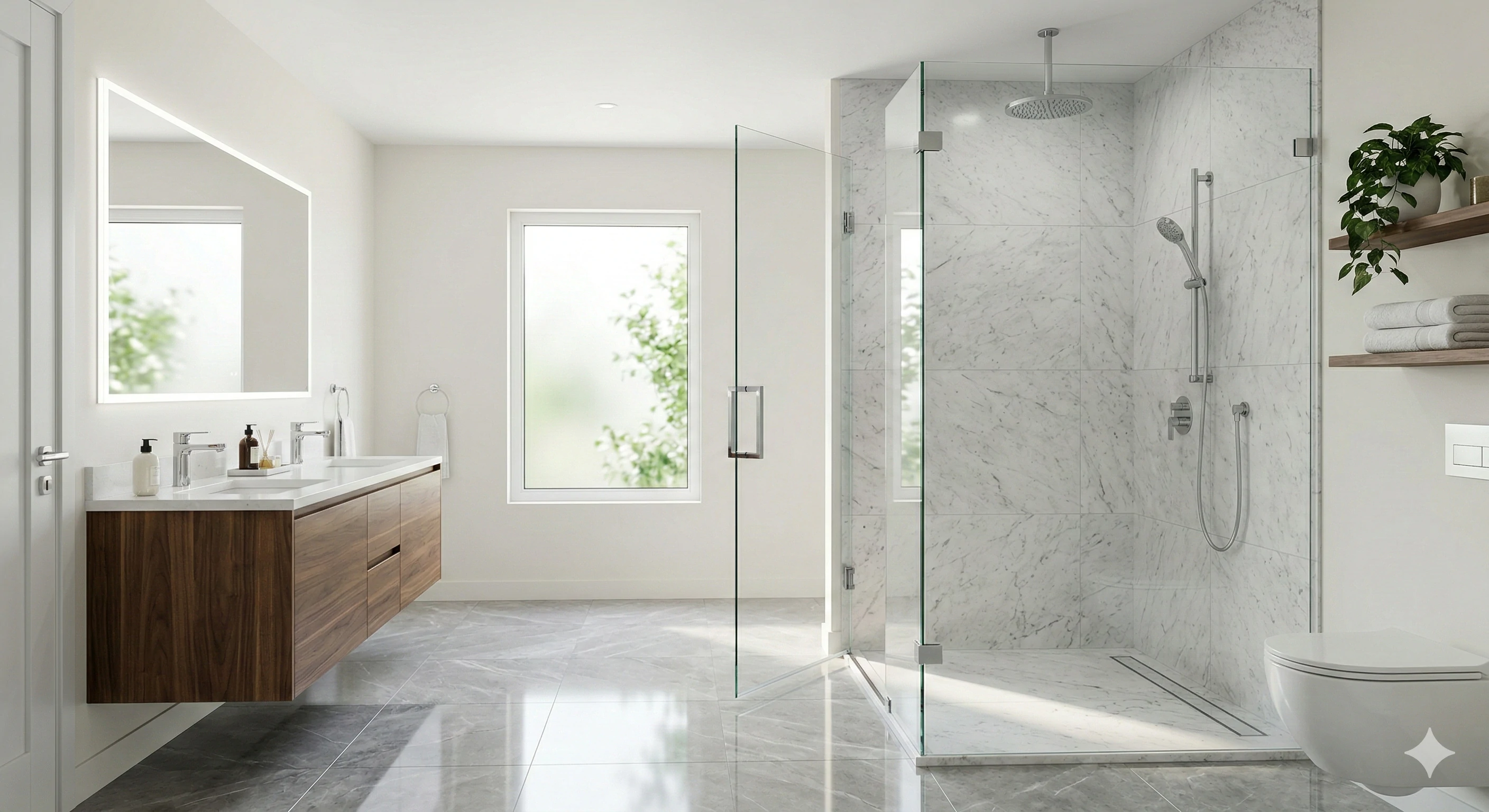
Are you struggling to decide the perfect height for your ? Many homeowners and contractors face this exact design dilemma, unsure if they should stick to standard dimensions or go taller for a luxurious feel. Choosing the wrong height can lead to water leakage or make a bathroom feel cramped. In our production facility, we engineer countless glass hardware solutions daily, and we know firsthand that balancing elegant aesthetics with is key to a successful bathroom upgrade.
The ideal glass shower wall height typically ranges between 72 and 78 inches for standard bathrooms. However, for luxury spa designs or high ceilings, heights of 84 inches or more are popular, provided you use heavy-duty hinges to support the extra weight.

Let us explore the standard dimensions, the critical environmental factors, and the essential hardware upgrades needed to safely elevate your shower design.
What Are The Industry Standards For Shower Glass Height?
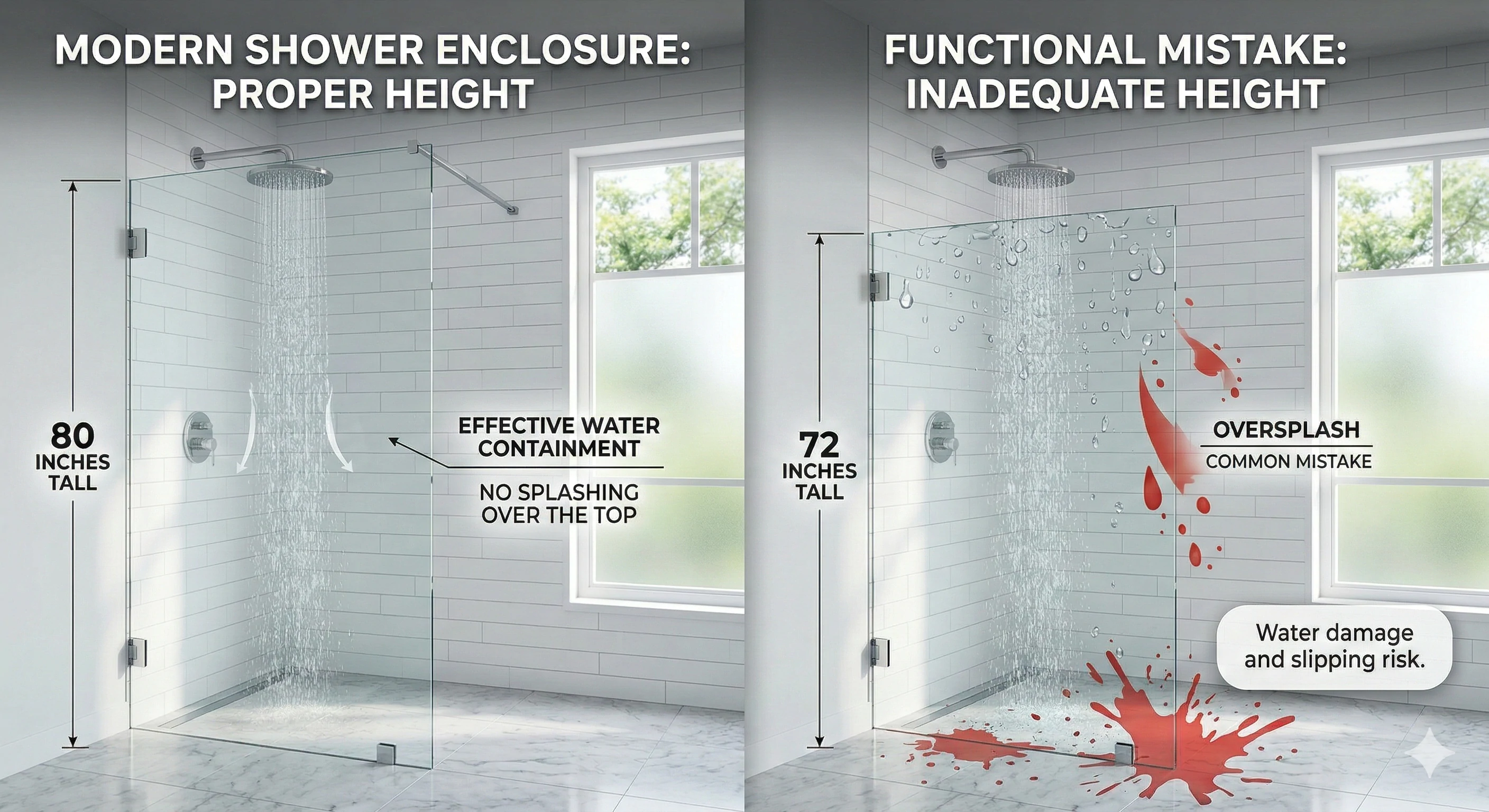
Have you ever stepped into a beautiful shower only to find water splashing over the top of the glass? It is a frustrating problem that ruins the relaxing experience and creates a slipping hazard on the floor. When we design our glass railing and shower fittings, we always emphasize that starting with reliable, industry-standard dimensions prevents these costly functional mistakes.
The standard shower glass heights are 72 inches for traditional setups, 78 to 80 inches for modern enclosures, and 84 inches or taller for luxury bathrooms. Your choice depends heavily on your ceiling height and the specific placement of your showerhead.

Historically, 72 inches was the traditional minimum standard for tub-shower combos. It was very common in older homes built with lower ceilings. This shorter height effectively contains the splash from standard-height showerheads. However, design preferences have shifted significantly over the years.
Today, 78 to 80 inches is recognized as the modern standard. This is the most common height selected for new frameless enclosures. It perfectly accommodates modern, higher-mounted showerheads. These modern fixtures are usually placed right at 78 inches. This glass height also works beautifully to contain water from .
For high-end homes, 84 inches or more is considered the luxury standard. This impressive height is used in bathrooms with high ceilings, typically ranging from 9 to 10 feet. It creates a dramatic, high-end "spa" aesthetic that homeowners love. We always verify these dimensions with our clients to ensure the hardware can support the scale of the project.
Traditional Vs. Modern Heights
Understanding these common dimensions helps you plan your bathroom layout effectively. You need to match the glass height to your ceiling.
| Glass Height | Classification | Best Application |
|---|---|---|
| 72 Inches | Traditional Minimum | Tub-shower combos and older homes with low ceilings |
| 78 - 80 Inches | Modern Standard | New frameless enclosures with modern showerheads |
| 84+ Inches | Luxury Standard | High ceilings (9 to 10 feet) for a spa aesthetic |
Choosing the right height is the very first step in your design process. Our engineers recommend measuring your space carefully before ordering materials. You must account for the users' heights and the specific plumbing fixtures installed. A well-planned enclosure provides both daily comfort and lasting structural beauty.
What Factors Dictate Your Shower Glass Height?
Planning a bathroom remodel can feel overwhelming when you realize how many technical details are involved. Overlooking crucial measurements can trap moisture and ruin your expensive bathroom paint. In our years of exporting to the United States and Europe, we have seen perfectly cut glass fail simply because basic environmental factors in the bathroom were ignored.
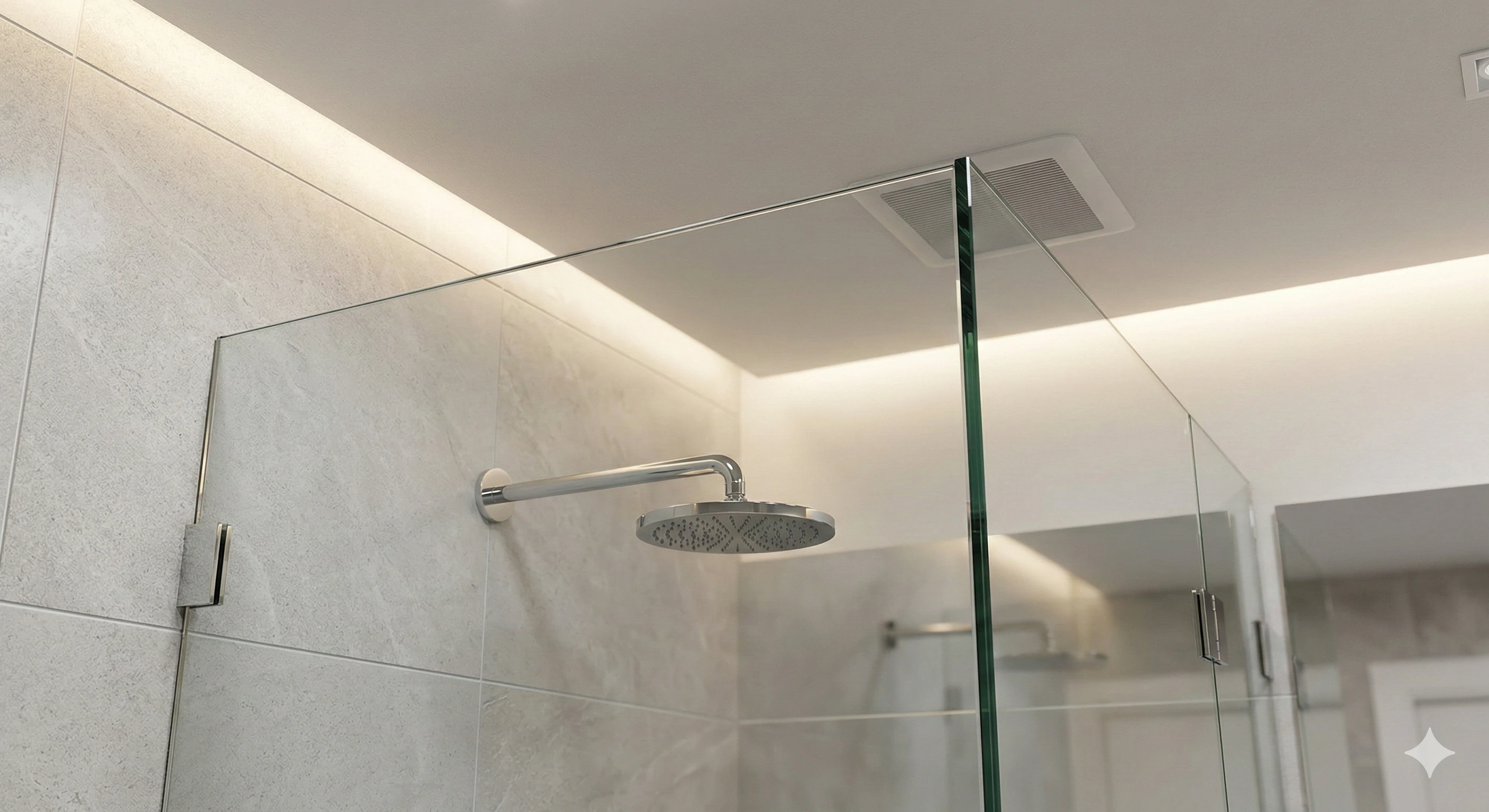
Your shower glass height is dictated by your showerhead placement, necessary ventilation gaps, and overall ceiling height. The glass must be taller than the showerhead to contain water, while leaving a 6 to 12-inch gap below the ceiling to prevent mold.
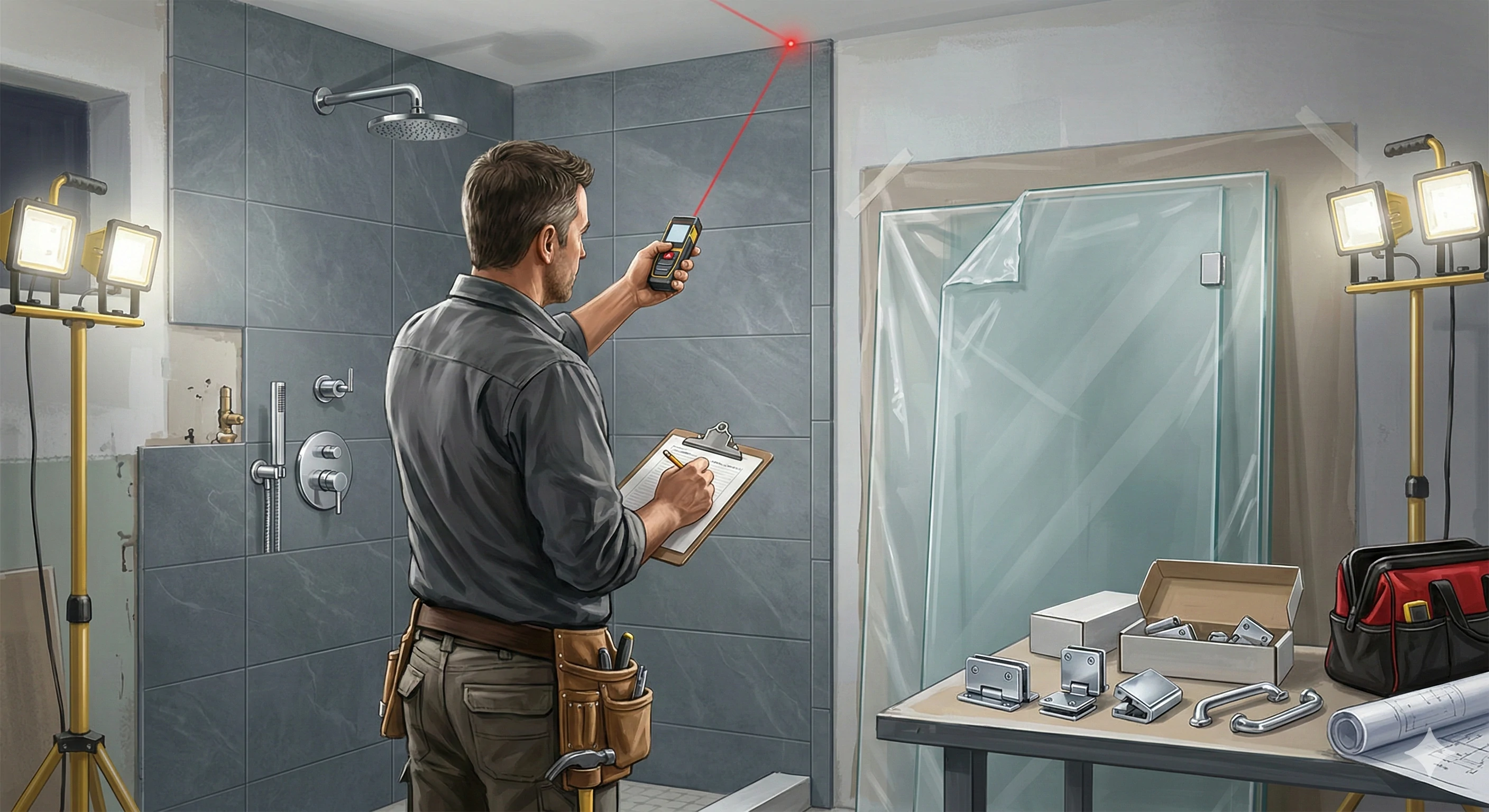
The absolute minimum rule for sizing shower glass is based entirely on your showerhead placement. Your glass should be at least a few inches taller than your highest showerhead. This is absolutely crucial to prevent water from splashing over the top and flooding the floor.
Unless you are actively building a steam shower, you must leave a clear gap between the top of the glass and the ceiling. This required ventilation gap is usually 6 to 12 inches. Without this gap, hot inside the glass enclosure. This trapped moisture quickly starts . It also causes severe mold to grow on the ceiling. We have advised many contractors to strictly follow this ventilation rule for long-term safety.
Your bathroom ceiling height also plays a massive role in the final visual outcome. A 78-inch glass enclosure looks incredibly great under a standard 8-foot ceiling. However, under a towering 10-foot ceiling, it can look uncomfortably short. This visual imbalance drives the need for taller, custom-cut glass installations.
The Importance of Proper Ventilation
Ventilation is just as important as the physical barrier of the glass itself. Proper airflow keeps your bathroom clean and safe.
| Ceiling Height | Recommended Glass Height | Required Gap for Ventilation |
|---|---|---|
| 8 Feet (96 Inches) | 78 to 80 Inches | 16 to 18 Inches |
| 9 Feet (108 Inches) | 84 to 90 Inches | 18 to 24 Inches |
| 10 Feet (120 Inches) | Custom 96+ Inches | 12 to 24 Inches |
Always balance the aesthetic appeal of tall glass with your functional ventilation needs. Your bathroom environment must remain dry and healthy to protect your investment.
Should You Choose The Floor-to-Ceiling Trend For Steam Showers?
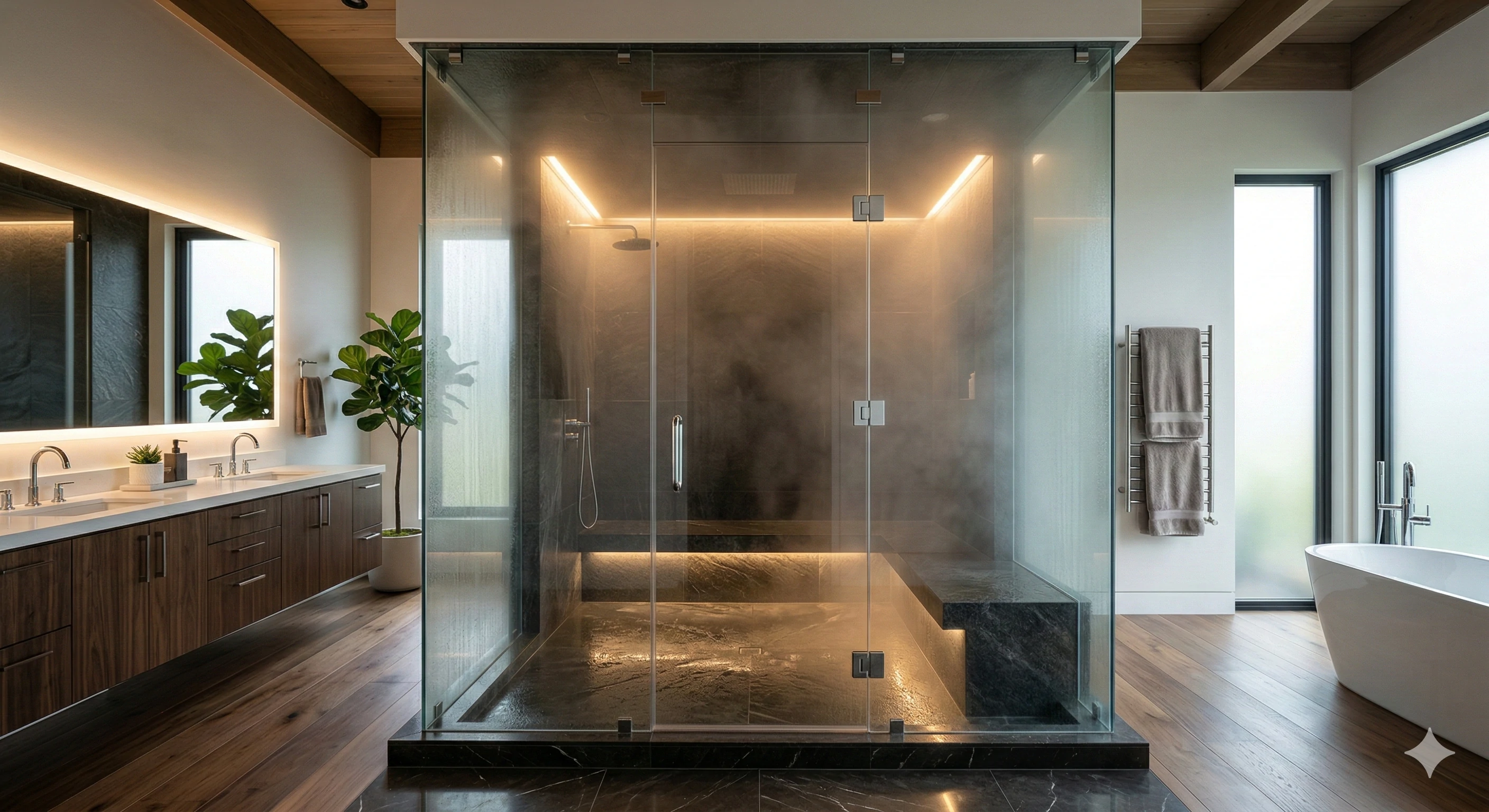
Do you dream of having a private steam room inside your own home? Many people love the idea of ultimate luxury but fail to realize the strict engineering requirements behind fully enclosed spaces. As we collaborate with clients on custom hardware designs, we frequently solve the complex ventilation challenges that arise with floor-to-ceiling glass installations.
Floor-to-ceiling glass should only be used for dedicated steam showers. This design requires a fully sealed unit equipped with an operable glass transom above the door to safely vent steam and manage heat buildup in the bathroom.

True floor-to-ceiling glass is generally reserved for . This specific application creates a luxurious, tightly enclosed environment for relaxation and health benefits. However, you cannot simply seal a standard shower up to the ceiling without facing serious consequences.
To manage ventilation in a fully sealed unit properly, you must install an directly above the door. This is a movable glass panel that lets hot air escape when needed. This specific setup requires specialized Transom Clamps and pivot hinges. These precise hardware components allow the user to vent steam safely and easily. In our engineering department, we design these clamps to move smoothly and hold the heavy glass securely.
Integrating Operable Transoms
You must plan for proper, specialized hardware when designing a steam room. The transom is a critical safety and comfort feature that cannot be overlooked.
Frequently Asked Questions
Can a frameless shower door go all the way to the ceiling?
Yes, but it is not recommended for a standard shower enclosure. Sealing it traps moisture and heat inside, which quickly leads to mold. If you decide to take the glass all the way to the ceiling, you must build it as a dedicated steam shower. It must have an operable glass transom window installed for necessary ventilation.
Using the correct terminology, like "Operable" and "Transom", proves to your contractor that you understand proper bathroom engineering. We always stress the critical importance of these structural details. Proper planning prevents incredibly expensive remodeling mistakes down the road.
What Is The Hidden Danger Of Tall Glass Weight And Sagging?
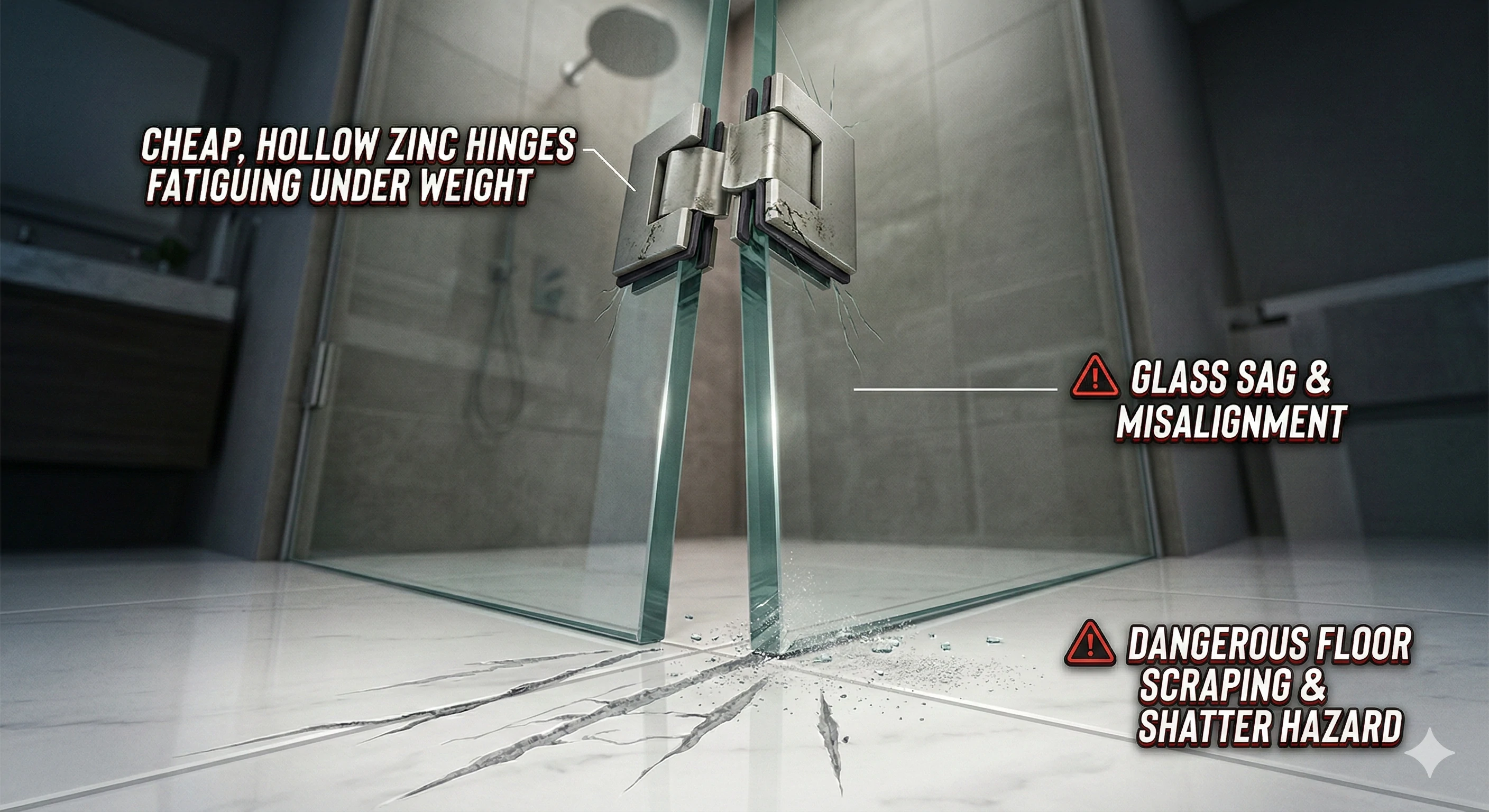
Are you worried that your beautiful new oversized shower door might eventually scrape against the floor tiles? This sagging issue is a major headache that can lead to shattered glass and severe injuries. On our production line, we rigorously test our heavy-duty hardware because we know the immense physical stress that tall, thick glass puts on standard hinges.
Taller glass requires a 1/2-inch thickness to prevent bowing, making the door exceptionally heavy. If you use cheap hollow hinges, the immense weight will cause the door to sag, drag on the floor, and potentially shatter.
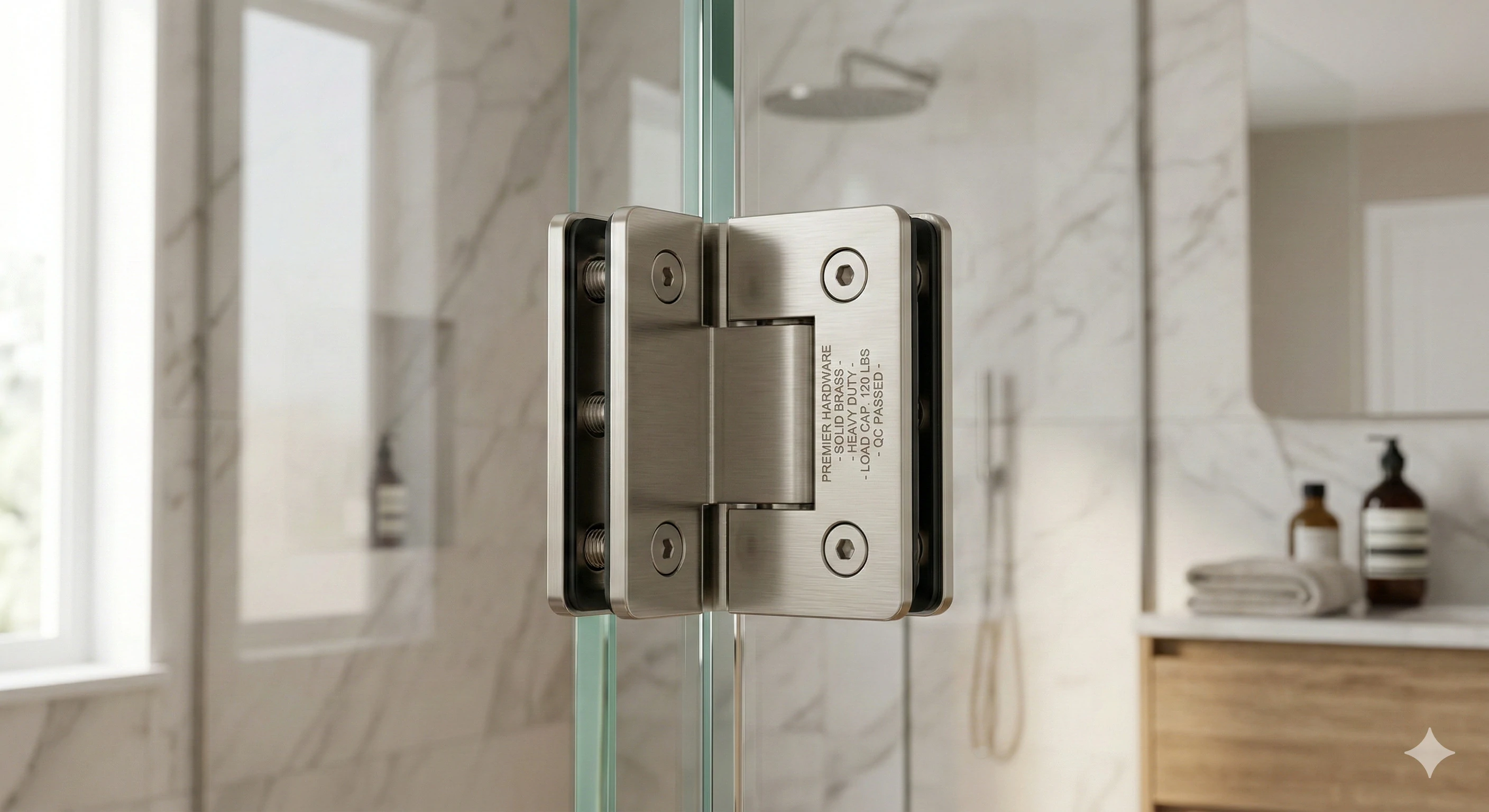
Taller glass requires thicker glass to prevent it from bowing outward. You usually need to move from the standard 3/8-inch up to 1/2-inch (12mm) thickness. This thicker material prevents dangerous deflection and keeps the overall structure sound. However, this vital upgrade makes the door incredibly heavy.
Cheap zinc or hollow brass hinges will slowly bend under the immense weight of an 84-inch, 1/2-inch thick glass door. Within just a few months, the door will inevitably sag. It will begin to scrape against the floor, or fail to close entirely.
The Physics of Heavy Glass
A sagging glass door is not just annoying; it is a serious shatter hazard. If the unprotected edge of a heavy strikes the hard floor tile, it will explode into pieces. Heavy-duty hardware prevents this incredibly dangerous situation.
Frequently Asked Questions
Do I need 3/8" (10mm) or 1/2" (12mm) glass for my shower?
3/8" glass is the widely accepted standard for most frameless showers up to 78 inches tall. However, if you are designing a taller shower (84 inches or more) or a very wide door, 1/2" glass is strictly required. This thicker glass safely prevents the panel from bowing or wobbling when you open and close it.
Why does my frameless shower door drag on the floor?
Door drag is almost usually caused by hinge fatigue. The hinges either weren't rated for the heavy weight of the tall glass, or the internal gaskets have slipped out of place. Upgrading to heavy-duty, will permanently fix the sagging issue.
How Do You Upgrade Hardware For Tall Shower Enclosures?
Have you noticed your shower door feeling wobbly or failing to close properly in its frame? Relying on standard residential hardware for oversized doors is a simple recipe for disaster. When our engineers design solid brass shower hinges, we prioritize high load capacities specifically to handle these demanding, heavy-duty applications safely.
Upgrading to solid brass or stainless steel heavy-duty hinges is essential for doors over 78 inches tall. Utilizing a three-hinge setup and adding stainless steel support bars will evenly distribute weight and keep tall stationary panels perfectly rigid.
If your shower door is over 78 inches tall, you absolutely must use Heavy-Duty Hinges. This strict rule also applies if the door is wider than 30 inches. You must use Solid Brass or Stainless Steel Shower Hinges to ensure safety. Our premium are engineered with reinforced internal springs. They feature higher load capacities specifically designed for oversized, heavy glass.
For extremely tall or incredibly heavy doors, a third hinge is securely added to the middle. This important "Three Hinge" rule distributes the massive weight evenly across the wall. It effectively prevents the top hinge from bearing too much physical stress over time.
If you have tall stationary glass panels that do not reach the ceiling, they can act like a sail catching wind. They can wobble dangerously if pushed by a person. A sleek, stainless steel Support Bar tying the glass directly to the wall ensures it remains perfectly rigid and completely safe.
Essential Hardware Configurations
Selecting the proper heavy-duty hardware ensures your luxury shower remains perfectly safe and beautifully functional for many years.
| Glass Specification | Recommended Hardware Upgrade | Purpose |
|---|---|---|
| Door > 78" Tall or > 30" Wide | Solid Brass / Stainless Steel Hinges | Handles higher load capacities and prevents bending |
| Extremely Heavy/Tall Doors | Three Hinge Configuration | Distributes weight evenly across the wall |
| Tall Stationary Panels | Stainless Steel Support Bar | Keeps glass rigid and prevents wobbling |
We always verify the exact load capacity of our hinges before carefully shipping them to our clients. Upgrading your hardware components is the only reliable way to support a luxury shower design safely and correctly.
Conclusion
The ideal height for your shower glass highly depends on your showerhead placement and ceiling height, but going taller undeniably transforms the entire space. Just remember that choosing luxury glass strictly requires you to choose luxury hardware.
Designing an oversized frameless shower? Don't compromise on your bathroom safety. We manufacture precision-machined, heavy-duty Shower Hinges and Glass Clamps designed to hold the heaviest luxury glass effortlessly. Browse our extensive shower hardware catalog for your next project.
Footnotes
1. Learn about standard shower enclosure configurations and bathroom design.
2. Understand how structural engineering principles apply to custom glass installations.
3. Discover the physical specifications and mechanics of modern showerheads.
4. Read about humidity control and its impact on indoor environments.
5. Explore how prolonged moisture exposure affects interior paint durability.
6. Guide to the structural and functional requirements of residential steam showers.
7. Explanation of architectural transoms for optimizing airflow and ventilation.
8. Why tempered safety glass is strictly mandated for bathroom enclosures.
9. Overview of residential door hinge mechanics and load-bearing capacities.
10. Insight into the investment casting process used for durable hardware.