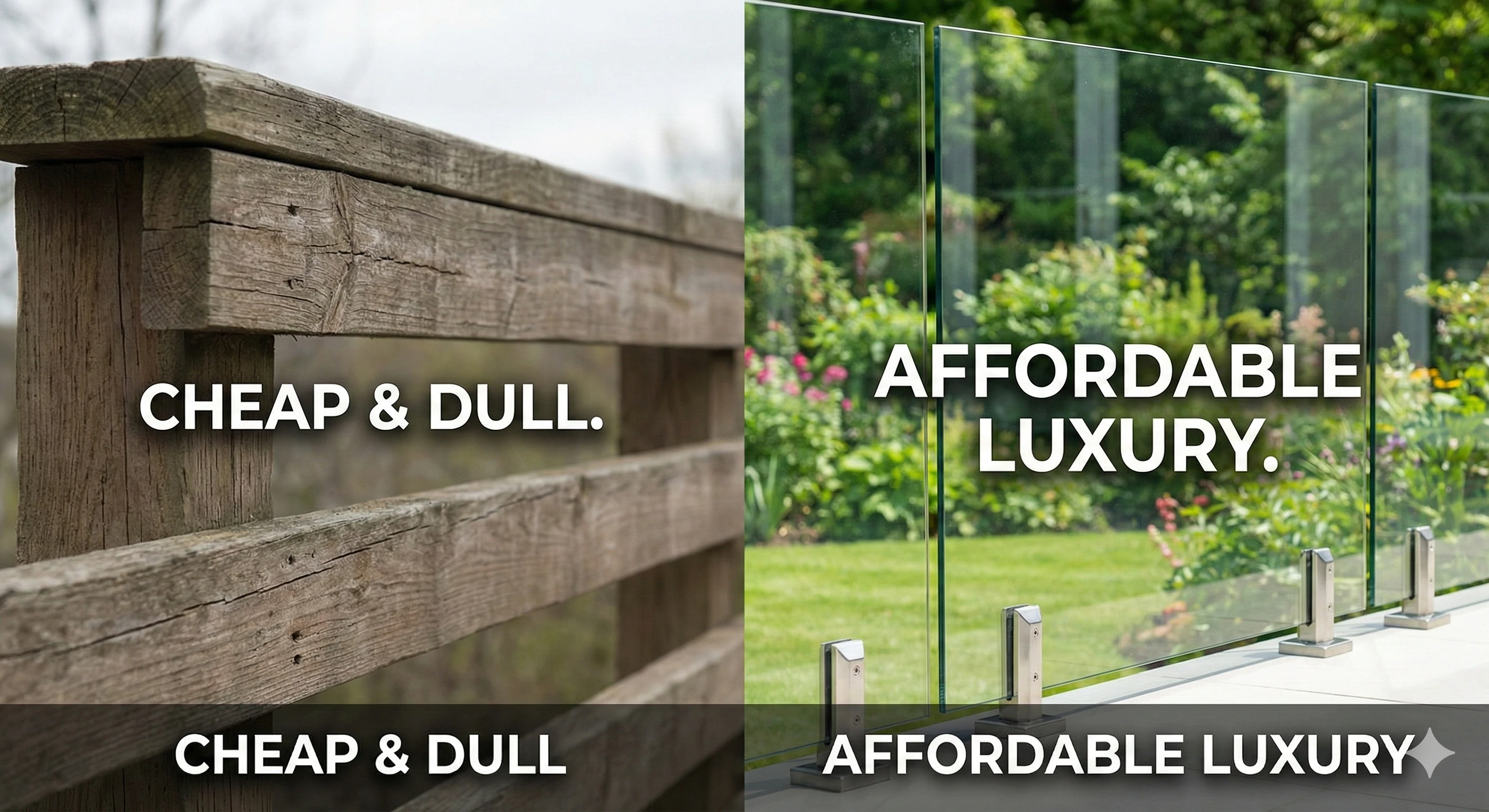
The cheapest way to do deck railing is pressure-treated wood, costing roughly $15 to $25 per linear foot. However, for the best long-term value and modern aesthetic, frameless glass spigots offer a surprising "sweet spot" between budget-friendly pricing and luxury design, eliminating expensive maintenance costs associated with timber.
To help you make the right decision for your home, we have ranked the most popular railing options from the lowest upfront price to the highest, analyzing the true value of each.
Is Pressure Treated Wood the Absolute Cheapest Option?
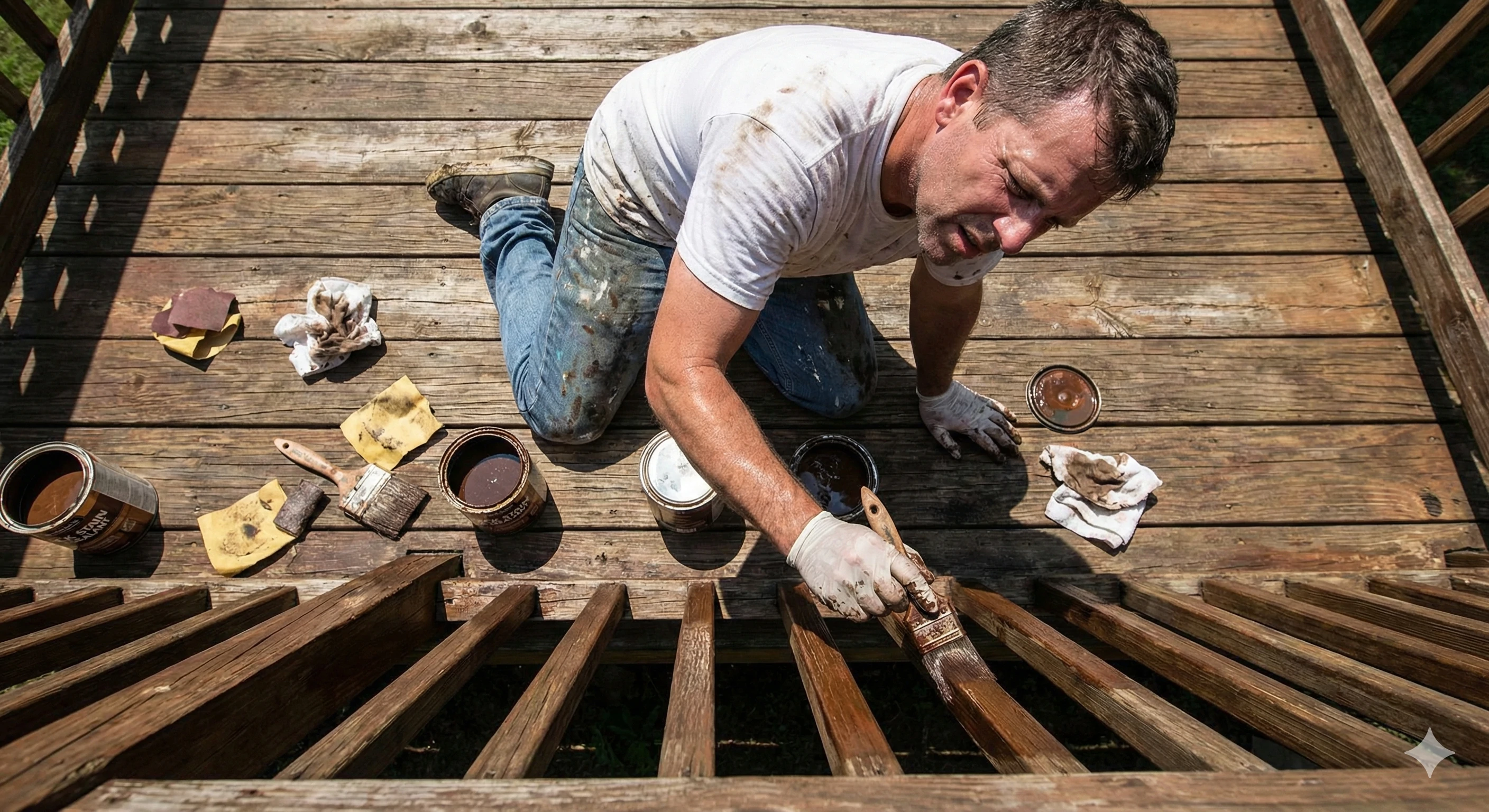
In our experience supplying hardware to large developments, we often see wood specified strictly to keep initial construction bids low. We understand the appeal; when you walk into a local hardware store, the price tag on a bundle of lumber looks incredibly attractive compared to metal or glass components. However, our engineering team always reminds clients that wood is a biological material that begins to degrade the moment it is installed outdoors.
Pressure-treated wood is the absolute cheapest option upfront, widely available at local hardware stores. While it saves money initially, it requires significant labor to install and annual maintenance like staining or sealing, which drastically increases the true cost of ownership over a ten-year period compared to metal or glass.
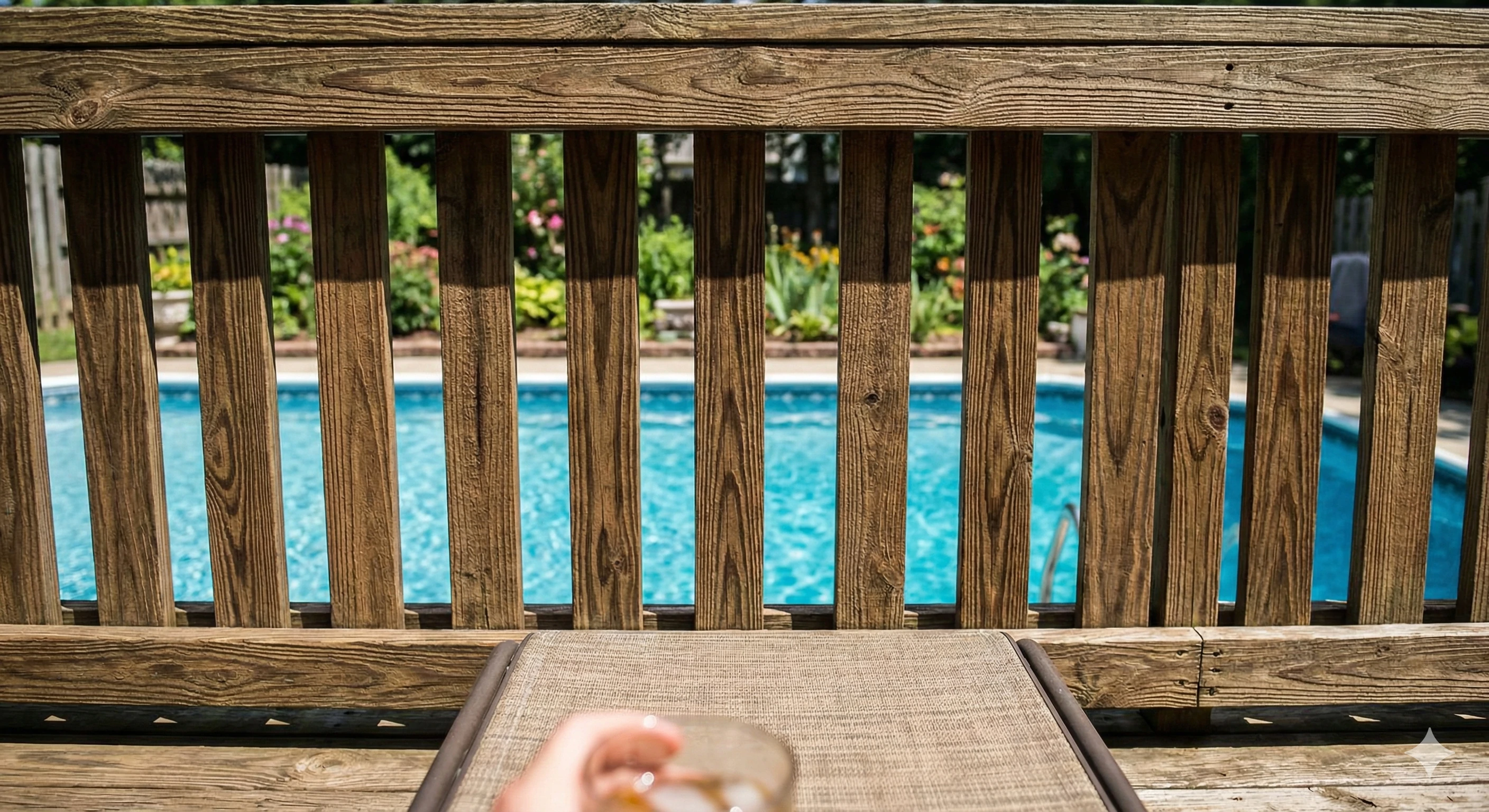
When you look strictly at the receipt from the lumber yard, nothing beats . It is the go-to solution for house flippers or builders working on an extremely tight budget. However, we need to look deeper at what "cheap" actually means.
The Hidden Labor Costs
Building a wood railing is not as simple as screwing a few panels together. You are purchasing raw materials, not a finished system.
-
Measuring and Cutting: Every single top rail, bottom rail, and baluster must be measured and cut to size.
-
Assembly: You have to screw in hundreds of individual balusters. If your spacing is off by even a fraction of an inch, you may violate building codes.
-
Waste: It is common to discard warped or knotted boards, which adds to the material cost.
The View Blocking Disadvantage
From a design perspective, wood is heavy. Thick pickets and rails create a visual barrier between your deck and your backyard or pool. If you have spent money on a nice view, covering it with vertical wooden bars is counterintuitive.
Maintenance Requirements
The table below illustrates why wood might not be as cheap as it seems.
| Feature | Pressure Treated Wood |
|---|---|
| Initial Material Cost | $ (Lowest) |
| Installation Labor | High (Many cuts and screws) |
| Annual Maintenance | High (Staining, Sealing, Sanding) |
| Lifespan | 10-15 Years (Rot and warping issues) |
| Aesthetic | Traditional, Heavy, Obstructed View |
If you are building your "forever home," we generally advise against wood unless you love the rustic look and enjoy annual sanding and painting projects.
Does Hog Wire Offer a Good Farmhouse Budget Option?
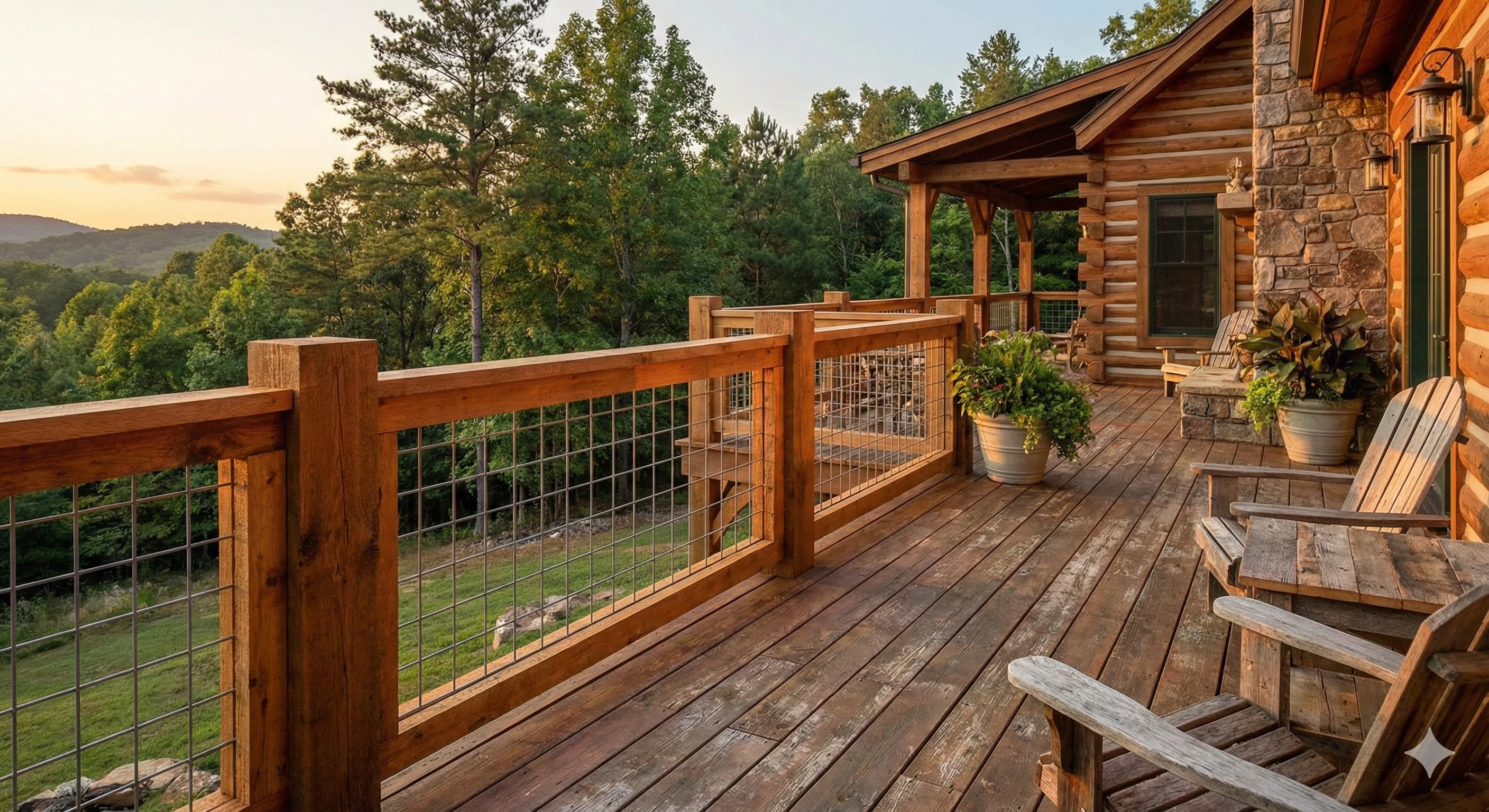
We have noticed a surge in requests for "farmhouse" style hardware recently, and hog wire (cattle panels) has become a trendy DIY solution. When we source raw materials, we appreciate the simplicity of . It offers a rugged durability that appeals to many homeowners who want something sturdier than wood pickets but cheaper than full stainless steel cable systems.
Hog wire, or cattle panel railing, offers a low-to-mid-range budget option that provides a trendy, rustic farmhouse aesthetic. It is more durable than wood pickets and opens up the view, but the industrial look does not suit every architectural style and requires careful framing to prevent rust.
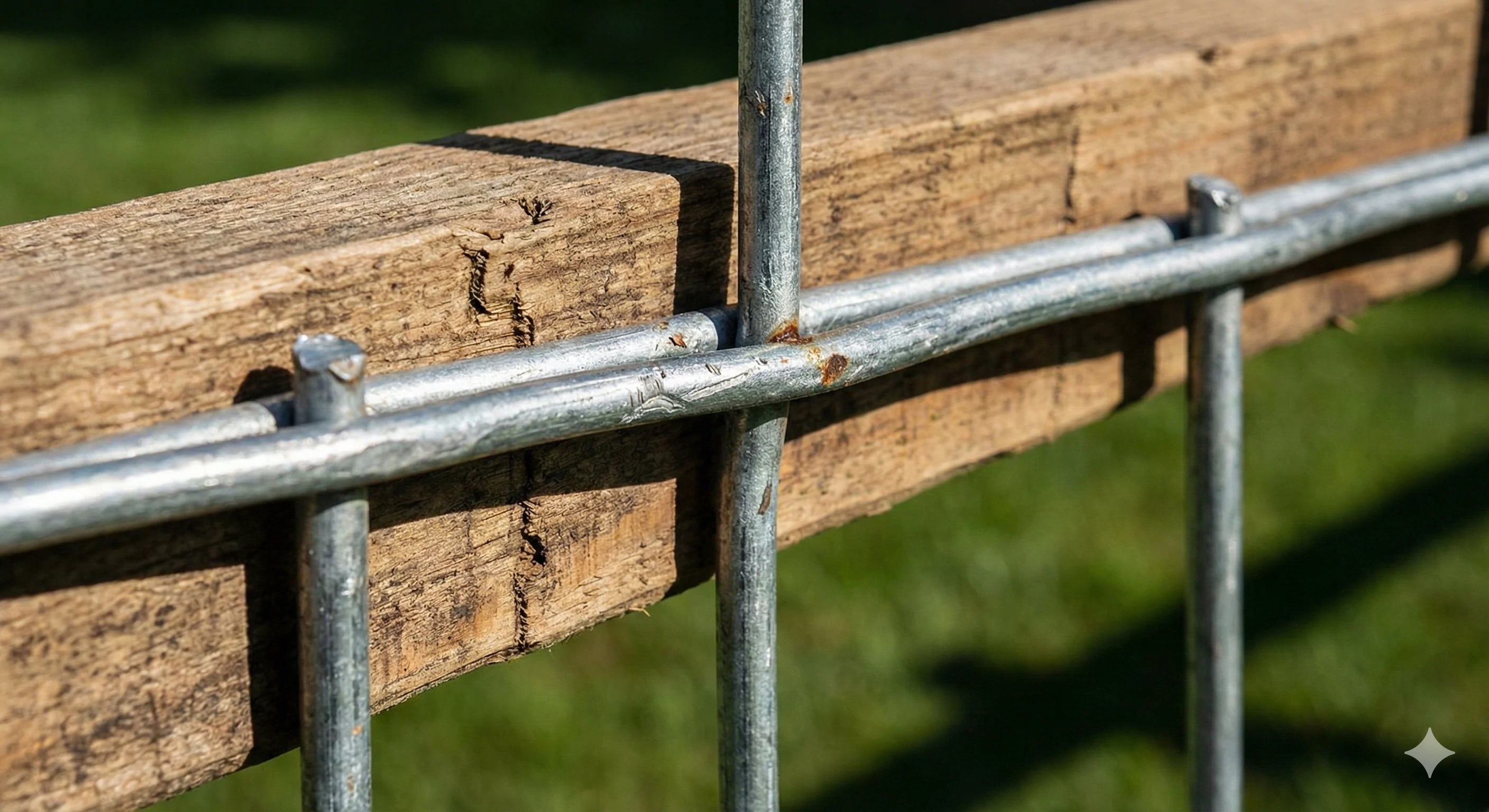
Hog wire is essentially heavy-duty galvanized wire mesh framed inside wood. It sits comfortably in the "Low-Mid" price bracket. It is cheaper than glass or cable but more expensive than standard wood pickets because you have to buy both the wood frame and the metal grid.
Why It Is Popular
The main advantage here is the view. The grid pattern is open, allowing your eyes to pass through much easier than with thick wooden slats. It is also incredibly strong—originally designed to pen in livestock, it can easily handle the family dog jumping against it.
Potential Downsides
While we appreciate the utility of galvanized steel, there are fabrication challenges:
-
Cutting the Grid: You need bolt cutters or an angle grinder to cut the panels to size. This leaves sharp, exposed steel edges that must be hidden inside the wood frame to prevent injury.
-
Rust Risks: If the galvanization layer is compromised during cutting (which is almost inevitable), the edges will rust. This can lead to ugly orange streaks running down your wood or deck surface.
-
Specific Aesthetic: This is a very specific "Agri-Industrial" look. It looks fantastic on a cabin or a ranch-style home, but it can look out of place on a modern suburban house or a coastal property.
Can Frameless Glass Spigots Be an Affordable Luxury?
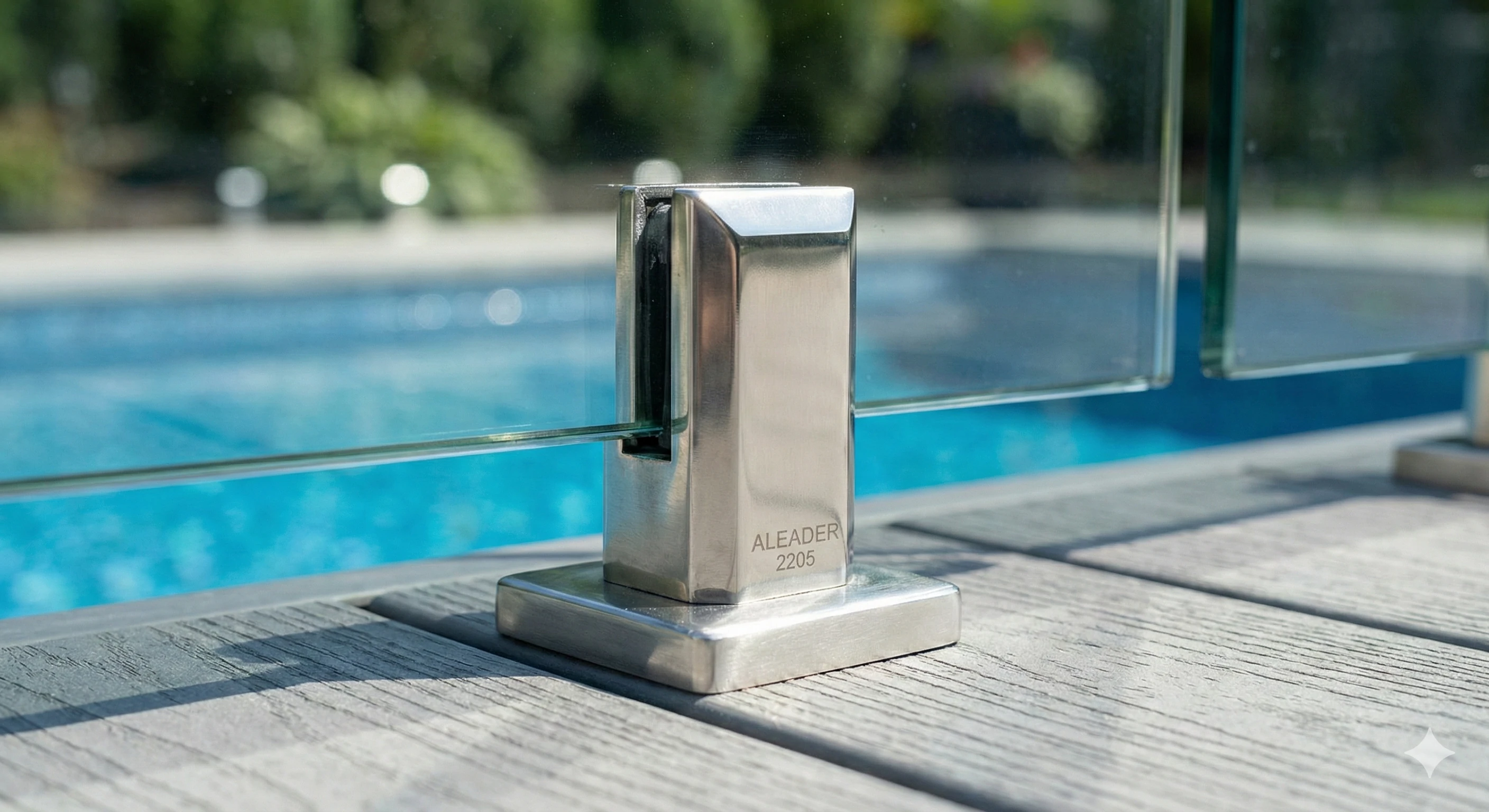
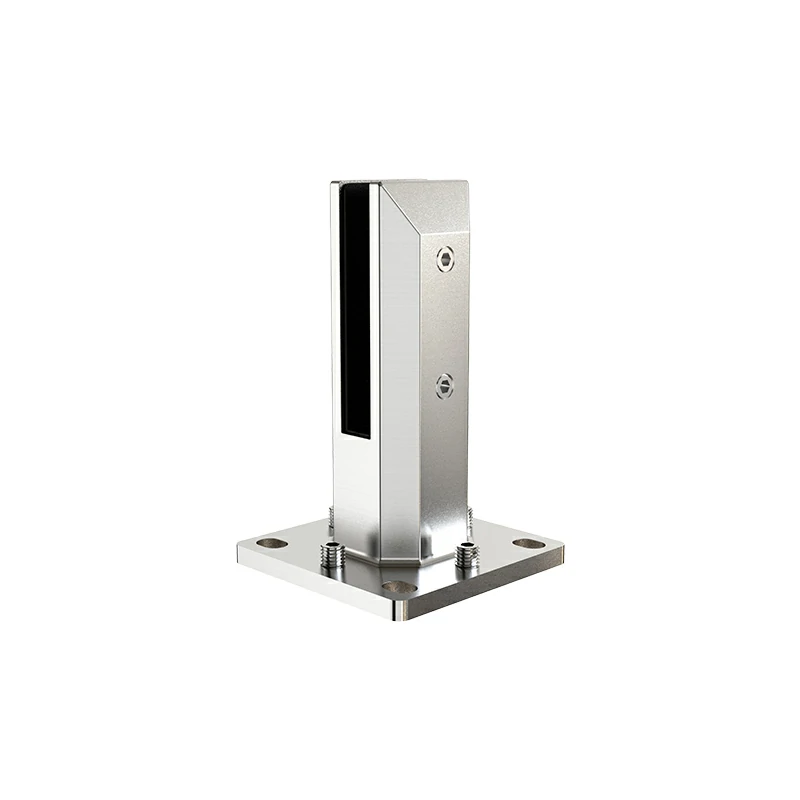
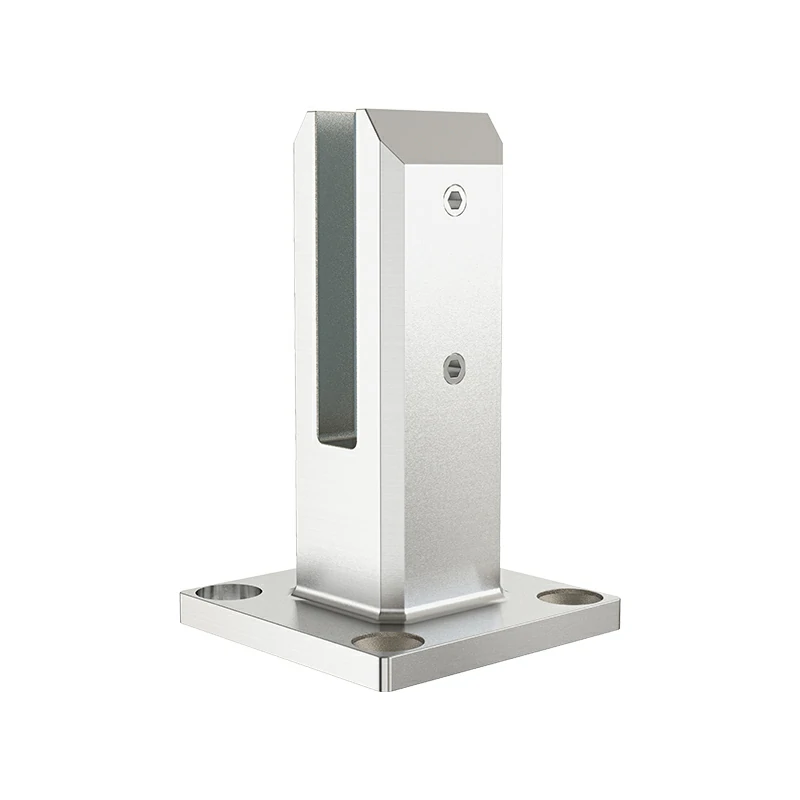
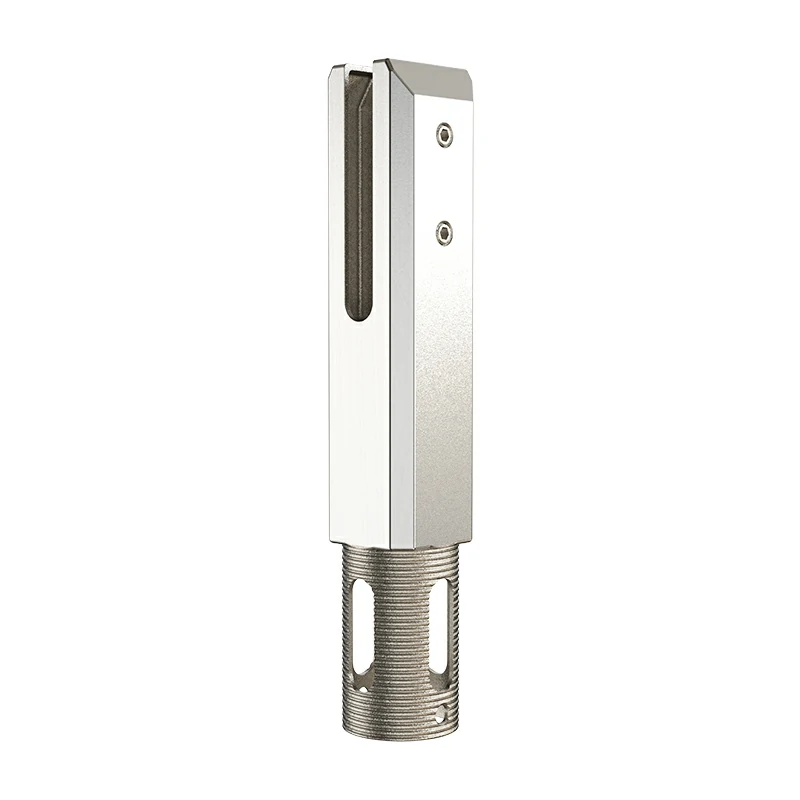
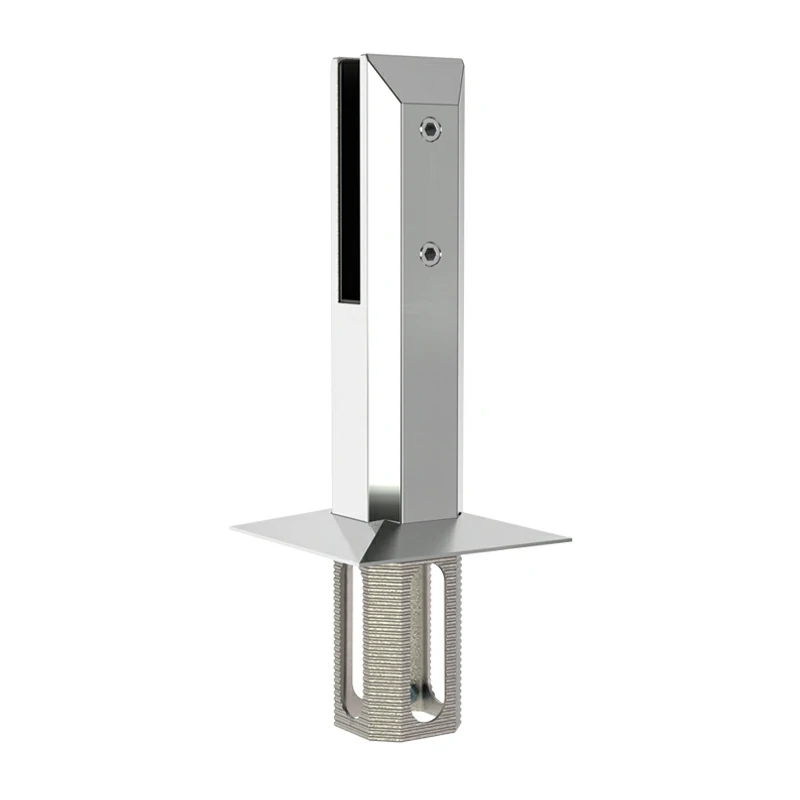
Our production line focuses heavily on , and we have found that many customers mistakenly believe glass is always the most expensive option. This misconception comes from old-fashioned installation methods. When we engineer modern railing solutions, we focus on reducing material volume to lower costs without sacrificing safety or style.
Frameless glass spigots are a "strategic pivot" for budget-conscious homeowners, offering a mid-range price point that rivals premium materials while providing a high-end luxury look. By using small stainless steel clamps instead of heavy aluminum channels, you significantly reduce material costs and installation time while maximizing your view.
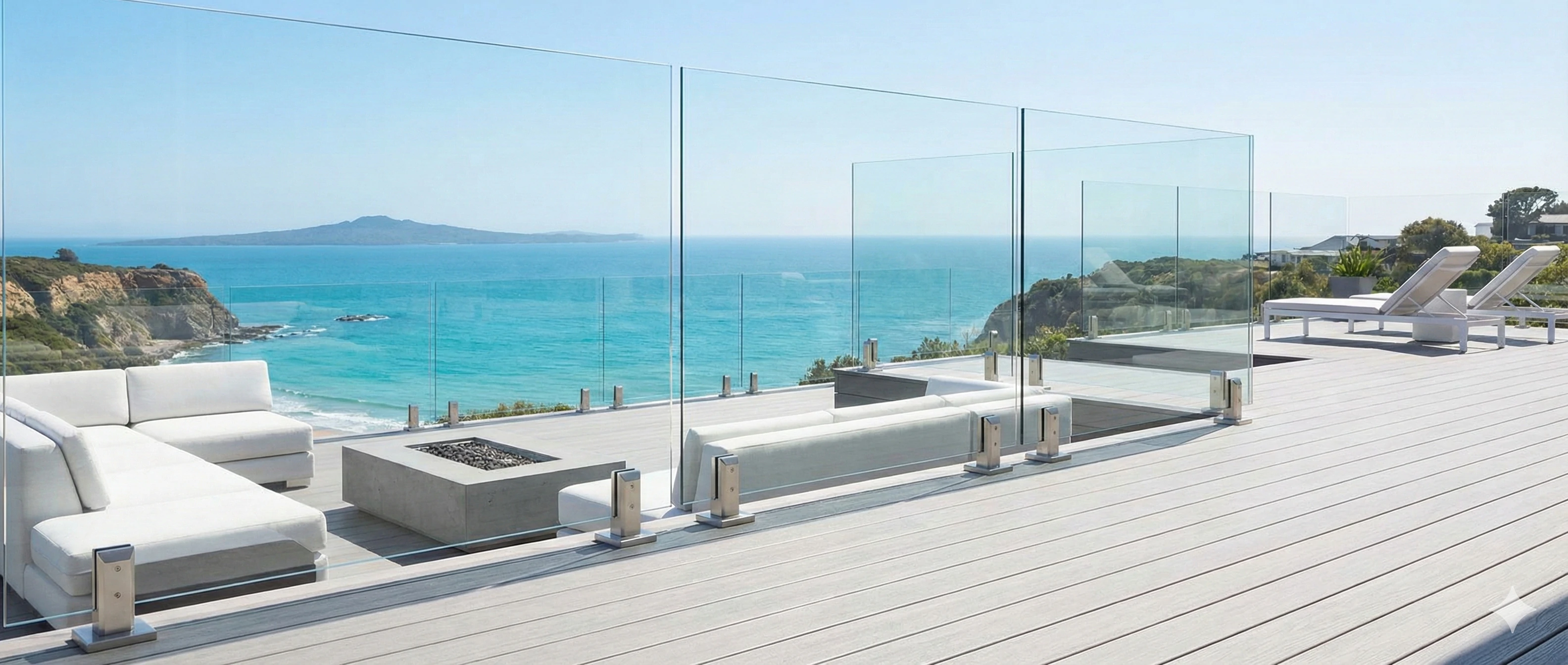
This is where the "Affordable Luxury" concept comes into play. Most people assume glass railing requires heavy, expensive "U-Channels" or "Base Shoes" that run the entire length of the deck. Those systems are indeed expensive because they use a massive amount of aluminum.
The Spigot Solution
Spigots (or mini-posts) change the math entirely. Instead of a 20-foot long aluminum track, you only need two small stainless steel clamps per panel of glass.
-
Less Metal: You are paying for significantly less stainless steel hardware.
-
Standard Glass: Spigots work with , which is widely available from local glaziers.
-
Ease of Install: We designed these specifically for the DIY market. You don't need to dig channels or pour concrete. You simply screw the spigot into the deck.
Comparing Glass Systems
The following table breaks down the difference between the "Expensive" way to do glass and the "Smart" way.
| System Type | Metal Volume | Installation Difficulty | Cost Level |
|---|---|---|---|
| Aluminum U-Channel (Base Shoe) | High (Continuous Track) | High (Requires leveling heavy track) | (Expensive) |
| Stainless Steel Posts | Medium (Posts every 4 feet) | Medium (Drilling glass often required) | $$$ (Mid-High) |
| Frameless Spigots | Low (Small Clamps) | Low (Surface Mount) | $$ (Affordable Luxury) |
By choosing spigots, you get the "Million Dollar View" for a fraction of the price. The glass effectively disappears, making your yard look bigger and your pool area safer.
Is Cable Railing a Cost-Effective Sleek Option?
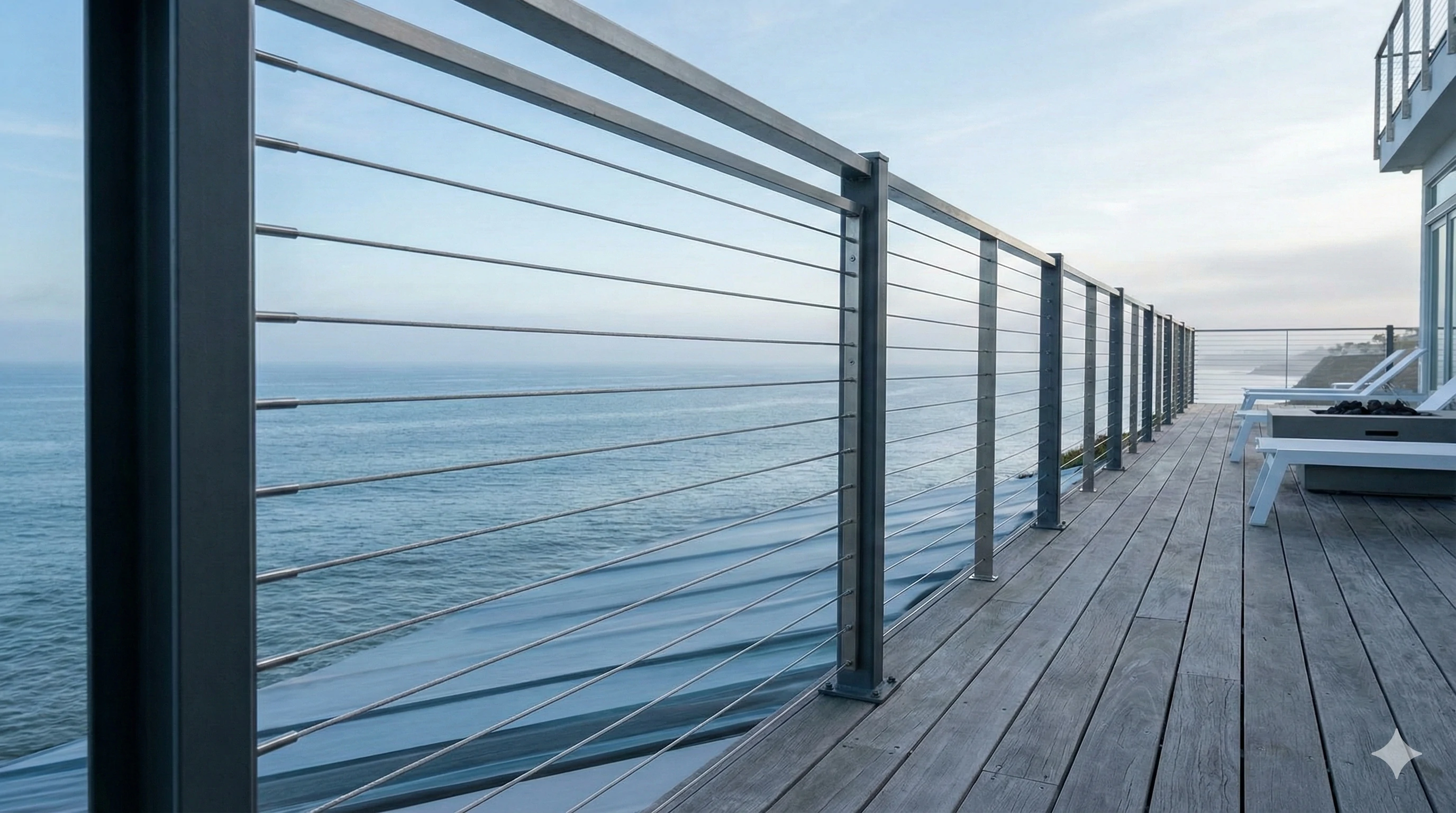
We frequently get inquiries about cable railing hardware, particularly from customers in coastal regions who want to preserve the breeze. While we manufacture components for these systems, we always advise clients to look closely at the structural requirements. The puts an immense load on your deck posts, which often leads to unexpected costs.
Cable railing is a sleek, modern option in the mid-to-high cost range, but it often entails hidden structural expenses due to the high tension loads. It requires reinforced posts to prevent bowing, and horizontal cables may present safety concerns regarding climbability in certain jurisdictions.
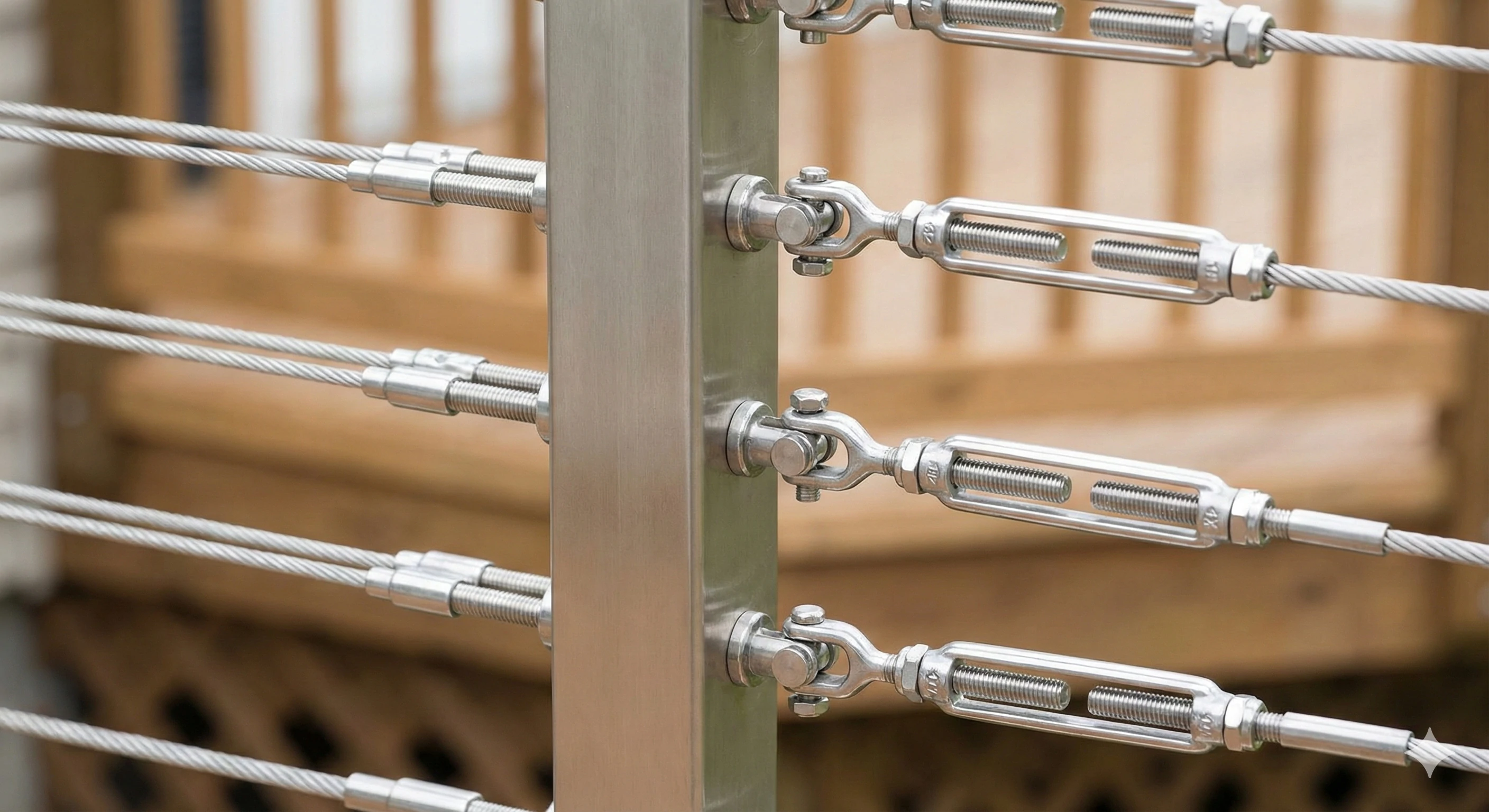
Cable railing offers a very cool, maritime aesthetic. It allows wind to pass through and offers good visibility. However, from a manufacturing and engineering standpoint, it is more complex than it looks.
The Tension Problem
To keep the cables from sagging, they must be tightened to hundreds of pounds of tension.
-
Post Beefing: If you use standard wood 4x4 posts, they will bow inward over time, causing the cables to go slack. You often need to upgrade to 6x6 posts or buy expensive stainless steel posts to handle the load.
-
Hardware Costs: You need tensioners, swage fittings, and terminal ends for every single strand of cable. If you have 10 strands per section, that is 20 pieces of hardware for every run. The cost adds up very quickly.
Safety Considerations
Horizontal cables act like a ladder. If you have small children, this is a major safety consideration. In some regions, particularly where pool fencing codes are strict, horizontal cable railing is not permitted because it is considered "climbable." We always recommend checking your local building codes before ordering cable hardware.
Are Composite and Aluminum Panels Worth the High Cost?
In our market analysis of competitor products, we see positioned as the "maintenance-free" alternative to wood. While it is true that these materials are durable, our data suggests that the price-to-value ratio is often skewed. You are paying a premium for a product that mimics the look of wood or metal but can feel artificial.
Composite and aluminum panel railings are among the most expensive options, offering zero maintenance and a variety of color choices. However, they often lack the authentic feel of natural materials, can look plastic or artificial, and command a high price per linear foot without providing the transparency of glass.
These systems are sold as kits, often by the same companies that make composite decking boards.
The Pros and Cons
The biggest selling point is that they never need painting and won't rot. They come in white, black, brown, and grey to match your house trim. However, the downside is the "Plastic" feel.
-
Aesthetics: Even high-end composite can look clearly synthetic up close.
-
Cost: You are paying for the brand name, the marketing, and the proprietary connection systems.
-
Closed View: Like wood, these use thick balusters or solid panels, which block your view.
If your goal is purely "set it and forget it" and you don't mind the blocked view or the synthetic look, this is a valid option. But if you are looking for value, spigots often come in cheaper and look more expensive.
What Are the Hidden Costs in a Long-Term Maintenance Calculator?
We advise clients to look at the "Total Cost of Ownership" rather than just the sticker price on the shelf. When we test our products against organic materials like wood, the durability difference is stark. Over a ten-year period, the "cheapest" option often becomes a financial burden due to the continuous need for upkeep supplies and labor.
The hidden costs of deck railing lie in the long-term maintenance calculator, where wood railing accumulates significant expense through stains, sealers, and labor over a decade. In contrast, stainless steel and glass systems have a higher initial cost but near-zero maintenance, often resulting in a lower total cost after seven years.
Let's do the math. We call this the "Cost Over Time" curve.
The 10-Year Scenario
Imagine you have 50 feet of railing.
-
Scenario A: Pressure Treated Wood
-
Initial Cost: $800
-
Year 1 Maintenance (Stain + Sealer + 8 hours labor): $250
-
Year 3 Maintenance: $250
-
Year 5 Maintenance: $300 (Repairing warped boards)
-
Year 7 Maintenance: $250
-
Year 9 Maintenance: $250
-
Total 10-Year Cost: ~$2,100+ (Plus weekends of hard work).
-
-
Scenario B: Glass Spigots
-
Initial Cost: $1,800
-
Maintenance: $0 (Occasional wipe down with Windex)
-
Total 10-Year Cost: $1,800
-
The Break-Even Point
Typically, the break-even point is around year 7. After that, the glass railing is actually saving you money compared to wood, while looking brand new. Wood, by year 10, often looks tired and may need total replacement.
Which Option Is the Most DIY Friendly to Save Labor Costs?
Our design philosophy centers on modularity because we know that can double or triple the cost of a project. We build our spigot systems to be installed by anyone comfortable using a drill. While wood seems simple, it actually requires a higher level of carpentry skill to build a structure that is square, plumb, and safe.
Glass spigots are the most DIY-friendly option for saving labor costs because they require minimal measuring and cutting compared to wood or cable systems. Installing surface-mounted spigots involves simply core-drilling or screwing into the deck and clamping the glass, saving homeowners thousands in professional contractor fees.
The "Sweat Equity" Comparison
Labor is the biggest variable in your budget.
-
Wood (Hardest DIY): You are building furniture from scratch. You need a chop saw, tape measure, levels, and a lot of patience. If you make a bad cut, you waste lumber.
-
Cable (Moderate DIY): You need special crimping tools and significant strength to tension the cables. Cutting stainless steel cable requires high-quality cutters to avoid fraying.
-
Spigots (Easiest DIY):
-
Step 1: Mark a straight line (chalk line).
-
Step 2: Screw the spigot into the deck joist (wood) or concrete.
-
Step 3: Drop the glass panel into the slot.
-
Step 4: Tighten the grub screws with an Allen key.
-
Simplicity Wins
Because spigots don't require you to drill holes through the glass (they use friction clamps), you have a margin for error. You can adjust the tilt and alignment easily. This simplicity empowers homeowners to skip the contractor and keep that money in their pocket.
Comparison of DIY Difficulty
| Railing Type | Specialized Tools Needed? | Margin for Error | DIY Difficulty Score |
|---|---|---|---|
| Wood | Yes (Miter Saw) | Low (Bad cuts = waste) | 8/10 (Hard) |
| Cable | Yes ( ) | Low (Tension issues) | 7/10 (Hard) |
| Glass Spigots | No (Standard Drill) | High (Adjustable) | 3/10 (Easy) |
Conclusion
Choosing the right deck railing comes down to your priorities. If your budget is strictly limited to the absolute minimum upfront cash, Pressure Treated Wood is your only real option—just be prepared for the work required to keep it looking good.
However, if you are looking for the best Value—a combination of modern aesthetics, zero maintenance, and DIY simplicity—Frameless Glass Spigots are the clear winner. They give you the "Champagne look on a Beer budget" by stripping away unnecessary metal and letting the view speak for itself.
At Aleader, we believe every home deserves a great view. If you are ready to upgrade your deck without breaking the bank, consider the long-term savings of stainless steel.
Footnotes
1. Explore modern architectural deck design ideas and trends.
2. Compare the properties and costs of cedar versus pressure-treated lumber.
3. Learn about the durability and applications of galvanized steel mesh.
4. Understanding the process and benefits of stainless steel casting.
5. Read about the properties and safety features of toughened glass.
6. Discover the importance of proper tension in cable railing systems.
7. A comparison of composite decking materials against traditional wood.
8. Detailed specifications and corrosion resistance of 2205 duplex stainless steel.
9. Estimate the typical labor costs associated with building a deck.