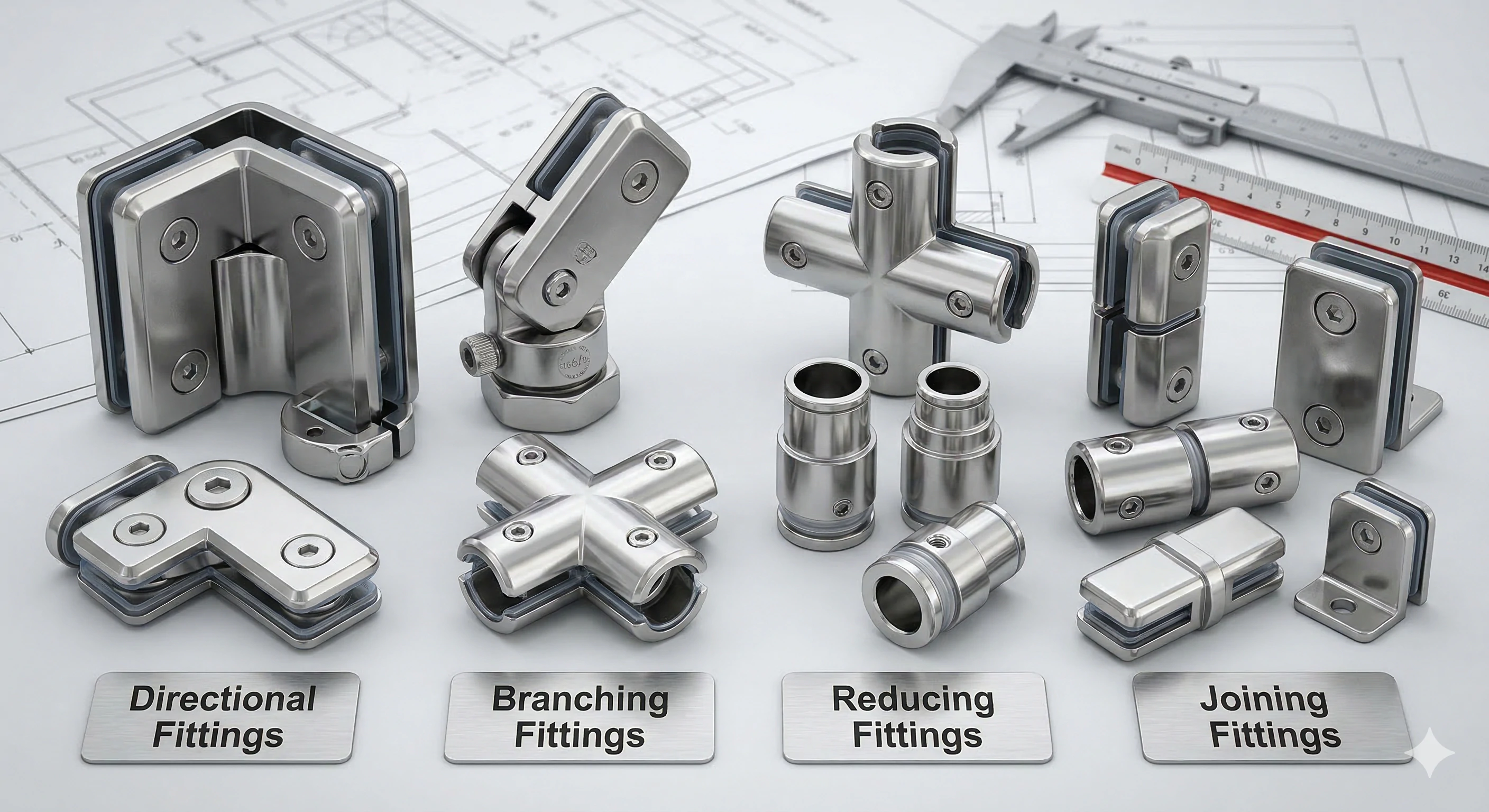
The four main types of fittings are directional, branching, reducing, and joining fittings. Directional fittings change flow paths, branching fittings split flows, reducing fittings alter pressure volume, and joining fittings securely connect or cap the pipes in industrial and architectural systems.
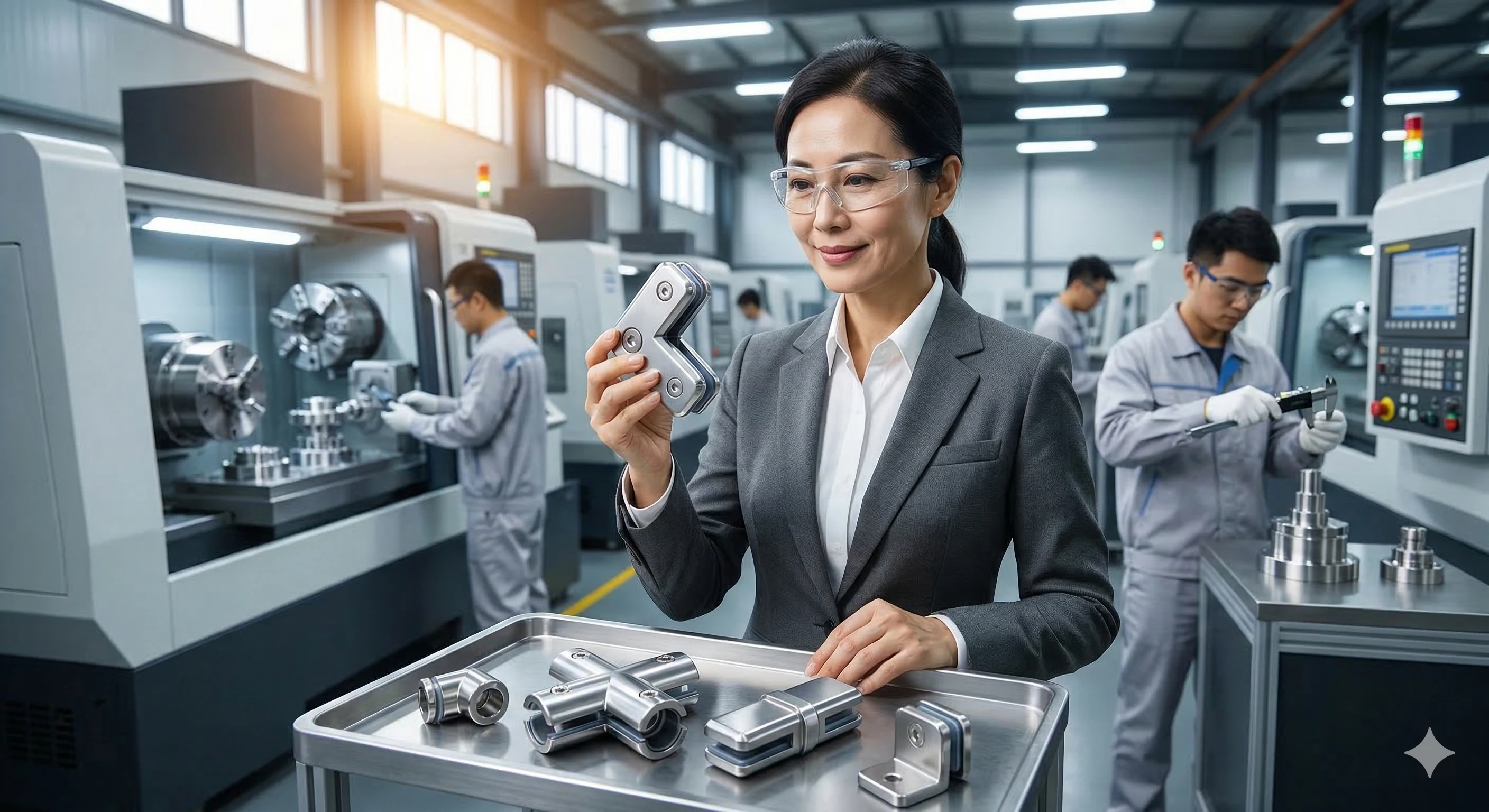
Let us explore each of these fundamental categories in detail to help you choose the right engineered components for your next major installation or OEM product line.
What Are Directional Fittings and How Do They Change Flow?
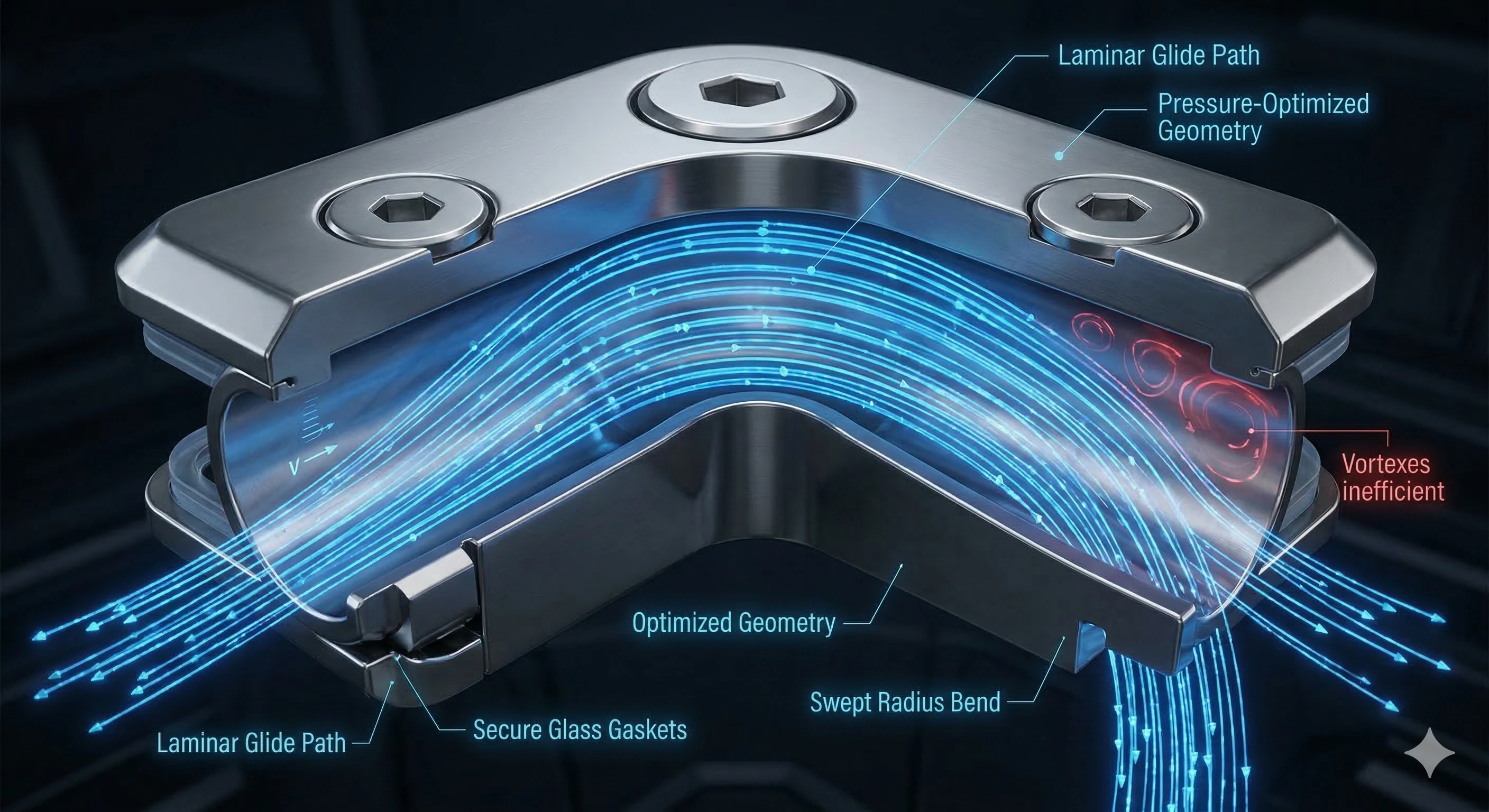
Routing high-pressure fluids around a corner often creates massive turbulence, which can quickly erode standard joints from the inside out. It is incredibly frustrating when a system fails prematurely due to internal wear. When our engineering team casts stainless steel components, we prioritize to eliminate this exact issue.
Directional fittings are engineered components designed to alter the direction of a pipe or tube without changing its internal diameter. Common examples include 45-degree elbows, 90-degree elbows, and 180-degree return bends, all built to smoothly guide fluid paths.

Understanding the Mechanics of Directional Flow
When fluid hits a sharp 90-degree corner, it causes a sudden spike in pressure. This spike creates turbulence and fluid cavitation. Cavitation can slowly eat away at the metal, weakening the structure over time. We solve this complex problem using a manufacturing process called . Investment casting allows us to create elbows with perfectly smooth and sweeping internal radii. This smooth interior is critical for long-term durability. It maximizes hydrodynamic efficiency. The fluid glides around the bend instead of crashing violently into a flat wall.
Common Applications for Directional Fittings
You will find directional fittings used in almost every major industry. Industrial plumbers use them to safely route heavy water pipes behind facility walls. Chemical processing plants use them to safely transport harsh, corrosive fluids without leaks. In modern architectural design, directional fittings are widely used to create continuous, elegant handrails. For example, a heavy-duty glass railing system on a commercial balcony relies heavily on polished stainless steel elbows to navigate the corners seamlessly and safely.
Ensuring Dimensional Accuracy
As an experienced exporter to the United States and Europe, we know that inconsistent dimensions cause massive headaches during installation. Our quality control team measures every single batch with digital calipers. We make sure the wall thickness remains completely uniform throughout the entire bend. This careful attention to detail prevents dangerous weak spots. It also ensures the product safely handles its rated pressure limit. We package these items securely so they arrive at your facility ready for immediate use.
| Fitting Type | Angle Change | Primary Application | Flow Resistance |
|---|---|---|---|
| 45-Degree Elbow | 45 Degrees | Gentle directional shifts, low friction | Low |
| 90-Degree Elbow | 90 Degrees | Sharp corners, standard pipe routing | Moderate |
| 180-Degree Return | 180 Degrees | Reversing flow direction completely | High |
What Are Branching Fittings and How Do They Split the Flow?
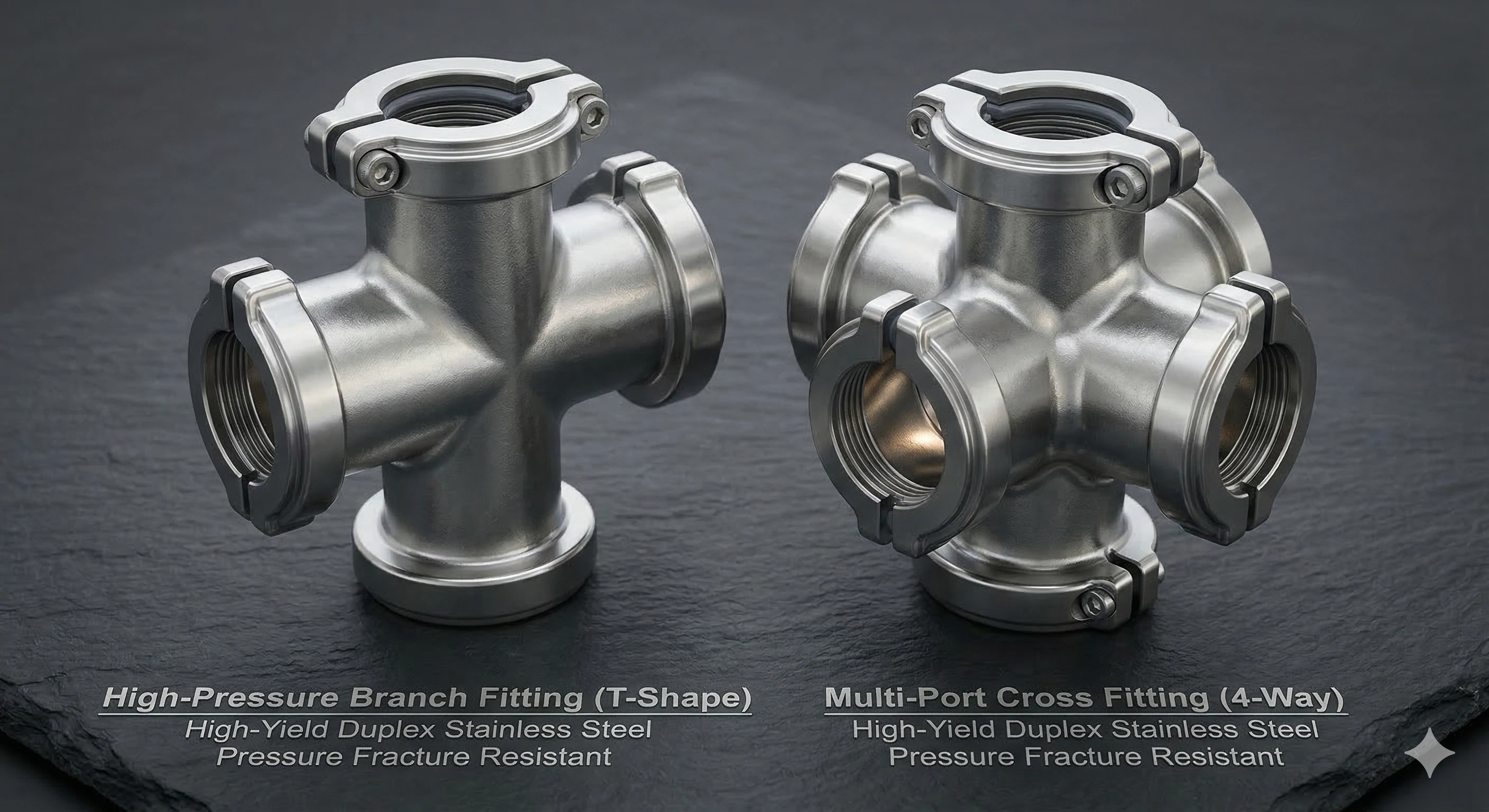
Dividing a single high-pressure fluid line into multiple directions puts immense structural stress on the connection points. Weak intersections will eventually crack under the pressure, causing catastrophic leaks and expensive system downtime. In our production lines, we specifically reinforce these vulnerable areas to ensure your systems remain completely secure under extreme conditions.
Branching fittings are components used to divide a single flow into multiple directions or combine multiple flows into one main line. The most common branching fittings include T-shaped tees, 3-way tees, 4-way crosses, and Y-shaped wyes.

The Structural Challenge of Branching Connections
The intersection where a pipe branches off is known in the industry as the "crotch" of the fitting. This specific area takes the absolute brunt of the structural and fluid stress. When sudden pressure changes occur in the line, the resulting can easily fracture a poorly manufactured fitting. We cast our stainless steel tees and crosses with heavily reinforced wall thicknesses right at these junctions. This extra thick material acts as a strong shield against structural failure. It guarantees the fitting will not crack or split under heavy pressure.
Different Shapes for Different Flow Requirements
A standard tee fitting creates a sharp 90-degree branch away from the main pipe. A cross fitting allows for four different connection points, making it highly ideal for building . However, standard crosses can introduce significant fluid turbulence because multiple flows collide at a single central point. If smooth, uninterrupted flow is a high priority for your design, Y-fittings (or wyes) offer a much gentler angle for the fluid to merge or split.
Customizing Solutions for OEM Clients
We frequently collaborate with our clients on design and development to create highly customized product features. If you need a specific branch angle that is not standard, our skilled engineers can design and cut the mold for you. We provide extensive OEM services that include casting your company brand name directly onto the fitting body. This helps regional distributors build their own strong brand recognition in the local market. Our robust supply chain ensures that even highly custom orders are delivered on time, protecting you from costly delivery delays. Forging struggles to create complex internal cavities, which is why investment casting is vastly superior for these intricate branching shapes.
| Fitting Name | Shape | Connections | Best Used For |
|---|---|---|---|
| Standard Tee | T-Shape | 3 Ways | 90-degree branching |
| Cross Fitting | Plus-Shape | 4 Ways | Complex manifolds |
| Y-Fitting (Wye) | Y-Shape | 3 Ways | Low-friction branching |
What Are Reducing Fittings and How Do They Change Volume?
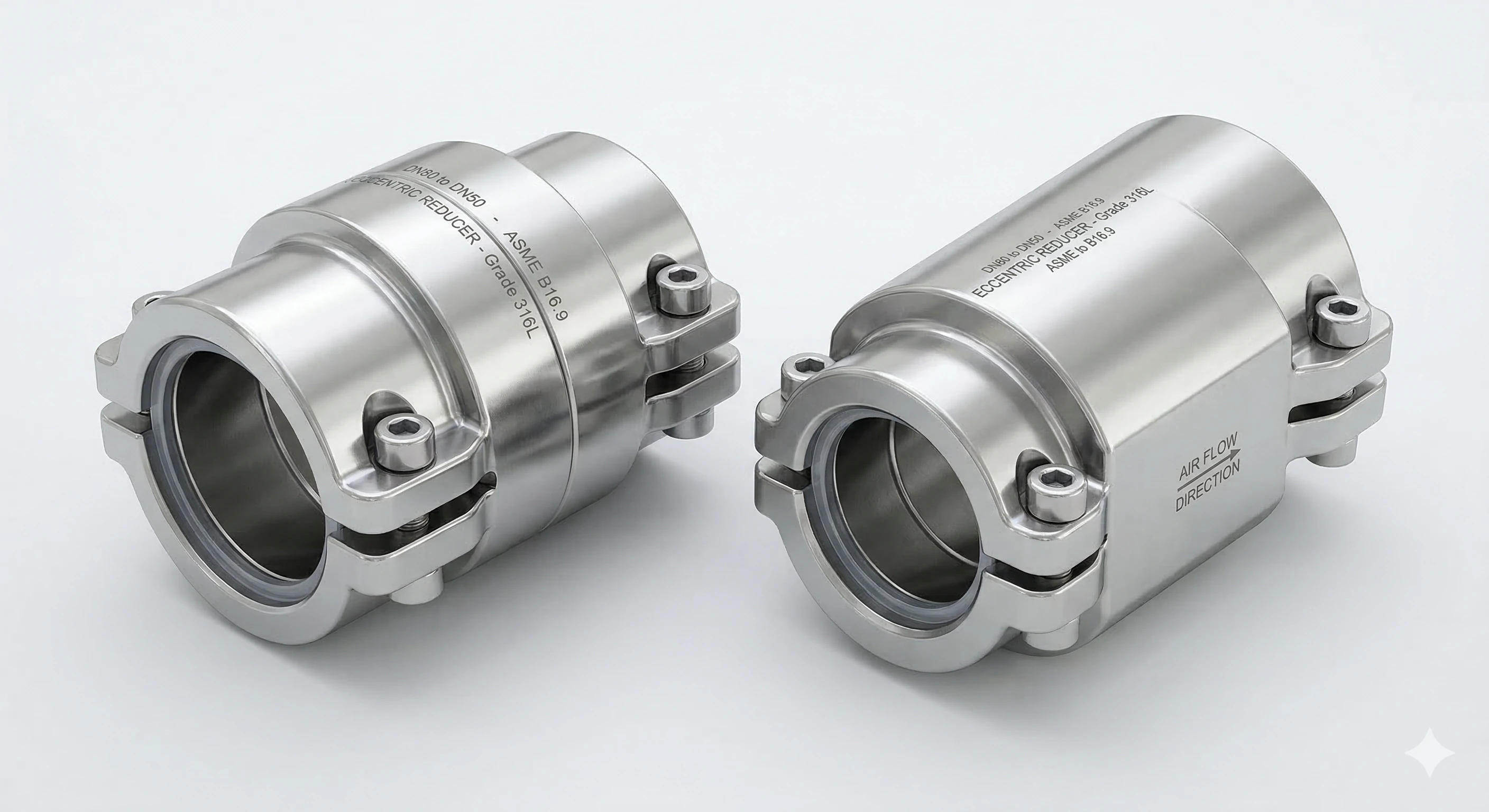
Connecting pipes of vastly different sizes often leads to dangerous pressure fluctuations or trapped air bubbles within the fluid line. These hidden air pockets can instantly destroy sensitive equipment like expensive , leading to massive repair bills. By utilizing advanced machining techniques, we manufacture precision components that smoothly transition fluid volume without introducing destructive air gaps.
Reducing fittings are specialized adapters used to connect a larger pipe to a smaller pipe. By changing the diameter of the pipeline, these fittings intentionally alter the fluid flow rate and the internal pressure of the entire system.
Concentric vs. Eccentric Reducer Designs
There are two primary types of reducers used in piping: concentric and eccentric. A concentric reducer looks exactly like a symmetrical cone. It reduces the pipe size perfectly evenly across its center axis. An eccentric reducer, however, is manufactured to be flat on one side. This unique asymmetrical design is incredibly important and highly necessary for laying out horizontal pipelines effectively.
Protecting Expensive Pump Systems from Damage
Reducers are absolutely critical when installed right before a pump inlet. If you use a standard concentric reducer on a horizontal line leading directly to a pump, air bubbles will get trapped at the top of the fitting. When these dangerous bubbles enter the pump body, they cause , which will quickly destroy the metal pump impeller. Using a precision-machined eccentric reducer installed with the flat side facing up prevents these air bubbles from accumulating in the line. This simple but clever engineering choice easily saves thousands of dollars in heavy equipment damage.
Maintaining Smooth Internal Surfaces
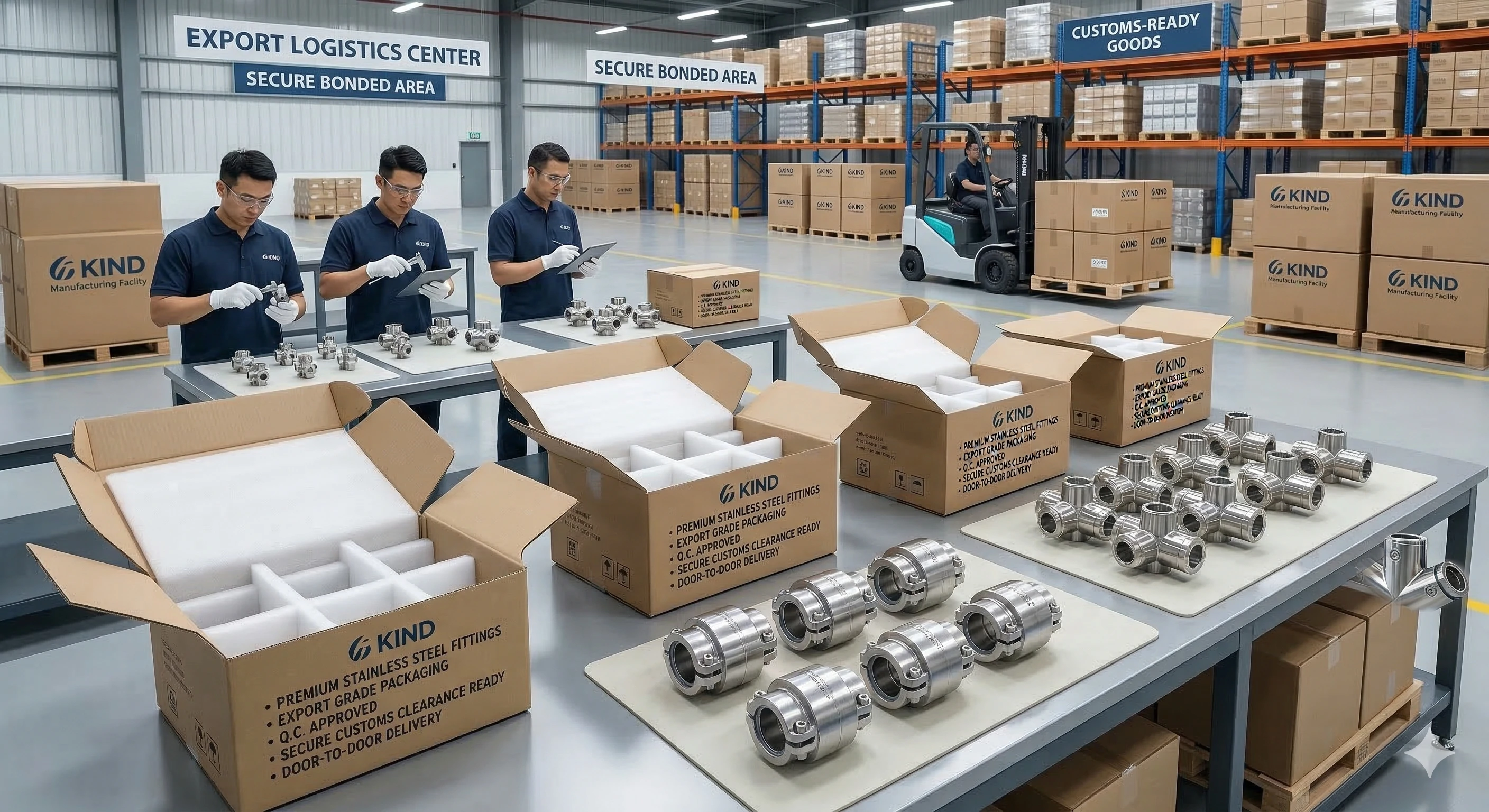
Accurate machining is completely non-negotiable for producing safe reducers. A rough internal surface can cause just as much turbulence as a sharp corner. We polish the interior of our reducing fittings carefully to create a flawless, mirror-like finish. This exceptionally smooth surface facilitates the maximum possible flow rate. We clearly understand that procurement heads for government service providers require complete company and product certifications. We supply all the necessary technical export documentation with every shipment. This makes your international customs clearance process extremely smooth, fast, and completely hassle-free.
| Reducer Type | Shape Characteristics | Primary Orientation | Prevents Air Traps |
|---|---|---|---|
| Concentric | Symmetrical cone | Vertical lines | No |
| Eccentric | Flat on one side | Horizontal lines | Yes |
What Are Joining Fittings and How Do They Provide a Secure Seal?
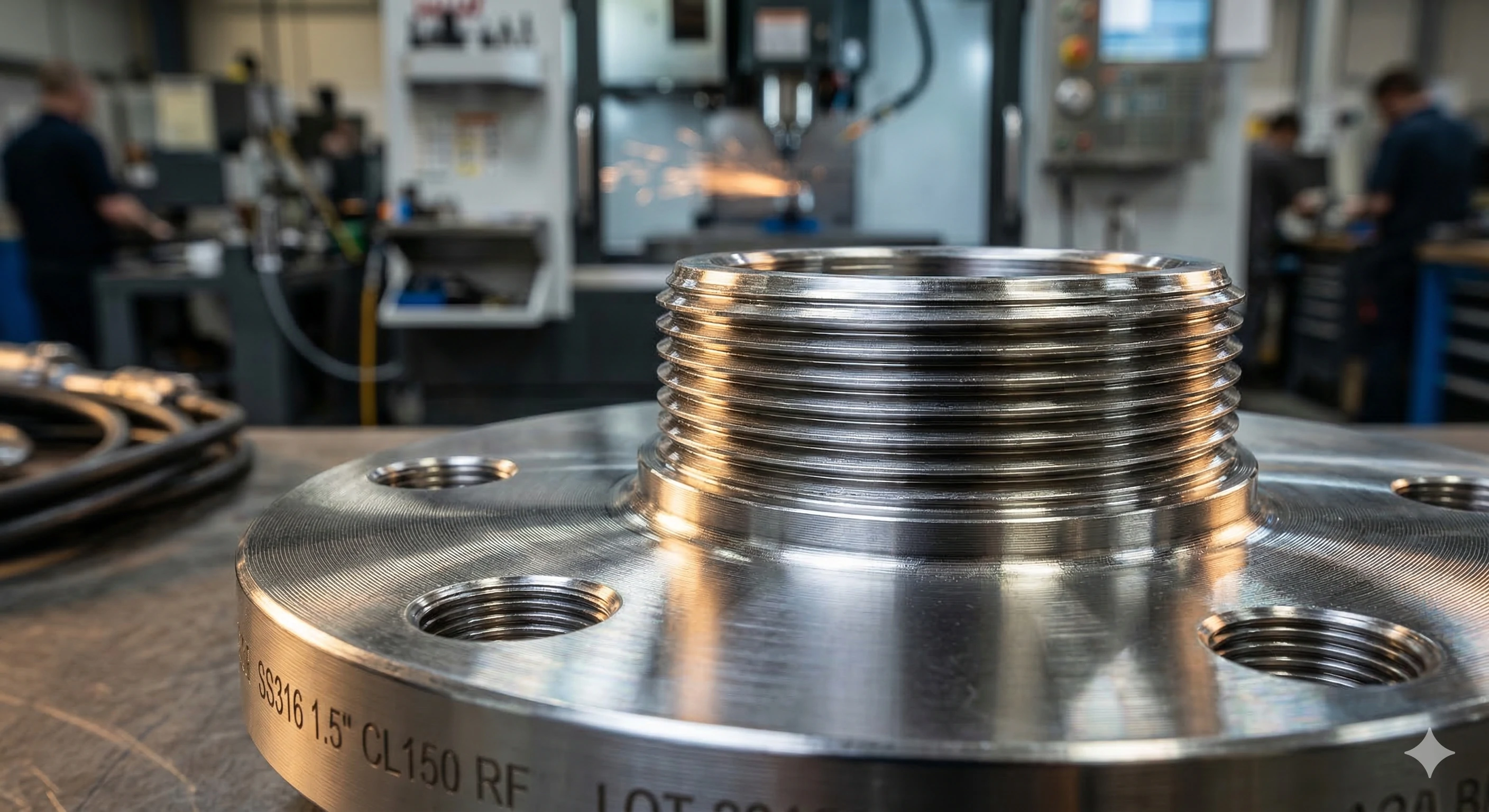
Mechanical connections in pipelines, such as threaded joints or rubber gasket seals, are notorious for developing slow, hidden leaks over time. A tiny, invisible leak in a high-pressure line can cause widespread and severe safety hazards. When our technicians operate the CNC milling centers, we focus heavily on achieving strict micron-level accuracy to guarantee a leak-proof fit every single time.
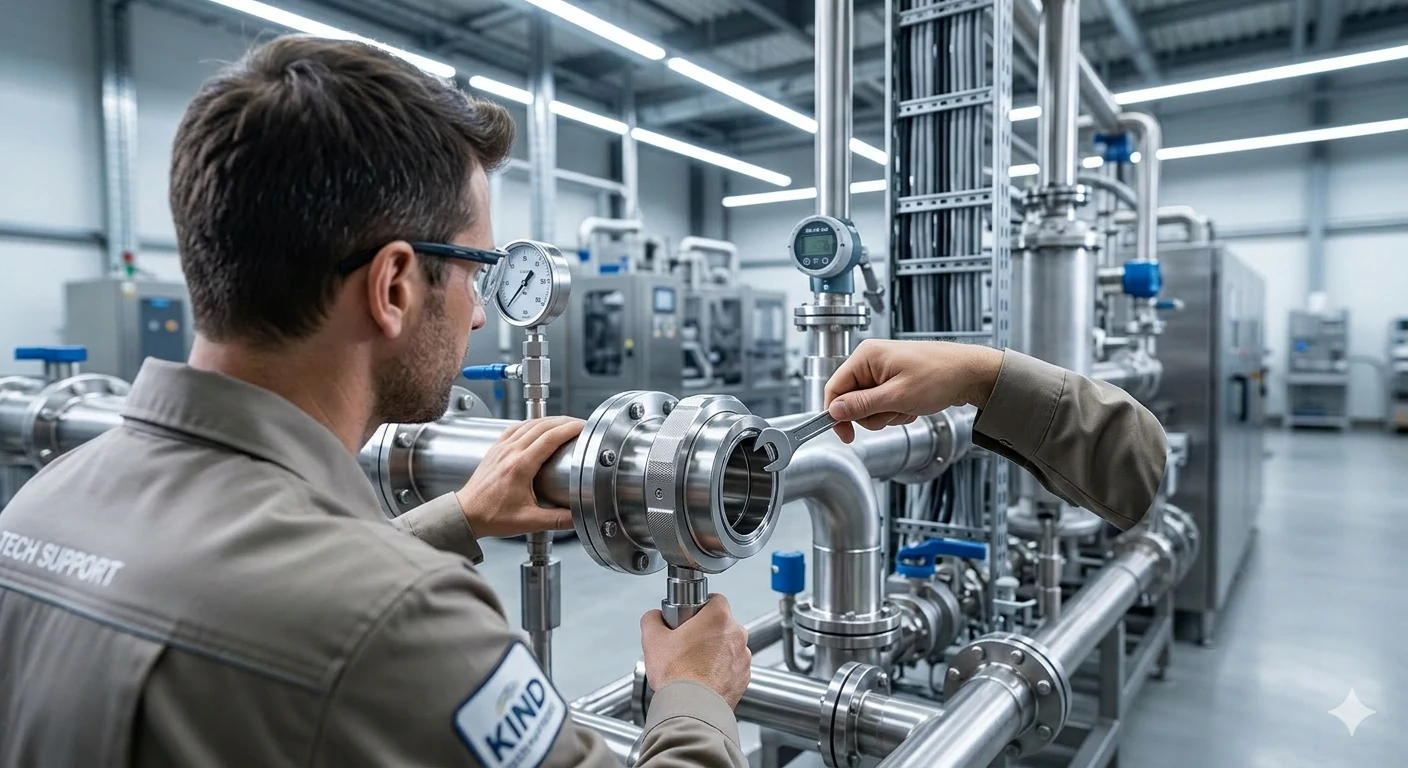
Joining and stopping fittings securely connect two identical pipes together or permanently cap the end of a pipeline. Common examples of these critical sealing components include couplings, unions, flanges, and end caps.
The Challenge of the Perfect Leak-Proof Seal
Unlike a seamlessly welded elbow, which becomes a permanent physical part of the pipe, joining fittings very often rely on mechanical connections. These mechanical connections use cut threads or compressed gaskets to hold the heavy internal pressure. If the metal machining is even slightly off by a fraction of a millimeter, the fitting will inevitably leak. This exact scenario is where our highly advanced take full control over the manufacturing process.
Understanding Couplings, Unions, and Flanges
We expertly mill perfectly flat flange faces, carefully controlling the exact surface roughness to ensure perfect rubber gasket adhesion. We also cut extremely high-precision NPT or BSP threads into our stainless steel couplings to guarantee a 100% leak-proof, zero-clearance fit. It is very important to know the functional difference between these connection parts. Both parts connect two pipes, but a standard coupling is designed to be a permanent or semi-permanent structural connection. A union, on the other hand, contains a specialized rotating nut in the exact center. This unique nut allows you to easily disconnect the pipes for fast future maintenance without having to unscrew the entire surrounding pipeline.
Precision Threads and Retail Packaging
Thread quality is undoubtedly the most important factor for securing joining fittings. We use precision CNC machines to cut deep threads that easily meet strict international safety standards. If a metal thread is cut too deeply, the final joint will be dangerously weak. If it is cut too shallow, the pipes simply will not assemble correctly in the field. We test our threaded couplings and heavy flanges extensively before boxing them. We also offer highly customized packaging options for direct retailers. We can box these fittings individually with your custom printed labels, making them completely ready for retail shelves the exact moment they arrive at your warehouse.
| Fitting Type | Connection Method | Maintenance Access | Primary Use Case |
|---|---|---|---|
| Coupling | Threaded or Welded | Difficult | Permanent pipe extension |
| Union | Threaded with Center Nut | Easy | Areas needing frequent repair |
| Flange | Bolted with Gasket | Moderate | High-pressure industrial systems |
| Cap | Threaded or Welded | N/A | Sealing the end of a pipe |
Why Is Stainless Steel 316 the Best Material for Fittings?
Using cheap, low-grade materials for critical hardware installations often leads to rapid rusting, heavy scaling, and parts that seize together permanently. Replacing corroded outdoor infrastructure is an absolute nightmare that quickly drains annual maintenance budgets. By casting our secure fittings in premium marine-grade alloys, we directly ensure your architectural installations remain pristine and structurally sound for decades.
Stainless Steel 316 is the premier material for fittings because its high molybdenum content heavily resists chloride corrosion. This marine-grade alloy ensures fittings function perfectly and maintain a polished appearance in both chemical fluid systems and outdoor architectural applications.
The Standard Grade vs. The Premium Upgrade
Cheap fittings are highly prone to aggressive rust and mineral scale. Over a short period of time, the metal threads seize together tightly, making future maintenance nearly impossible to perform without breaking the pipe. For both complex chemical fluid systems and highly visible outdoor architectural handrails, Stainless Steel 316 is the absolute, undeniable gold standard. Its rich strongly resists harsh chloride corrosion beautifully. This specific chemical makeup ensures the fitting looks perfectly pristine and functions perfectly for decades, even when installed in harsh, salty marine environments.
Architectural vs. Standard Plumbing Applications
It is highly crucial to note that polished architectural tube fittings are definitely not the exact same as standard plumbing pipe fittings. While the general shapes, such as elbows and tees, look quite similar to the naked eye, the core engineering goals are vastly different. Plumbing fittings are heavily engineered to safely contain high internal fluid pressure. Architectural tube fittings, which are widely used for modern glass railings or staircase handrails, are engineered to handle heavy external structural human loads. They also feature highly polished, beautiful aesthetic surface finishes. We specialize heavily in producing these beautiful, exceptionally durable components for the global architectural glass market.
The Value of Reliable Factory Sourcing
When you import heavy hardware, product durability is completely non-negotiable. Suppliers who repeatedly deliver substandard products cause severe delivery delays and massive economic losses for your business. Our strict focus on utilizing true Stainless Steel 316 eliminates these common pain points entirely. We know that after-sales issues are a major, frustrating pain point for international buyers. If a fitting rusts within a single year, the end consumer will loudly blame the distributor. By supplying premium components, we actively help our partners eliminate these annoying quality complaints. You will never have to worry about providing expensive repair parts or sending technical teams for fast on-site fixes. We proudly offer reliable door-to-door delivery services, meaning we handle the complex logistics from our factory floor in China straight to your local receiving warehouse.
Conclusion
Every single fitting—whether it changes direction, splits the flow, reduces pressure, or securely joins a system—must be carefully engineered for its specific, intended stress load. Do your OEM products require high-tolerance, highly corrosion-resistant tube or pipe fittings? We expertly combine precision investment casting with micron-level CNC machining to deliver absolutely flawless metal components. Send us your CAD files for a detailed manufacturing quote today, and let our dedicated engineering team support your next big construction or design project.
Footnotes
1. Learn more about the principles of fluid dynamics and system efficiency.
2. Discover how investment casting creates complex and precise metal components.
3. Understand the destructive forces of pressure surges in fluid distribution systems.
4. Explore how manifolds regulate fluid flow across industrial applications.
5. Information on the mechanics and function of various pump impellers.
6. Learn about the mechanics of cavitation and its effect on metals.
7. Explore the broad impacts of environmental degradation from industrial failures.
8. Read about computer numerical control in advanced manufacturing processes.
9. Overview of the galvanization process and its limitations in harsh environments.