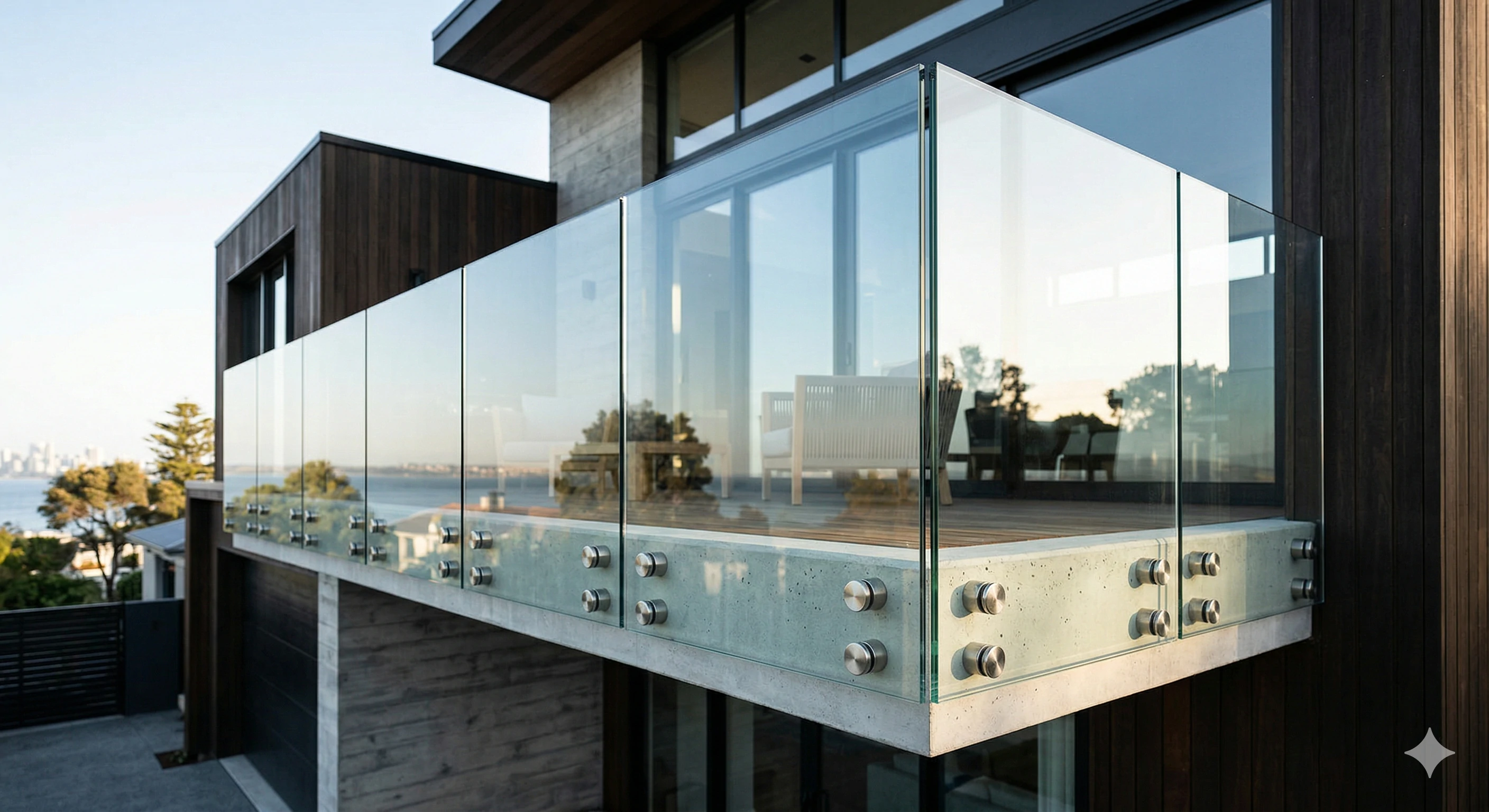
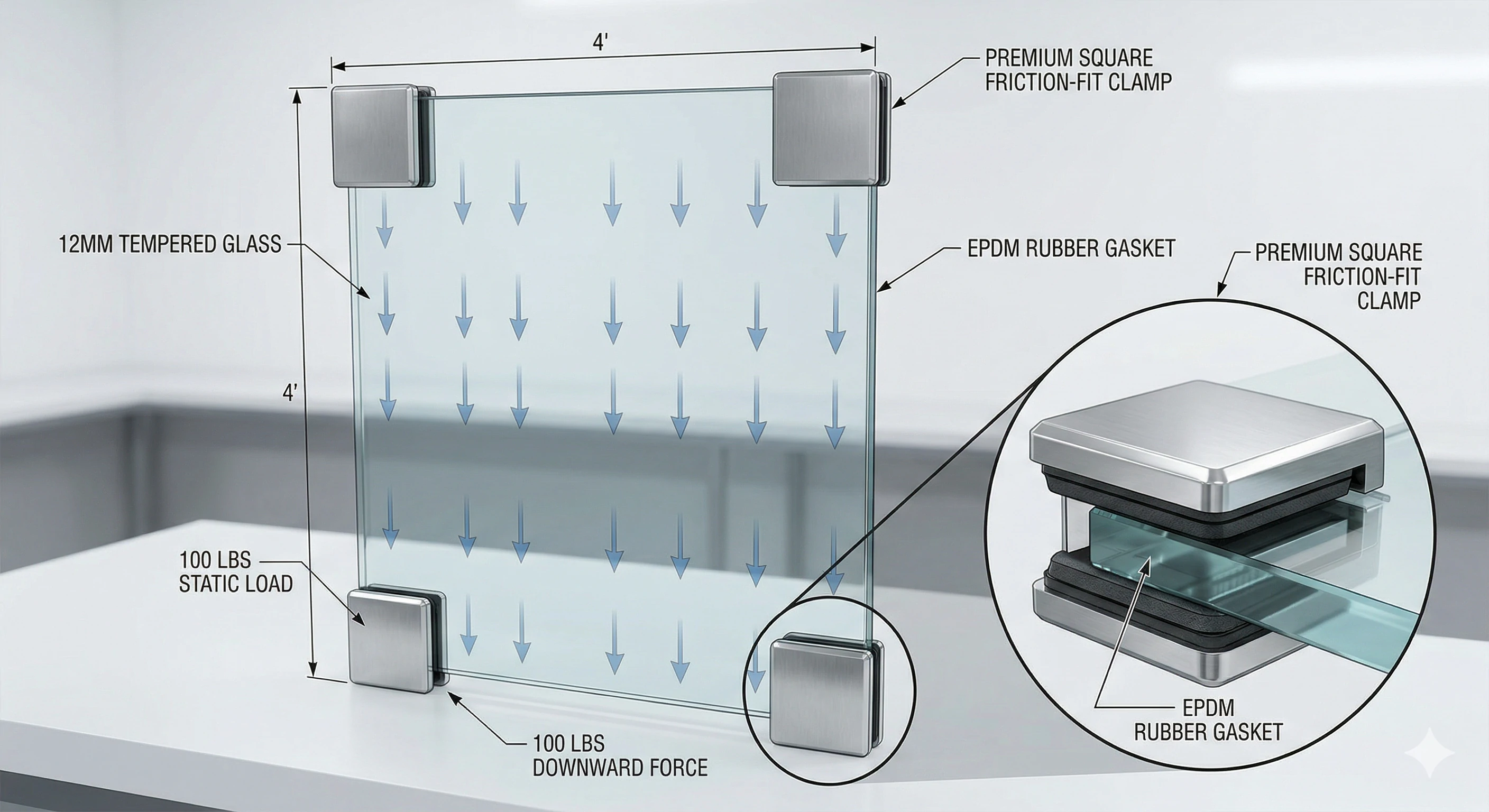
Glass is deceptively heavy—a standard 1/2-inch (12mm) measuring 4x4 feet tips the scales at nearly 100 lbs (45 kg). Suspending this kind of weight, whether for a glass railing, floating shelf, or architectural balustrade, isn’t just a matter of choosing a bracket: it requires precise engineering, adherence to building codes, and hardware built to withstand far more than just the static weight of the glass itself. Guessing at a bracket’s weight limit is a catastrophic risk—failure leads to shattered glass, serious injury, and crippling liability. This guide breaks down the load capacities of the most common glass brackets and standoffs, the critical engineering differences between dead and live load, and why the quality of the metal manufacturing is the ultimate determinant of safety and performance.
1. Dead Load vs. Live Load: What Are You Actually Measuring?
To understand a glass bracket’s true capacity, you first need to distinguish between the two types of force it must withstand—this is a foundational engineering distinction that separates safe installations from risky ones.
Dead Load
This is the static, constant weight of the glass panel itself. The bracket’s core job is to support this weight indefinitely, with no slippage from the internal rubber gaskets or of the metal. For a 4x4 foot 12mm glass panel, this dead load is a non-negotiable 100 lbs (45 kg) that the hardware must hold 24/7.
Live Load (The Real Test)
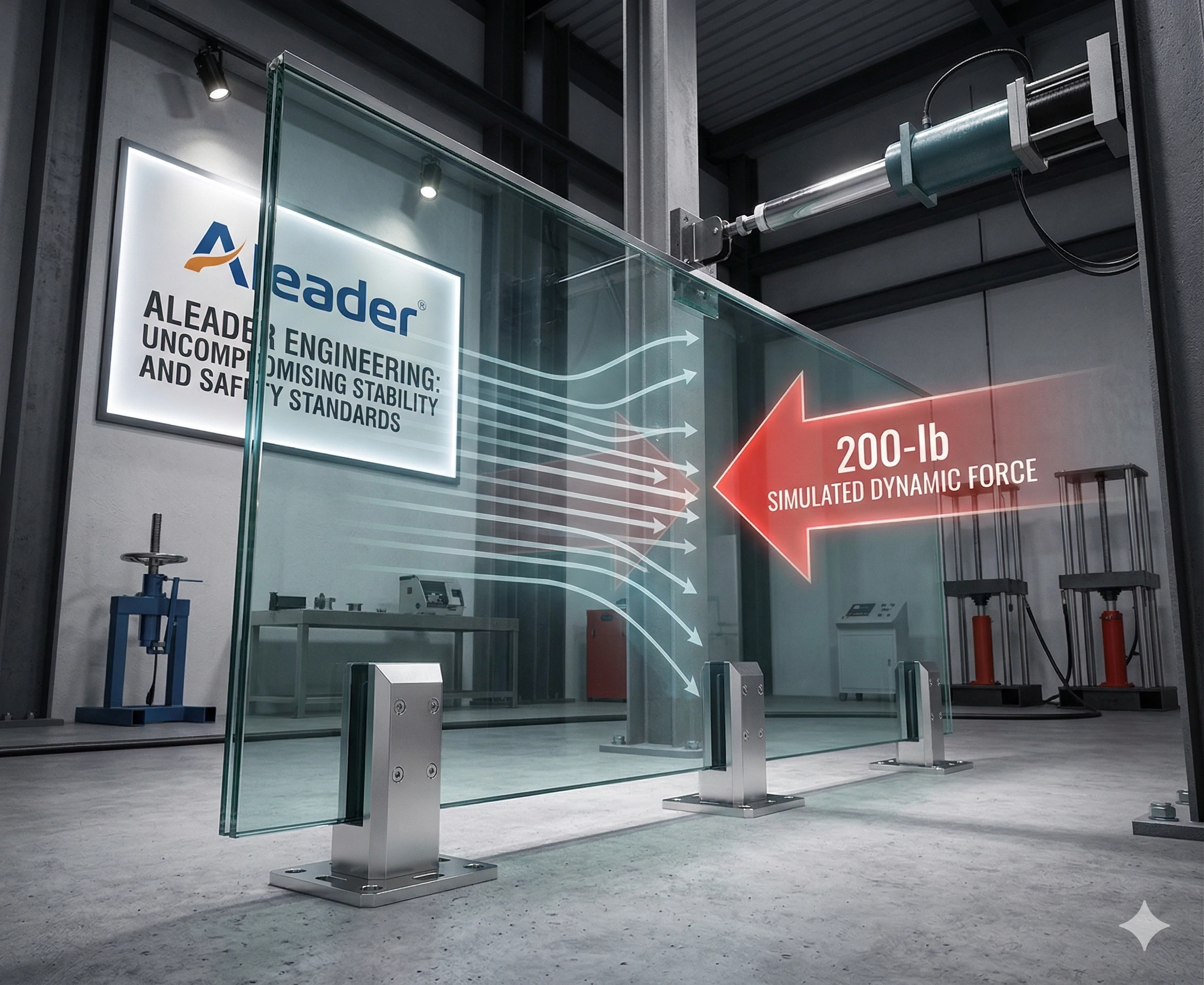
This is the temporary, dynamic force applied to the glass after installation—and it’s the ultimate test of a bracket’s strength. For glass railings, live load includes pushing against the panel, a 200-lb adult leaning heavily on the top edge, or even accidental impacts. Unlike dead load, live load creates massive leverage: force applied at the top of a 4-foot glass panel multiplies exponentially at the base bracket, requiring hardware that can absorb and transfer this stress into the floor, wall, or structural framing without bending or breaking.
2. Load Capacities by Bracket Type
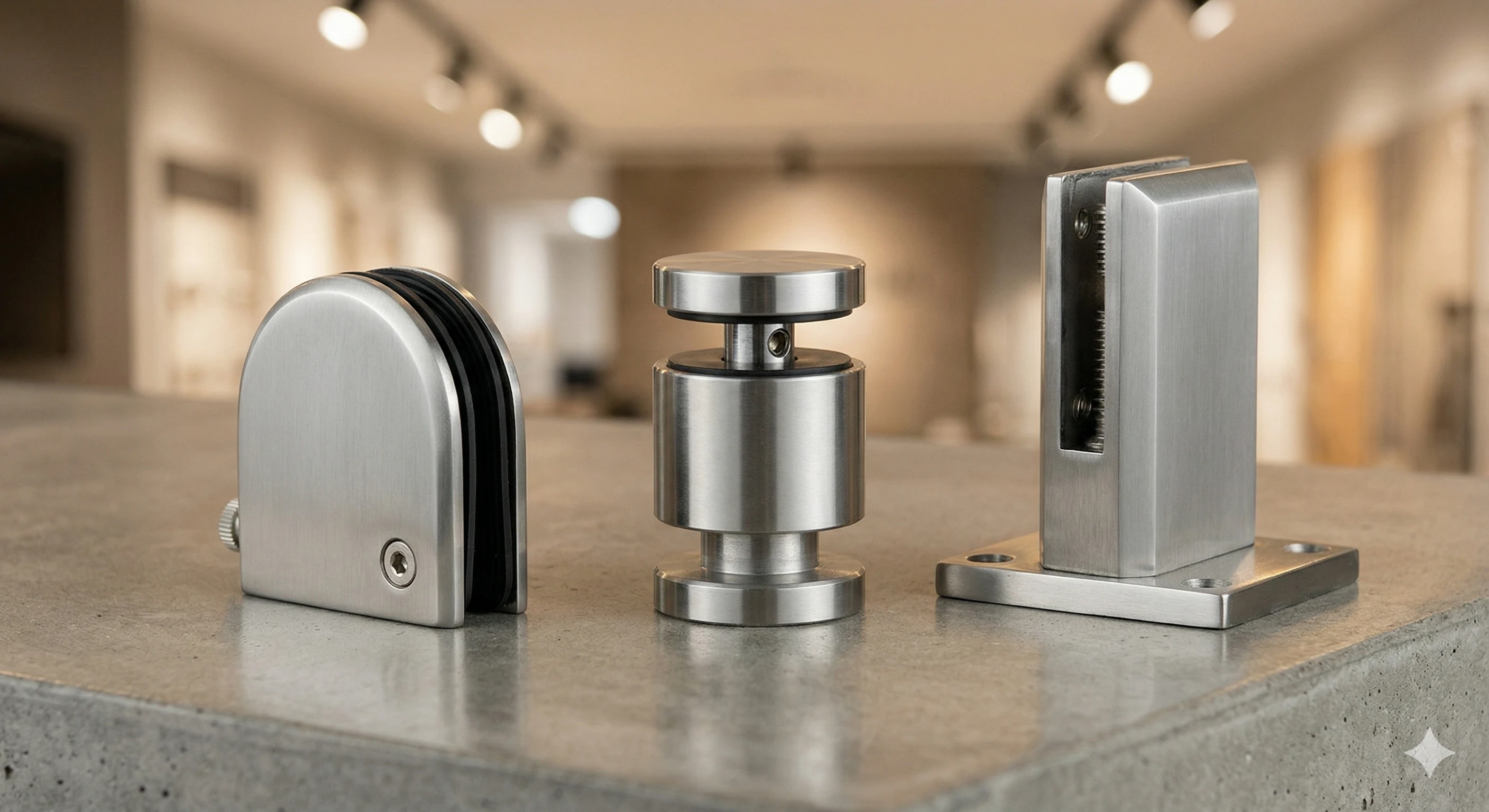
Not all glass brackets are created equal—their design dictates their load capacity, and each type is engineered for specific applications. Below is a clear breakdown of the most common hardware, how they grip glass, and their rated weight limits for quick reference.
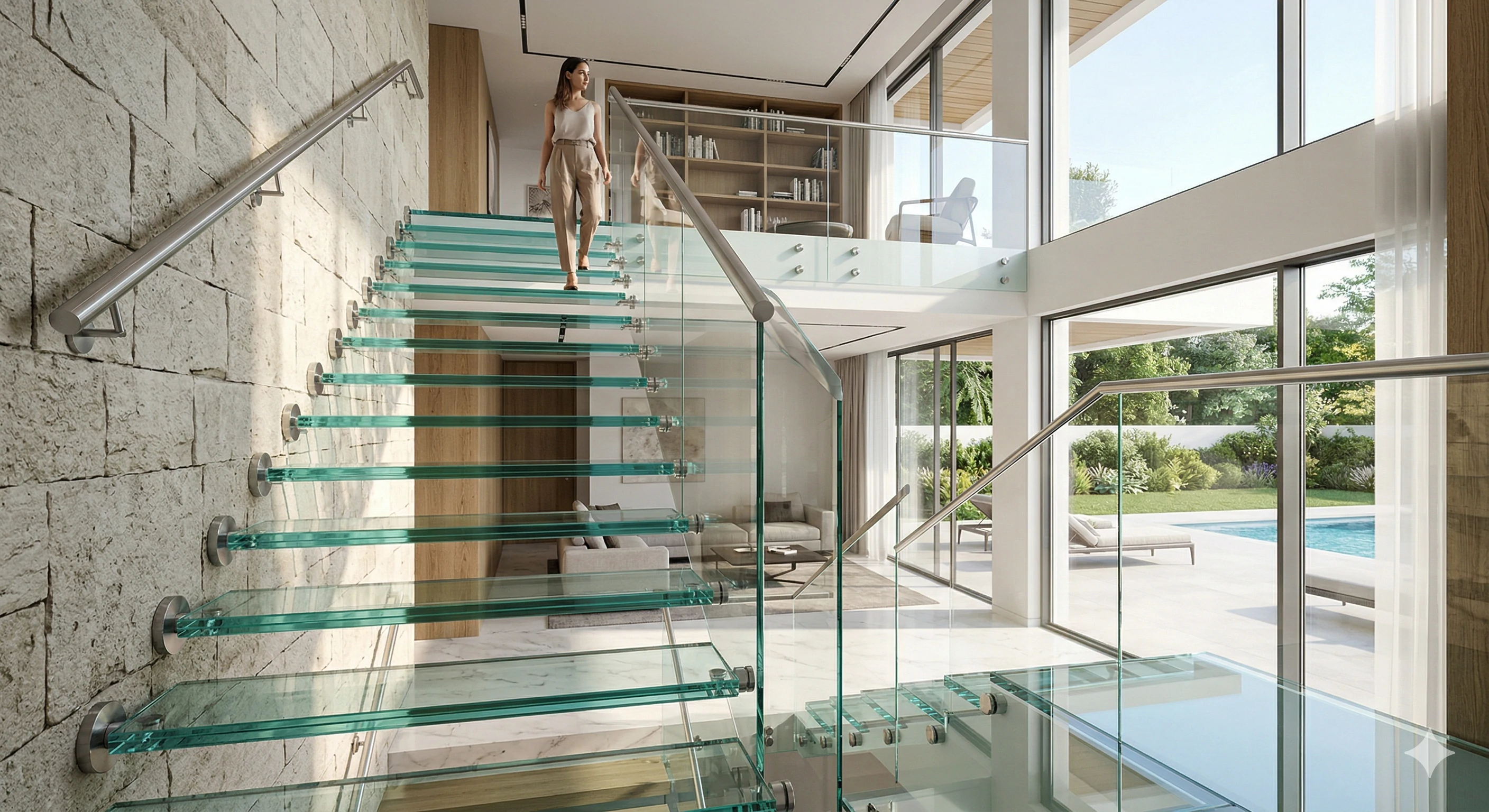
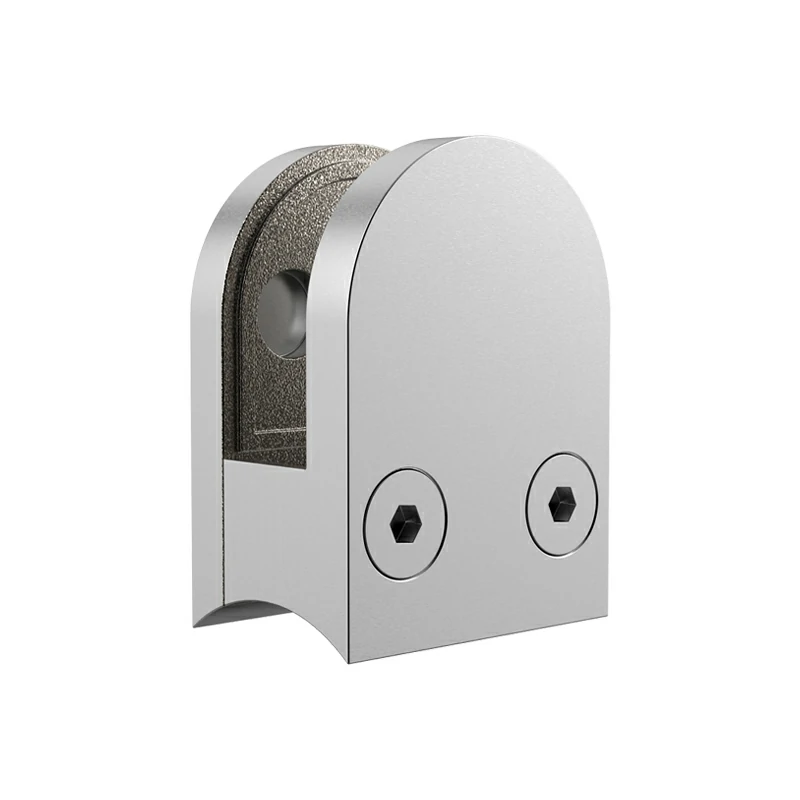
D-Clamps and Square Clamps (Friction-Fit)
How they work: These clamps squeeze the glass edge between two metal plates with EPDM rubber gaskets, creating a secure friction grip that prevents slippage and cushions the glass to avoid .
Load Capacity: 40 to 80 lbs per bracket
Best For: Glass shelving, interior partition walls, and secondary support for low-height balustrades (where live load risk is minimal). They are not recommended as the sole support for elevated glass railings or floating staircases.
Glass Standoffs (Pin-Fit)
How they work: A penetrates a precision-drilled hole in the glass, locking the panel to the bracket for a mechanical hold that far exceeds friction alone. The glass is secured both by the pin and a gasketed base that distributes weight evenly.
Load Capacity: 150 to 300+ lbs per bracket (sheer weight)
Best For: Elevated installations where glass failure would be catastrophic—including floating glass staircases, Juliet balconies, and upper-floor glass railings. This is the industry standard for high-load, high-risk glass applications.
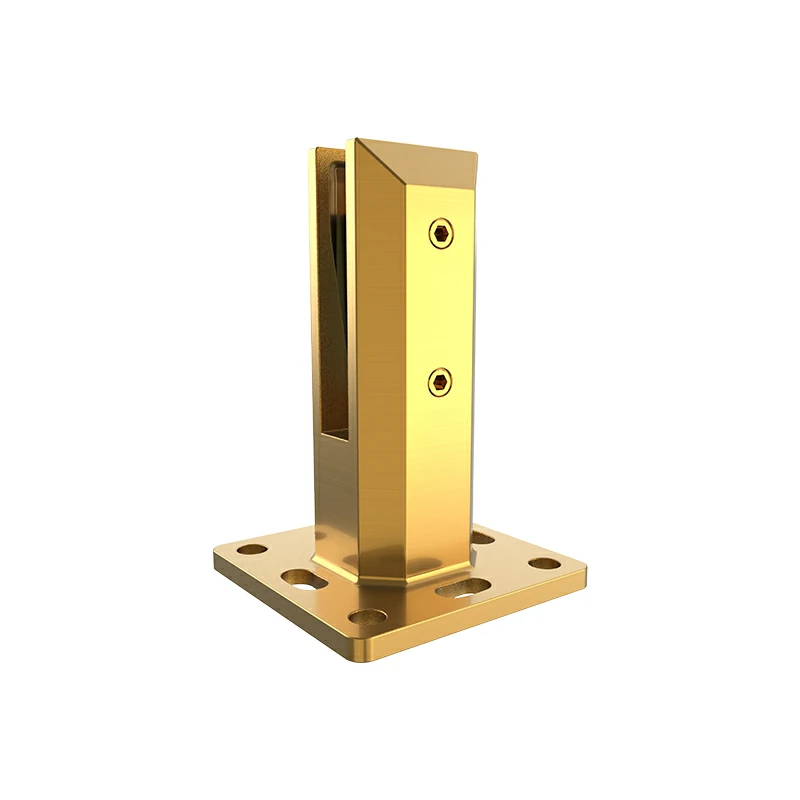
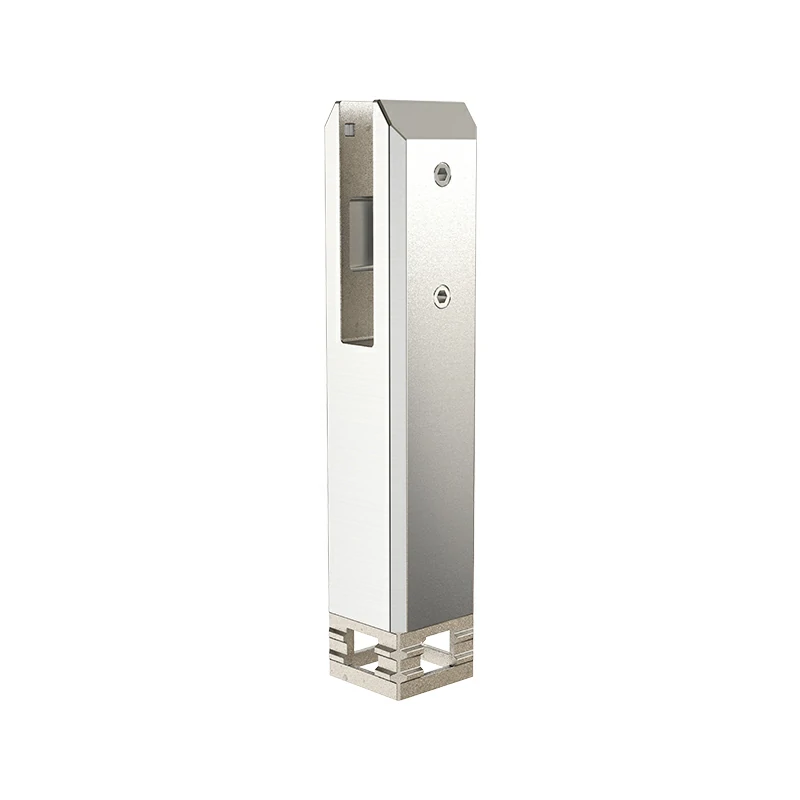
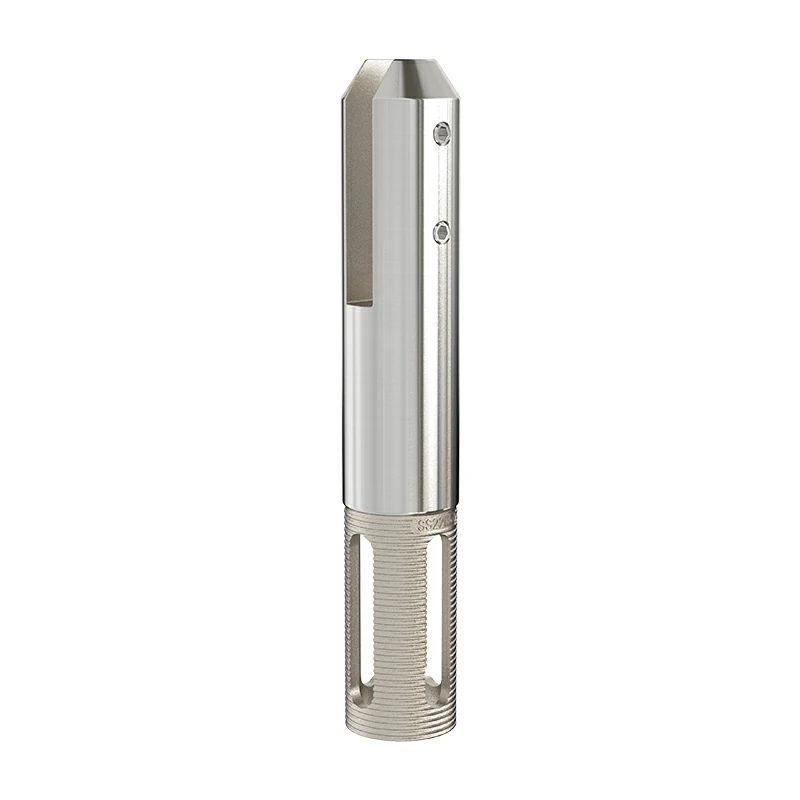
Base-Mount Glass Spigots
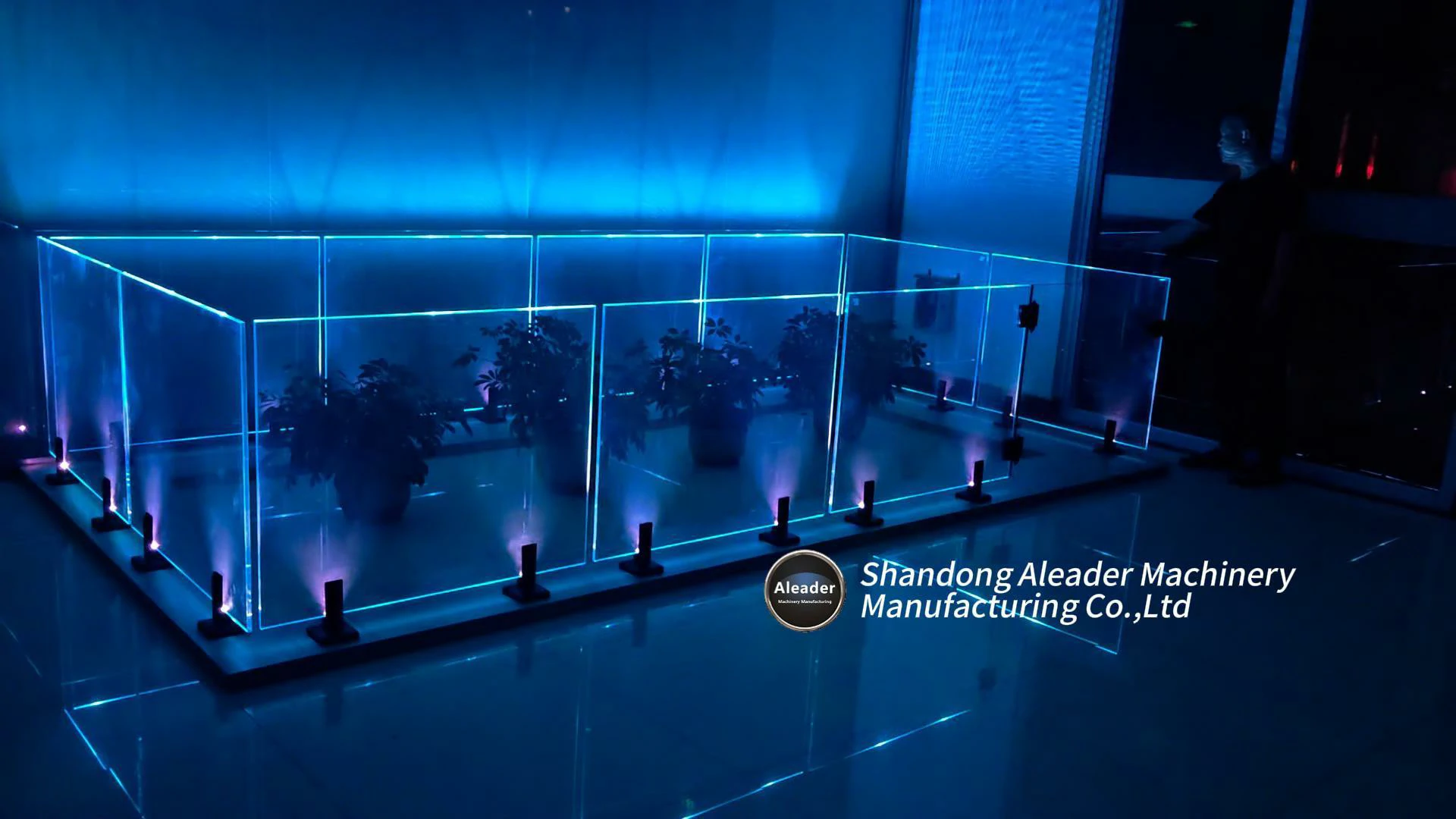
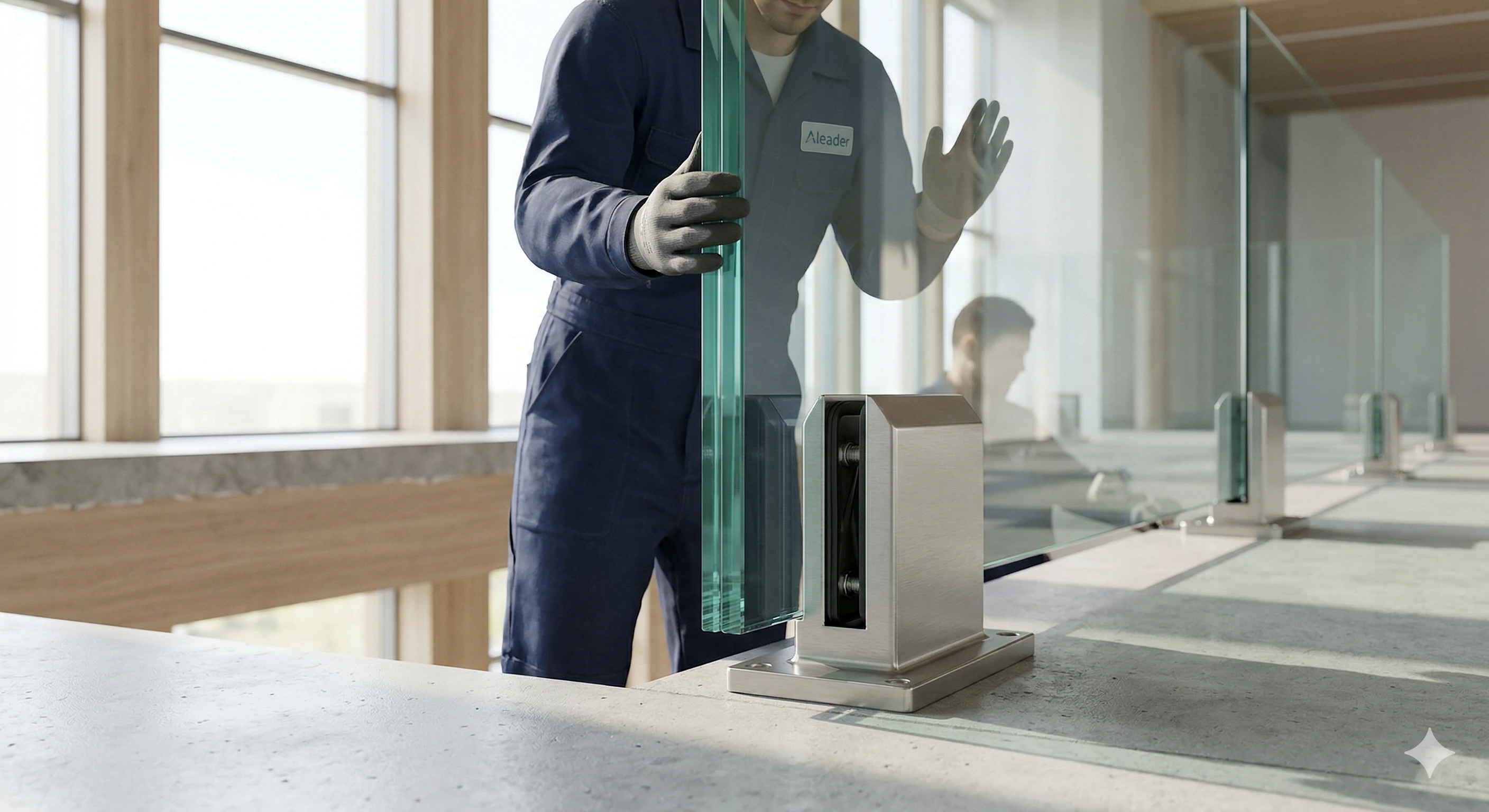
How they work: Heavy-duty floor-mounted clamps that hold glass panels in a , with a wide, stable base anchored directly into concrete or structural wood. They grip the glass edge with a reinforced friction fit (or pin-fit for extreme loads) and are engineered to resist lateral force, not just vertical weight.
Load Capacity: Rated for far more than dead load—a single high-quality spigot can resist hundreds of pounds of lateral live load at the top of a 4-foot glass panel, absorbing leverage and preventing the glass from tipping or sliding.
Best For: Commercial glass railings, outdoor balustrades, pool enclosures, and any installation where wind, impact, or heavy leaning creates significant lateral force.
3. The 200-lb Building Code Rule: Non-Negotiable for Structural Glass

When it comes to structural glass railings, guesswork is eliminated by the International Building Code (IBC)—the global standard for safe architectural design, and a mandate that all hardware must meet (or exceed).
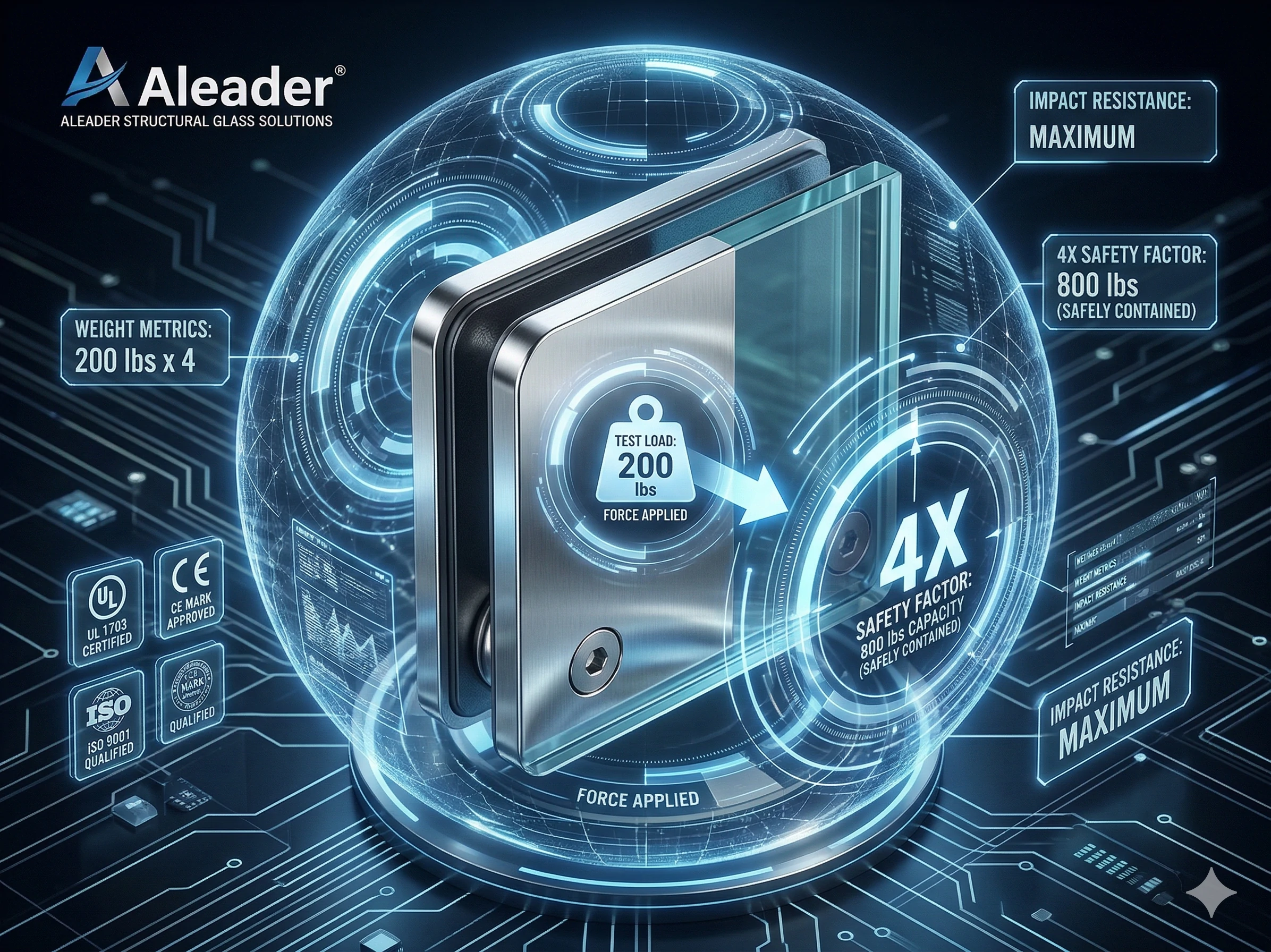
The IBC rule is clear: structural glass railings and their supporting brackets must withstand a 200 lb concentrated live load applied in any direction at the top of the glass panel. To account for unexpected stress (e.g., extreme winds, heavy impacts), also require a 4x safety factor for all structural hardware.
What this means for your installation: Your brackets don’t just need to hold the 100-lb dead load of the glass. They need to support the glass, absorb a 200-lb impact force, and still have 75% of their structural capacity remaining—all without bending, stretching, or slipping. This is not a suggestion; it’s a legal and safety requirement for any commercial or residential structural glass installation.
4. The Manufacturing Secret: Solid Cast vs. Hollow Stamped Hardware
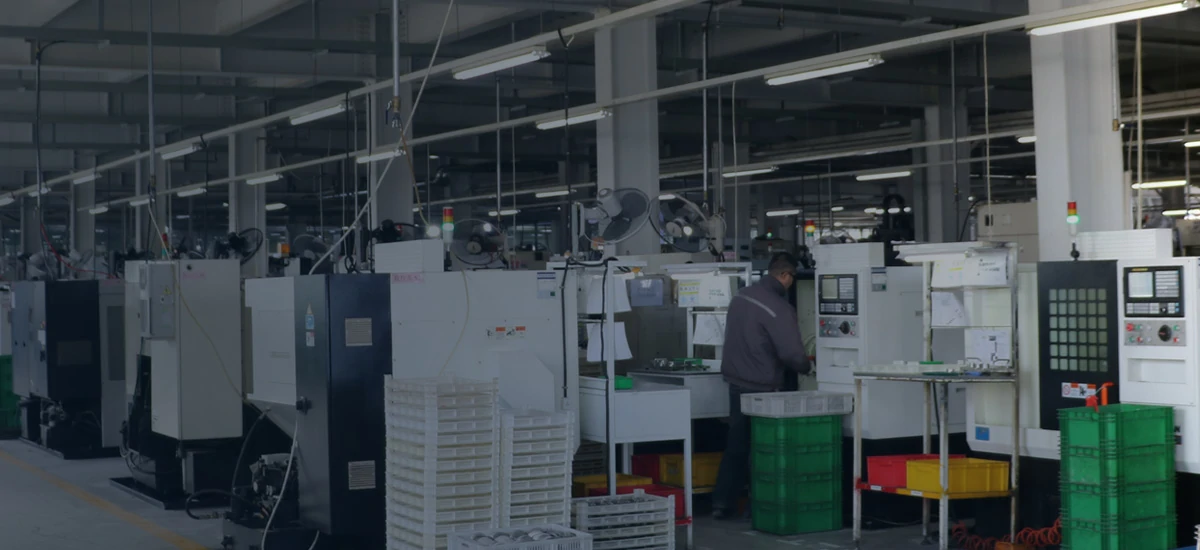
The single biggest factor in a glass bracket’s load capacity is how it’s made—and cheap, mass-produced hardware creates a fatal weak point that no engineering calculation can overcome. This is where cutting corners leads to disaster, and where precision manufacturing makes all the difference.
The Cheap Bracket Trap
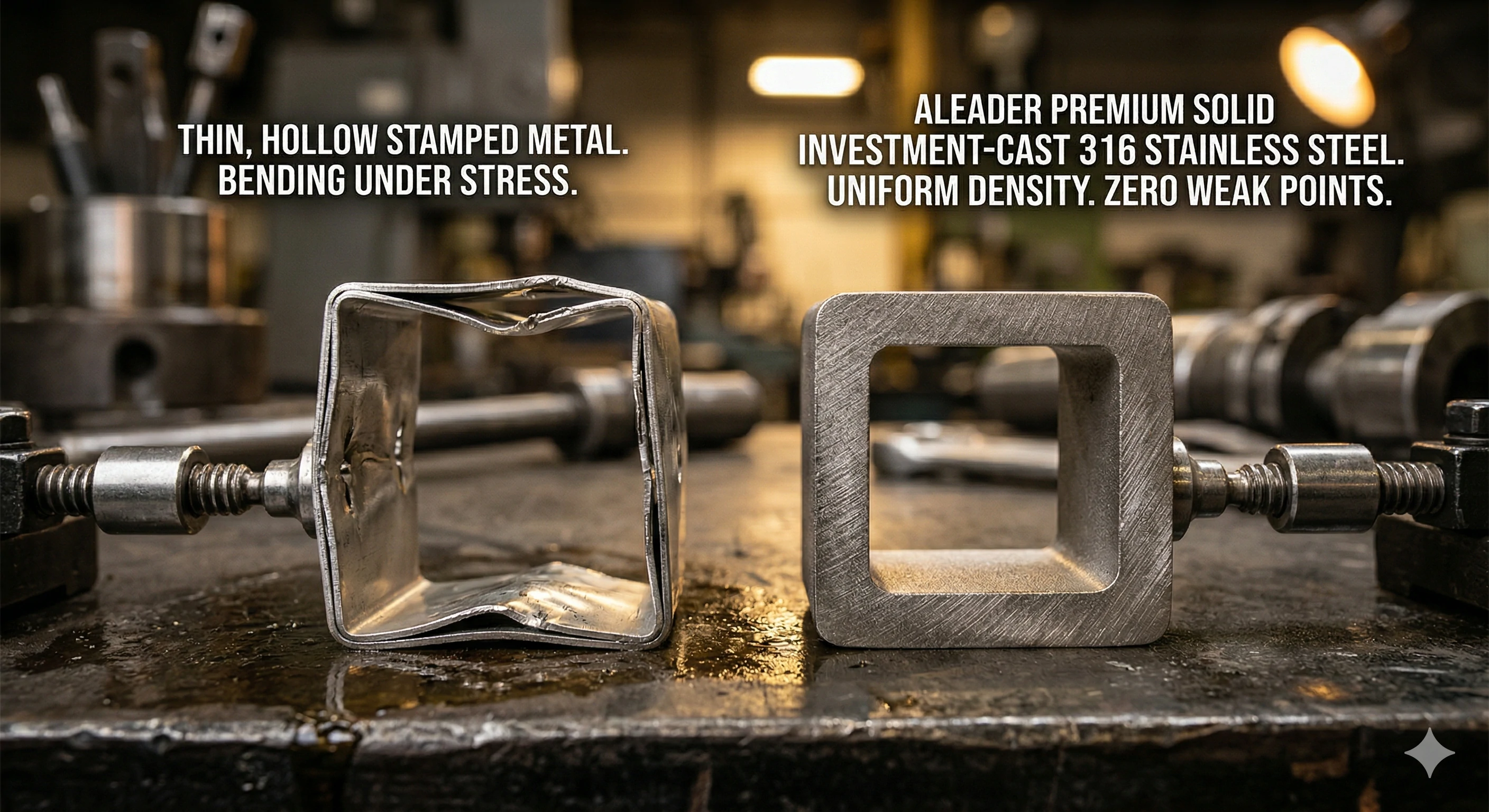
Discount hardware stores and low-cost suppliers sell brackets made from , hollow zinc alloy, or thin cast aluminum. These brackets may look sturdy, but they lack the tensile strength to withstand live load leverage: under a 200-lb force at the top of a glass panel, they bend, warp, or stretch at the welds or fold points. This bending breaks the friction grip (or loosens the pin-fit), causing the glass to slip out and shatter—with devastating consequences.
The Premium Solution: Solid Investment-Cast Stainless Steel
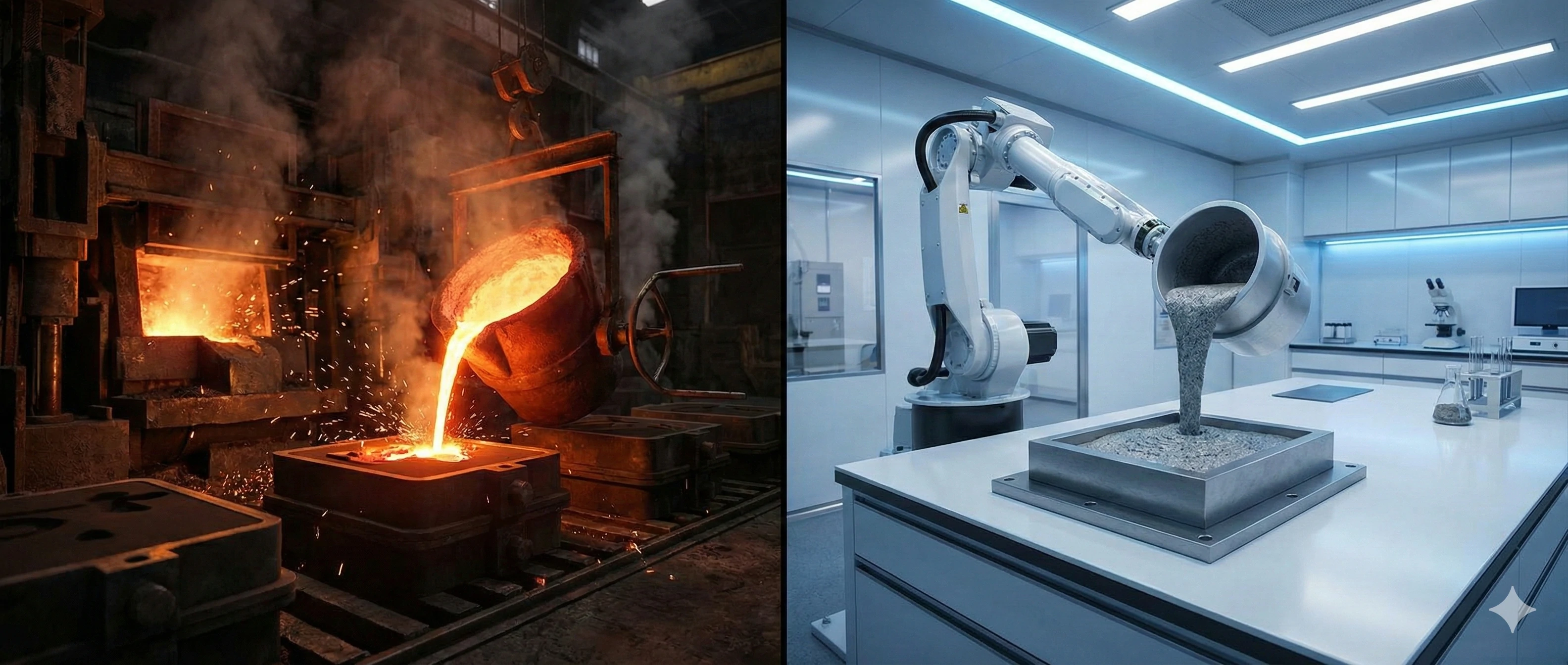
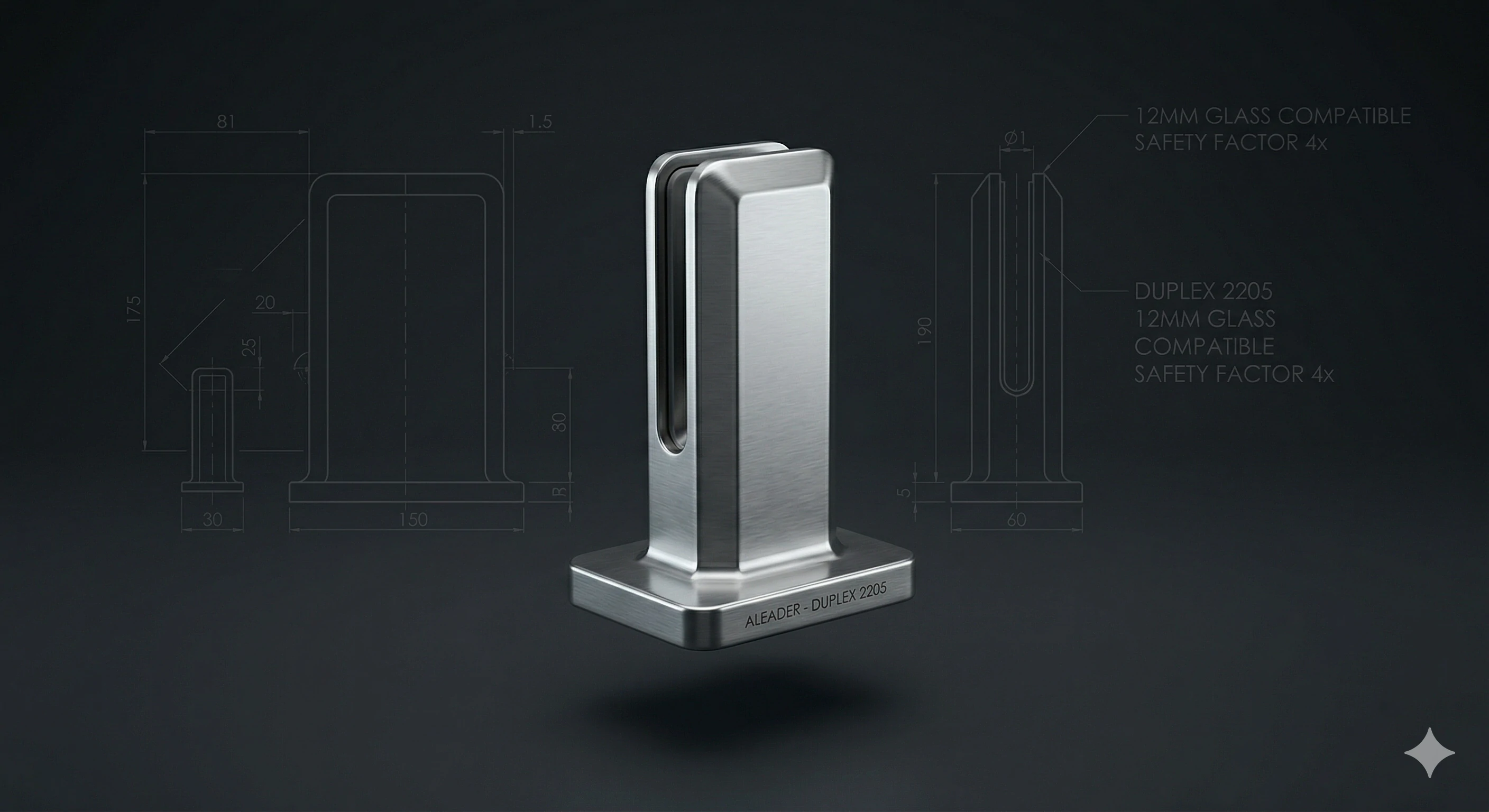
High-performance glass hardware is manufactured using solid investment casting in marine-grade 316 stainless steel or Duplex 2205 stainless steel—and for good reason. Cast as a single, solid piece of high-tensile metal, these brackets have zero weak points: no welds, no folds, no hollow cavities that can deform under stress. The metal’s uniform density and structural integrity mean it will not warp, stretch, or fail under extreme live loads, and its ensures it holds strong for decades (even in outdoor, coastal, or humid environments). This is the only manufacturing method that guarantees compliance with the IBC’s 200-lb load rule and 4x safety factor.
5. The "Weakest Link" Installation Rule: Capacity Only Matters If the Anchor Holds
Even the best investment-cast stainless steel bracket—rated for 500 lbs or more—is useless if it’s installed incorrectly. The load capacity of any glass bracket is 100% dependent on the substrate it’s anchored to: the bracket is only as strong as the wall, floor, or framing it’s attached to.
This is the critical "weakest link" rule: a bracket rated for 300 lbs will rip out of under just 30 lbs of force. For structural glass installations, there is no compromise on anchoring:
• Brackets must be anchored directly into solid wood blocking, 2x4/2x6 wall studs, or concrete.
• Use only heavy-duty lag screws (for wood) or expansion bolts (for concrete)—never standard drywall screws or plastic anchors.
• For outdoor or commercial installations, ensure anchors are corrosion-resistant (matching the bracket’s stainless steel grade) to prevent rust and loosening over time.
A professional installation is non-negotiable here: even a small mistake in anchor placement or fastener selection can turn a high-capacity bracket into a safety hazard.
Frequently Asked Questions (FAQ)
Do I need to drill holes in the glass to hold heavy weight?
For low-risk applications like glass shelving or interior partition walls, friction-fit clamps (no holes) are sufficient for their rated 40 to 80 lbs capacity. However, for elevated installations where glass falling would cause serious harm (Juliet balconies, floating staircases, upper-floor railings), building codes mandate pin-fit standoffs with drilled glass holes. The mechanical pin hold eliminates the risk of friction slippage, making it the only safe choice for high-load, high-risk glass.
How many brackets do I need for a glass shelf?
As a general engineering rule, use one bracket for every 16 to 24 inches of glass length for standard weight loads (e.g., books, decor). For heavy loads (e.g., stone vases, kitchen appliances), space brackets 12 to 16 inches apart and ensure every bracket is anchored directly into a wall stud (not just drywall). Always calculate the total weight of the items on the shelf and ensure the combined load capacity of the brackets exceeds this total by a 2x safety factor.
Can the rubber gaskets inside a glass bracket wear out and drop the glass?
Cheap rubber or PVC gaskets dry rot, crack, and lose their grip over time (especially with UV exposure), which can cause friction-fit clamps to slip. Premium glass hardware uses EPDM (Ethylene Propylene Diene Monomer) rubber gaskets—a high-performance material that is highly resistant to UV rays, heat, cold, and aging. EPDM gaskets maintain their elasticity and friction grip for decades, ensuring the glass is held securely and cushioning it to prevent stress cracks from metal-to-glass contact.
Conclusion
The weight a glass bracket can hold is never just a single number—it’s a combination of its design (friction-fit vs. pin-fit), compliance with the IBC’s 200-lb live load rule, and, most importantly, the tensile strength and manufacturing quality of the metal. Hollow stamped brackets or cheap zinc alloy hardware will fail under live load leverage, no matter their stated rating. Only solid investment-cast stainless steel brackets deliver the structural integrity, corrosion resistance, and load capacity needed to keep glass panels secure—whether holding the dead load of a shelf or absorbing the massive leverage of a 200-lb force on a glass railing.
Add in a professional installation anchored to solid structural substrate, and you have a glass system that is not just code-compliant, but safe for decades of use. Cutting corners on glass hardware is never worth the risk: it’s a liability waiting to happen.
Don’t risk your heavy glass installations with hollow, bending hardware that fails under live load. Our marine-grade, Solid Cast Stainless Steel Glass Clamps, Standoffs, and Spigots are engineered to exceed IBC 200-lb load requirements and the 4x safety factor, with corrosion-resistant 316 and Duplex 2205 options for every environment—indoor, outdoor, coastal, and commercial.
Footnotes
1. Understand the manufacturing processes and safety benefits of tempered safety glass.
2. Learn how engineering materials change shape under applied stress and heavy loads.
3. Review the Saffir-Simpson Hurricane Wind Scale for official wind speed classifications.
4. Explore the mechanics of how building materials develop fractures and fail under stress.
5. Read about the metallurgical treatments used to increase the durability and strength of steel.
6. Detailed engineering definition of rigid structural elements supported effectively at only one end.
7. Access safety guidelines and global architectural standards developed by the International Code Council.
8. Learn about the industrial processes for forming, stamping, and bending thin metal sheets.
9. Overview of how specific metals are alloyed to prevent long-term oxidation and rust.