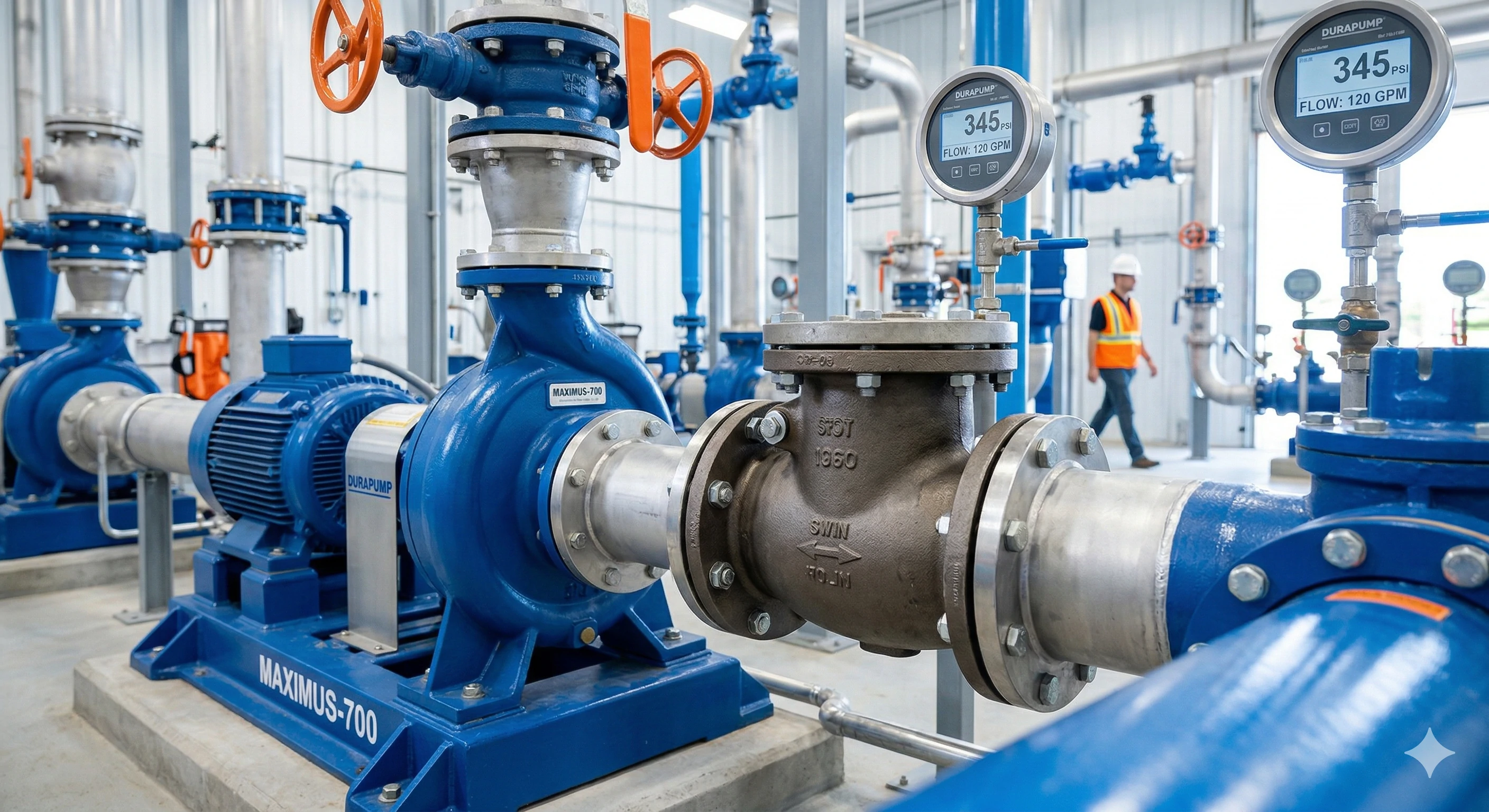
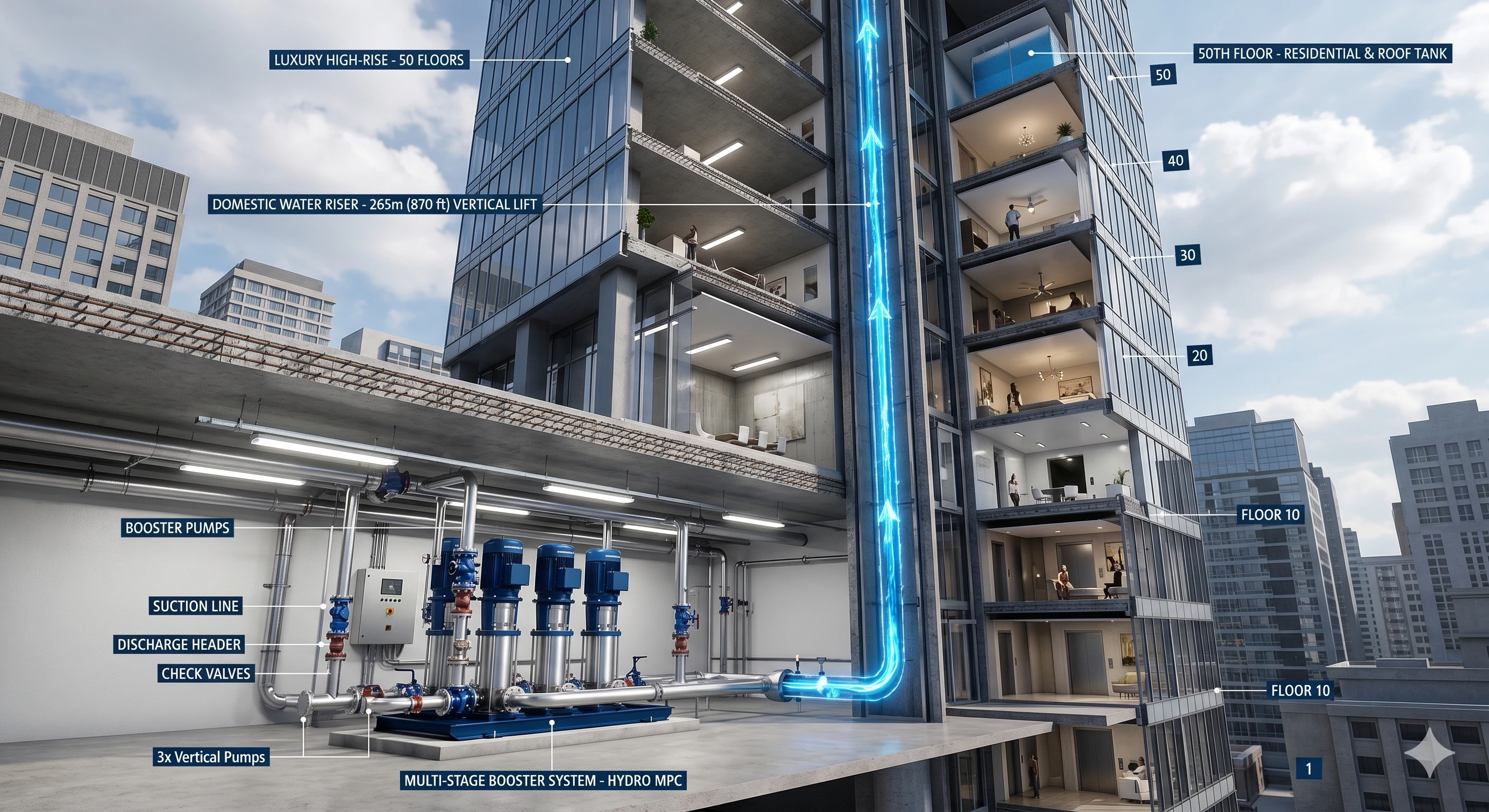
Gravity is the single greatest enemy of high-rise plumbing. Delivering consistent, strong water pressure to a faucet or shower on the 50th floor requires overcoming enormous vertical resistance. Municipal water supply lines simply do not have enough pressure to reach upper floors in . Without a purpose-built water boosting system, upper-floor residents face weak flow, trickling showers, and complete water interruptions during peak usage. Meanwhile, in skyscrapers is extremely limited and valuable.
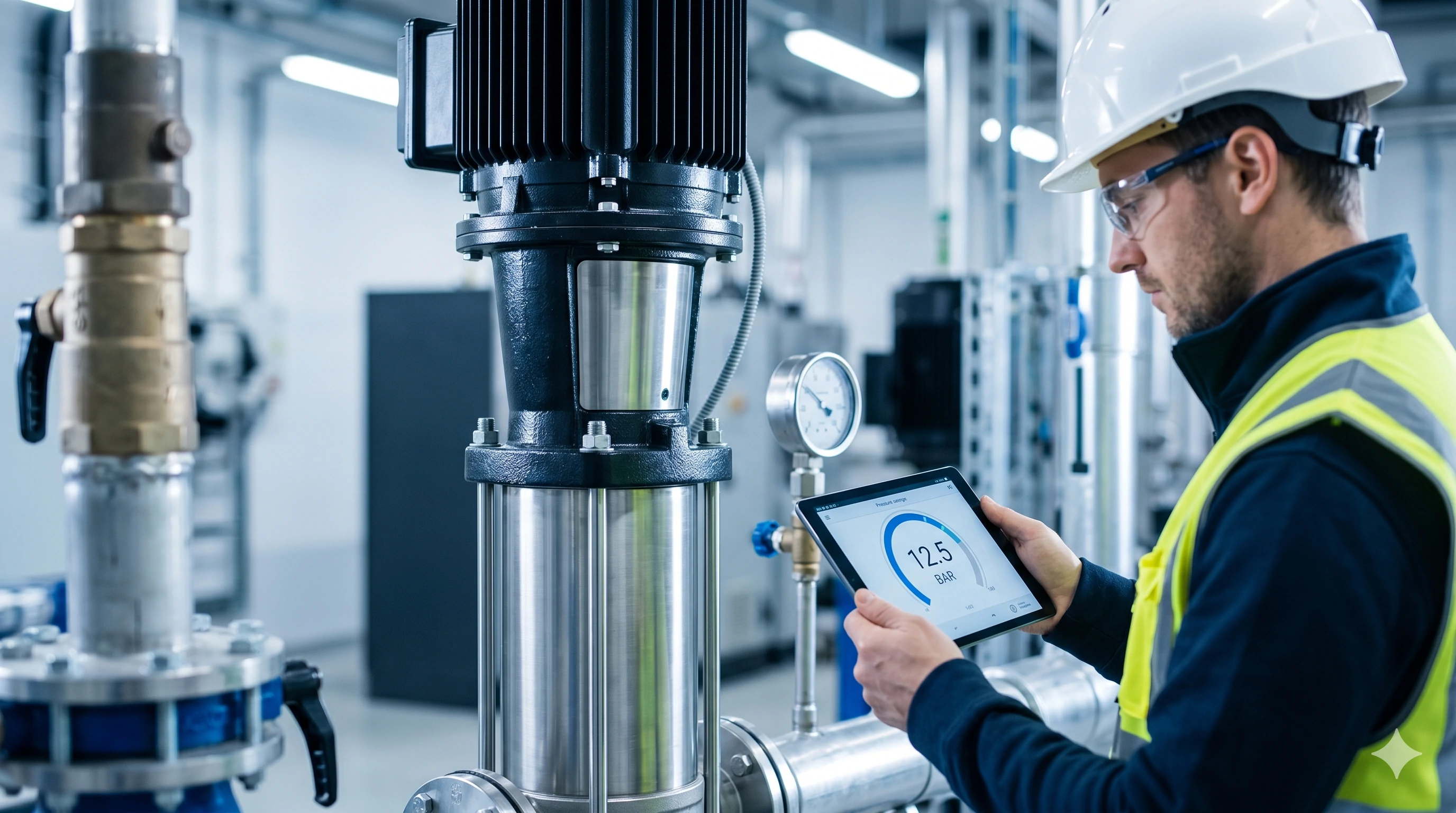
The solution is the vertical multistage centrifugal pump - the industry-leading technology for high-rise water boosting. By using multiple stacked impellers, these pumps deliver extreme pressure without excessive footprint, while improving efficiency and lowering long-term .
The Real Challenges of High-Rise Water Pressure
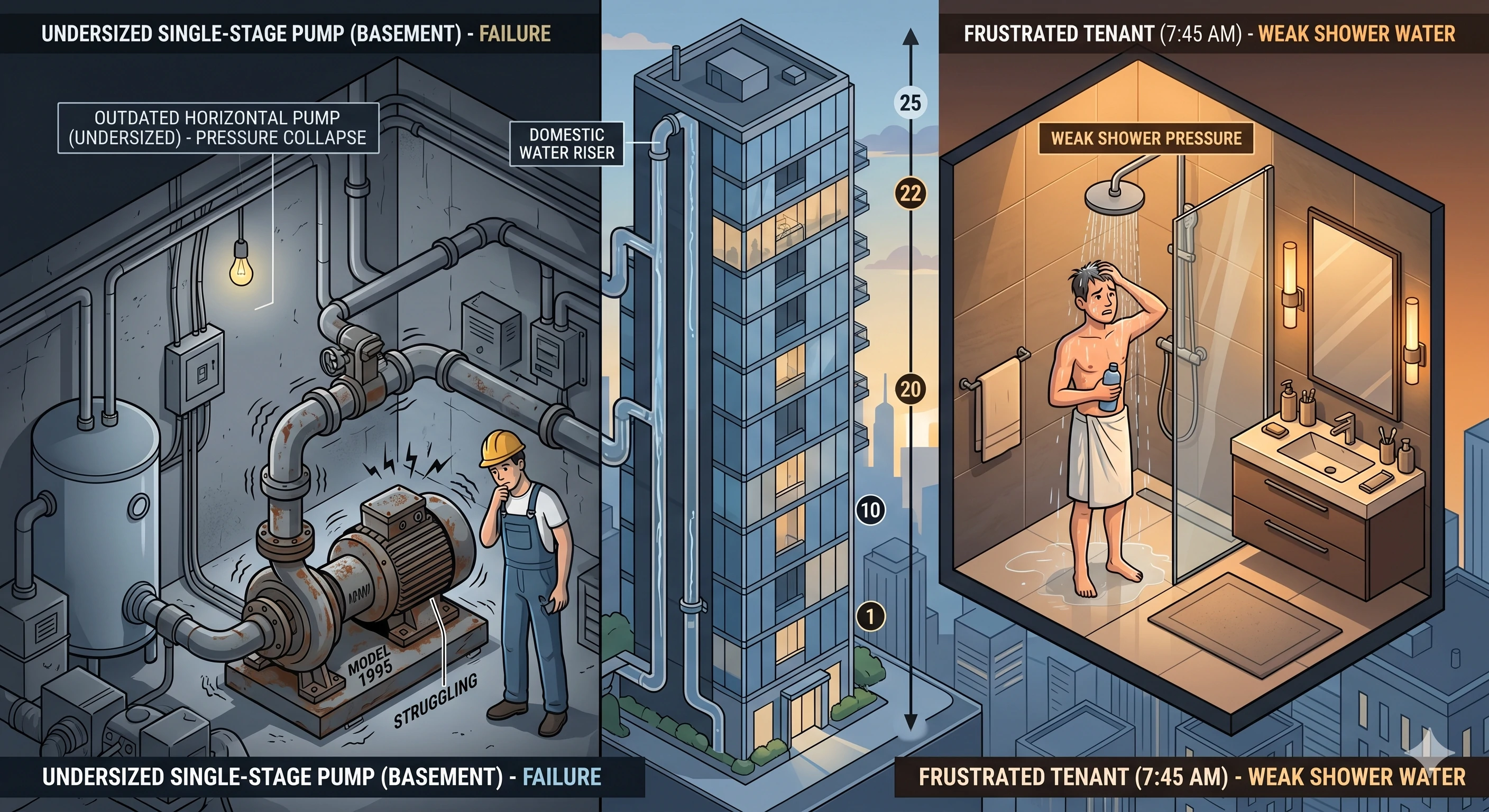
Building owners, , and all face the same unavoidable pressures: weak upper-floor flow, unstable performance during peak hours, and strict space limitations.
The Gravity Deficit: Not Enough Head
Standard single-stage pumps cannot produce sufficient head - the technical term for vertical lift. Hundreds of feet of create extreme resistance that single-stage systems simply cannot overcome. The result is very low or nonexistent pressure on upper floors.
Morning Rush Hour: Pressure Collapse
Peak water usage - typically early morning when residents shower, cook, and clean - overwhelms undersized or outdated systems. This causes pressure drops, pulsating flow, and inconsistent delivery, leading to tenant frustration and complaints.
The Space Crisis: Mechanical Footprint
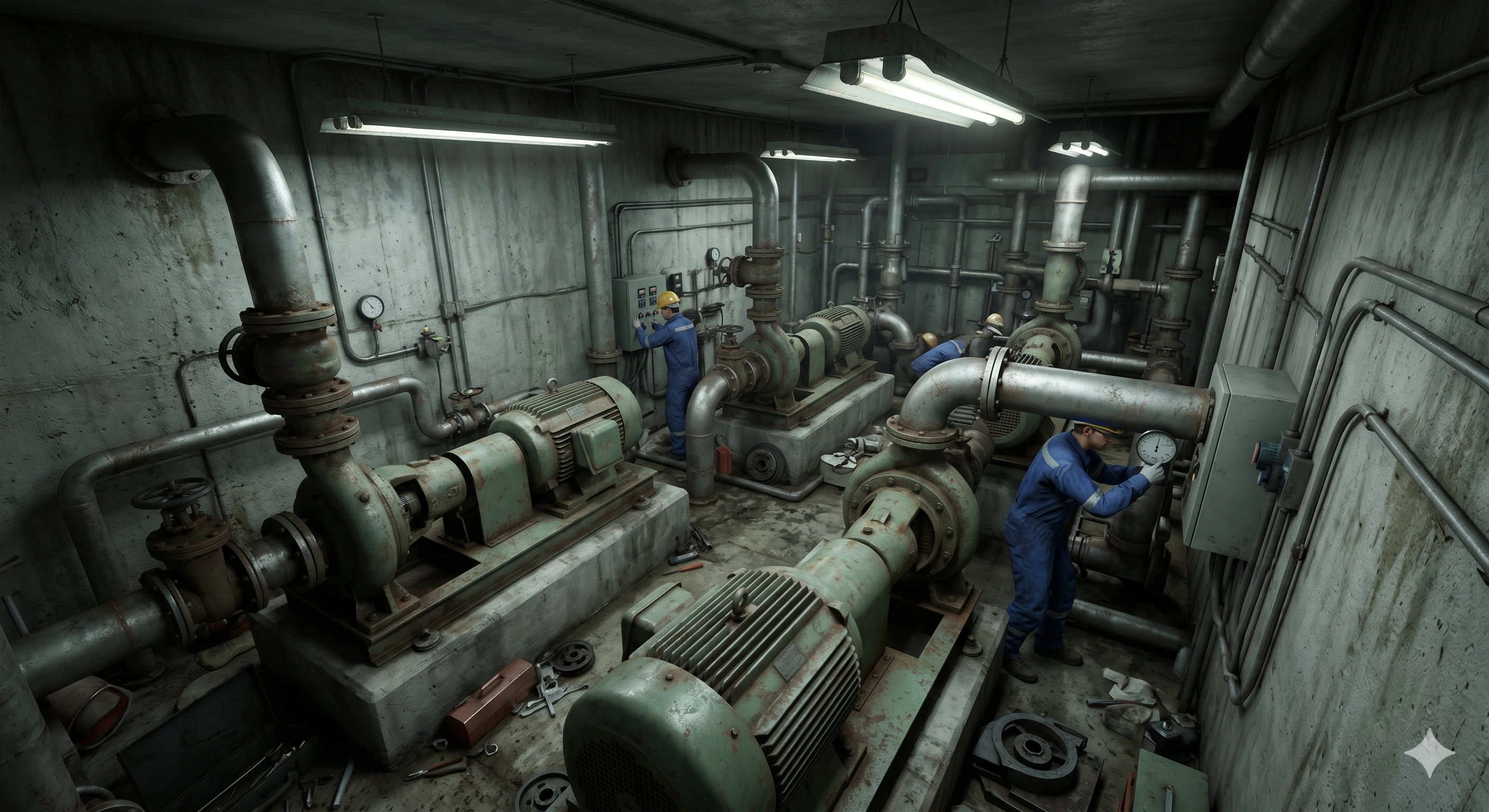
Basement and ground-floor space in high-rises represents profitable real estate. Large, horizontal pumps require wide, dedicated rooms that waste valuable square footage. Modern architectural designs demand compact, efficient equipment that fits into tight mechanical closets.
These problems are not solved with more power - they require smarter engineering.
How Vertical Multistage Impeller Pumps Solve High-Rise Challenges
Multistage pumps are engineered specifically to produce high head in a compact form. The technology is built on a simple but powerful .
The Relay Race: Pressure Stacking
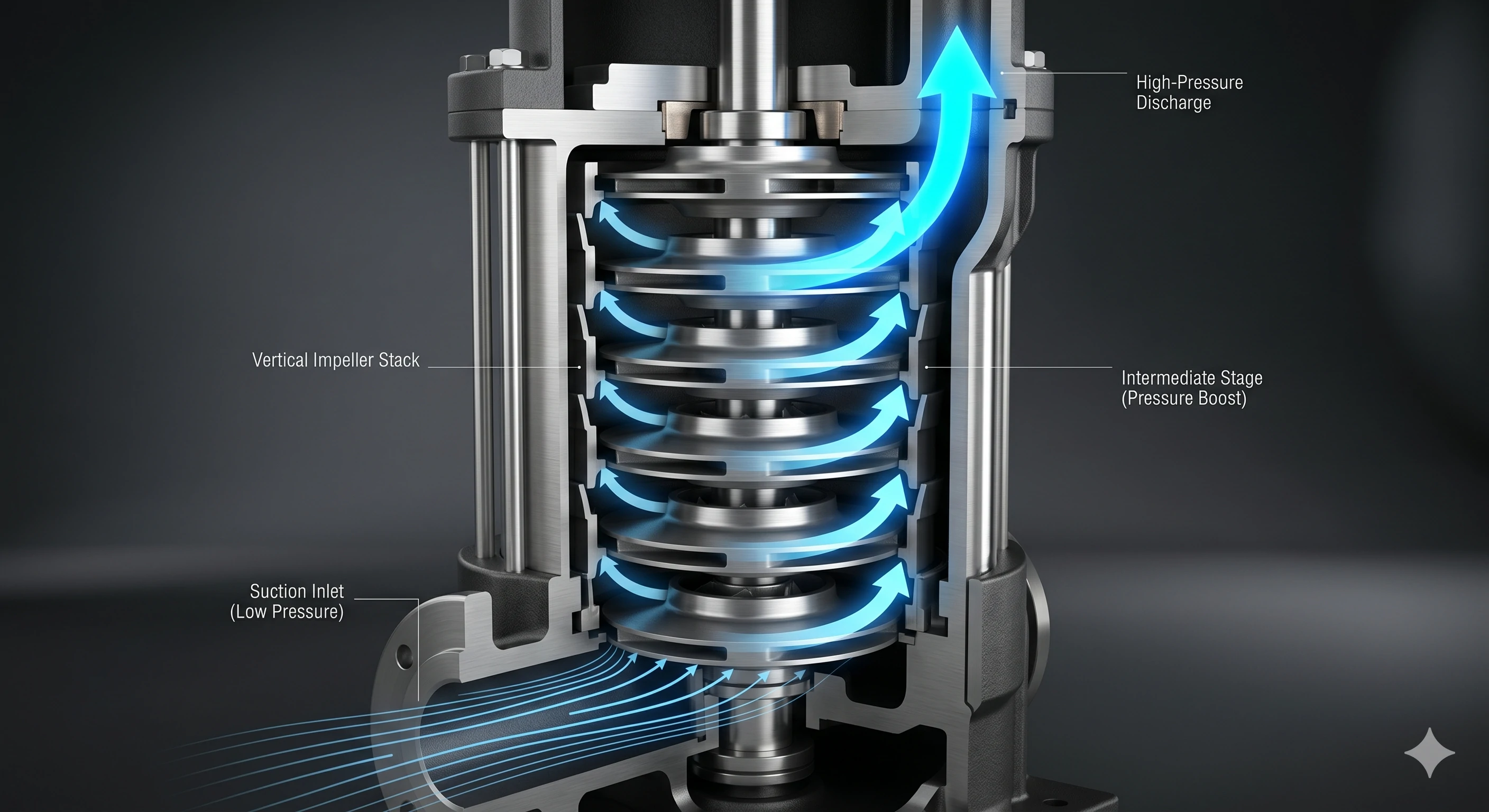
Inside a multistage pump, water passes through a series of closed impellers stacked on a single vertical shaft. Each impeller adds pressure. As water moves from stage one to stage two, three, and beyond, pressure increases exponentially. This allows the pump to reach hundreds of feet of head without a large or heavy casing.
Vertical Design: Minimal Footprint
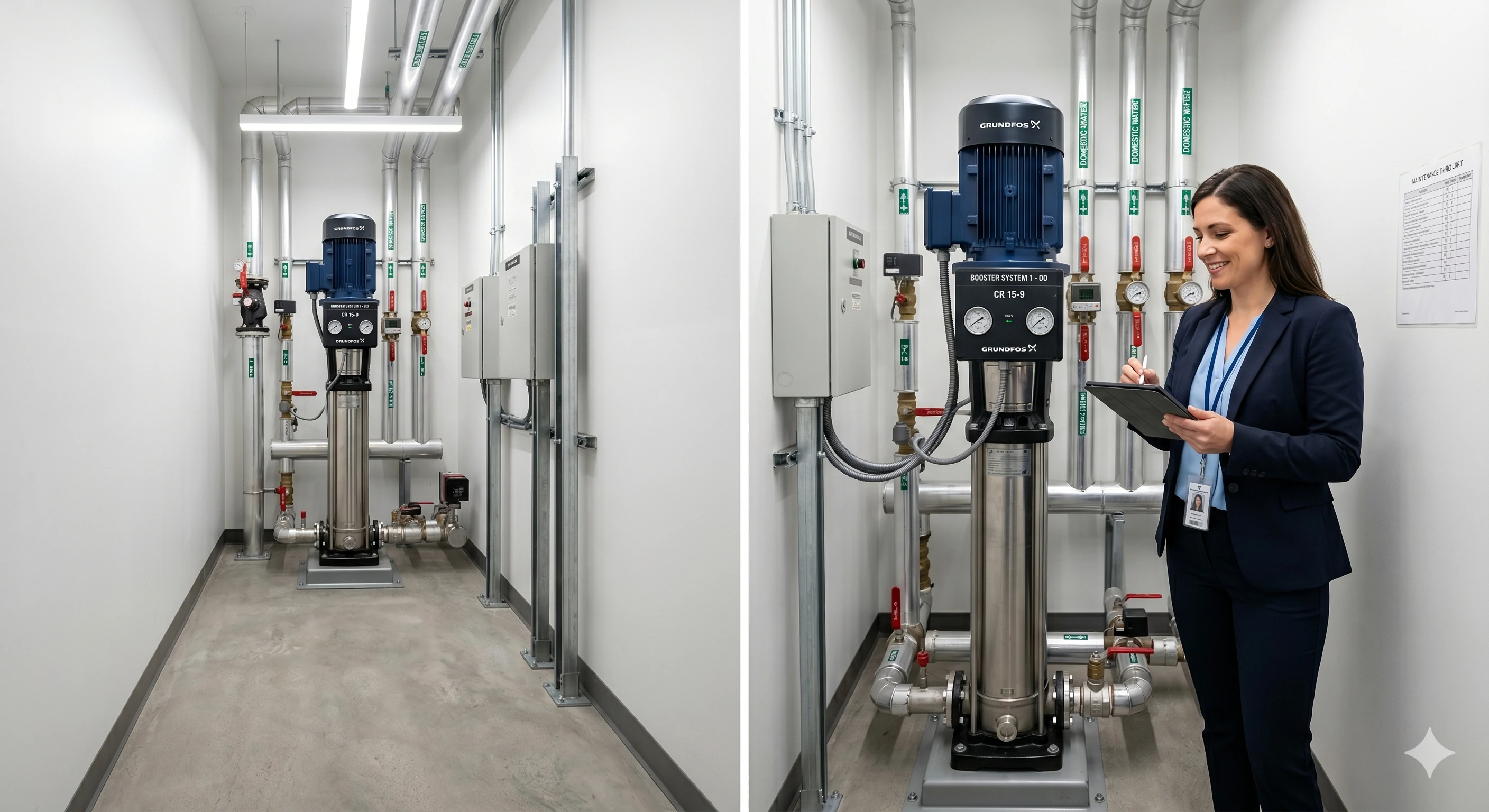
By orienting the pump vertically, the unit uses height instead of width. This drastically reduces floor space requirements, allowing installation in small mechanical rooms, tight basements, and even designated shaft spaces. For modern high-rises, this spatial efficiency is invaluable.
Smooth, Stable Centrifugal Flow
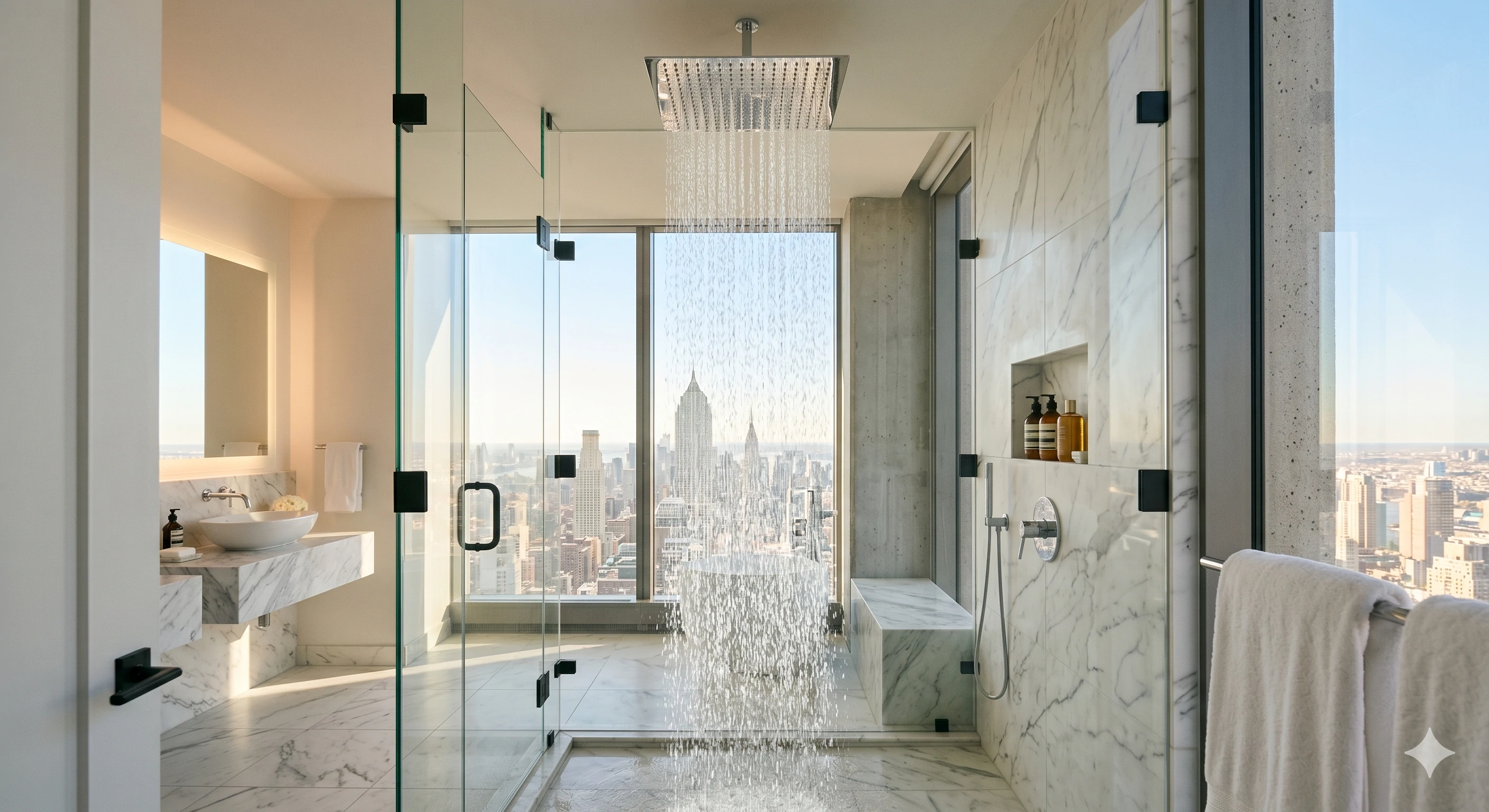
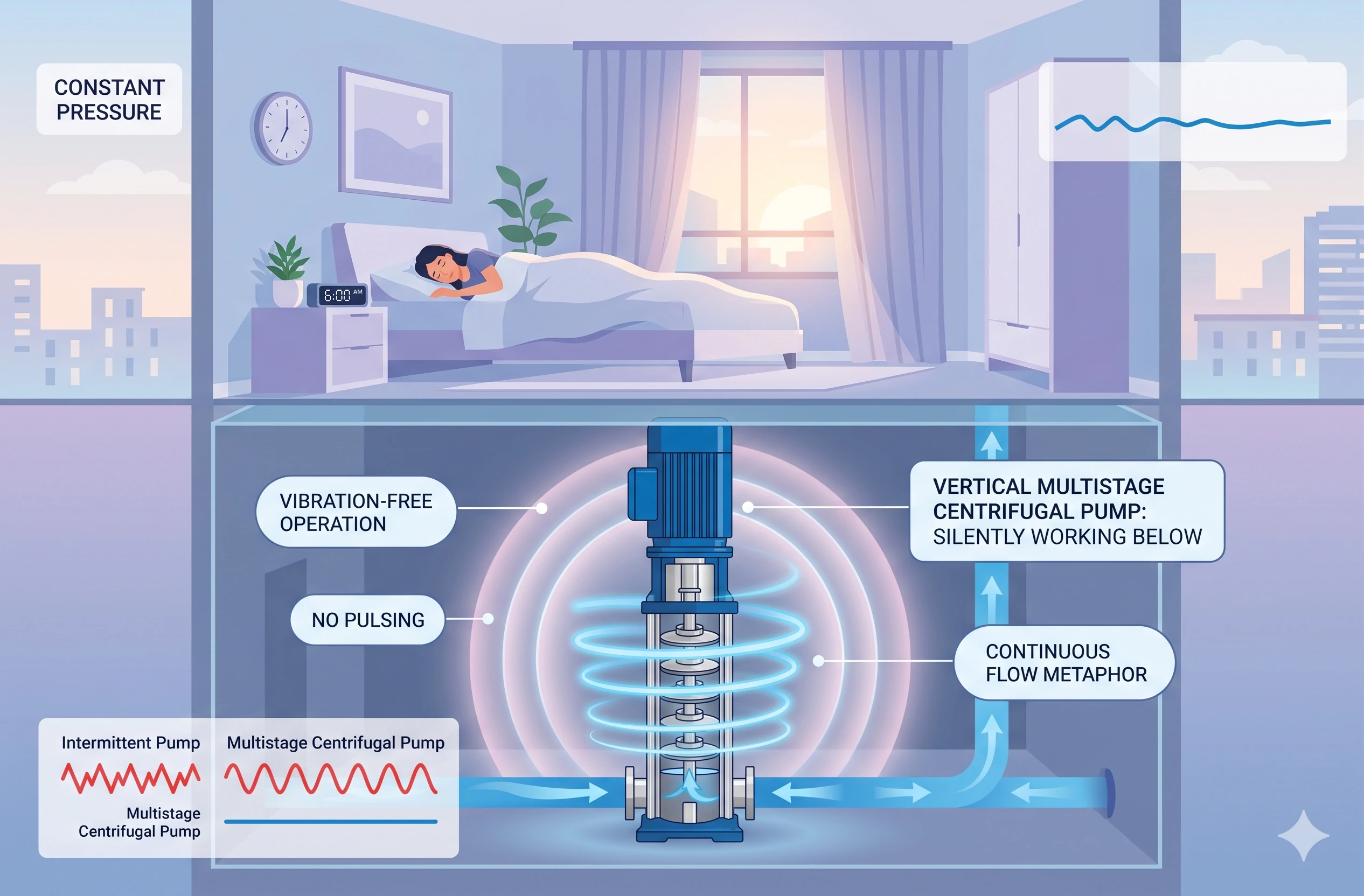
Unlike some pump types that deliver pulsing or intermittent flow, produce steady, continuous water pressure. This ensures quiet, consistent shower and faucet performance even during peak morning usage, giving residents a luxury, high-end experience.
Why Multistage Pumps Outperform All Other Booster Systems
When selecting equipment for high-rise applications, multistage pumps are not just convenient - they are safer, more efficient, and more cost-effective over time.
Superior Energy Efficiency
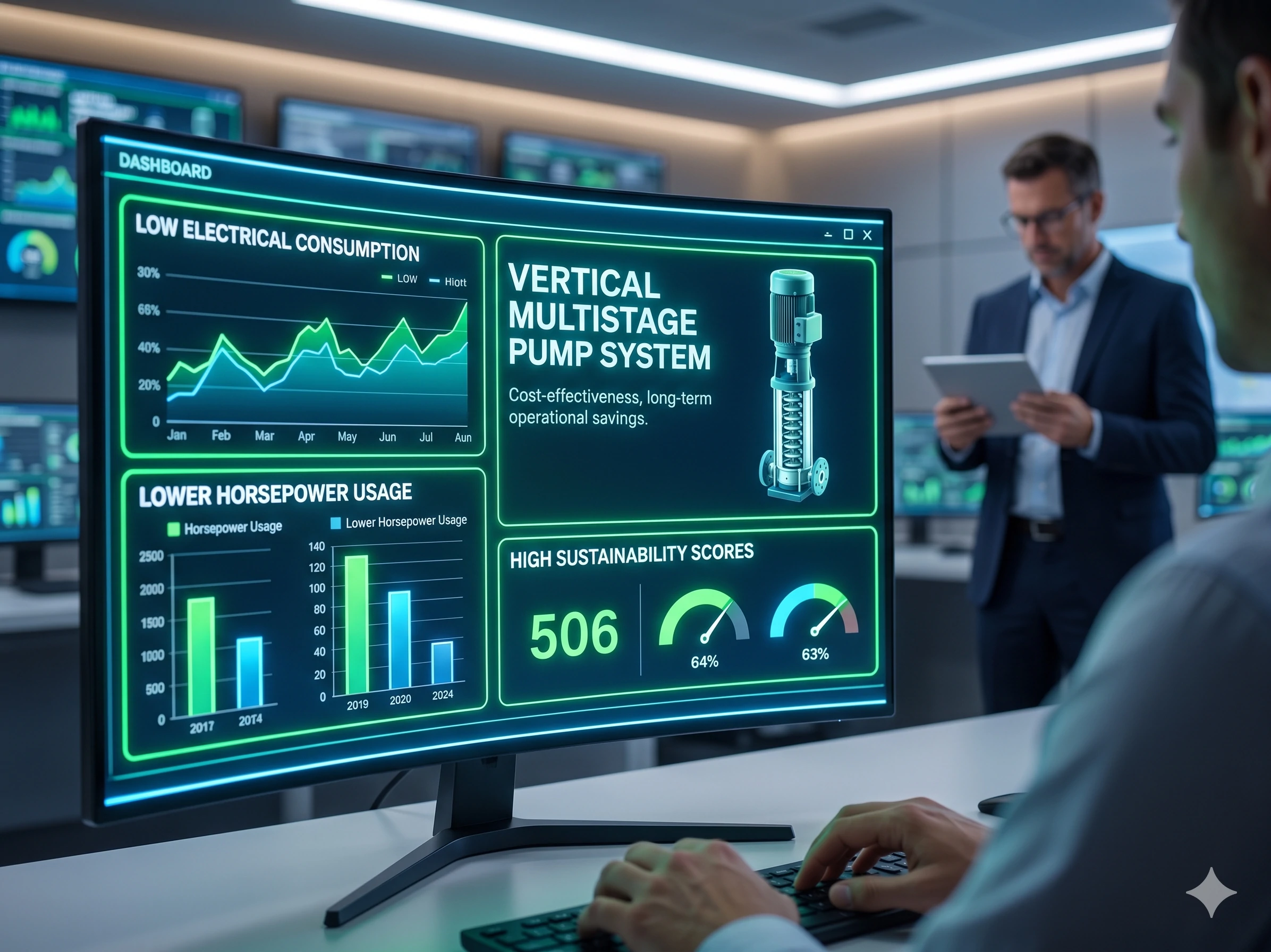
Driving multiple small-diameter impellers requires far less horsepower than spinning a single large, heavy impeller to reach the same pressure. Lower horsepower means lower , smaller utility bills, and a more .
Pressure Zoning for Pipe Safety
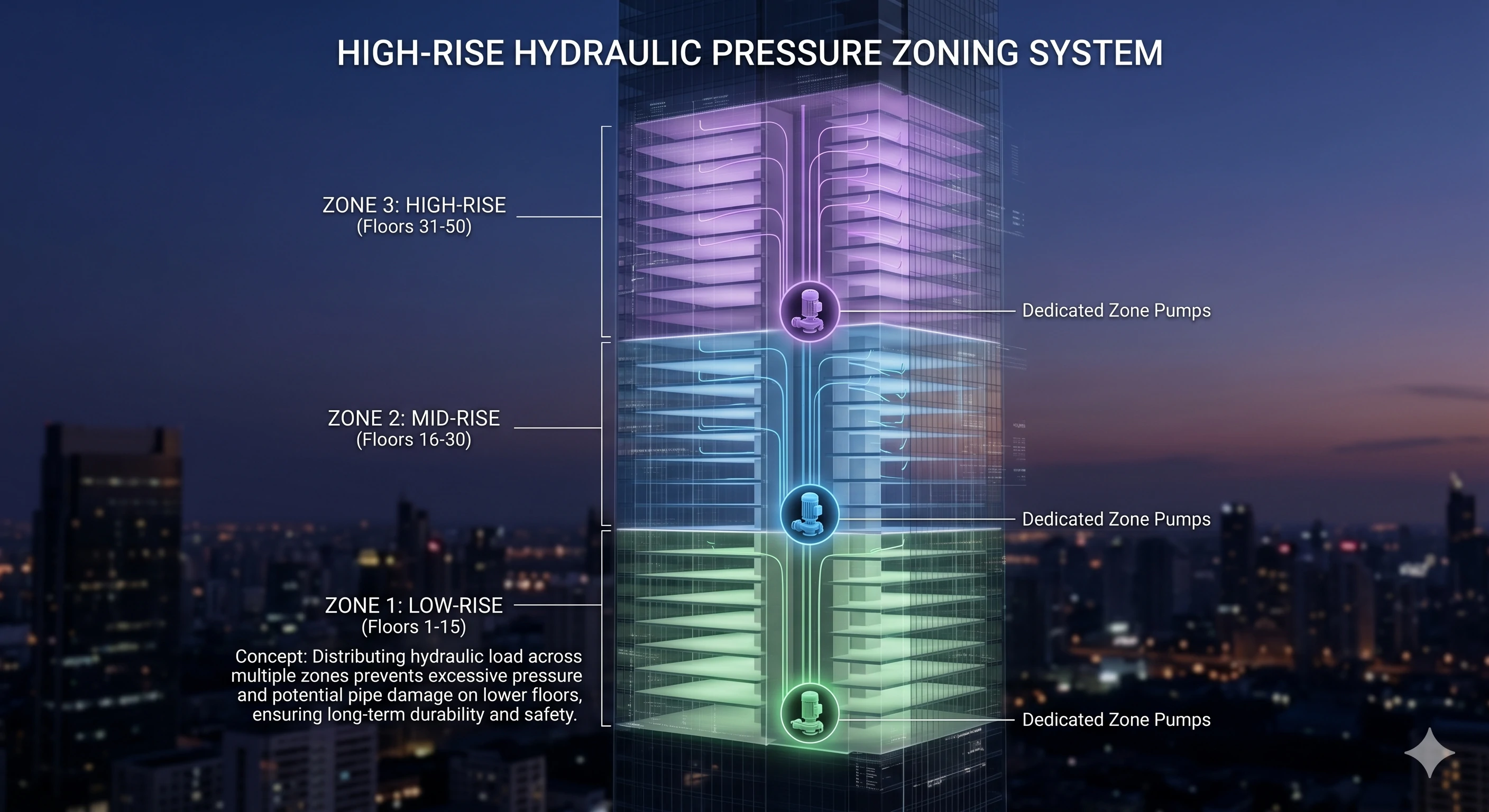
One of the greatest risks in high-rise plumbing is overpressurizing lower floors. The extreme pressure needed to reach the 50th floor can damage pipes, valves, and fixtures on lower levels. Multistage pumps support pressure zoning, where separate pump sets serve dedicated floor ranges (e.g., 1-15, 16-30, 31-50). This protects piping and ensures safe, stable pressure at every height.
Longer Lifespan & Lower Maintenance
Because hydraulic load is distributed across multiple impellers, there is less stress on bearings, seals, and the motor shaft. This reduces wear, minimizes breakdowns, and extends service life. For facility managers, this means fewer emergency repairs, less downtime, and lower long-term maintenance costs.
Conclusion
Defeating gravity in high-rise buildings requires engineering intelligence, not just brute force. Vertical multistage impeller pumps deliver the high head required for upper floors, save critical mechanical space, lower energy usage, and maintain stable, safe pressure across all levels.
For developers, MEP engineers, and building owners, this technology is the global standard for reliable, efficient, and tenant-friendly water boosting.
Footnotes
Overview of modern skyscraper architectural and structural designs.
Learn about spatial requirements for mechanical rooms in large buildings.
How operating costs impact long-term facility management and budgeting.
The role of facility managers in maintaining building operations.
Responsibilities of mechanical, electrical, and plumbing engineering professionals.
Understanding piping systems and vertical fluid transport challenges.
Core principles of fluid dynamics and pressure applications.
Exploring the mechanics and efficiency of pump impellers.
Strategies for monitoring and reducing electrical energy consumption.
Benefits and standards of implementing green building practices.