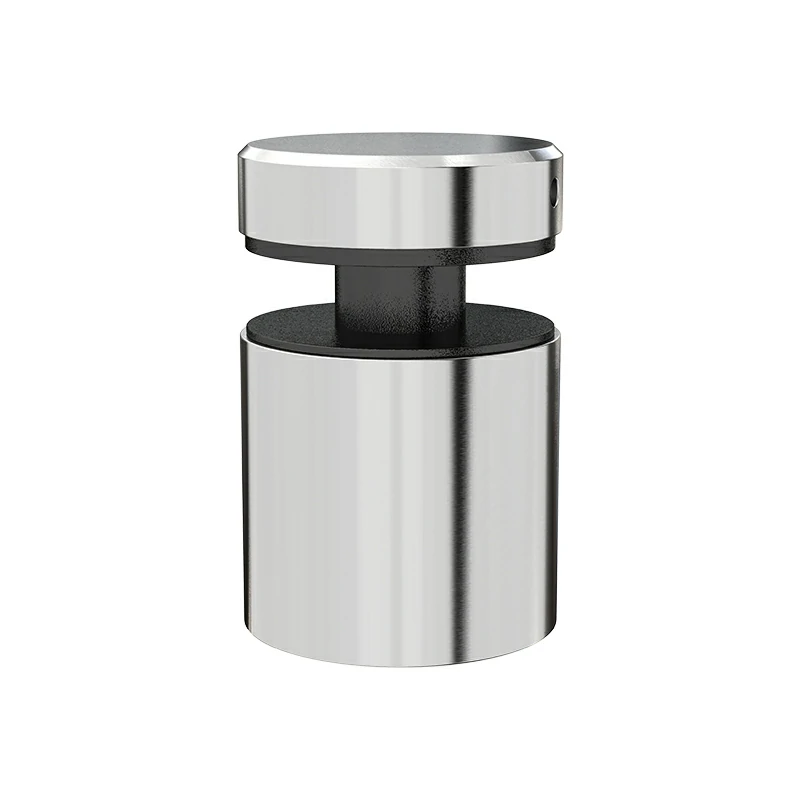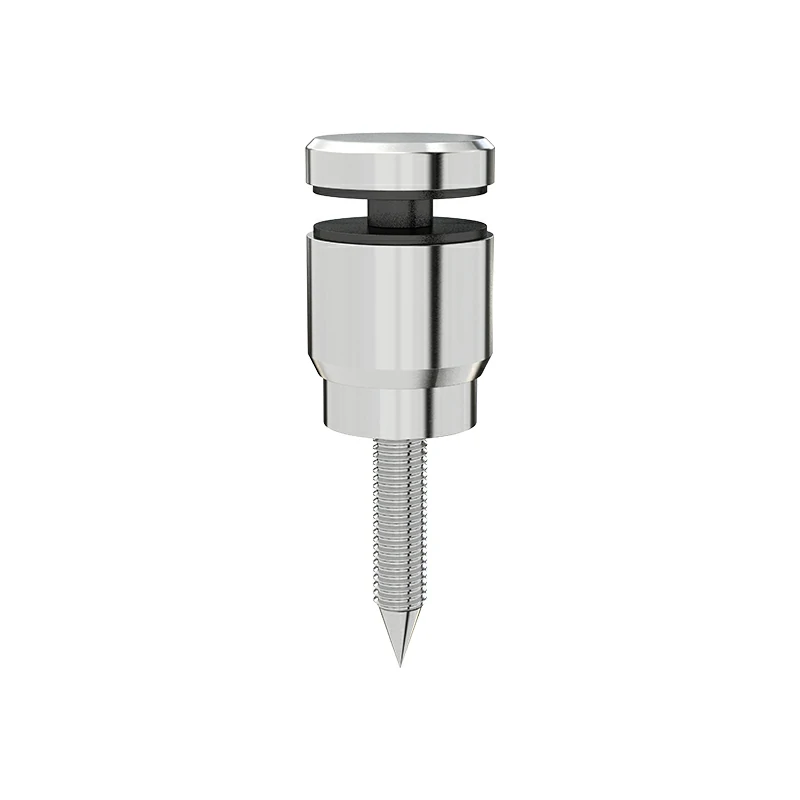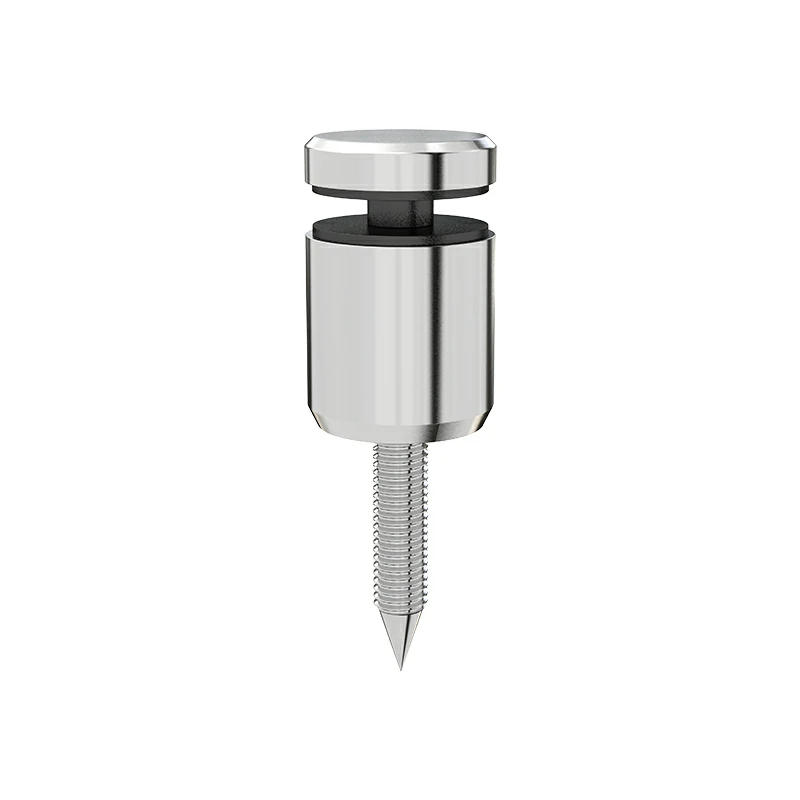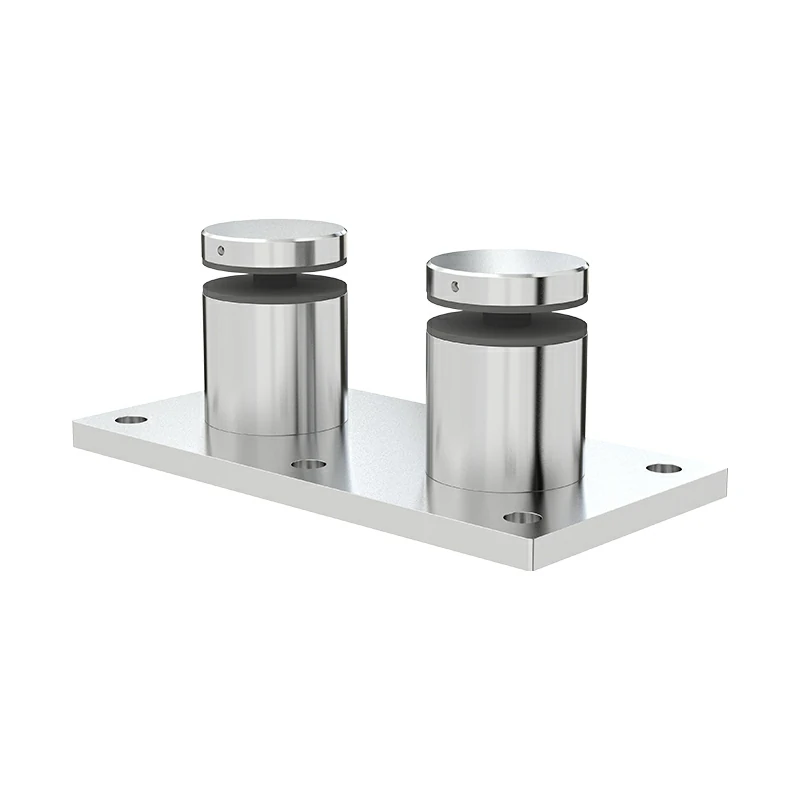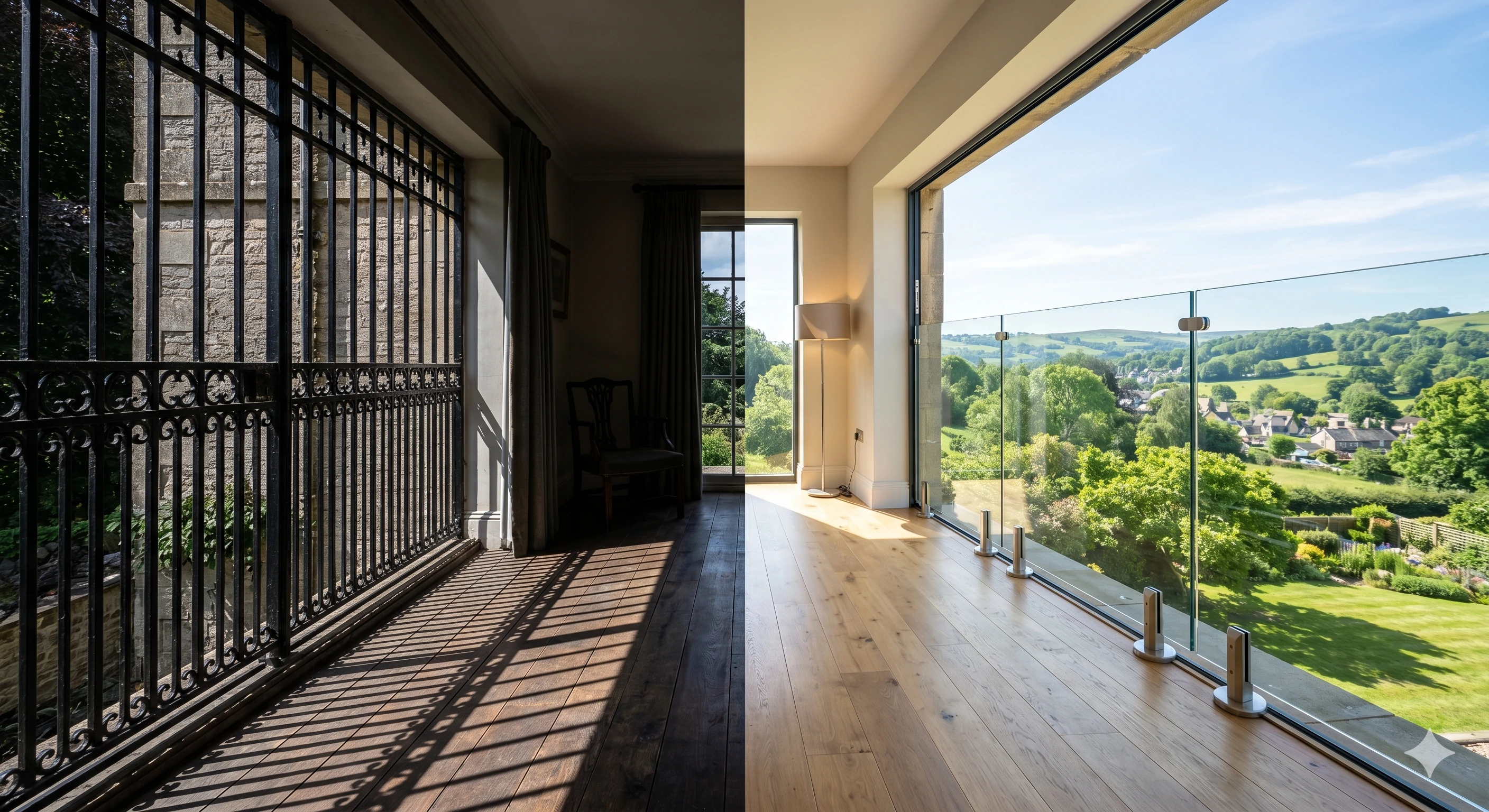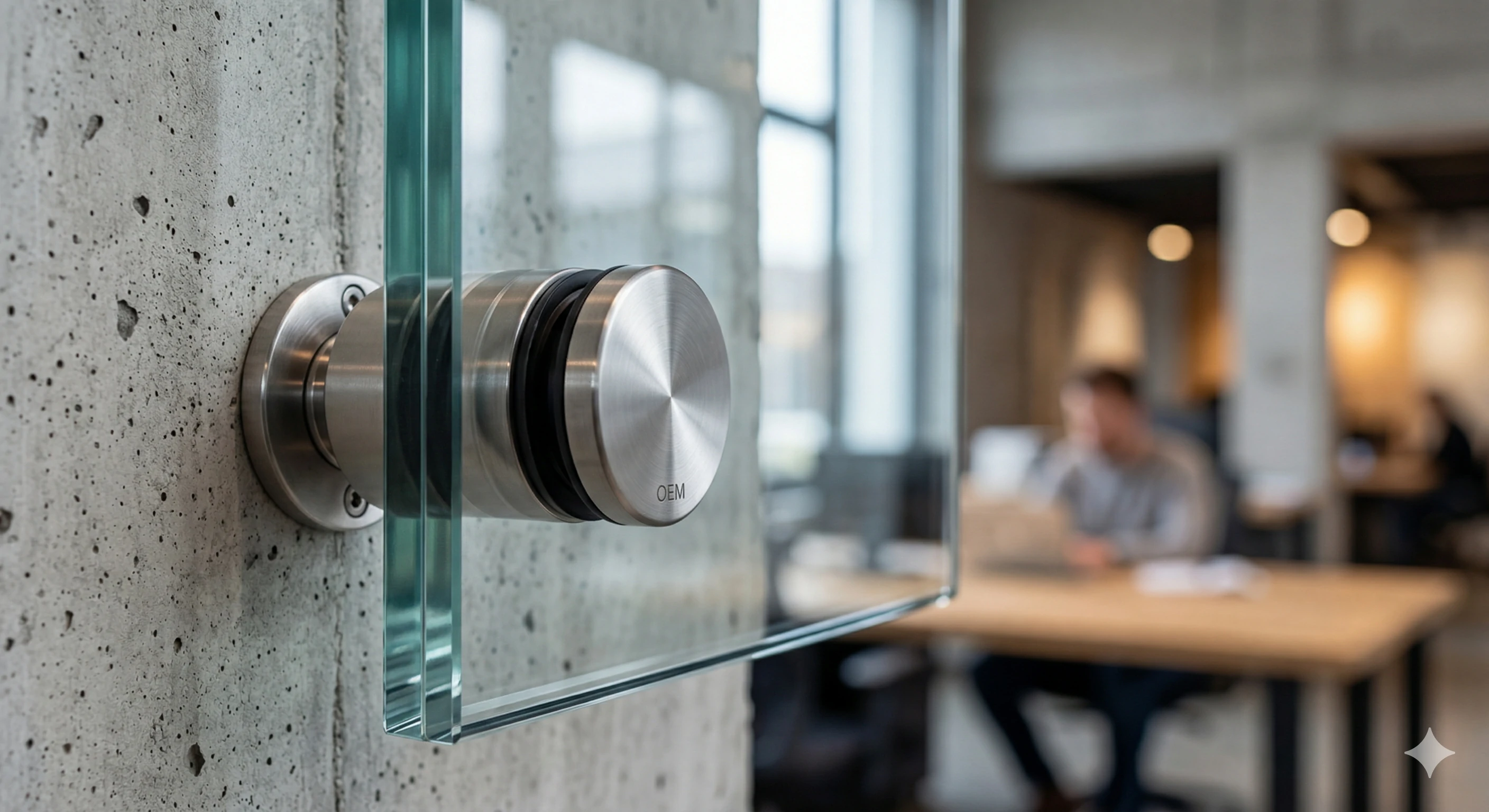
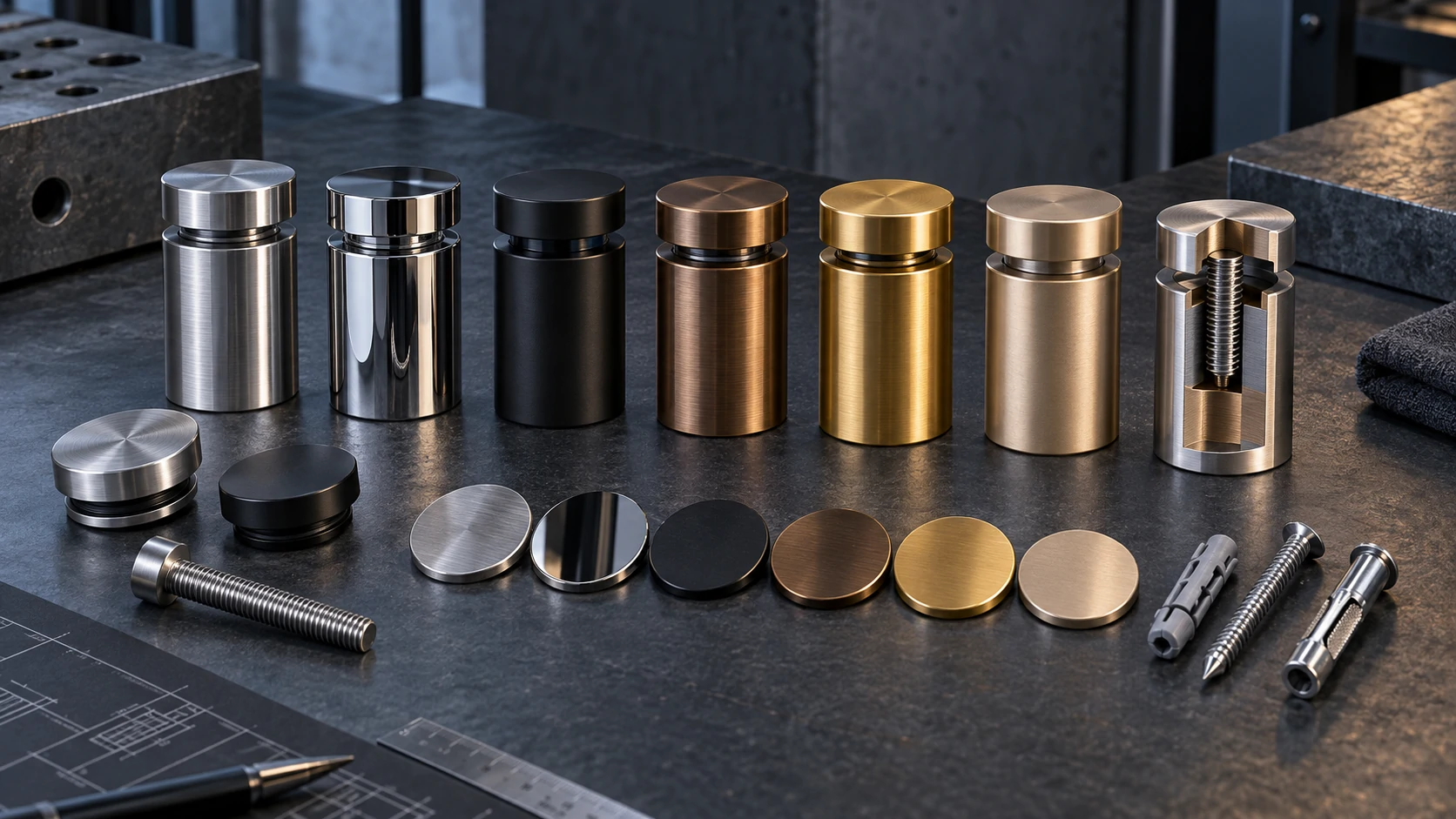
On our production floor, identical-looking standoffs can hide different risks. The wrong alloy or a color concealing unsuitable base metal may cause staining, mismatch, and replacement after installation. A clear specification prevents that uncertainty before production.
目录
Glass standoff finishes and materials should be selected as two separate specifications: the base material provides corrosion resistance and structural performance, while the surface finish controls appearance, cleanability, and visual consistency. Structural railing standoffs are commonly made from 304 or 316 stainless steel, with 316 generally preferred for aggressive exterior environments.
The best choice depends on more than color. Connect the alloy, finish, location, fixing assembly, and maintenance plan. Here is how to turn those decisions into a clear purchase specification.
What Materials Are Used for Glass Standoffs?
When our engineers receive an inquiry for a “metal glass standoff,” the specification is not complete. Similar-looking metals may have different corrosion resistance and uses. We first confirm whether the part supports a guardrail, fixes a sign, or serves a decorative purpose.
Glass standoffs are usually made from 304 or 316 stainless steel for structural glass railing, while aluminum and brass are more common in decorative, signage, or lighter-duty installations. The right material depends on load, exposure, anchor design, glass configuration, and the technical requirements of the complete railing system.
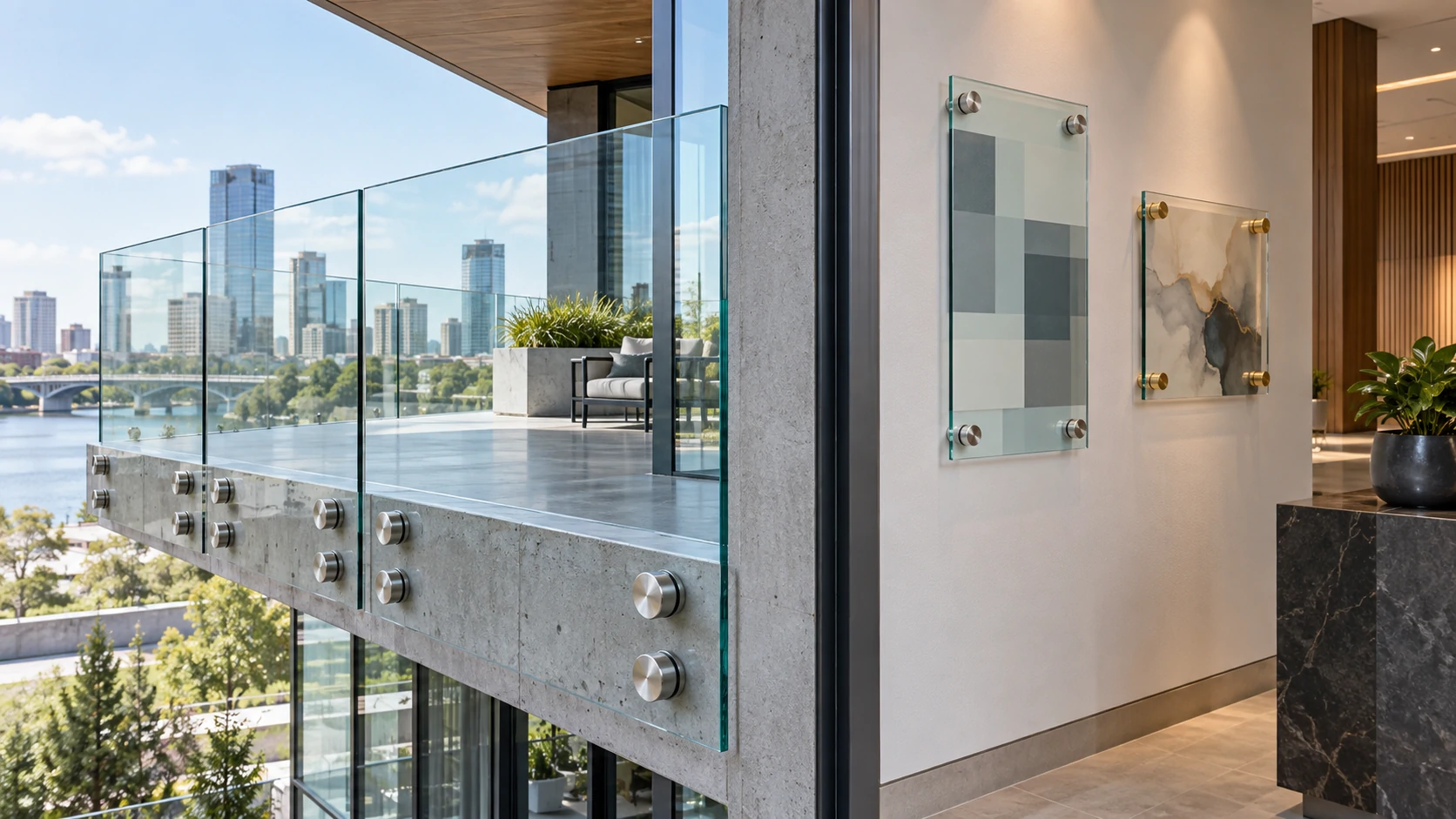
Stainless Steel for Structural Applications
Stainless steel is the main starting point for structural glass-railing standoffs. It is durable, machinable, and available in several architectural finishes. According to manufacturer specifications across the glass-hardware sector, grades 304 and 316 1 are widely used for railing products. However, an alloy name does not approve a complete system. The barrel, bolt, anchor, glass, and substrate still need technical review.
Aluminum and Brass
Aluminum is light and easy to color, so it is common in signs, displays, and lighter-duty systems. Brass offers a warm base color and accepts decorative plating. Neither should be moved into a railing application based on appearance alone. The supplier must identify the intended use, and the system must be verified for the actual load.
| Base material | Common starting applications | Main advantage | Main procurement question |
|---|---|---|---|
| 304 stainless steel | Controlled interiors and mild environments | Familiar, durable, and easy to finish | Is the site protected from chlorides and persistent moisture? |
| 316 stainless steel | Exterior, humid, poolside, and coastal projects | Better resistance to chloride pitting | What cleaning and drainage plan will control salt deposits? |
| Aluminum | Signs, displays, partitions, and lighter-duty systems | Low weight and broad color options | Has the exact product been engineered for this load? |
| Brass | Decorative and specialty interior hardware | Warm appearance and plating compatibility | Is brass the base metal or only the stated finish color? |
304 vs 316 Stainless Steel for Glass Standoffs
In our export projects, 304 may remain clean indoors but perform poorly near a coast or pool. The issue is not “good steel versus bad steel.” Exposure changes the corrosion risk. We therefore match the alloy and maintenance plan to the site before machining.
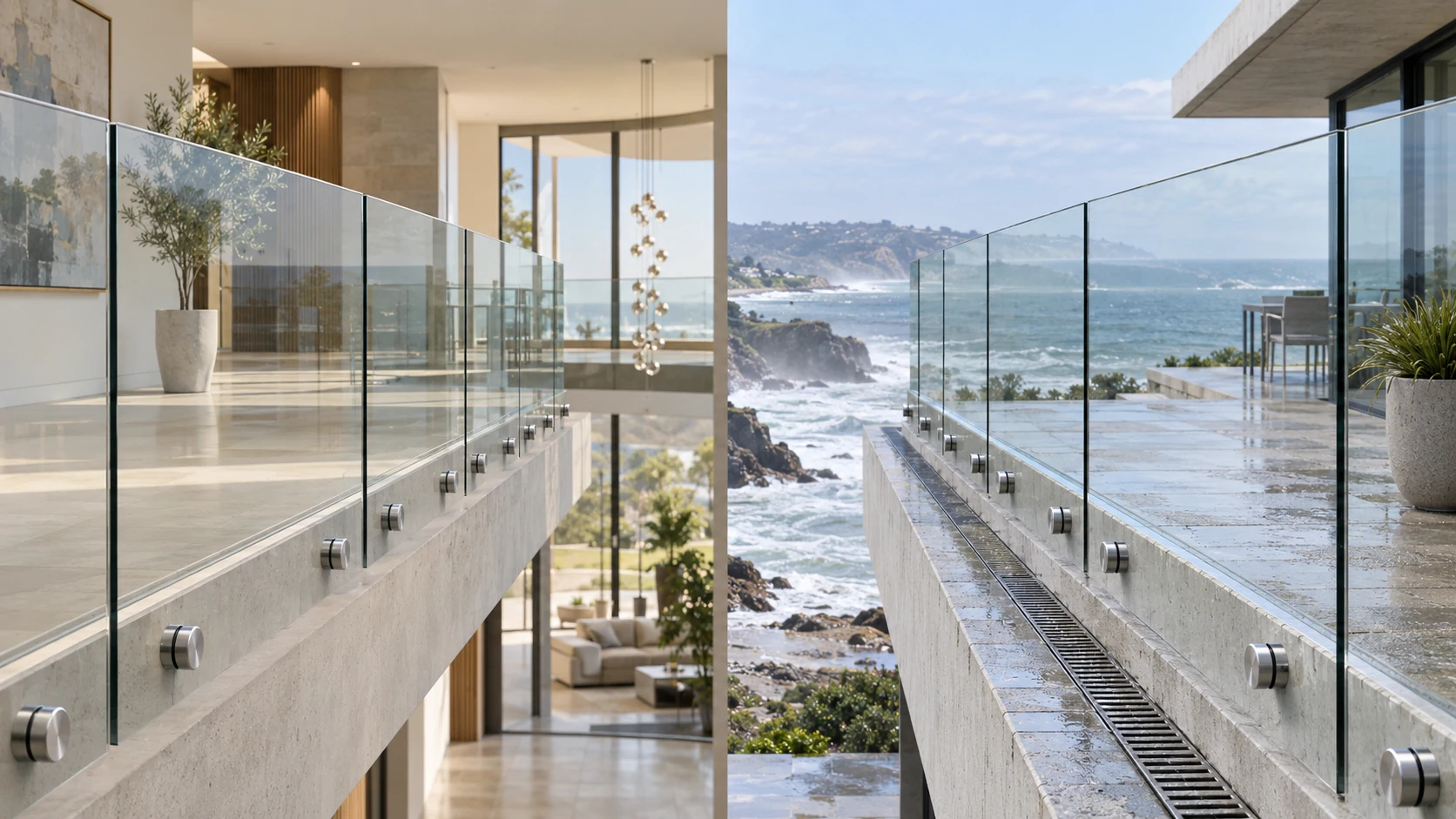
For 304 vs 316 stainless steel glass standoffs, 304 generally suits controlled interior conditions, while 316 is the safer starting point for exterior, humid, poolside, or coastal exposure. Grade 316 contains molybdenum, which improves resistance to chloride pitting, but it still needs suitable detailing and regular cleaning.
Why Molybdenum Matters
The International Molybdenum Association 2 explains that molybdenum-bearing stainless steel has better resistance to chloride-related corrosion. This makes 316 a common choice where salt, pool chemicals, humidity, or marine air may reach the hardware. Grade 304 can still suit a dry, controlled interior. The decision should follow exposure, not unit price alone.
| Exposure condition | Practical material starting point | Additional control |
|---|---|---|
| Dry, controlled interior | 304 stainless steel may be suitable | Confirm cleaning chemicals and indoor humidity |
| General exterior | Consider 316 stainless steel | Prevent water traps and specify routine washing |
| Poolside or high humidity | 316 stainless steel is normally preferred | Review chlorine exposure, ventilation, and cleaning frequency |
| Coastal air or direct sea spray | 316 stainless steel with a smooth finish | Use fresh-water cleaning and remove salt deposits promptly |
316 Is Not Maintenance-Free
According to coastal stainless-steel guidance from the International Molybdenum Association 3, salt deposits can still cause cosmetic tea staining 4. Direct sea spray, sheltered surfaces, rough finishing, and dirt traps increase the challenge. Smooth surfaces, exposed drainage paths, and periodic fresh-water cleaning help the selected alloy perform as intended.
A 316 barrel also cannot compensate for a lower-grade hidden bolt, unsuitable anchor, or fabrication contamination. Ask the supplier to identify every critical component.
Common Glass Standoff Finish Options
When we compare factory samples, finish names are rarely enough. One “satin” can be brighter than another, and matte-black batches can differ in gloss. Without a physical standard, the mismatch may appear only after the standoffs sit beside the handrail and clamps.
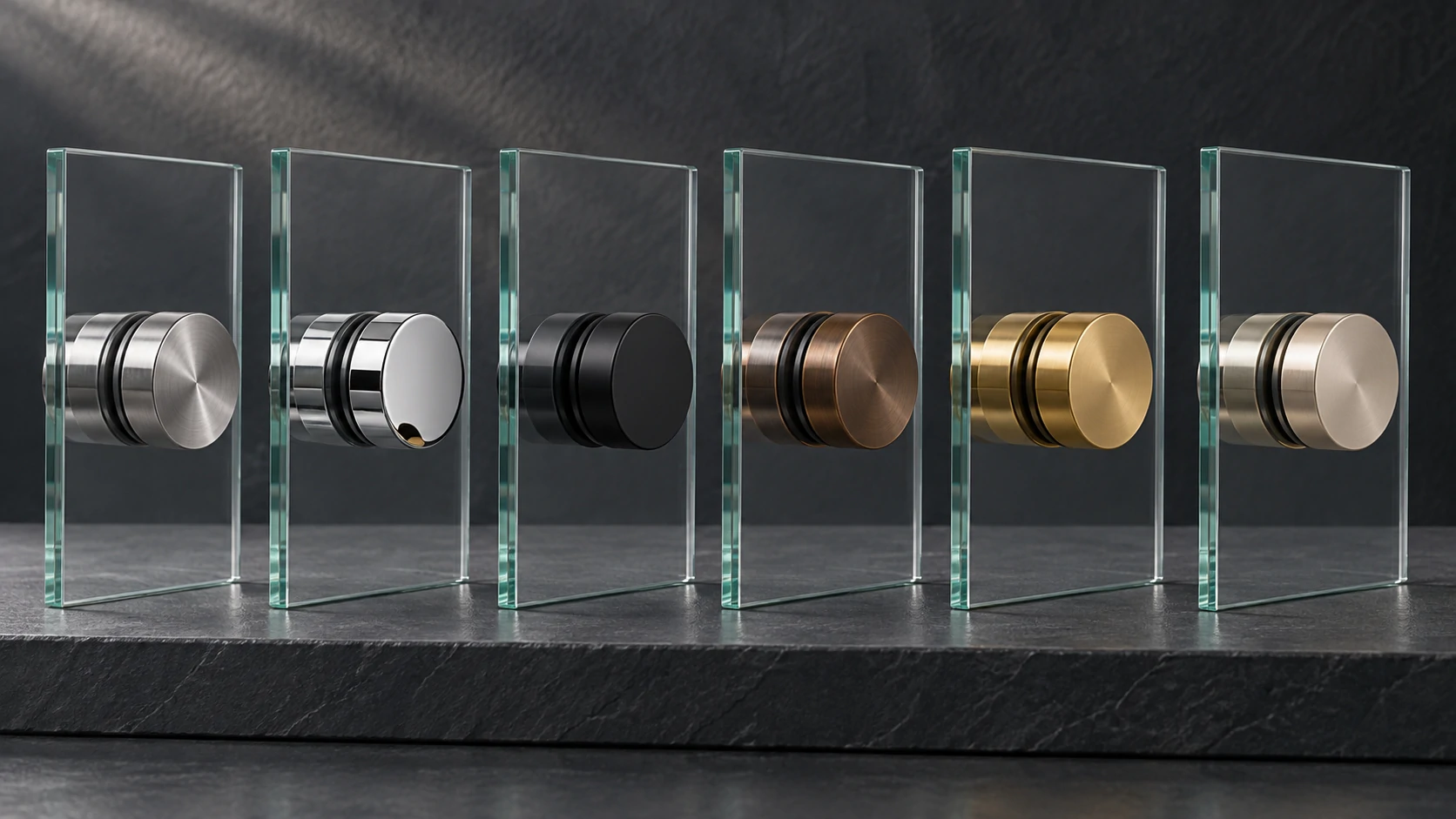
The most common glass standoff finishes are satin or brushed stainless, mirror-polished stainless, and matte black. Bronze, gold, champagne, and similar colors usually require a specified PVD coating, plating, powder coating, or another surface process. Each option changes appearance, cleaning behavior, scratch visibility, and batch-control requirements.
Brushed and Mirror-Polished Stainless Steel
A brushed or satin finish reduces glare and disguises fingerprints or small handling marks better than a mirror surface. Its grain direction still needs control because random polishing becomes visible under site lighting. Mirror-polished stainless is bright and reflective, but it shows smudges and scratches more readily. It therefore needs careful packing and installation.
| Finish | Visual character | Practical behavior | Key approval point |
|---|---|---|---|
| Satin or brushed stainless | Soft sheen with visible grain | Hides fingerprints and minor marks relatively well | Grain direction and consistency |
| Mirror-polished stainless | Bright and reflective | Shows smudges and scratches more readily | Polish quality and handling protection |
| Matte black | Low-gloss modern appearance | Performance depends on the coating system | Base alloy, process, gloss, and adhesion |
| Bronze, gold, or champagne | Warm decorative color | Color can shift between process runs | Physical sample and batch tolerance |
Coated and Colored Finishes
Terms such as “black stainless,” “brushed nickel,” or “gold finish” describe appearance, not a complete material specification. A black component might be 316 stainless steel with PVD, 304 stainless steel with powder coating, or another treated base metal. Similar-looking products can behave differently after scratching, cleaning, or moisture exposure.
Coordinate the finish with nearby hardware, but never let appearance replace alloy selection. Choose the base material for the environment and engineered duty first. Then approve the surface process and color.
How Should Glass Standoff Materials and Finishes Be Specified?
Our quotation team often sees “316 black standoff” as the complete request. It leaves the coating, hidden fasteners, anchors, gloss, and color tolerance undefined. Ambiguity allows substitution and subjective inspection, so we convert the request into separate, measurable lines.
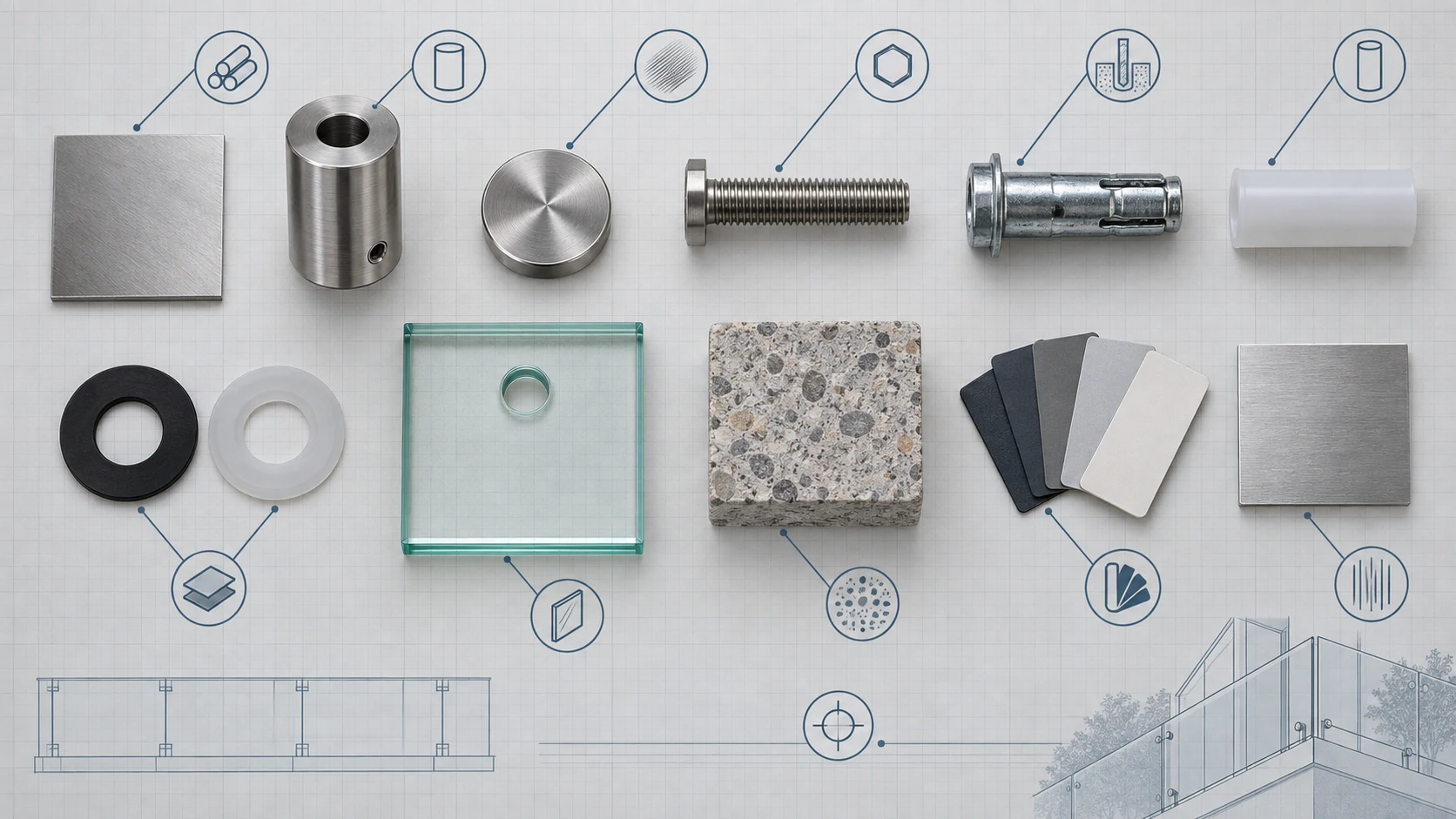
Glass standoff materials and finishes should be specified in layers: application, base alloy, material for each critical component, surface process, color or gloss target, dimensions, anchor system, and inspection criteria. A description such as “316 stainless steel with black PVD” is much clearer than “black stainless” because it separates the metal from its finish.
Write a Layered Specification
A useful purchase description must state what the product is made from, how its appearance is created, and how it connects to the complete fixing system.
| Specification field | Example wording | Why it matters |
|---|---|---|
| Intended application | Structural glass guardrail on an exterior balcony | Separates railing hardware from signage products |
| Base material | 316 stainless steel | Identifies the alloy below the finish |
| Surface treatment | Black PVD to approved sample | Identifies the color process and visual reference |
| Component materials | Barrel, cap, bolt, and anchor listed separately | Prevents a visible 316 face from hiding lower-grade parts |
| Finish controls | Approved color, gloss, grain, and variation limit | Makes incoming inspection less subjective |
| System details | Glass build-up, hole size, offset, substrate, and anchor | Allows technical compatibility to be reviewed |
Verify the Whole Assembly
Traceability should cover the barrel, cap, bolt, and anchor, not only the visible face. According to ASTM A276/A276M 5, stainless-steel raw materials can be purchased against defined grade requirements. Where required, specify post-machining cleaning or passivation. ASTM A967/A967M 6 covers common passivation treatments for stainless-steel parts.
Structural verification remains separate. A correct alloy record does not prove that the standoff, bolt, anchor, substrate, and glass can resist project loads. Check them as one system.
Glass Standoff Quality Control and Maintenance
Before we release a colored finish, we prefer an approved physical sample to a screen image. Digital color is unreliable, and variation becomes obvious across a long railing. A golden sample, inspection plan, suitable packing, and maintenance guide give both sides a clear reference.
Quality control for glass standoff finishes should include an approved physical sample, defined color and gloss, grain direction, permitted variation, coating checks, and protective packaging. Maintenance instructions should identify safe cleaners and cleaning frequency, while batch-matched spare caps should be ordered with the original production run to reduce future mismatch.
Approve a Physical Standard
The approval sample should use the real base material and complete process. A flat color chip may not show the finish on a curved cap or machined edge. Review the sample beside the intended handrail and clamps under similar lighting. For coated finishes, agree on a suitable inspection method. ASTM D3359 7 provides established tape-test procedures for evaluating coating adhesion.
| Control stage | What to check | Risk controlled |
|---|---|---|
| Pre-production sample | Color, gloss, texture, and grain direction | Visual disagreement before mass production |
| Incoming material | Grade records and component identification | Alloy substitution |
| In-process inspection | Polish consistency, coating coverage, and exposed edges | Uneven appearance or early local failure |
| Final inspection | Batch comparison and visible defects | Mixed color or gloss in one shipment |
| Packing review | Separation, protective film, and abrasion control | Scratches during shipping and installation |
Match Cleaning to the Finish
Cleaning instructions should be finish-specific. Abrasive pads can change a brushed grain, while harsh chemicals can stain steel, dull plating, or damage a coating. Coastal and poolside plans should address deposits on sheltered hardware and require prompt investigation of stains, damage, loose parts, or water traps.
Order batch-matched spare caps with the main shipment. A later PVD or powder-coated batch may differ slightly in tone or gloss, even under the same commercial color name.
Conclusion
The right glass standoff specification begins with the application and environment, not color. Choose 304, 316, aluminum, or brass after confirming the duty. Then define the surface process, visible standard, component materials, structural system, quality checks, packaging, and maintenance.
For exterior or chloride-exposed railing, 316 stainless steel is often the stronger starting point, but cleaning still matters. For colored hardware, separate the alloy from its surface treatment. Send us your drawings and site conditions for a quotation, or request our glass standoff catalogue and material specification sheet.
Footnotes
1. Nickel Institute outlines common 304 and 316 stainless grades and their applications. ↩︎
2. IMOA provides a stainless-steel selection system considering environment, finish, design, and maintenance. ↩︎
3. IMOA guidance addresses exterior stainless-steel alloy and finish selection. ↩︎
4. ASSDA explains how sea salt, surface finish, and maintenance affect coastal tea staining. ↩︎
5. ASTM A276/A276M specifies requirements for stainless-steel bars and shapes. ↩︎
6. ASTM A967/A967M covers chemical passivation treatments for stainless-steel parts. ↩︎
7. ASTM D3359 covers tape-test methods for rating coating adhesion. ↩︎