The modern workplace is in the middle of a quiet redesign. Businesses no longer want to choose between collaboration and concentration, or between an open floor plan and the privacy a serious conversation demands. They want both — and they want a space that looks the part when clients walk in the door.
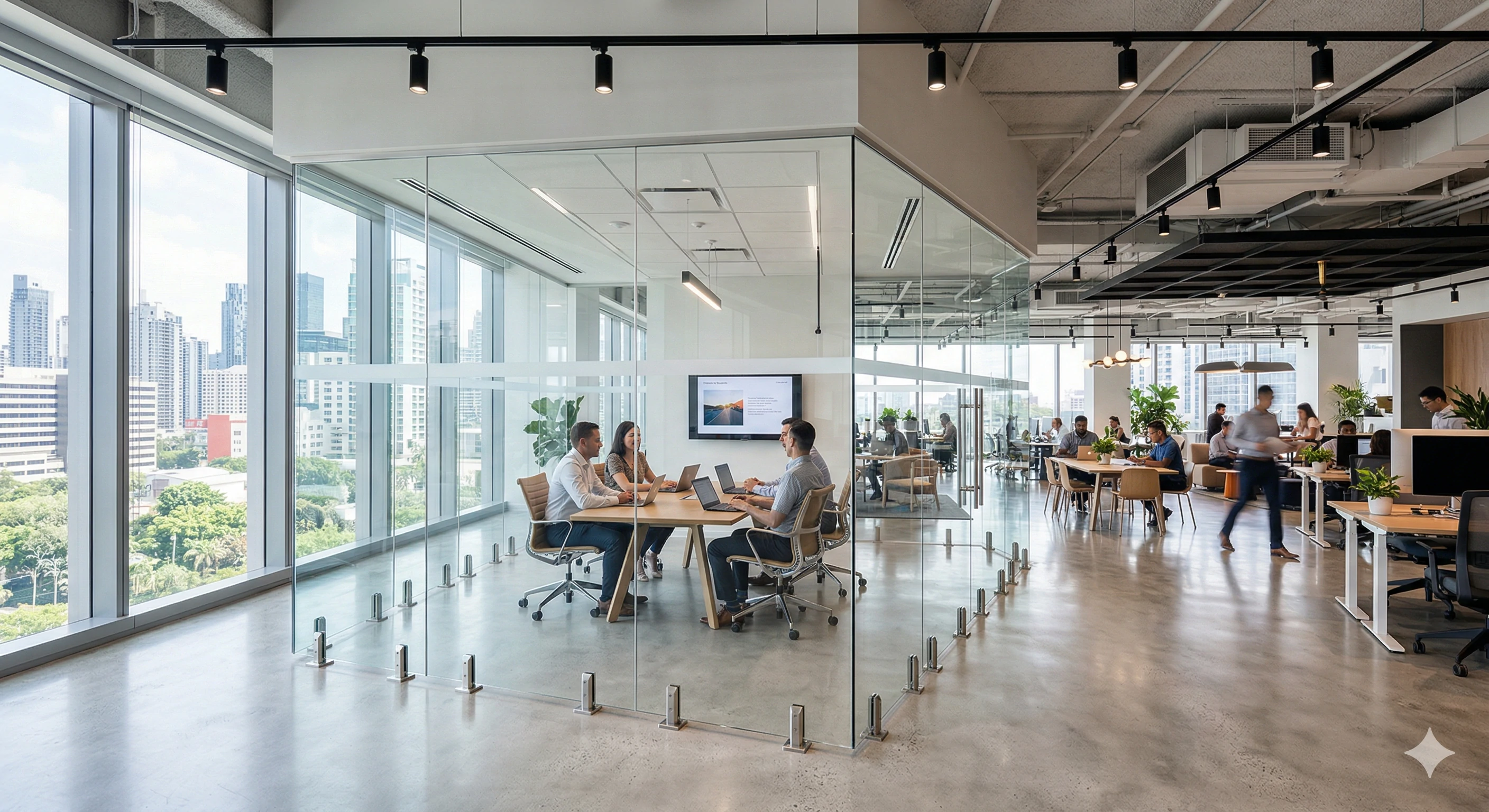
That's where the old toolkit runs out of answers. Drywall turns offices into disconnected boxes that swallow natural light. Fully open plans trade privacy and acoustic comfort for the illusion of togetherness. Neither feels right for a team that needs to think, meet, and move quickly through the day.
Frameless glass partition systems, anchored by minimalist stainless steel spigots, have become the architectural hack solving this exact problem. They deliver acoustic privacy where you need it, keep the floor plan feeling open and luminous, and let of the space. In this article, we'll walk through why traditional solutions fall short, how spigot-mounted glass works, and why it has become the go-to choice for forward-looking commercial interiors.
The Problems Traditional Partitions Create
If you've ever walked into an office that felt dim, cramped, and a decade behind the times, you already understand the problem. Most workspace frustrations trace back to the same three issues — and they're all baked into the materials traditional construction relies on.
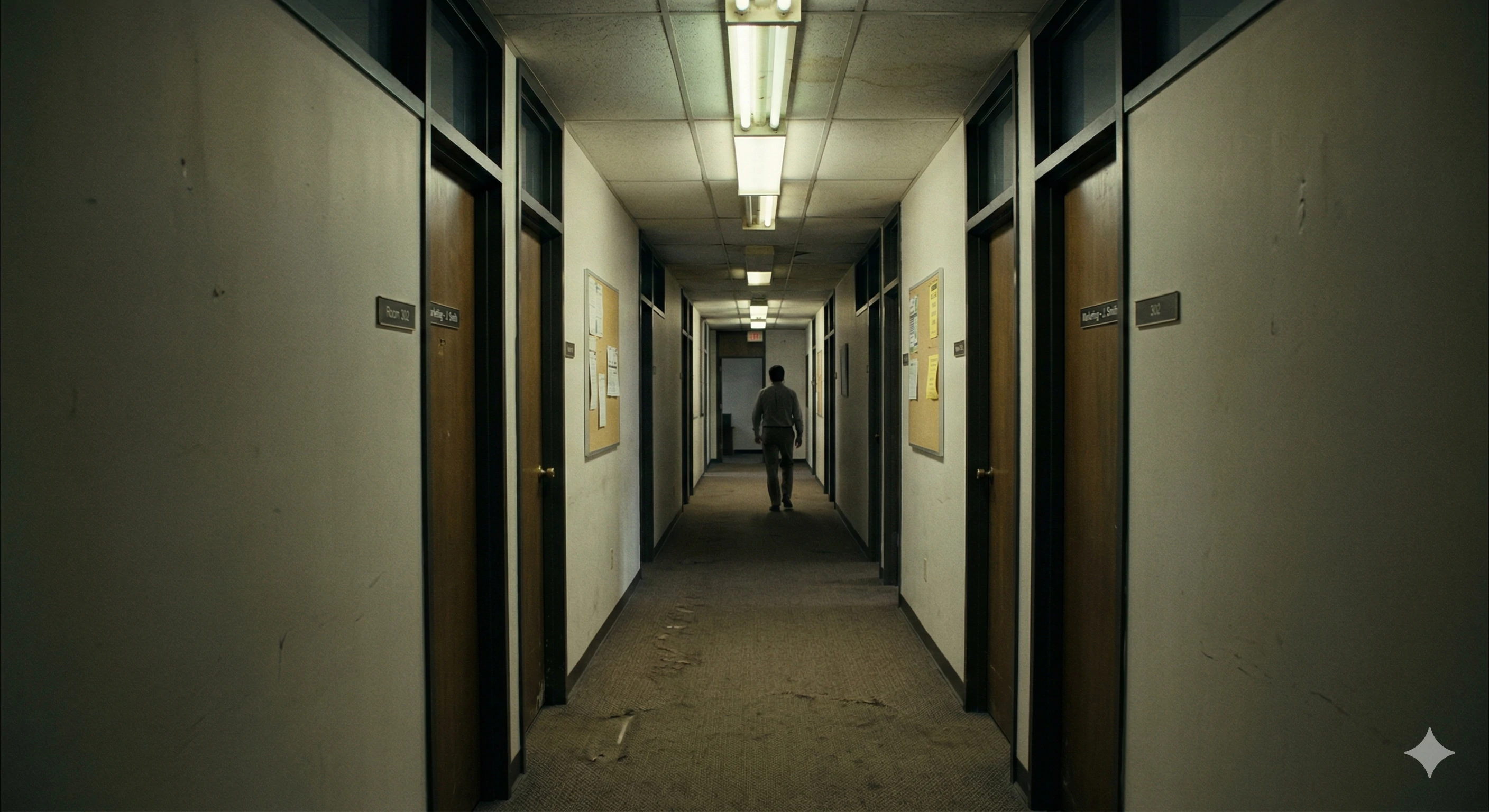
The "Cave" Effect
Drywall and heavy aluminum-framed partitions do their job, but at a cost: they cut sunlight off at the source. A single row of solid walls along a window line can leave the interior of an office permanently reliant on overhead fluorescents. The space feels smaller than it is, employees spend their days in artificial light, and the mood of the entire floor shifts with it. Research on has repeatedly linked daylight access to better focus, better sleep, and higher reported job satisfaction — and traditional partitions throw that advantage away.
Acoustic Privacy Without Visual Isolation
The other common pain point is subtler. A team might need a quiet room for a client call, a one-on-one review, or a — but building an opaque wall around the executive team or the meeting rooms sends the wrong cultural signal. It creates a literal hierarchy of who gets light and who doesn't, and it severs the visual connection that makes open offices feel like a team rather than a set of silos.
Most managers want quiet zones without turning them into black boxes. Traditional materials force a binary choice: either the room is sealed off, or it isn't.
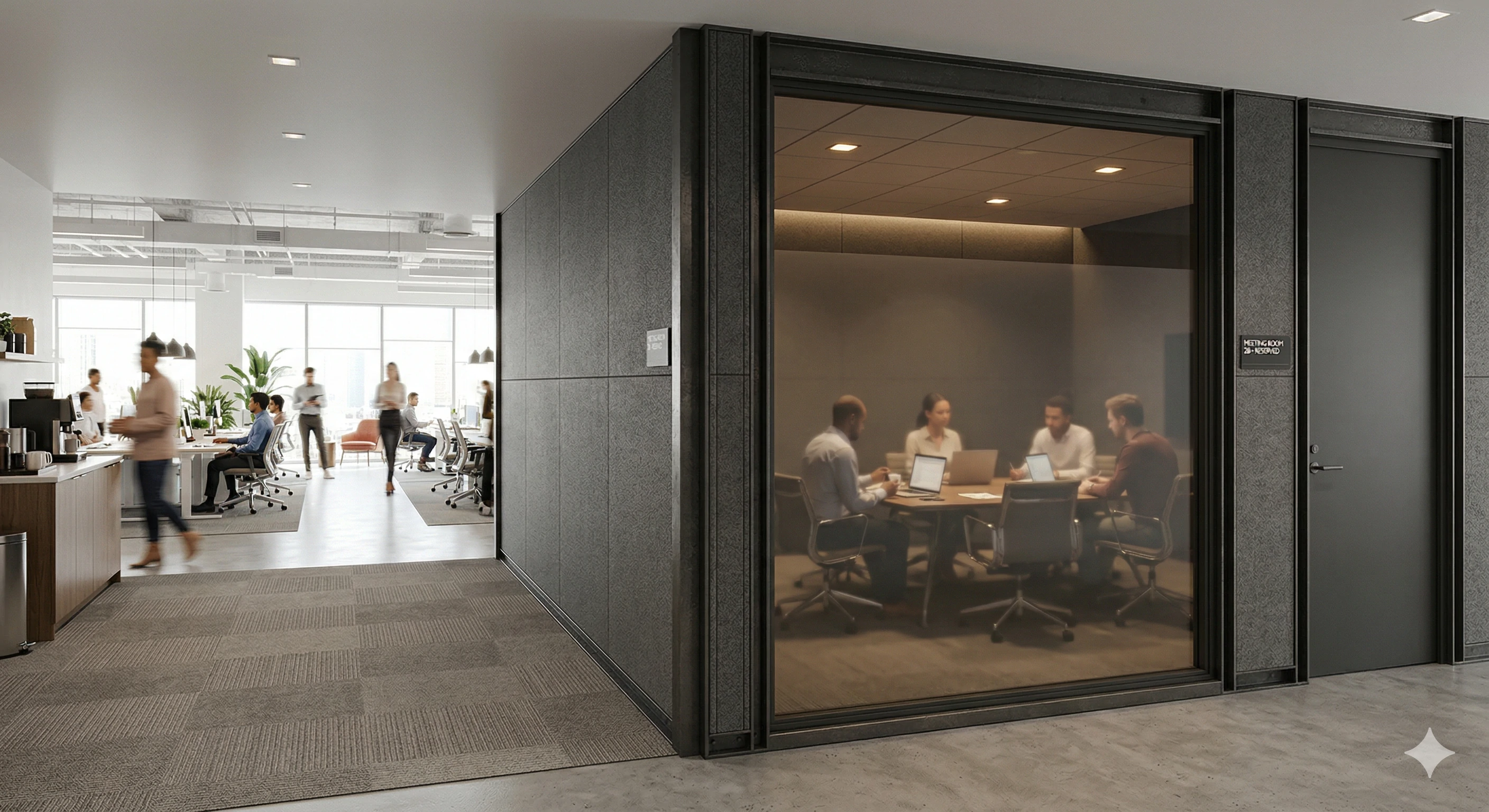
The Construction Nightmare
Then there's the part nobody looks forward to. Building or tearing down solid walls means dust, noise, contractors on site for weeks, and the kind of business disruption that eats into productivity long before the paint dries. For any company operating on tight timelines — which is to say, most of them — a traditional fit-out is a project to dread, not a decision to make lightly.
How Frameless Glass and Spigots Solve It
Once you've named the problem, the solution becomes clearer. You need something that separates space acoustically without separating it visually, something that installs quickly, and something that looks like it belongs in a premium office rather than a 1990s cubicle farm. Frameless glass partitions check all three boxes — and the hardware doing the heavy lifting is the glass spigot.
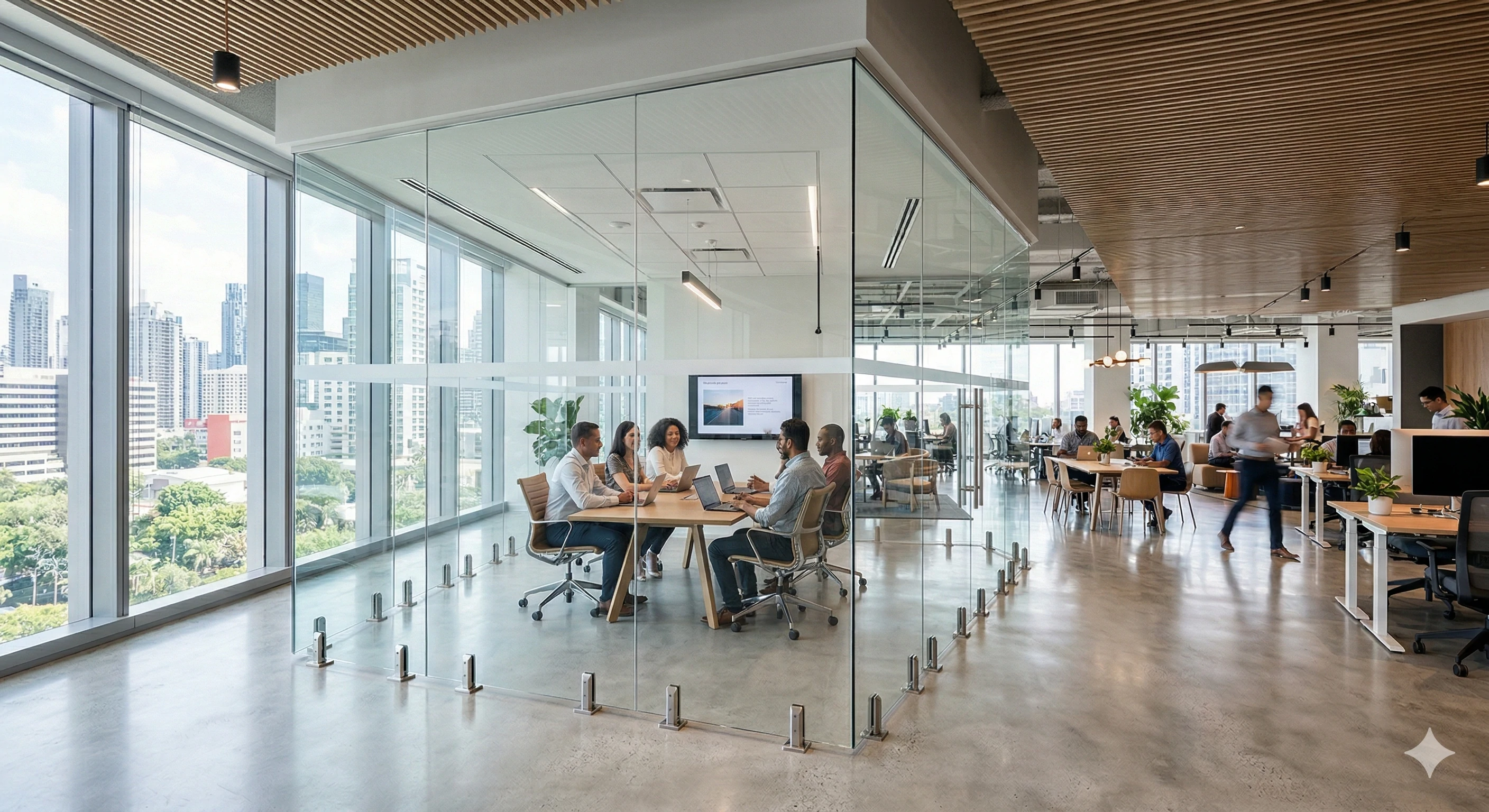
The Magic of the Glass Spigot
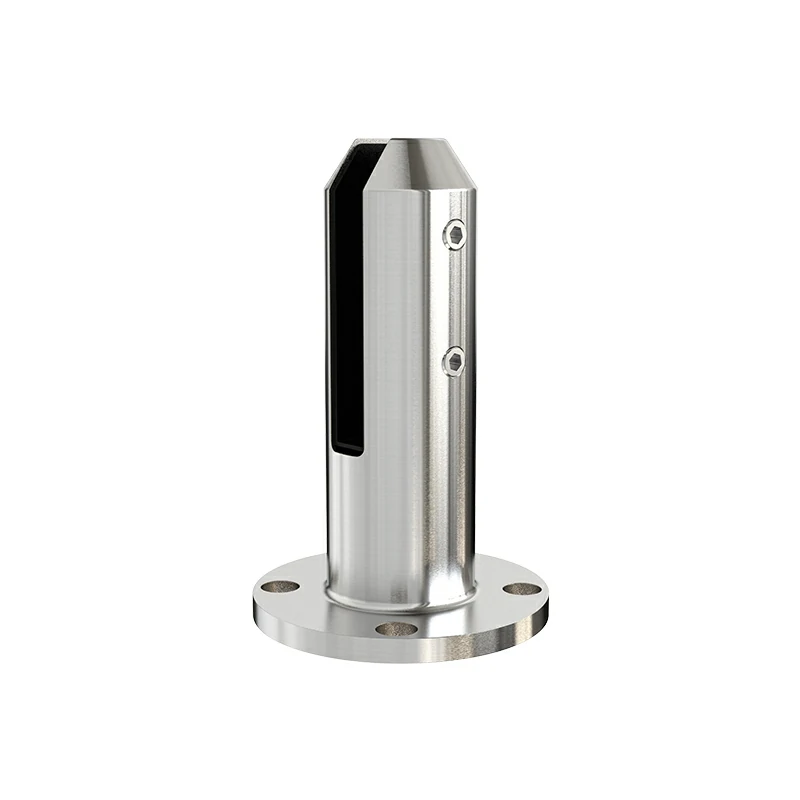
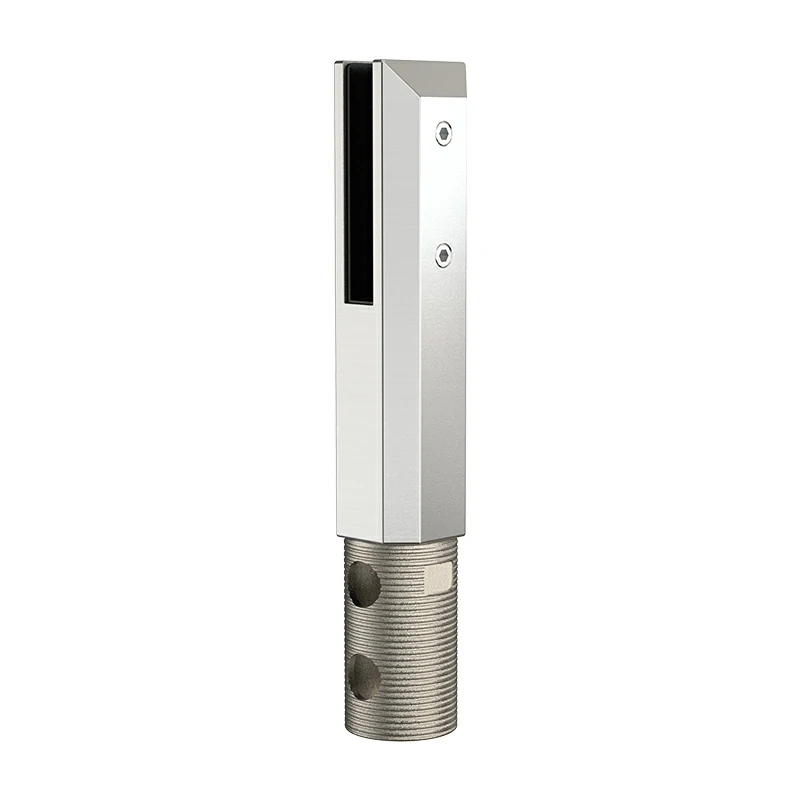
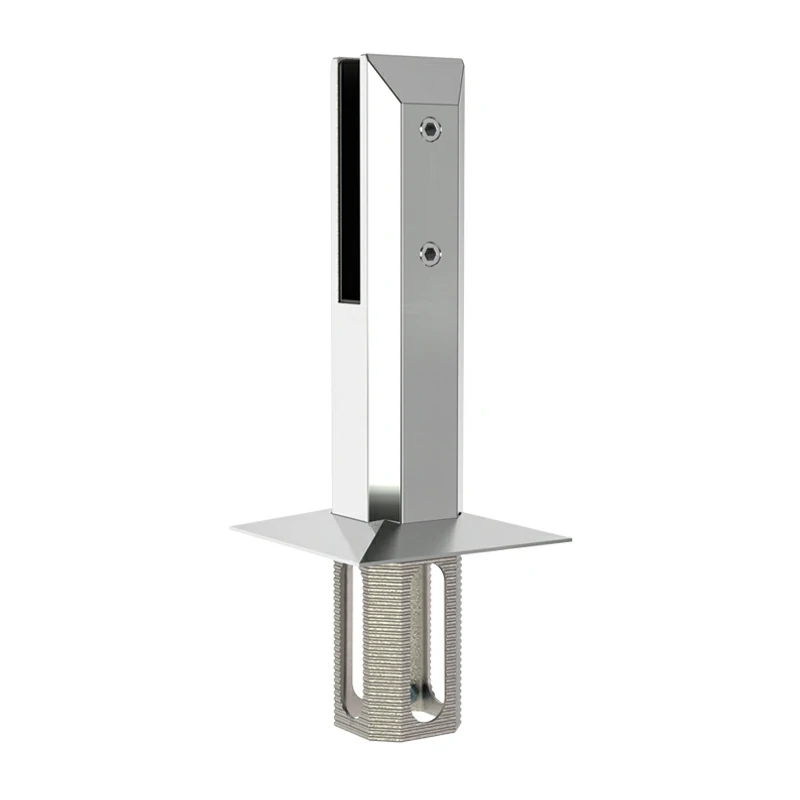
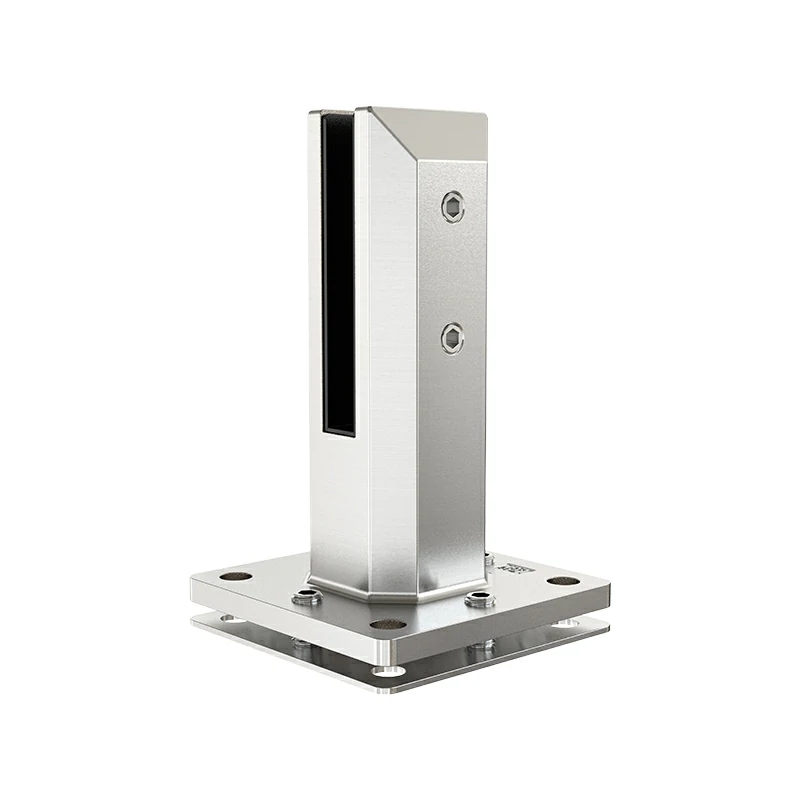
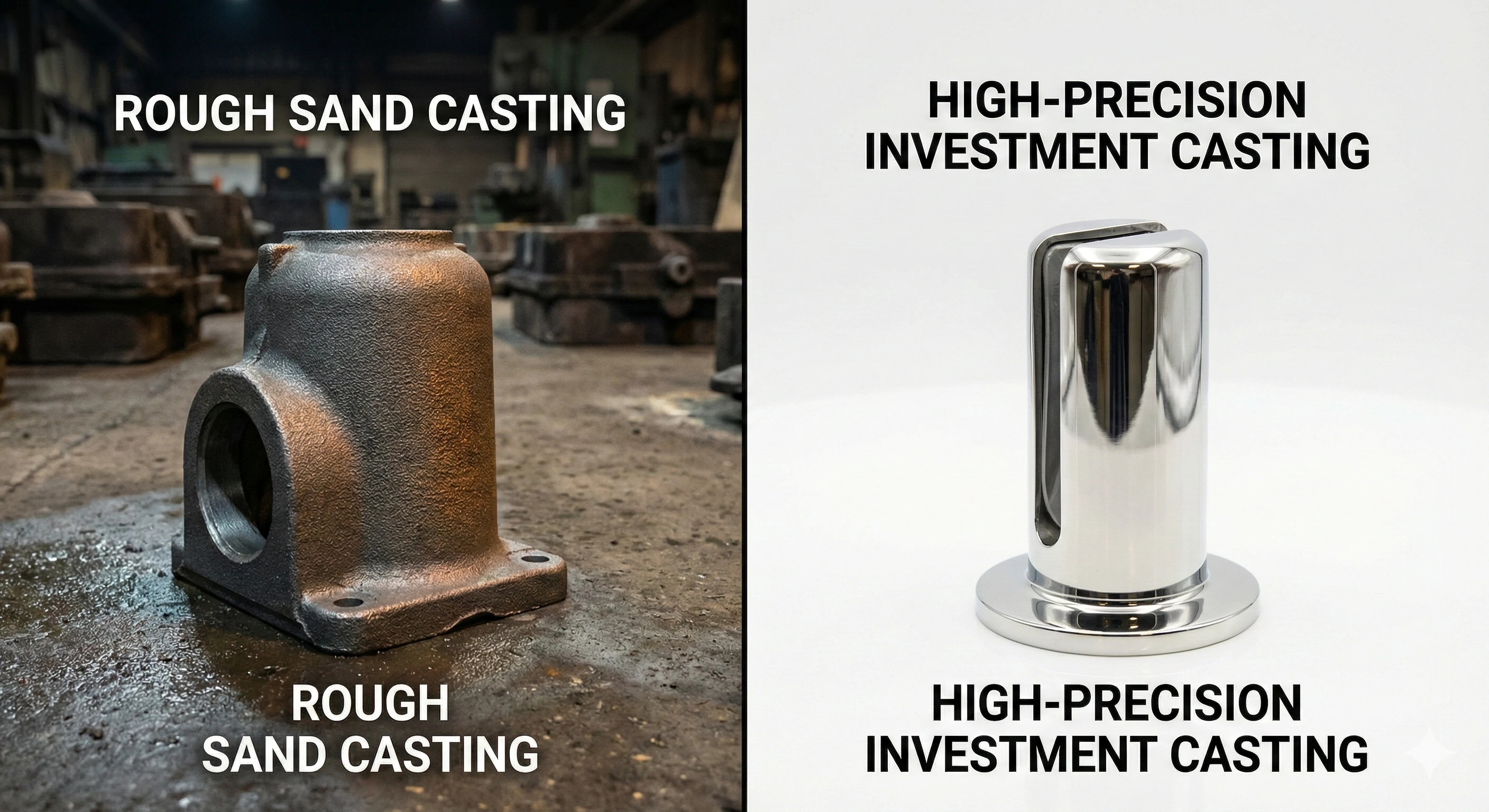
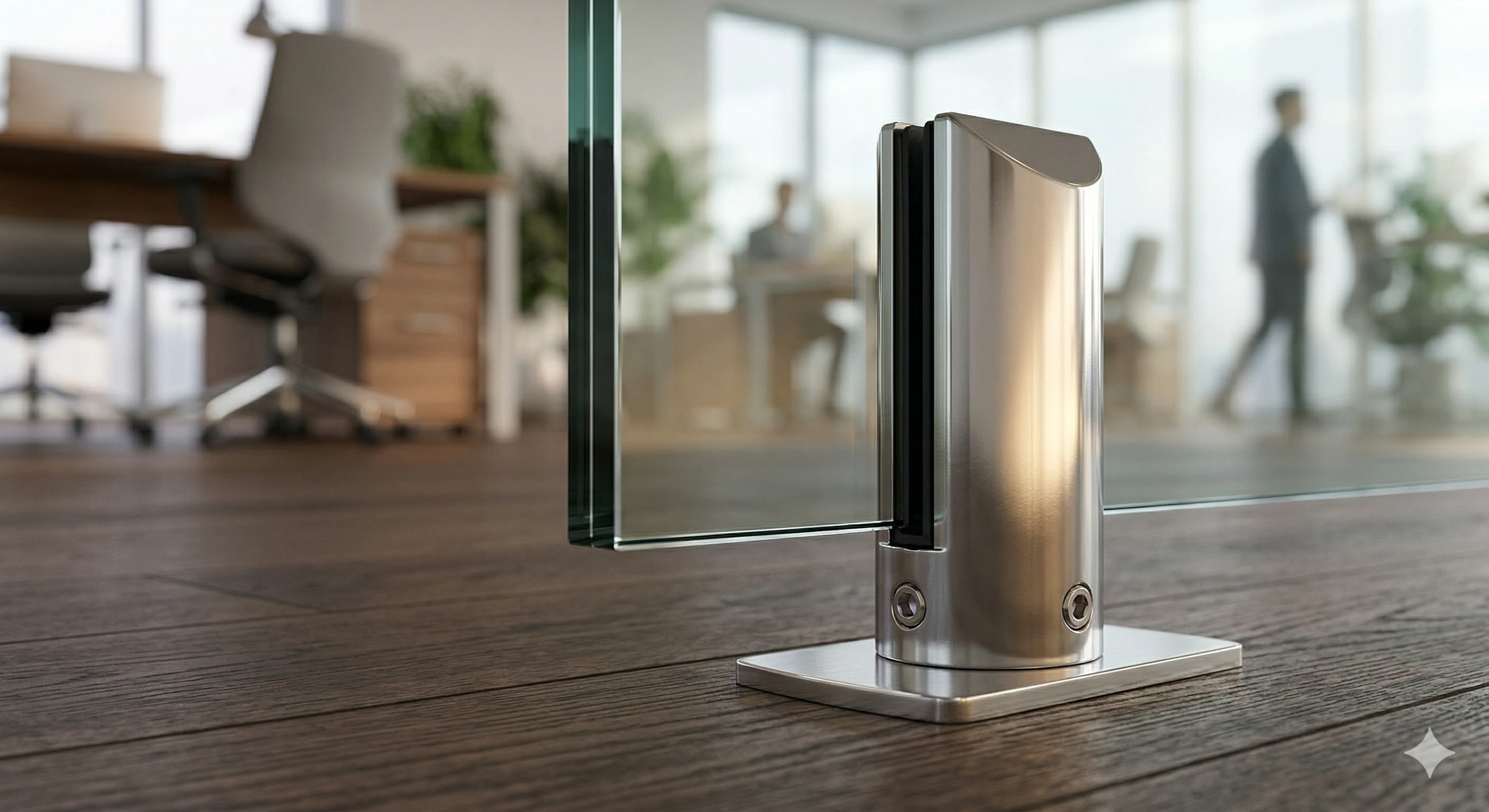
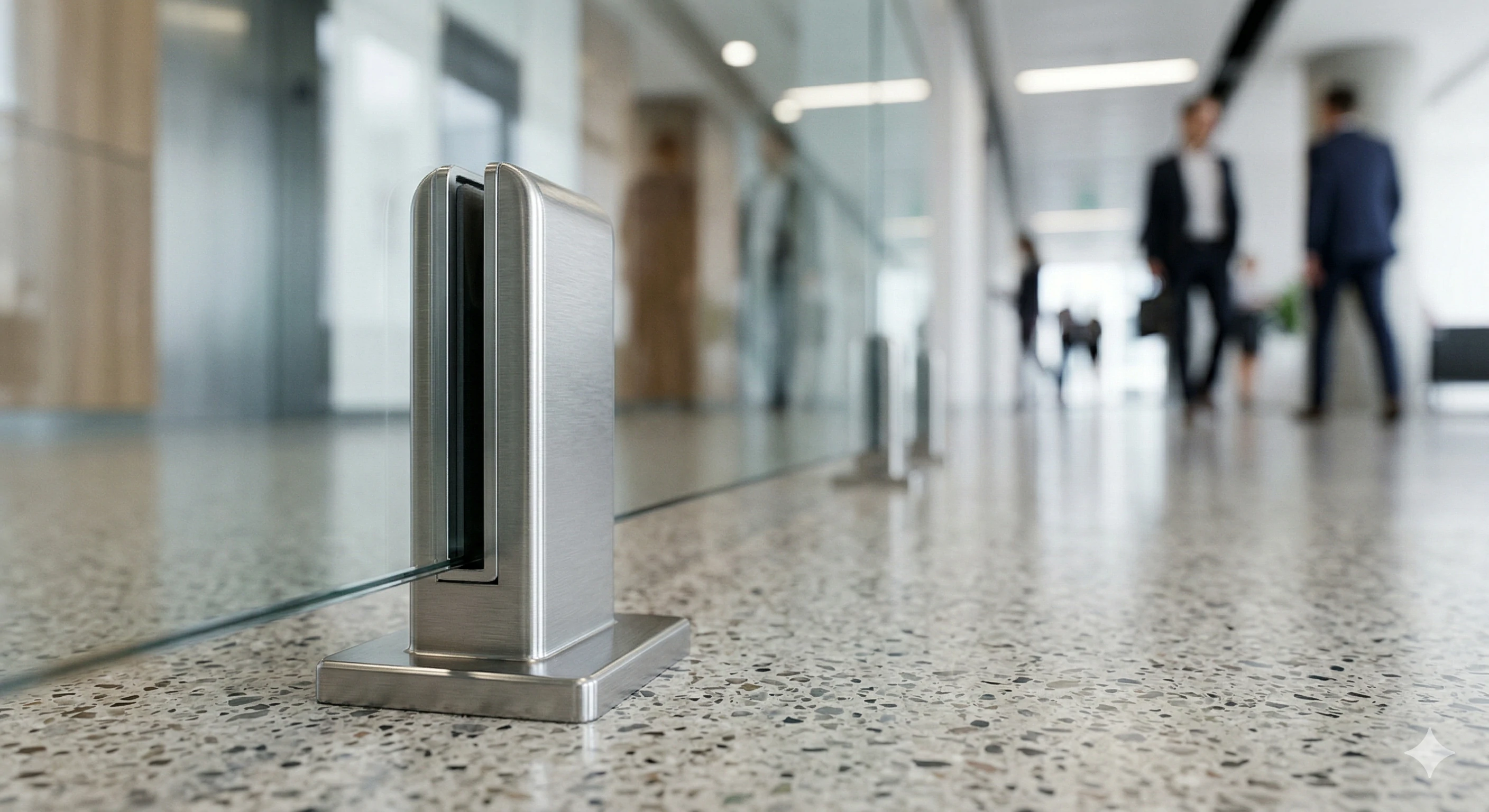
A glass spigot, sometimes called a base clamp, is a compact piece of stainless steel hardware that anchors a glass panel directly to the floor. Two or more spigots along the base of a panel are all that's needed to hold thick, securely upright — no vertical frames, no overhead tracks, no bulky aluminum profiles running along the ceiling.
The result is a partition that reads as almost invisible. You see the glass, the floor, and the space beyond. You don't see the mechanism holding it all together, and that's the point.
Maximizing Light and Flow
Because there are no vertical frames interrupting the panels, light moves through a spigot-mounted glass partition almost as freely as through open air. Daylight from a perimeter window can now reach interior meeting rooms, corridors, and workstations that used to sit in shadow. Sightlines extend all the way across the floor, which makes even modest offices feel noticeably larger and more premium. It's the single most effective visual upgrade most commercial spaces can make.
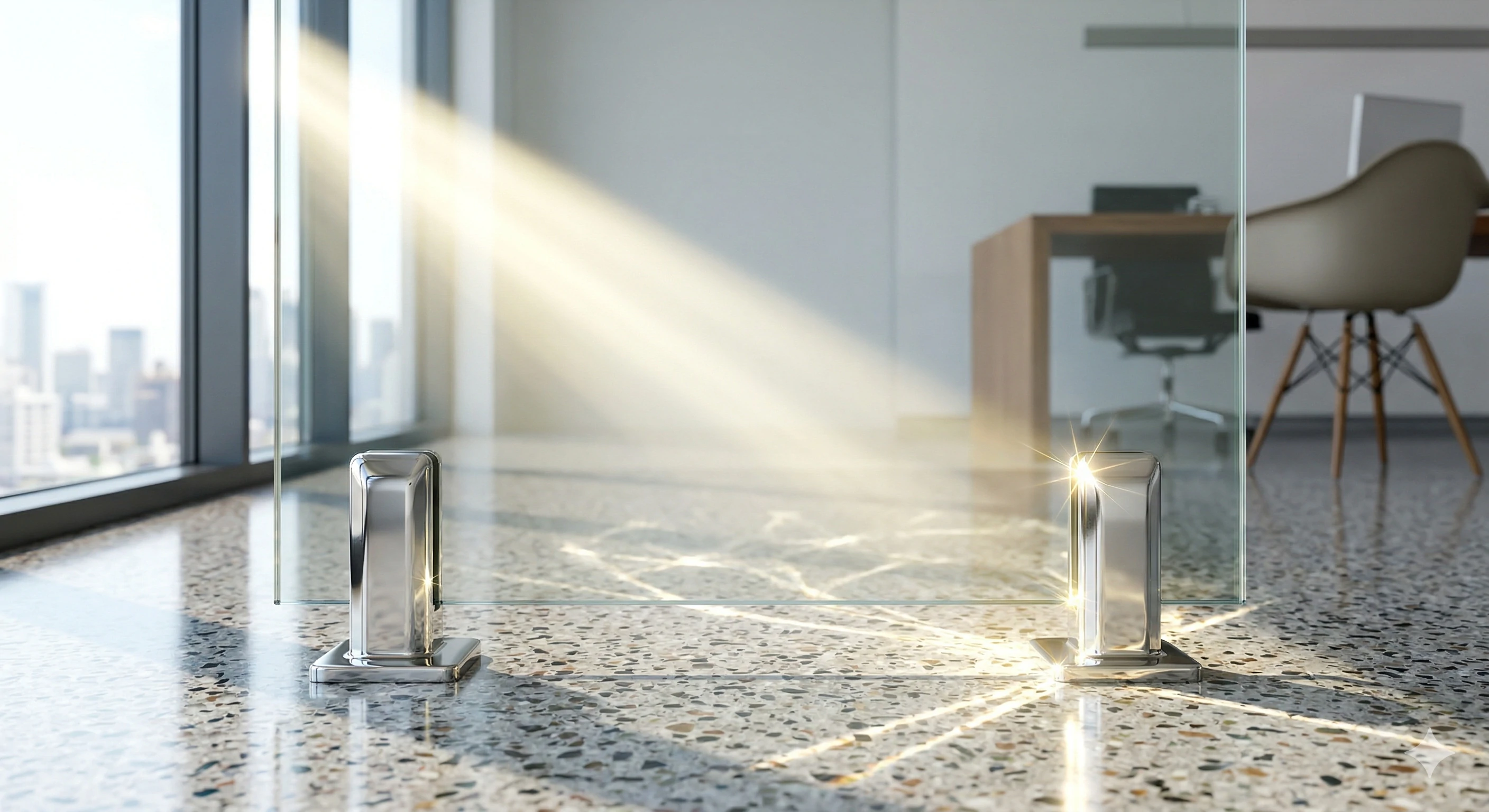
Acoustic Performance, Not Just Aesthetics
A common misconception is that "frameless" means "flimsy" or "noisy." It's neither. Properly specified glass spigots are engineered to hold heavy laminated acoustic glass — the same category of glazing used in recording studios and high-end conference rooms. That means a frameless partition can deliver serious , giving meeting rooms and private offices the acoustic isolation they need while the space itself still feels completely open.
You get the quiet of a closed room and the visual connection of an open plan. That combination used to be impossible. Now it's standard.
Why Spigot Systems Win the Comparison
For anyone weighing frameless glass against framed glass or drywall, the decision usually comes down to three factors: how it looks, how fast it goes in, and how well it holds up over time. Spigot systems have a clear answer for each.
Spigots vs. Bulky Frames
Compare a floor-mounted spigot system with a and the aesthetic gap is obvious. Thick aluminum tracking dates a space the moment it's installed — it reads as corporate, restrictive, and generic. Polished stainless steel spigots, by contrast, carry the clean, hardware-forward look that defines top-tier tech offices, design studios, and flagship showrooms. That visual language matters more than it used to. The office is now a recruiting tool and a client-facing statement, and minimal hardware signals a company that pays attention to detail.
Speed of Installation and Future Agility
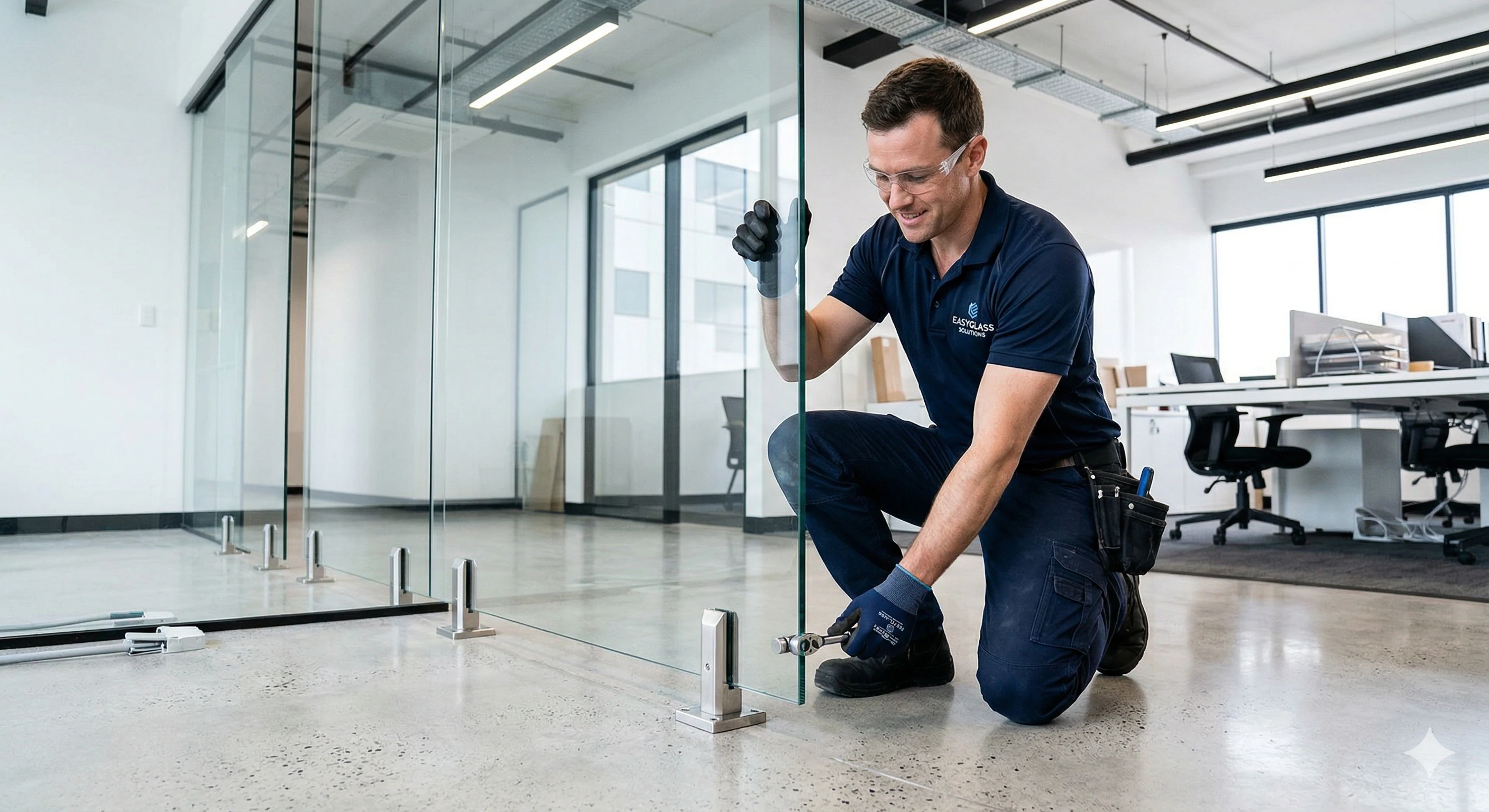
Spigot-mounted glass is a dry installation. Panels arrive cut to size, spigots anchor to the floor, and the partition is standing in a fraction of the time a would take. There's no taping, mudding, sanding, or painting, and the mess stays minimal. For a business trying to keep the lights on during a renovation, that alone is a meaningful operational win.
Just as important, the system is reversible. If the team grows, the layout changes, or a meeting room needs to move, spigot-mounted panels can be repositioned rather than demolished. The space stays flexible — something you simply can't say about a stud wall.
Durability and Maintenance
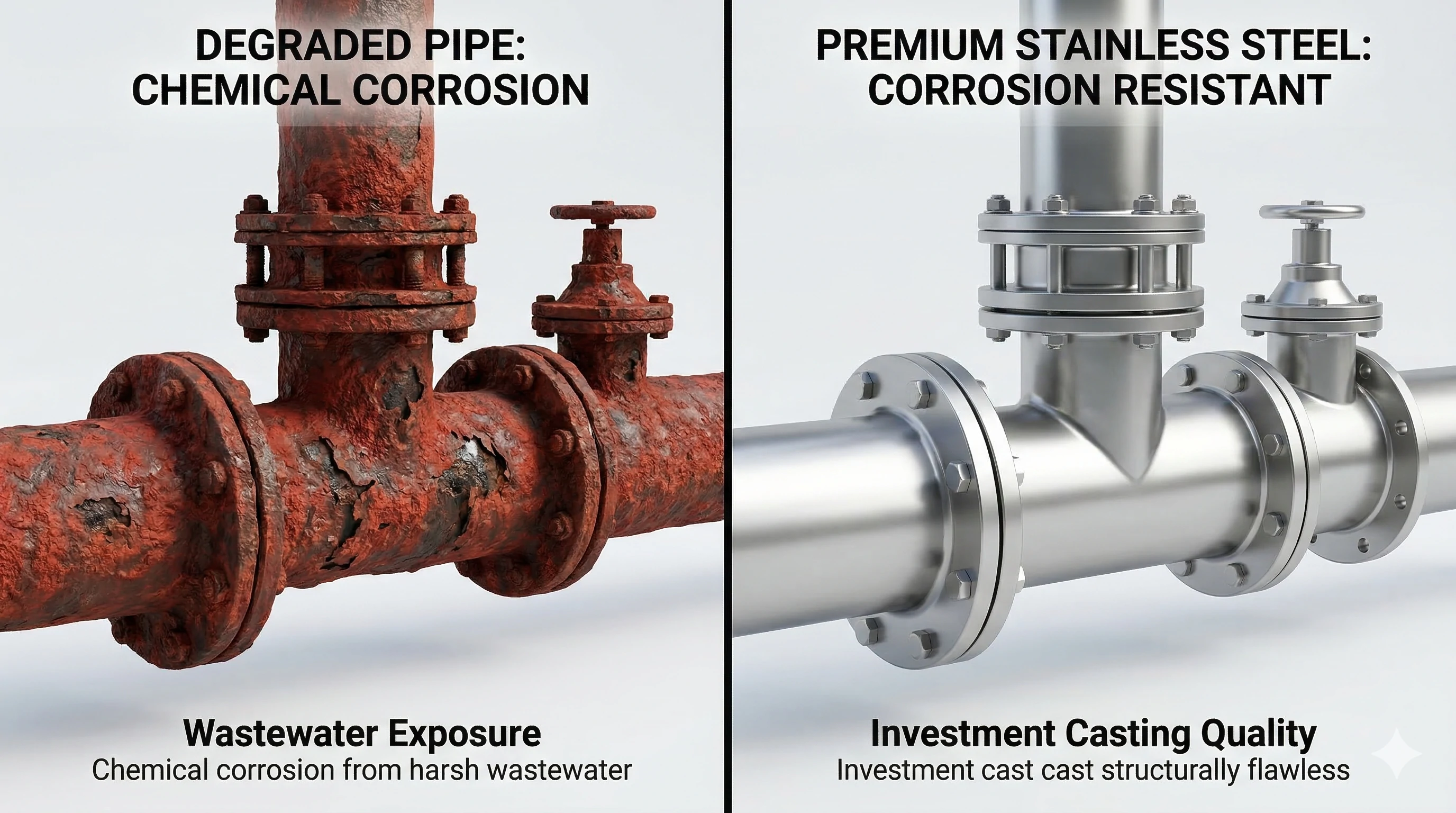
Premium commercial spigots are typically made from , which means they shrug off the vibrations, foot traffic, and incidental impacts of daily office life without loosening or corroding. Cleaning is straightforward — glass wipes down in seconds, and the hardware itself needs little more than the occasional polish. Compare that to painted drywall, which scuffs, chips, and needs touch-ups on a regular schedule, and the long-term maintenance math tips clearly in favor of glass.
The Bottom Line
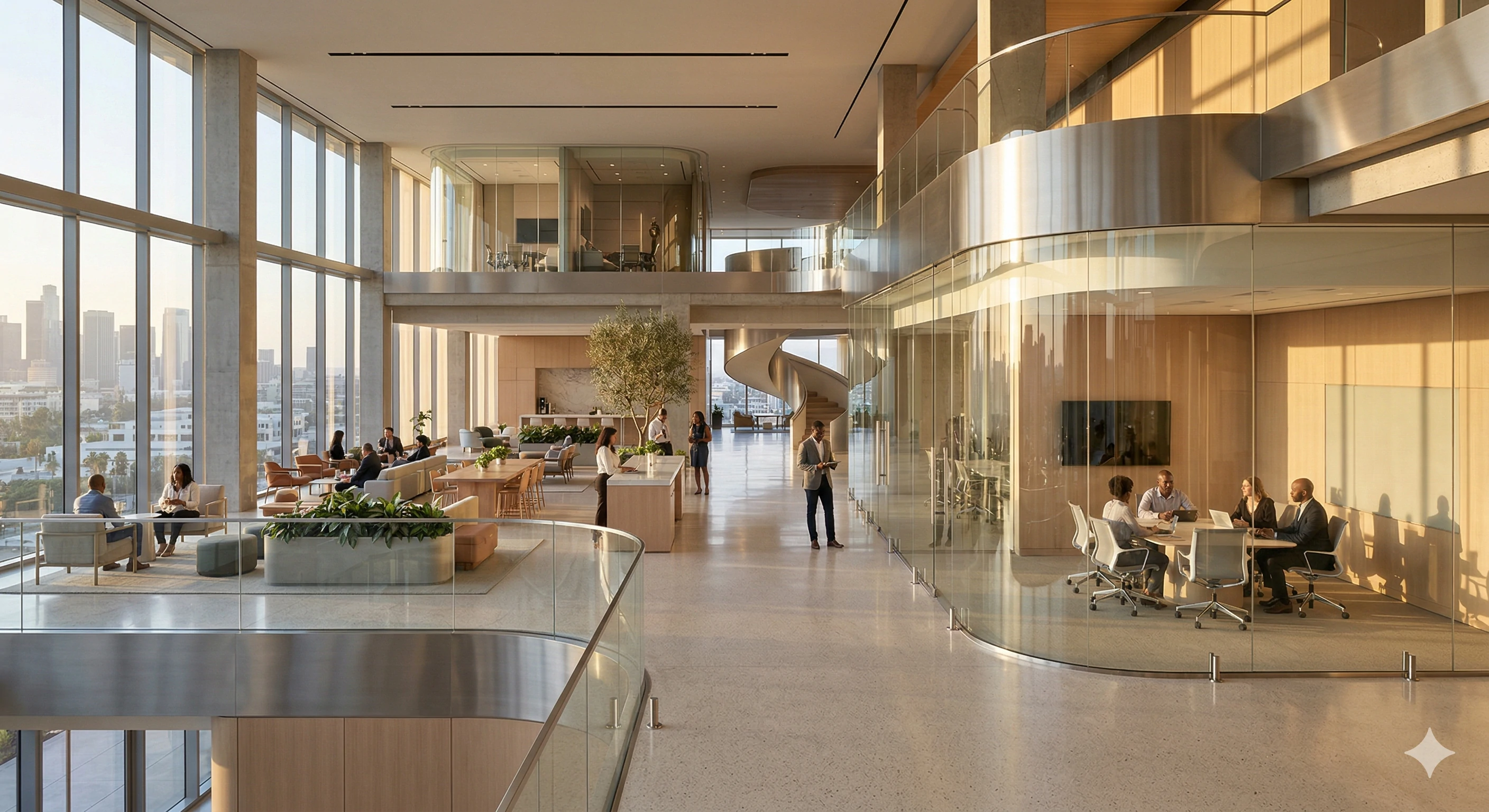
Frameless glass partitions mounted with stainless steel spigots give modern workplaces something they've been reaching for: the openness and light of a , with the acoustic privacy and polish of dedicated rooms. They install quickly, adapt easily, and age gracefully — and they send a clear signal about how a company thinks about its people and its space.
If your current office feels darker, louder, or more dated than the work you do inside it, the fix is probably simpler than a full rebuild. Explore a range of commercial-grade glass spigots, or get in touch with an to scope a project consultation for your space. The upgrade is closer than you think.
Footnotes
1. Explore how daylighting strategies maximize natural light in commercial architecture.
2. Discover research on improving employee health, focus, and overall wellbeing.
3. Learn about HR best practices and managing sensitive workplace conversations.
4. Understand the manufacturing and safety benefits of commercial tempered glass.
5. Learn about the materials and methods used for architectural sound attenuation.
6. Read about the history and structural applications of architectural glass.
7. Comprehensive overview of drywall materials, properties, and construction methods.
8. Learn why SAE 316L steel provides superior structural corrosion resistance.
9. See how open plan office layouts affect workplace collaboration and culture.