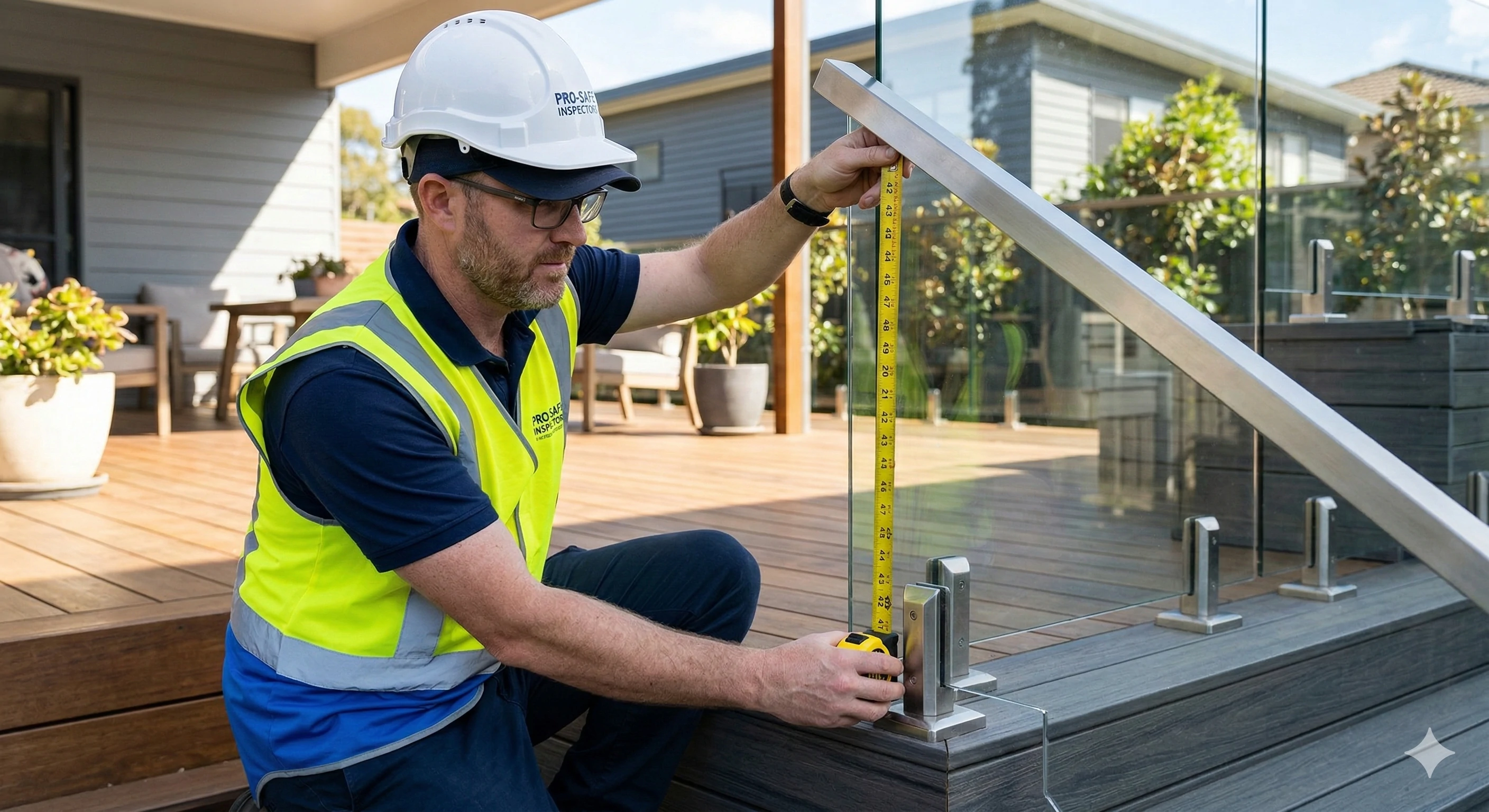
Building a beautiful deck is a rewarding project, but failing a due to wobbly stairs is a costly nightmare. You can build the most beautiful deck in the neighborhood, but if the stair railing wobbles or the spacing is wrong, the building inspector will fail it immediately. Deck stairs are the site of the most severe backyard injuries. At our engineering and production facility, we know that building codes are not there to annoy you; they are there to stop a catastrophic fall. We design our heavy-duty hardware specifically to prevent these dangerous accidents and ensure your projects pass inspection on the first try.
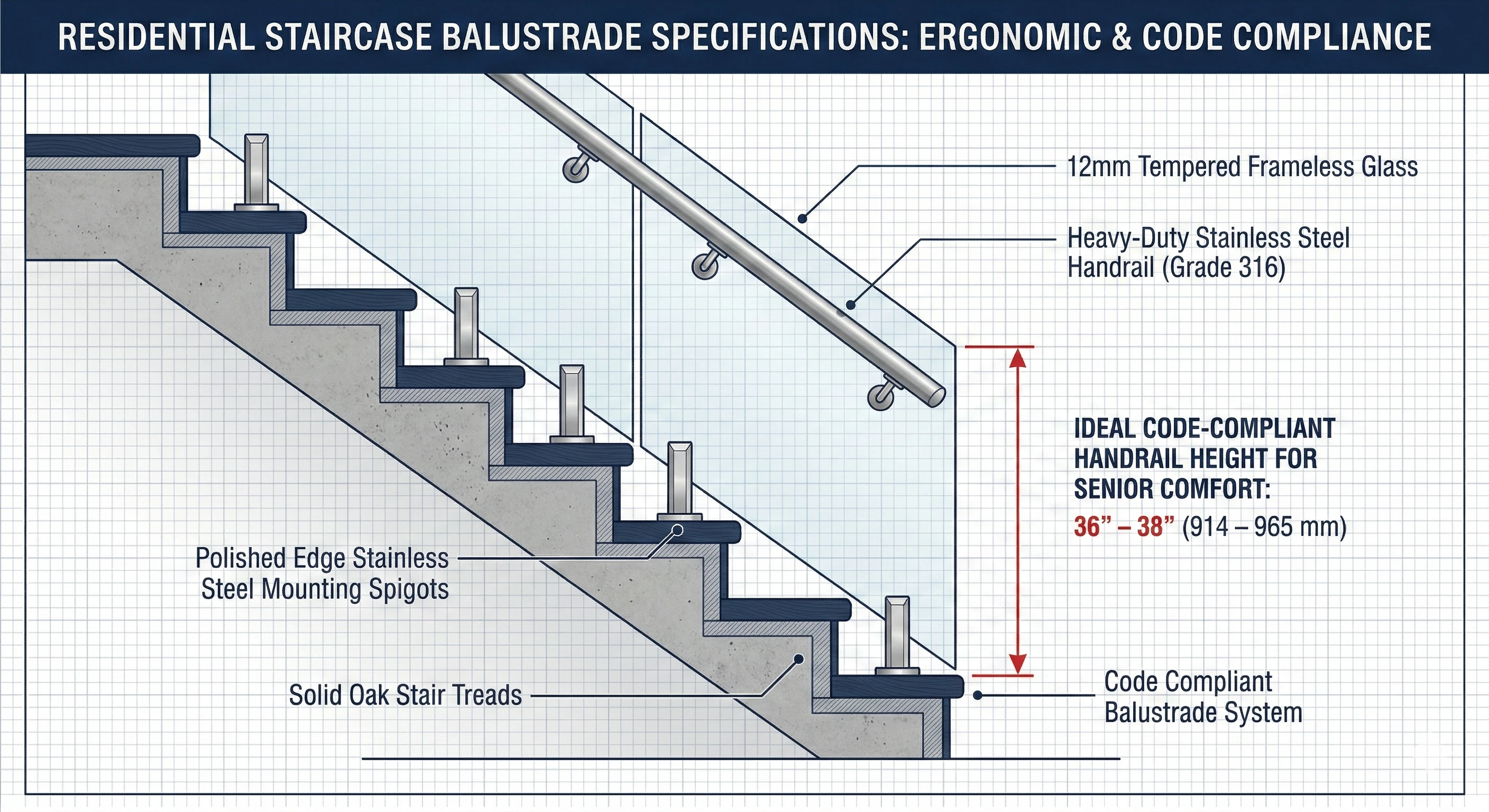
To pass a deck stair railing inspection under IRC codes, you must install handrails at a specific height of 34 to 38 inches. You also need structural guardrails that can withstand a 200-pound load and prevent a 4 3/8-inch sphere from passing through any gaps.

Let us explore the exact measurements and heavy-duty hardware you need to hold everything together safely. This guide demystifies the (IRC) for deck stair railings, explaining the exact measurements you need and the heavy-duty hardware required to hold it all together.
What is the Difference Between Handrails and Guardrails?
Many contractors confuse these two terms, which often leads to immediate inspection failures. When our engineering team consults with procurement managers and designers, establishing these crucial definitions is always our first step to establish authority. We ensure our clients order the correct hardware by clearly separating graspable supports from structural barriers.
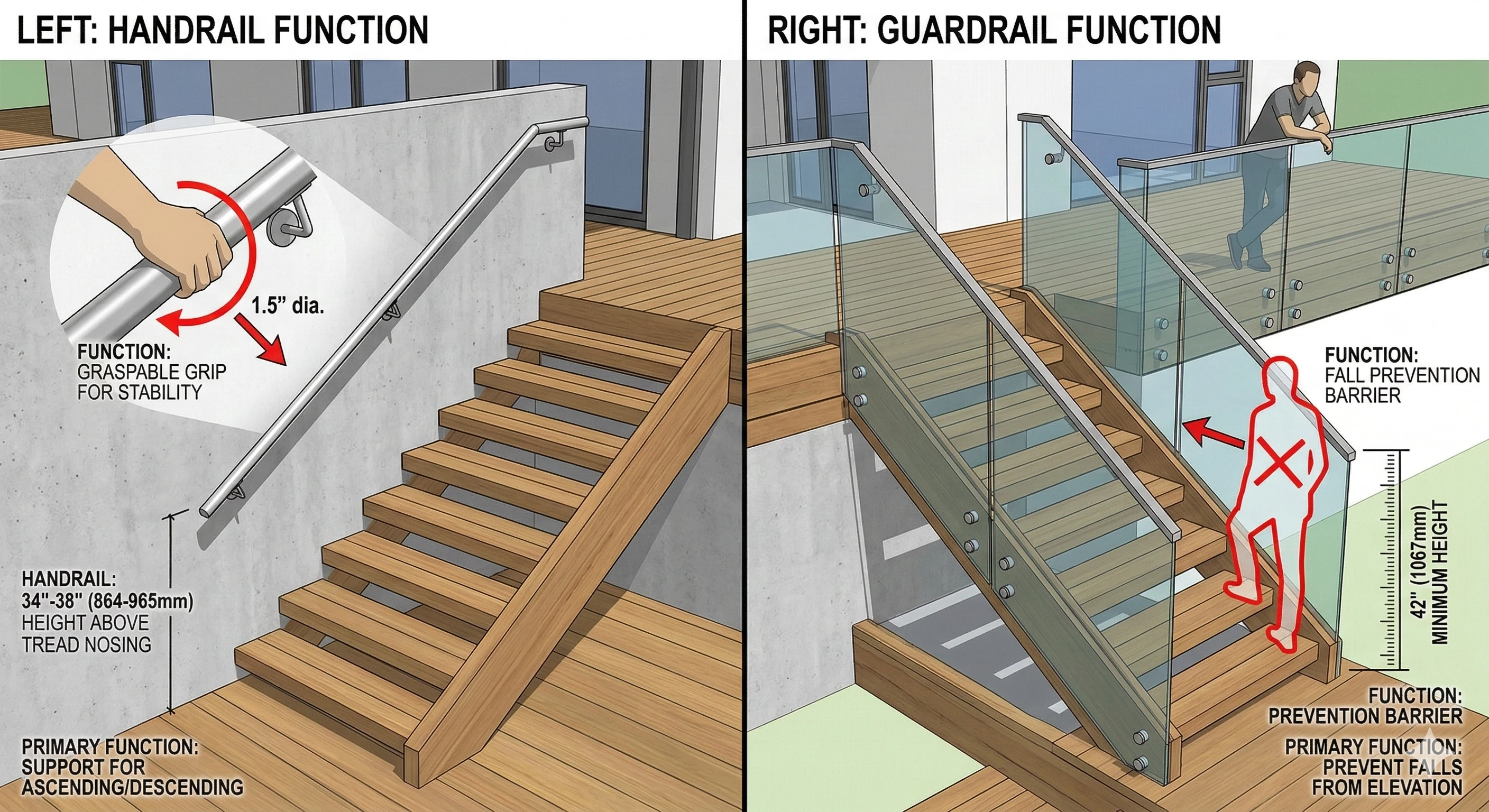
A handrail is a graspable bar used for balance on stairs with four or more risers. A guardrail is a structural barrier preventing falls from open sides higher than 30 inches. Open stairs over 30 inches high require both components for complete code compliance.

To fully understand deck safety, we must separate the functions of handrails and guardrails. Contractors often use these terms interchangeably, but building inspectors treat them as completely different structural components.
The Purpose of a Handrail
A handrail provides a reliable, graspable surface. This is the graspable bar you hold onto for balance while walking up or down. The building code dictates that a handrail is required on stairs with 4 or more risers (steps). This ensures that anyone using the stairs has a continuous support system to prevent slips and trips.
The Structural Role of a Guardrail
A guardrail acts as a protective boundary. This is the structural barrier that prevents you from falling off the open side of the staircase. You must install a guardrail if the total drop-off from the stairs to the ground is more than 30 inches.
Combining Both Systems for Safety
If your stairs are open and over 30 inches high, you need both. You can achieve this compliance in two ways. You can either have a guardrail that has a graspable top, or a tall guardrail with a separate handrail mounted to the side of it. Our factory produces hardware for both configurations, ensuring you have safe, compliant, and elegant options.
| Feature | Handrail | Guardrail |
|---|---|---|
| Primary Function | Balance and grip | Fall prevention |
| When Required | 4 or more risers (steps) | Drop-off exceeds 30 inches |
| Location | Along the stair incline | Open sides of the stairs |
What is the IRC Handrail Code for Height and Graspability?
You cannot just attach any piece of wood or metal and call it a safe handrail. At our testing center, we rigorously verify that our graspable tubes and supporting brackets meet strict . We manufacture products that perfectly fit the human hand while satisfying every legal building requirement.
The IRC requires handrails to be 34 to 38 inches high, measured vertically from the stair nosing. Handrails must be continuous, have a circular cross-section between 1 ¼ and 2 inches for graspability, and maintain a 1 ½-inch wall clearance.
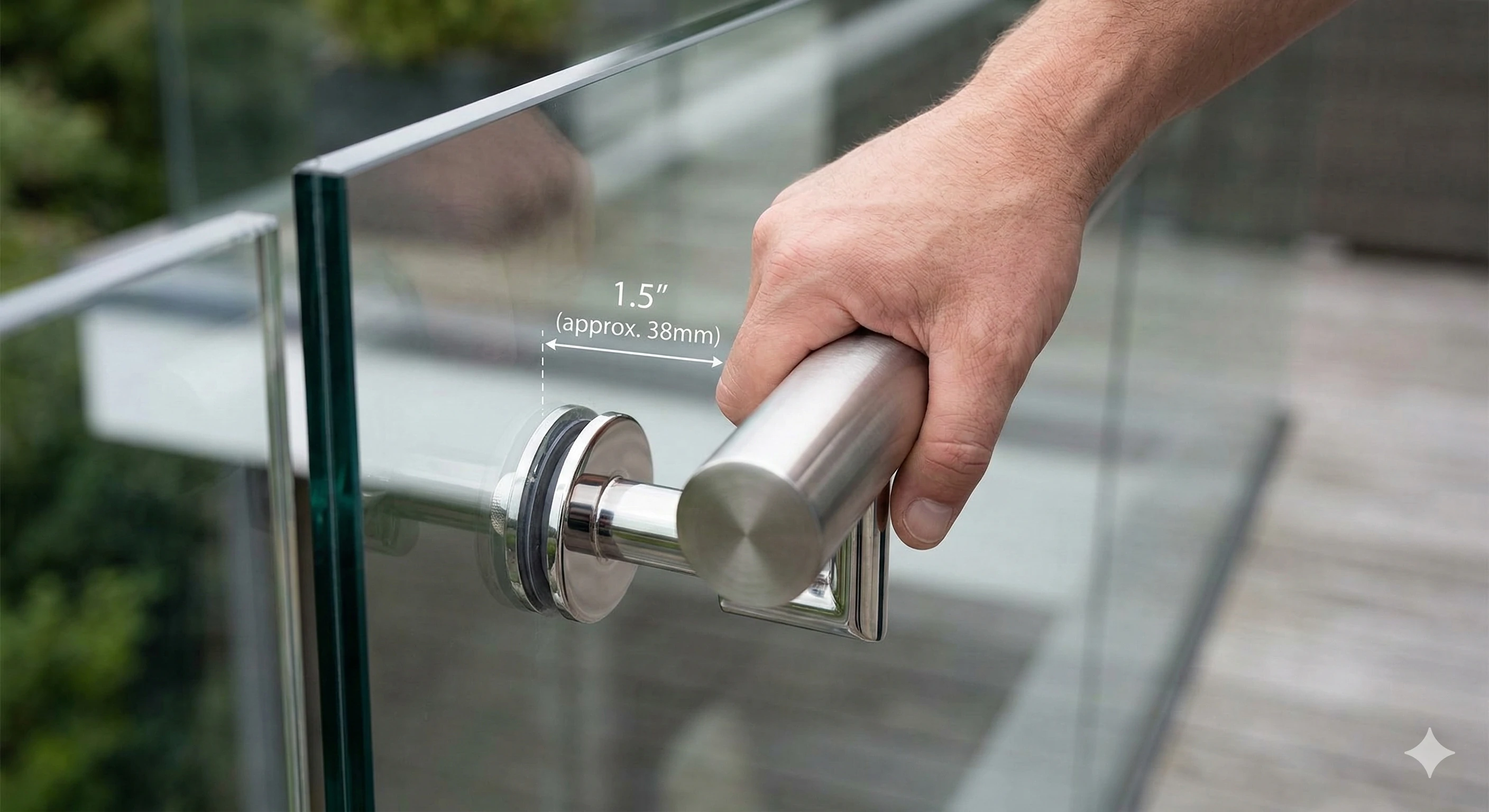
Building codes dictate exact measurements for handrails to ensure maximum ergonomic safety. You must follow these measurements closely to avoid a failed inspection.
Measuring the Correct Height
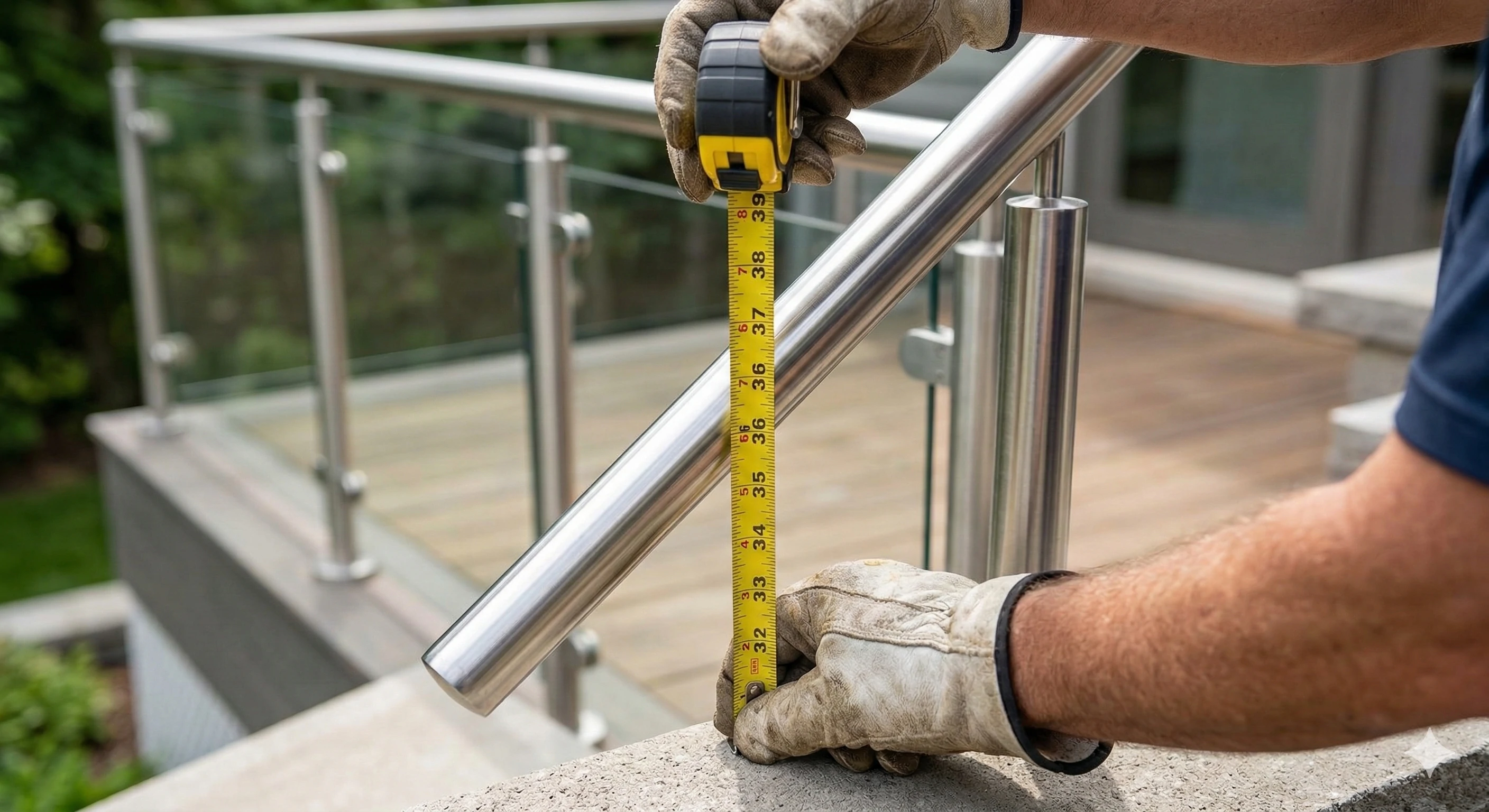
The height of your handrail is critical. The handrail must be installed between 34 inches and 38 inches vertically, measured directly from the slanted nose of the stair treads. This specific height accommodates the average adult's reach during a sudden fall.
Maintaining Continuous Support
Safety relies on unbroken support. The handrail must be continuous. You cannot have breaks in the rail from the top step to the bottom step. This continuous line guarantees that a person never has to let go of the rail while navigating the stairs.
The Graspability Standard (Type I Profile)
Inspectors will closely check the shape of your railing. You cannot use a flat 2x4 or a massive 4x4 post as a handrail. The code requires a circular cross-section (between 1 ¼ to 2 inches in diameter) so human fingers can fully wrap around it.
Required Wall Clearance
You must leave enough room for hands to slide smoothly. There must be a minimum clearance of 1 ½ inches between the handrail and the wall (or glass panel) so your knuckles don't scrape.
| Handrail Specification | IRC Code Requirement |
|---|---|
| Vertical Height | 34 to 38 inches from stair nose |
| Graspable Diameter | 1 ¼ to 2 inches (circular) |
| Wall Clearance Gap | Minimum 1 ½ inches |
| Continuity | Unbroken from top to bottom step |
What is the IRC Guardrail Code and the Sphere Rules?
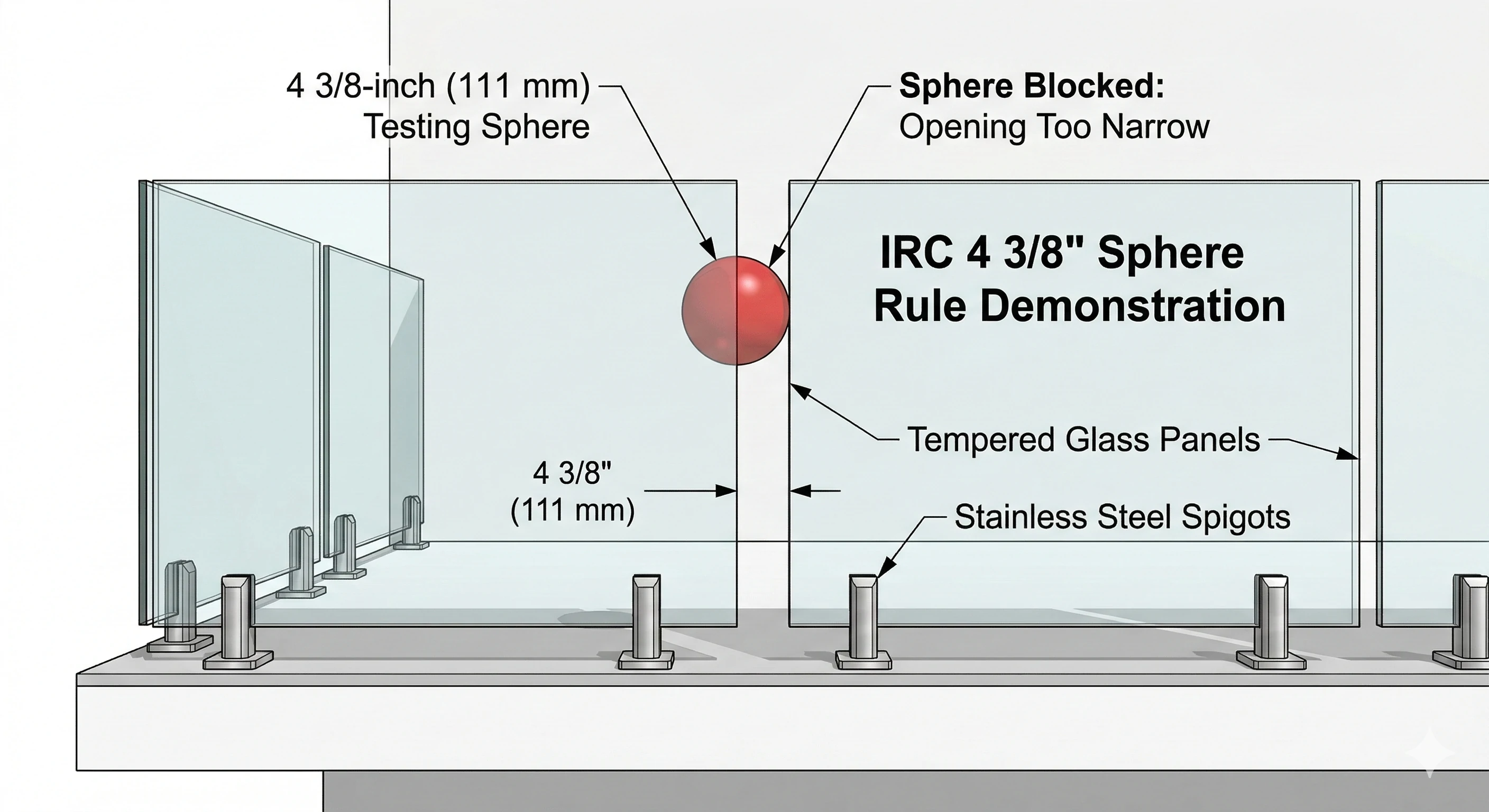
Improper gap spacing is the most common reason stair railings fail municipal inspections. When designing our glass and metal hardware systems, our engineers strictly follow geometric safety rules. We ensure our spigots and posts hold panels at the precise distances needed to protect families and children.
Stair guardrails must stand at least 34 inches high. To protect small children, vertical balusters must be spaced closely enough so a 4 3/8-inch sphere cannot pass through. Additionally, a 6-inch sphere must not pass through the bottom stair triangle.
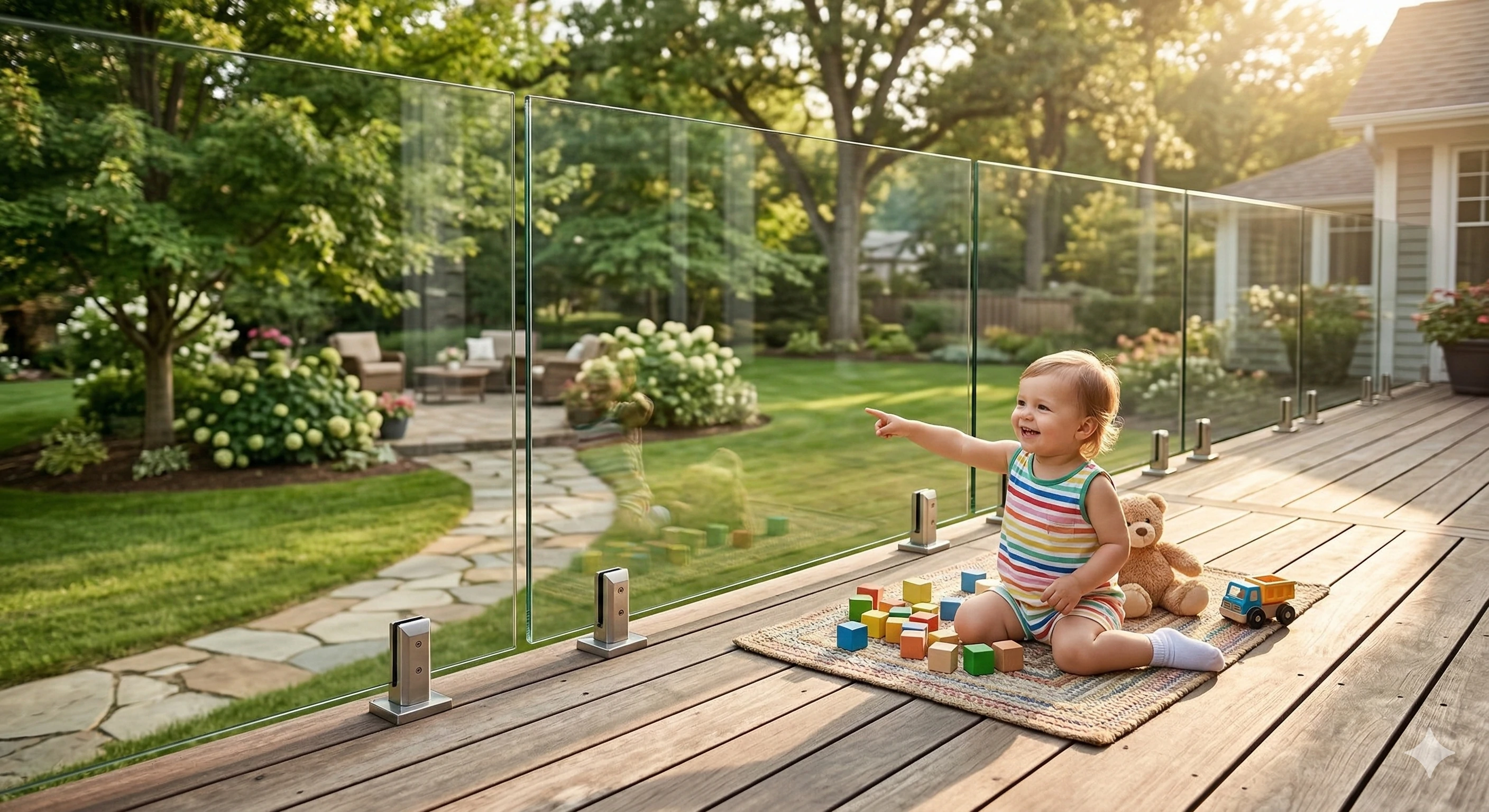
The building code includes specific geometry rules designed specifically to protect small children. We test all our hardware spacing configurations to guarantee compliance with these rigid safety standards.
The Minimum Guardrail Height
Before calculating gaps, you must establish the correct height. Stair guardrails must be at least 34 inches high (measured from the stair nosing). This height creates a sufficient vertical barrier against accidental falls over the edge of the deck.
Understanding the 4 3/8-Inch Sphere Rule
Gap spacing is a frequent point of inspection failure. The (spindles) or cables must be close enough together that a 4 3/8-inch sphere cannot pass through. This prevents a child's head from getting stuck. We always advise contractors to measure these gaps precisely before finalizing their installation.
The 6-Inch Triangle Rule at the Base
Inspectors also check the bottom of your stair system. At the bottom of the stairs, where the tread, the riser, and the bottom rail of the guardrail meet, they form a triangle. A 6-inch sphere cannot pass through this open triangle.
| Safety Rule | Maximum Allowed Gap | Purpose |
|---|---|---|
| Baluster Spacing | Less than 4 3/8 inches | Prevents a child's head from getting trapped |
| Bottom Triangle | Less than 6 inches | Prevents slipping through the stair base |
| Guardrail Height | Minimum 34 inches | Prevents falling over the open edge |
How Does the 200-lb Load Test Work and Why Does Hardware Matter?
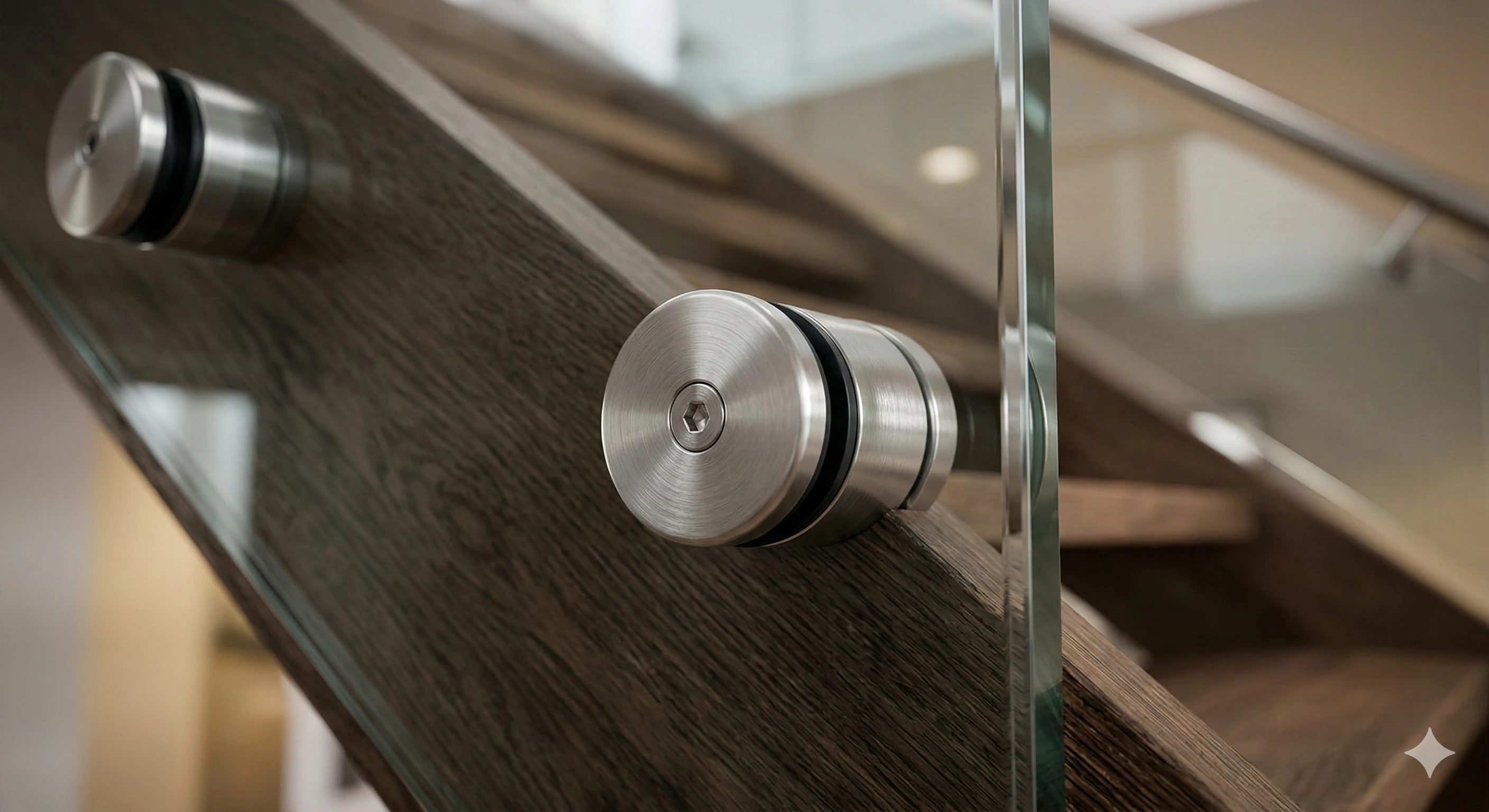
A railing system is completely useless if it collapses during an emergency. We frequently replace cheap, broken brackets for clients who learned the hard way that substandard materials cannot handle real-world impact. We focus heavily on manufacturing quality because structural integrity saves lives.
The IRC mandates that all handrails and guardrails must withstand a 200-pound concentrated load applied in any direction. Hollow brackets fail this shock test, making solid investment-cast stainless steel hardware essential to guarantee structural integrity and strict building code compliance.

Material selection dictates the strength and lifespan of your deck stairs. Framing the code as a "law" rather than a "guideline" emphasizes the need for high-quality, professional-grade hardware.
The Mandatory 200-lb Load Test
Building inspectors strictly enforce structural load testing. The IRC mandates that a handrail/guardrail must be able to withstand a 200 lb applied in any direction, without failing. This immense force simulates the shock of a slipping adult violently grabbing the rail.
The Danger of Cheap Hardware
Using the wrong materials will result in a dangerous staircase. Hollow zinc brackets or thin aluminum posts will bend, fatigue, and eventually snap under sudden shock loads (like a slipping adult grabbing the rail). Furthermore, outdoor decks are exposed to rain, snow, and sometimes salt air or pool chemicals. Standard painted steel or zinc brackets will rust and weaken over time.
The Stainless Steel Solution
To guarantee permanent safety, we manufacture Solid Handrail Brackets. We recommend or Duplex 2205. Marine-grade stainless steel ensures the structural integrity of your handrail for decades. When bolted directly into the wooden stair stringer or deck post, they easily exceed the 200-lb code requirement, providing unyielding safety.
How Do Frameless Glass Stair Railings Meet Building Codes?
Modern architectural designs demand clear views, but safety must always remain the priority. On our production floors, we engineer premium architectural products that blend flawless aesthetics with uncompromising strength. We help contractors deliver stunning glass staircases that easily pass the strictest municipal inspections.
Frameless glass stair railings easily meet building codes because the solid glass barrier naturally satisfies the strict 4 3/8-inch sphere rule. To ensure structural safety, the tempered glass panels must be securely mounted using heavy-duty stainless steel standoff pins.
Glass railing systems offer premium aesthetics while fully satisfying strict building codes. Our engineered glass fittings make modernizing your deck safe and straightforward.
The Clear Aesthetic Advantage
Many homeowners dislike traditional stair designs. Traditional wood balusters block your view and look dated. Frameless glass offers a sleek, invisible barrier that elevates the property's value while keeping the deck feeling open and spacious.
Solving the Sphere Rule with Glass
Glass panels simplify code compliance significantly. Using instantly solves the "4 3/8-inch sphere rule" because it is a solid barrier. There are simply no vertical gaps for a child to squeeze through.
Secure Installation Techniques
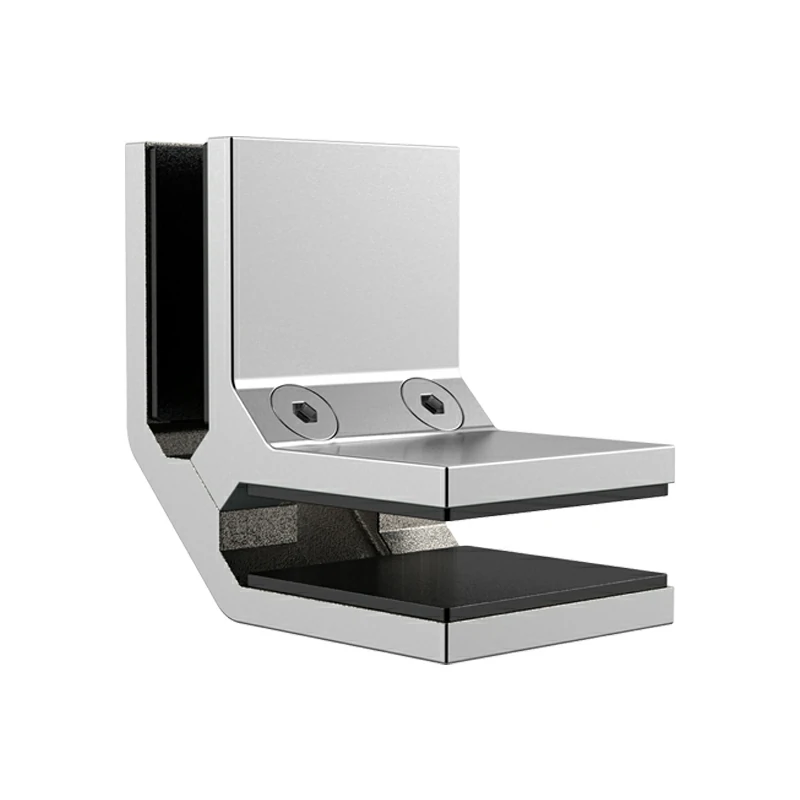
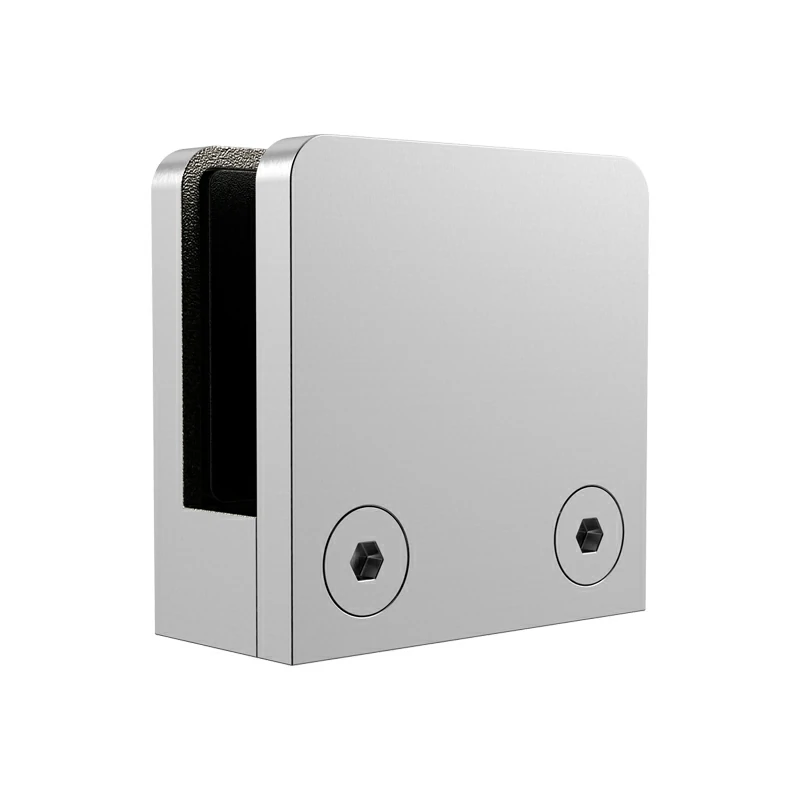
Mounting heavy glass requires precision heavy-duty hardware. To mount glass to stairs safely, we utilize heavy-duty Stainless Steel Standoff Pins (Side-Fixings). These bolt into the side (fascia) of the stairs, maximizing your walking width. We then use Glass-Mounted Handrail Brackets to attach the required graspable metal tube directly to the glass, perfectly blending modern design with IRC compliance.
Frequently Asked Questions Regarding Railings
If you are designing for elderly users ( ), installing handrails on both sides is highly recommended for bilateral support. The IRC requires a handrail on at least one side of the stairs if there are 4 or more steps. If you decide to use cable railing, the cables must be tensioned tightly enough that a child cannot pull them apart to squeeze through. This requires heavy-duty end posts and high-quality stainless steel tensioning hardware.
Conclusion
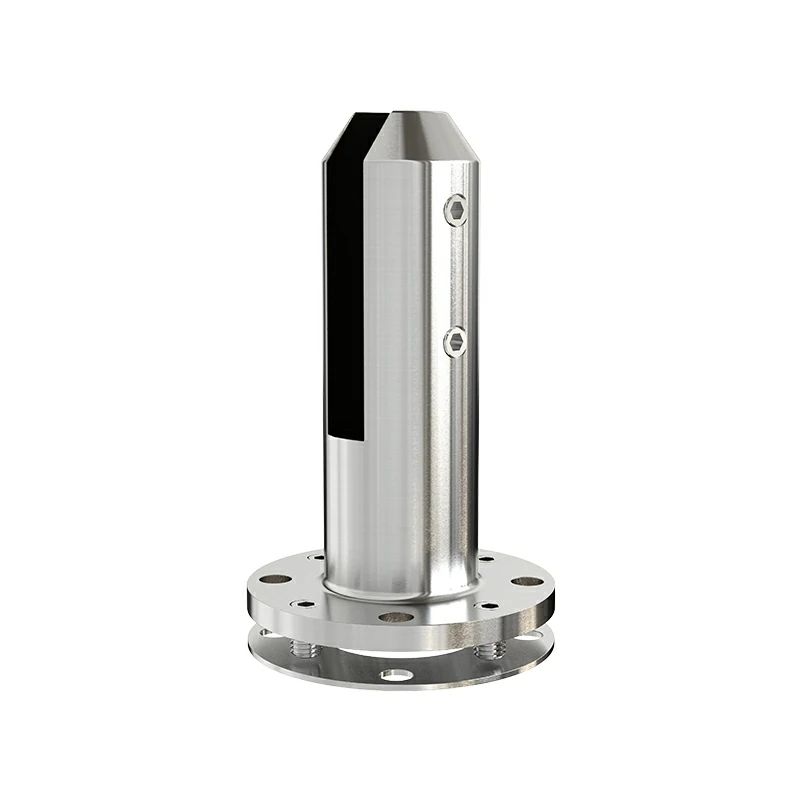
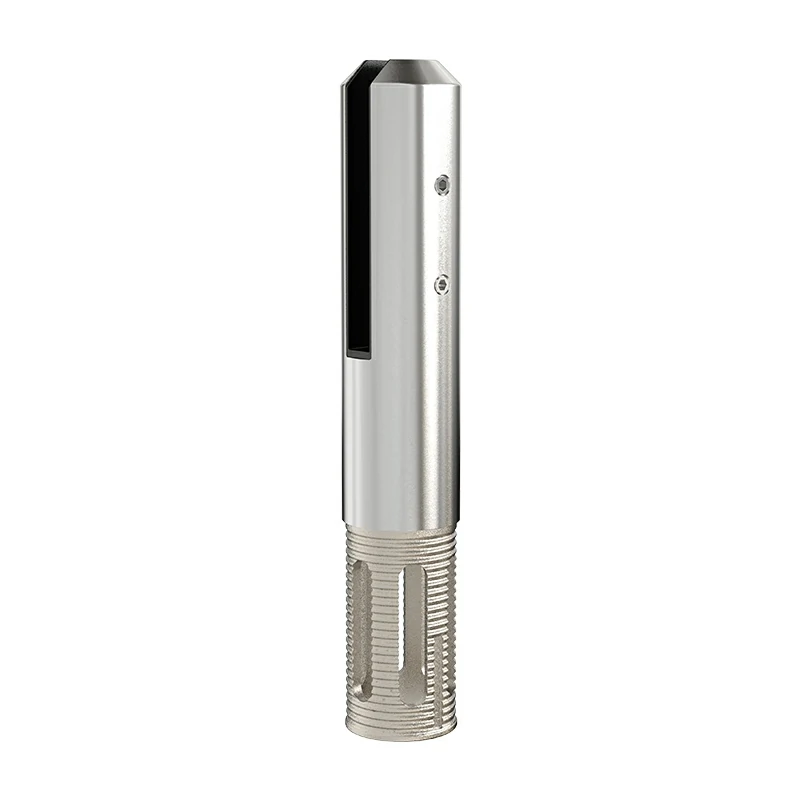
Passing a deck stair inspection comes down to strict geometry (34-38" height, 4 3/8" spacing) and structural integrity. Don't compromise your family's safety or risk a failed inspection with sub-par hardware. We manufacture marine-grade Stainless Steel Handrail Brackets, Standoffs, and Spigots designed to exceed . Browse our architectural hardware catalog to secure your deck.
Footnotes
1. Overview of standard procedures for inspecting deck safety and structural integrity.
2. Official guidelines and standards for residential building codes and construction.
3. Principles of physical design ensuring safety, comfort, and human compatibility.
4. Architectural vertical elements used to support railings and prevent falls.
5. Engineering metric for heavy forces applied to a specific, single point.
6. Manufacturing process ensuring high strength, durability, and precision for metal parts.
7. Highly corrosion-resistant alloy ideal for outdoor hardware and marine environments.
8. Treated glass designed to resist shattering and improve overall structural safety.
9. Strategies for modifying homes to safely accommodate individuals as they age.