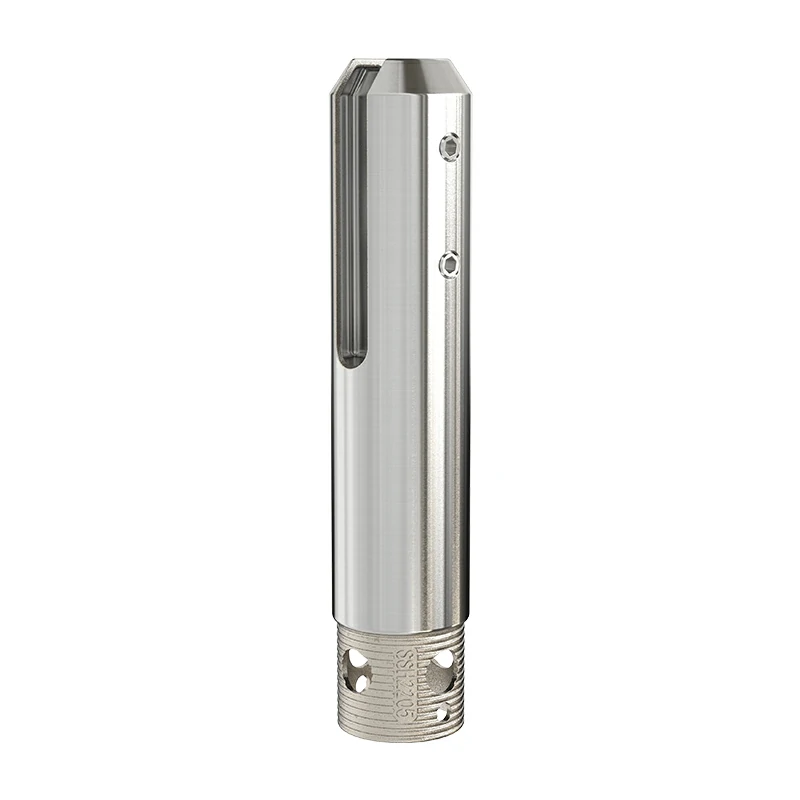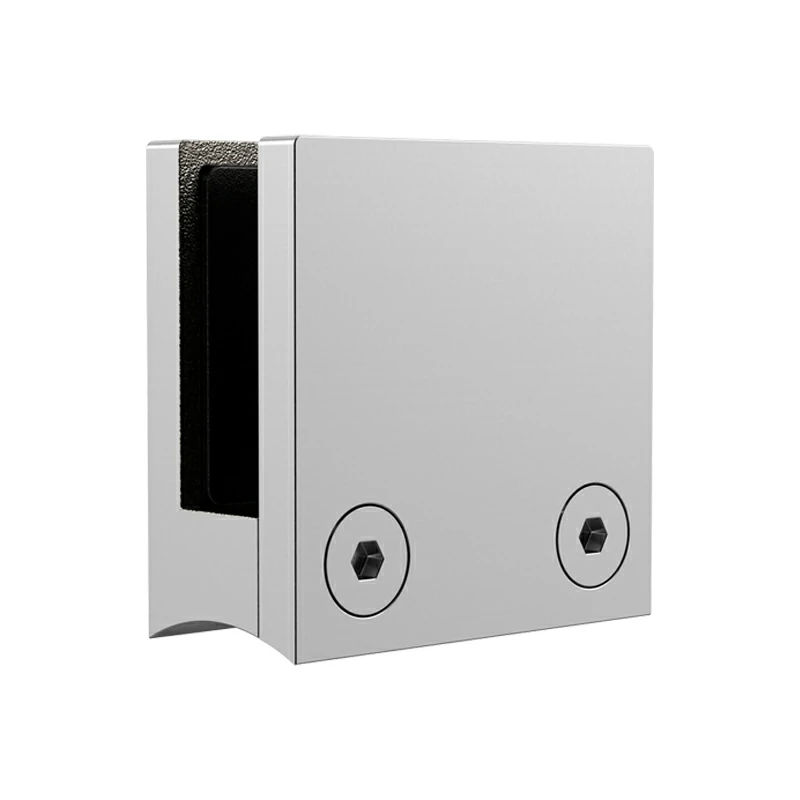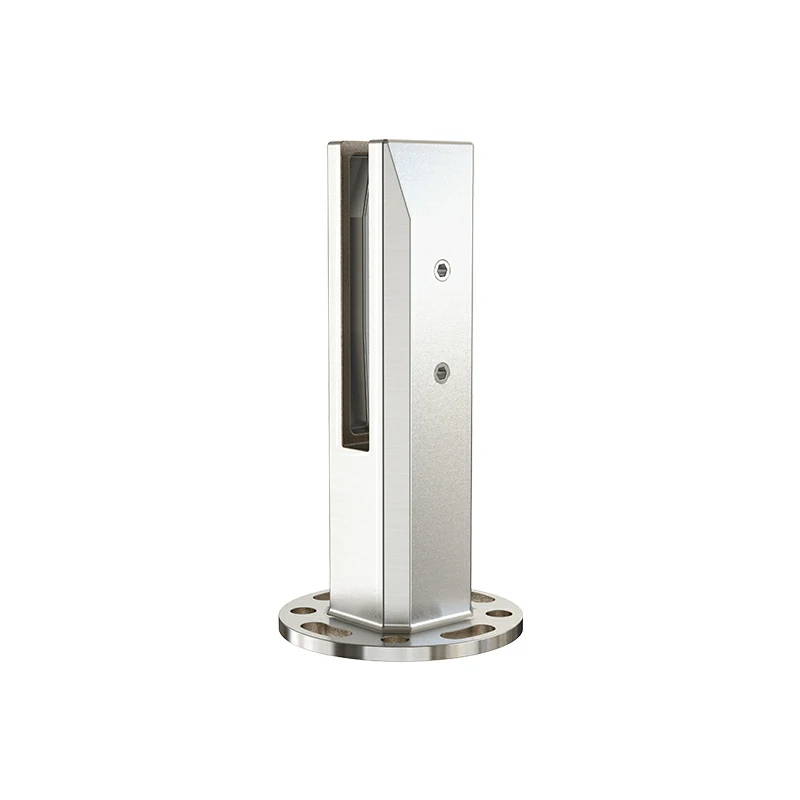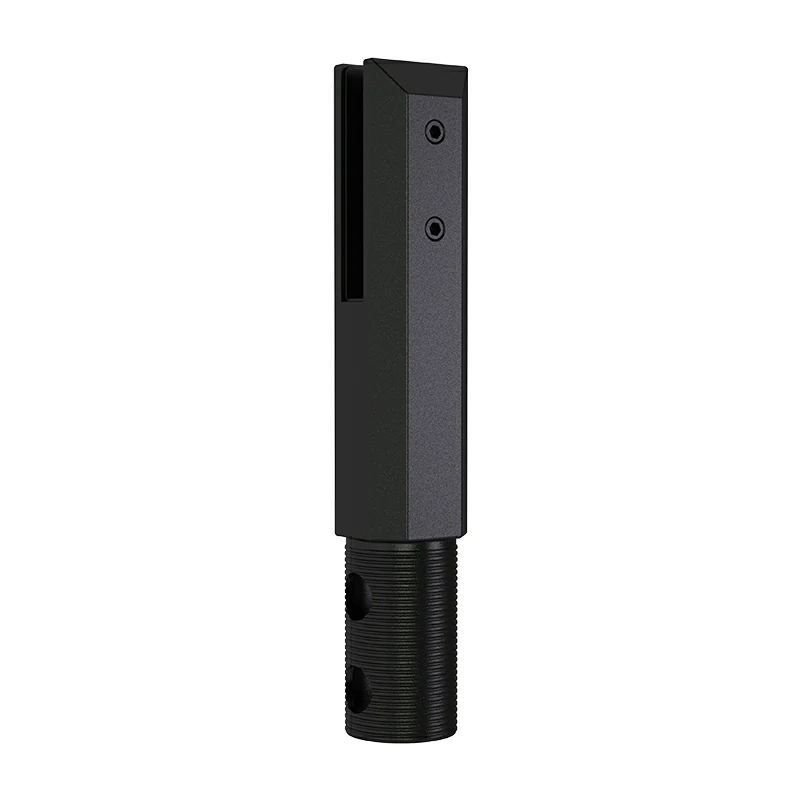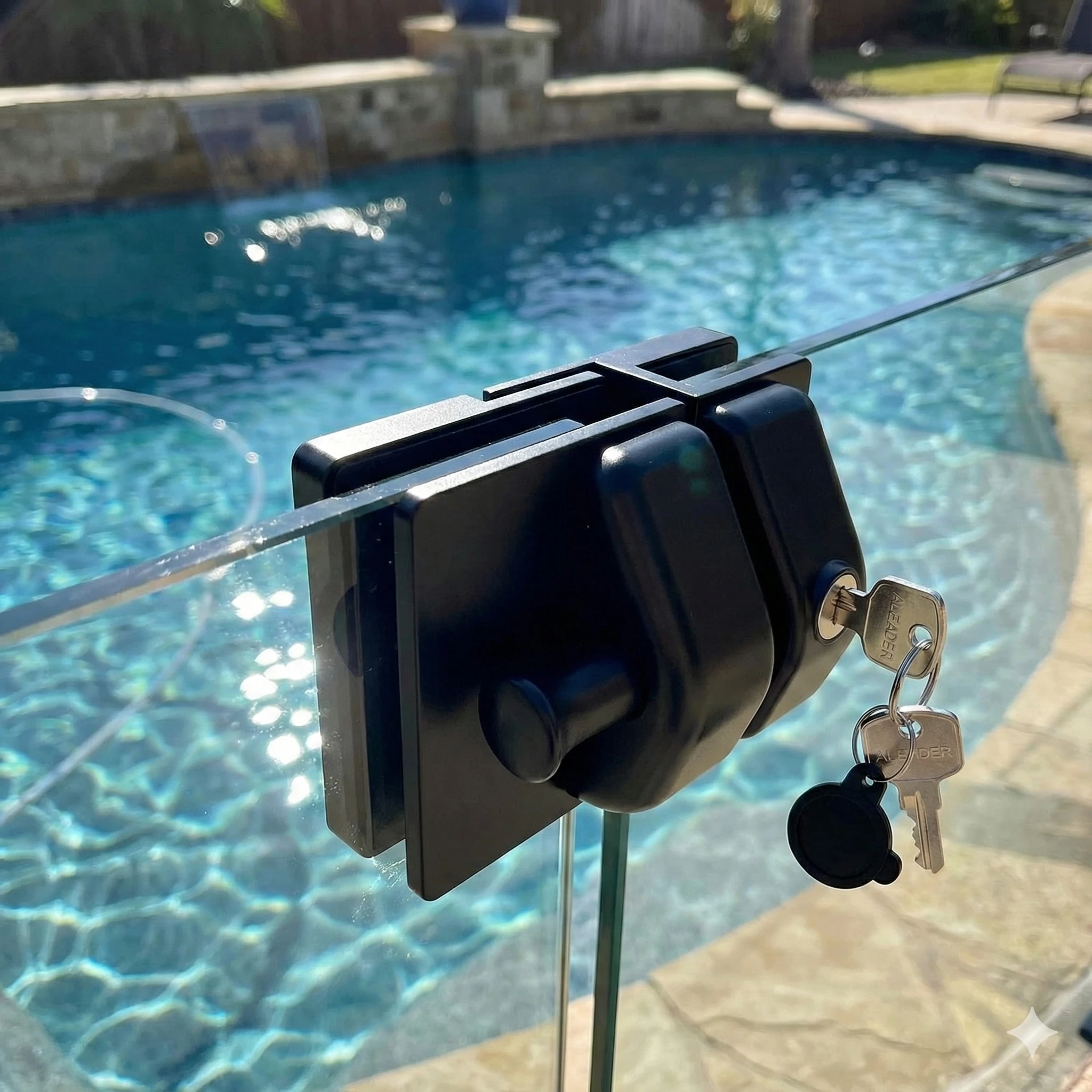
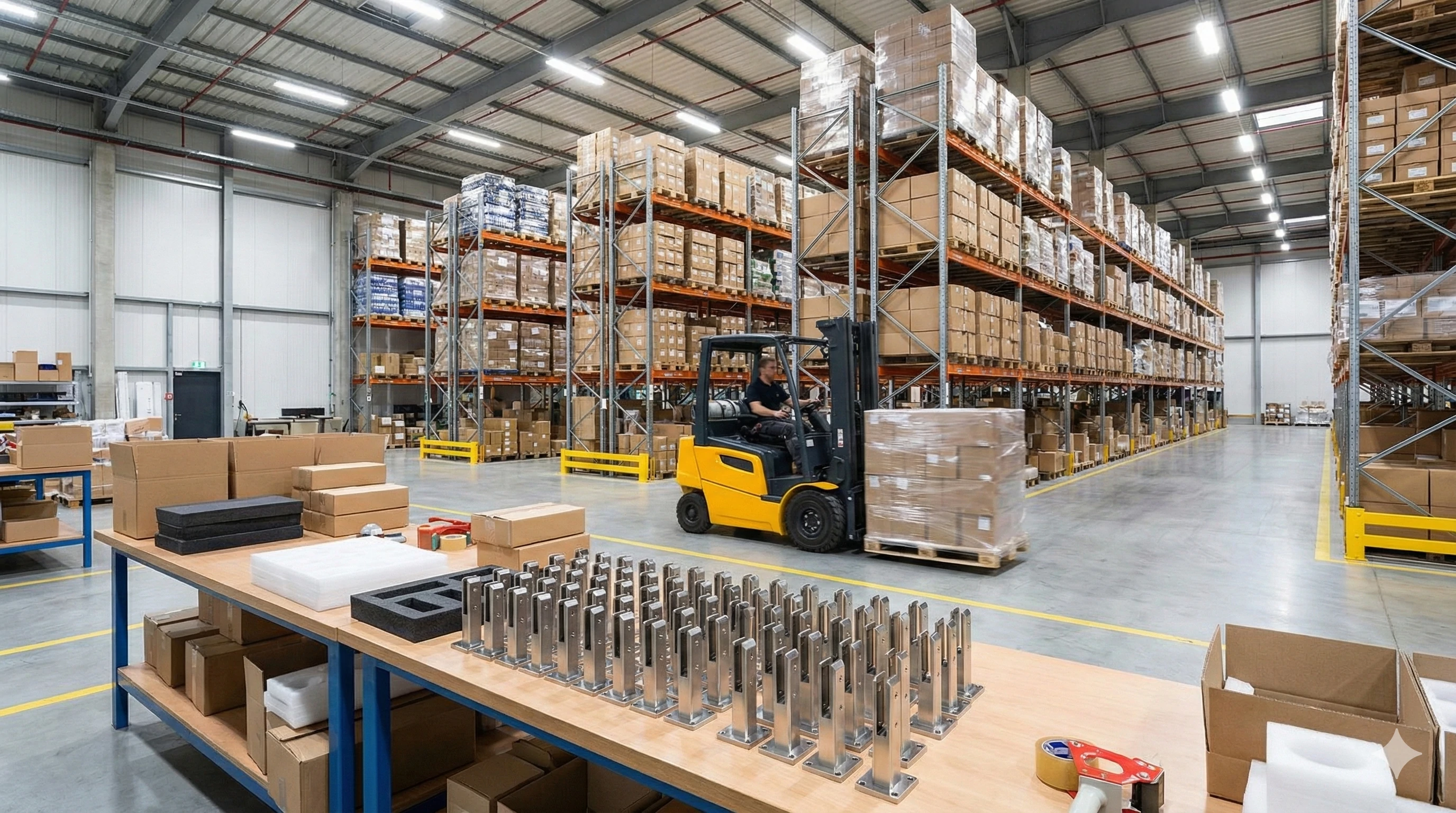
When sourcing glass railing hardware for commercial projects, the importance of selecting the right supplier cannot be overstated. A single shipment of substandard spigots can result in warranty claims, delays in installation, and serious damage to your reputation with contractors and architects. A reliable wholesale glass spigot supplier offers more than just competitive pricing—it can save you time, prevent frustrations, and reduce the risk of liability.
While finding a supplier is easy, with countless factories offering "premium quality" glass hardware, choosing a true manufacturing partner is a different matter. A good partner ensures product consistency, stands behind their work, and treats your business with the same level of importance as their own.
This guide outlines five key factors that experienced importers and distributors consider when choosing a glass hardware supplier. Whether you are sourcing glass spigots from China or evaluating domestic suppliers, these factors will help you secure consistent quality, on time, every time.
1.Material Verification & Transparency
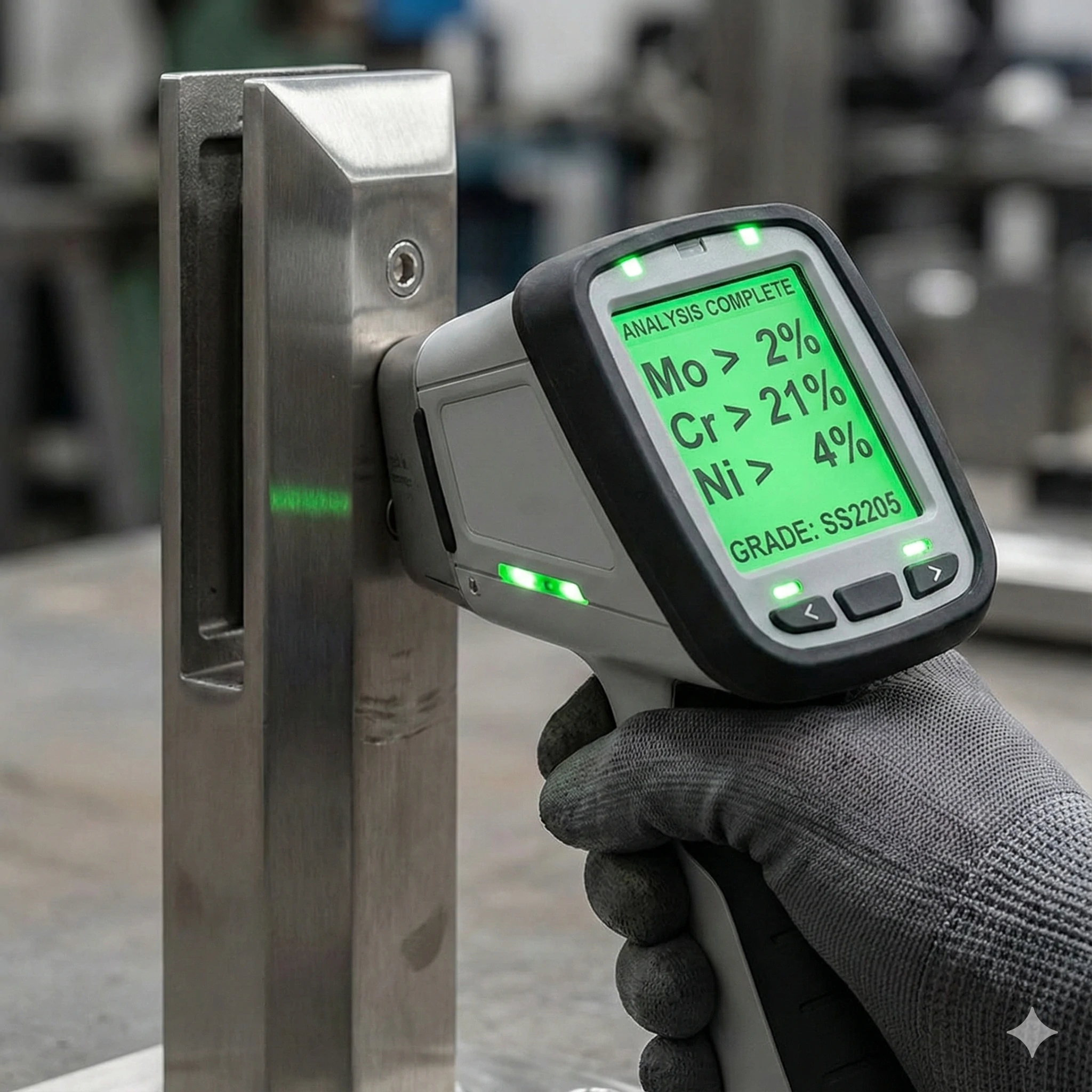
The stainless steel industry has a hidden issue: not all "316 stainless steel" is of the same quality. Some manufacturers use lower-grade alloys with reduced nickel or molybdenum content, compromising corrosion resistance. For glass railing hardware exposed to coastal or high-humidity environments, this can result in rust within months.
A reputable manufacturer should provide verifiable proof of material composition for every production batch. This transparency is essential for ensuring quality assurance in metal fabrication.
What to request from suppliers:
Material Test Reports (MTR) or Mill Test Certificates that document the exact chemical composition of the stainless steel used.
Spectrometer PMI (Positive Material Identification) results performed on finished products, confirming that the material composition matches the certification.
Key questions to ask:
Does the factory maintain an in-house testing laboratory, or do they outsource testing to third parties?
Can they provide raw material certificates before shipment, not just after issues arise?
Material verification may seem tedious, but it’s far better than discovering that your entire inventory is corroding after installation.
2.Consistency in Production & Surface Finish Quality
In architectural glass railing systems, aesthetics matter just as much as structural integrity. A spigot with inconsistent polishing or uneven coating can spoil the appearance of an otherwise elegant installation.
To achieve consistent production, manufacturers must have standardized processes, skilled workers, and robust quality control at every production stage.
Key considerations:
Mirror Polish Evaluation: Examine sample units under direct lighting. The surface should reflect evenly and without distortion. Any imperfections in the finish can be visible after installation and are difficult to correct.
Coating Durability: Understand the type of coating used for matte black or other colored finishes. Electrophoretic coating (e-coating) offers superior adhesion compared to powder coating, which may chip or peel under stress.
Batch Consistency: Request samples from different production batches to ensure uniformity in color, finish, and dimensional accuracy.
Ask for evidence of their batch tracking system. Reliable suppliers can trace each unit back to its production date, raw material lot, and inspection records.
3. Manufacturing Capabilities & Customization Options

Customization is a hallmark of true manufacturers. Assess whether your supplier has the capability to customize products to suit specific project requirements.
Custom branding:
Logo Laser Marking: Suppliers who offer custom logos demonstrate technical expertise. Laser marking is a durable method that resists fading or peeling, even in harsh conditions.
Custom dimensions and specifications:
Some commercial projects require modifications, such as taller spigots or different base plate configurations. Can your supplier accommodate these adjustments? Genuine manufacturers control their production tooling, while resellers depend on other manufacturers for these changes.
When assessing manufacturing capabilities, inquire about the supplier’s equipment and engineering team. Suppliers who are confident in their abilities will openly share this information.
4. Packaging & Logistics
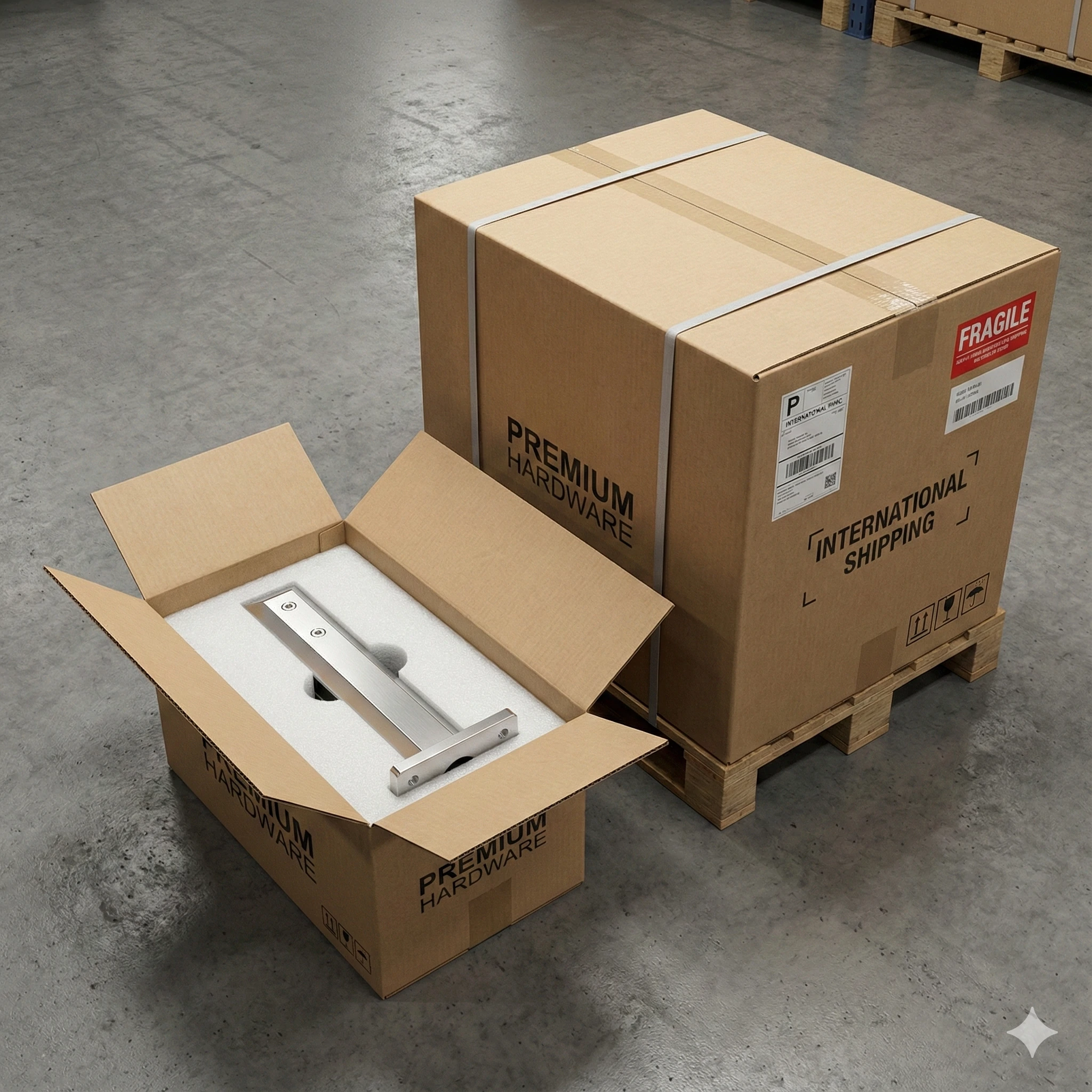
Glass spigots are fragile and heavy. Poor packaging can cause surface damage or thread issues during transit, which may render the product unusable.
Good packaging practices:
Protect each unit individually using bubble wrap or foam.
Use sturdy, compartmentalized boxes that cushion each spigot to prevent damage.
Reinforce master cartons to withstand the weight of the shipment.
For large orders, use wooden pallets or crates to avoid compression damage.
Logistics and DDP (Delivered Duty Paid) service:
Some suppliers offer DDP service, handling shipping, customs clearance, and import duties for you. While DDP is often more expensive than FOB (Free On Board), it offers convenience and minimizes risk for you.
5. Communication & After-Sales Support
One of the biggest challenges in international sourcing is dealing with suppliers who disappear after the order is placed. A supplier’s communication during the inquiry phase can provide valuable insights into their future reliability.
Key points to evaluate:
Response times during the inquiry phase: A slow response during negotiations likely indicates poor communication once you become a customer.
Availability during your business hours: Does the supplier have English-speaking staff available during your working hours, or do they rely on translation software?
After-sales support and warranty policies:
Understand their warranty terms and replacement procedures. Clarify issues such as defect thresholds and return shipping responsibilities.
Building long-term relationships:
The best suppliers are seen as strategic partners. Invest time in understanding their operations and build a relationship based on mutual respect.
Making the Decision: Total Landed Cost vs. Unit Price
When comparing suppliers, it’s tempting to focus solely on price. However, the Total Landed Cost (TLC) is a more accurate reflection of profitability. This includes shipping, customs, packaging, quality control, and more.
A supplier with a lower unit price but frequent quality issues may cost more in the long run, even if they appear cheaper upfront.
By keeping these factors in mind, you'll be better equipped to choose a glass railing hardware supplier that offers both quality and reliability, ensuring a successful project from start to finish.
Frequently Asked Questions
What is the standard MOQ (Minimum Order Quantity) for wholesale spigots?
Minimum order quantities typically range from 50 to 100 units depending on the model and any customization requirements. Standard catalog items often have lower MOQs, while custom dimensions, finishes, or logo marking may require higher minimums to justify tooling setup and production line changeover costs. Established suppliers may offer flexibility on MOQs for first-time buyers testing product quality before committing to larger volumes.
How can I verify the stainless steel grade of the spigots?
Request a Mill Test Certificate (MTC) from the raw material supplier documenting the exact chemical composition, particularly nickel and molybdenum percentages that define 316-grade stainless steel. For additional verification, use a portable X-ray fluorescence (XRF) spectrometer to test finished products non-destructively. Many quality control companies offer on-site testing services if you don't own testing equipment. Legitimate manufacturers welcome verification testing because it confirms their quality claims.
Do you offer custom packaging for my brand?
Most established factories offer white-labeling and custom packaging design for bulk orders. This typically includes printed boxes with your branding, custom foam inserts, and product documentation featuring your company information. Some suppliers require minimum order quantities for custom packaging due to printing setup costs, while others include it as a standard service for wholesale accounts. Discuss packaging customization early in negotiations to understand options, costs, and lead time impacts.