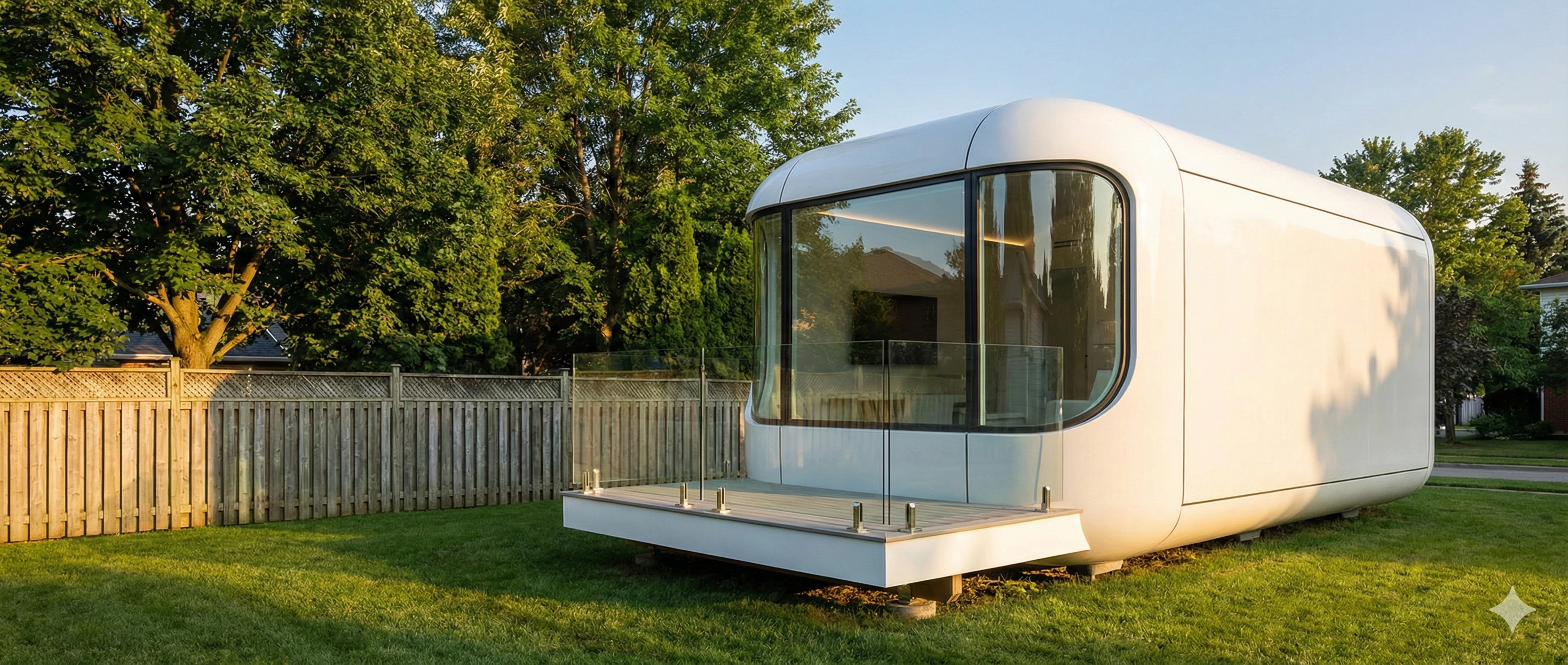
At our factory, we have noticed a massive surge in orders for hardware destined for "space age" housing units. While these futuristic pods look like they belong on Mars, our US clients often face a very earthly problem: local regulations. We frequently see excitement turn to frustration when a beautifully designed unit arrives at a port but cannot legally be placed on a residential lot. Through our work supplying hinge systems and safety glass fittings for these structures, we have learned that the difference between a legal home and an illegal lawn ornament often comes down to specific zoning classifications and code-compliant components.
Yes, capsule homes can be legal in the US, but they must strictly fall into one of three specific legal categories: Recreational Vehicles (RVs), Accessory Dwelling Units (ADUs), or state-certified Modular Construction. Each category has distinct zoning laws, foundation requirements, and safety hardware standards that you must verify before installation.

Navigating these rules is complex, but understanding the distinctions early prevents costly mistakes. Below, we break down exactly how to classify these units and the hardware changes often needed to pass inspection.
Classification 1: The "RV" Route (The Easiest Path)?
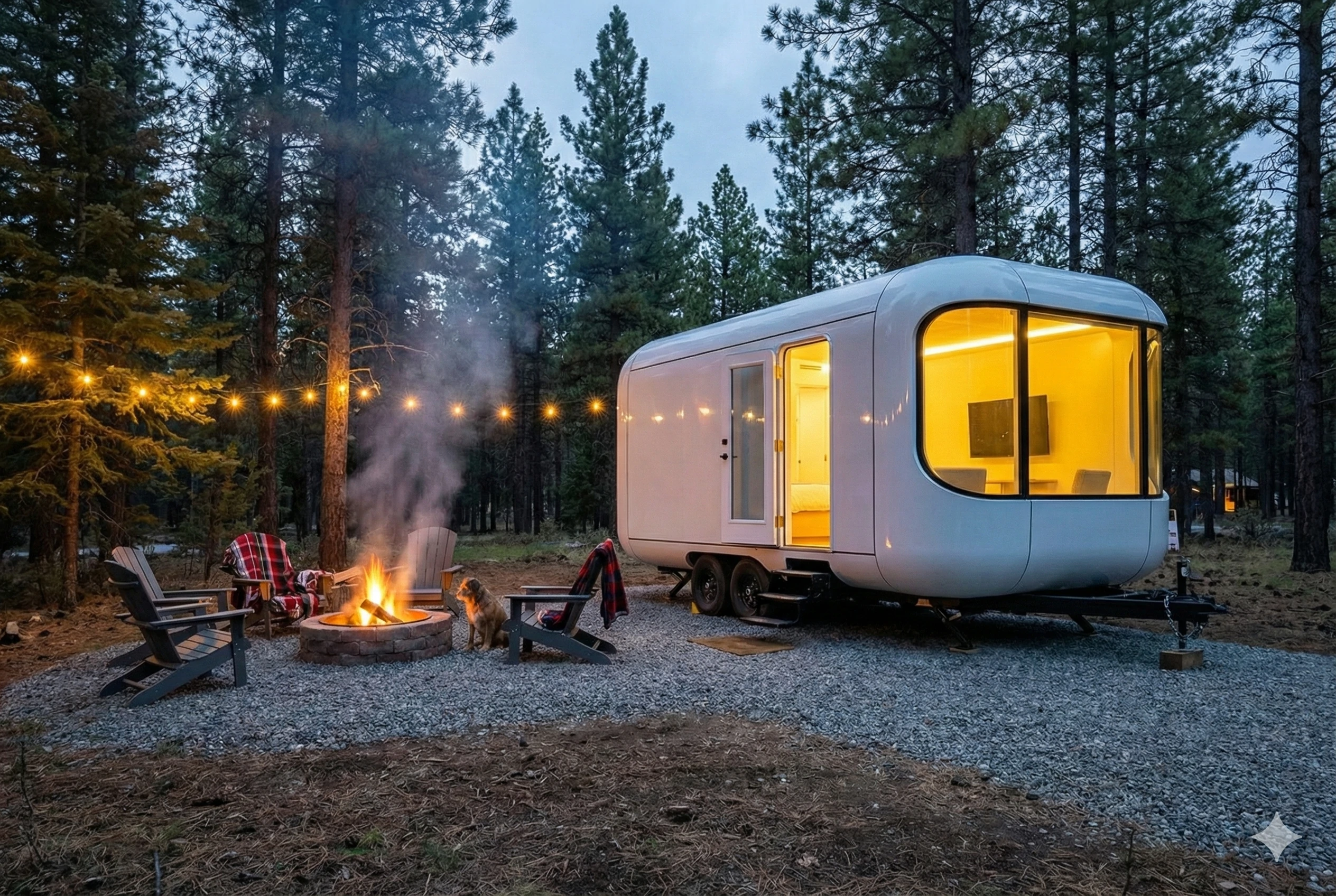
When we design locking mechanisms for mobile units, we often prioritize vibration resistance because we know these structures are constantly on the move. Many of the capsule homes currently flooding the market are built on a chassis with wheels. From our perspective supplying components to the glamping industry, this is the most straightforward path to legality because it bypasses many of the strict building codes required for permanent housing. However, it significantly limits where the unit can actually stay.
If a capsule home is built on a permanent chassis with wheels and has a Vehicle Identification Number (VIN), it is legally classified as a Recreational Vehicle (RV). These units are generally legal in designated RV parks and glamping resorts but are typically prohibited for permanent full-time residency on private residential land.
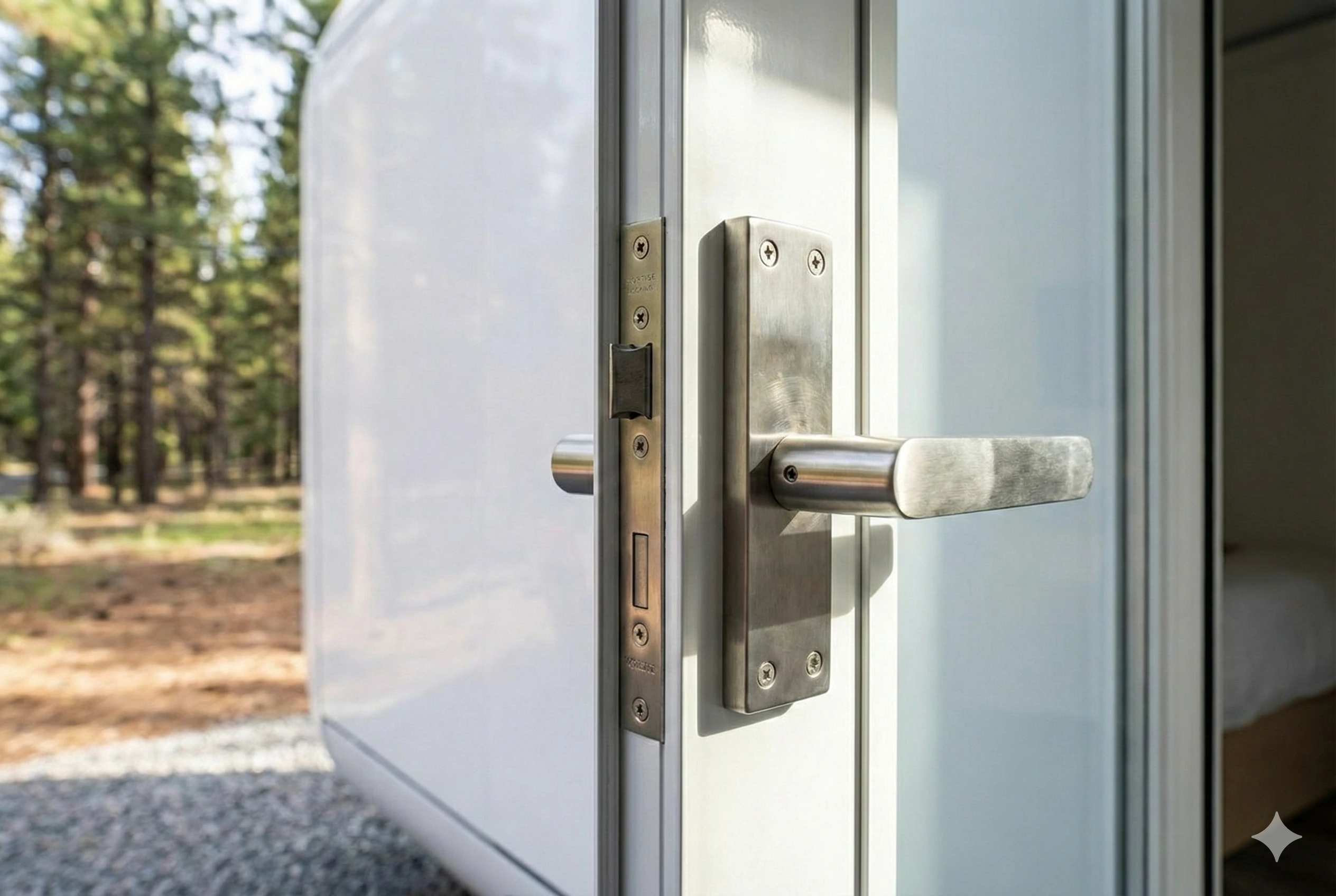
To understand why the RV route is popular yet restrictive, we need to look at the standards. We often advise clients that just because a unit has wheels, it doesn't mean it's road-legal in the US.
The ANSI A119.5 Standard
For a capsule to be legally rented out or parked in a legitimate RV park, it usually needs to meet the for Park Model RVs. This standard covers fire safety, plumbing, and electrical systems. Unlike a house, which is inspected by a local city official, an RV is certified at the factory level.
Where Can You Park It?
The biggest misconception we see is landowners thinking they can park an RV capsule in their backyard and rent it out on Airbnb. In most US cities, this is a code violation.
-
RV Parks: Legal. You pay a lot fee.
-
Glamping Resorts: Legal. These businesses have commercial zoning permits.
-
Private Land: Often illegal for stays longer than 30 days.
The Trade-off: Mobility vs. Value
Choosing the RV classification affects your investment. Since the unit is not permanently attached to the ground, it is considered personal property (like a car), not real estate. It will depreciate over time.
| Feature | RV Classification | Permanent Home Classification |
|---|---|---|
| Foundation | Wheels / Chassis | Concrete Slab / Pier |
| Zoning | RV Parks / Commercial | Residential Zones |
| Asset Type | Personal Property (Depreciates) | Real Estate (Appreciates) |
| Building Code | ANSI A119.5 | IBC / IRC |
| Permit Difficulty | Low | High |
Classification 2: The "ADU" Route (The Permanent Path)?
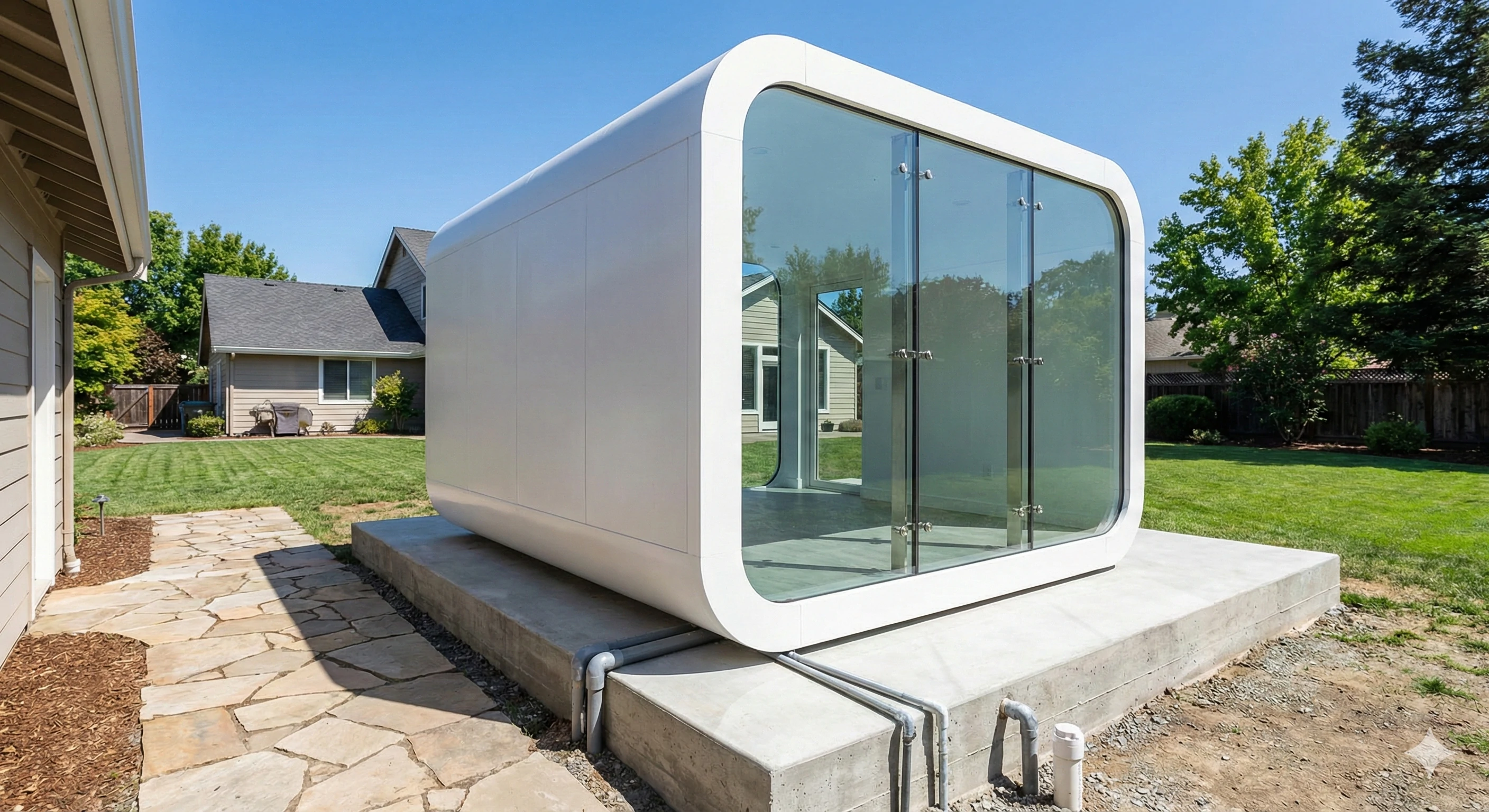
Our engineering team works closely with developers who are shifting away from temporary setups toward permanent installations. We have seen a significant increase in demand for heavy-duty structural fittings specifically for . This shift is driven by changes in legislation, particularly in states like California and Texas, which are actively encouraging homeowners to build secondary units in their backyards.
An Accessory Dwelling Unit (ADU) is a secondary permanent structure on a residential lot that must be connected to city utilities and anchored to a foundation. Unlike RVs, ADUs are fully legal for full-time living and renting, provided they meet the local International Residential Code (IRC) and zoning setbacks.
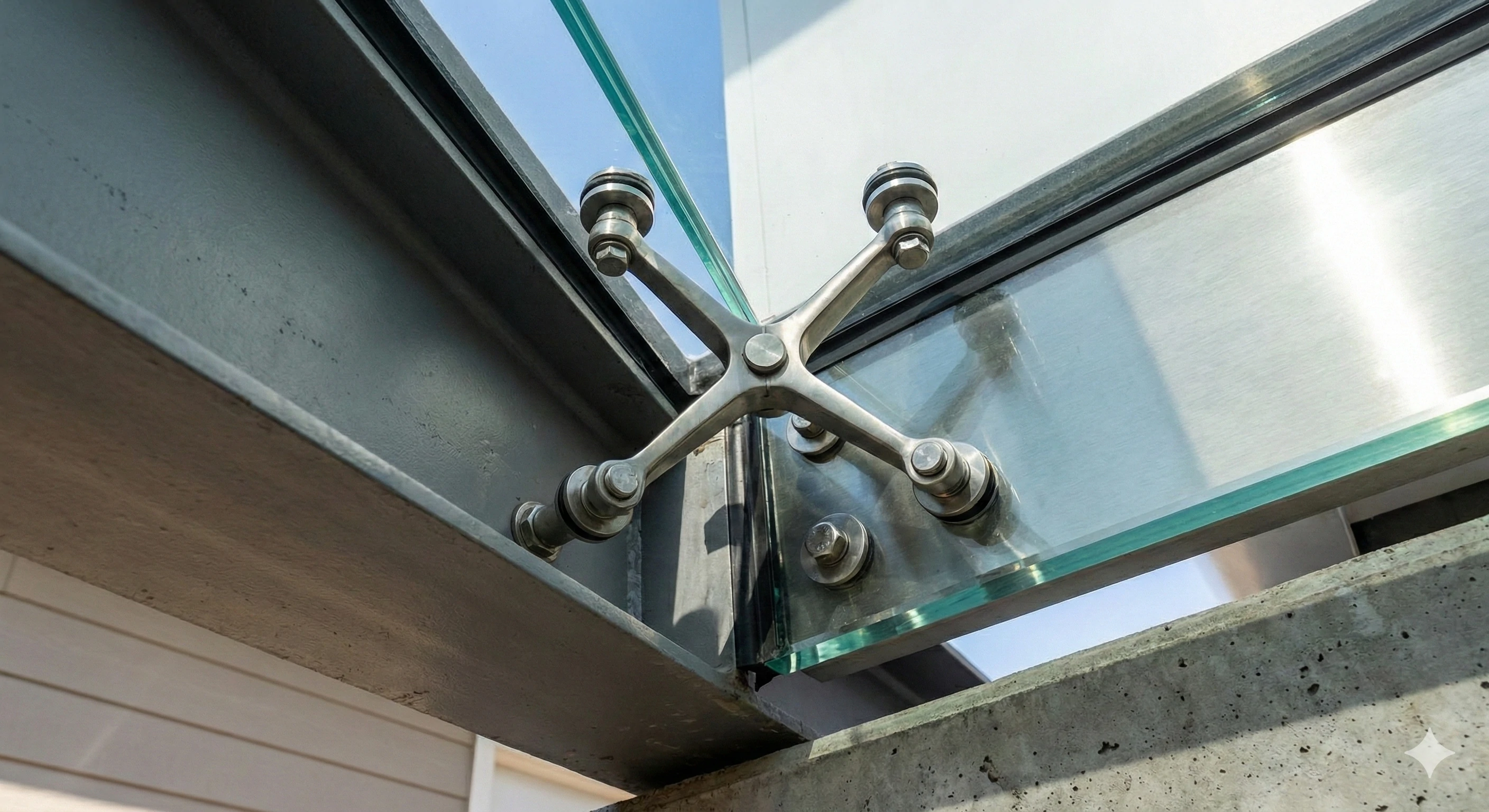
If you want your capsule home to increase your property value, the ADU route is the only viable option. However, this is where most imported units fail because the standards are much higher than for temporary structures.
The Foundation Requirement
To be an ADU, the wheels must come off. The unit must be anchored to a permanent foundation. This often requires our clients to retrofit the chassis or remove it entirely to bolt the frame to a concrete slab. This change triggers the need for "real" building permits.
Utility Connections
You cannot use a garden hose for water or an extension cord for power. ADUs must have:
-
Hardwired electrical connections tied to a main panel.
-
Permanent sewer lines connected to the city system or septic tank.
-
Insulation values (R-value) that meet local energy codes.
The "Granny Flat" Advantage
Despite the difficulty, this is the most profitable route. An ADU adds square footage to your home appraisal. We supply high-end glass hardware for these units because developers know that an ADU is not just a pod; it is a luxury extension of the main house.
Common Zoning Setbacks
Even if the unit is perfect, you must check your local zoning map.
-
Setbacks: The unit usually must be 5 to 10 feet away from the property line.
-
Height: There are often height limits (usually under 16-25 feet).
-
Coverage: You generally cannot cover more than 40-50% of your backyard.
Classification 3: Modular/Prefab Certification?
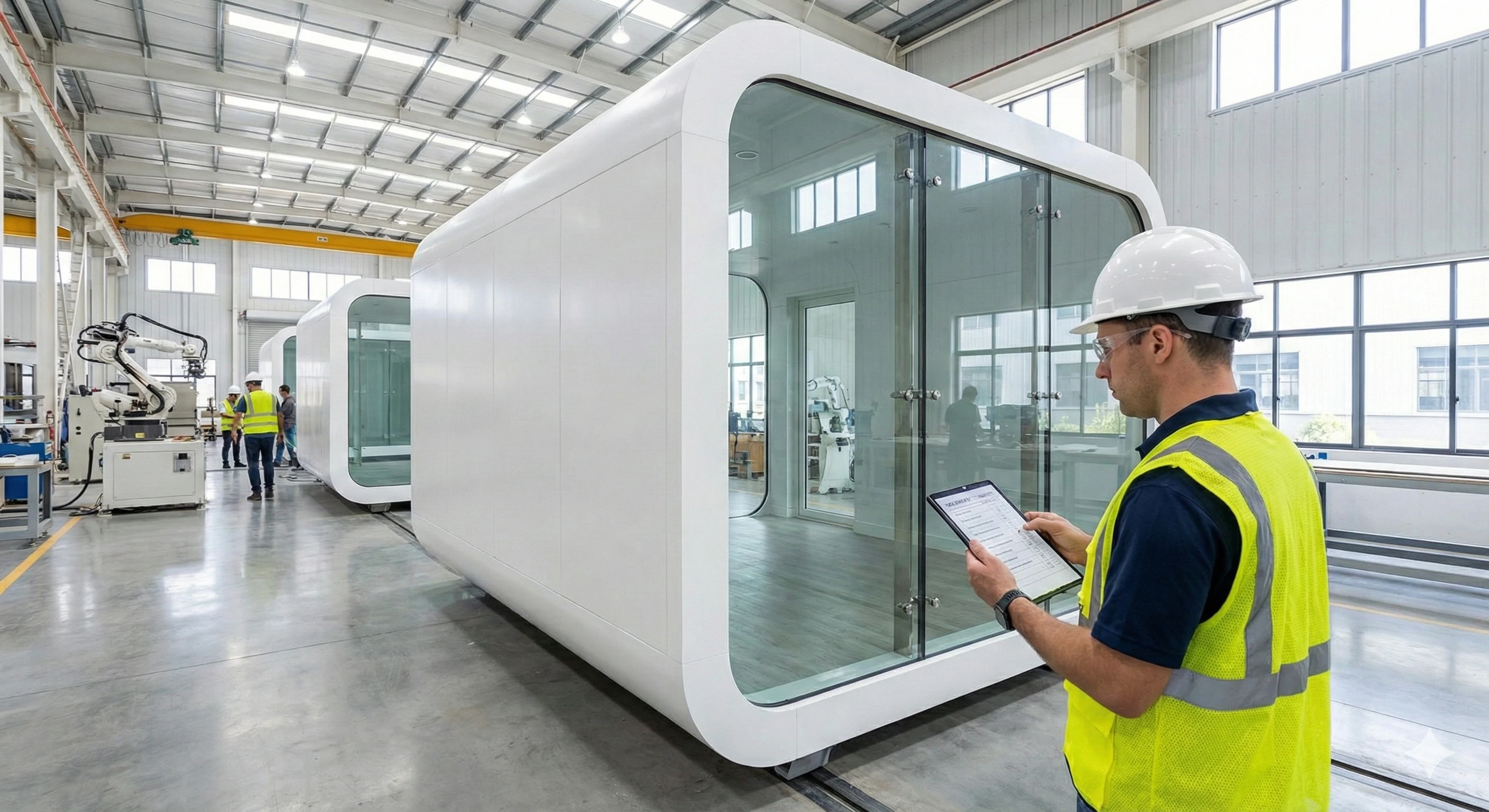
We regularly communicate with state inspectors regarding the specifications of hardware used in factory-built housing. When a home is built in a factory (whether in China or the US) and transported to the site in sections, it falls under the Modular Housing category. This is distinct from manufactured homes (mobile homes) and requires a rigorous paper trail that starts long before the unit reaches the construction site.
Modular homes must carry a specific State Modular Seal or HUD certification proving that the factory itself is certified to build to US standards. Without this badge, a local building inspector cannot approve the structure, even if the construction quality appears to be perfect.
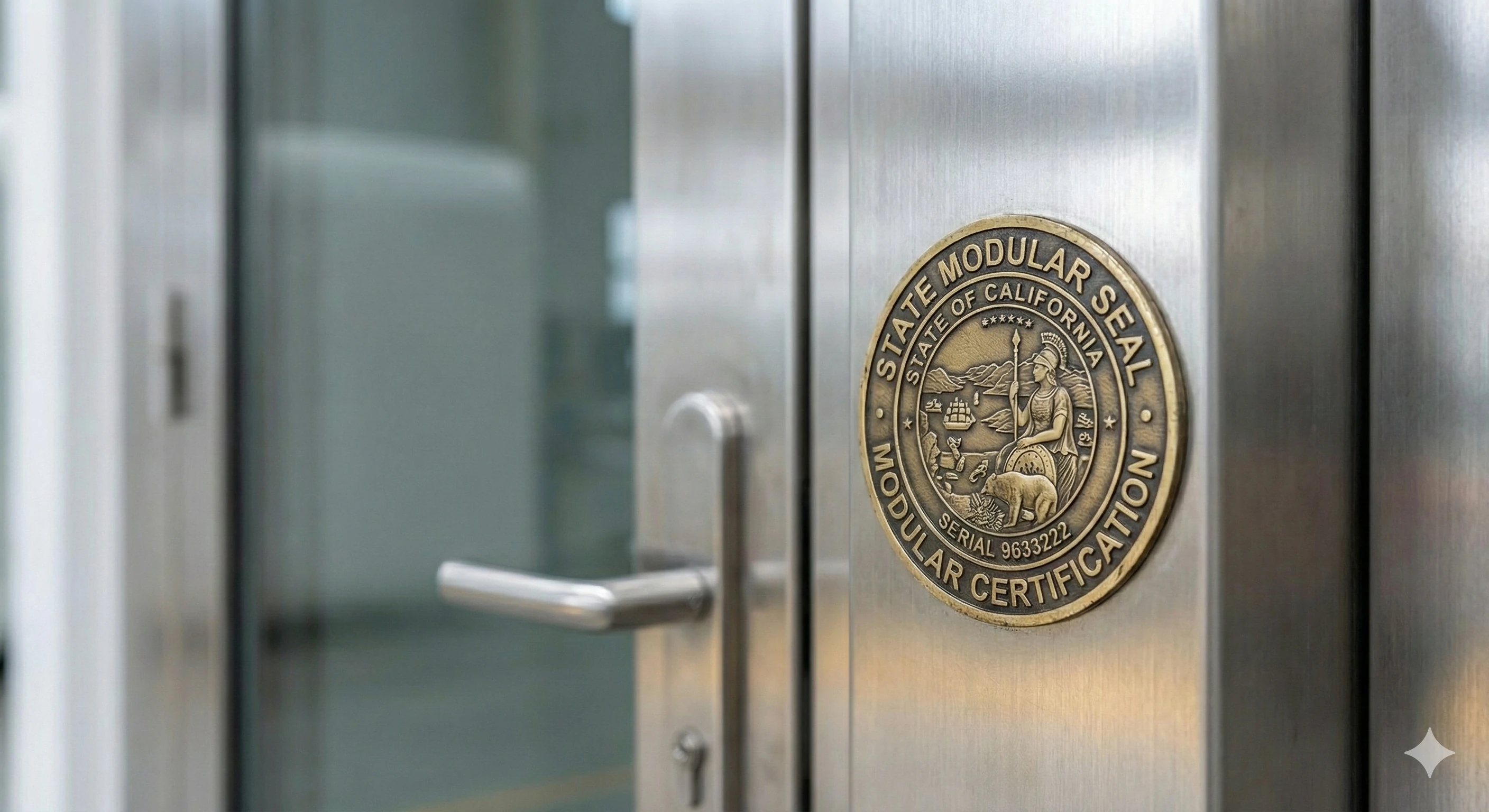
This is the most difficult hurdle for individual buyers importing single units.
The "Hidden" Inspection Problem
In a traditional build, the inspector visits the site to check the wiring before the drywall goes up. In a capsule home, the walls are already closed when it arrives. A local inspector cannot see the wiring, plumbing, or insulation. If there is no state certification sticker, they will likely fail the inspection.
Third-Party Agencies
To get around this, manufacturers must hire (TPIA). These agencies visit the factory to certify the process.
-
HUD Code: For manufactured homes (mostly strictly domestic US standards).
-
State Modular Programs: Each state has its own program. A unit built for California might not be legal in Florida due to hurricane wind load requirements.
The Engineer's Letter
Sometimes, we help clients by providing technical drawings of our glass railings and door systems. A local US engineer can review these specs and "stamp" the plans, certifying that the components meet safety loads. This "Engineer's Letter" is sometimes the only way to get a non-certified imported unit approved by a local city planner.
State-Specific Challenges
-
California: strict wildfire and earthquake codes.
-
Florida: extreme wind load requirements (hurricane impact windows).
-
Northeast: heavy snow load requirements for roofs.
Why Imported Capsule Homes Often Fail US Inspection?
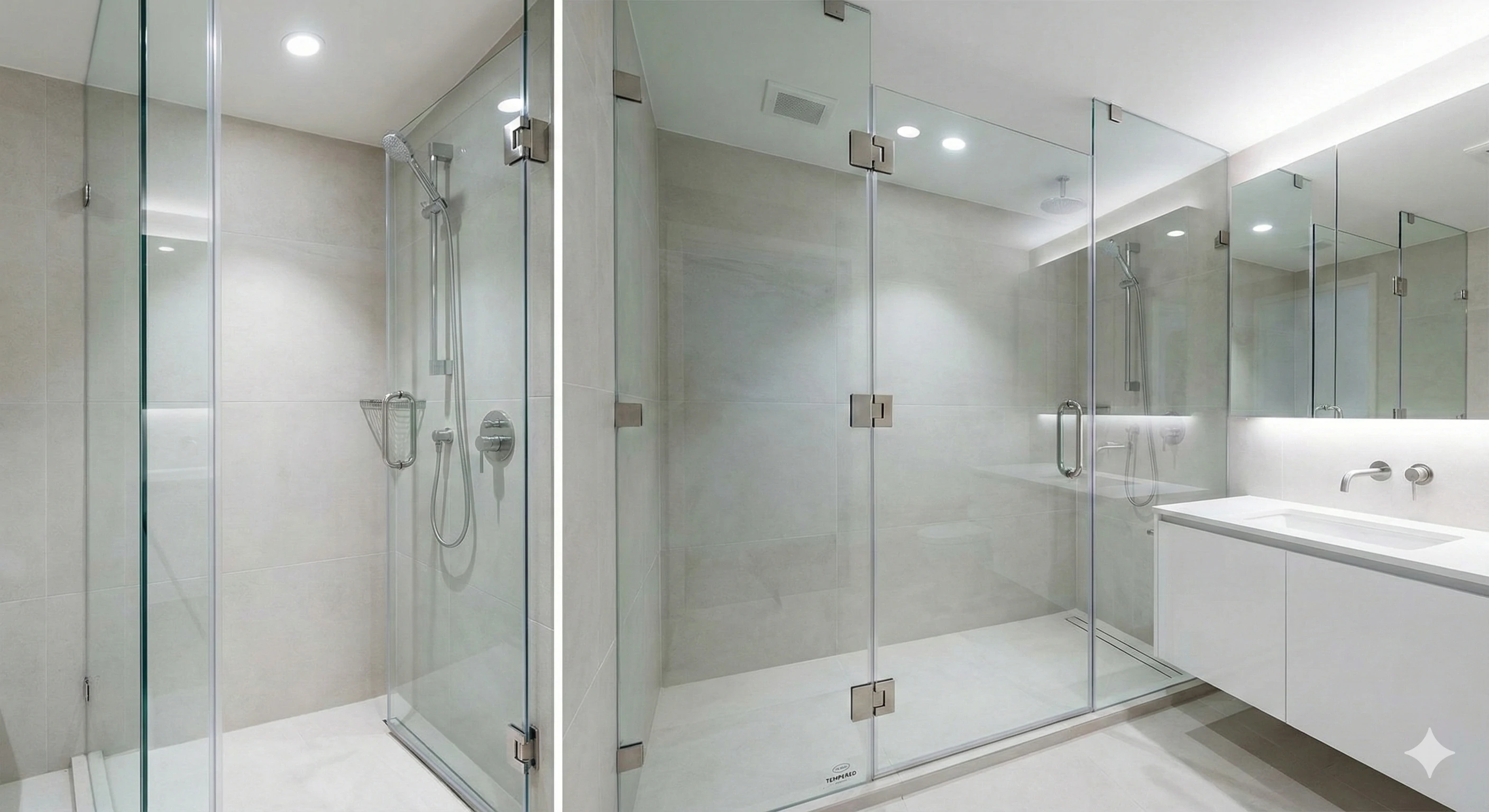
In our quality control lab, we test various components against global standards, and we see a stark contrast between general export quality and strict US code requirements. We often see capsule homes that are aesthetically stunning but structurally non-compliant. The issue is rarely the steel frame itself, but rather the specific "finish hardware" that interacts with human safety—specifically glass, locks, and exits.
Imported capsule homes frequently fail US inspections due to non-compliant safety glass, doors that do not meet egress (emergency exit) size requirements, and electrical systems that lack UL certification. These failures often require expensive on-site retrofitting to replace standard hardware with code-compliant alternatives.
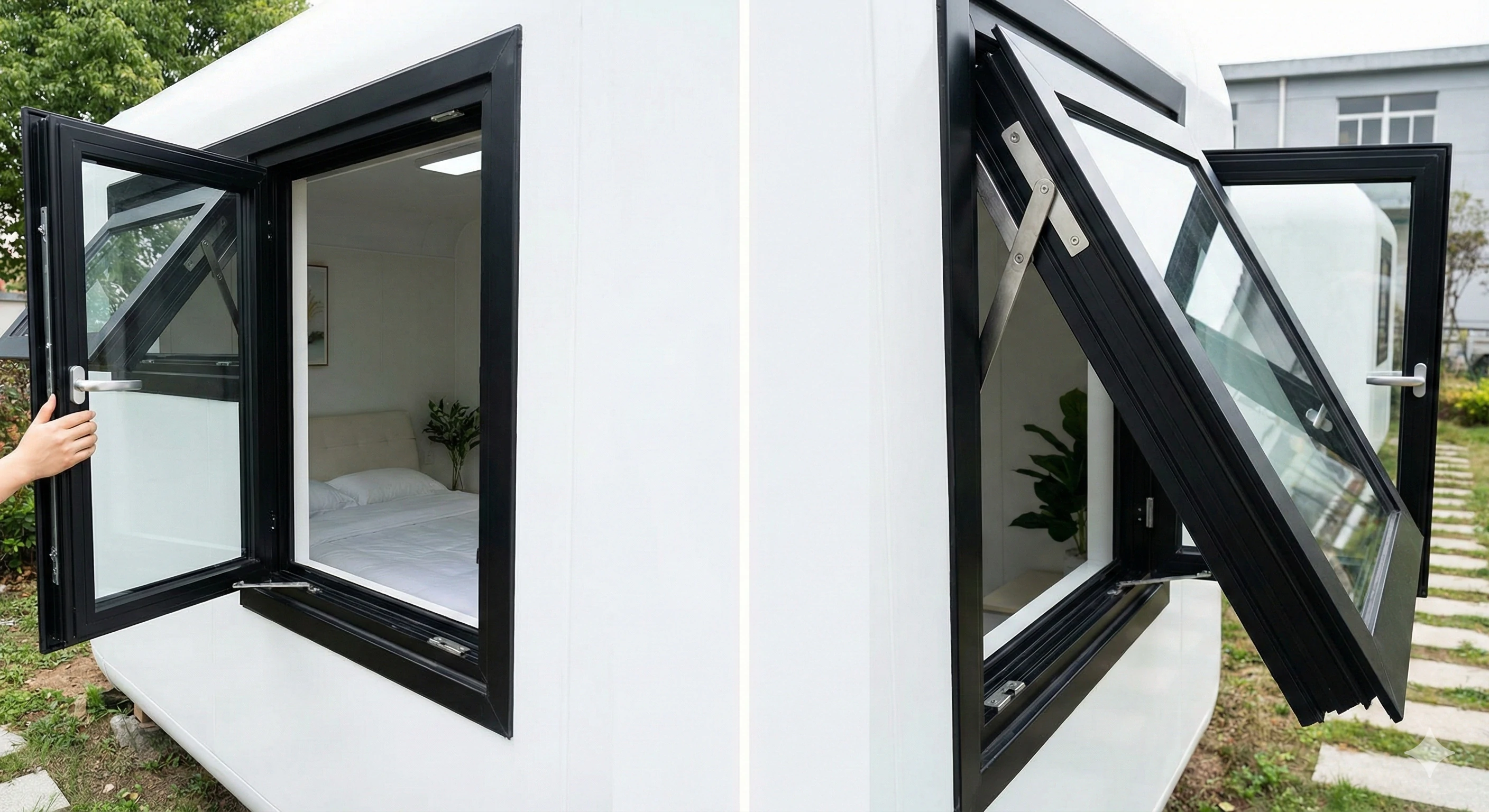
The "Allwin" Hardware Connection is something we see often. Many capsules use generic hardware that works fine for a garden shed but fails residential occupancy codes.
1. The Glass Safety Issue
US building code is non-negotiable regarding glass in bathrooms and large windows.
-
The Rule: Any glass within a shower enclosure or within 18 inches of the floor must be .
-
The Failure: Many imported units use standard float glass. If this breaks, it creates dangerous shards. US inspectors look for the "Tempered" bug (etching) in the corner of the glass. If it's not there, you have to replace the entire window.
2. Egress Windows (Emergency Exit)
This is a critical safety feature.
-
The Rule: Every bedroom must have a window that opens wide enough for a firefighter to enter or a person to escape.
-
The Dimensions: Usually a minimum of 5.7 square feet of clear opening.
-
The Failure: Many capsule designs use fixed glass or small porthole windows that don't open. This is an immediate fail for residential use.
3. Door Hardware and Fire Ratings
Front doors need to be secure, but they also need to be safe.
-
Deadbolts: Must not require a key to exit from the inside (fire safety).
-
Wind Load: Exterior doors must be rated to withstand local wind speeds.
| Component | Standard Import Spec | US Code Requirement | Result of Non-Compliance |
|---|---|---|---|
| Shower Glass | 6mm Float Glass | 10mm Tempered Safety Glass | Immediate Inspection Fail |
| Bedroom Window | Fixed / Small Slider | Egress Hinge (5.7 sq ft opening) | unsafe Living Condition |
| Door Lock | Keyed both sides | Thumb-turn interior | Fire Hazard / Illegal |
Critical Hardware Upgrades for Compliance?
Our production lines are currently optimized to manufacture and SS316 stainless steel components that specifically meet US durability and safety standards. If you are a developer or an importer bringing in these shells, relying on the stock hardware provided by the original shell manufacturer is a significant risk. We strongly recommend upgrading specific hardware points before the unit ever reaches the job site to ensure it passes the inevitable inspection.
To ensure compliance, developers must upgrade to ANSI-certified glass fittings, install heavy-duty egress hinges on bedroom windows, and replace standard door locks with Grade 2 or Grade 3 residential mortise locks. Using industrial-grade stainless steel components also prevents rust and mechanical failure.
Here is the checklist of upgrades we supply to our partners who are successfully permitting these units.
Bathroom Hardware Upgrades
The bathroom is a high-moisture environment. Cheap zinc alloy fittings will corrode within a year.
-
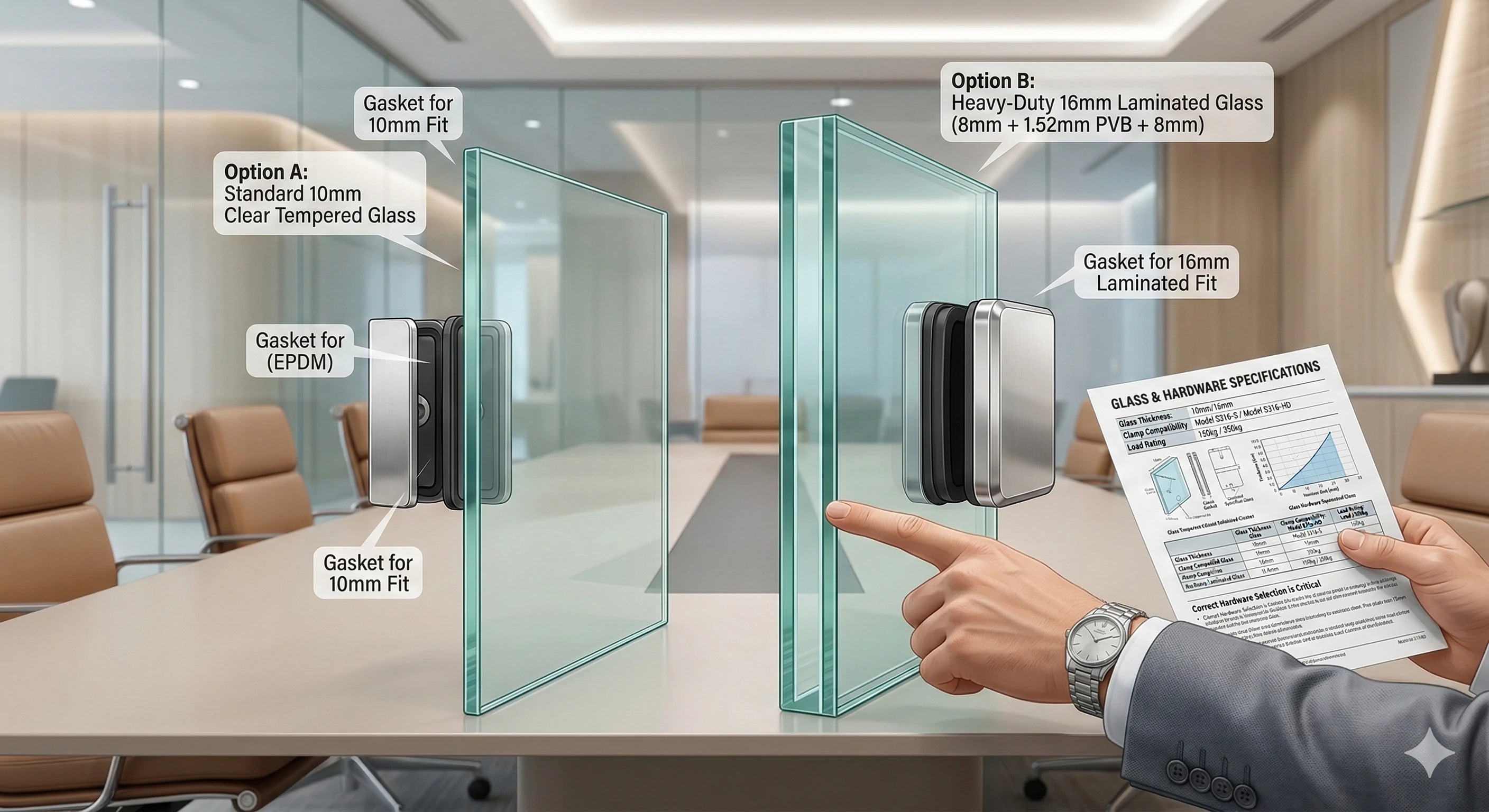
Shower Hinges: We recommend swapping to solid Stainless Steel 304 hinges. They can support the weight of the heavier tempered safety glass required by code.
-
Sealing Strips: US codes require water-tight seals to prevent mold growth in the framing.
Railing Systems (Roof Decks)
Many capsule homes feature cool roof decks. This is a major liability area.
-
Height: The international standard is often 900mm (35 inches). The US standard is usually 42 inches (1067mm) for residential decks.
-
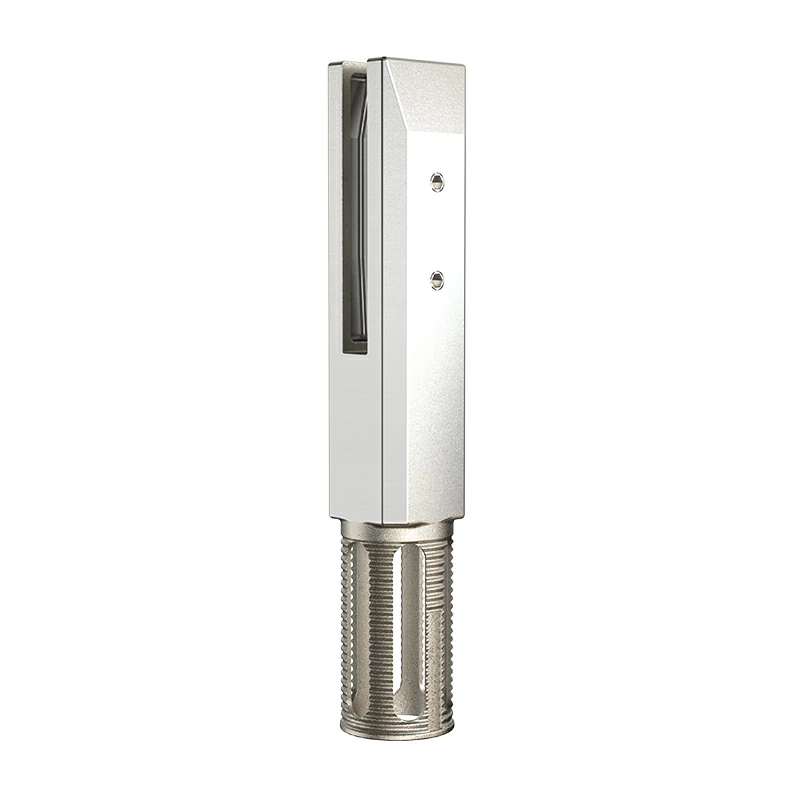
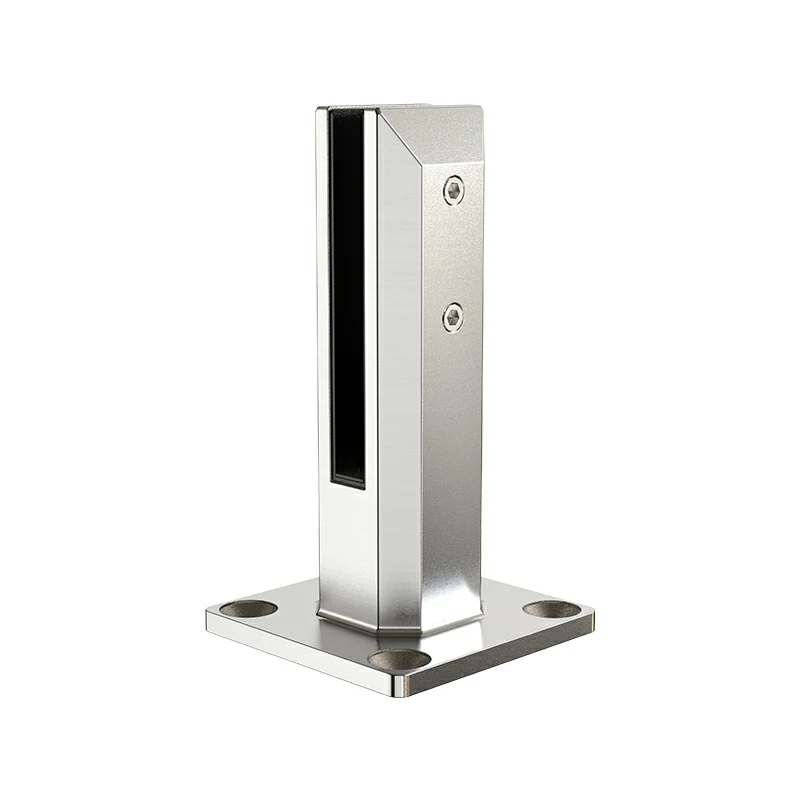
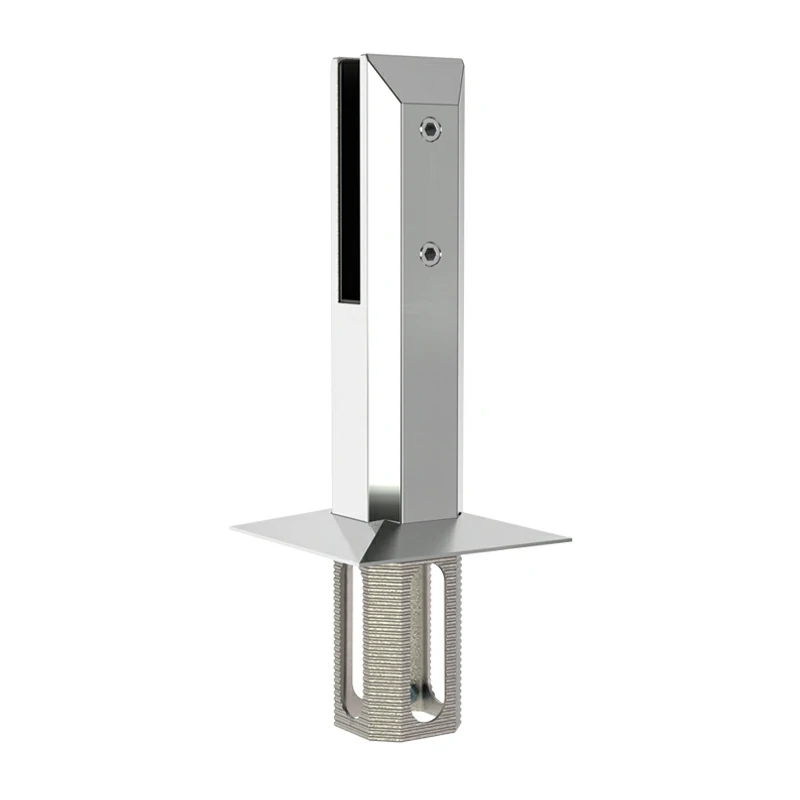
The Fix: You must use taller glass spigots or posts to hold the glass at the legal height. If you leave the short railing, the building inspector will not sign off on the .
Sliding Door Tracks
Capsule homes often use heavy, double-glazed glass doors for insulation.
-
The Problem: Standard rollers flatten under the weight, causing the door to jam.
-
The Solution: Industrial-grade rollers designed for heavy loads ensure the door can be operated easily, which is also an in some jurisdictions.
Structural Connections
If you are anchoring the unit to a foundation, you cannot just use gravity. You need specific hold-down brackets that connect the steel frame of the capsule to the concrete bolts. These must be rated for seismic (earthquake) and wind uplift loads.
3 Steps to Legalizing Your Capsule?
We always advise our new clients to start with paperwork before they ever order a product. We have seen too many customers purchase a container load of units only to find out their city has a ban on them. Legalizing a capsule home is a process of working backward from the local to the hardware specifications. It requires patience, but it is the only way to protect your investment.
First, verify your local zoning laws to confirm if ADUs are permitted on your property. Second, choose your foundation type—permanent for ADUs or temporary for RVs—based on your long-term goals. Finally, hire a local contractor to retrofit the electrical panel and structural hardware to meet city codes.
Step 1: The "Zoning Check"
Before you buy, walk into your local city planning office. Do not call; go in person. Ask for the "ADU Ordinance."
-
Ask: "Can I place a detached ADU in my zone?"
-
Ask: "Are there architectural design standards?" (Some cities require the ADU to match the color of the main house).
Step 2: The Foundation Decision
This dictates your hardware needs.
-
If RV: Keep the wheels. Ensure the chassis has a (VIN). Plan to use quick-disconnect utilities.
-
If ADU: Plan for a crane. You will need to pour concrete. You will need to remove the axle/wheels.
Step 3: The "Local Retrofit"
This is where we come in. Once the unit arrives, do not expect to plug it in immediately.
-
Electrician: Have a licensed US electrician swap the breaker panel to meet (NEC) requirements.
-
Plumber: Ensure the P-traps and venting meet code.
-
Hardware: Swap out the non-tempered glass and ensure the egress windows function.
Frequently Asked Questions
Q: Can I just hide the capsule in my backyard?
A: We strongly advise against this. Satellite imagery and neighbors make it easy for cities to find illegal structures. The fines can be thousands of dollars per day.
Q: Are Alibaba capsule homes legal?
A: Generally, no—not "out of the box." They lack the HUD/NOAH certification. They are "shells" that require significant local work to become legal homes.
Q: Do these homes hold value?
A: If permitted as an ADU, yes. They add legal square footage. If kept as an unpermitted trailer, they depreciate.
Conclusion
Capsule homes represent an exciting shift in how we think about living space—efficient, modern, and modular. However, the reality is that they must play by the rules of traditional zoning and construction codes. Whether you choose the flexibility of the RV route or the permanence of an ADU, success relies on attention to detail.
From ensuring your glass railings meet the 42-inch safety height to verifying that your bedroom windows allow for emergency escape, the hardware you choose is the bridge between a cool concept and a legal home. If you are building or importing these units, do not let a $50 hinge or a piece of non-tempered glass be the reason you fail inspection. Ensure your units pass US inspection with code-compliant stainless steel hardware.
Footnotes
1. Standards and requirements for park model recreational vehicles.
2. Comprehensive overview of Accessory Dwelling Unit planning and regulations.
3. Role of third-party agencies in monitoring modular building compliance.
4. Federal safety standards regarding architectural glazing materials.
5. Technical properties and benefits of 304-grade stainless steel.
6. Legal definition and importance of a Certificate of Occupancy.
7. Design standards ensuring accessibility for people with disabilities.
8. Explanation of how zoning ordinances impact land use.
9. Information on Vehicle Identification Numbers and registration.