The seven key properties of architectural glass are optical transparency, high compressive strength, brittleness, chemical resistance, hardness, thermal resistance, and acoustic insulation. These specific physical characteristics make it the ultimate modern building material for facades, railings, and pool fences.
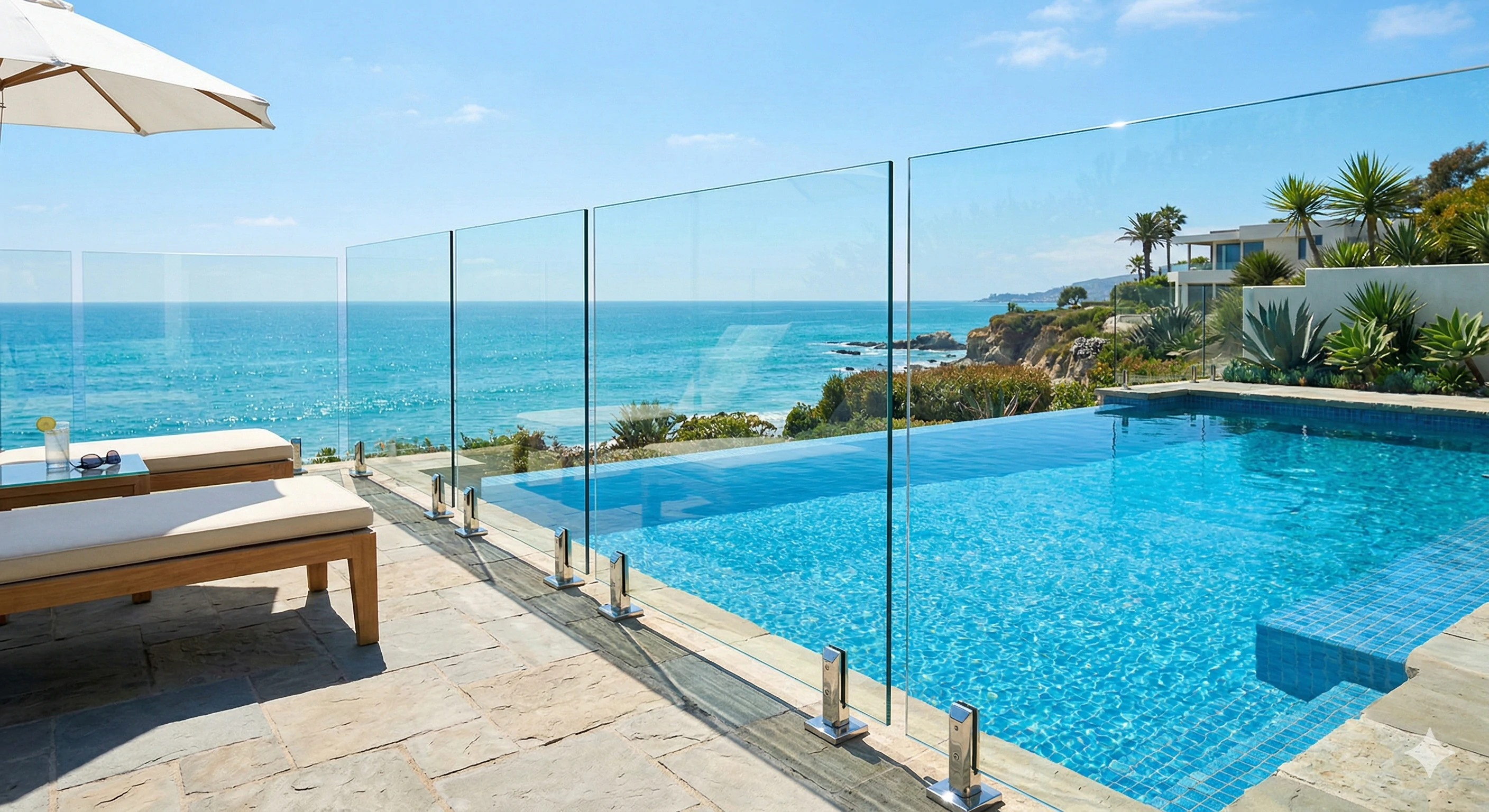
Let us examine these foundational characteristics in detail to understand how they shape modern structures.
1. How Does Optical Transparency Provide an Unobstructed View?
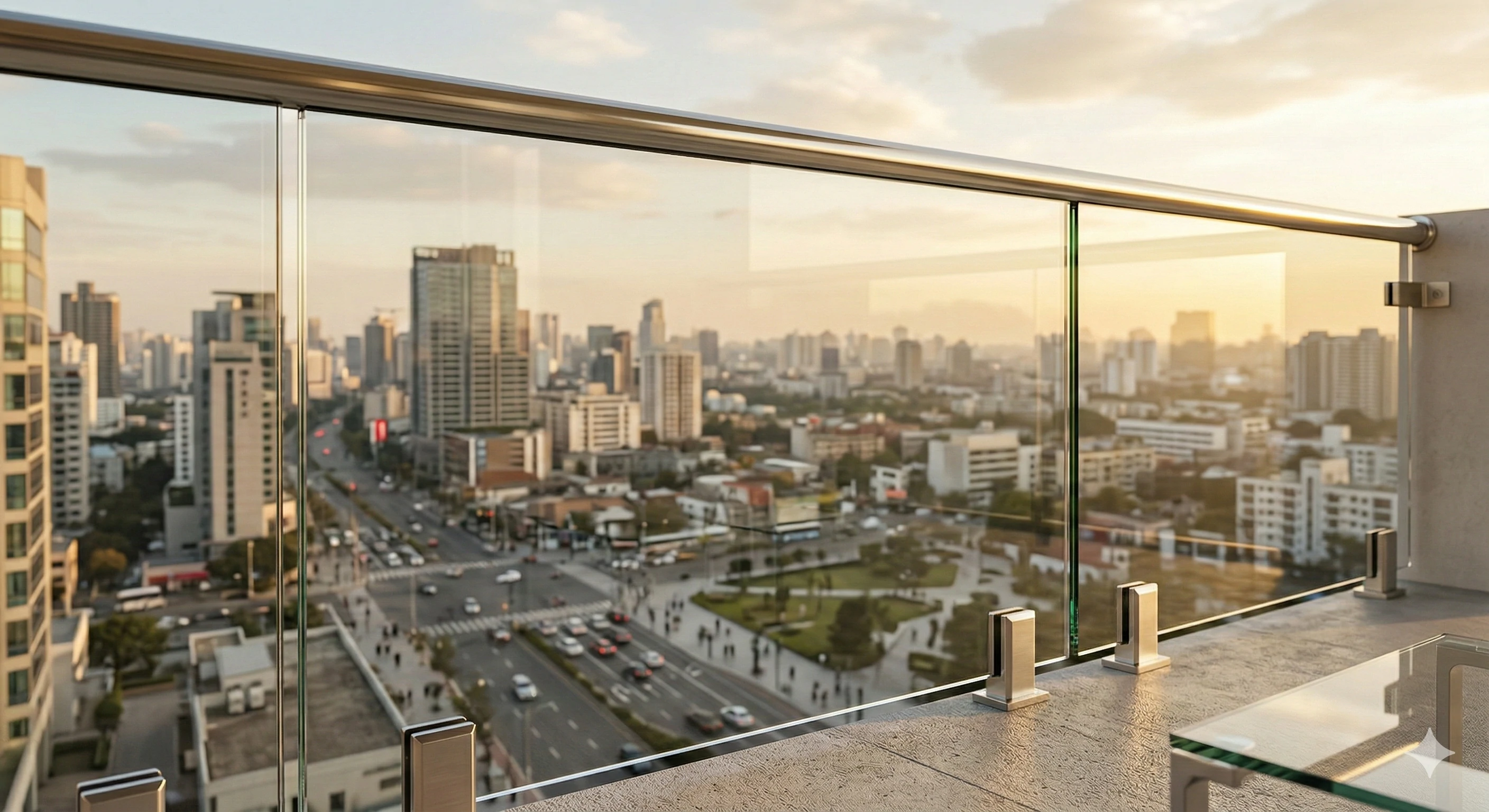
Homeowners want clear views, but traditional structural barriers often block the surrounding scenery. When we export glass railing fittings to the US, our clients constantly emphasize the need for invisible safety barriers. We engineer our hardware specifically to ensure the beautiful view remains the primary focus.
Optical transparency allows visible light photons to pass directly through the material without scattering. It selectively absorbs or reflects ultraviolet and infrared light. This creates a highly secure physical boundary that completely avoids becoming an obstructive visual barrier.
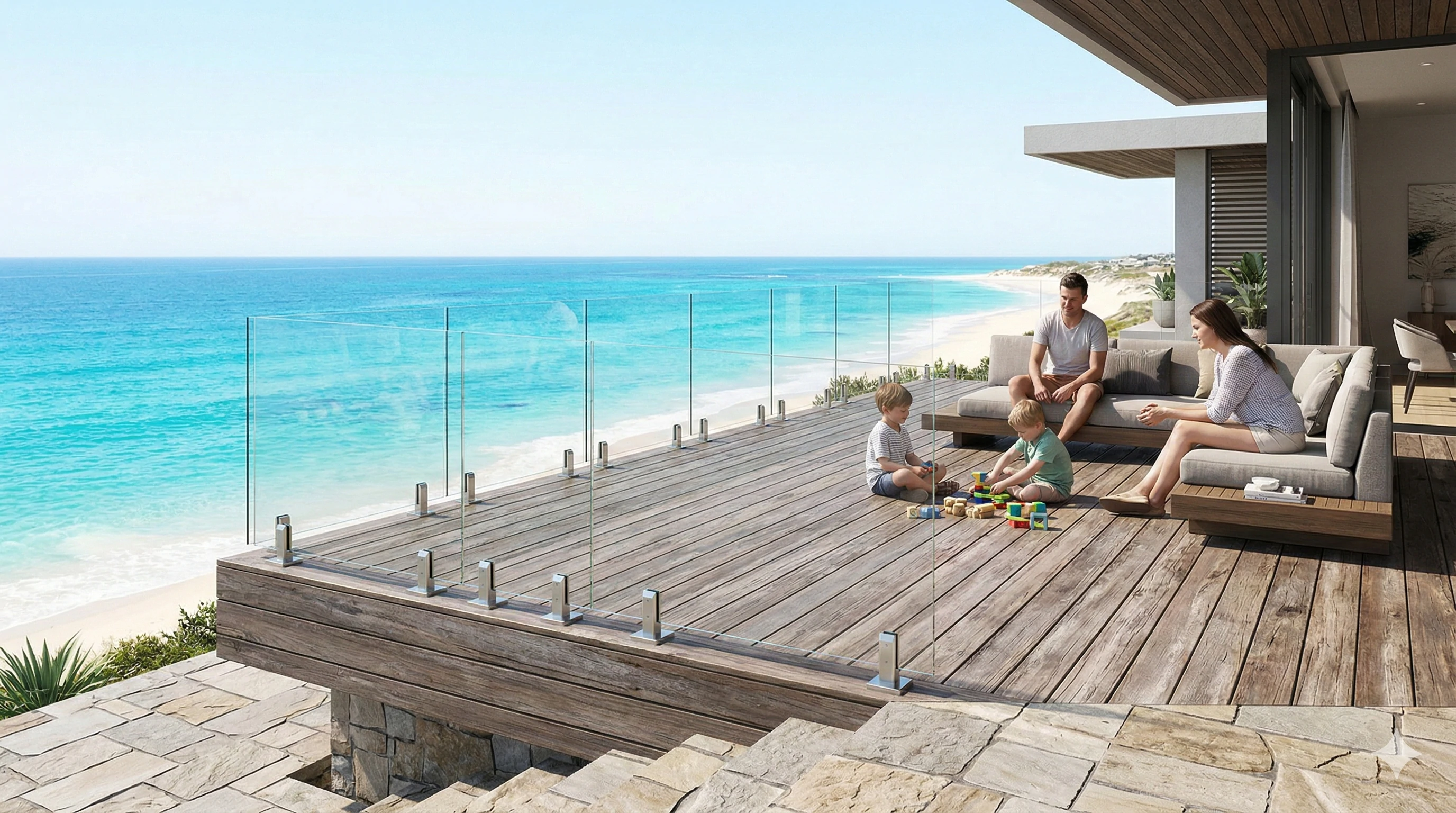
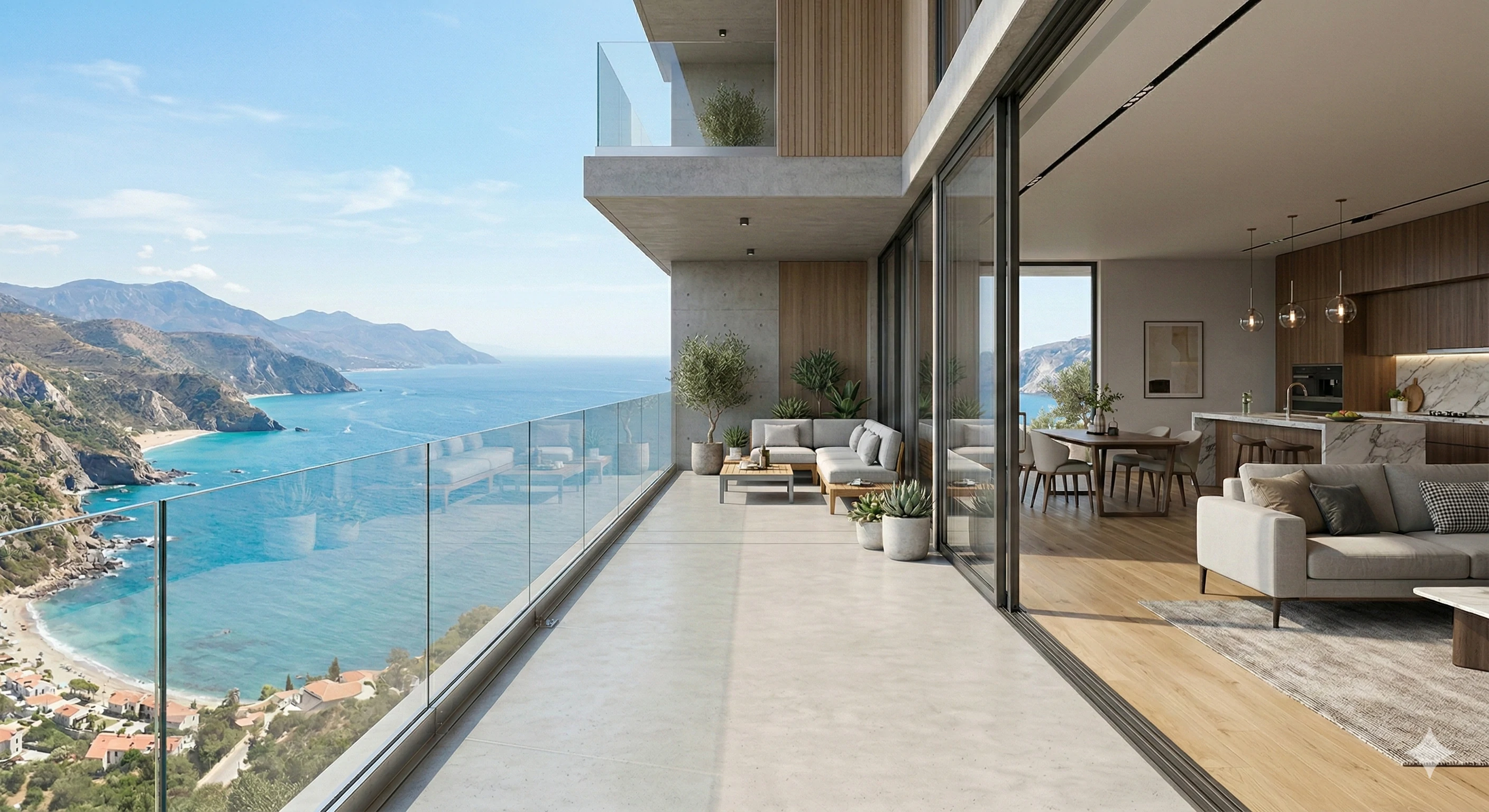
Optical transparency is the primary reason architects choose this material for modern designs. It is an with highly specific engineering characteristics. It is not just "invisible wall material". It fundamentally changes how we interact with space. Frameless glass pool fences allow parents to keep a clear line of sight on their children. They can watch the pool area easily while maintaining strict safety barriers. This dual function is crucial for residential safety. We see high demand for these systems in coastal homes.
The Science of Light Transmission
travel through the solid structure seamlessly. The material does not scatter these photons. However, it behaves differently with other light wavelengths. It can absorb or reflect UV and Infrared light, depending on the specific coating applied. This control over light transmission makes it incredibly versatile. You get the natural light you want without the harmful rays.
| Light Wavelength | Material Reaction | Architectural Benefit |
|---|---|---|
| Visible Light | Passes through without scattering | Provides clear views and natural light |
| Ultraviolet (UV) | Absorbed or reflected | Protects interiors from sun damage |
| Infrared | Absorbed or reflected | Helps control indoor temperatures |
This selective transmission is highly valuable. Modern architecture is defined by open spaces and natural light. To achieve this aesthetic shift, designers have turned to this material as a primary structural element. It delivers an unobstructed view while keeping the environment safe and secure. We always remind buyers that achieving this invisible look requires minimal, high-quality hardware. The focus must always remain on the transparency of the panels.
2. Why Is High Compressive Strength Essential for Load Bearing?
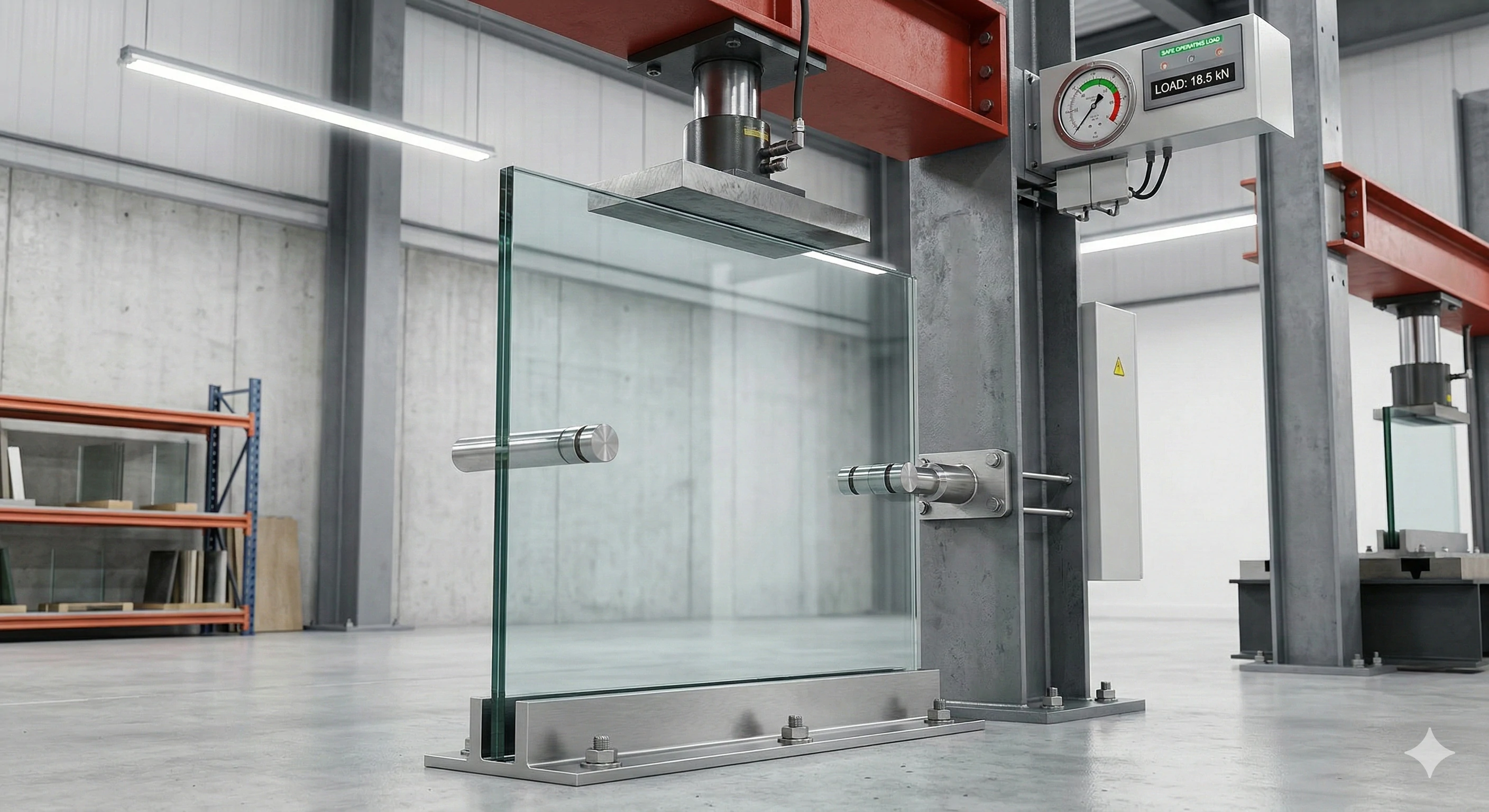
Finding materials that support heavy vertical weight without looking bulky presents a massive challenge. In our factory, we test various load-bearing scenarios to ensure our custom standoffs can handle immense pressure. We know that structural failure is simply not an option for modern architecture.
This material possesses immense compressive strength and can easily support massive amounts of vertical weight when pushed together. Because it remains very weak in tension, heat treatment like tempering creates permanent surface compressive stress to ensure structural safety.
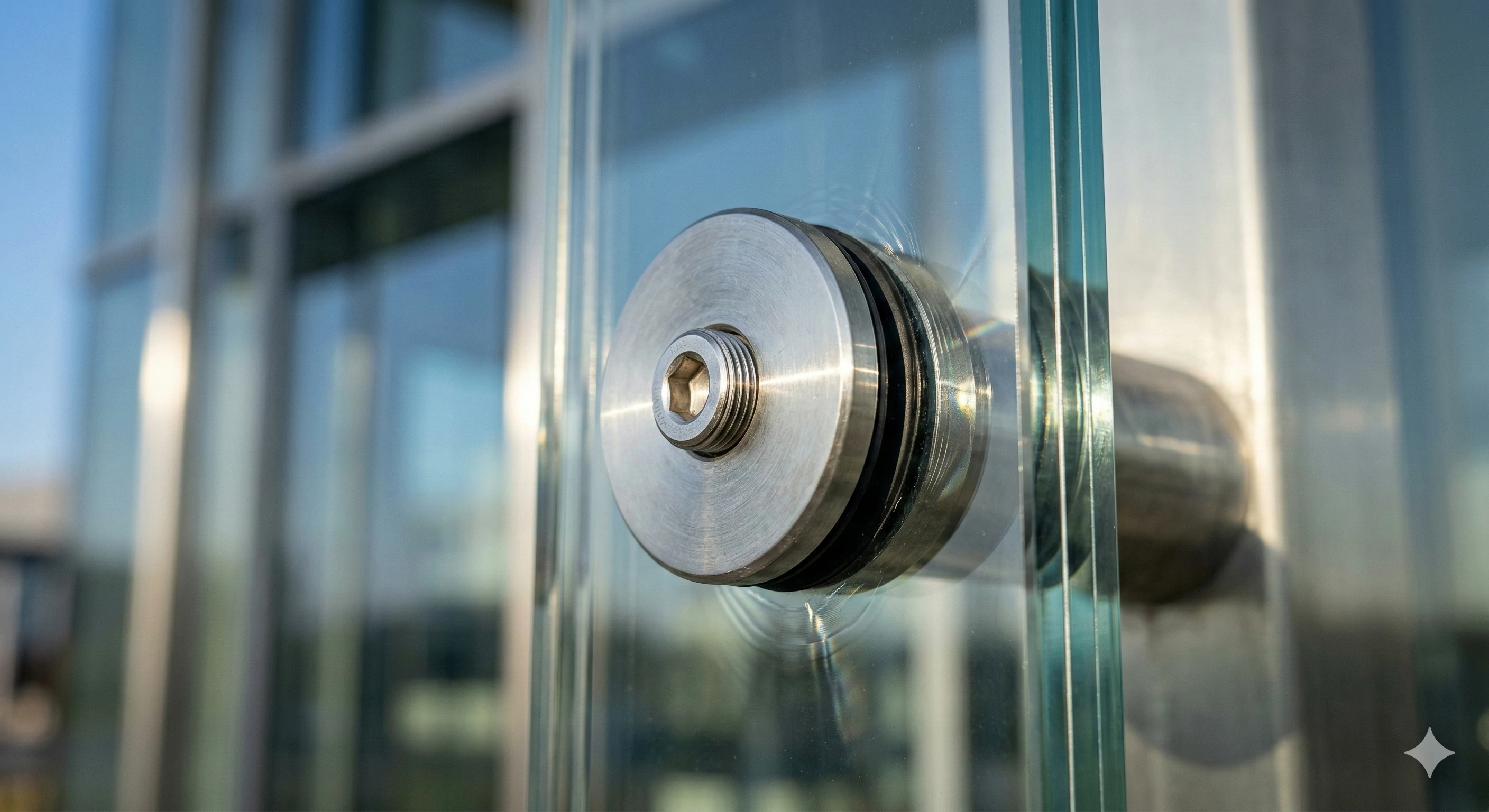
Understanding load dynamics is critical for safe architectural design. Glass is incredibly strong when pushed together, which is known as compression. It can support massive amounts of vertical weight in this state. However, there is a significant catch to this strength. It is very weak in tension. Tension occurs when the material is being pulled apart or bent. If wind pushes hard against a wide panel, it creates bending tension. This tension can easily cause standard panels to fail.
Toughened Safety Glass
The solution to this weakness involves advanced manufacturing techniques. We use Tempering, which is a specialized heat treatment. This process creates permanent on the surface of the panel. This specific treatment makes safety glass up to five times stronger than standard annealed glass.
| Force Type | Definition | Material Performance |
|---|---|---|
| Compression | Pushing the material together | Incredibly strong, supports massive weight |
| Tension | Pulling apart or bending the material | Very weak, prone to breaking |
Architects must always specify toughened panels for structural applications. Toughened glass provides the necessary resistance to bending forces. We design all our structural hardware to support these heavy, tempered panels securely. Our standoffs and base shoes distribute the vertical load efficiently. This ensures the high compressive strength of the material is maximized. Proper installation guarantees the system remains a reliable load bearer for decades.
3. How Do Brittleness and Cleavage Affect the Safety Factor?
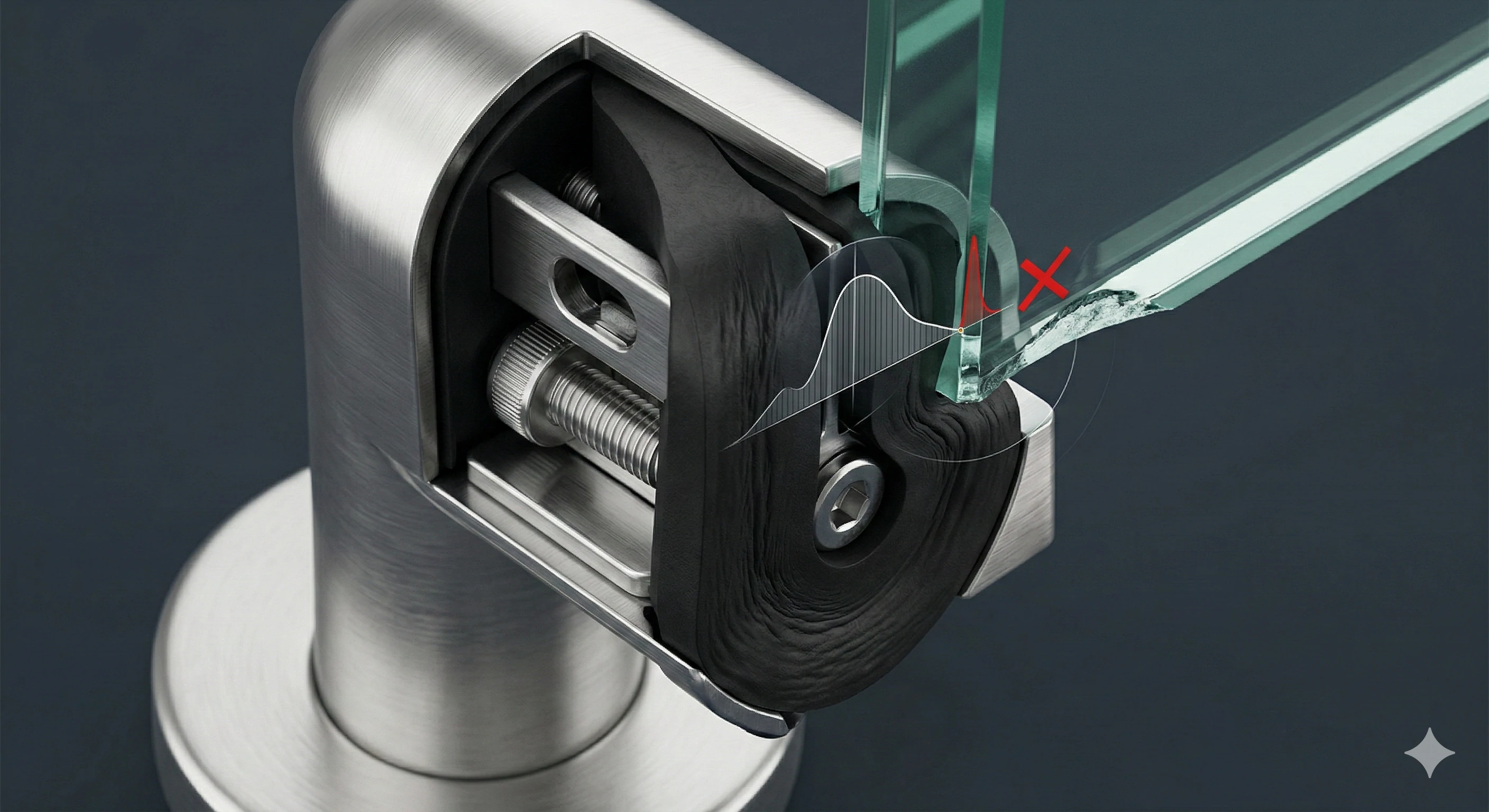
Hard impacts can easily shatter standard panels, posing a severe danger to anyone nearby. When our team develops new glass spigots, our primary concern is always preventing dangerous point-loading. We design specialized solutions to keep these brittle panels completely secure and intact.
This solid undergoes catastrophic failure without bending or deforming first because it is extremely brittle. Builders must use specialized hardware featuring precision rubber or plastic gaskets that utilize friction to hold the panels safely without causing point-loading.
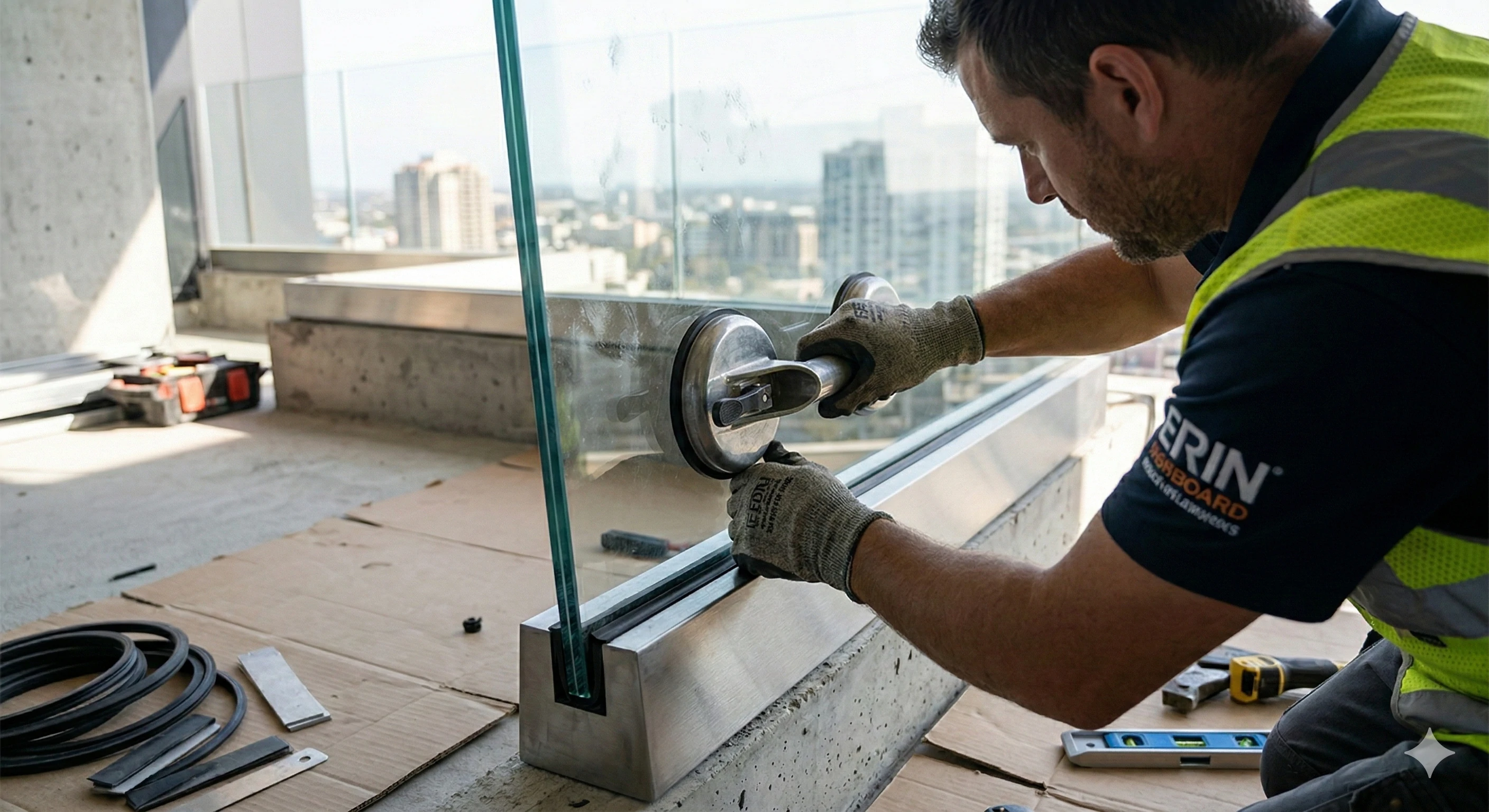
Brittleness is a defining characteristic that dictates how we handle the material. Unlike steel, it does not deform or bend before it breaks. It undergoes , meaning it shatters instantly under the wrong pressure. This creates a strict architectural rule for installations. Because the material is brittle, you cannot use hard metal bolts directly against it. Direct metal contact causes localized pressure, known as point-loading. Point-loading will inevitably crack the panel.
The Hardware Fix
This is exactly where our hardware solutions come in. This is why our Glass Spigots and Standoffs utilize precise rubber or plastic gaskets. These soft materials act as a crucial buffer between the hard metal and the brittle panel.
| Hardware Component | Function | Safety Benefit |
|---|---|---|
| Hard Metal Bolts | Applies direct force | Causes point-loading and cracking |
| Rubber Gaskets | Buffers the connection | Distributes clamping force evenly |
| Friction Fit | Holds panel tightly | Prevents shifting without drilling holes |
The hardware uses friction to hold the glass. The rubber gaskets evenly distribute the clamping force across the surface of the glass. This isolates the panel from the hard steel. It prevents point-loading and prevents cracking. It holds the panel tight via friction without causing it to crack. Understanding this safety factor is vital. We constantly educate our B2B clients on why proper gaskets are non-negotiable for safety.
4. Why Does Chemical and Corrosion Resistance Make Glass a Survivor?
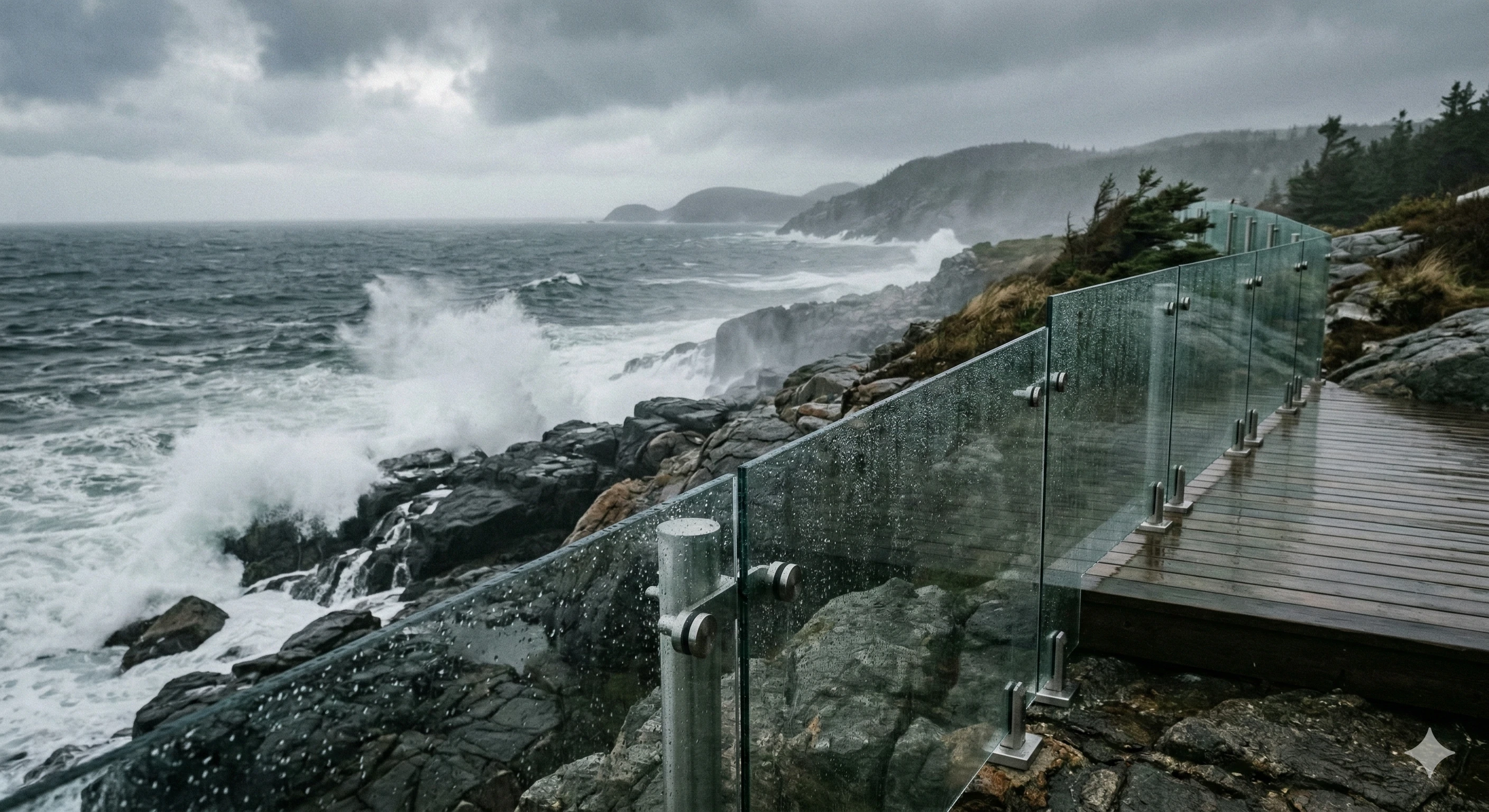
Coastal environments rapidly destroy inferior building materials through aggressive rust and rot. We frequently supply projects in coastal US cities where salt spray ruins standard metal fittings within months. We engineer our hardware to match the incredible lifespan of the panels they hold.
This material remains highly inert and does not react with industrial chemicals, harsh acids, or environmental salt. This ultimate corrosion resistance ensures the physical appearance looks exactly the same decades from now, surviving perfectly in tough coastal environments.
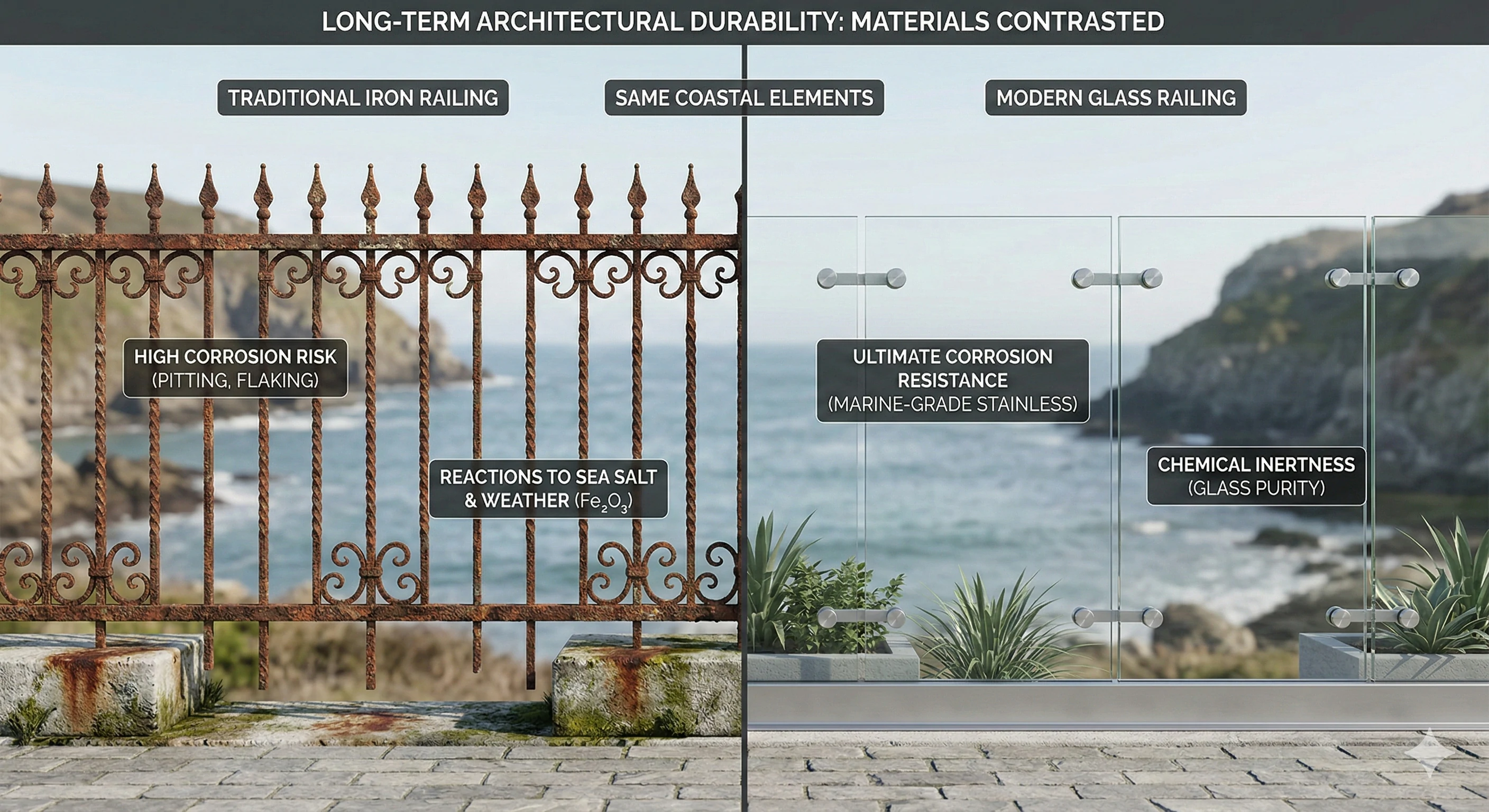
Environmental durability is a major selling point for modern construction. The science shows that this material is highly inert. It does not react with most , acids, or salt. This chemical resistance provides immense architectural value. Unlike wood which rots over time, or iron which rusts quickly, this solid remains unaffected. It will look exactly the same in 50 years as it does today. It is the ultimate survivor in harsh environments.
Material Synergy in Coastal Zones
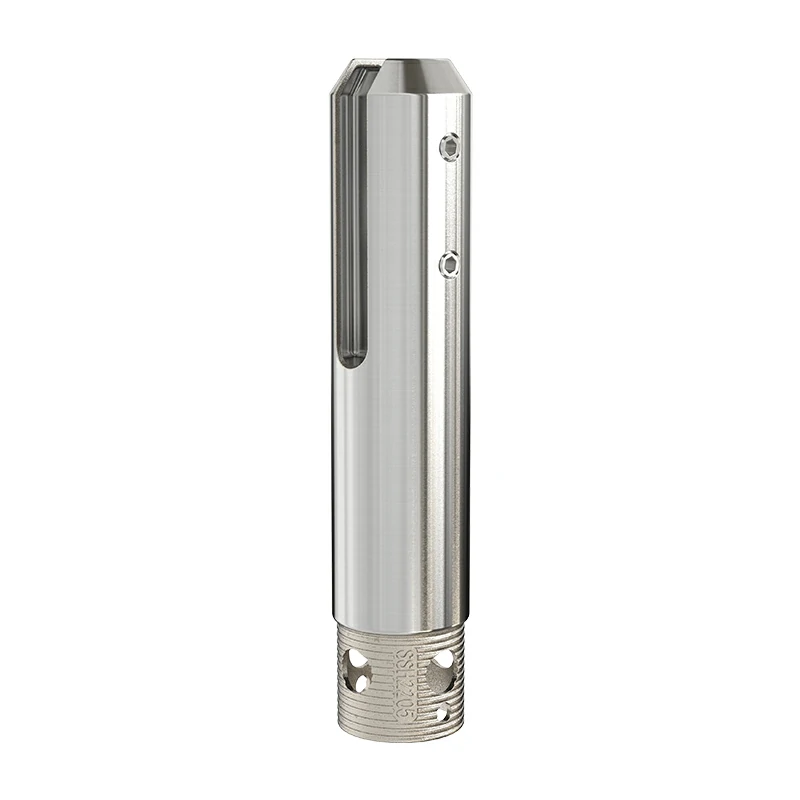
However, the panel cannot survive alone. The hardware must also survive the environment. To match the ultimate corrosion resistance of the panels in a coastal environment, a specific pairing is required. It must be paired with hardware.
Standard steel will rust and stain the pristine panels. Duplex 2205 stainless steel offers superior resistance to chloride pitting and salt corrosion. We highly recommend this grade for any outdoor or pool fence project. The synergy between the inert panel and the marine-grade steel creates a flawless system. The entire installation remains structurally sound and visually perfect for decades. We pride ourselves on providing fittings that meet these extreme environmental demands.
5. How Do Hardness and Abrasion Resistance Act as a Shield?
Outdoor installations face constant, damaging wear from wind, sand, and rough cleaning methods. During our product quality tests, we see how quickly alternative plastic materials degrade and lose their visual appeal. We know that a true barrier must resist daily abrasion to maintain its premium look.
Scoring between 5.5 and 7 on the Mohs scale makes this substance harder than many metals and most plastics. This excellent abrasion resistance acts as a durable shield against scratching from wind-blown sand, cleaning brushes, and everyday wear-and-tear.
Surface hardness determines how well a material ages in public spaces. This solid scores high on the . It typically scores around 5.5 to 7. This rating means it is harder than many metals and most plastics. This high hardness provides significant architectural value. It acts as a shield for the building.
Superior Scratch Resistance
It actively resists scratching from wind-blown sand. It resists marks from abrasive cleaning brushes. It stands up to everyday wear-and-tear effortlessly. This durability makes it ideal for high-traffic commercial areas and busy residential balconies.
Acrylic or polycarbonate panels behave very differently. By contrast, these plastic alternatives become cloudy and scratched very quickly outdoors. They degrade under UV light and physical abrasion. Our clients demand premium aesthetics that last. They choose our stainless steel fittings and rigid panels because they do not degrade. The abrasion resistance ensures the unobstructed view remains crystal clear year after year. It is a long-term investment in the property's value and beauty.
6. How Does Glass Handle Heat Through Thermal Resistance and Expansion?
Extreme temperature swings can easily cause rigid materials to warp, buckle, or crack unexpectedly. Our engineers always account for when designing custom clamps for clients in diverse climates. We ensure our systems accommodate natural environmental shifts without ever compromising safety.
The material expands when heated and shrinks when cooled, which can cause thermal shock and cracking. Toughened tempered versions handle these extreme temperature variations safely, while specialized clamps leave a small expansion gap to let the panels breathe.
Handling environmental heat is crucial for outdoor installations. The basic science is simple: the material expands when heated and shrinks when cooled. However, this natural movement creates a hidden danger. "Thermal Shock" occurs if one part of the panel is hot and another is cold. This uneven temperature distribution causes it to crack. A balcony panel partially shaded by a building can easily experience this stress.
Managing Thermal Stress
We must manage this thermal stress through proper material selection and hardware design. The solution starts with the panels themselves. Toughened, or Tempered, glass is explicitly designed to handle extreme temperature variations. This heat-treated option makes it safe for outdoor balconies baking in the summer sun.
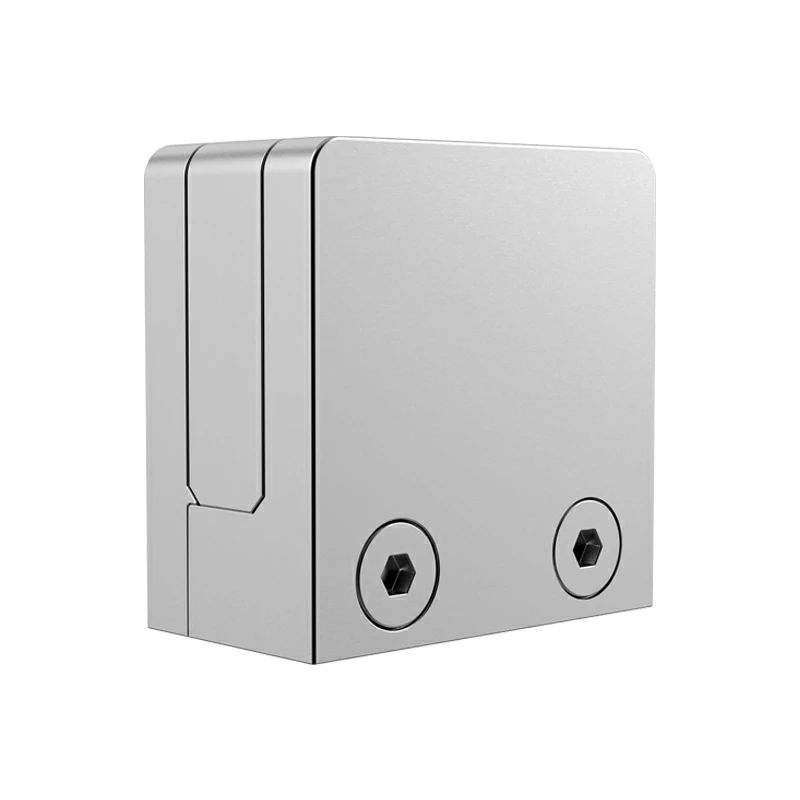
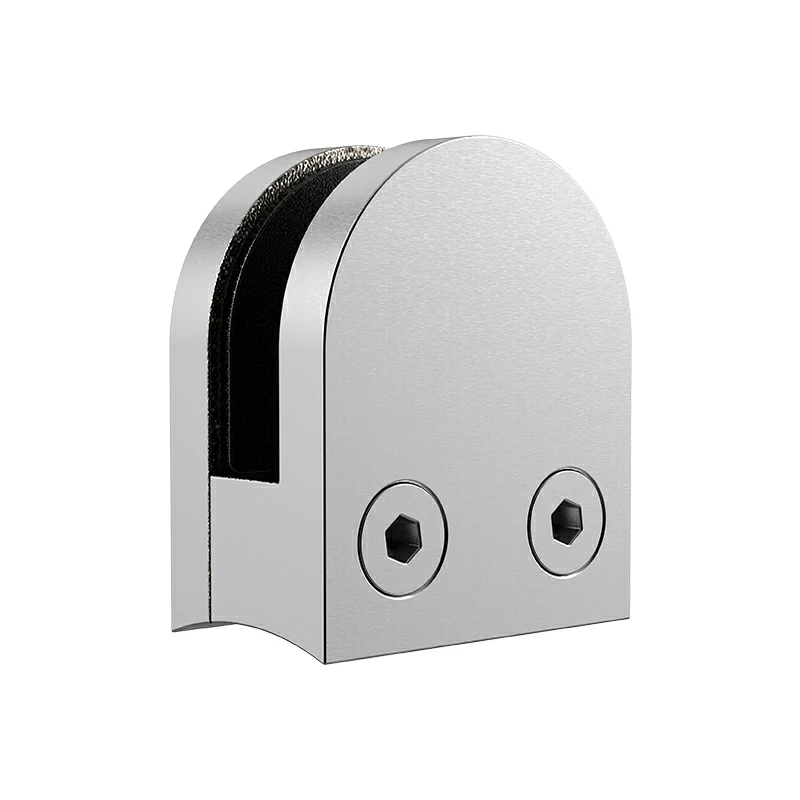
Next, the hardware must allow for movement. Glass Clamps must leave a small expansion gap. This gap allows the panel to "breathe" as temperatures change. If the clamps grip too tightly without a gap, the expanding panel will shatter against the metal. We precisely engineer our fittings to secure the panels while providing this necessary breathing room. This attention to detail prevents costly and dangerous thermal failures.
7. How Does Acoustic Insulation Turn Glass Into a Sound Barrier?
Urban noise pollution completely ruins the intended tranquility of premium residential living spaces. When we consult with procurement managers on high-rise projects, effective sound dampening is always a top priority. We provide the robust fittings needed to properly support thick, heavy sound-blocking panels.
Its high density makes it an excellent sound dampener and acoustic insulator. A thick balustrade on a high-rise balcony easily reflects street noise, creating a quiet outdoor sanctuary. Laminated panels prove even more effective for advanced soundproofing applications.
Creating quiet spaces in busy cities is a major architectural challenge. Due to its density, this solid is an excellent sound dampener. This provides massive architectural value. A thick balustrade on a high-rise balcony does much more than just block the wind. It actually reflects annoying street noise. This reflection creates a quiet outdoor sanctuary for the residents.
Advanced Soundproofing Options
For extreme noise environments, standard tempered panels might not be enough. Laminated glass is even more effective for soundproofing. Laminated options consist of two sheets bonded together with a plastic interlayer. This interlayer, often PVB or SGP, absorbs sound vibrations exceptionally well. Supporting these dense, heavy panels requires heavy-duty hardware. We manufacture base shoes and heavy-duty spigots capable of holding thick laminated structures securely. We understand that acoustic comfort is a premium feature. Our hardware ensures these heavy sound barriers remain perfectly plumb and completely safe. The result is a peaceful, quiet environment shielded from the chaos of the city below.
8. Why is the Partnership Between Glass and Stainless Steel Perfect?
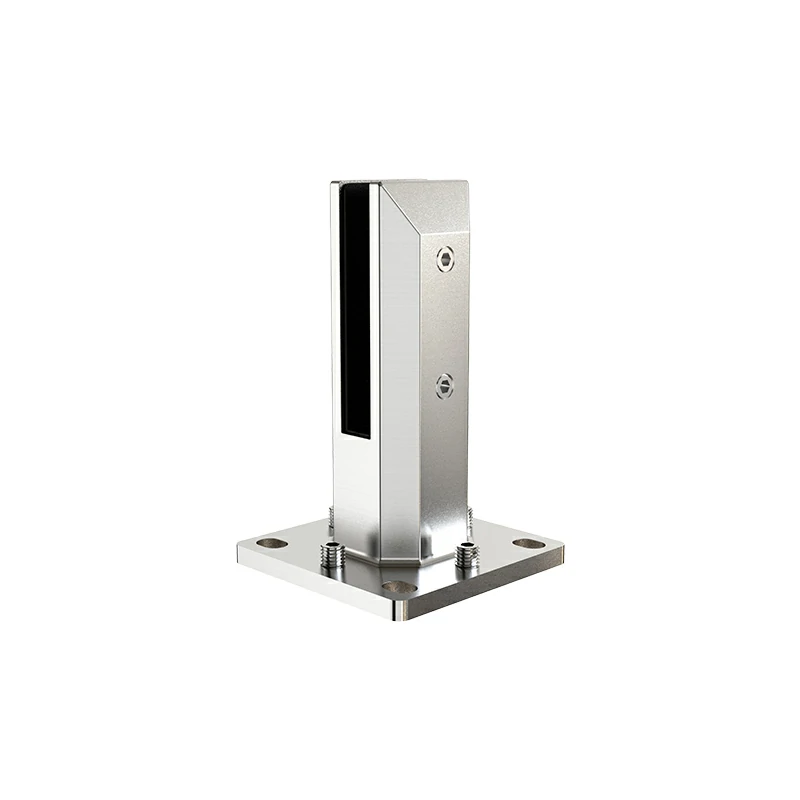
Beautiful structural panels simply cannot stand on their own without reliable support systems. At our factory, we focus intensely on that crucial 90% of a railing system—the hardware—so our clients get a flawless final product. We build the strong structural foundation that makes minimalist architecture entirely possible.
While the material acts as a flawless transparent barrier, it cannot stand up by itself. Utilizing precision-engineered, investment-cast stainless steel fittings ensures the entire system remains completely structurally sound without ever interrupting the desired minimalist architectural aesthetic.
The reality of modern design is clear. The panel is a flawless barrier, but it cannot stand up by itself. There is a necessary synergy between the materials. The beauty of a railing is 10% the panel and 90% the hardware that holds it. You need the right foundation. Using precision-engineered, investment-cast stainless steel fittings ensures success. It ensures the installation remains structurally sound without interrupting the minimalist aesthetic.
Frequently Asked Questions
Many buyers have questions about these systems. We provide clear answers to ensure safe projects.
What is the difference between tempered and laminated glass? Tempered glass is heat-treated to be 5x stronger than standard types and shatters into tiny, harmless pebbles if broken. Laminated glass consists of two sheets bonded together with a plastic interlayer (PVB or SGP). If it breaks, the plastic layer holds the shattered pieces in place, preventing anyone from falling through.
Does glass weaken over time? No. Unlike plastics that degrade under UV light or metals that fatigue, it does not lose its structural integrity or transparency over time. It only fails if physically damaged or chemically etched by extremely harsh environments.
Why do glass spigots use rubber gaskets? Because the material is brittle, it cannot handle "point loads" where hard metal presses directly against it. The rubber gaskets evenly distribute the clamping force, holding it tight via friction without causing it to crack.
Conclusion
The physical properties of this material make it transparent, weather-proof, and incredibly strong under compression. By understanding its inherent brittleness, we can engineer the perfect structural hardware to support it safely.
Sourcing hardware for your next architectural glass project? We manufacture friction-fit Glass Spigots, Standoffs, and Clamps designed to safely secure heavy safety glass. View our catalog of architectural hardware.
Footnotes
1. Explore the architectural concept of open plan design.
2. Learn about the non-crystalline structure of amorphous solids.
3. Understand the physics of visible light and photons.
4. Read about the mechanics of compressive stress in materials.
5. Explanation of catastrophic structural failure mechanisms.
6. Overview of industrial chemicals and material reactions.
7. Details on the properties of duplex stainless steel.
8. Reference guide for the Mohs scale of mineral hardness.
9. How temperature changes cause thermal expansion in matter.