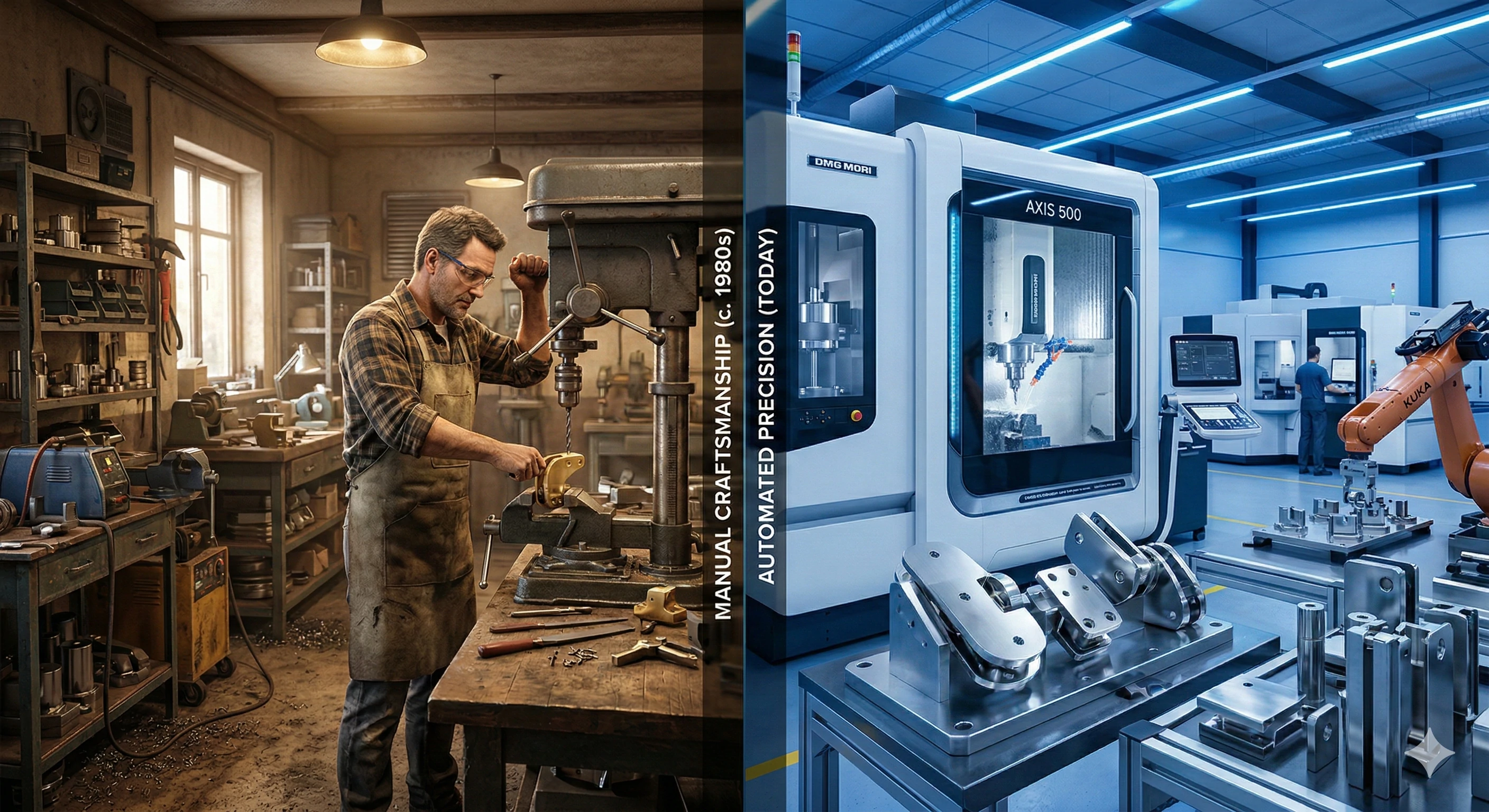
In modern manufacturing, drilling machines fall into two main categories: manual drilling machines and CNC drilling centers. While traditional manual drill presses rely on human operation, automated CNC centers use computer programming to deliver the exceptional precision required for high-volume OEM parts.

Let us break down both categories to explain their pros, their cons, and why transitioning to advanced machinery matters.
Type 1: Manual Drilling Machines (The Traditional Workhorses)
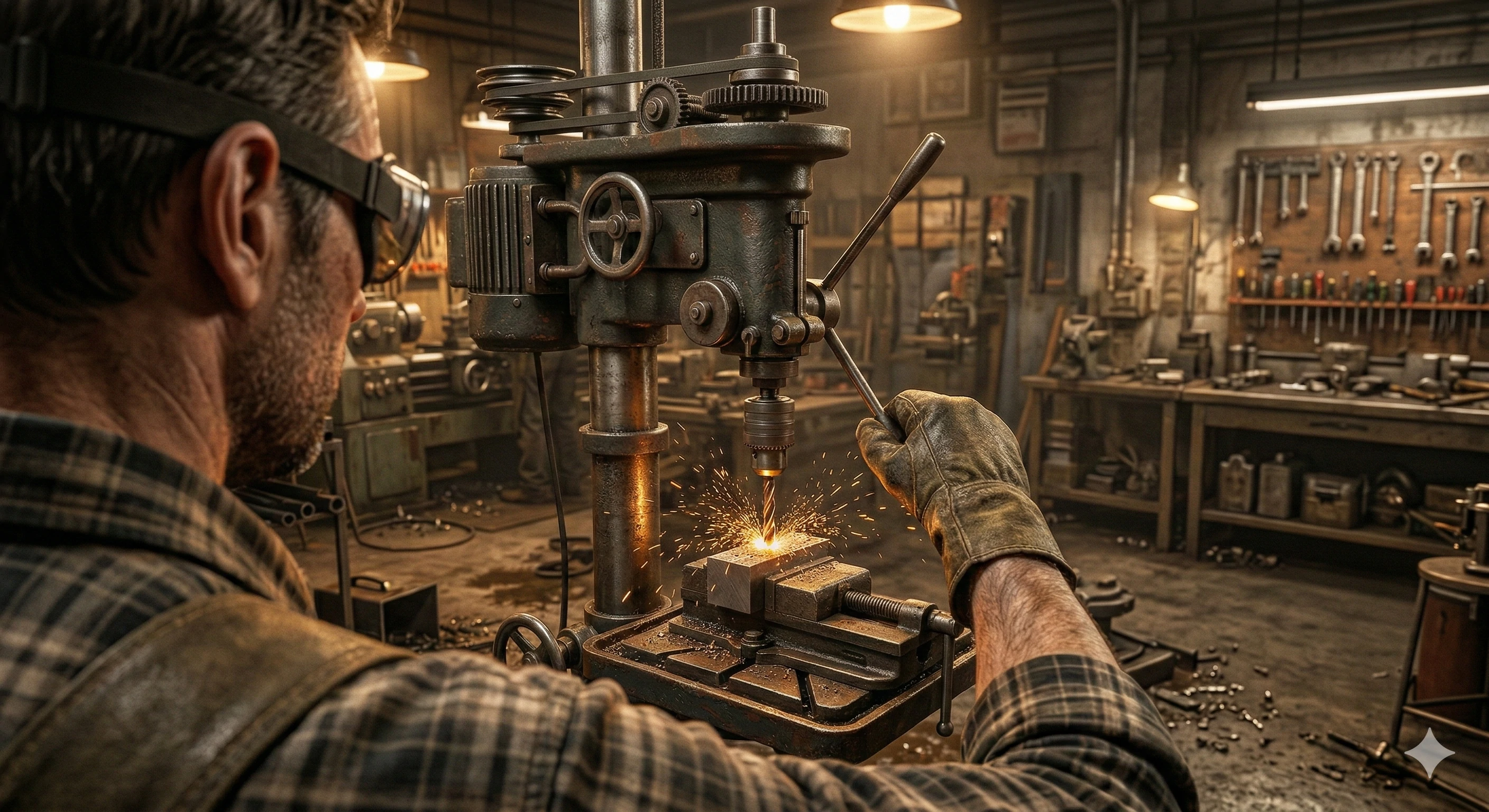
When our engineers review , we often see the hidden costs of manual labor. Relying on human hands to feed a drill bit can lead to scrapped parts and delayed shipments. We moved away from these traditional methods long ago to ensure every batch of our shower hardware meets your strict quality standards.
Manual drilling machines are operated entirely by human hands, requiring an operator to physically pull a lever to feed the drill bit into the metal. They are cost-effective for simple tasks but are highly prone to human error and stack-up inaccuracies during mass production.
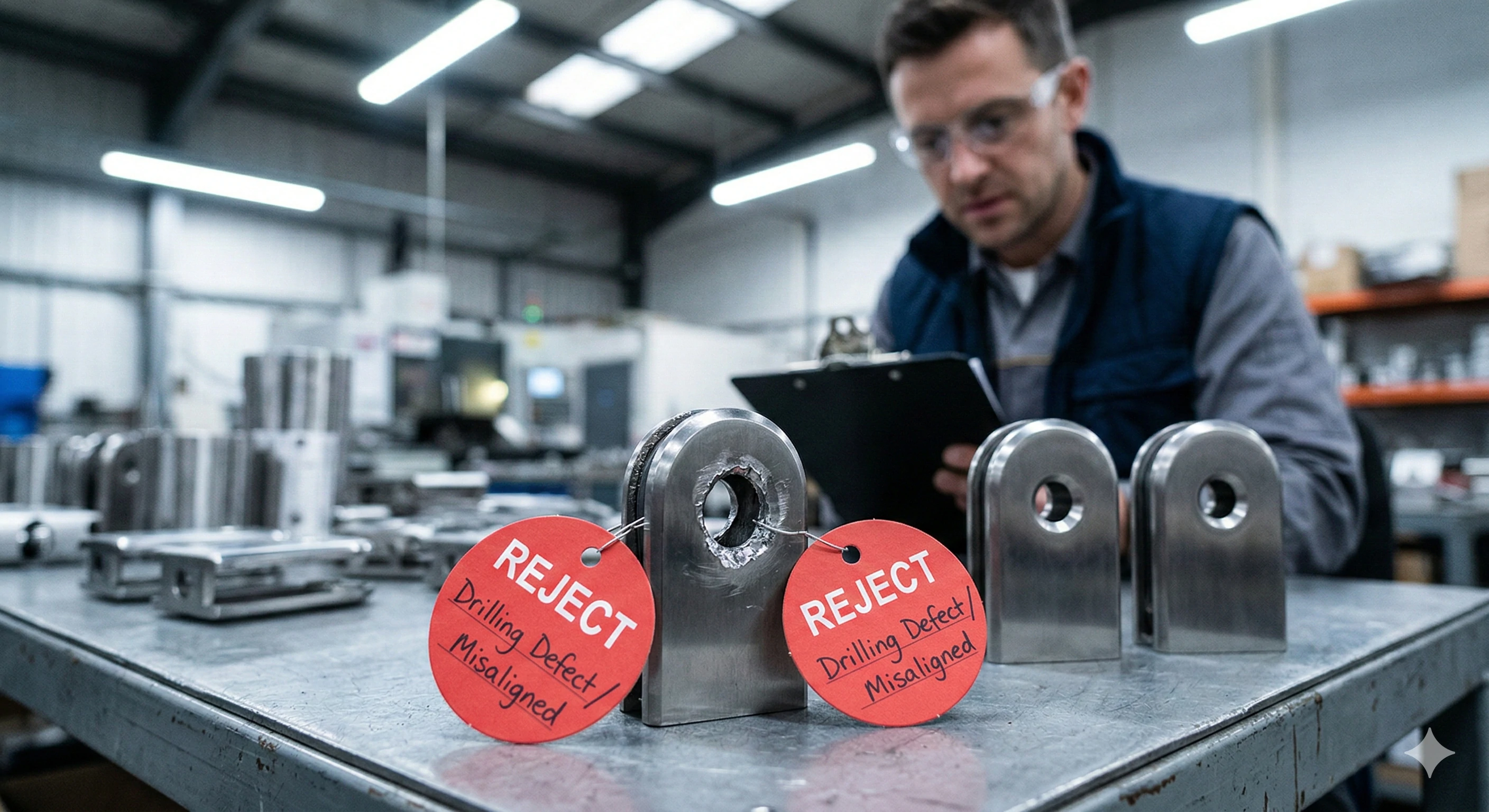
Common Sub-Types of Manual Drills
Drilling is the most common in the world. It creates a round hole in a solid material, paving the way for tapping, threading, and assembly. Historically, drilling was categorized simply by machine size, such as bench versus floor models. Today, we see two main sub-types in manual operations.
The is the standard machine found in almost every workshop. It works well for creating simple holes in flat plates. However, it lacks the flexibility needed for large-scale production. The radial arm drill is a massive manual machine. It features a drill head that slides along a swinging arm. This design is primarily used for drilling large, heavy castings that cannot be easily moved around the shop floor.
The Pros and Cons of Manual Operation
Manual machines are cheap to buy and very easy to set up for a single hole. You do not need any computer programming to run them. However, the drawbacks are significant for B2B procurement. The process is slow for mass production. Furthermore, these machines cannot automatically change tools. They rely heavily on human accuracy, making them prone to "stack-up" errors that can ruin large assembly runs.
| Feature | Upright Drill Press | Radial Arm Drill |
|---|---|---|
| Machine Design | Standard workshop size | Massive, heavy-duty frame |
| Operation Style | Pull lever for flat plates | Drill head slides on a swinging arm |
| Best Application | Simple holes in small parts | Large, heavy castings |
Type 2: CNC Drilling / Machining Centers (The Precision Powerhouses)
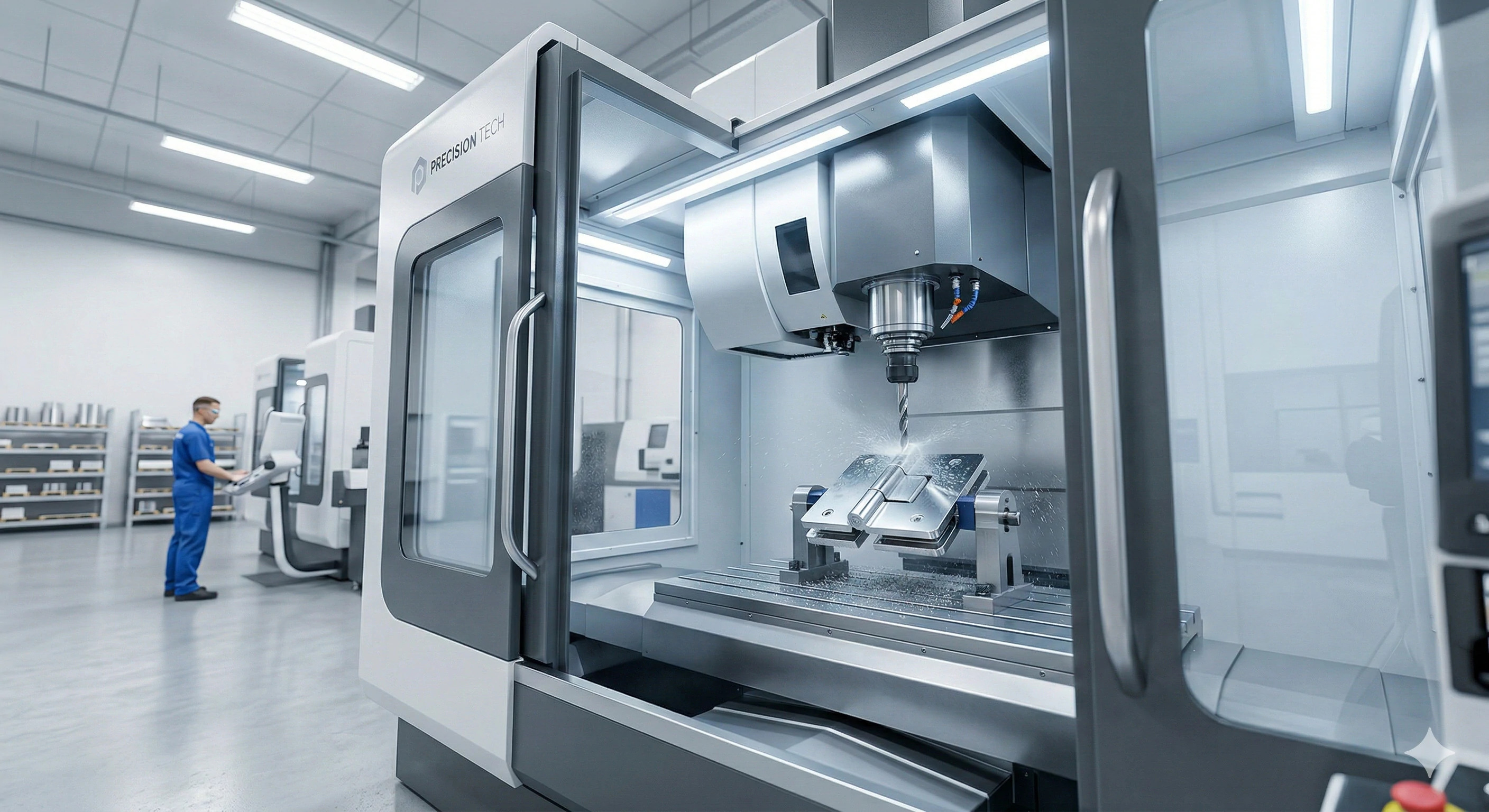
In our experience exporting glass hardware to the United States and Europe, clients demand absolute consistency. A single misaligned hole can halt an entire installation project on site, costing you time and money. We rely on automated systems to eliminate these risks and provide total peace of mind to procurement managers.
Computer Numerical Control (CNC) machining centers use sophisticated computer programs to dictate the exact speed, depth, and location of every hole. The operator simply loads the part, and the machine executes the drilling operations with extreme rigidity and perfect repeatability.
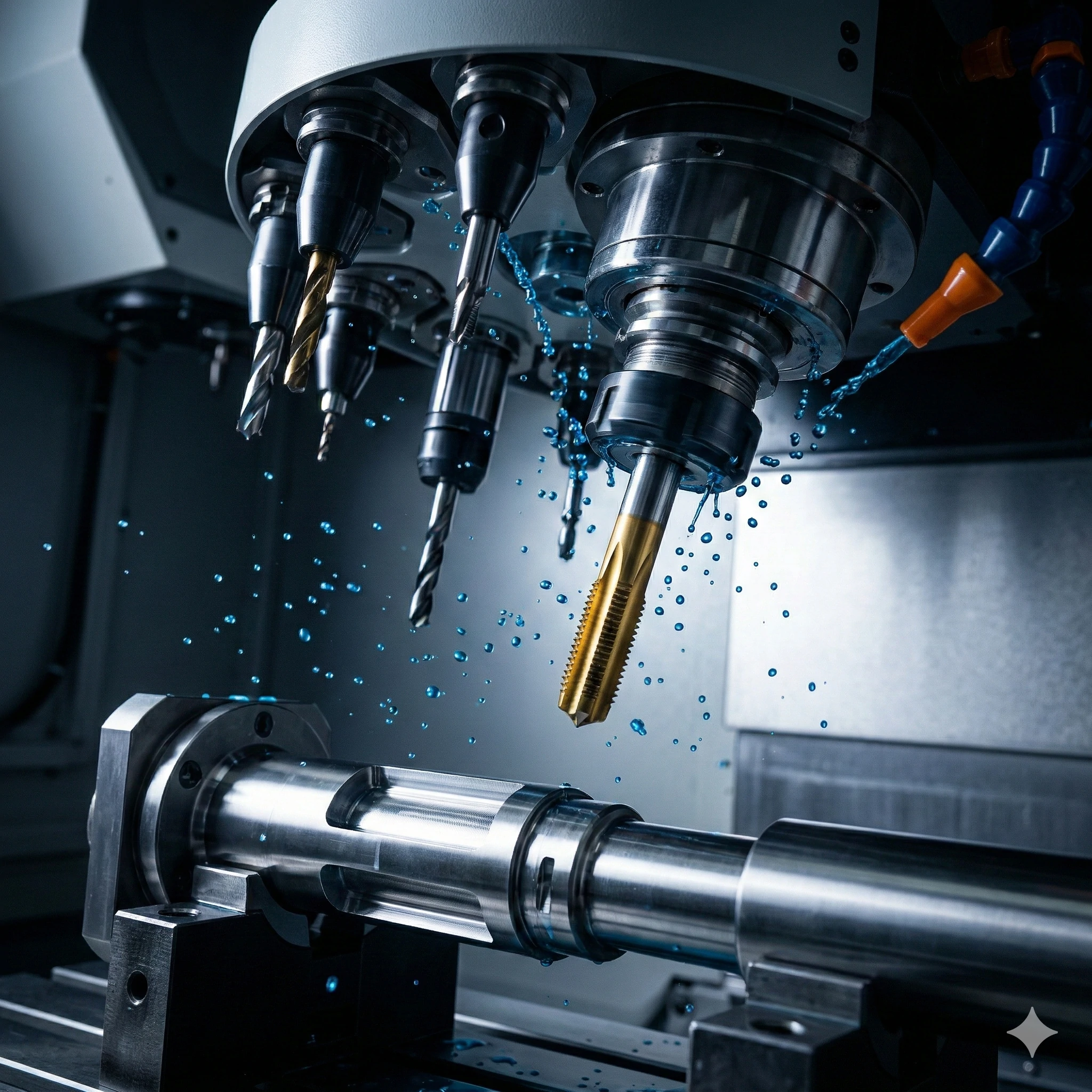
How Automated Drilling Works
CNC mills and lathes perform drilling operations with extreme rigidity. They utilize (ATC) to seamlessly switch from a pilot drill to a main drill, and then directly to a tapping tool. This automation removes the operator from the cutting process entirely, ensuring consistent quality.
Advantages of CNC Technology
The biggest advantage is absolute repeatability. Hole number one and hole number ten thousand will be perfectly identical. Speed is another major factor. Techniques like "peck drilling", which involves clearing chips from deep holes, are done automatically in seconds. Furthermore, CNC machines can easily handle complex geometries. They can drill holes at precise angles on multi-sided parts, such as a pump housing, by utilizing advanced rotary tables. The only real drawbacks are the high initial machine cost and the ongoing need for skilled programmers.
| Feature | Manual Drilling (e.g., Drill Press) | CNC Drilling (Machining Center) |
|---|---|---|
| Best For | Prototyping, 1-off repairs, simple brackets | Mass production, complex OEM castings |
| Accuracy | Good (+/- 0.1mm depending on operator) | Exceptional (+/- 0.005mm) |
| Tool Changing | Manual (Slow) | Automatic (Seconds) |
| Setup Cost | Low | High (Programming & Fixturing) |
| Per-Part Cost (High Vol) | High (Labor intensive) | Low (Automated) |
The Challenge of Drilling Metal Castings
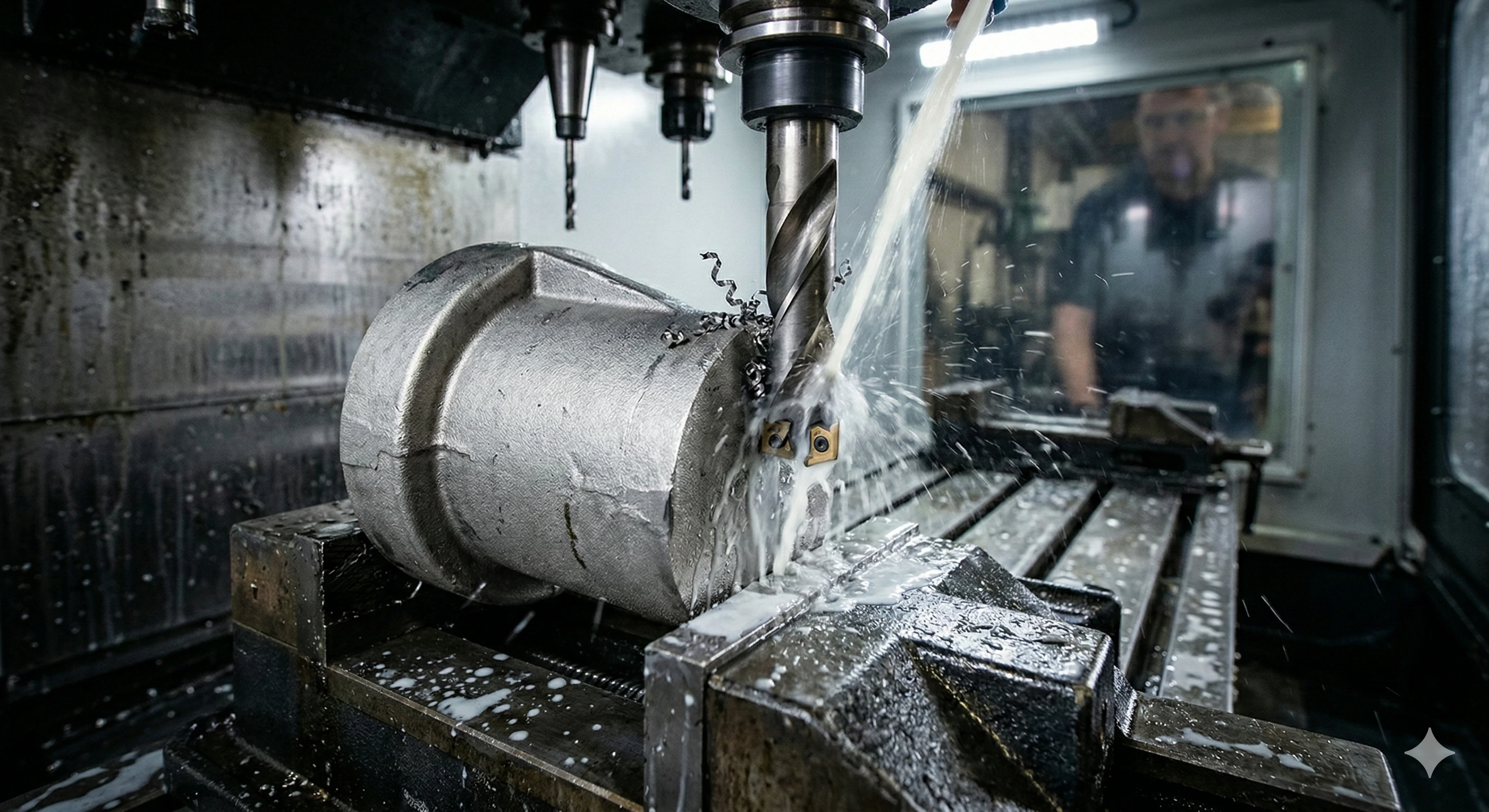
When we process raw materials for heavy-duty railing systems, we constantly encounter variations in material density. Pushing standard tools through tough stainless steel can easily break the bits, causing expensive delays for your orders. We have optimized our tooling strategies and machinery to conquer these tough materials without slowing down our production schedule.
Raw investment castings, especially stainless steel and iron, often contain varying hardness or a tough exterior skin. CNC machines overcome this by monitoring spindle load and automatically adjusting feed rates to punch through hard spots effortlessly and safely.
The Risks of Manual Operation on Castings
A major risk with manual drilling is human error during tough cuts. A human operator might push too hard when they hit a tough spot in the metal. This sudden, uncalibrated force can easily snap the drill bit inside a valuable casting, ruining the part entirely. When producing high-end hardware, this scrap rate is unacceptable.
The CNC Solution for Hard Spots
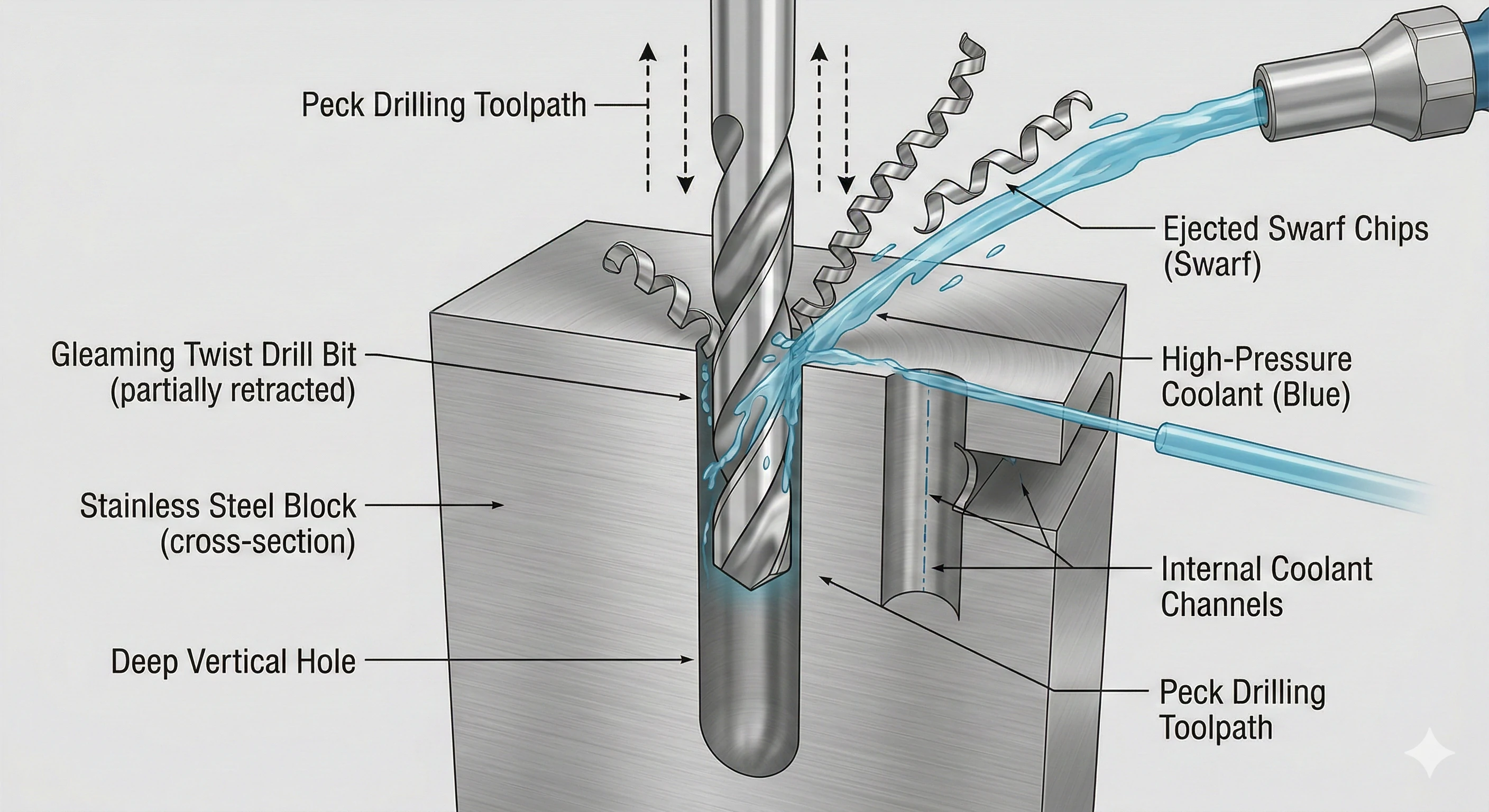
Modern machines solve this problem intelligently. CNC machines monitor the "Spindle Load" constantly during the cutting cycle. They use specialized "Through-Spindle Coolant" carbide drills to penetrate effortlessly. This technology ensures the tool stays cool and sharp.
Understanding Peck Drilling
Peck drilling is a vital technique used for creating deep holes. The drill bit plunges into the metal a short distance, then rapidly retracts to clear out the , also known as swarf, and then plunges again. CNC machines perform this action automatically. This repetitive motion prevents the drill bit from overheating and snapping.
| Drilling Challenge | Manual Machine Risk | CNC Machine Solution |
|---|---|---|
| Material Hard Spots | Human pushes too hard, bit snaps | Monitors spindle load, adjusts feed rate |
| Deep Hole Drilling | Manual chip clearing is inconsistent | Automatic peck drilling clears swarf quickly |
| Heat Management | Externally applied coolant is weak | Through-spindle coolant for safe penetration |
Why Your OEM Parts Require CNC Hole Making
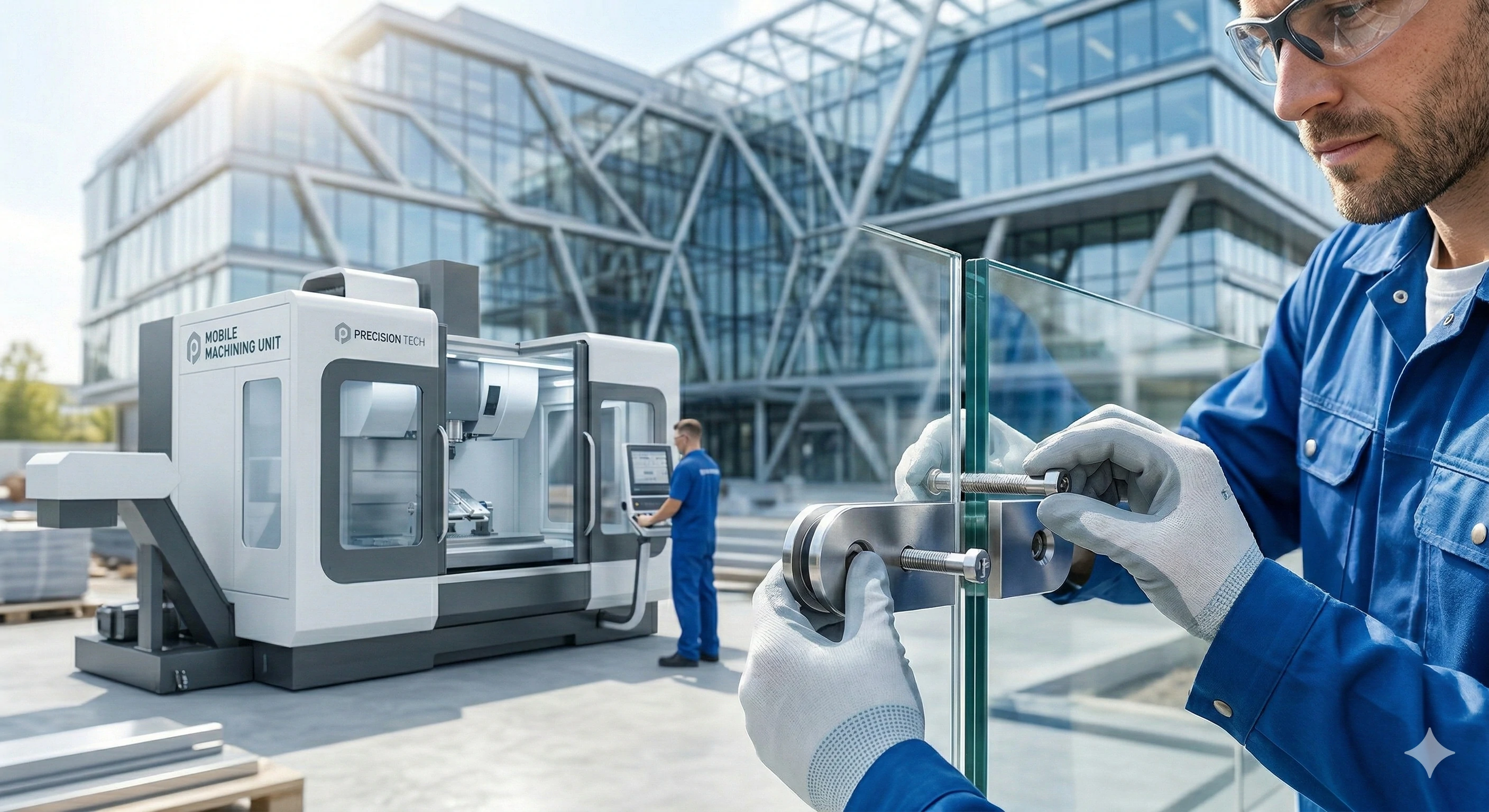
We understand that our B2B clients need components that fit perfectly right out of the box. Struggling with mismatched bolt patterns on a job site wastes your time and destroys profit margins. Our production lines use advanced programming to guarantee that every piece you receive aligns flawlessly with your existing systems.
Manual drilling cannot guarantee precise alignment across hundreds of parts, making CNC hole making mandatory for high-precision OEM castings. CNC guarantees perfect Bolt Circle Diameters (BCD) and utilizes rigid tapping to ensure internal threads never strip.
Ensuring Flange Alignment
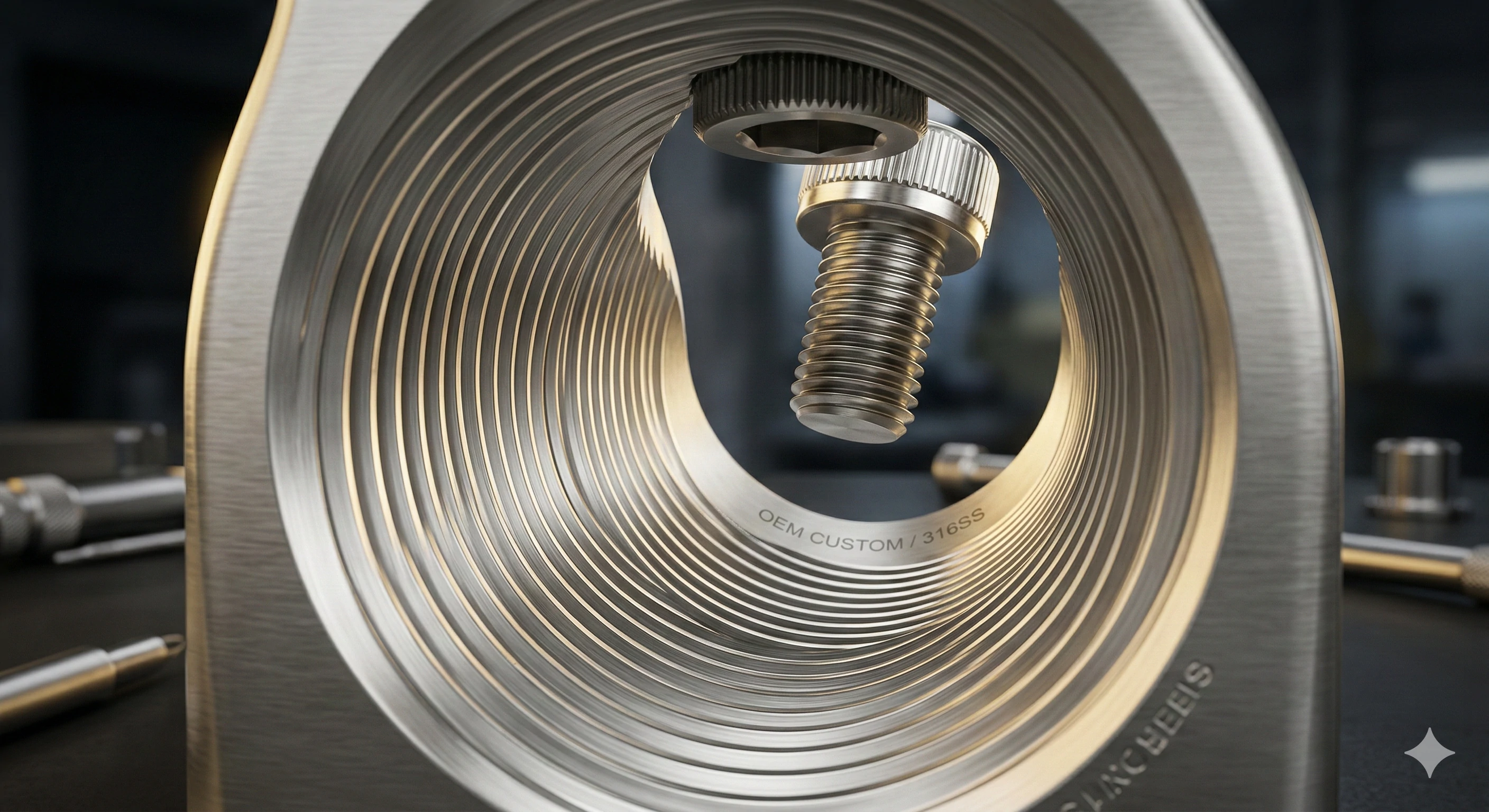
If you are assembling two , the bolt holes must align perfectly. Manual drilling simply cannot guarantee this level of accuracy across hundreds of parts. CNC machining guarantees perfect Bolt Circle Diameters (BCD), a critical dimension that engineers rely on for secure mechanical assemblies.
Mastering Precision Threads
Drilling is just step one in the manufacturing process. Tapping, which involves cutting internal threads, requires perfect synchronization of rotation and depth. CNC "Rigid Tapping" ensures threads never strip, providing a secure fit for every screw and bolt. This technical capability signals to engineers that we understand the actual challenges of assembling mechanical parts.
Frequently Asked Questions
What is a gang drilling machine? A gang drill is a type of manual drilling machine that features multiple drilling heads mounted in a row over a single long table. It allows an operator to slide a part from one drill to the next, such as center drill, then main drill, then tap, without changing tools. Today, this legacy method is mostly replaced by CNC automatic tool changers.
Can a CNC milling machine drill holes? Yes!. In modern manufacturing, standalone CNC drilling machines are actually quite rare. Instead, factories use CNC Vertical or Horizontal Machining Centers to perform all drilling, boring, and tapping operations, in addition to cutting flat surfaces.
Conclusion
Manual drills are great for the garage, but CNC drills are built for the global supply chain. Don't leave the critical dimensions of your cast components to human error. We utilize advanced CNC Machining Centers to drill, bore, and tap your with micron-level precision. Send us your for a complete manufacturing quote.
Footnotes
1. Overview of architectural glass applications in building and construction.
2. History and principles of mass production techniques in manufacturing.
3. Detailed explanation of various machining processes used in industry.
4. Guide to the mechanics and standard uses of drill presses.
5. How automatic tool changers improve CNC machine efficiency.
6. Learn about the investment casting process for complex parts.
7. Properties and industrial applications of stainless steel alloys.
8. Information on swarf and metal chip management in machining.
9. Engineering specifications and standards for mechanical flanges.