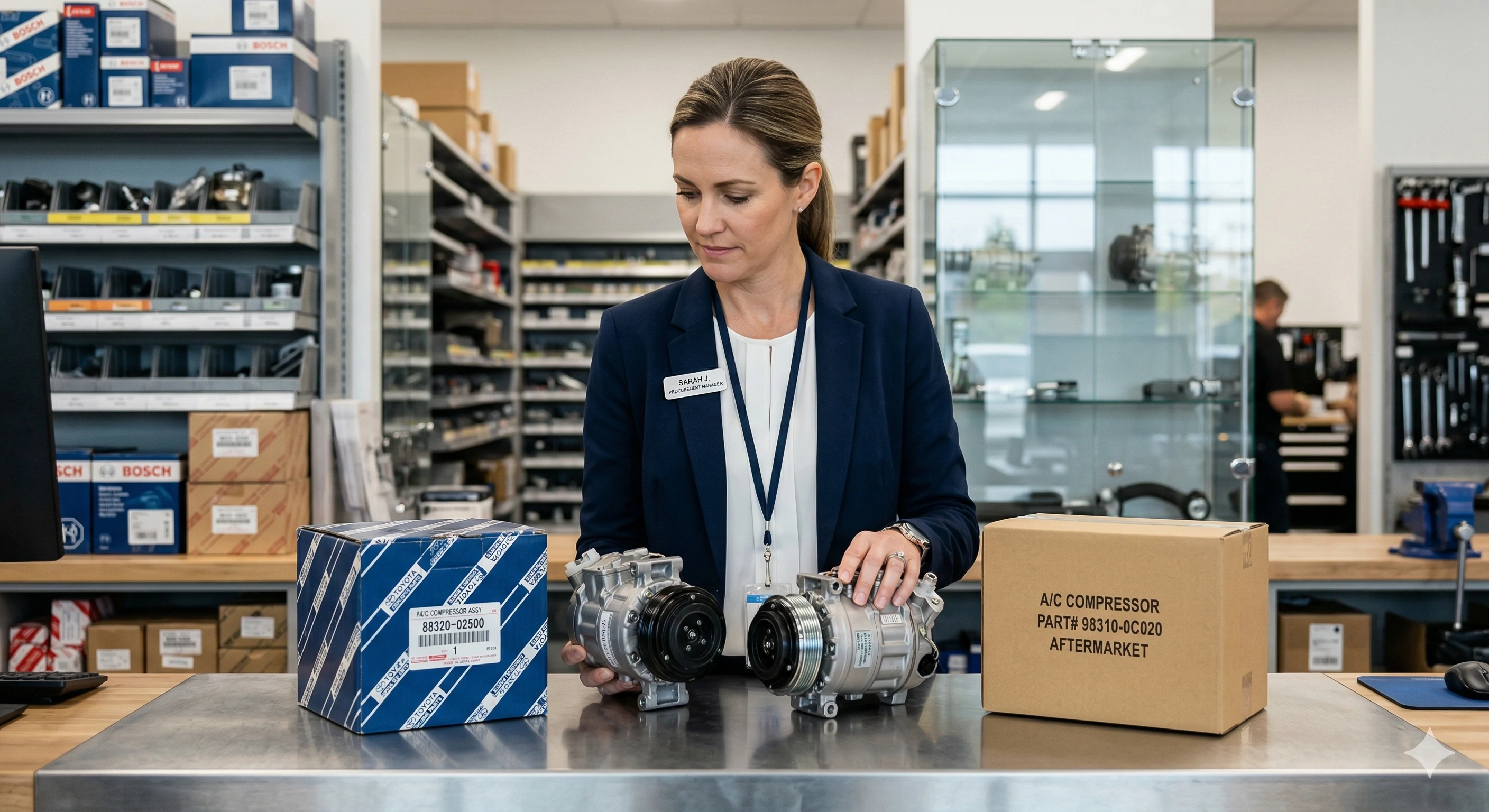
Replacing a part on your car shouldn't feel like a gamble—but for millions of drivers, it does. You're standing at the counter (or staring at a screen), and two options sit in front of you: the and a cheaper aftermarket alternative. One costs significantly more. The other promises the same performance at a fraction of the price. So which one actually deserves your money?
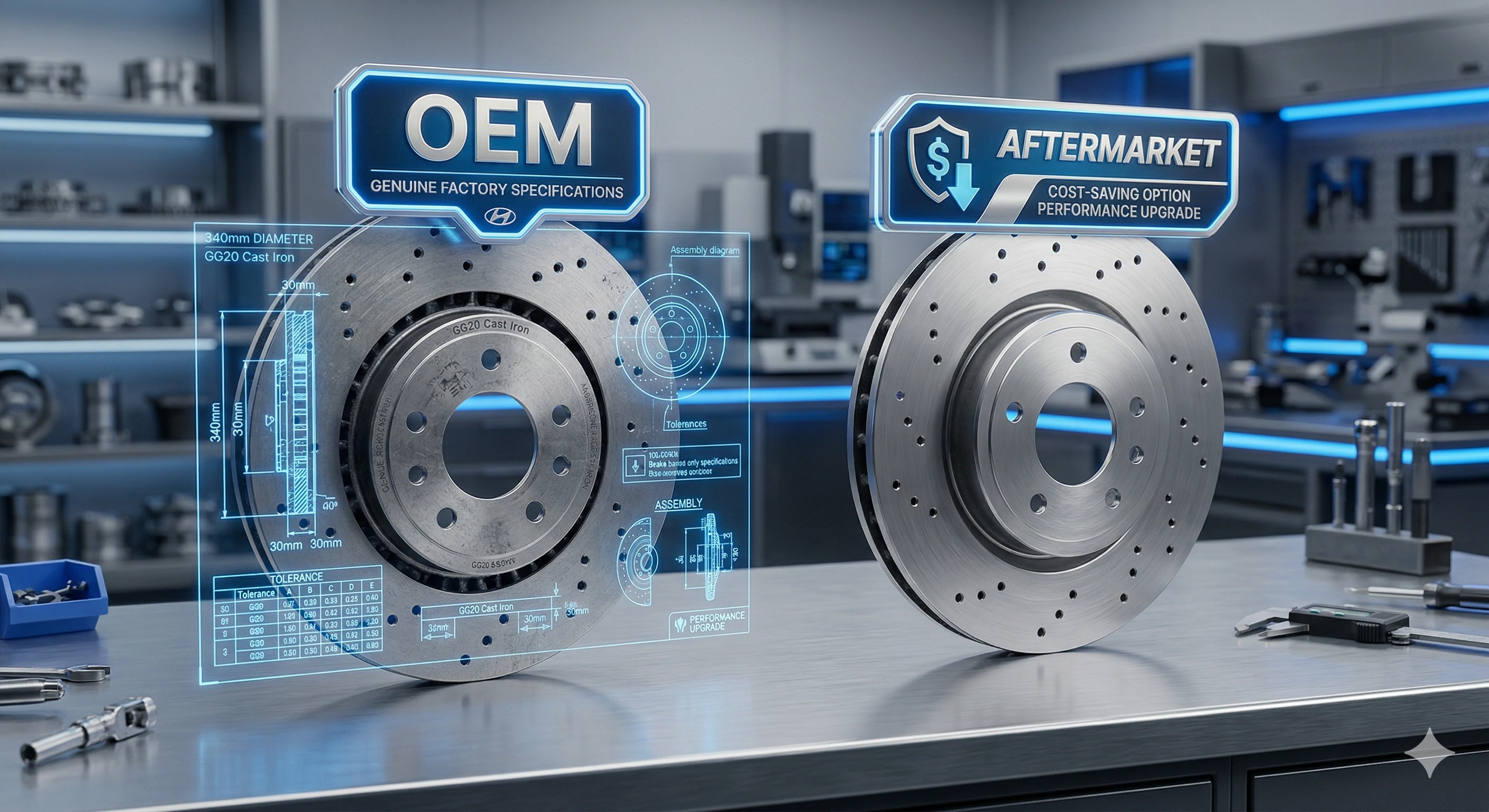
This guide breaks down everything you need to know about OEM and aftermarket parts—pricing, quality, fitment, warranty implications, and the real-world trade-offs for specific components like brake pads, bumpers, oil filters, and windshields. By the end, you'll know exactly when to spend more and when you don't have to.
Table of Contents
What Are OEM Parts?
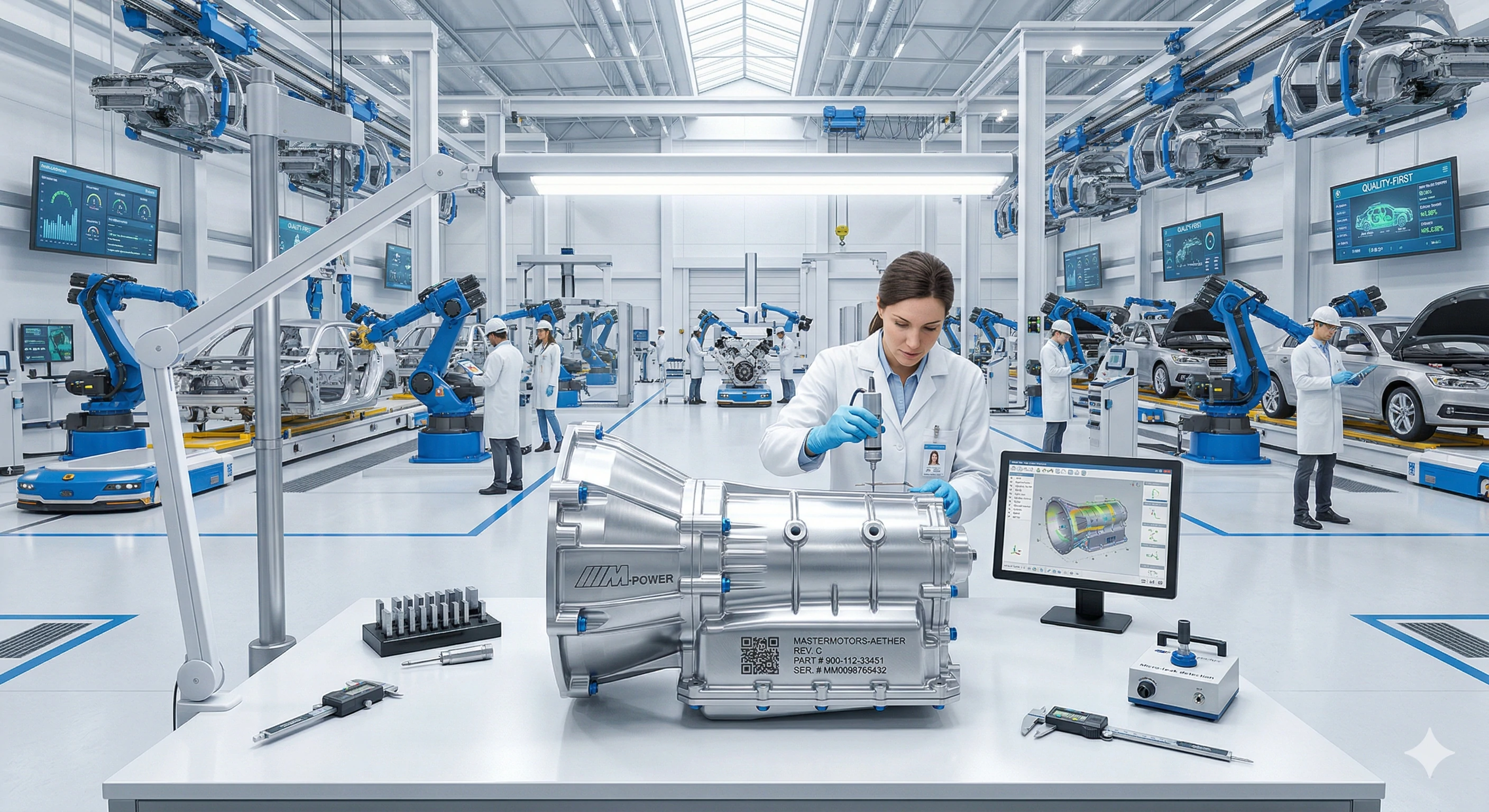
OEM stands for Original Equipment Manufacturer. These are parts made by—or for—the company that built your vehicle. When you buy an OEM brake rotor for a Toyota Camry, it's the same specification Toyota used on the assembly line.
OEM parts are typically sold through authorized dealership parts departments and carry the automaker's branding and part number. They're manufactured to the exact tolerances the vehicle was engineered around, which means guaranteed fitment and predictable performance.
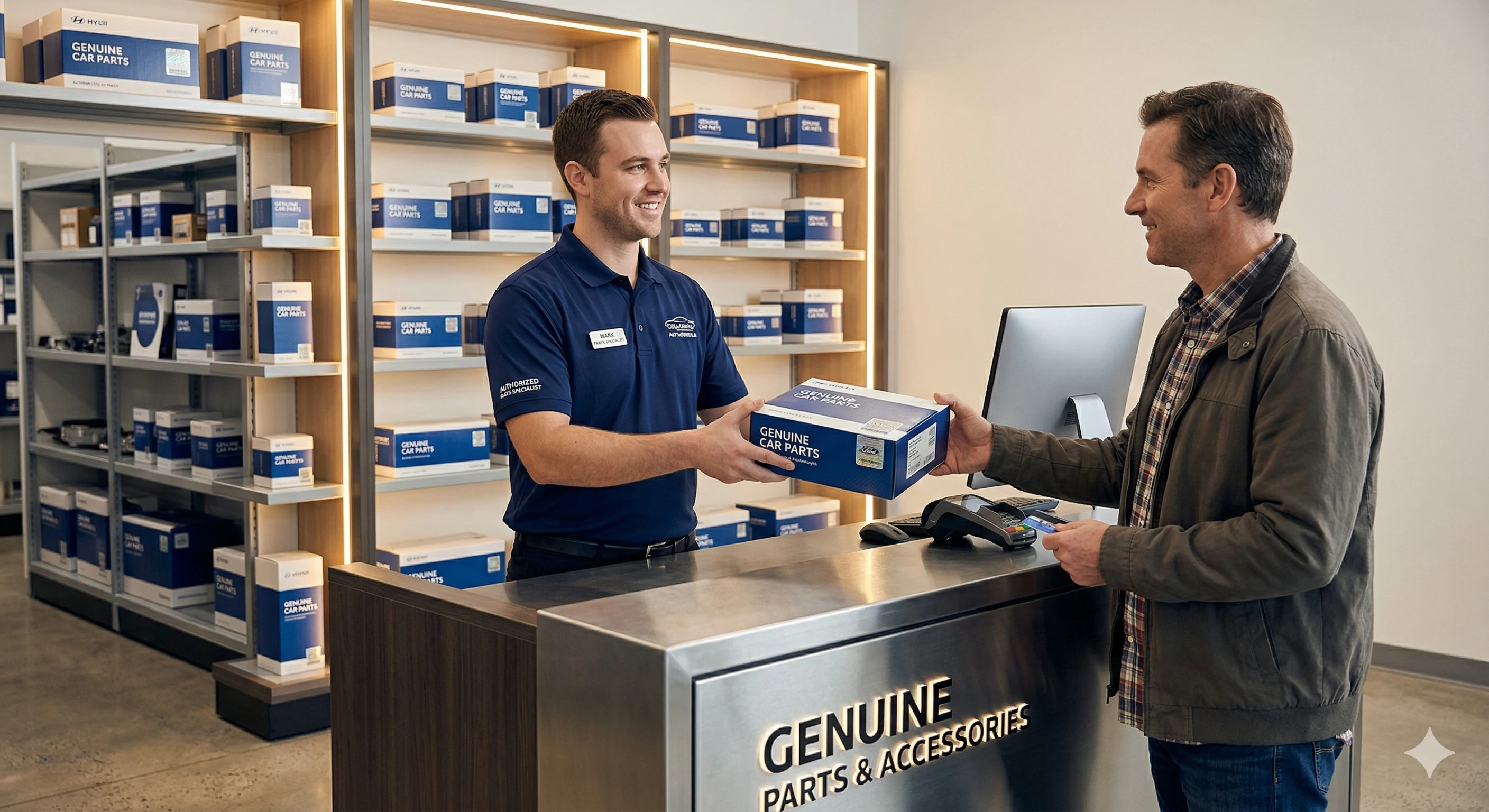
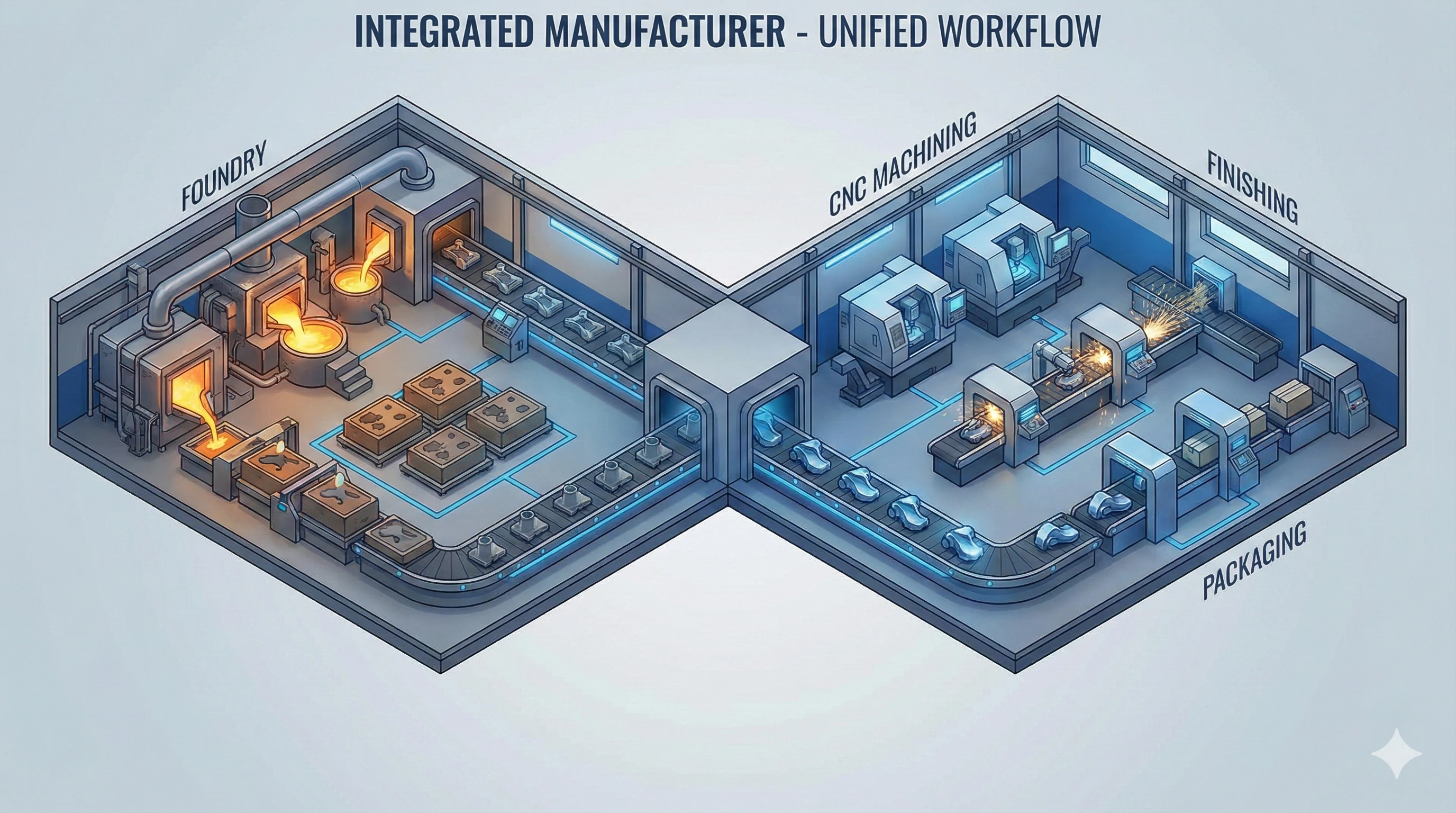
That said, "made by the automaker" is slightly misleading. Most OEM parts are actually produced by third-party suppliers (like Denso, Bosch, or Aisin) under contract. The automaker specifies the design and quality standards; the supplier does the manufacturing. This detail matters—and we'll come back to it.
What Are Aftermarket Parts?
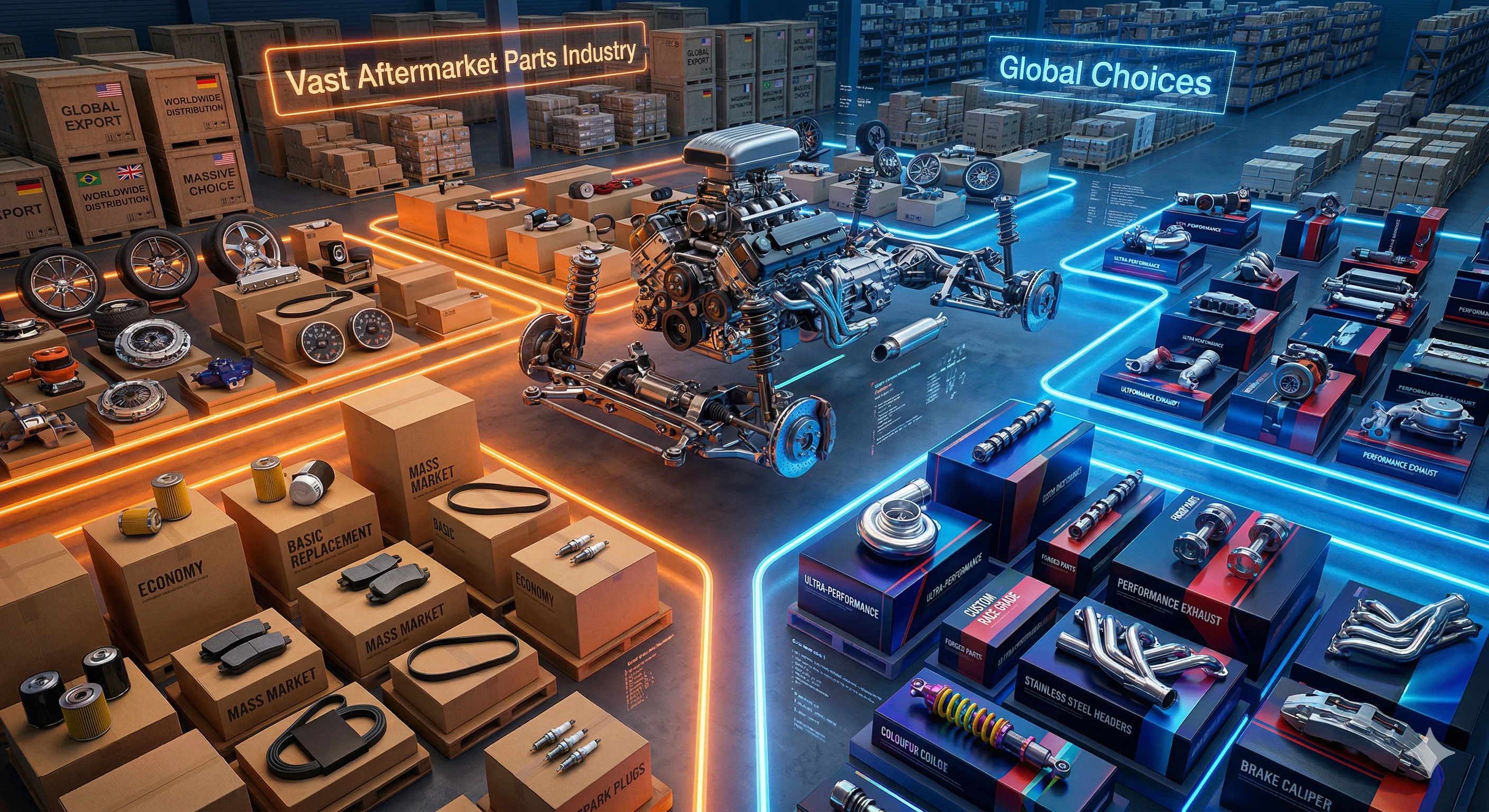
Aftermarket parts are replacement components produced by companies other than the vehicle's original manufacturer. The is enormous—valued at over $400 billion globally—and includes everything from budget-grade economy parts to premium performance upgrades that exceed OEM specifications.
This range is exactly what makes aftermarket shopping both appealing and confusing. A $15 aftermarket oil filter and a $45 aftermarket oil filter are both "aftermarket," but they can be worlds apart in quality.
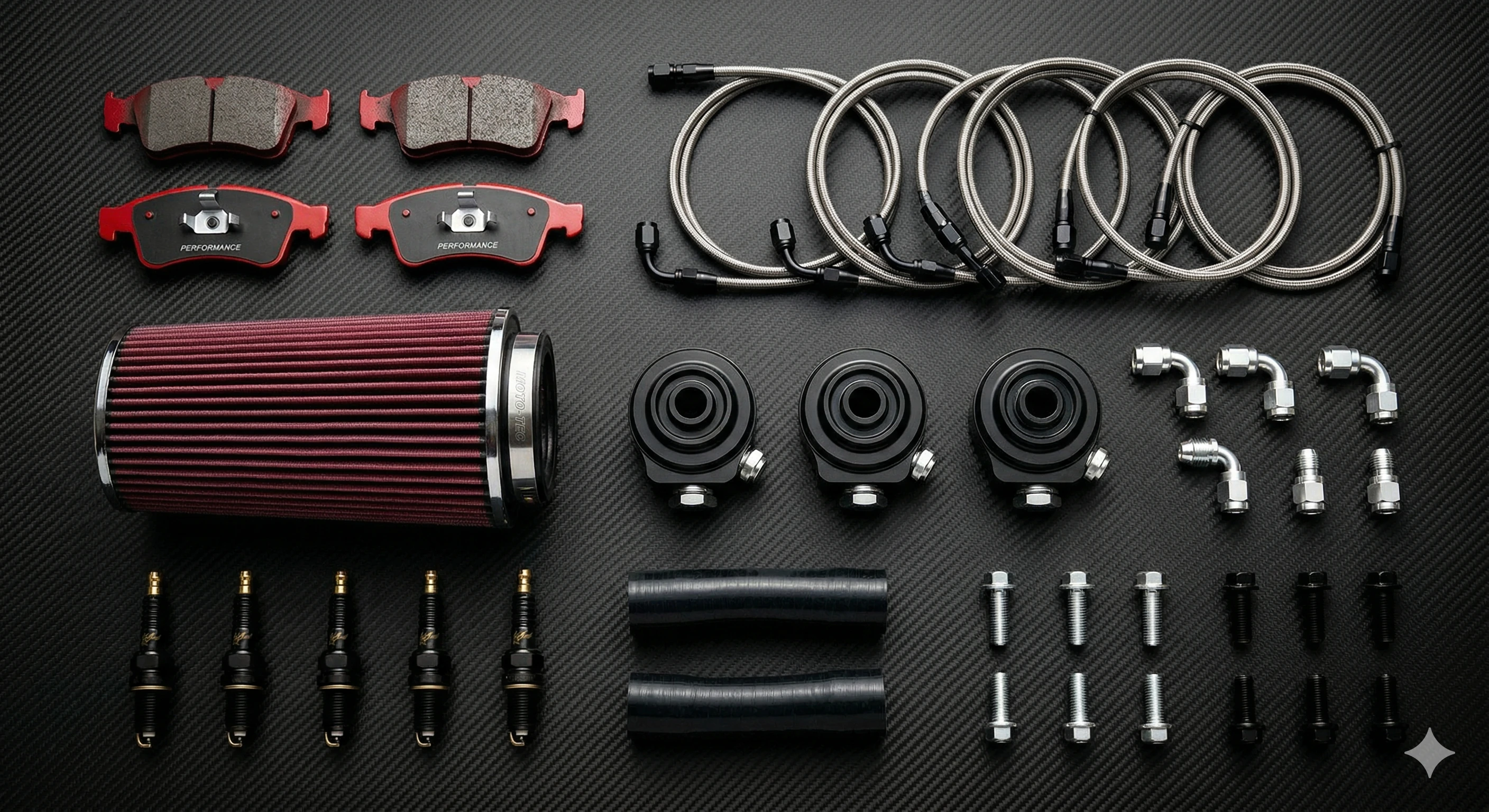
Key categories of aftermarket parts:
-
Economy/value parts — Lower cost, acceptable quality for basic transportation needs. Common brands include Dorman, TRQ, and various house brands.
-
Direct-fit replacement parts — Designed as drop-in replacements matching OEM specs. Brands like Moog, Raybestos, and Beck/Arnley fall here.
-
Premium/performance parts — Meet or exceed OEM standards, often with improved materials or design. Think Bilstein shocks, EBC brake pads, or K&N filters.
Understanding which tier you're shopping in is half the battle.
OEM vs. Aftermarket: Key Differences at a Glance
| Factor | OEM Parts | Aftermarket Parts |
|---|---|---|
| Price | 40–100% more expensive | Significantly cheaper |
| Fitment | Guaranteed exact fit | Varies—excellent to poor |
| Quality | Consistent, predictable | Ranges from budget to premium |
| Selection | One option per part | Multiple brands and tiers |
| Warranty | Backed by automaker warranty | Manufacturer warranty varies |
| Availability | Dealer or OEM suppliers only | Widely available online and in stores |
| Vehicle resale | Preserves value | Neutral to slight negative impact |
| Performance | Factory baseline | Can exceed OEM with premium brands |
Price Comparison: How Much More Do OEM Parts Cost?
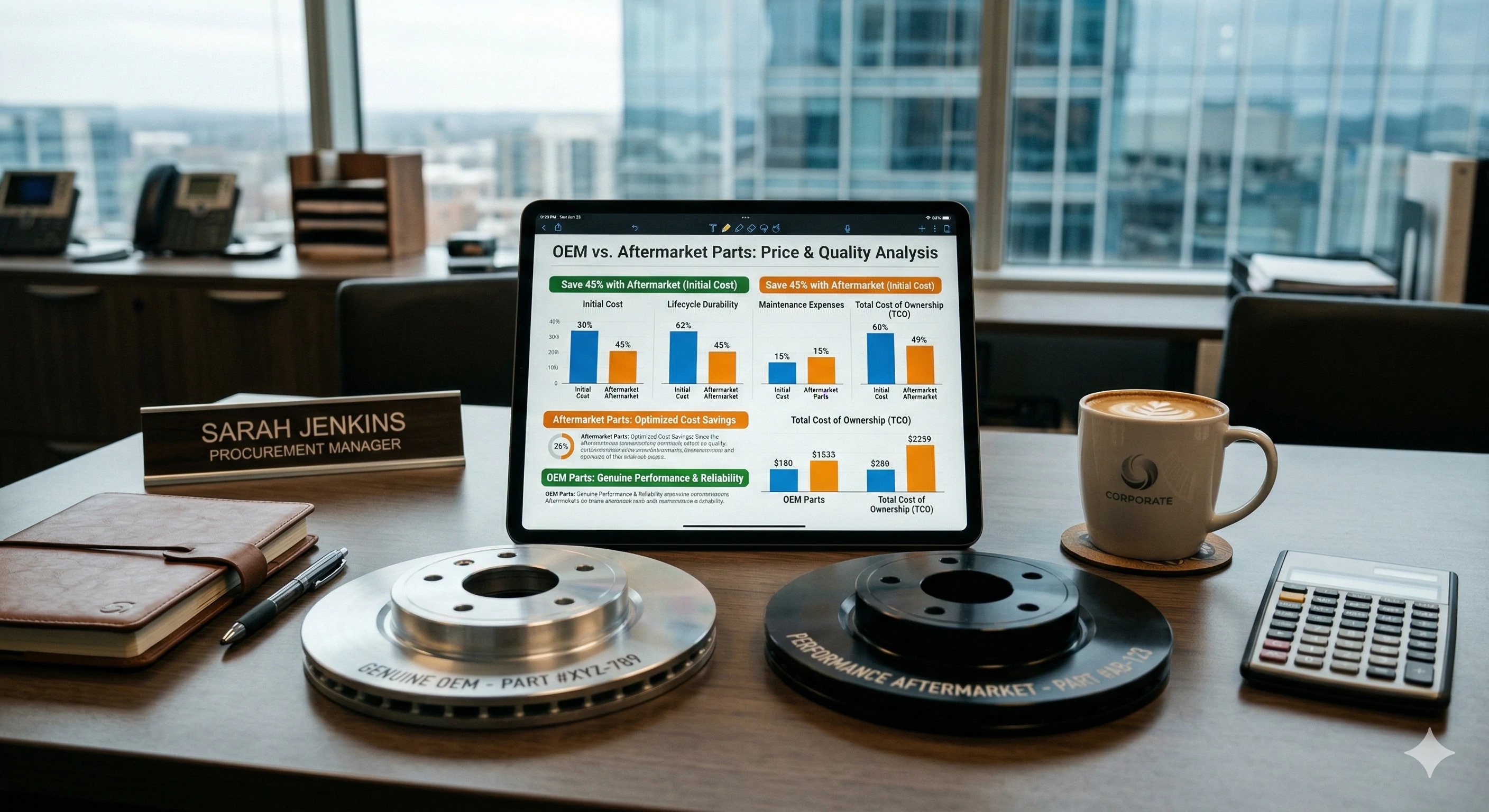
The OEM vs. aftermarket price difference is the single biggest factor driving this decision for most people. And the gap is real.
On average, OEM parts cost 40% to 100% more than their aftermarket equivalents. For some components, the markup is even steeper. Here are some real-world examples to put this in perspective:
-
Brake pads (front set): OEM ~$80–$150 | Aftermarket ~$25–$70
-
Oil filter: OEM ~$8–$15 | Aftermarket ~$4–$12
-
Front bumper cover: OEM ~$300–$800 | Aftermarket ~$100–$350
-
Windshield: OEM ~$400–$1,200 | Aftermarket ~$150–$500
-
Headlight assembly: OEM ~$250–$900 | Aftermarket ~$80–$300
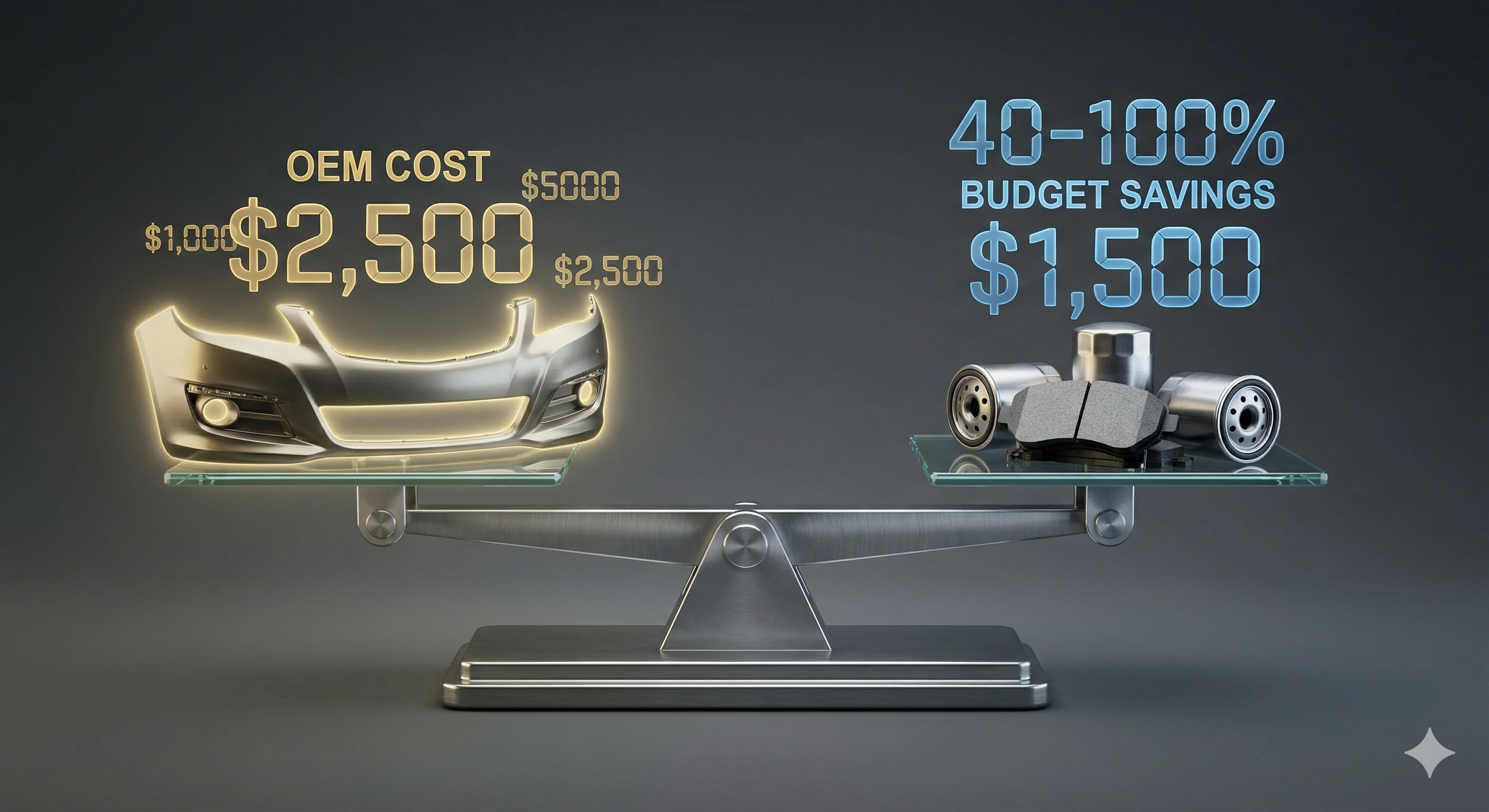
These numbers shift depending on the make and model. Luxury and European vehicles (BMW, Mercedes, Audi) tend to have the widest OEM-to-aftermarket price gaps, while domestic and mainstream Japanese brands have smaller spreads.
Over the life of a vehicle, choosing aftermarket where appropriate can save you thousands of dollars in maintenance and repair costs.
Quality and Reliability: Are Aftermarket Parts Good?
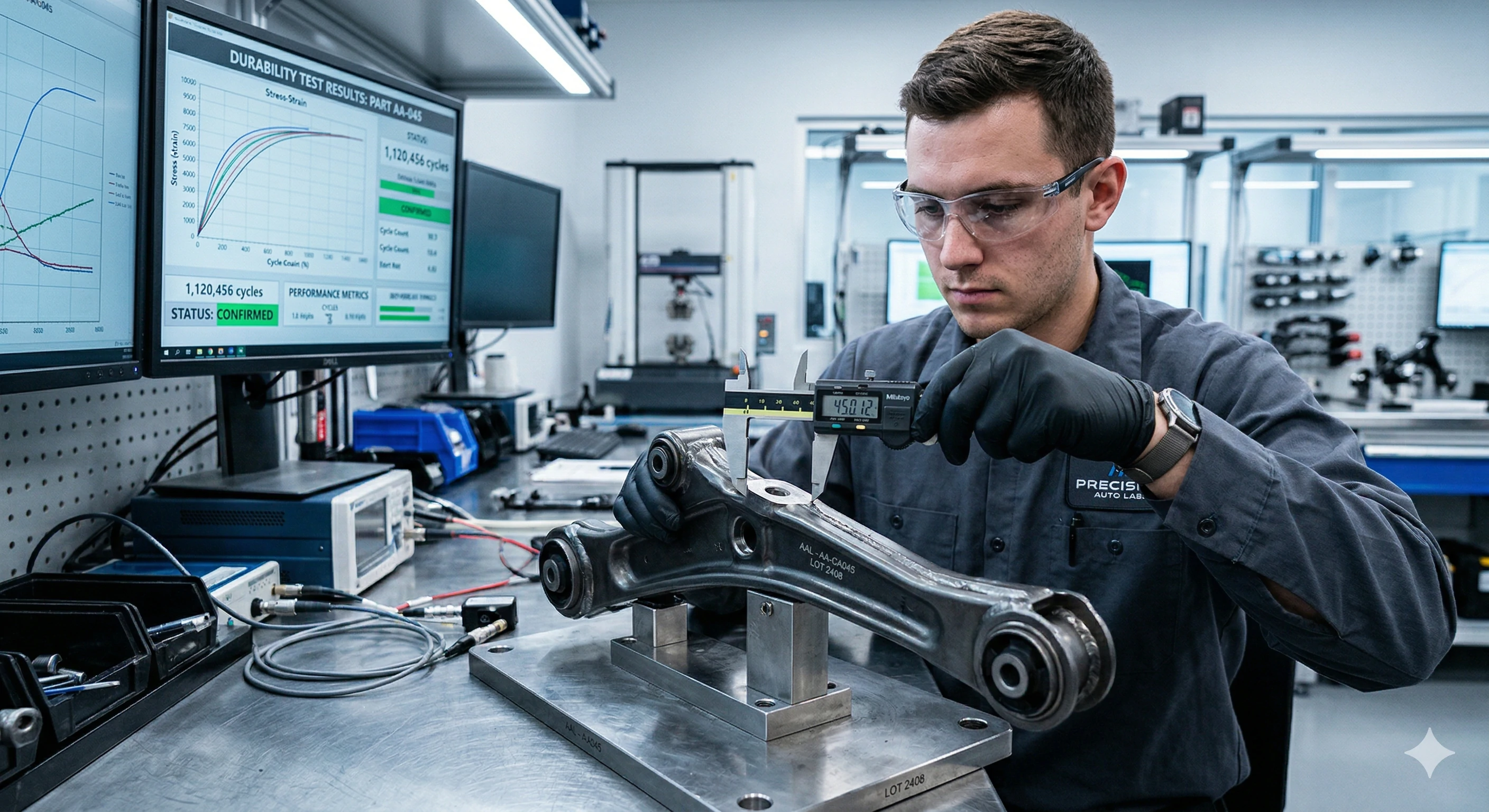
This is the question that keeps people up at night—and the honest answer is: it depends entirely on the brand and component.
The aftermarket industry doesn't have a single quality standard. A $20 aftermarket control arm from an unknown manufacturer is a very different product from a $65 Moog control arm with a lifetime warranty. Lumping them together would be like comparing a fast-food burger to a steakhouse cut and calling them both "beef."
What the data says:
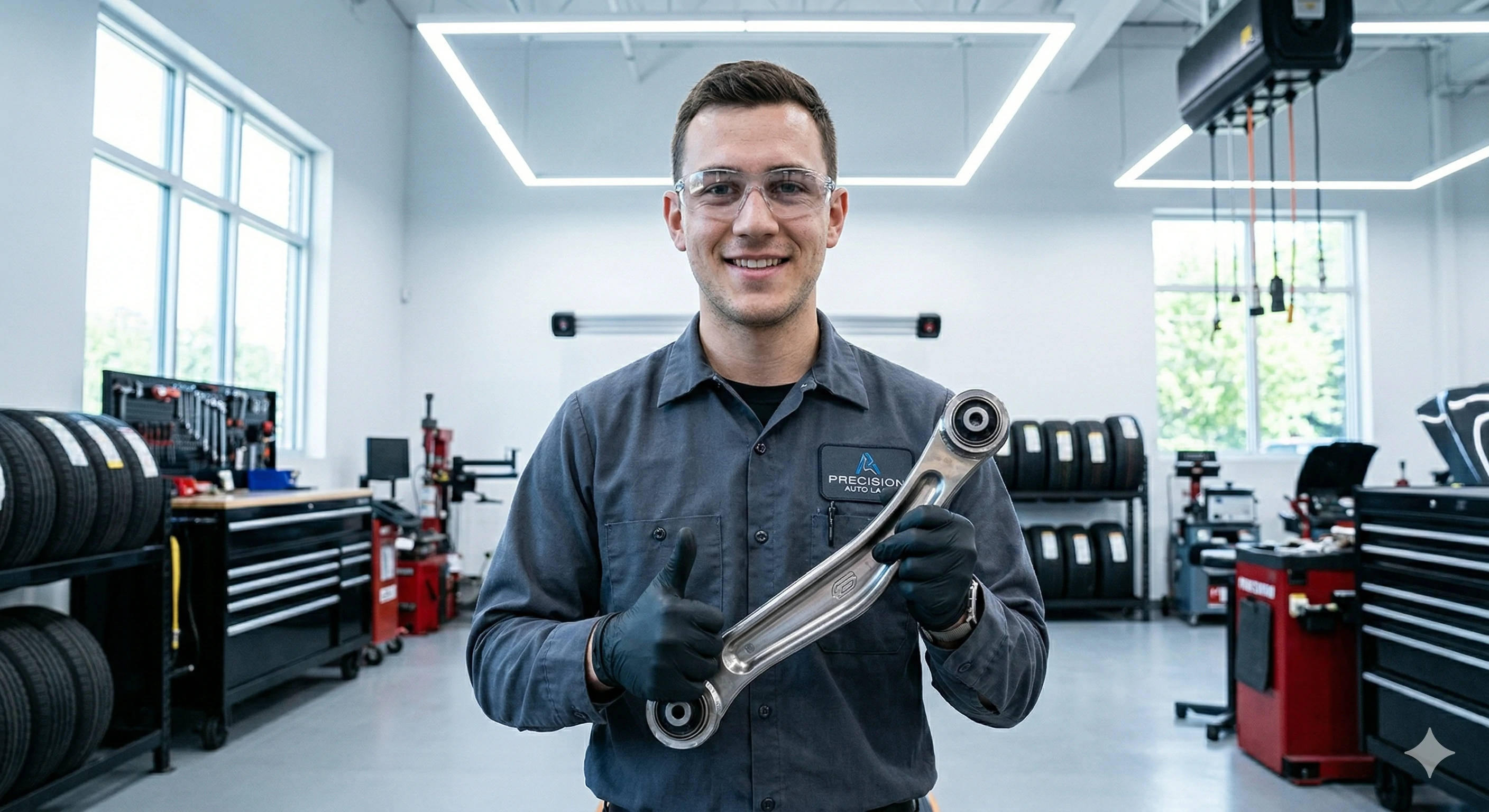
Independent testing by organizations like and various automotive engineering groups has consistently found that many name-brand aftermarket parts perform comparably to OEM equivalents. In some cases—particularly brakes and suspension—premium aftermarket options outperform OEM parts because they use upgraded materials or designs.
Where aftermarket quality becomes a genuine concern:
-
Body panels and bumpers — Fitment gaps are more common with budget aftermarket options.
-
Electrical components and sensors — Cheap aftermarket sensors can cause check-engine lights or erratic behavior.
-
Safety-critical parts — Airbag components, seatbelt assemblies, and structural crash elements should generally be OEM.
The bottom line on quality: Aftermarket parts from reputable brands are good—often very good. But cheap, no-name aftermarket parts can create problems that cost more than you saved.
Fitment and Compatibility
Fitment is where OEM parts have their clearest advantage. Because they're built to the vehicle's , OEM parts fit perfectly every time. No modifications, no persuasion with a rubber mallet, no "close enough."
Aftermarket fitment depends heavily on the manufacturer. Top-tier aftermarket companies invest in reverse-engineering OEM parts down to the millimeter and test-fit on actual vehicles. Budget brands may work from general specifications, leading to parts that are slightly off—bolt holes that don't quite line up, trim pieces with visible gaps, or hoses that need an extra clamp.
Components where fitment matters most:
-
Body panels (bumpers, fenders, hoods)
-
Interior trim pieces
-
Weatherstripping and seals
-
Exhaust systems
-
Wiring harnesses
Components where fitment is rarely an issue:
-
Filters (oil, air, cabin)
-
Brake pads and rotors
-
Spark plugs
-
Belts and hoses
-
Bulbs
If fitment is critical for your repair—especially anything visible on the exterior—OEM or a premium aftermarket brand is worth the extra cost.
Warranty Considerations
A common misconception is that using aftermarket parts voids your vehicle warranty. This is not true under U.S. federal law.
The Magnuson-Moss Warranty Act (1975) prohibits manufacturers from conditioning warranty coverage on the use of a specific brand of parts. In plain language: a dealer cannot deny a warranty claim simply because you used an aftermarket air filter or brake pads.
However, there are nuances:
-
If an aftermarket part directly causes a failure, the manufacturer can deny that specific claim. For example, if a cheap aftermarket radiator hose bursts and causes engine overheating damage, the automaker could argue the aftermarket part caused the problem.
-
Routine maintenance items (filters, fluids, brake pads) almost never trigger warranty issues.
-
Performance modifications (tunes, aftermarket turbos, lowering springs) are a grayer area and may affect powertrain warranty claims.
Practical advice: Keep receipts and documentation for any aftermarket parts you install. If a dealer tries to deny a warranty claim solely because of aftermarket parts, you have legal standing to push back.
FTC guidance on the Magnuson-Moss Warranty Act
Part-by-Part Breakdown
Not every part deserves the same buying strategy. Here's how the OEM-vs.-aftermarket decision shakes out for the components people search for most.
OEM vs. Aftermarket Brake Pads
Brakes are a safety-critical system, so this one makes people understandably nervous. But the aftermarket brake market is mature, well-regulated, and packed with reputable options.
The case for aftermarket brake pads: Premium aftermarket pads from brands like EBC, Akebono, Wagner ThermoQuiet, and Bosch QuietCast frequently match or outperform OEM pads. Ceramic aftermarket pads often produce less dust and noise than the OEM semi-metallic pads that came on many vehicles.
The case for OEM brake pads: If you want zero guesswork and the exact pedal feel your car had from the factory, OEM is the safe choice. This matters most on vehicles with or performance cars where the brake balance is precisely tuned.
Our recommendation: For everyday drivers, a name-brand aftermarket pad is an excellent value. For performance or luxury vehicles, consider OEM or a premium aftermarket performance pad.
OEM vs. Aftermarket Oil Filters
Oil filters are one of the most frequently replaced parts on any vehicle, and the aftermarket utterly dominates this category.
Here's the little secret of the oil filter world: many OEM filters are manufactured by the same companies that sell aftermarket filters. Toyota's OEM filter? Made by Denso. Many GM OEM filters? Made by ACDelco, which also sells direct to consumers.
Recommended aftermarket oil filter brands: Wix, Purolator, Bosch, Mann, Mahle, and Fram Ultra (note: the basic Fram orange filter has a weaker reputation among enthusiasts).
Our recommendation: Aftermarket oil filters from a known brand are perfectly fine for virtually every vehicle. The price difference is small per filter, but it adds up over years of oil changes.
OEM vs. Aftermarket Bumpers
Bumpers are where the aftermarket quality gap is most visible—literally. An ill-fitting bumper cover stands out on a vehicle in a way that a slightly different oil filter never will.
Common aftermarket bumper issues:
-
Slight gaps between the bumper and adjacent panels
-
Paint-matching challenges (aftermarket bumpers arrive unpainted or pre-primed)
-
Clip and mounting point alignment that requires adjustment
-
Thinner plastic on some budget options
When OEM is worth it: If you're repairing a newer vehicle, a luxury car, or any car where appearance matters to you, an OEM bumper will look right with less hassle. The fitment advantage is significant for body panels.
When aftermarket works: If the vehicle is older, used primarily for utility, or you have a skilled body shop that can adjust fitment during installation, aftermarket bumpers save substantial money—often 50–70% less than OEM.
OEM vs. Aftermarket Windshields
Windshields are more than glass—they're . In a rollover, the windshield provides up to 45% of the cabin's structural integrity. In a frontal collision, it supports proper airbag deployment.
OEM windshields are manufactured to the automaker's exact specifications for thickness, curvature, optical clarity, and adhesive compatibility. They also include correct calibration targets for vehicles with ADAS features (lane-departure warning, automatic emergency braking) that rely on cameras mounted behind the windshield.
Aftermarket windshields can vary. Premium aftermarket glass (from companies like Pilkington, Saint-Gobain, or Fuyao) is often produced in the same factories as OEM glass and meets all federal safety standards. Budget windshields may have minor optical distortion or slightly different thickness.
Critical consideration: If your vehicle has ADAS features, windshield replacement may require camera recalibration regardless of OEM or aftermarket glass. Some automakers require OEM glass for proper ADAS function—check your owner's manual.
Our recommendation: For vehicles with ADAS, lean toward OEM or a certified equivalent. For older vehicles without advanced driver-assistance features, quality aftermarket glass is a reasonable choice.
Headlights and Tail Lights
Aftermarket headlight assemblies are widely available and range from budget replacements to LED upgrade kits. OEM headlights offer guaranteed beam patterns that meet , while cheap aftermarket units sometimes produce poor light distribution or excessive glare.
Our recommendation: For standard halogen bulb replacements, aftermarket is fine. For full headlight assemblies, especially on vehicles with projector or LED housings, OEM or name-brand aftermarket (Depo, TYC) delivers better results. Avoid no-name eBay or Amazon headlight assemblies—glare and poor output are common complaints.
Suspension Components
Shocks, struts, control arms, tie rods, and ball joints are all available from quality aftermarket manufacturers. This is actually an area where aftermarket options can significantly outperform OEM.
Notable aftermarket suspension brands: Bilstein, KYB, Monroe, Moog, Mevotech.
Many of these companies supply OEM parts to automakers and sell the same (or improved) parts under their own brand at lower prices. KYB, for example, is the OEM shock supplier for many Toyota and Honda vehicles.
Our recommendation: Quality aftermarket suspension parts are generally an excellent buy. Moog control arms with lifetime warranties, KYB struts, and Bilstein shocks are trusted by professional mechanics.
Why Are OEM Parts So Expensive?
It's a fair question—and the answer involves several factors:
1. Brand markup. When a part carries the automaker's logo and part number, it commands a premium. The same physical part from the same factory might cost 30–60% less under the supplier's own brand.
2. Dealer distribution costs. OEM parts typically flow through the automaker's distribution network and dealership parts departments, each adding margin. Aftermarket parts often sell direct-to-consumer or through competitive retailers, cutting out intermediary costs.
3. R&D recovery. Automakers invest heavily in engineering vehicles and their components. OEM part pricing helps recover those development costs over the vehicle's lifespan.
4. Guaranteed compatibility. Part of what you're paying for is the assurance of exact fitment, validated performance, and manufacturer backing. That assurance has real value.
5. Smaller production runs. Some OEM parts are produced in relatively small quantities (specific to one model year or trim level), while aftermarket manufacturers can design parts that fit across multiple applications, spreading tooling costs over larger production volumes.
Understanding why the premium exists helps you decide when it's justified and when you're simply paying for a logo.
Are Aftermarket Parts Used?
No—and this is a common point of confusion. Aftermarket parts are brand-new parts manufactured by companies other than the original vehicle manufacturer. They are not used, recycled, or salvaged.
You may be thinking of recycled or salvage parts, which come from vehicles that have been totaled or scrapped. These are sometimes called "used OEM parts" because they were originally manufactured by or for the automaker.
Here's the quick breakdown:
-
OEM (new): Factory-original parts, sold new through dealers
-
Aftermarket (new): New parts made by third-party companies
-
Recycled/salvage (used): Previously installed OEM parts pulled from scrapped vehicles
-
Remanufactured: Used parts rebuilt to working condition (common for alternators, starters, transmissions)
Each has a place in vehicle maintenance, depending on your budget, the part in question, and the vehicle's age.
When to Choose OEM Parts
OEM parts make the most sense in these situations:
-
Safety-critical structural components — Crumple zones, airbag parts, seatbelt mechanisms, and structural reinforcements should match factory specs exactly.
-
Vehicles under factory warranty — While aftermarket parts don't void warranties outright, using OEM for major systems avoids any possible disputes.
-
Newer or luxury vehicles — Maintaining OEM parts protects resale value and ensures the driving experience matches the manufacturer's intent.
-
ADAS-equipped windshields and sensors — Camera and radar calibration can be sensitive to non-OEM components.
-
Complex electrical modules and ECUs — Engine control units, transmission controllers, and infotainment modules should be OEM to avoid compatibility issues.
-
Visible body panels on vehicles you care about cosmetically — OEM bumpers, fenders, and hoods fit better and look right.
When Aftermarket Parts Are the Smarter Buy
Aftermarket parts are the better value in these scenarios:
-
Routine maintenance items — Oil filters, air filters, cabin air filters, spark plugs, brake pads, and rotors from reputable brands perform identically to OEM at lower cost.
-
Older vehicles (5+ years) — The cost-to-value ratio shifts heavily toward aftermarket as vehicles age.
-
Suspension and steering components — Name-brand aftermarket options (Moog, KYB, Bilstein) often come with better warranties than OEM.
-
Performance upgrades — If you want better braking, handling, or exhaust performance, aftermarket is the only path.
-
Vehicles driven for utility, not appearance — Work trucks, daily commuters, and high-mileage vehicles benefit from the cost savings.
-
Parts where the OEM supplier also sells aftermarket — If Denso makes the OEM part and sells the same filter under its own brand, the aftermarket version is essentially the same part for less money.
How to Identify High-Quality Aftermarket Parts
Not all aftermarket parts are created equal. Here's how to separate the good from the junk:
1. Research the brand. Established brands with decades of history (Bosch, Moog, Denso, KYB, Akebono, Wix, ACDelco) have reputations to protect. No-name brands sold exclusively through Amazon or eBay listings should be approached with skepticism.
2. Look for certifications. Quality aftermarket manufacturers carry or IATF 16949 certifications, meaning their production processes meet automotive industry standards.
3. Check warranty terms. A company confident in its product backs it with a strong warranty. Moog offers a limited lifetime warranty on many parts. Budget brands may offer little to no warranty.
4. Read reviews—but read them carefully. Focus on reviews from verified purchasers who describe fitment and longevity, not just "arrived on time" one-liners. Car forums and subreddits like r/MechanicAdvice and r/Cartalk are goldmines for real-world part experiences.
5. Ask your mechanic. Independent mechanics install thousands of parts annually and develop strong opinions about which aftermarket brands hold up and which don't. Their recommendations are worth more than any product listing.
6. Avoid the cheapest option. If one aftermarket part is $15 and the next reputable brand is $35, the $20 difference is almost always worth it for better materials, fitment, and longevity.
Insurance Claims: OEM vs. Aftermarket
If you're filing an insurance claim for collision repair, the OEM-vs.-aftermarket debate takes on an additional dimension: your insurance company may default to aftermarket parts to keep repair costs down.
What you should know:
-
Many insurance policies specify the use of aftermarket or recycled parts for repairs. Check your policy language.
-
Some states have laws requiring insurers to notify you when aftermarket parts will be used and may give you the right to request OEM parts (sometimes at an additional cost).
-
You can often negotiate for OEM parts, especially on newer vehicles. Some insurers offer an "OEM endorsement" rider for an additional premium.
-
from automakers (like Honda ProFirst or Toyota Certified Collision) typically require OEM parts.
Our recommendation: If you own a newer vehicle and OEM part quality matters to you, ask your insurance agent about an OEM parts endorsement before you need it. It's usually a small additional premium that can prevent headaches during a claim.
What Reddit and Real Owners Say
Online car communities are vocal about OEM vs. aftermarket—and the consensus is more nuanced than you might expect.
Common themes from r/MechanicAdvice, r/Cartalk, and model-specific subreddits:
-
Most experienced DIYers and mechanics use a mix. They'll buy OEM for electrical sensors and complex components, but happily use aftermarket filters, brakes, and suspension parts from trusted brands.
-
"Buy once, cry once" is a frequent mantra. Redditors who bought the cheapest aftermarket part and had to replace it within a year consistently recommend spending more on quality the first time.
-
Brand-specific knowledge matters. Communities often maintain recommendation lists for their specific vehicle—a part that works great on a Honda Civic may not be the best choice for a BMW 3 Series.
-
The OEM supplier shortcut is widely known. Experienced owners routinely identify who manufactures their vehicle's OEM parts and buy directly from that supplier at a lower price. For example, buying an Aisin transmission filter instead of the Toyota-branded one from the dealer.
The overall takeaway from the car community: be brand-conscious rather than category-dogmatic. The decision isn't "always OEM" or "always aftermarket"—it's "the right part for this specific repair."
FAQ
Do aftermarket parts void my warranty?
No. Under the , a manufacturer cannot void your warranty simply for using aftermarket parts. However, if an aftermarket part directly causes a failure, that specific repair may not be covered.
Are OEM parts always better quality than aftermarket?
Not necessarily. OEM parts offer consistent, predictable quality, but premium aftermarket parts from established brands can match or exceed OEM performance. The key is choosing reputable aftermarket brands rather than the cheapest available option.
How much cheaper are aftermarket parts compared to OEM?
Aftermarket parts typically cost 40–100% less than OEM equivalents. The savings vary by component—filters and brake pads have smaller dollar differences, while body panels and assemblies can show savings of several hundred dollars.
Can I mix OEM and aftermarket parts on my vehicle?
Absolutely. Most vehicle owners and professional mechanics use a combination based on the specific component, budget, and vehicle age. There's no mechanical reason you can't use aftermarket brakes and an OEM sensor on the same car.
Are aftermarket parts safe?
Aftermarket parts from reputable manufacturers must meet federal safety standards (FMVSS). For safety-critical components, stick with established brands carrying relevant certifications. Avoid no-name parts for brakes, suspension, steering, and structural components.
Where can I buy aftermarket parts?
Aftermarket parts are widely available through auto parts stores (AutoZone, O'Reilly, Advance Auto Parts, NAPA), online retailers (RockAuto, Amazon, PartsGeek, FCP Euro), and directly from brand websites. For OEM parts, authorized dealership parts departments and some online OEM parts retailers are your main sources.
Should I use OEM parts for an insurance repair?
It depends on your policy and the vehicle. For newer vehicles, OEM parts preserve proper fitment and value. Check whether your policy covers OEM parts or whether an OEM endorsement is available. For older vehicles, quality aftermarket parts are usually a reasonable choice.
Why do mechanics recommend certain aftermarket brands?
Professional mechanics see the long-term results of thousands of parts installations. Their recommendations are based on patterns—which brands fit well, last long, and don't create comeback repairs. Brands like Moog, KYB, Denso, and Bosch consistently earn mechanic trust.
The Bottom Line
The OEM vs. aftermarket decision doesn't have a one-size-fits-all answer—and that's actually good news. It means you have options, and with the right knowledge, you can make smarter choices for every repair.
Here's the framework that works:
Use OEM for safety-critical structural parts, complex electronics, ADAS-related components, and visible body panels on vehicles you care about preserving. Use quality aftermarket for routine maintenance, wear items, suspension upgrades, and repairs on older or high-mileage vehicles where cost efficiency matters most.
The worst decision isn't choosing one category over the other—it's buying the cheapest part regardless of brand, failing within six months, and paying for the same repair twice.
Know the brand. Know the component. Know your vehicle. That's the formula for getting this decision right every time.
Footnotes
1. Learn about the definition and role of original equipment manufacturers.
2. Explore the Specialty Equipment Market Association (SEMA) and industry trends.
3. Read independent reviews and maintenance advice from Consumer Reports.
4. Understand technical specifications and engineering standards for manufacturing.
5. Information on driver assistance technologies and advanced braking safety.
6. Discover how structural components and ADAS protect vehicle occupants.
7. Review the Federal Motor Vehicle Safety Standards regulated by the DOT.
8. Learn how ISO 9001 ensures consistent quality management systems.
9. Explore automotive service excellence and collision repair certifications.