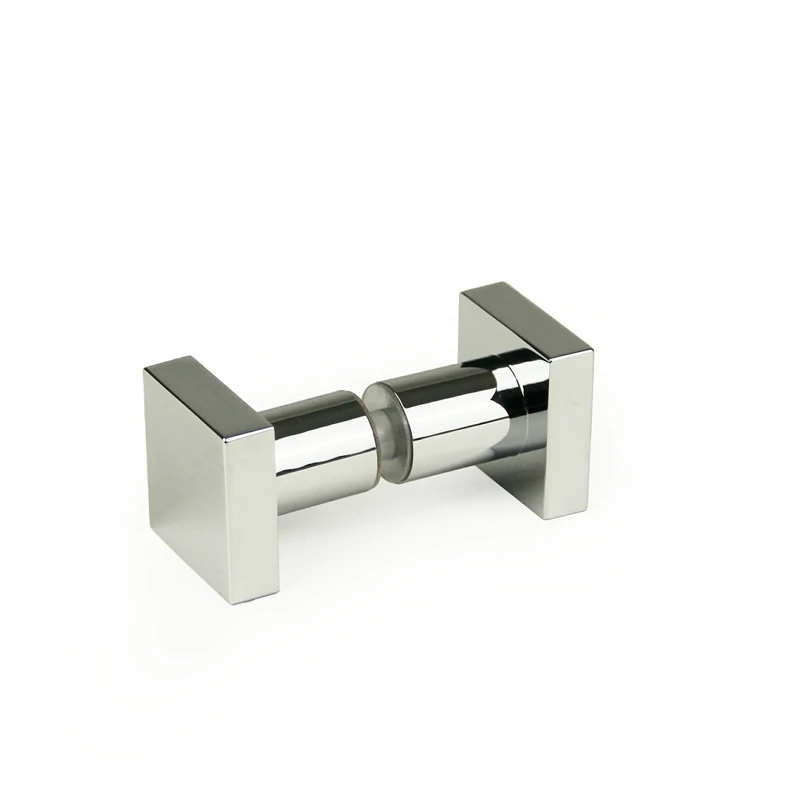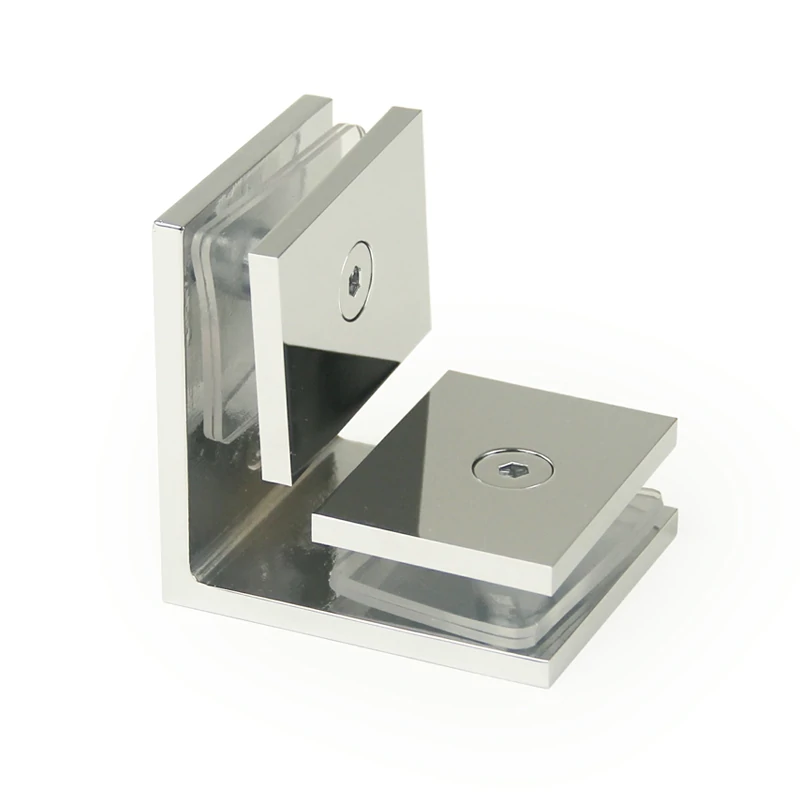
Brass is one of the oldest and most —used for everything from ship hardware and musical instruments to precision valves and luxury architectural hardware. But in today’s high‑precision OEM world, where density, pressure resistance, and CNC readiness matter, many engineers ask: Is brass still good for casting?
The short answer: Yes—brass is an excellent casting metal. With , outstanding fluidity, superior machinability, and natural corrosion resistance, brass remains a top choice for fluid control systems, architectural hardware, and precision mechanical components.
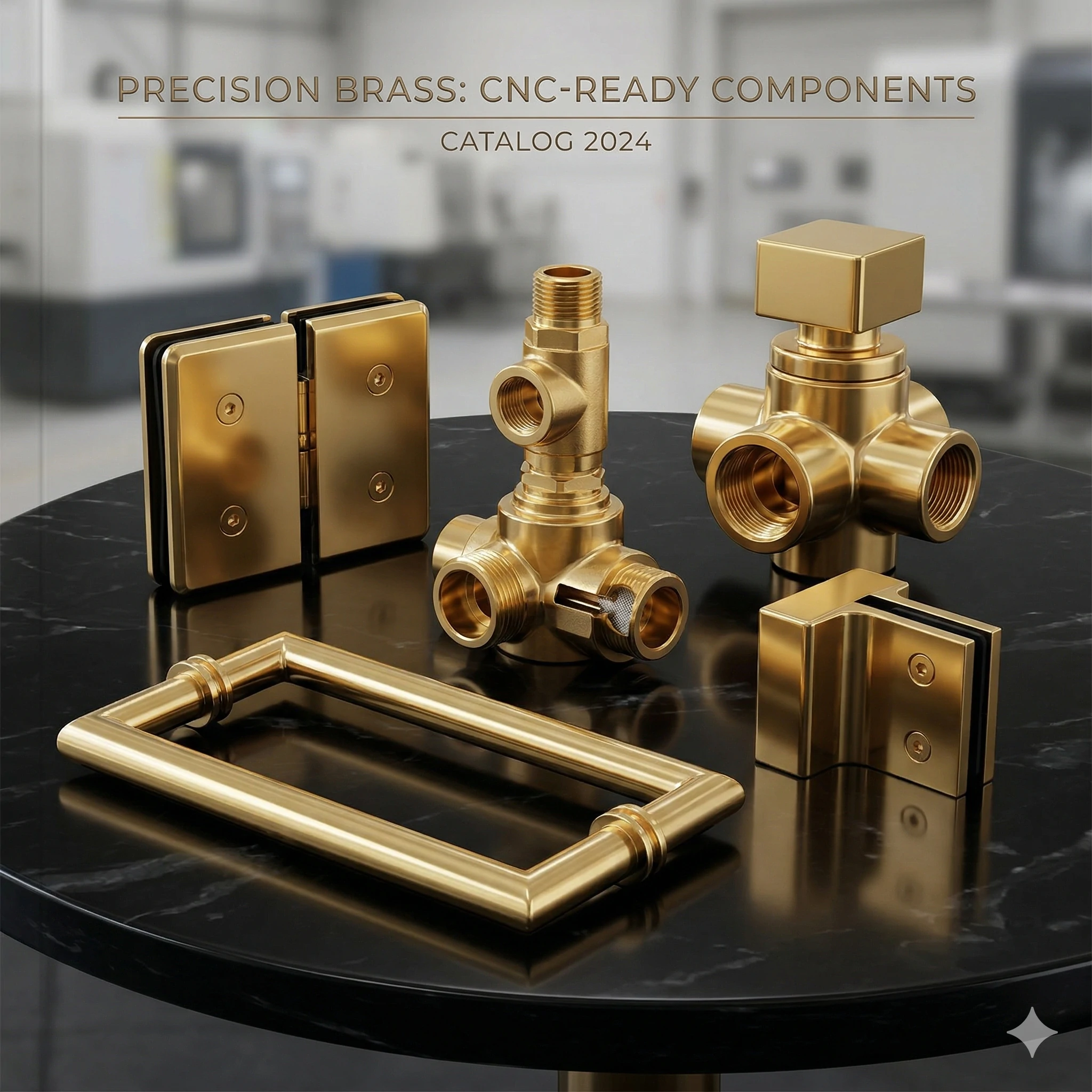
This guide explains why engineers specify cast brass, the critical metallurgical challenges involved, and how professional foundry control eliminates porosity and weak spots to produce reliable, pressure‑safe, CNC‑ready brass parts.
1. Why Brass Is Excellent for Casting (Key Advantages)
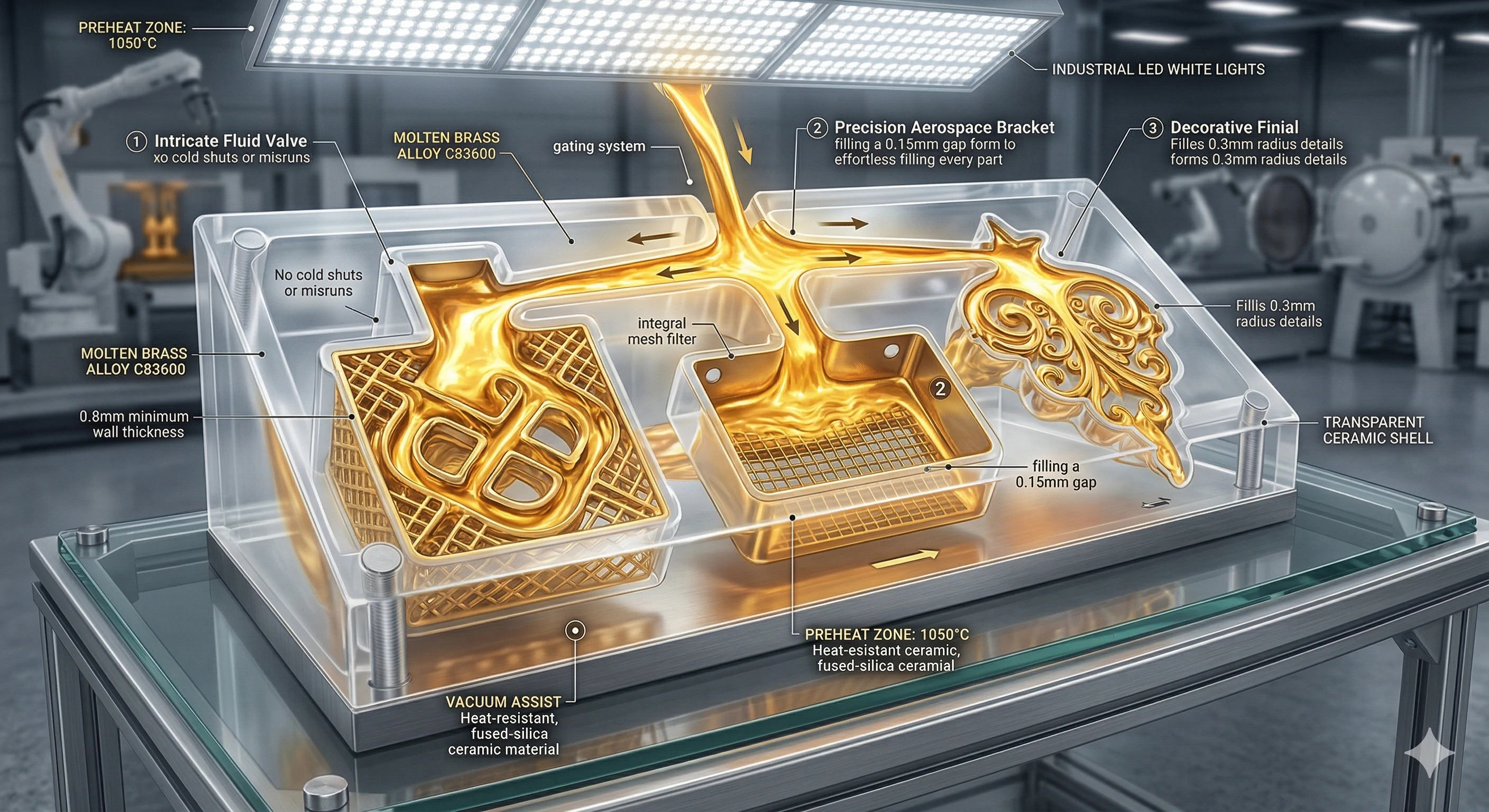
Brass offers a unique combination of properties that make it ideal for investment casting and mass production.
Exceptional Fluidity
When molten, brass flows smoothly and easily into . It fills thin walls, sharp details, and intricate geometries better than many alloys—making it perfect for precision investment casting.
Unmatched Machinability
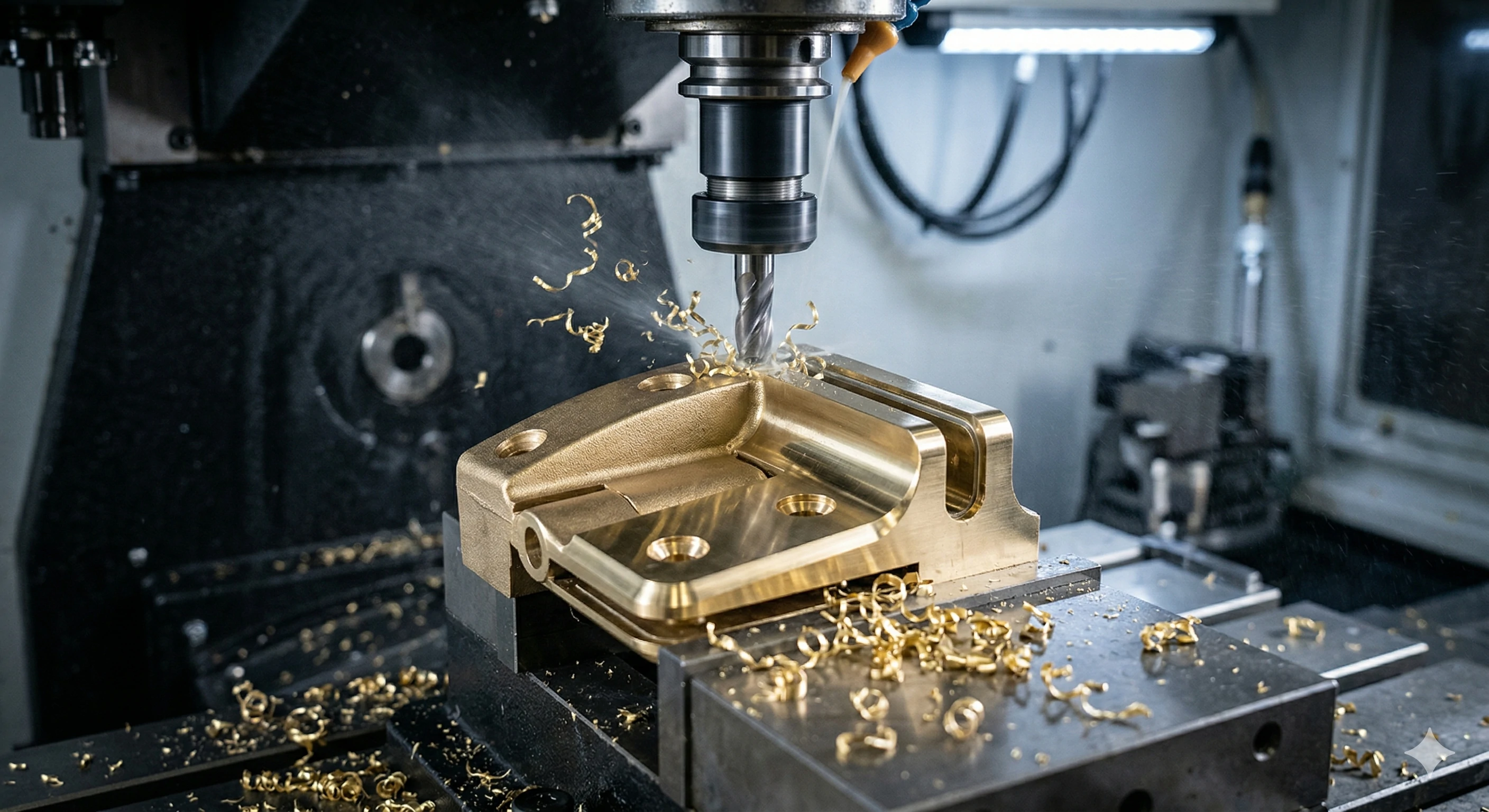
Brass is widely recognized as the . It cuts cleanly, does not gum tooling, and allows fast feeds and speeds. This drastically reduces production time and cost for threaded valves, fitted components, and finished hardware.
Natural Corrosion Resistance
Brass naturally withstands water, humidity, and mild corrosion. It does not rust and performs reliably in .
Premium Aesthetic Finish
Raw cast brass highly desired in luxury design. For high‑end shower hinges, door handles, and decorative fixtures, brass delivers a look stainless steel cannot match.
2. The Metallurgical Challenge: The Zinc Problem
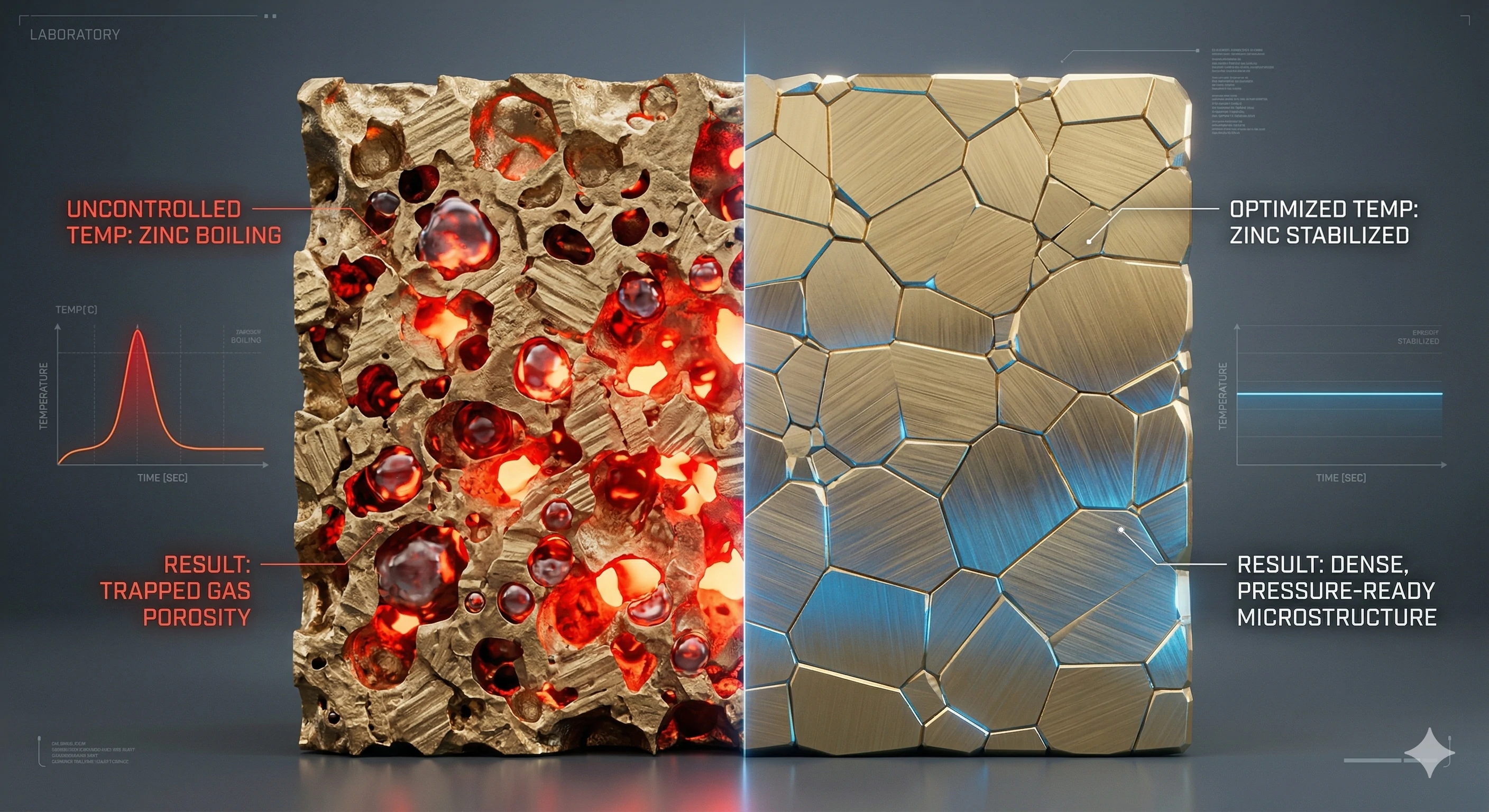
While brass casts beautifully, it has one critical vulnerability engineers and foundries must respect: the zinc issue.
Brass is an alloy of copper + zinc. Zinc has a much lower boiling point than copper’s melting point.
What Happens When Foundries Overheat Brass
If the molten brass becomes too hot:
• Zinc boils and vaporizes (zinc flaring).
• Toxic fumes form.
• Microscopic gas bubbles become trapped in the metal.
• The casting develops porosity—tiny internal holes.
The result? A porous brass valve will leak under pressure. A porous hinge will crack or fail under load.
Our Professional Solution
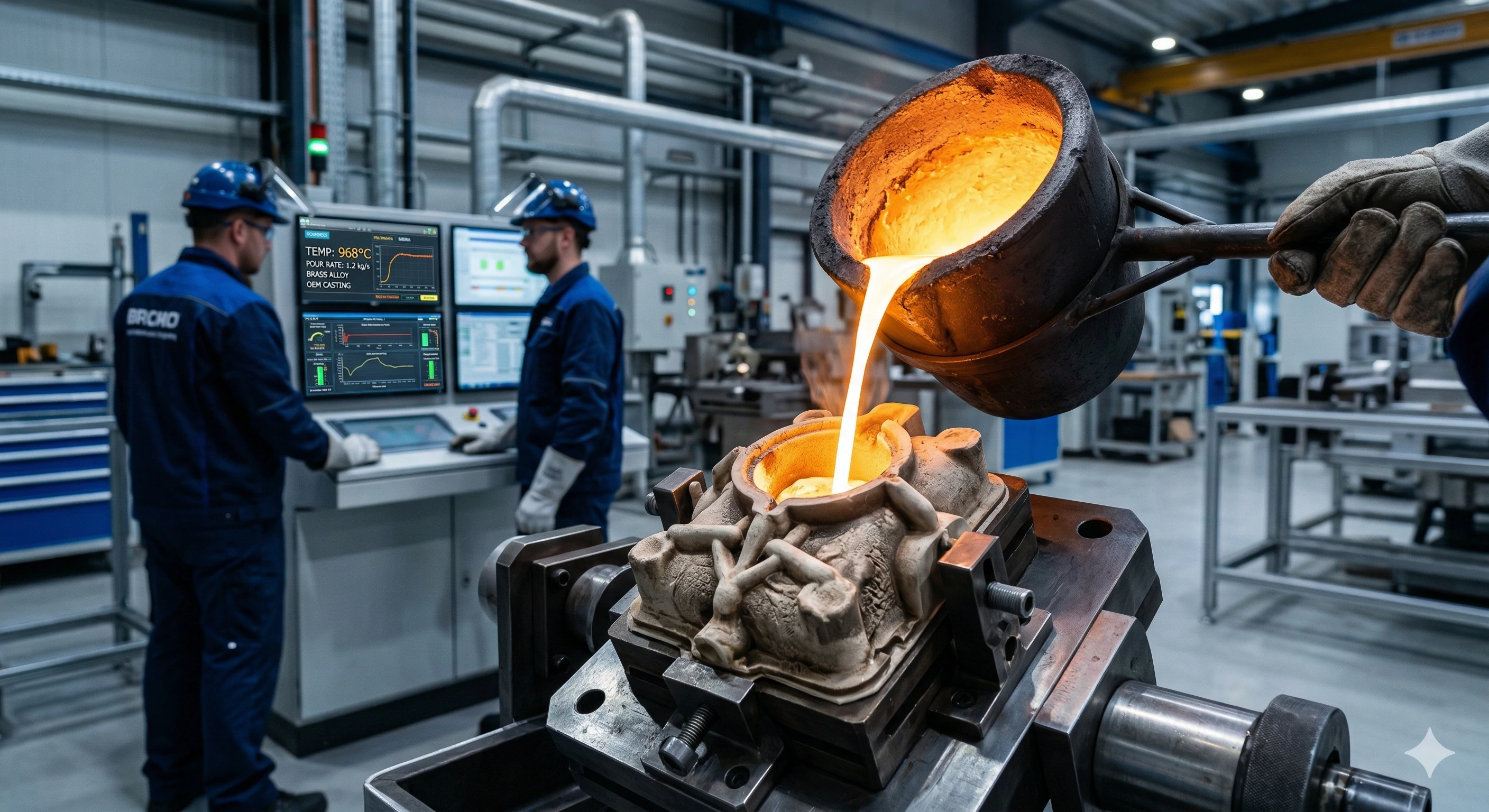
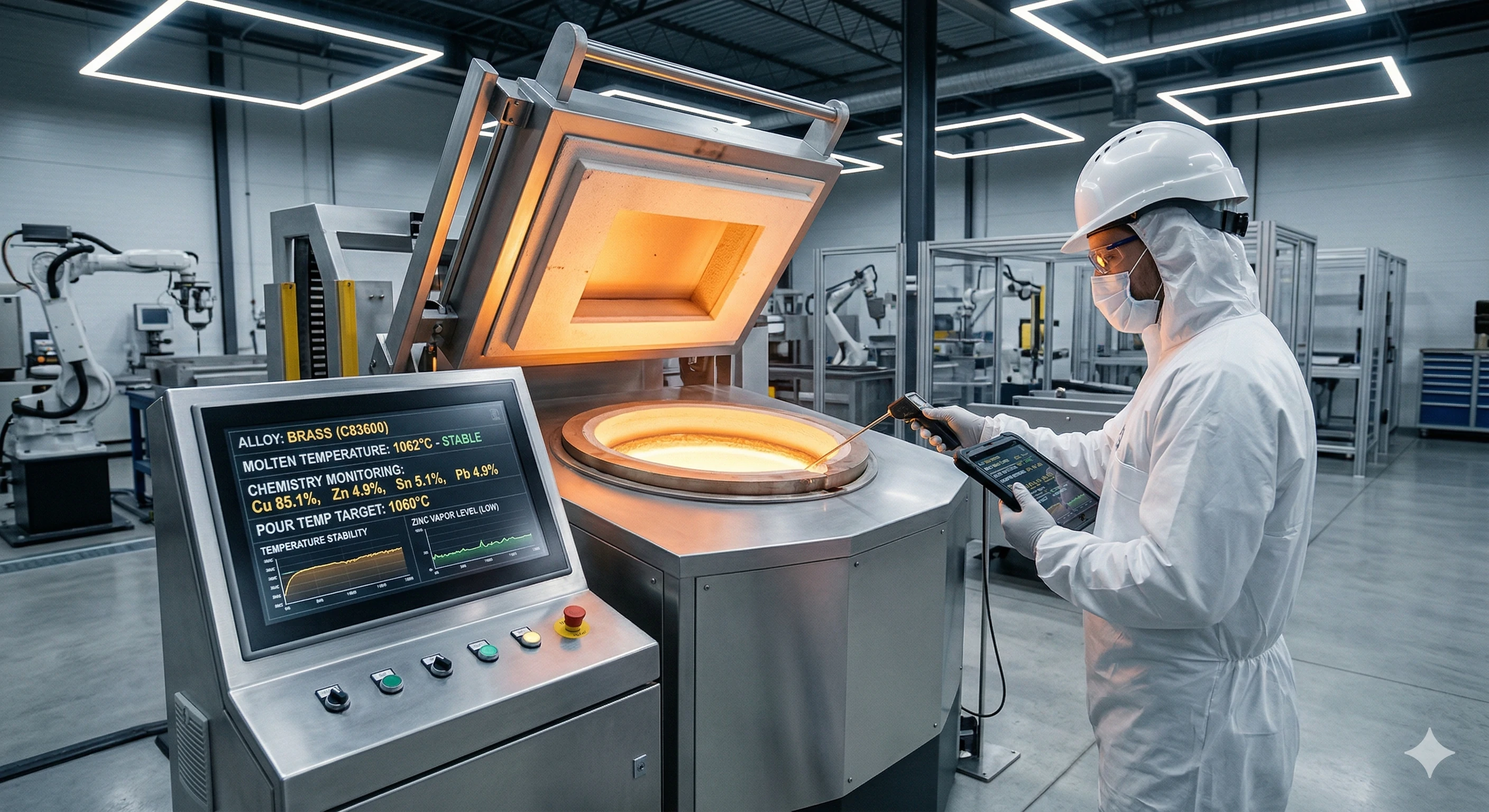
We eliminate porosity through strict temperature control. Our maintain precise, stable pouring temperatures. We monitor chemistry in real time to prevent zinc loss, ensuring every casting has a dense, tight, pressure‑ready grain structure.
This is why our brass castings are trusted for OEM valves, fittings, and structural hardware.
3. Top 3 OEM Applications for Cast Brass
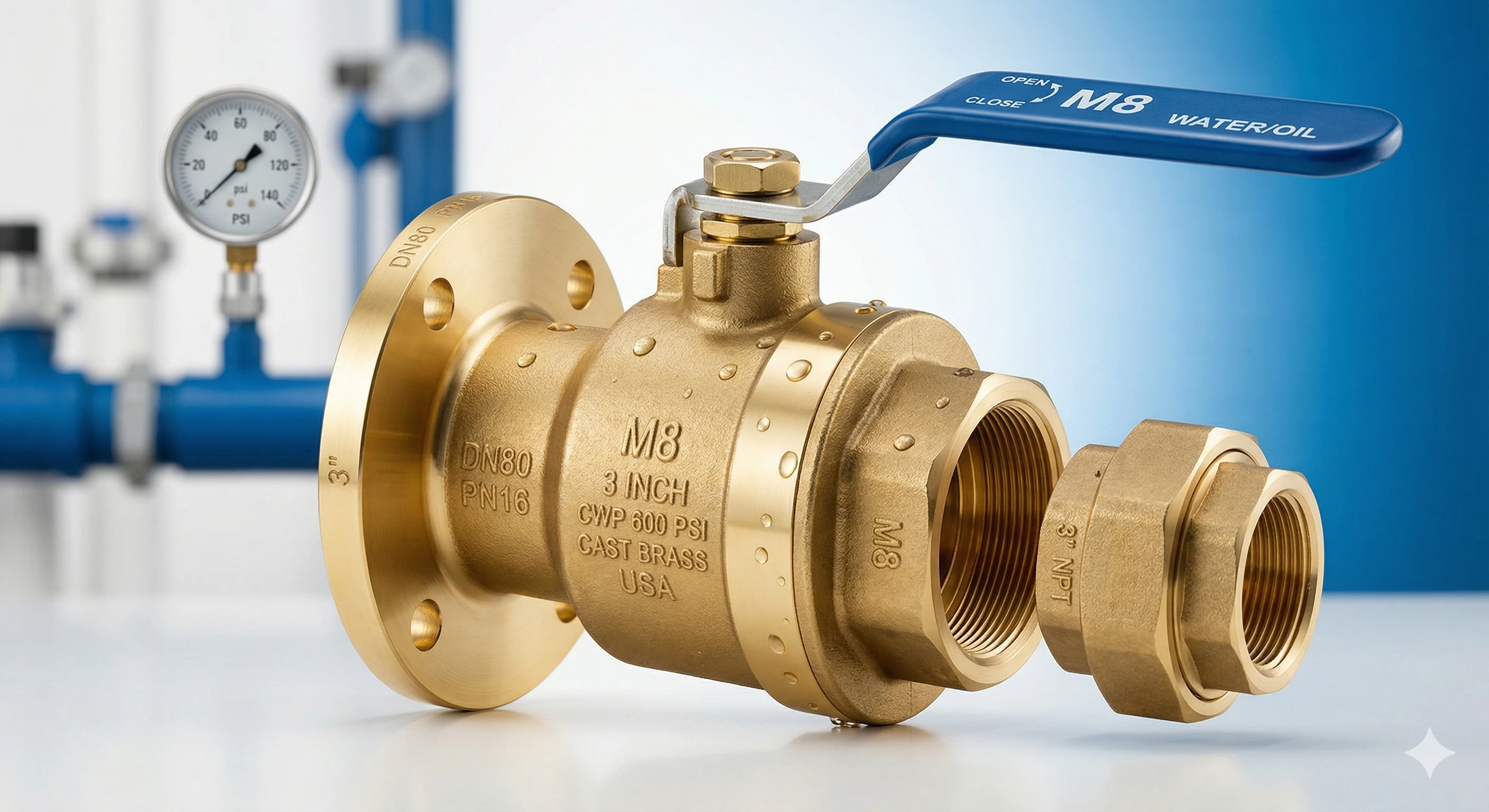
Brass is not universal—but it excels in these high‑demand industries.
1. Fluid Control: Valves & Pipe Fittings
Brass is the global standard for commercial plumbing, water systems, and low‑corrosion fluid control. We cast high‑volume that machine quickly and seal reliably under pressure.
2. Architectural & Shower Hardware
Luxury shower hinges, door levers, and balance brackets are almost always solid cast brass. It provides a heavy, premium feel, will never rust in wet bathrooms, and polishes to a mirror finish.
3. Precision Gears & Bearings
Brass has a naturally . It performs quietly and smoothly in sliding mechanisms, light gears, pivots, and bearing surfaces—ideal for mechanical assemblies.
4. Brass vs. Bronze vs. Stainless Steel Casting
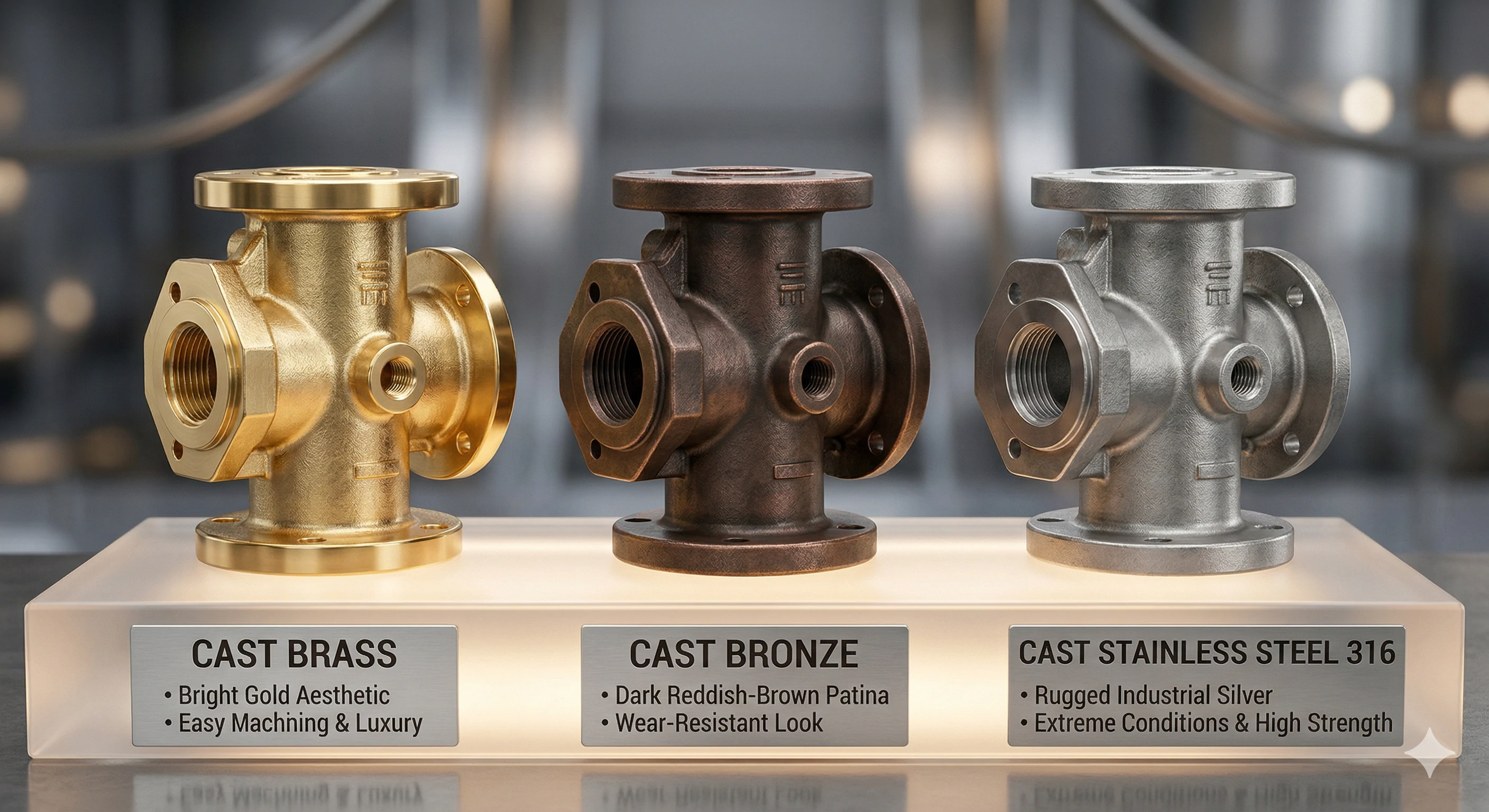
Understanding the differences between brass, bronze, and stainless steel is key for engineers to choose the right material for their OEM projects. Here’s a clear breakdown of their core characteristics and ideal applications:
Cast brass (copper + zinc) is best suited for applications requiring easy machining, such as water valves and luxury hardware. It offers low machining costs, , a bright gold aesthetic, and a mid-range cost point—making it a versatile choice for many everyday OEM components.
Cast bronze (copper + tin) excels in high-wear applications like bearings and marine parts. It boasts very good resistance to both wear and corrosion, though it has a medium machining cost and a dark reddish-brown appearance that lends itself to industrial and traditional designs.
Cast stainless steel 316 is the top choice for extreme conditions, including saltwater, harsh chemicals, and high-pressure environments. It offers excellent corrosion resistance but comes with the highest cost and high machining costs, as its hardness is tough on tools. Its industrial silver finish makes it ideal for rugged, functional applications rather than luxury design.
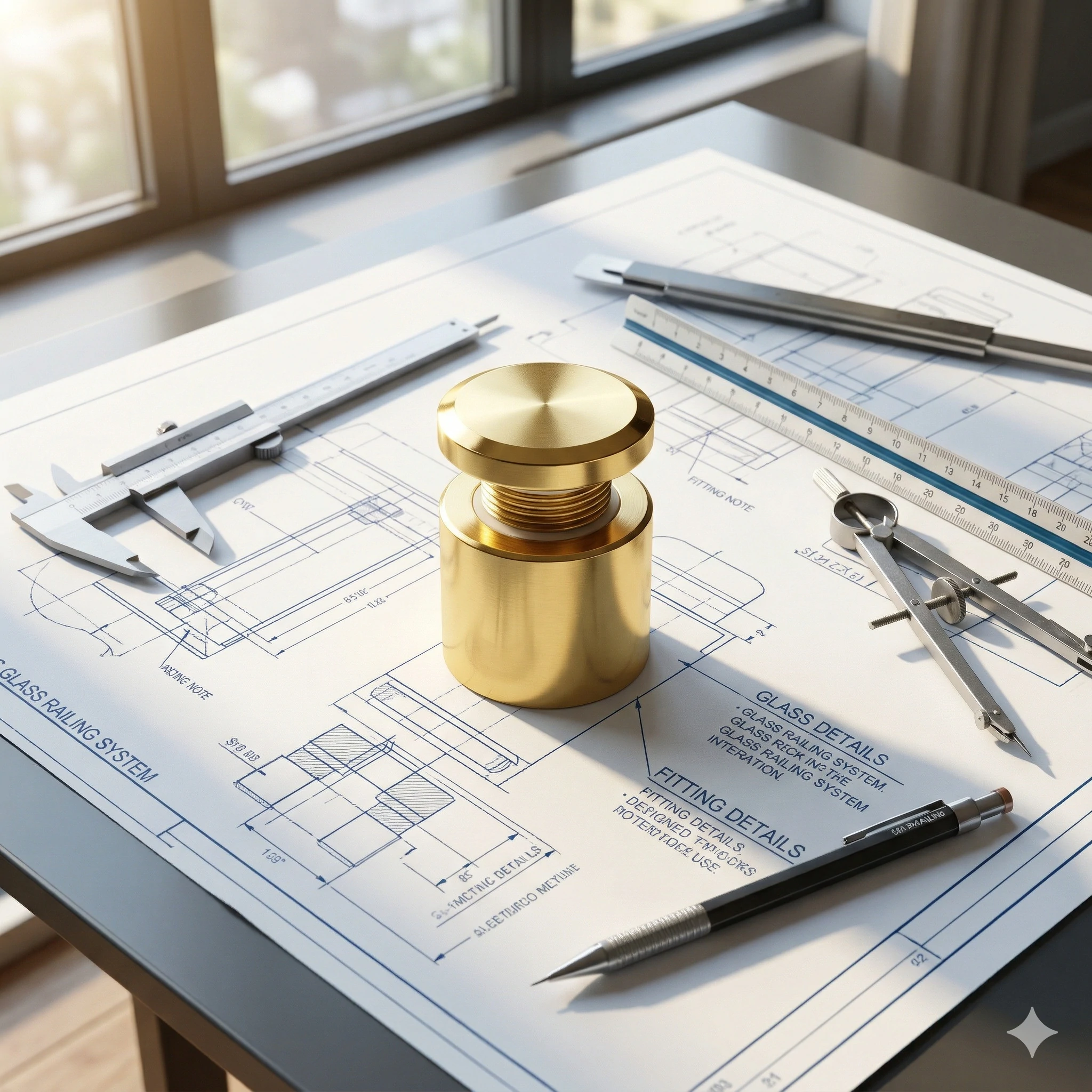
5. Which Casting Method Is Best for Brass?
Sand Casting
Suitable for large, simple, heavy brass parts where surface finish is less critical. It is a cost-effective option for basic components that do not require intricate details or tight precision.
Investment Casting (Lost‑Wax)
The best choice for OEM brass components. This method delivers a smooth surface finish, near-net-shape geometry, and minimal CNC machining needs—making it perfect for complex valves, hinges, and fittings that require high precision and consistent quality. For OEM projects prioritizing precision, performance, and long-term cost efficiency, investment casting is the premium standard for brass.
Frequently Asked Questions (FAQ)
Does cast brass rust?
No. Brass contains no iron, so it cannot rust. It may tarnish or develop a patina over time, but it will not corrode like steel—making it ideal for wet or humid environments.
Is it cheaper to cast brass or aluminum?
Raw aluminum is less expensive and easier to melt. However, brass is far easier to machine and offers much better corrosion resistance for water applications. For complex, threaded, or finished parts, brass often provides a lower total cost when factoring in machining time and long-term durability.
What is DZR Brass?
Dezincification Resistant brass is a special alloy designed to prevent zinc leaching in highly chlorinated or acidic water. It is required for most municipal water valve fittings to avoid long-term degradation and ensure reliable performance in public water systems.
Conclusion
Brass is not just “good” for casting—for machined fluid components, pressure‑safe valves, and luxury architectural hardware, it is often the best choice.
But flawless brass castings require professional foundry control: precise temperature management, tight chemistry monitoring, and investment casting expertise to avoid porosity and zinc loss.
If your next project demands dense, high‑precision, CNC‑ready brass castings, we specialize in OEM‑grade investment casting for valves, fittings, shower hinges, and custom hardware.
Send us your CAD files today for a professional manufacturing review and detailed quote.
Footnotes
1. Learn about the history and various industrial applications of brass alloys.
2. Discover how melting points affect the energy efficiency of casting processes.
3. Understand the mechanics of molding and casting complex industrial parts.
4. Read about machinability ratings and how they impact manufacturing costs.
5. Explore standard materials and practices used in modern plumbing systems.
6. See the metal polishing processes used to achieve high-luster finishes.
7. Learn how induction heating provides precise temperature control in foundries.
8. Overview of common pipe fittings and their roles in fluid systems.
9. Understand how friction coefficients determine the efficiency of mechanical moving parts.