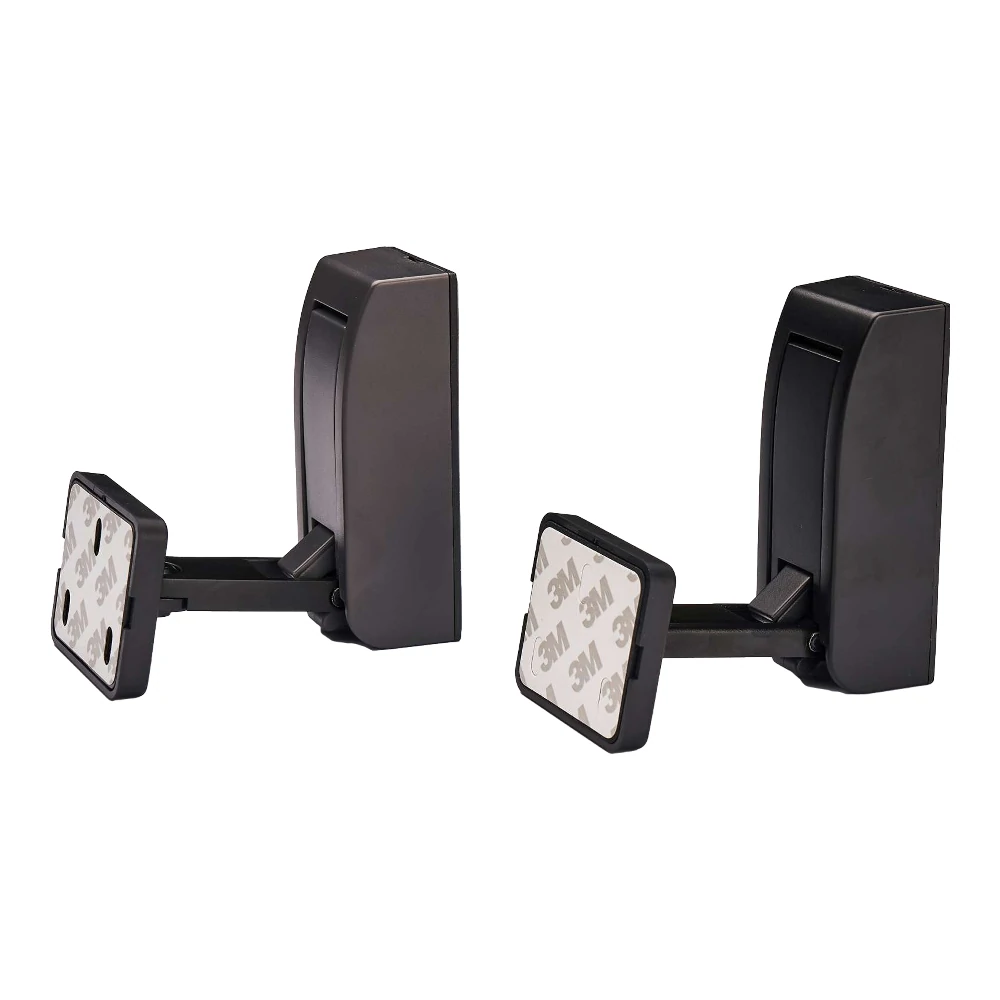
The sudden "BANG" of a slamming door is more than just annoying—it’s a safety hazard. For frameless glass doors, that violent impact can even lead to shattering. In the past, people relied on passive solutions like rubber wedges or magnetic catches, but these never truly stopped the slam at its source. Enter hydraulic door stoppers: active devices that use to absorb energy and control door movement, becoming the modern choice for safety, silence, and durability. This guide breaks down how hydraulic technology keeps doors operating smoothly and safely, helping you bid farewell to slamming doors for good.
What Is a Hydraulic Door Stopper? Active vs. Passive
The key difference between door stoppers lies in "passive blocking" vs. "active control"—and their performance varies drastically:
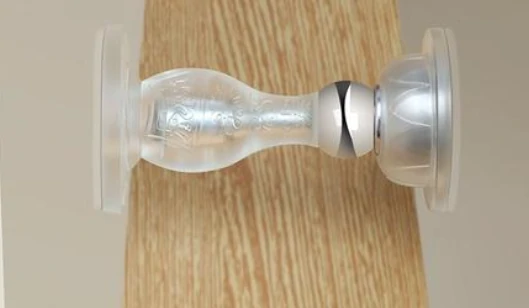
Passive Stoppers (Traditional Wedges)
Essentially just a piece of rubber or plastic, these only prevent the door from hitting the wall directly. They do nothing to slow the door’s closing momentum or stop it from slamming against the frame. The slamming problem remains; they only offer basic wall protection.
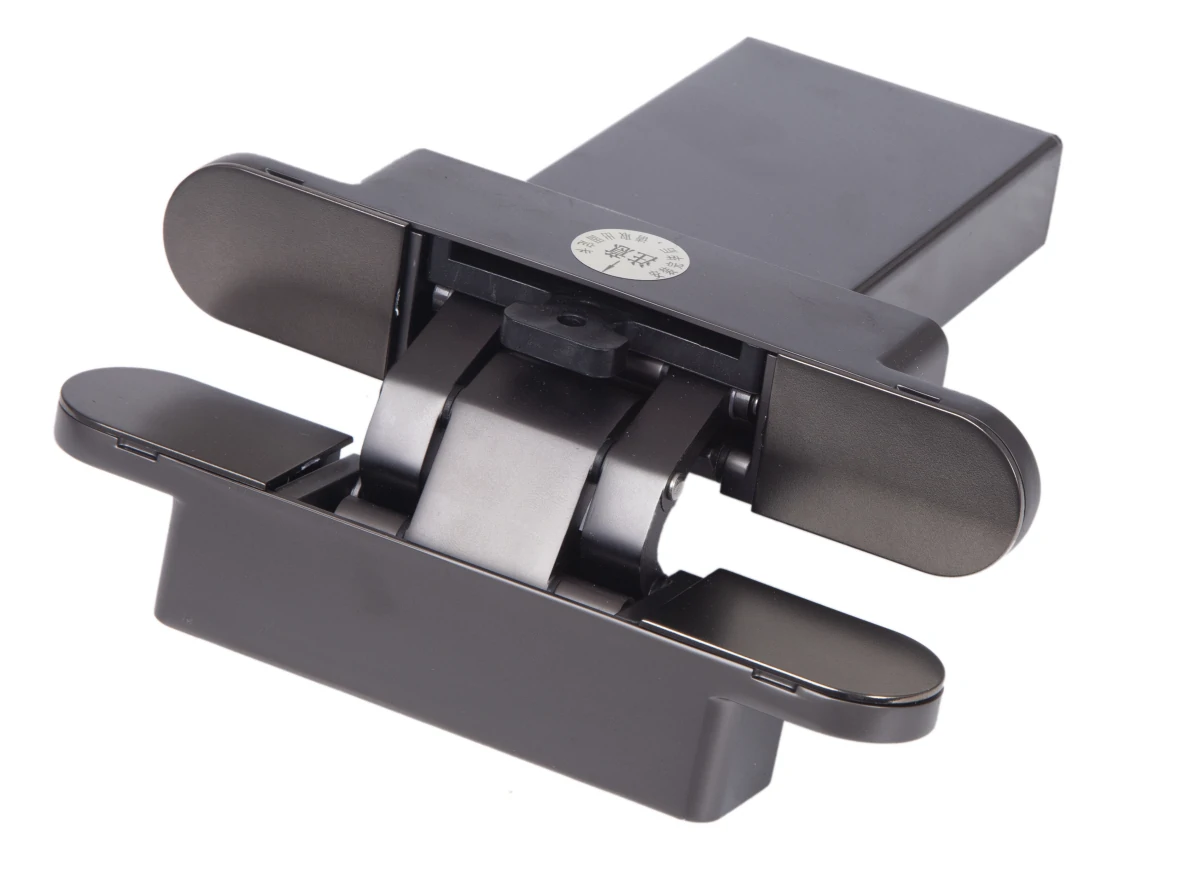
Active Hydraulic Stoppers (Damping-Controlled)
This isn’t just a simple block—it’s a precision-engineered damping device:
• Core Structure: Features an internal cylinder filled with hydraulic oil, paired with a and flow-restricting valves to form a power control system.
• Working Principle: As the door opens or closes, the piston compresses the hydraulic oil. The oil must flow slowly through narrow valve channels, creating uniform resistance that cushions the door’s movement.
• End Result: No matter how hard the wind blows or how forcefully someone pushes the door, it stays under control—no violent impacts, just smooth, slow opening and closing.
Why Do You Need a Hydraulic Door Stopper? 3 Key Benefits
Hydraulic door stoppers offer far more than just "anti-slamming"—they enhance door performance across safety, durability, and user experience:
1. Safety & Anti-Pinch Protection
Ideal for homes with kids or public spaces, the soft-close function prevents fingers from being crushed by a suddenly closing door. Especially for heavy glass doors, the hydraulic resistance acts like a "brake," ensuring even weighty doors close gently to avoid .
2. Protects Glass & Door Structure
Frameless glass doors are sleek but fragile at the edges. Repeated slamming weakens their over time, even causing invisible cracks. Hydraulic door stoppers absorb impact force, reducing hard collisions between the door and frame, as well as between glass and hardware. This significantly extends the lifespan of glass doors and fittings, avoiding costly glass replacements.
3. Noise Reduction for Premium Spaces
Sudden slamming disrupts peace—especially in offices, hotels, or bedrooms where quiet matters. Hydraulic door stoppers let doors close silently, creating a comfortable, high-end atmosphere that’s a hallmark of quality spaces.
3 Core Types of Hydraulic Door Stopping Mechanisms
Different scenarios demand specific installation styles and load capacities. These three types cover both residential and commercial needs:
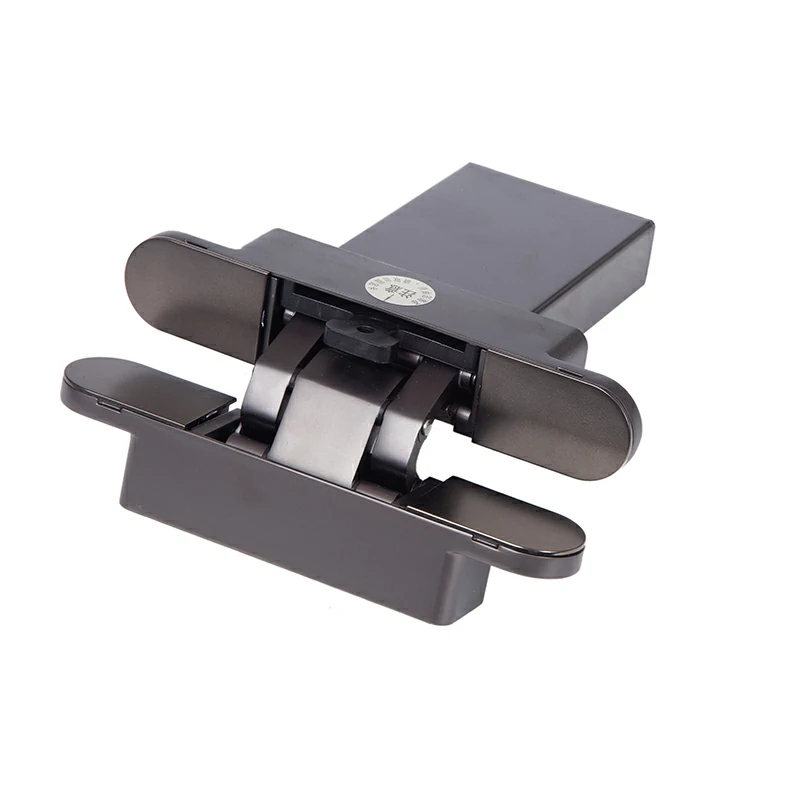
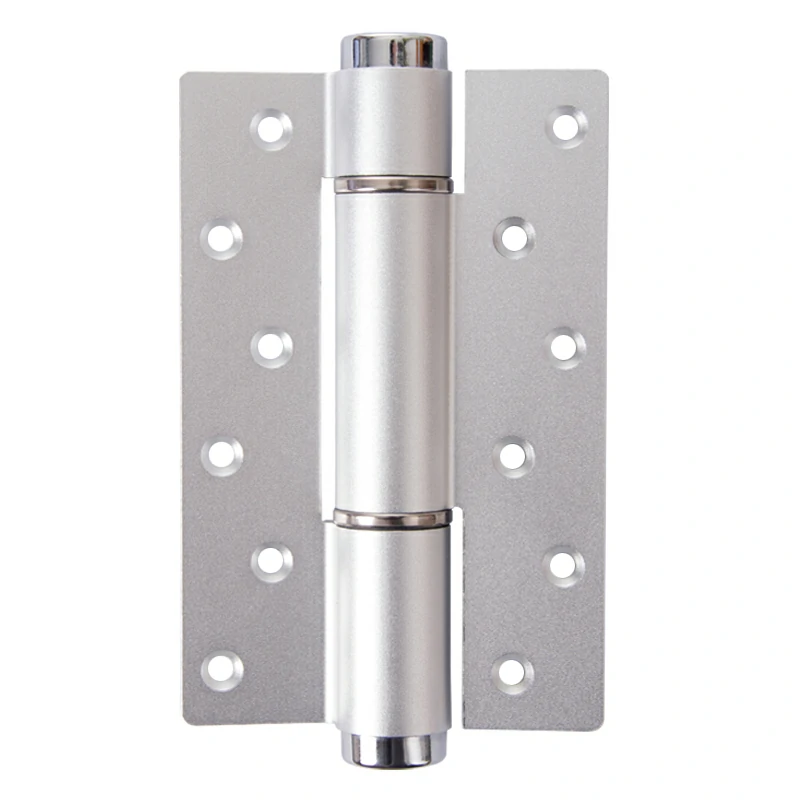
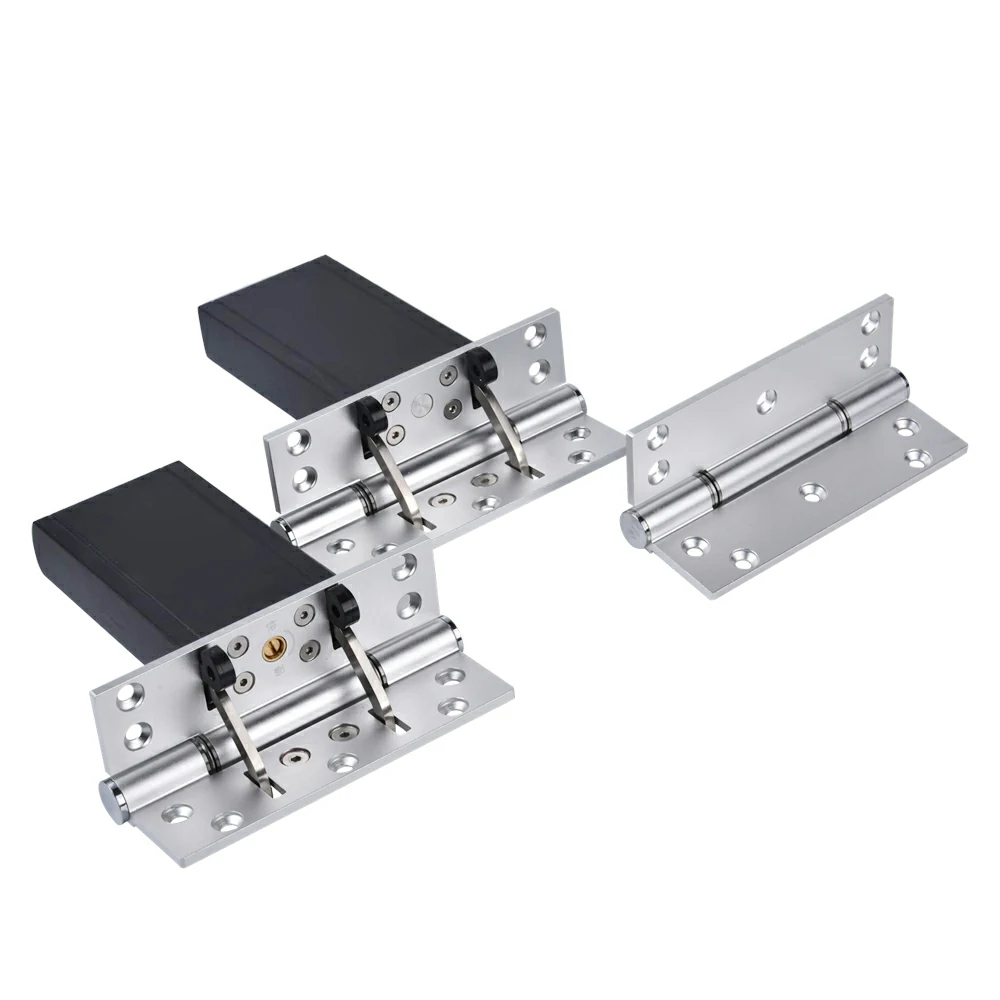
1. Hydraulic Hinges (All-in-One Solution)
Integrates the hydraulic damping mechanism directly into the hinge body, eliminating the need for separate stoppers. It combines "hinge + stopper" functionality in one.
• Key Benefits: Features both soft-close and backcheck functions. Easy to install without damaging the door or floor.
• Ideal For: Residential doors, bathroom glass doors, and light commercial doors—fits most standard-sized doors.
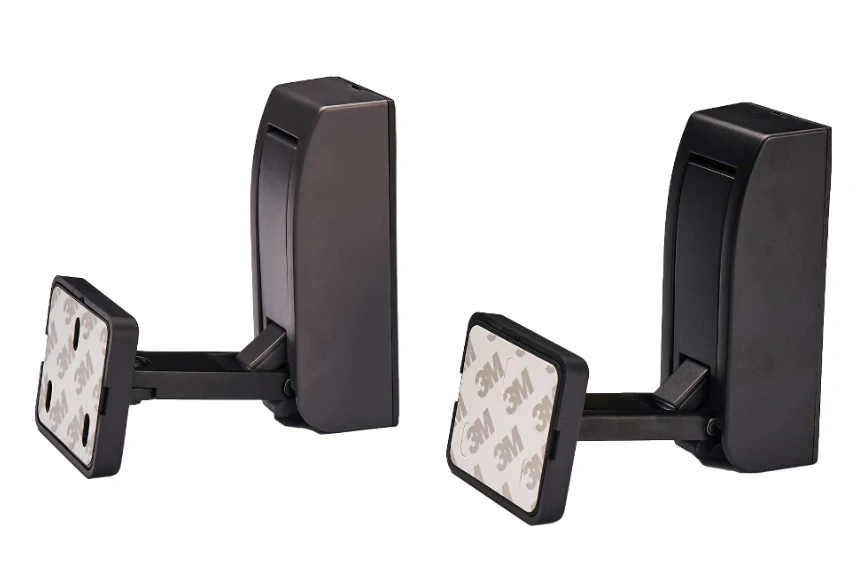
2. Floor Springs (Heavy-Duty Choice)
Installed recessed in the floor, these use hydraulic power to provide robust support and damping—perfect for large commercial doors.
• Key Benefits: High load capacity, suitable for extra-wide or heavy glass doors (single-door weight up to 100kg+). Offers exceptional control stability.
• Ideal For: Shopping mall entrances, hotel lobbies, office building glass doors, and other high-traffic commercial spaces.
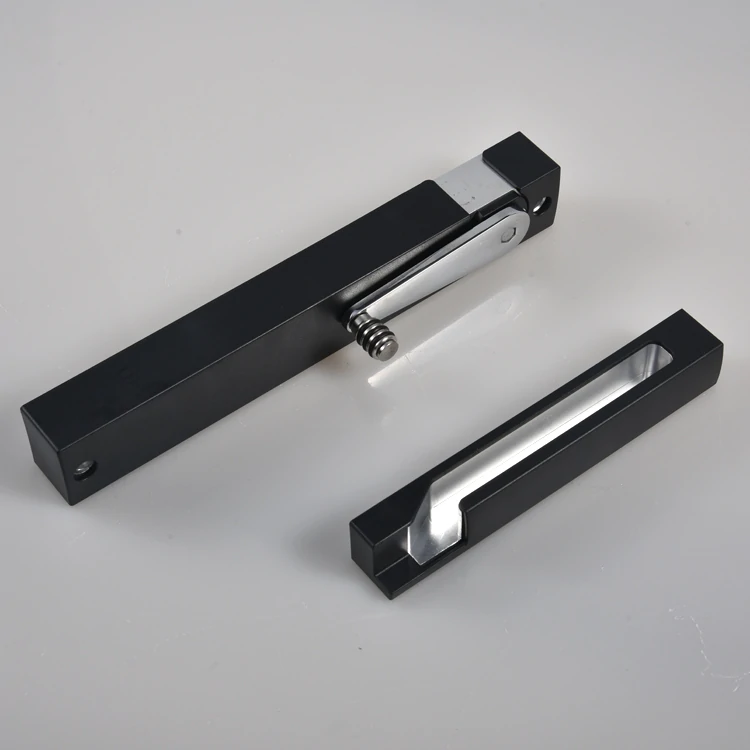
3. Overhead Closers with Backcheck
mounted on top of doors, using hydraulics to control opening and closing speed—common in office settings.
• Key Benefits: Highly adjustable, with standout backcheck functionality to protect walls and door handles from impact.
• Ideal For: Office doors, meeting room doors, and corridor doors that are opened and closed frequently.
The "Backcheck" Function: Two-Way Protection Against Impacts
Hydraulic door stoppers protect in both opening and closing directions—and the backcheck feature is an often-overlooked highlight:
1. Opening Backcheck
When the door is pushed open forcefully, the hydraulic mechanism engages at around 70 degrees, creating damping resistance to slow the door down. This prevents the doorknob from slamming into the wall, protecting wall decor and the handle itself.
2. Closing Soft-Close
The core anti-slamming function: as the door closes to the final 10-15cm, hydraulic damping kicks in, reducing the closing speed to a gentle finish. No more slamming against the frame—just a smooth, quiet shut.
This two-way damping keeps the door controlled throughout its entire movement, from opening to closing.
Installation & Adjustment: Fine-Tune Door Performance
A key advantage of hydraulic door stoppers is adjustability—precision valve tweaks let you tailor performance to your space:
3 Adjustable Valves (Core Controls)
• Valve 1: Closing Speed Adjustment—Controls the overall speed of the door from open to nearly closed. Speed up or slow down as needed.
• Valve 2: Latching Action Adjustment—Regulates the "final click" when the door closes, ensuring a tight seal without impact.
• Valve 3: Backcheck Intensity Adjustment—Adjusts the damping resistance when opening the door, preventing aggressive swinging.
Installation: DIY or Professional?
• Hydraulic Hinges: Compact design, similar installation to standard hinges—DIY-friendly for homeowners.
• Floor Springs: Require floor cutting and recessed installation, with high precision demands. Professional installation is recommended (to avoid damaging pipes or wiring).
• Overhead Closers: Some models are DIY-installable, but heavy-duty versions for large doors need professional calibration.
Troubleshooting: Why Is My Door Still Slamming?
Even with a hydraulic door stopper, improper use or malfunctions can cause slamming. Here are common issues and fixes:
1. Hydraulic Oil Leaks
The most frequent problem: oil stains on the floor or door hinges indicate a damaged seal. Lost means no damping—so the "brake" fails. Solution: Replace the seal or the entire hydraulic mechanism.
2. Temperature Affects Oil Viscosity
Hydraulic oil thickness : cold weather thickens oil (slow door movement), while heat thins it (reduced damping, potential slamming). Solution: Adjust valves seasonally—tighten the closing speed valve slightly in summer, loosen it in winter.
3. Improper Valve Settings
If the closing speed valve is too open, hydraulic resistance is insufficient, and the door closes too fast. Solution: Turn the closing speed valve clockwise slightly to restrict oil flow and increase damping.
Frequently Asked Questions (FAQ)
1. Can a hydraulic door stopper hold the door open?
Yes. Most hydraulic hinges and floor springs include a "Hold-Open" feature—usually locking at 90 degrees. The door stays open until you nudge it, then the hydraulics take over for a gentle close.
2. Does temperature impact hydraulic door stopper performance?
Yes. Hydraulic oil shifts with temperature: thinner oil in heat reduces damping, while thicker oil in cold slows movement. Solution: Make seasonal valve adjustments—tighten the speed valve in summer, loosen it in winter for consistent performance.
3. What is "backcheck" on a door stopper?
is a hydraulic cushioning feature that prevents the door from being swung open too forcefully. It engages at a specific angle (around 70 degrees) to slow the door, protecting walls and doorknobs from impact damage.
Conclusion
Using a 1,000 glass door is a false economy. Hydraulic door stoppers use active damping technology to eliminate slamming at its source, while offering anti-pinch safety, door protection, and noise reduction—making them essential hardware for modern, high-quality spaces.
If you’re tired of the noise and hazards of slamming doors, upgrade to hydraulic soft-close hardware with built-in backcheck technology. Enjoy smooth, silent door operation every time.
Footnotes
1. Explanation of how fluids behave under force, central to hydraulic mechanism function. ↩︎
2. Component definition: a moving disk within a cylinder that transfers force. ↩︎
3. Technical overview of how energy is dissipated to reduce oscillation or speed. ↩︎
4. RoSPA guide on preventing finger crushing accidents in doors. ↩︎
5. Engineering concept regarding a material's ability to support loads without breaking. ↩︎
6. Detailed breakdown of mechanical door closers and their functional arms. ↩︎
7. Properties and uses of fluids designed for hydraulic machinery. ↩︎
8. Scientific explanation of how temperature fluctuations alter fluid thickness. ↩︎
9. Definition of fluid friction and its resistance to flow. ↩︎