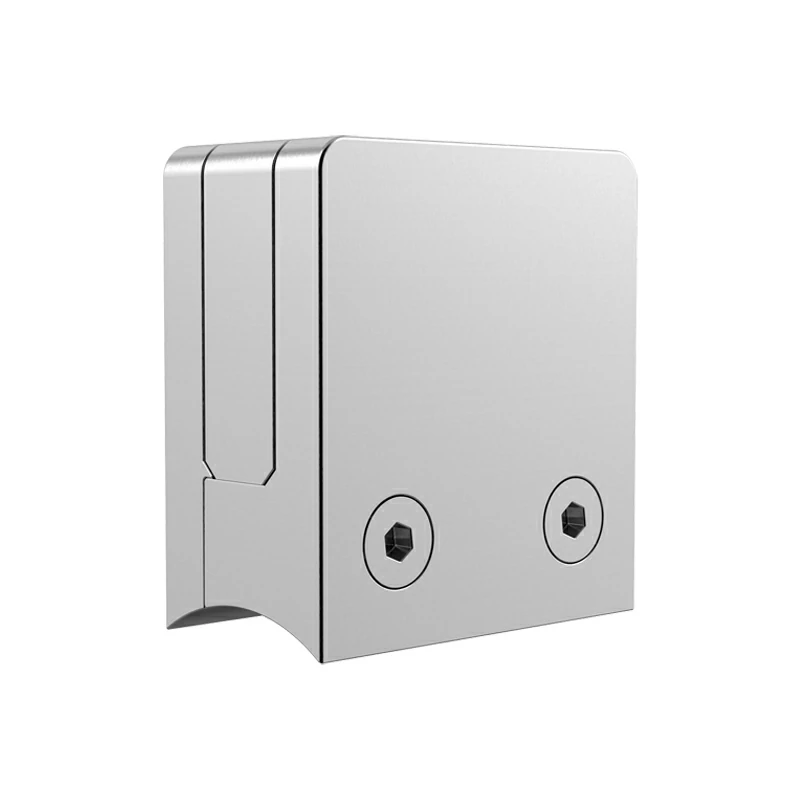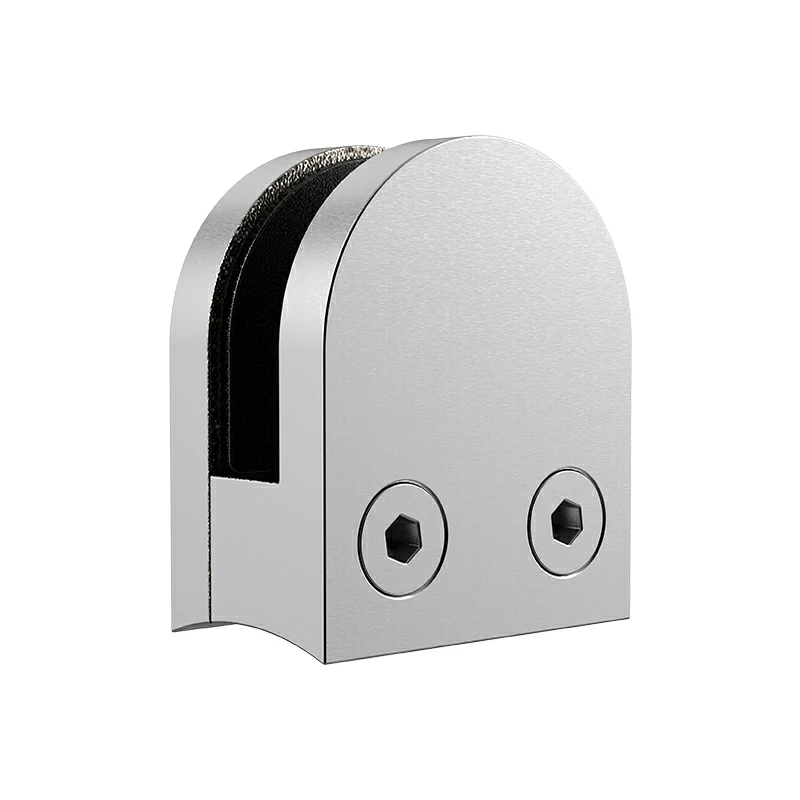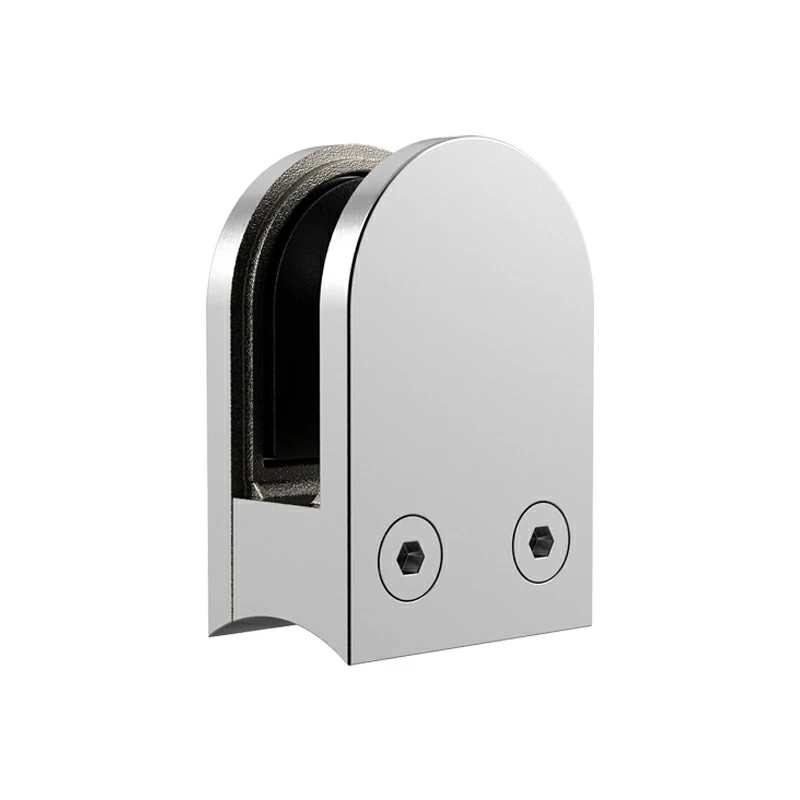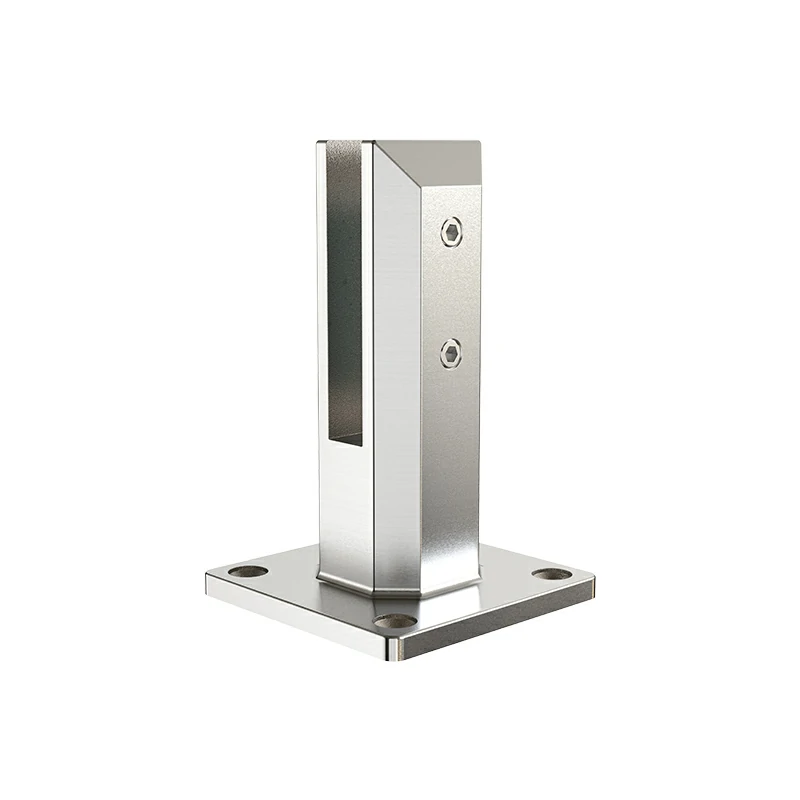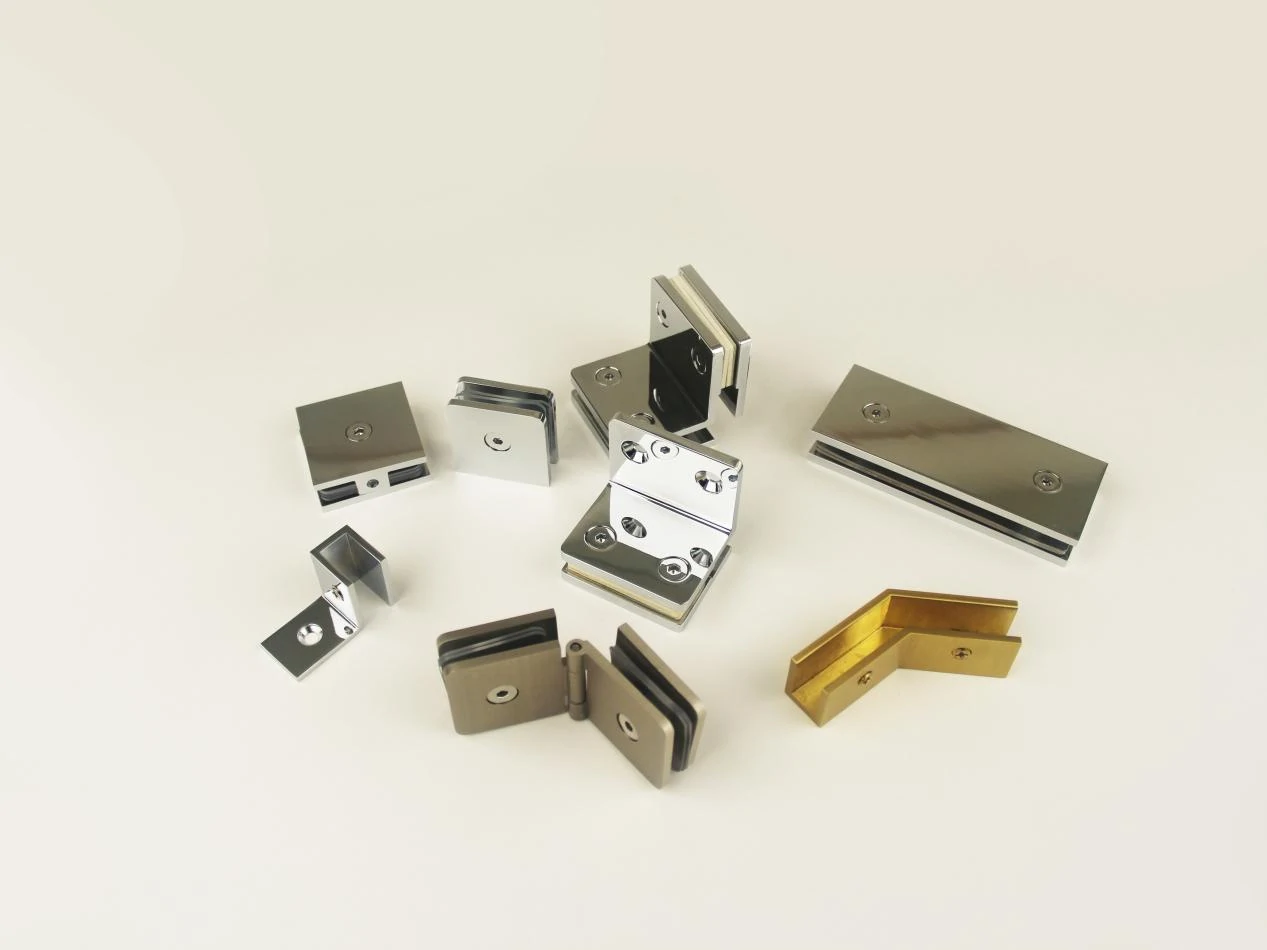
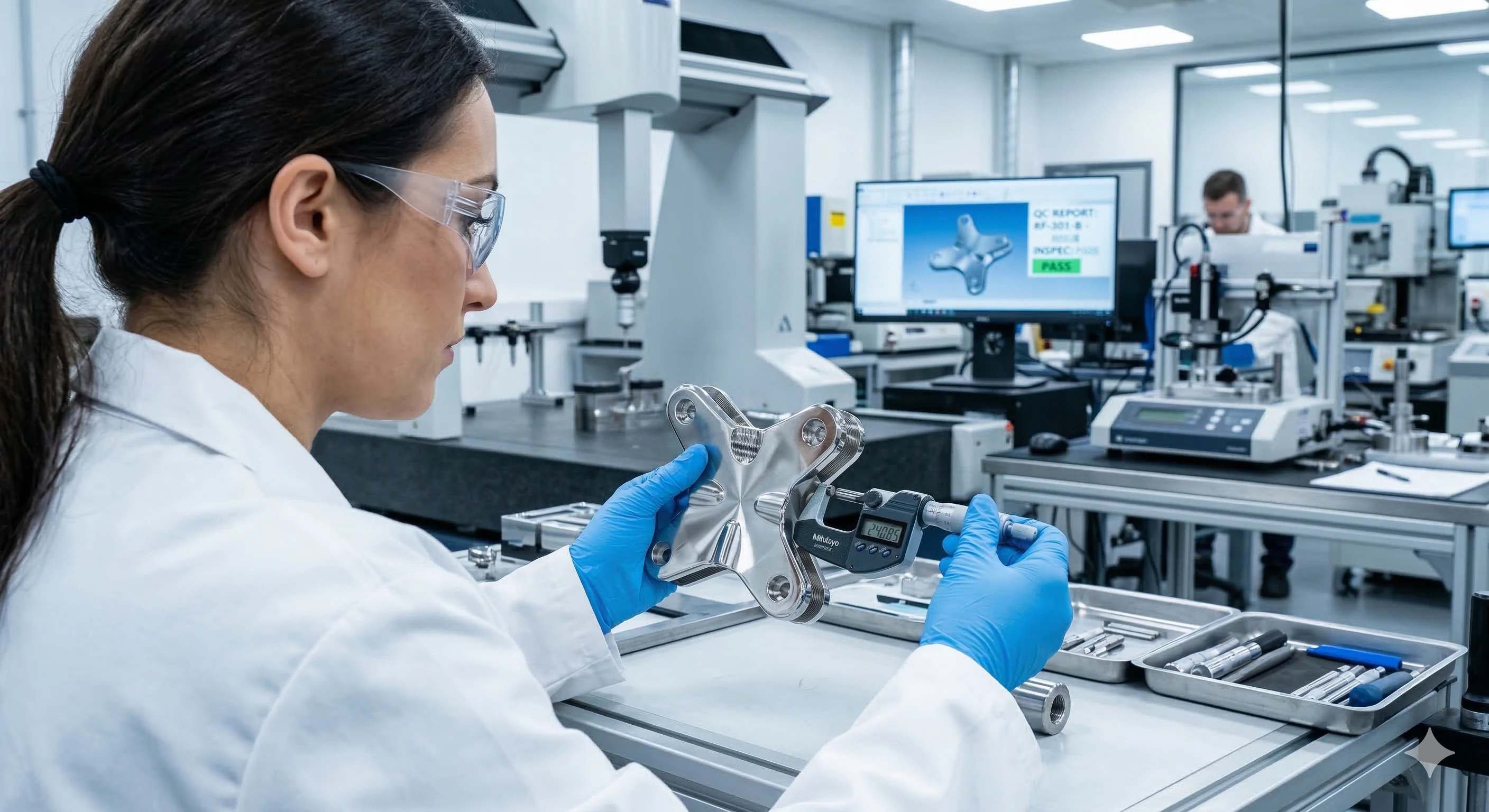
The three main types of physical inspections in manufacturing are dimensional, material, and visual inspections. Dimensional checks verify geometry, material tests ensure structural integrity without causing damage, and visual inspections confirm the aesthetic and surface finish quality of the final part.
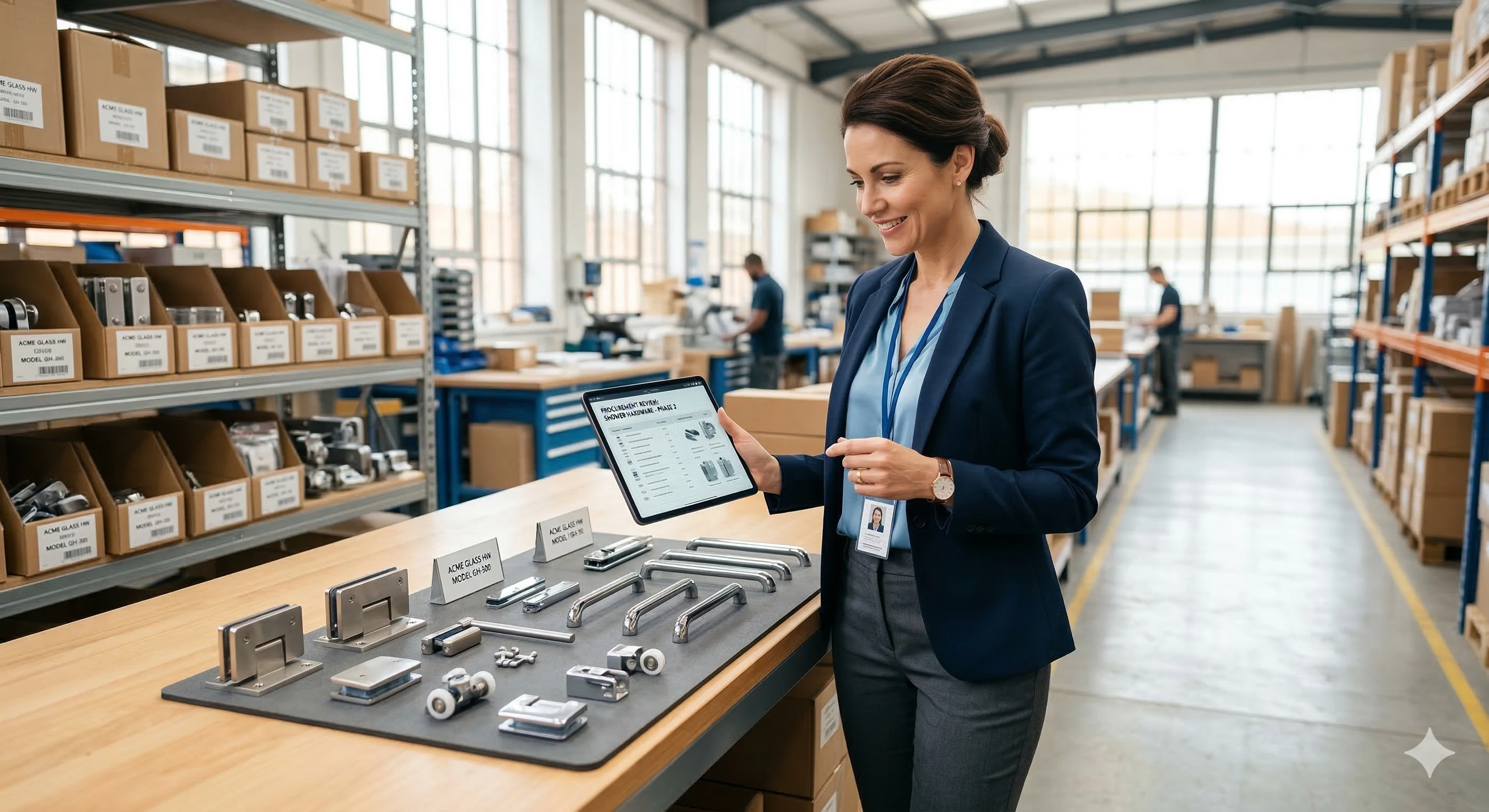
Let us explore how we use these physical inspection methods to verify and the advanced technology required for each process. We manufacture durable products with stable performance, and our strict quality control ensures every shipment is perfect.
What is Type 1: Dimensional Inspection (The Geometry Check)?
Have you ever received a batch of glass brackets where the bolt holes were off by a fraction of a millimeter? That tiny error means the glass installer cannot mount the panel safely. At our factory, we know dimensional inspection is the only way to guarantee perfect assembly. We provide comprehensive to prevent these costly dimensional issues from the very beginning.
Dimensional inspection is the process of verifying the physical size, shape, and geometric tolerances of a manufactured part against its engineering drawings. This strict geometry check ensures every single component fits together perfectly during the final assembly process at the job site.
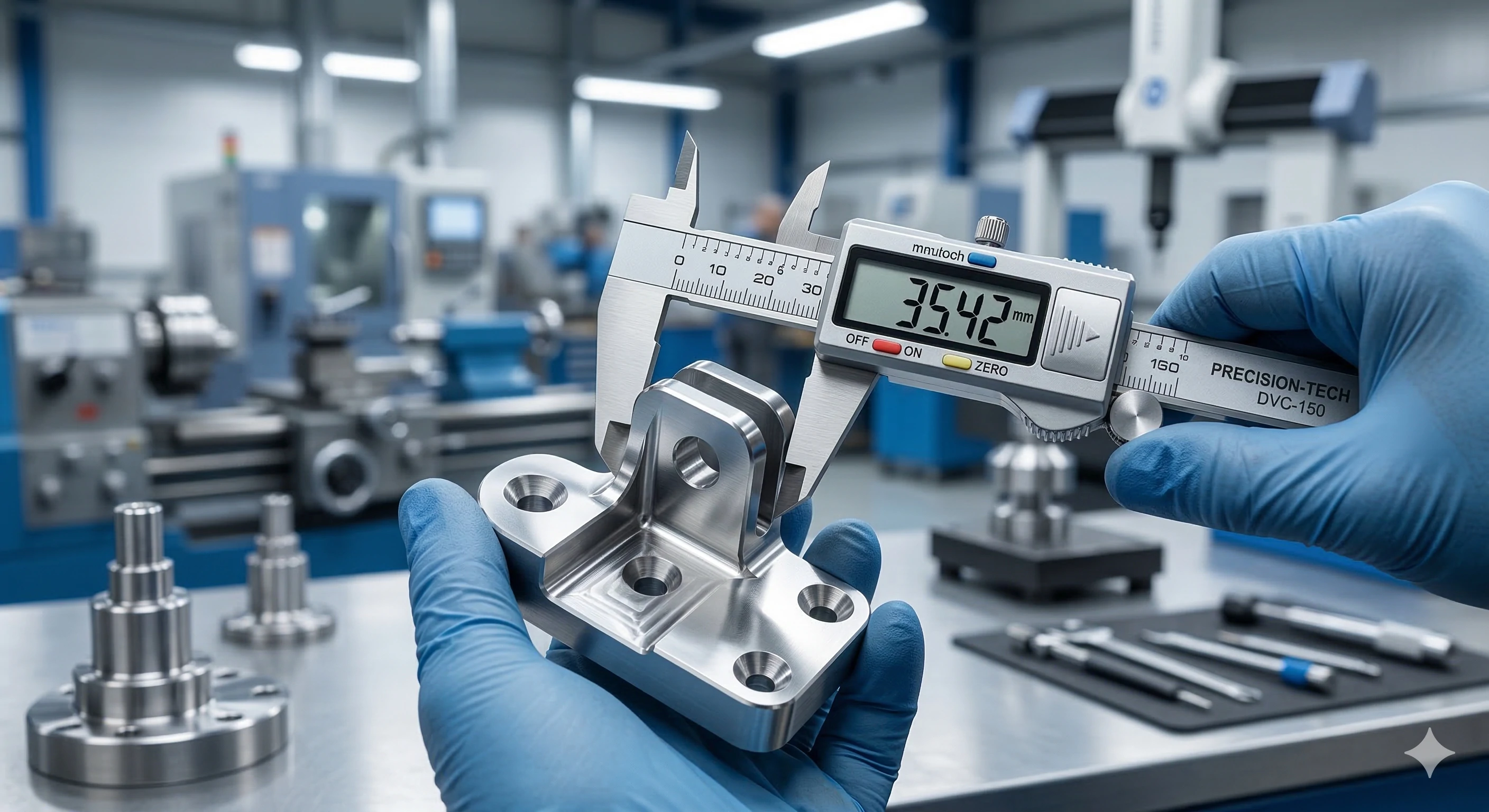
We rely on a mix of basic tools and to verify dimensions. Operators on our factory floor use vernier calipers, micrometers, thread gauges, and go/no-go gauges for quick checks during the initial stages. However, for high-precision parts and mid to high-end products, manual tools are simply not enough.
Advanced Metrology and CMM
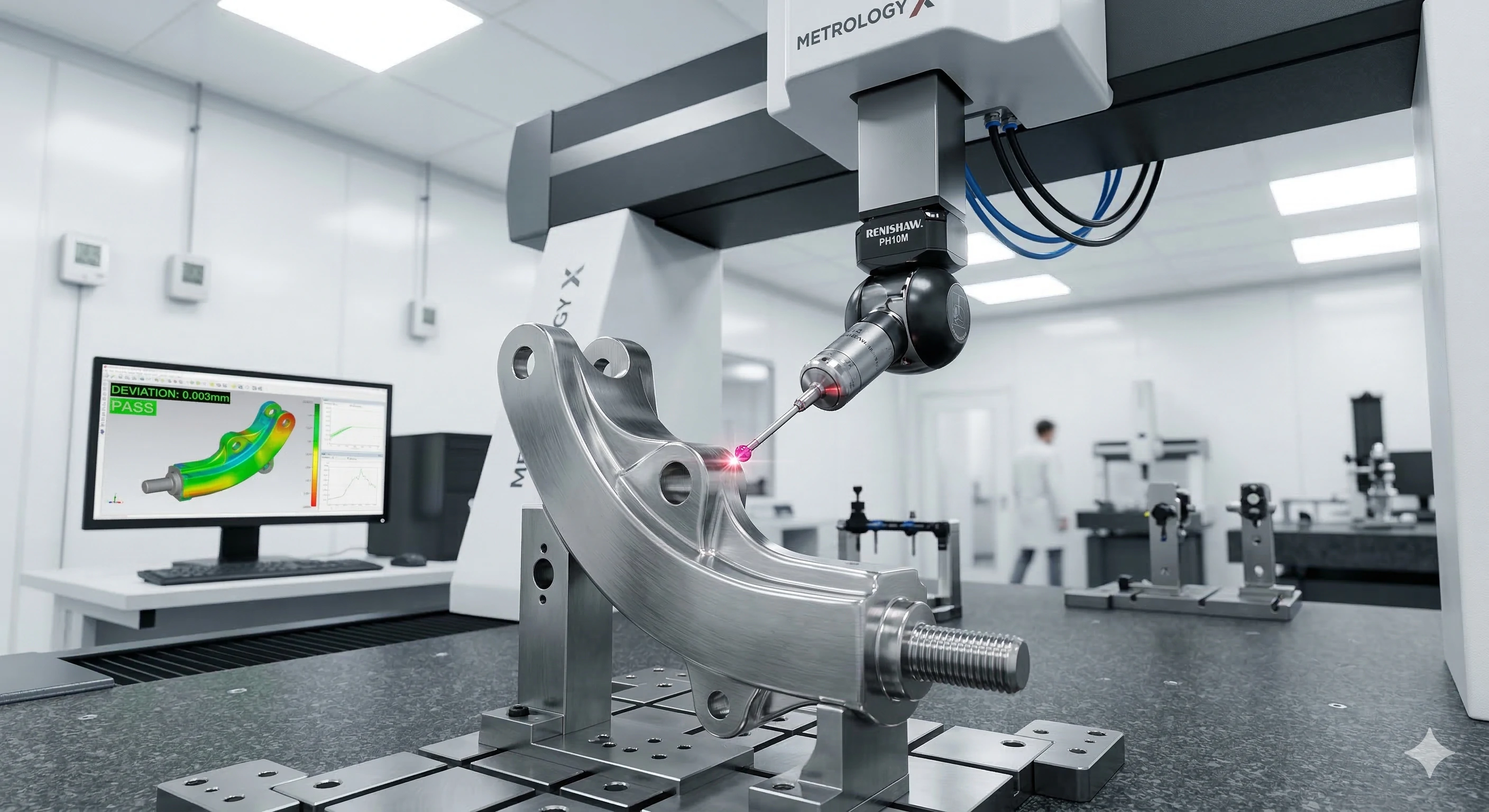
To achieve ultimate precision, our engineers use a . A highly sensitive ruby-tipped probe touches the part in 3D space. It measures complex geometries, hole concentricity, and flatness down to 0.001mm. This advanced technology allows us to catch microscopic deviations early. If a dimension is wrong, the part is useless.
Comparing Dimensional Tools
| Tool Type | Example Instruments | Accuracy Level | Best Use Case |
|---|---|---|---|
| Manual Tools | Vernier calipers, micrometers | Moderate | Quick factory floor checks |
| Advanced Metrology | Coordinate Measuring Machine (CMM) | Extreme (0.001mm) | Complex 3D geometries and strict tolerances |
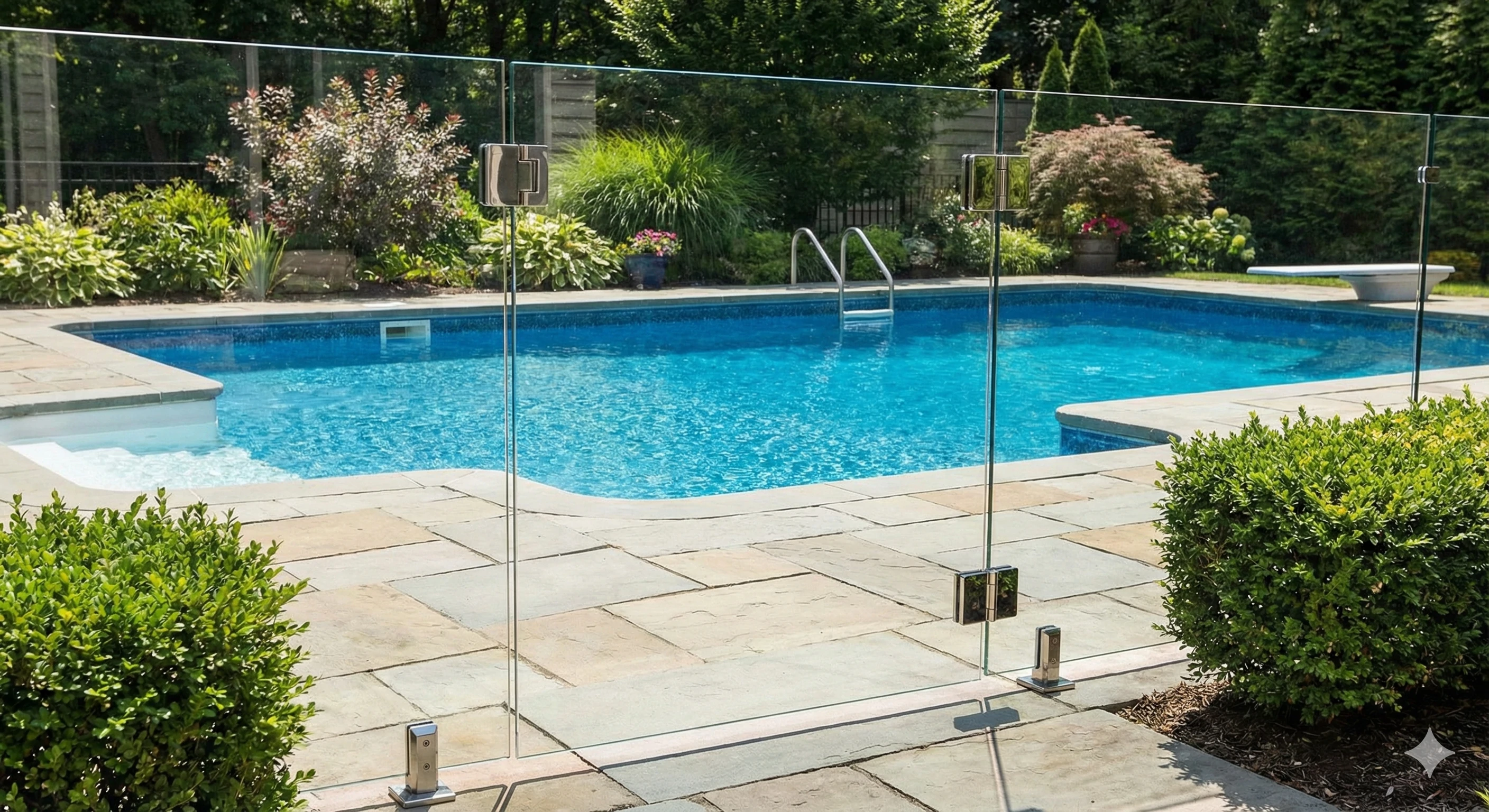
By combining routine floor checks with strict CMM verification, we ensure every OEM part meets your exact specifications. This dual approach minimizes waste and guarantees reliability. We continuously calibrate our CMM equipment to maintain absolute accuracy. When we manufacture glass railing fittings for a major architectural project, we know the tolerances are unforgiving. A deviation of just 0.5mm can cause the entire glass panel to sit unevenly. Our CMM equipment provides a of the physical part, allowing our engineering team to compare it directly against the original CAD file. We provide these detailed dimensional reports to our clients so they have complete confidence before the parts even ship.
What is Type 2: Material & Structural Inspection (The Integrity Check)?
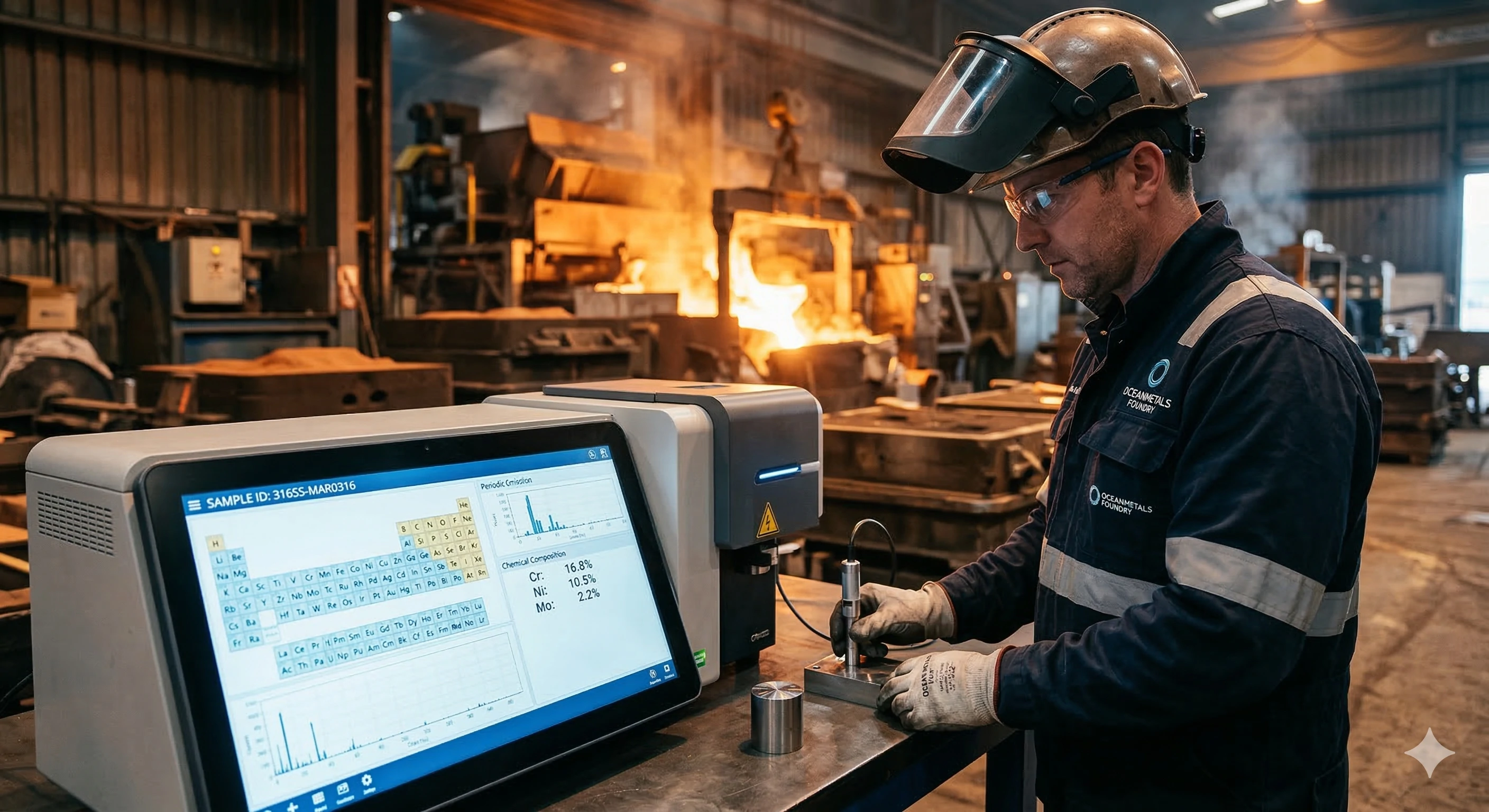
Does a flawless exterior give you confidence in a metal part? A casting might look perfect on the outside but actually be hollow on the inside due to hidden air bubbles. In our foundry, we know that structural integrity is vital to prevent under pressure. We collaborate with clients on design and development to ensure product safety is never compromised in the field.
Material and structural inspection involves verifying that a metal component has the correct chemical alloy composition and an internal structure completely free of hidden defects. This integrity check proves the part will safely withstand its intended physical load and environmental stress.
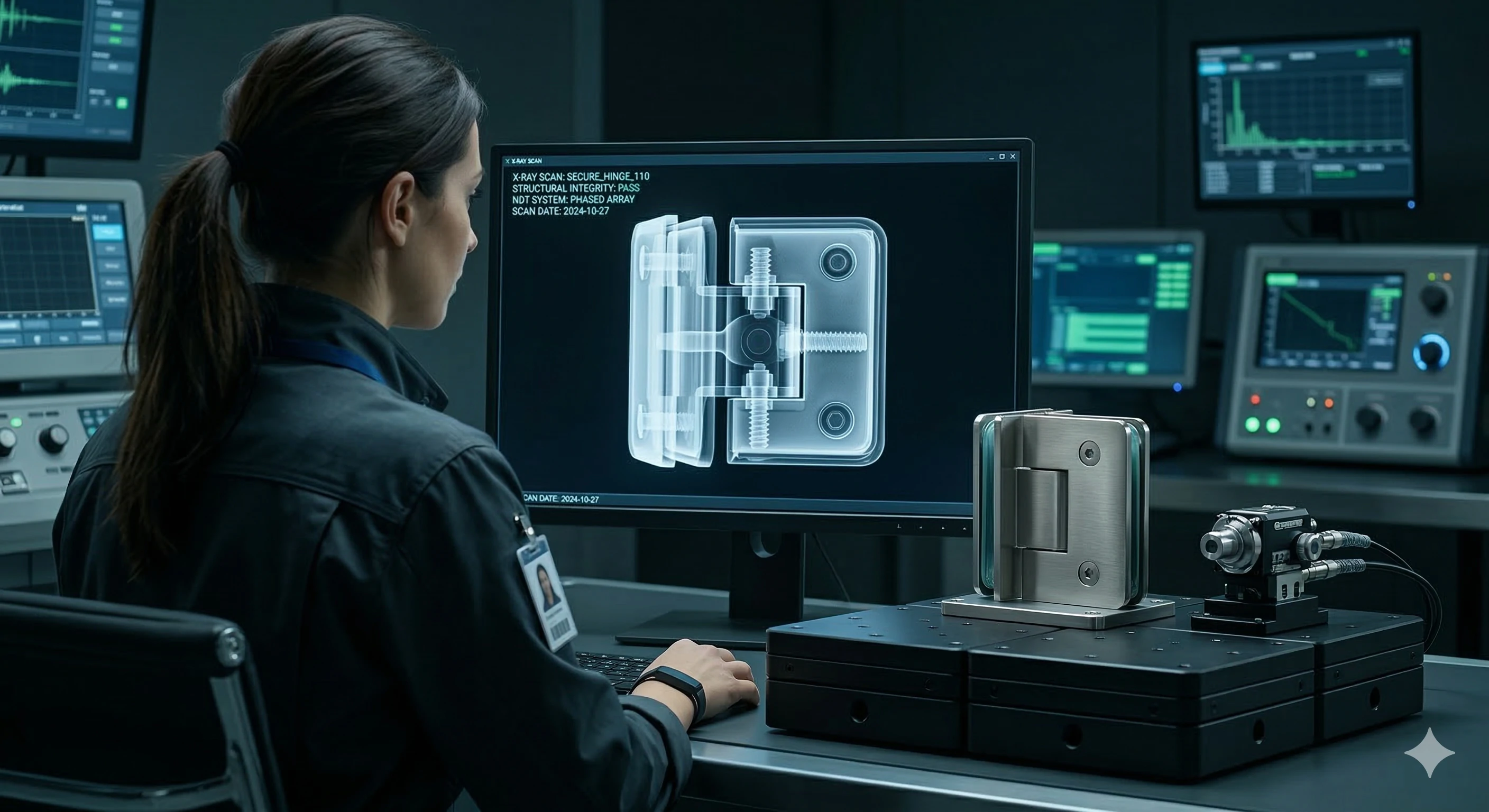
Proving is what makes a foundry world-class. We divide this critical inspection process into chemical analysis and internal flaw detection.
Chemical Alloy Verification
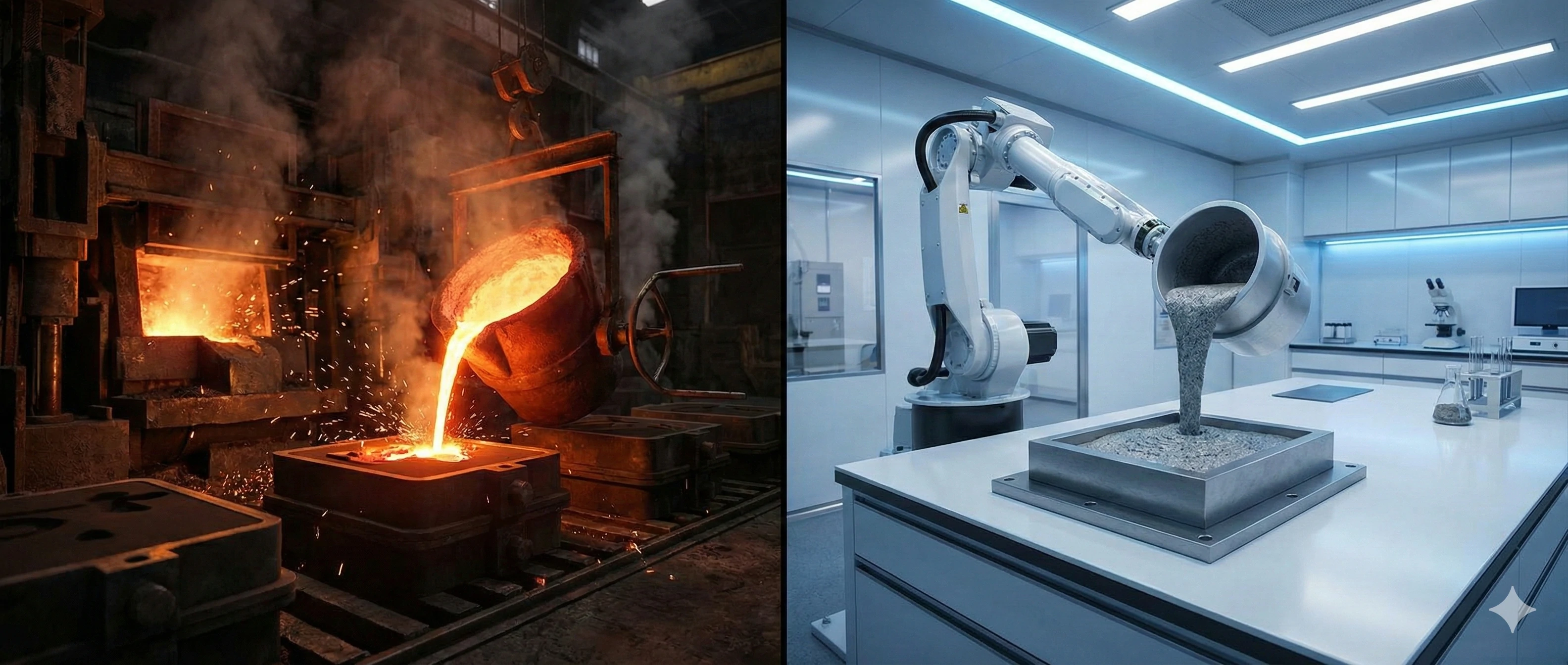
Before we even pour the metal, we must confirm its chemical makeup. We use an to analyze the molten metal. This ensures it has the exact percentages of Chromium, Nickel, and Carbon required for true Marine-Grade 316 Stainless Steel.
Non-Destructive Testing (NDT)
After casting, we perform . This allows us to find internal porosity or shrinkage cavities completely through solid cast iron or steel before the part ever goes to a CNC machine. We use X-Ray and Ultrasonic Testing for deep internal checks. For surface-level integrity, we apply a fluorescent liquid during Dye Penetrant Testing (PT) to find microscopic surface cracks.
| Inspection Method | Target Defect | Testing Technology |
|---|---|---|
| Chemical Analysis | Incorrect alloy composition | Optical Emission Spectrometer (OES) |
| Deep NDT | Internal porosity and cavities | X-Ray and Ultrasonic Testing |
| Surface NDT | Microscopic surface cracks | Dye Penetrant Testing (PT) |
These strict testing protocols guarantee that your parts are structurally invincible. You will never have to worry about a component snapping under pressure in the field. In the marine and architectural industries, the environment is harsh. Saltwater, heavy winds, and daily physical impact take a toll on hardware. If a glass shower hinge has hidden porosity, the daily stress of opening and closing a heavy glass door will eventually cause it to fracture. By using X-Ray testing, we can literally see inside the solid metal. If we detect even a minor shrinkage cavity, that part is immediately rejected. This dedication ensures that when you receive a container of our products, you are getting exactly what you paid for—flawless, reliable hardware.
What is Type 3: Visual & Surface Inspection (The Cosmetic Check)?
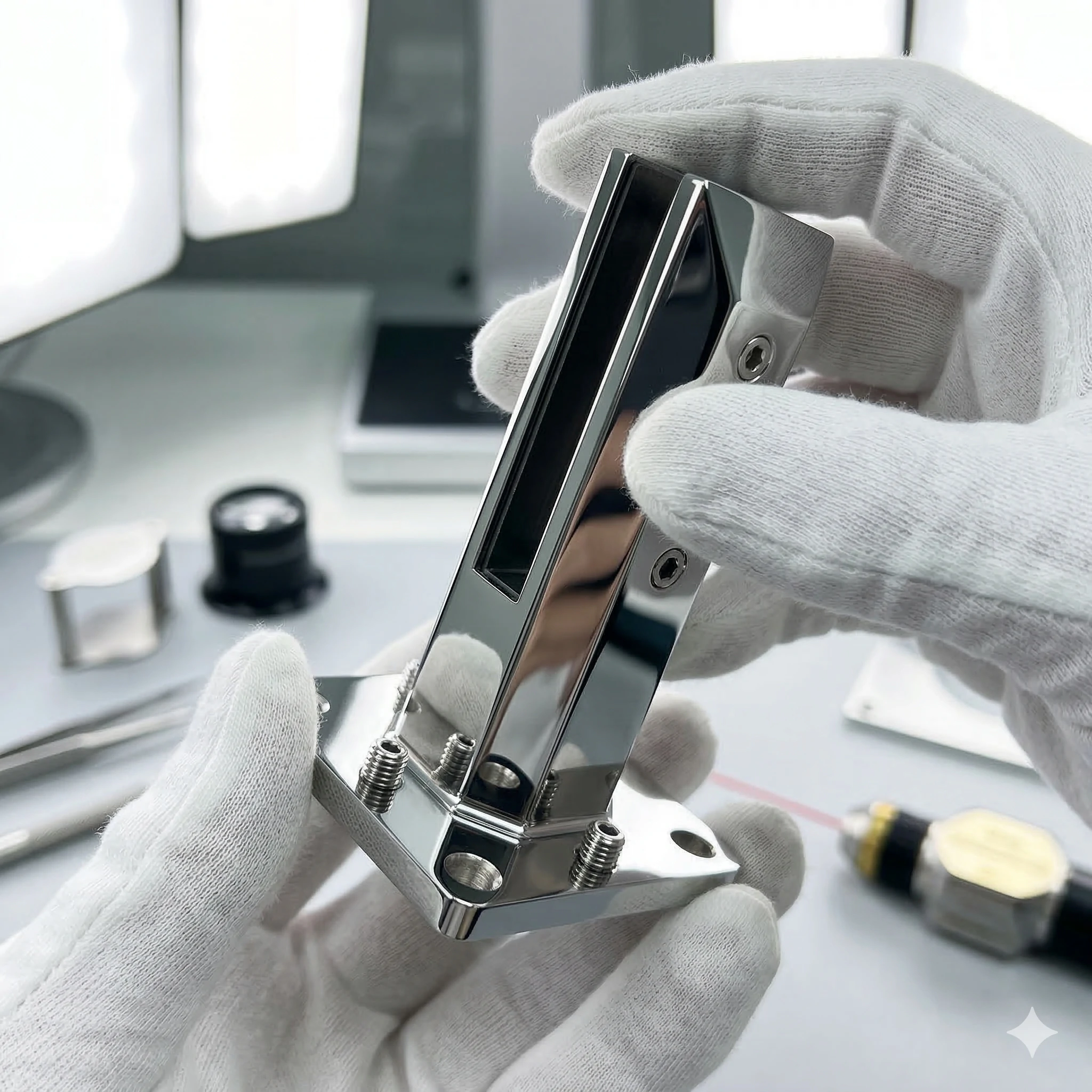
Are you tired of receiving hardware with visible scratches or inconsistent polishing? A rough finish can ruin the aesthetic appeal of a premium product or cause premature wear on moving parts. When our quality team performs cosmetic checks, we ensure every surface meets strict visual and functional standards. We know procurement managers hate supplier delivery delays and substandard products, which is why we perfect the finish the first time.
Visual and surface inspection evaluates the aesthetic appearance, surface roughness, and finish quality of the final manufactured part. This cosmetic check ensures the component looks flawless to the naked eye and meets the required microscopic smoothness for proper mechanical function.
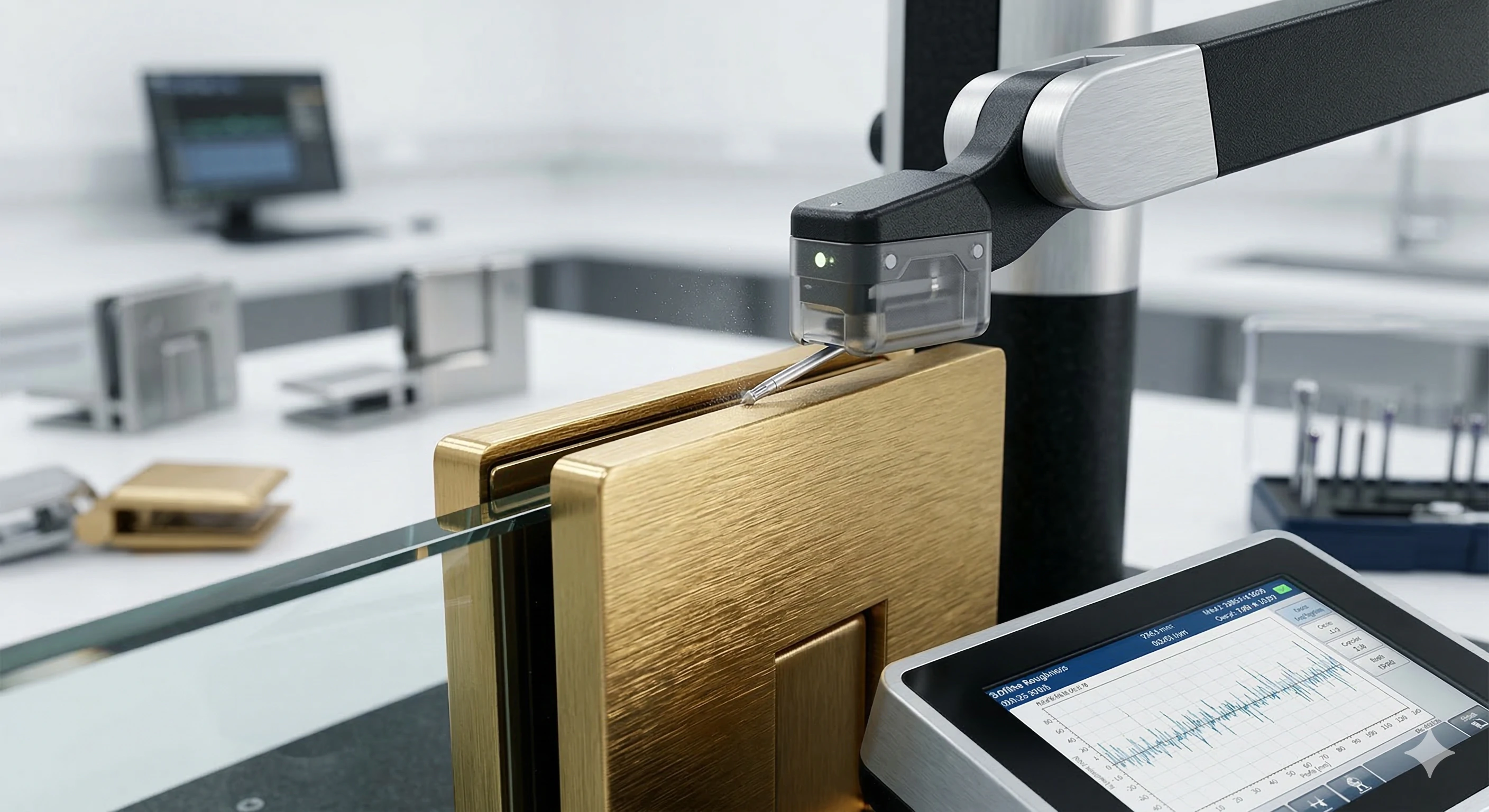
Surface finish is not just about looking shiny. It plays a critical role in both aesthetics and mechanical performance. For architectural hardware, like frameless glass spigots, the part must be completely flawless to the naked eye.
Measuring Surface Roughness
For moving components, the requirements are even stricter. Bearing journals on a machined shaft must have a specific microscopic smoothness. If the surface is too rough, it will wear out the rubber seals. We use a tool called a profilometer to measure surface roughness. A microscopic diamond stylus is dragged across the metal surface to measure peaks and valleys, giving us an "Ra" (Roughness Average) value. The lower the Ra value, the smoother the surface.
Cosmetic Defect Checks
Our inspectors carefully examine every batch for common visual defects.
| Inspection Focus | Standard Requirement | Potential Issue |
|---|---|---|
| Surface Marks | No scratches or tooling marks | Poor visual appeal |
| Finish Consistency | Uniform brushed (satin) or mirror-polished finishes | Inconsistent product matching |
| Coating Quality | Correct adhesion and thickness of PVD or powder coatings | Flaking or premature corrosion |
Beyond just looking good, the surface finish protects the core material. For our black or gold glass hardware lines, we use advanced PVD coatings. If the base metal is not perfectly polished before coating, the PVD layer will not adhere correctly, leading to flaking and corrosion down the line. We utilize strict salt spray testing alongside our visual inspections to guarantee the finish will endure years of use. Our inspectors are trained to catch the smallest tooling marks that a machine might leave behind. By the time a part passes our cosmetic check, it is ready to be installed in a luxury hotel or high-end residential property.
Why is the "Three-Legged Stool" of OEM Quality Important?
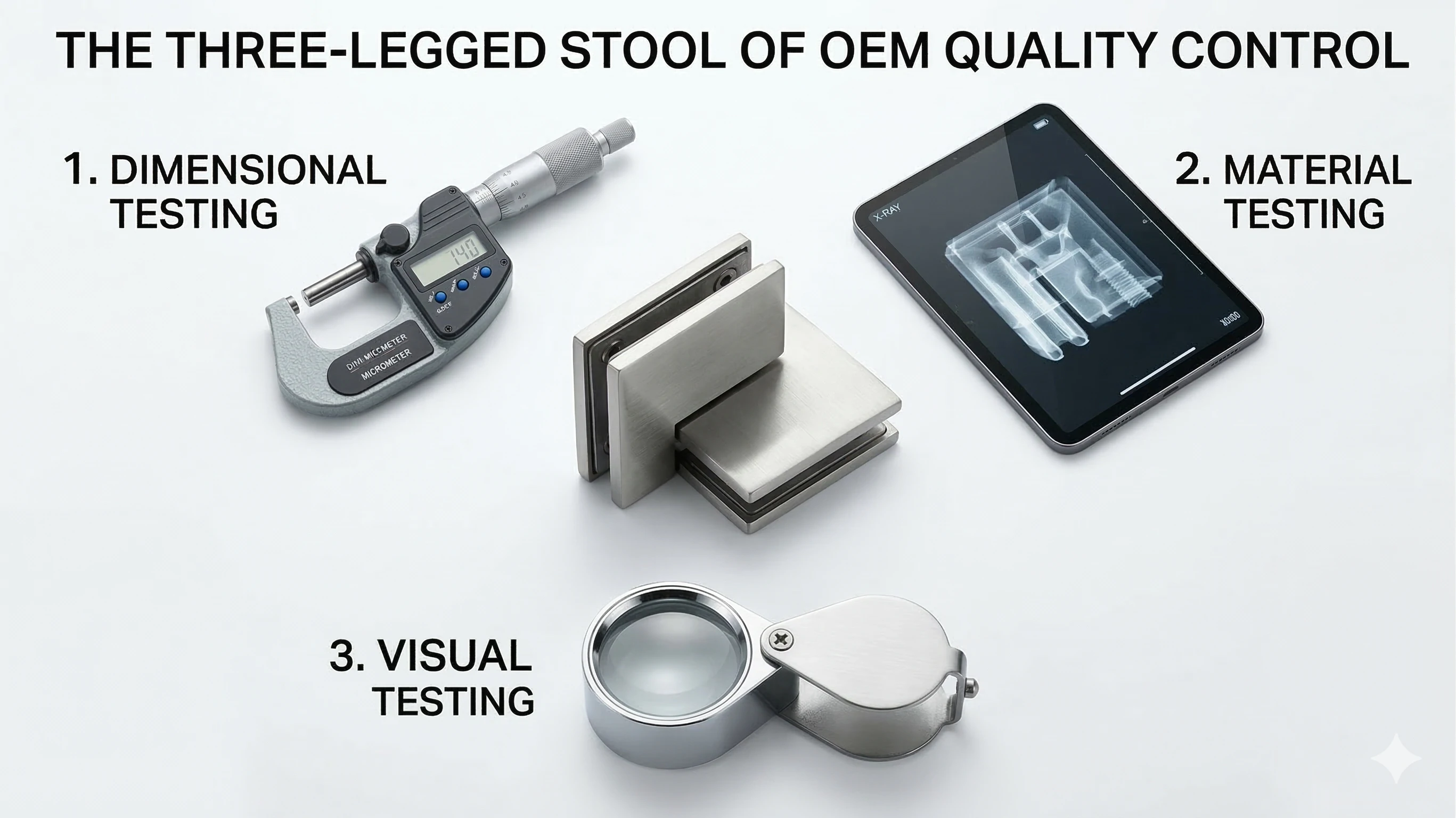
Have you ever had a beautiful, perfectly sized part fail in the field? Skipping even one type of testing puts your entire product line at risk. In our manufacturing facility, we treat quality control as an unbreakable system where all testing methods must work together. We solve pain points like poor durability and frequent malfunctions through this exact system.
The three-legged stool of OEM quality means dimensional, material, and visual inspections must all pass for a part to be approved. Premium manufacturing requires these three methods working in harmony to guarantee the component performs exactly as engineered in the real world.

We call this comprehensive approach the B2B pivot tying it all together. The danger of skipping one inspection type is severe and can ruin a product's reputation.
The Risks of Incomplete Testing
Imagine a part that is dimensionally perfect and looks beautiful. It passes Type 1 and Type 3 inspections. However, if the internal casting is full of air pockets, it will snap under pressure. Conversely, a part can be structurally invincible, passing Type 2 NDT tests. But if the CNC dimensions are wrong, it is nothing more than a useless paperweight.
Delivering the Complete Solution
We refuse to cut corners. Our complete solution ensures that no defective part leaves our shipping dock. By integrating CMM checks, NDT methods, and strict cosmetic reviews, we protect your supply chain. When you partner with a manufacturer, you are trusting them with your brand's reputation. A single failure in the field can cost thousands of dollars in replacement labor and damage your relationship with your own clients.
The 'Three-Legged Stool' approach is not just a quality control strategy; it is a business protection strategy. By ensuring dimensional accuracy, material integrity, and surface perfection, we eliminate the pain points commonly associated with overseas manufacturing. We handle the strict engineering requirements so you can focus on growing your distribution network without worrying about returns or failures.
Frequently Asked Questions
What is a CMM in dimensional inspection? CMM stands for Coordinate Measuring Machine. It is highly advanced metrology equipment that uses a probe to measure geometrical characteristics in 3D space, providing a digital readout accurate to a few microns.
What does NDT mean in casting inspection? NDT stands for Non-Destructive Testing. It includes methods like X-ray or Ultrasound used to evaluate the internal integrity of a casting for hidden cracks without altering the part itself.
Conclusion
Verifying a custom metal part requires a strict trio of tests. You must measure its geometry, prove its metallurgical integrity, and confirm its surface finish. Do your custom components require strict CMM dimensional checks or NDT material verification? We manufacture precision investment castings with full metrology reports. Submit your CAD files for a comprehensive engineering and QC review. As your reliable partner, we are ready to support your business with world-class hardware.
Footnotes
1. Understand the stages and management of supply chain operations.
2. Overview of Original Equipment Manufacturers and their industry role.
3. Learn about the structured process of engineering design.
4. Introduction to the scientific study of measurement and metrology.
5. How coordinate-measuring machines ensure exact geometrical precision.
6. Explore how digital twins simulate physical models in real-time.
7. Causes and prevention of sudden, severe structural failures.
8. The science of metallurgy and internal material properties.
9. How atomic emission spectroscopy identifies chemical compositions.